




In Conversation with Kaviar’s Head Chef: Inside the Inspiration and Craft of Our Omakase
At Kaviar, our head chef leads an omakase program rooted in traditional Japanese technique and elevated by seasonal, premium ingredients — creating an intimate luxury experience in Pasadena. This interview-style feature traces the chef’s influences, the thinking behind signature tasting courses, and practical guidance for guests seeking an omakase in Pasadena. Many diners ask about ingredient provenance, how we handle A5 Wagyu and caviar, and what distinguishes counter service from other fine dining formats; this piece answers those questions with clear culinary insight and reservation tips. You’ll learn the chef’s philosophy, how standout dishes are built, where premium items come from, and what to expect when booking and attending a tasting-menu service. The article moves from biography and inspiration to dish-level detail, sourcing transparency, reservation guidance, and the trends that shape Kaviar’s seasonal menu work.
Who is Kaviar’s Head Chef and What Inspires His Culinary Journey?
Our head chef is the creative heart of Kaviar’s omakase, building tasting menus that foreground seasonality, rare ingredients, and exacting technique. His approach blends formal training in Japanese cuisine with a deep commitment to provenance and balanced flavor. That combination — disciplined training plus careful sourcing — produces the guest benefit we strive for: tasting courses that feel cohesive, evolve logically, and let each ingredient shine at its peak. His background includes apprenticeships at sushi counters, mentorships in classical technique, and an eye for modern plating — all of which shape Kaviar’s tasting-menu rhythm and how courses are arranged for maximum effect.
What shaped the chef’s passion for Japanese fine dining and omakase?
Early apprenticeships at traditional sushi counters taught the chef rhythm, precision, and humility — qualities central to omakase. He learned knife work, rice seasoning, and the discipline of timing through hands-on training, and remembers a defining moment when a master swapped a single fish to mark a guest’s celebration. That act framed service as storytelling and deepened his commitment to seasonality and sourcing. He often describes his process as “listening to the ingredient,” and those formative experiences continue to guide how each course is conceived and served at Kaviar.
How does the chef’s philosophy influence Kaviar’s seasonal menu innovation?
The chef prioritizes seasonal availability, careful sequencing, and light-handed technique to amplify natural flavor — principles that drive our menu changes through the year. Each course is composed to prepare the palate for the next by contrasting texture, temperature, and umami intensity; recently, heavier sauces have been replaced with brighter vinegars as produce reaches peak. Emphasizing seasonal ingredients keeps dishes fresh and invites techniques like short aging or gentle curing that enhance lineage without masking provenance. Knowing this helps diners understand why the menu can shift weekly and how the omakase unfolds as a deliberate tasting narrative.
What Signature Dishes Define Kaviar’s Luxury Dining Experience?
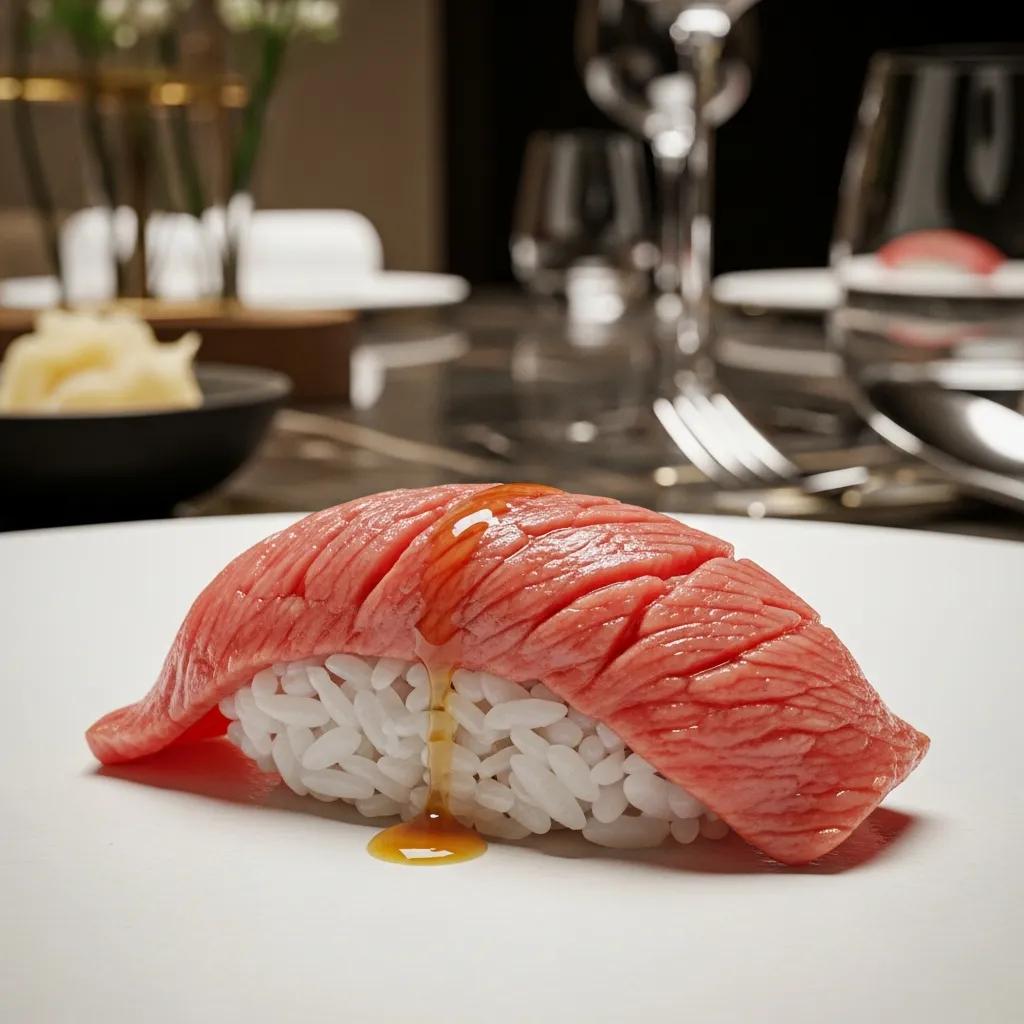
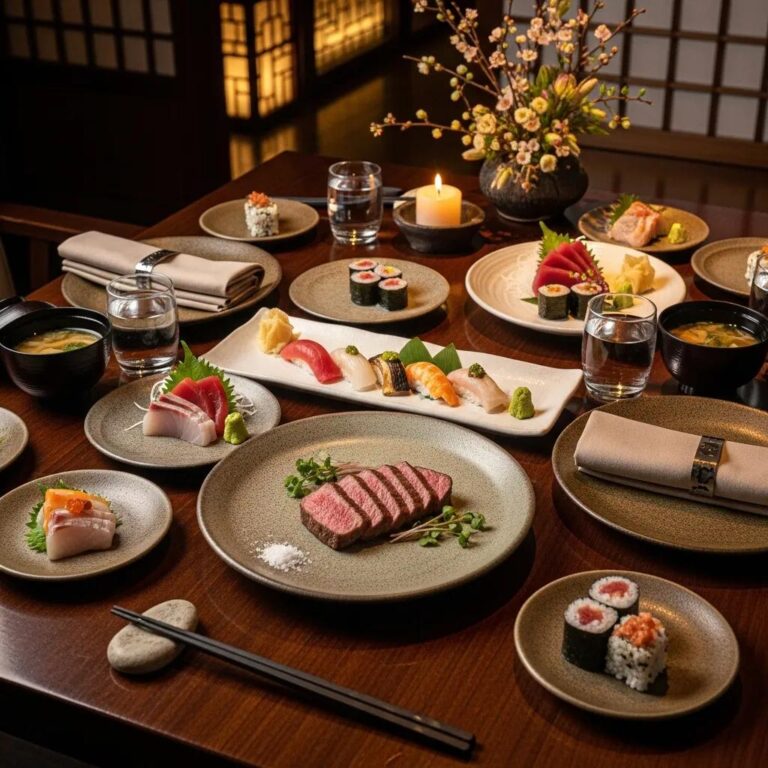
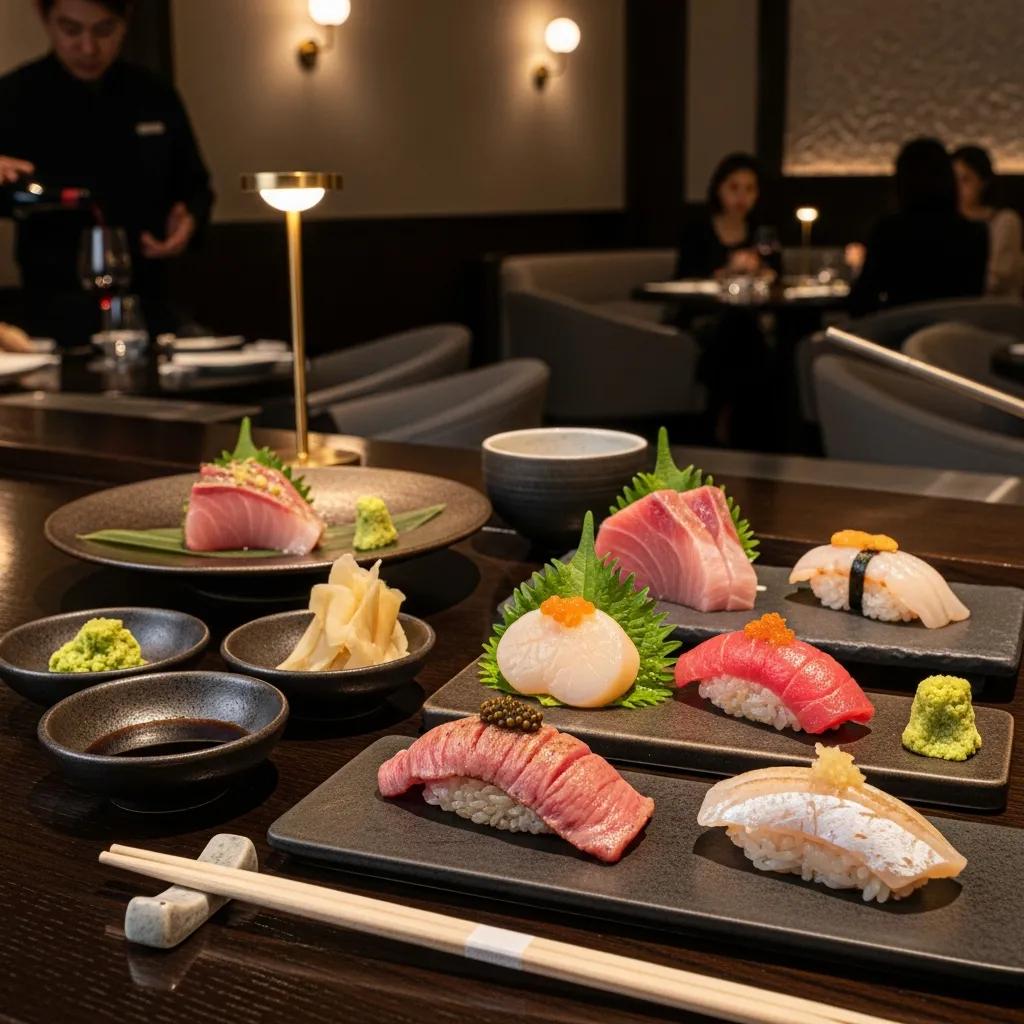
Our signature courses pair exceptional ingredients — A5 Wagyu, carefully selected caviar, and seasonal fish — with precise technique to create memorable tasting moments that balance flavor, texture, and presentation. Each course is a moment in the larger omakase story: small plates and nigiri are composed to highlight finishing touches like sauces and garnishes that lift the whole bite.
Below are examples of standout courses, their key elements, and pairing suggestions that reflect the chef’s intention to honor provenance and craft while guiding a graceful progression.
How are premium ingredients like A5 Wagyu and caviar featured in the tasting menu?
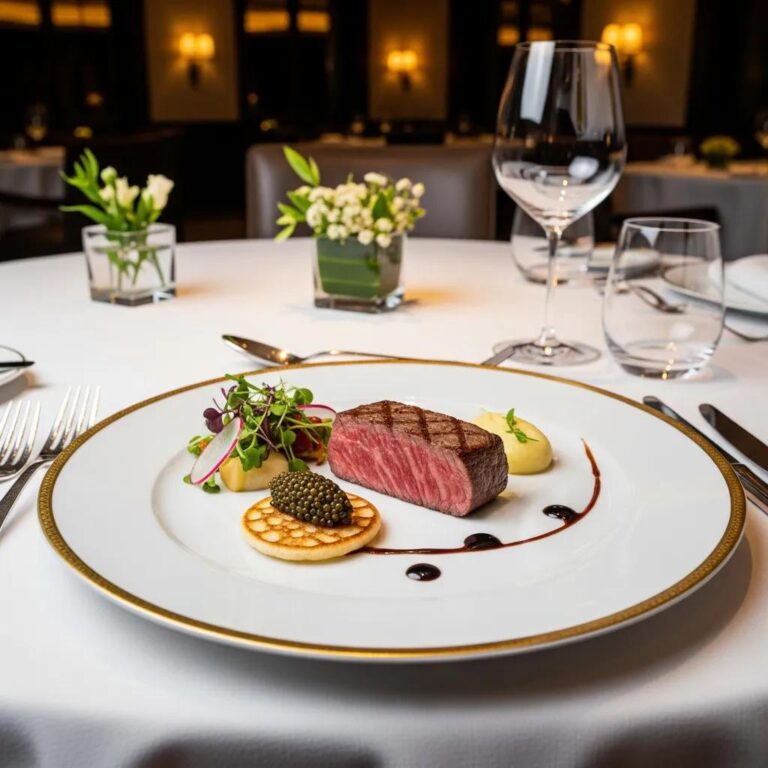
A5 Wagyu and select caviar appear as focal moments in the tasting — sometimes as a centerpiece nigiri, sometimes as a restrained accent — used to punctuate the sequence with texture and umami. Portions are intentionally small and precise so the richness of Wagyu reads as a highlight, not an overload; brief acids or a flake of salt reveal the fat’s nuance. Caviar is used sparingly to lift chilled bites like custard or lightly chilled seafood, emphasizing saline brightness and mouthfeel. These presentations follow a simple rule: reserve intense ingredients for moments of impact within a carefully paced arc.
What culinary techniques does the chef use to craft these exclusive dishes?
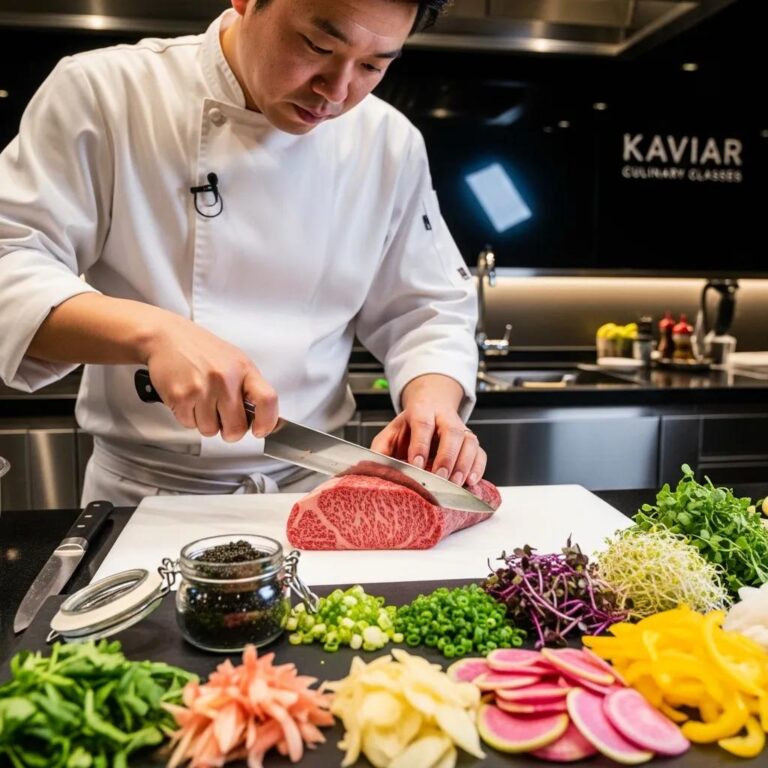
Core techniques at Kaviar include delicate searing for premium beef, meticulous rice seasoning and hand-formed nigiri, short wet-aging to concentrate fish flavor, and targeted sous-vide for precise temperature control when appropriate. Each method is chosen to showcase an ingredient’s strength — searing to render fat while keeping texture, gentle curing to enhance mouthfeel, and instant finishing (torch or shave) to add aromatic lift. The chef favors restraint: a micro-sauce or a single flake of salt can transform a bite. These techniques explain why the tasting menu feels unified and why preparation always supports provenance.
How Does Kaviar’s Omakase Experience Stand Out in Pasadena’s Fine Dining Scene?
Kaviar’s omakase distinguishes itself through an intimate counter format, direct chef-to-guest dialogue, and a seasonally rotating roster of rare ingredients — together these elements create an immersive, personalized tasting experience.
The model relies on direct interaction — chef explanations and on-the-fly customization — which delivers tailored pacing, context for each course, and occasional off-menu adjustments for preferences or celebrations.
Our dining room is designed to narrow focus to the food and the moment, resulting in refined service and a sensory atmosphere that sets Kaviar apart from broader fine-dining alternatives.
The list below highlights specific differentiators; the following section explores how ambiance and seating support the guest journey.
- Intimate counter seating that enables direct chef interaction and real-time tailoring.
- Seasonally driven rare ingredients, including A5 Wagyu and select caviar, featured in certain courses.
- A tasting flow arranged as a narrative, with pacing adjusted by the chef to suit each party.
What makes Kaviar’s omakase unique compared to other luxury Japanese restaurants?
We differentiate ourselves with a deliberately curated omakase that emphasizes rare, seasonal ingredients and deep chef-guest engagement instead of a fixed, one-size-fits-all script. The chef adapts the order, portion sizes, and tempo during service based on diner cues and flavor progression, enhancing personalization and perceived value. Rather than treating omakase as a static checklist, we see it as a living sequence where small, thoughtful adjustments — a touch more sauce, a trimmed garnish — communicate care. The result is a guided culinary narrative rather than a predetermined menu.
How does the intimate ambiance enhance the overall dining journey?
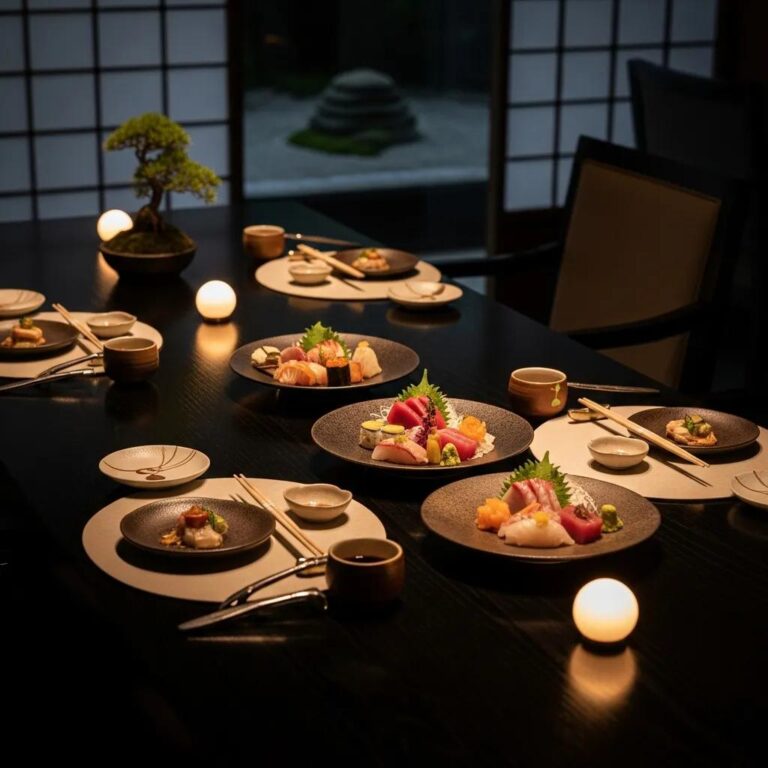
Our intimate setting — soft, focused lighting, counter seating, and restrained service — removes distractions so guests can focus on texture, aroma, and flavor development. Close proximity to the chef allows conversation about provenance and technique, deepening appreciation and making the meal instructive as well as sensory. The room suits small parties, allowing consistent pacing and fewer interruptions, and minimizes background noise so each course can be savored. This cultivated environment supports the tasting-menu concept and primes guests for the attentive service that elevates a multi-course omakase.
How Are Premium Ingredients Sourced and Selected for Kaviar’s Menus?
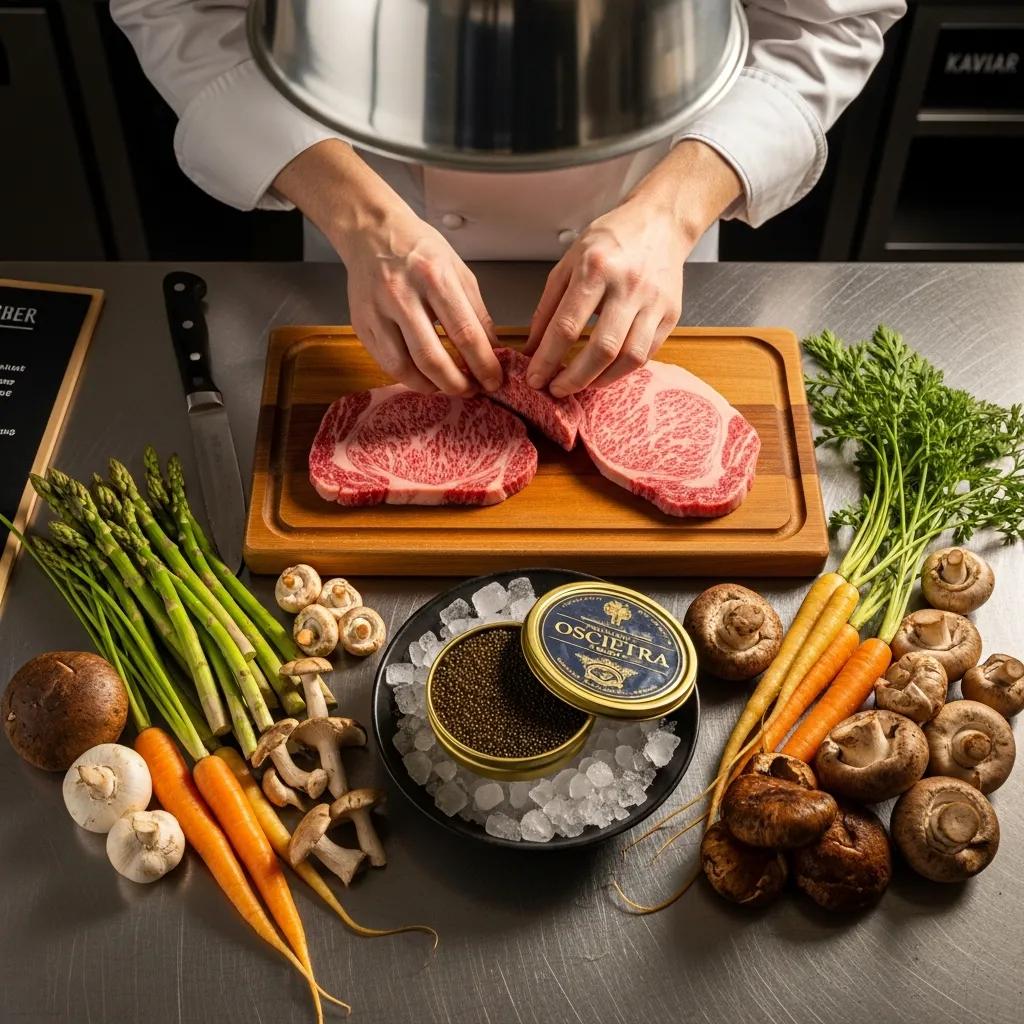
Ingredient selection at Kaviar is guided by long-term supplier relationships, documented quality grading (for items like A5 Wagyu), and sustainability standards that balance rarity with responsible sourcing. This approach ensures clear provenance and consistent quality on the plate.
Direct partnerships and rigorous vetting deliver the practical benefits of traceability and ingredient integrity — the foundation the chef uses for menu decisions and technique choices.
What is the provenance and quality grading of key ingredients like A5 Wagyu?
A5 Wagyu is defined by a grading system that assesses marbling, color, texture, and yield; the A5 grade signals exceptional marbling and a buttery mouthfeel that we showcase with minimal intervention. We source from trusted suppliers to ensure traceability, and the chef selects cuts that balance fat and meat for small-format nigiri or brief searing. Provenance matters because handling is specific — A5 requires delicate searing and precise slicing to show its qualities — and that influences when and where the item appears in the tasting sequence. This context helps diners understand why such items are reserved for pivotal moments.
How does sustainability factor into ingredient sourcing decisions?
Our sustainability standards include seasonally minded sourcing, selecting ethical fisheries, and supplier audits to confirm responsible practices. The chef and sourcing team prioritize suppliers who can demonstrate traceability or regenerative methods for seafood and who document welfare and handling for meats. These choices sometimes limit availability — certain items may appear only briefly — which reinforces seasonality and encourages creative substitutions. Sharing these practices with guests builds transparency and connects ingredient choices with a values-driven dining experience.
What Should Guests Know About Reserving and Experiencing Dining at Kaviar?
Booking at Kaviar centers on planning and communication: reservations are recommended for the omakase counter, with lead times that reflect limited seating and an emphasis on guests seeking a curated tasting-menu experience. Advance reservations and guest details allow the kitchen to plan ingredient logistics and pacing, delivering a tailored service and a guaranteed seat at the counter.
- Plan ahead: Reserve early to secure counter seating and give the kitchen time to source seasonal items.
- Provide details: Share dietary restrictions and special occasions so we can personalize your experience.
- Confirm logistics: Note party size and arrival time so the omakase pacing can be optimized.
How does the reservation system cater to high-intent luxury diners?
Our reservation process supports high-intent diners by enabling advance planning for limited counter seats and by collecting key details — allergies, celebration notes, and party size — so the chef can tailor the tasting progression. The system coordinates timing with ingredient arrival windows and may include a deposit or confirmation step to prioritize serious bookings; this ensures rare items are secured and pacing remains consistent. When booking, please mention allergies or special requests so the kitchen can plan adjustments without disrupting the tasting narrative. Clear pre-arrival communication streamlines service and increases personalization for every guest.
What etiquette and expectations enhance the fine dining experience?
Arriving on time, keeping phones muted, and trusting the chef’s sequence are simple etiquette points that help everyone enjoy the omakase. Guests should be punctual, avoid loud calls, and communicate dietary restrictions before service begins to preserve the tasting arc for the full table.
Photography is welcome when discreet — brief shots without flash — so it does not interrupt neighboring diners or the rhythm of service.
These practices protect the chef’s intended experience and ensure each course is received as designed, fostering an atmosphere of focused appreciation.
- Arrive on time to respect the pacing and fellow guests.
- Notify the restaurant in advance of allergies or strong preferences.
- Keep phone use to a minimum and avoid flash photography.
What Future Trends and Innovations Does Kaviar’s Head Chef Envision?
The chef expects seasonal and rare ingredients, clearer sourcing transparency, and deeper personalization to shape future omakase menus, responding to guest expectations and shifts in the local dining scene.
By tracking seasonality and supply, we can innovate in ways that remain rooted in provenance while testing new techniques and small-run items.
The chef foresees a future where limited-run ingredients and sustainable choices appear more often in tasting menus, prompting adaptive preparation methods and dynamic sequencing to highlight each item appropriately.
The following sections outline specific ingredient-driven shifts and how recognition and local trends will influence Kaviar’s evolution.
How will seasonal and rare ingredients shape upcoming menus?
Seasonal and rare ingredients will encourage more modular course design, allowing the chef to insert brief-availability items without breaking the tasting narrative. A particular shellfish or a rare finishing salt might appear for a single week; these moments demand logistical agility and technical readiness to present the item at peak quality. The chef keeps flexible menu slots and close supplier relationships so when rare items arrive they can be showcased in ways that complement the overall arc.
What role do culinary awards and local dining trends play in Kaviar’s evolution?
Awards and local trends act as catalysts, not blueprints: recognition can validate refinements and push technical rigor, while Pasadena’s dining scene informs how we balance local preferences with global technique. The chef uses external acclaim to refine plating and pacing but remains anchored to seasonality and provenance rather than chasing trends. Local interest in sustainability and experiential dining reinforces our focus on transparency and intimate service, guiding investments in sourcing and thoughtful, occasional menu expansion that stays true to the omakase concept.
If you’re inspired to try our upcoming seasonal menus, we invite you to reserve early for limited-seat omakase services and to share preferences so the chef can tailor your tasting. This final note reflects our commitment to ingredient-forward experiences that reward thoughtful planning and engagement with the chef-led narrative.
Frequently Asked Questions
What is the ideal time to make a reservation at Kaviar?
To secure a counter seat, we recommend booking at least a few weeks in advance, especially for weekends or special occasions. Our intimate seating fills quickly, and early reservations give the kitchen time to plan for seasonal ingredients and any special requests. Booking ahead also helps us accommodate dietary restrictions and create a more personalized experience.
Are there any specific dress codes for dining at Kaviar?
We maintain a refined but relaxed atmosphere. There’s no strict dress code, though business casual is a comfortable choice and suits the occasion. Our goal is for guests to feel at ease while respecting the elevated nature of the omakase service.
Can guests request modifications to the omakase menu?
Yes — please let us know any dietary restrictions or strong preferences when you book. Our chef aims to provide a personalized experience and can often accommodate modifications when given advance notice. Early communication ensures the kitchen can prepare alternatives without compromising the tasting flow.
What types of beverages pair well with the omakase menu?
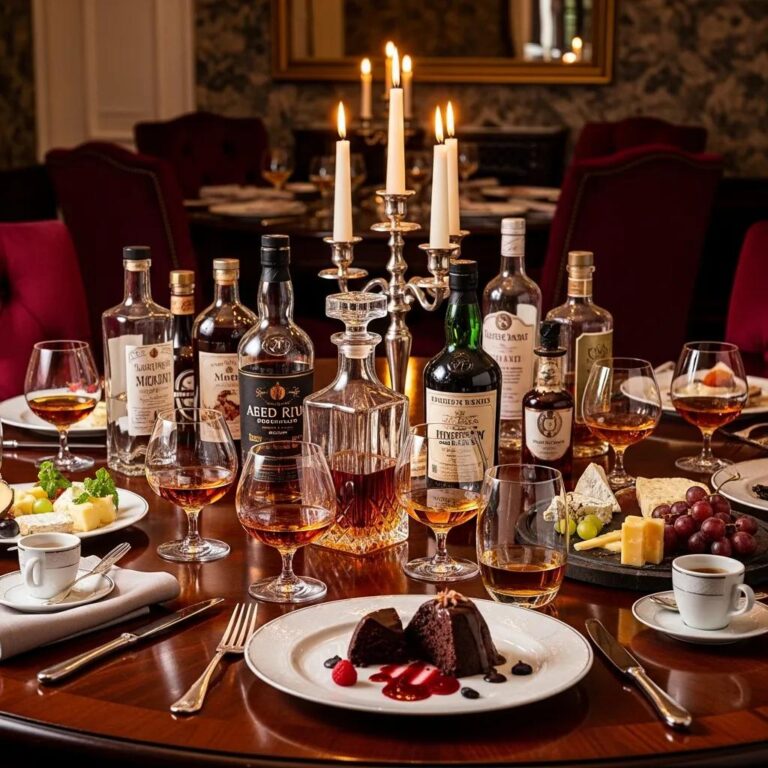
Beverage pairings are selected to complement the omakase. Sake is a natural match, from crisp and floral to richer, umami-forward styles depending on the dishes. Light-bodied red wines and sparkling wines also pair nicely with items like A5 Wagyu and caviar. Our team can recommend pairings based on the evening’s menu to create harmonious matches.
How does Kaviar ensure the quality of its ingredients?
We prioritize quality through long-term relationships with trusted suppliers and strict sourcing standards. Our focus on seasonal, sustainable ingredients ensures each item meets high grading criteria — for example, A5 Wagyu sourced from select regions in Japan and caviar from traceable, sustainable fisheries. This commitment to provenance guarantees exceptional flavor and ethical sourcing.
What should guests expect during the omakase experience?
Expect a carefully staged sequence of dishes that highlight seasonal ingredients and the chef’s approach. Each course builds on the last to create a cohesive tasting journey. Guests enjoy direct interaction with the chef, who will often explain ingredients and techniques. The intimate setting encourages engagement with the culinary process and a highly personalized dining experience.
Conclusion
Kaviar’s omakase is a deliberate journey through seasonal ingredients and exacting technique that elevates fine dining in Pasadena. Close chef-guest interaction adds a personal layer to each tasting, ensuring every course carries both flavor and story. Plan ahead to reserve your spot at the counter and experience our thoughtfully composed omakase firsthand. We look forward to sharing our craft with you.