




Behind the Scenes: A Day in the Life of a Kaviar Chef — Inside Our Omakase Rhythm and Prep
At Kaviar, the chef’s work starts hours before the first guest is seated. Precision sourcing, careful temperature control, and a clear sense of the omakase arc shape every choice we make. This piece follows a single service day—from morning receiving and mise en place to the flow of dinner and the quiet debrief that fuels future menus—so you can see how Japanese fine dining comes together in Pasadena. We explain practical techniques for A5 Wagyu and Kaluga caviar, the operational steps that keep a luxury kitchen dependable, and how chefs turn premium ingredients into seamless moments at the table. Read on for a step-by-step look at morning sourcing, signature omakase methods, service orchestration, post-service routines, and the culinary philosophy that ties it all together.
How Does a Kaviar Chef Source and Prepare Premium Ingredients Each Morning?
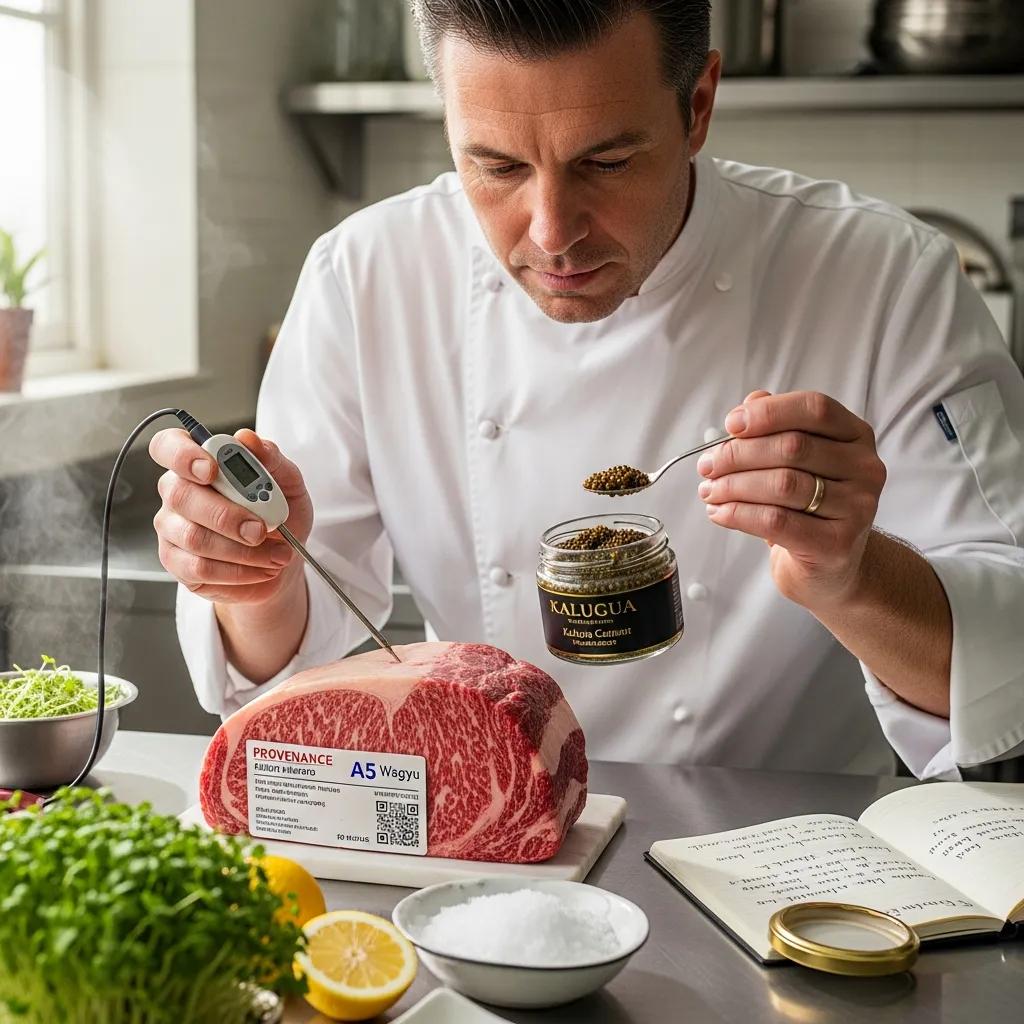
Morning sourcing and prep set the tone for every service. We start by confirming provenance and temperature, then move quickly to portioning and staging so delicate proteins retain their texture and flavor. The process is straightforward: thorough receiving checks catch deviations early, controlled storage protects sensitive items, and precise initial trims shorten service assembly. The payoff is consistency—when ingredients arrive verified and handled correctly, the omakase sequence proceeds with calm precision. Below is a concise, practical run‑through of the morning flow from procurement to mise en place.
The morning sourcing and prep process typically follows three core steps:
- Receive and Verify: Confirm documentation, grade, and temperature on arrival to ensure provenance.
- Initial Handling: Bring items to ideal holding temps, portion proteins, and perform first trims or shellfish prep.
- Pre‑stage for Service: Label and date components, then place them at service stations with timing notes.
These steps create a clear chain of custody that preserves taste and texture and lets the brigade focus on technique once service begins. Precision at 9:00 AM directly influences how a spoonful of caviar reads on the palate that evening.
The table below highlights the attributes we monitor before mise en place and explains why different premium items need distinct handling.
Temperature, handling, and provenance checks protect both flavor and guest trust. Next, we trace how premium items travel to our kitchen and why each checkpoint matters.
What Is the Journey of A5 Wagyu and Kaluga Caviar to Kaviar Restaurant?
Both A5 Wagyu and Kaluga caviar arrive under strict cold‑chain and documentation protocols to protect grade and sensory integrity. For Wagyu, we verify origin and grade, then monitor transit temperatures to preserve marbling and butteriness. Kaluga caviar arrives in sealed tins and requires continuous refrigeration plus visual and olfactory inspection at receiving; any sign of breach triggers quarantine or return. These checkpoints reduce variability, allowing the kitchen to rely on consistent cooking and finishing during service.
Understanding that journey shows why provenance and cold‑chain discipline are non‑negotiable in luxury Japanese dining. With those safeguards in place, we translate prime ingredients into precise mise en place for omakase execution.
How Is Mise en Place Executed for Precision and Efficiency in a Luxury Kitchen?
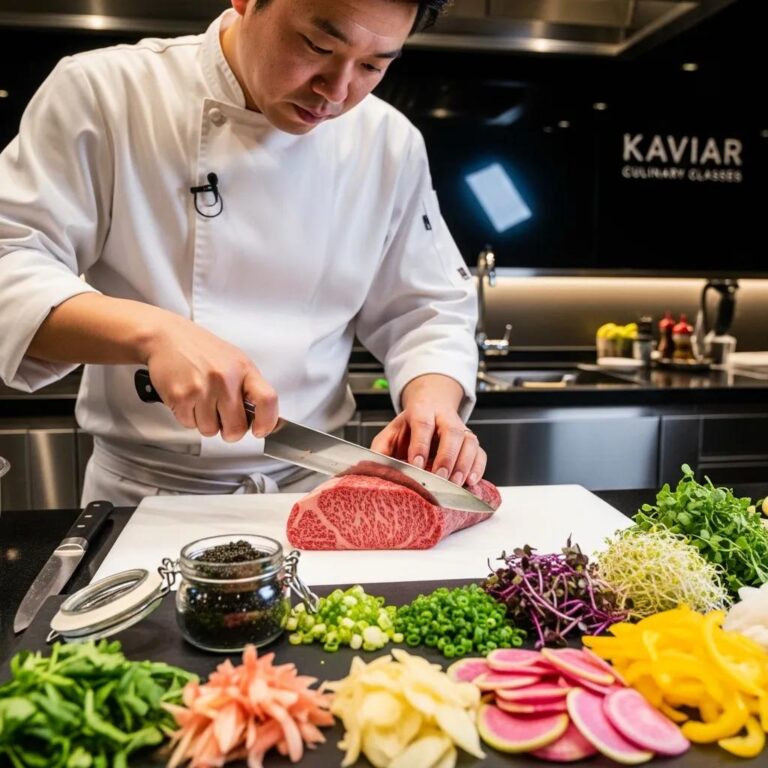
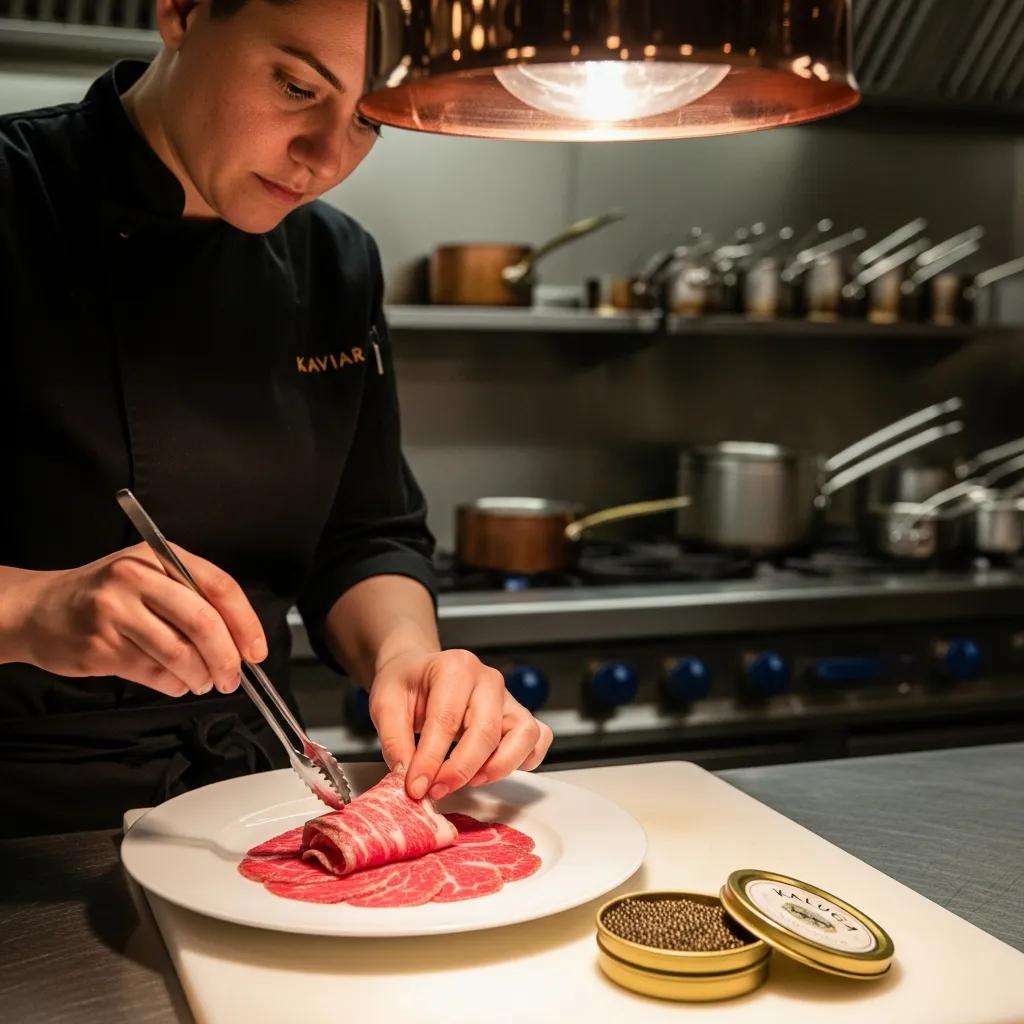
Our mise en place is built around micro‑timings, labeled components, and purpose‑driven tools so chefs can assemble courses quickly and without guesswork. Stations are arranged with portioned proteins, pre‑measured seasonings, and service utensils—mother‑of‑pearl spoons, tweezers—organized by sequence and temperature needs. Quality‑control checklists at each station let a chef confirm texture and seasoning just before plating; items that need last‑minute finishing sit closest to the pass to minimize exposure. That layout reduces cognitive load, speeds execution, and keeps temperature and rhythm consistent.
Thoughtful mise en place also makes it easier to adapt when market substitutions arise, which leads into the techniques we use to shape the omakase tasting menu.
What Are the Key Techniques in Crafting Kaviar’s Signature Omakase Experience?
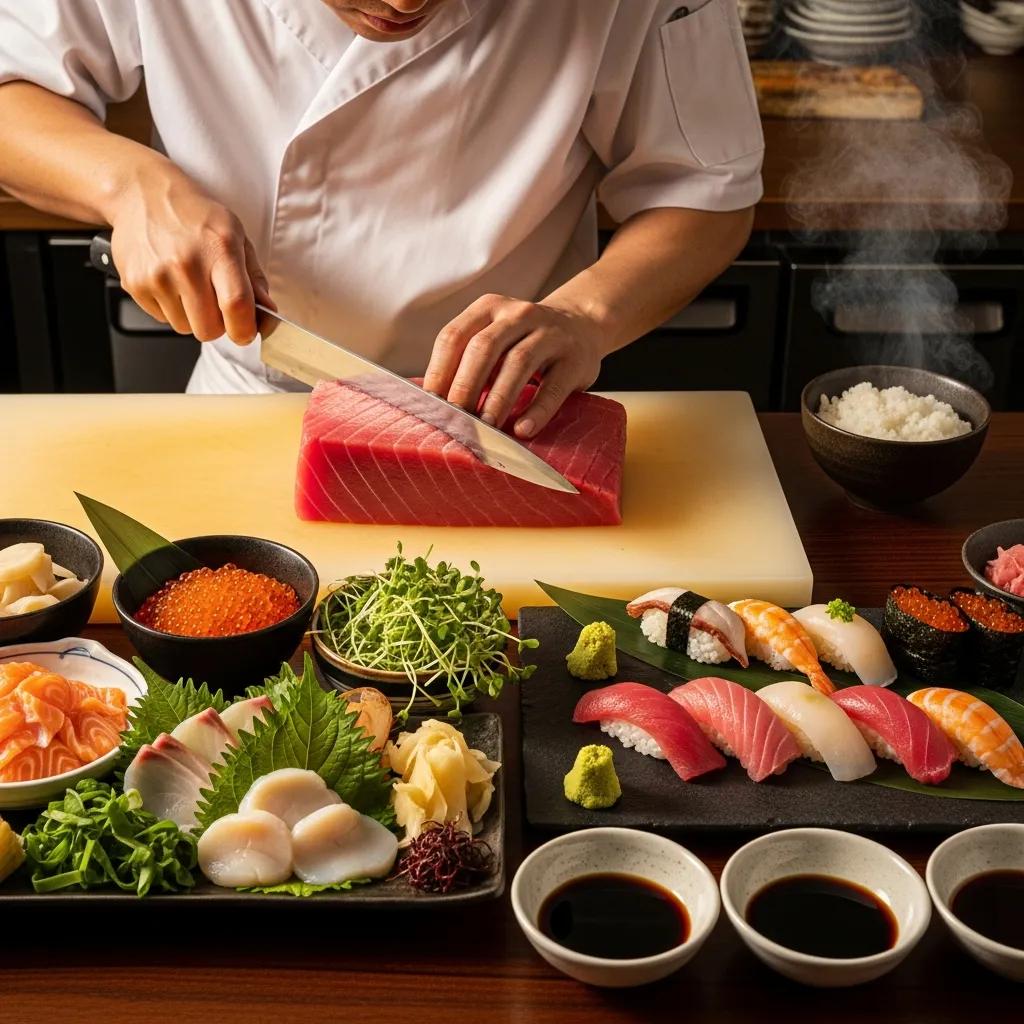
Kaviar’s omakase is an orchestration: selection, sequence, and finishing come together so knife work, temperature control, and micro‑searing create sensory peaks. Chefs balance texture, temperature, and seasoning to guide the palate through rising contrasts—placing A5 Wagyu and caviar at moments of maximum impact. The result is a tasting narrative that feels deliberate yet spontaneous. Below are the principal techniques our team relies on, written to give clear, practical insight into why each matters.
Key techniques that shape a refined omakase include:
- Knife Mastery and Slicing: Precise angles and thickness control mouthfeel and seasoning exposure.
- Temperature Staging: Course‑by‑course temps emphasize aroma, fat melt, or brine.
- Micro‑Searing and Resting: Brief, high‑heat sears on A5 Wagyu create contrast while a short rest preserves succulence.
- Caviar Finishing: Cold plating and non‑reactive utensils keep pearls’ texture and brine clarity intact.
These techniques pair tactile skill with a sensory roadmap that anticipates palate evolution. The table below maps common omakase courses to the techniques we most often apply.
This course‑to‑technique map helps both cooks and curious diners see which actions produce particular flavor and texture outcomes. Next, we explain how the chef curates the omakase each day.
How Does the Chef Curate and Innovate the Omakase Menu Daily?
Menu curation is a decision loop guided by seasonality, supplier availability, and guest feedback. Each morning chefs scan the market, choosing items that will create contrast across texture and temperature while keeping a balanced progression from light to rich. Innovation often comes as small swaps—changing a fish for a textural counterpoint or adding a citrus note to brighten a rich bite—so the chef can respond to the market without disrupting the menu’s arc. These daily choices keep the omakase both rooted in tradition and open to discovery.
Those sourcing decisions in turn determine the technical choices for key moments, like preparing A5 Wagyu or finishing caviar, discussed below.
What Are the Essential Cooking Techniques for Perfecting A5 Wagyu and Caviar Presentation?
Showcasing A5 Wagyu and caviar requires tight temperature control, minimal intervention, and refined plating. For A5 Wagyu we use a rapid, high‑heat sear to render surface fat while keeping the center rare, then a short, disciplined rest matched to cut thickness. Caviar demands cold handling—chilled plates, neutral utensils, and careful portioning—so the pearls’ texture and saline clarity arrive intact. Small accents like a brush of oil or a single micro‑herb are used sparingly to highlight, never mask, the ingredient.
These techniques protect the integrity of both protein and garnish and prepare the team for service, where timing must bring each element together in sync.
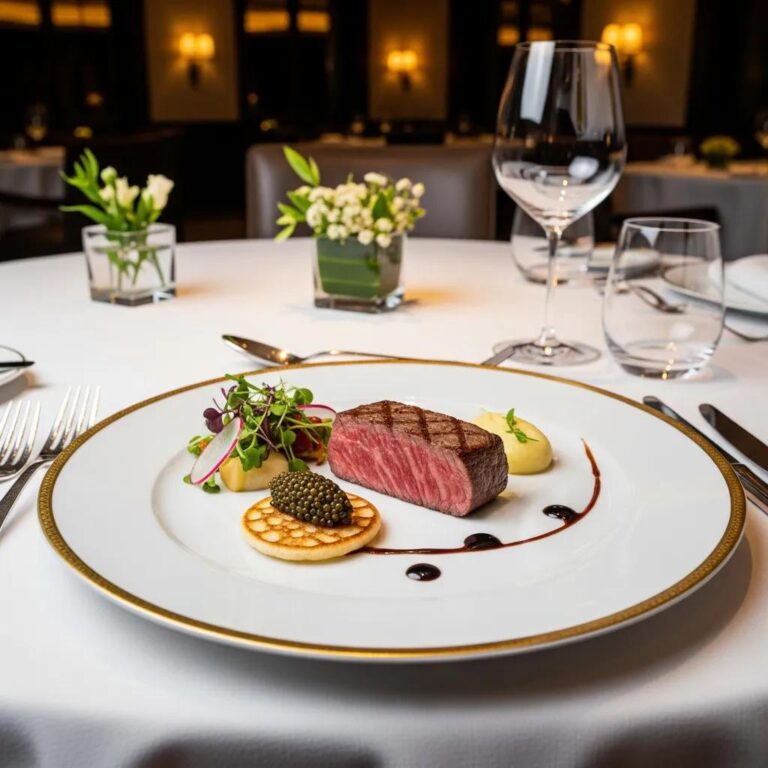
In practice, our omakase often features a signature A5 Wagyu course and a caviar‑finished moment that illustrate these methods. Guests may reserve omakase seating through RESY, OpenTable, or by phone for private arrangements—reservations help us confirm dietary needs and pacing in advance so the kitchen can staff and stage appropriately.
How Is the Dinner Service Orchestrated to Deliver a Seamless Luxury Dining Experience?
Service orchestration brings together pre‑service briefings, live timing, and careful expediting so the omakase cadence stays steady and responsive. The expediter runs a clock, communicates changes to station chefs, and checks plates before they leave the pass. The result is a rhythm that balances deliberation and momentum—courses arrive neither rushed nor stalled, and substitutions are absorbed without disrupting the guest experience. Below is a clear breakdown of the service timeline and operational beats.
Typical service cadence and checkpoints:
- Pre‑Service Brief: Team reviews sequence, allergies, and pacing before doors open.
- Station Readiness: Stations confirm mise en place and final checks 30–15 minutes before service.
- Expedite Rhythm: The expediter paces courses, signaling stations and FOH to keep arrival intervals consistent.
- Contingency Handling: Substitutions and pacing changes are logged and addressed immediately for the post‑service debrief.
This structure gives teams the consistency to deliver exceptional dining while staying flexible to real‑time variables. The table below clarifies kitchen and front‑of‑house roles and timing triggers during service.
Each role contributes to a unified flow that keeps omakase sequencing precise and guest moments polished. Below we explain how guests secure an omakase seat or arrange private dining.
We take reservations to support this service model: for omakase or private tastings, guests can book via RESY or OpenTable, or call us for special arrangements. Advance reservations let us confirm restrictions and preferred pacing so the kitchen can plan mise en place and staffing accordingly—preserving both craft and experience.
What Is the Role of Kitchen Operations and Team Coordination During Service?
Service runs on a disciplined brigade where roles are defined but flexible. The expediter acts as conductor—sequencing orders, verifying plate standards, and adjusting cadence from guest cues—while station chefs execute their elements to the specified finish. Embedded quality checks like temperature reads and visual inspections catch deviations before plating. Short, precise communication keeps the team aligned and reduces service friction.
Those operational habits stabilize service and set the stage for the chef’s guest‑facing moments, described next.
How Does the Chef Enhance Guest Interaction and Presentation in Omakase Service?
Chef‑led interaction is a measured mix of storytelling, restraint, and timing that deepens appreciation without overwhelming the table. Chefs offer concise notes on provenance and technique at key moments—introducing an A5 Wagyu course or explaining a caviar finish—while coordinating plating to preserve intimacy. Rituals like a tableside finish or last‑minute caviar placement create tactile moments that focus attention on ingredient quality. These touches are timed to enhance the meal’s narrative, not interrupt it.
By centering interaction around sensory peaks and brief context, chefs enrich guests’ understanding of technique and provenance while keeping service rhythm intact. That leads naturally into our post‑service routines.
What Happens After Service in the Kaviar Kitchen to Maintain Excellence?
Post‑service work blends immediate sanitation, accurate inventory, and reflective debriefs that sustain quality and fuel innovation. We begin with cleaning and equipment care, log inventory to trigger reorder for fast‑turn items, and finish with a structured debrief reviewing waste, timing, and guest feedback. That loop turns daily service data into practical menu and process improvements. The checklist below captures the core post‑service cadence that keeps a high‑end kitchen ready for the next shift.
Essential post-service checklist:
- Immediate Sanitation: Clean stations and sanitize tools within the first hour.
- Inventory Reconciliation: Count perishables and log discrepancies to inform orders.
- Prep for Next Shift: Portion and stage components that benefit from overnight rest.
This balance of hygiene, prep, and review sets the kitchen up for reliable morning sourcing and mise en place. The table below summarizes timing expectations and responsibilities that support these actions.
Clear responsibilities reduce ambiguity and ensure we’re ready for the next service. The next section shows how reflection and documentation feed the chef’s creativity.
How Are Cleaning, Inventory, and Preparation Managed Post-Service?
We stage post‑service tasks in tiers: surface cleaning immediately, deeper sanitation overnight, and inventory logging to guide the next day’s orders. The sous chef leads reconciliation to identify shortages and flag urgent reorders, while chefs note items that need further prep. Prep for the next service includes portioning proteins to stable sizes and preparing garnishes that hold well. These routines lower morning friction and maintain a consistent quality baseline.
The final subsection explains how reflection converts operational data into culinary progress.
How Does Reflection Influence the Chef’s Philosophy and Future Innovations?
Reflection is disciplined and actionable: the team reviews waste, guest feedback, and timing to seed iterative improvements in technique and menu design. We document successful experiments—a slight change in sear time, a new garnish pairing—and schedule tastings to validate adjustments before adding them to the rotation. This evidence‑based approach keeps innovation deliberate and low‑risk; a single documented tweak can evolve into a signature element when it reliably improves the guest experience.
Those practices close the daily loop, connecting post‑service insight back to sourcing priorities and mise en place for the next day.
What Defines the Kaviar Chef’s Culinary Philosophy and Passion for Japanese Fine Dining?
Our culinary philosophy centers on reverence for exceptional ingredients, restraint combined with curiosity in technique, and a desire to translate tradition into contemporary experiences. We honor seasonal produce and seafood, then apply modern timing and tools to elevate texture and flavor—creating dishes that feel rooted in Japanese sensibility yet speak to today’s palate. The result is an identity that is authentic and forward‑looking; each course is both teaching and tasting. Below are the pillars that guide our work.
Core philosophical pillars:
- Ingredient Primacy: Let exceptional components guide technique and seasoning.
- Simplicity with Precision: Use minimal interventions executed with exact control.
- Iterative Creativity: Test small ideas and scale those that enhance the guest experience.
These pillars shape sourcing, prep, and presentation, and explain why we invest in detailed checks at every stage. The next sections unpack how tradition and premium selection fit into daily practice.
How Does the Chef Integrate Tradition and Innovation in Their Culinary Vision?
Integration means honoring classical Japanese methods—precise sashimi cuts, balanced dashi—while selectively adopting modern tools like sous‑vide or micro‑searing to refine texture and consistency. We preserve the intent behind traditional techniques while using contemporary methods to deliver predictable results under service pressure. Examples include finishing a glaze with a controlled torch or pairing a traditional plating aesthetic with local, seasonal garnishes. This hybrid approach keeps the cuisine respectful of its roots and responsive to modern expectations.
That balance reinforces why a commitment to premium ingredients is central to our identity.
Why Is Commitment to Premium Ingredients Central to Kaviar’s Identity?
Premium ingredients drive sensory outcomes—texture, fat rendering, and brine clarity—that define our signature dishes and justify the care we invest. A5 Wagyu and carefully selected caviar reward minimal intervention, producing complex results from simple, precise treatments. Operationally, consistent sourcing reduces variability and lets the kitchen design techniques that highlight intrinsic quality rather than hide flaws. This fidelity to ingredients shapes guest expectations and sustains the restaurant’s refined atmosphere.
Together, these commitments explain how sourcing, technique, service, and reflection combine to make the Kaviar omakase experience—helping diners read each plated moment with a deeper appreciation.
Frequently Asked Questions
What is the significance of omakase in Japanese dining culture?
Omakase—“I leave it to you”—is a chef‑driven tasting where the diner trusts the chef to curate courses based on seasonality and skill. It’s an intimate format that highlights the chef’s choices and the freshest ingredients, crafting a cohesive, evolving experience rather than a fixed menu.
How do chefs ensure the quality of ingredients used in omakase?
Quality starts with trusted suppliers and continues with stringent receiving: provenance checks, temperature verification, and sensory inspection. We maintain strict cold‑chain controls and perform final checks at prep so only the best components reach the pass.
What role does seasonality play in the omakase menu?
Seasonality governs selection and narrative. Chefs design the menu around what’s freshest—seafood, produce, and local offerings—so each course reflects the current moment and highlights natural flavors at their peak.
How do chefs adapt their techniques for different ingredients in omakase?
Techniques are tailored to each ingredient’s properties: delicate fish get precise slicing, rich meats get brief, high‑heat sears and controlled rests, and fragile garnishes are handled last minute. Temperature staging and finishing methods are chosen to showcase the ingredient’s best traits.
What is the importance of guest feedback in refining the omakase experience?
Guest feedback is essential. It informs pacing, flavor balance, and which innovations resonate. We listen closely, document reactions, and use that input to refine technique and menu choices.
How do chefs maintain a balance between tradition and innovation in their cooking?
Chefs respect foundational Japanese techniques while selectively introducing modern methods that offer consistency and new textures. The goal is to enhance, not replace, tradition—keeping dishes recognizable yet fresh.
What are the key challenges faced by chefs in a luxury dining environment?
Challenges include maintaining consistency at high standards, managing timing under pressure, and adapting to unexpected supply or guest needs. Strong communication, defined roles, and disciplined prep are essential to meet these demands.
Conclusion
Seeing a Kaviar chef’s day end‑to‑end reveals the craft behind each omakase moment: careful sourcing, exacting technique, coordinated service, and thoughtful reflection. Every step is designed to highlight ingredients and deliver a thoughtful, memorable meal. Experience it in person—reserve an omakase seat today to watch these practices come alive at the table.