






Common Food Allergens and How to Identify Them — A Practical Guide for Safe, Confident Dining
Food allergies happen when the immune system mistakes an otherwise harmless food protein for a threat, triggering reactions that range from mild irritation to life‑threatening anaphylaxis. Knowing where allergens hide, how reactions typically present, and how to read labels are essential skills for anyone managing dietary restrictions or supporting someone with an allergy. This guide walks you through the most common allergens, the patterns of symptoms to watch for, label‑reading techniques, how allergens appear in cuisines like Japanese omakase, diagnostic options, and practical steps for safer dining. You’ll learn to recognize skin, gastrointestinal, respiratory, and systemic reactions, decode ingredient declarations and ambiguous terms, and communicate clearly with restaurants to reduce cross‑contact risk.
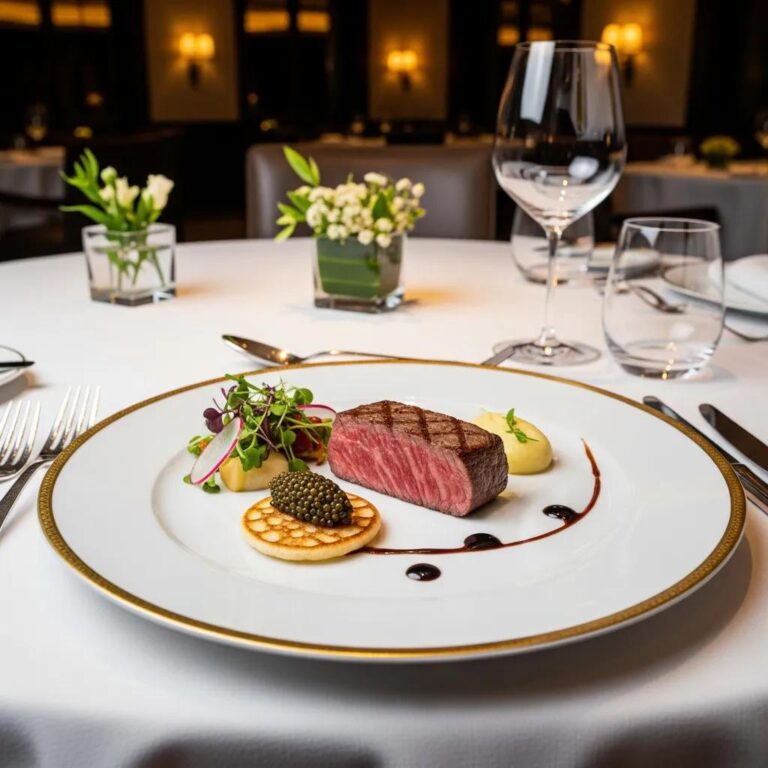
At Kaviar, a luxury Japanese dining experience in Pasadena known for omakase, A5 Wagyu, and caviar, we prioritize ingredient quality and guest safety. Below we describe our approach to menu transparency and reservation communication so guests can plan with confidence. The rest of this article focuses on general allergy awareness, label literacy, and everyday strategies that apply in any dining setting.
What Are the Most Common Food Allergens and Typical Symptoms?

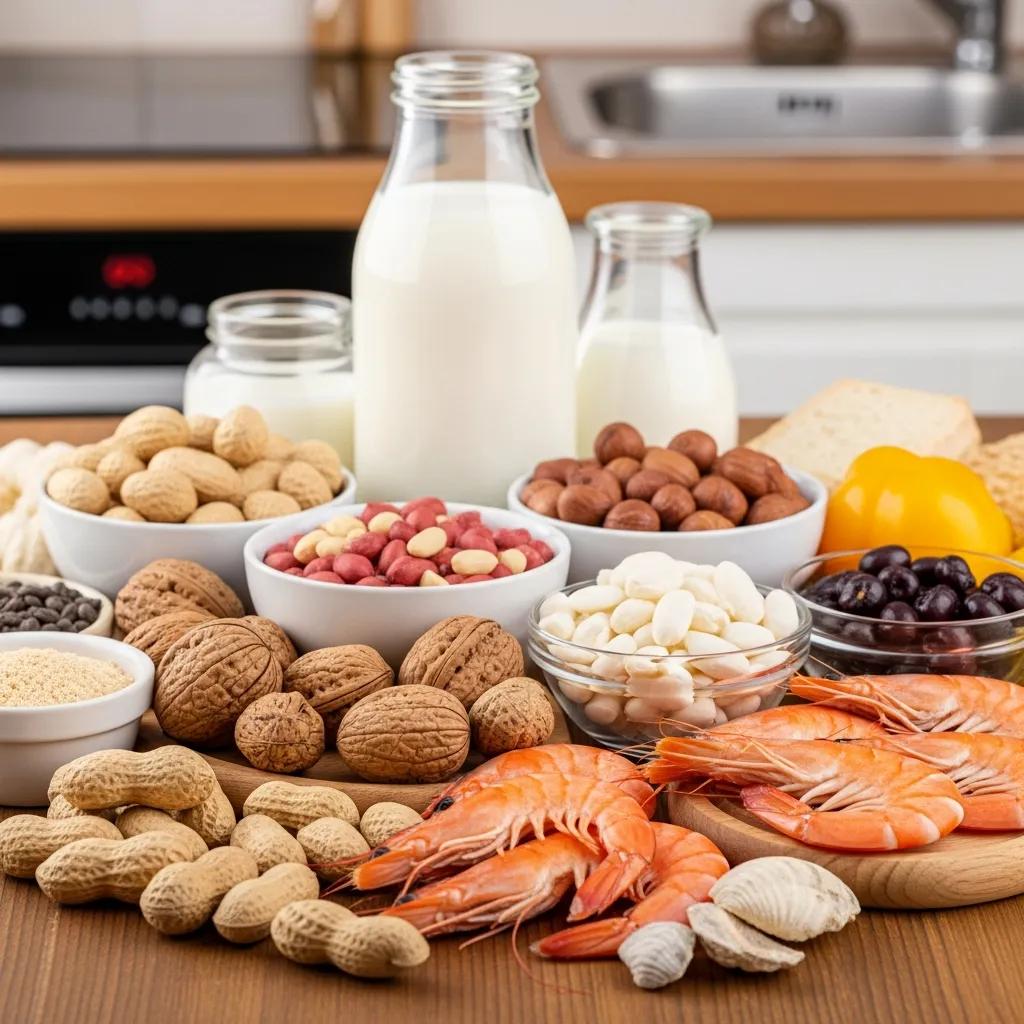
Food allergens are specific proteins that can trigger an immune response — most often IgE‑mediated reactions that arise quickly and may affect multiple organ systems. Different foods produce different symptom clusters (for example, milk proteins such as casein or whey versus fish proteins), and severity depends on dose, route of exposure, and individual sensitivity. Below is a concise reference to the most common allergens and the symptoms they typically cause.
Common food allergens and primary symptom patterns:
- Peanuts: Hives, throat tightness, rapid breathing difficulty.
- Tree nuts (almond, walnut, cashew): Oral itching, swelling, potential anaphylaxis.
- Milk (dairy): Vomiting, diarrhea, eczema flares—especially in infants and young children.
- Eggs: Skin rashes, gastrointestinal upset, occasionally respiratory symptoms.
- Fish: Can cause severe systemic reactions and respiratory compromise.
- Shellfish (crustaceans and mollusks): Common in adults and a frequent cause of anaphylaxis.
- Soy: Mild to moderate reactions; often concealed in processed foods.
- Wheat/gluten: IgE‑mediated wheat allergy can cause hives or anaphylaxis, distinct from celiac disease.
- Sesame: Increasingly common; may cause oral symptoms or systemic reactions.
Each of these categories can behave differently from person to person. Recognizing these patterns prepares you to identify likely triggers and prioritize emergency readiness and avoidance strategies.
This quick reference links major allergens to typical sources, common symptoms, and practical risk notes.
Use this table to guide screening questions, label checks, and menu inquiries. Next, we look at common foods across cuisines where these allergens tend to appear.
Which Foods Commonly Carry Allergens Across Cuisines?
Across world cuisines, certain ingredients frequently act as allergen carriers. Peanuts appear in many Southeast Asian sauces; tree nuts turn up in desserts and pestos; milk and eggs are often hidden in sauces, dressings, and baked items. In Japanese and fine dining contexts, soy, dashi (fish stock), and tempura batter (egg, wheat) are common culprits, while caviar and fish roe are fish‑derived ingredients that can trigger reactions in sensitive guests.
- Soy‑based items: Tofu, miso, soy sauce and marinades concentrate soy proteins.
- Fish and shellfish: Raw sashimi, cooked shellfish and broths such as dashi are frequent triggers.
- Wheat and egg: Noodles, batters and some sauces use wheat and egg as binders or thickeners.
Spotting these cross‑cuisine patterns helps you ask targeted questions and act quickly if exposure occurs.
How Do Food Allergy Symptoms Present and Differ?
Symptoms depend on the organ system and immune pathway involved. Skin signs like hives and angioedema are common first clues; gastrointestinal complaints include nausea, vomiting, and abdominal pain; respiratory signs — throat tightness, wheeze, coughing — often indicate a more serious IgE‑mediated reaction. Timing matters: IgE reactions usually begin within minutes to two hours, while non‑IgE reactions or intolerances can be delayed and primarily gastrointestinal.
- Cutaneous: Hives, flushing, itching — often the earliest warning.
- Gastrointestinal: Nausea, abdominal pain, vomiting, diarrhea — common after ingestion.
- Respiratory/systemic: Throat tightness, low blood pressure, collapse — medical emergency.
Recognizing early signs and typical timelines informs testing choices and urgent care decisions, which we cover in later sections.
How to Read Food Labels Effectively to Spot Allergens
Reading labels well combines a checklist approach with knowledge of ambiguous ingredient names that can mask allergens. Regulatory changes through 2023–2025 have increased clarity in many regions by encouraging “contains:” statements for priority allergens, but manufacturers still vary in how they present precautionary language. A systematic review — look for explicit declarations, then check ingredient synonyms and processing aids — produces the most reliable risk assessment.
When evaluating a packaged product, follow this simple checklist:
- Scan for a “Contains:” statement: This explicit declaration names priority allergens and is the clearest indicator.
- Read the ingredient list for synonyms: Terms like “natural flavor,” “hydrolyzed vegetable protein,” or “caseinate” may hide allergens.
- Check precautionary wording: “May contain” or “processed in a facility” signals cross‑contact risk and requires judgment.
- Verify processing aids and emulsifiers: Lecithin (often soy), maltodextrin (may come from wheat), and albumin (egg) are worth checking.
Following this routine reduces label‑reading errors and helps you decide when to avoid a product or contact the manufacturer or restaurant for clarification.
Here are a few labeling terms to decode quickly:
- Contains: Where required, lists the primary allergens directly.
- May contain/Produced on shared equipment: Precautionary language indicating potential cross‑contact.
- Natural flavors: Can include dairy, soy or nut derivatives—contact the manufacturer if unsure.
- Hydrolyzed vegetable protein: May be derived from soy or wheat; check origin statements when present.
Regulatory updates through 2025 have improved transparency, but ambiguous wording and imports with older labeling still exist; when in doubt, ask.
Which Labeling Terms and Symbols Matter Most?
Knowing a few common terms and icons makes label reading faster and safer. Phrases like “milk solids,” “albumin,” or “fish protein” identify parts of allergenic sources. Allergen icons (peanut silhouette, crossed wheat stalk) are helpful visual shortcuts but are not standardized across brands. Translating shorthand into actionable decisions reduces uncertainty at the store or on a menu.
- Mandatory declarations: “Contains: milk, soy” — the most reliable label element.
- Allergen icons: Useful visual cues when present, but not universal.
- Ingredient synonyms: “Albumin” = egg protein; “caseinate” = milk protein.
Understanding these cues supports better conversations with manufacturers and restaurant staff. Next, we look at how regulatory shifts affect labeling practices.
How Are Regulatory Changes Affecting Allergen Labeling?
Regulators worldwide have been expanding the list of priority allergens and clarifying disclosure requirements through 2023–2025. The goal is clearer, more consistent labeling and narrower, more informative precautionary statements. Adoption and enforcement vary by country, so while newer products from reputable brands often include explicit “contains” statements, older packaging and imports may still use less precise terms.
- Expanded allergen lists: Some regions now require disclosure of sesame and other previously optional items.
- Standardized “contains” language: Where used, it improves clarity for consumers.
- Guidance on precautionary wording: Agencies encourage specific—and honest—warnings over vague claims.
Being aware of these trends helps you ask the right questions when confirming ingredients with a restaurant.
How to Spot Allergens in Japanese Cuisine and Fine Dining Menus
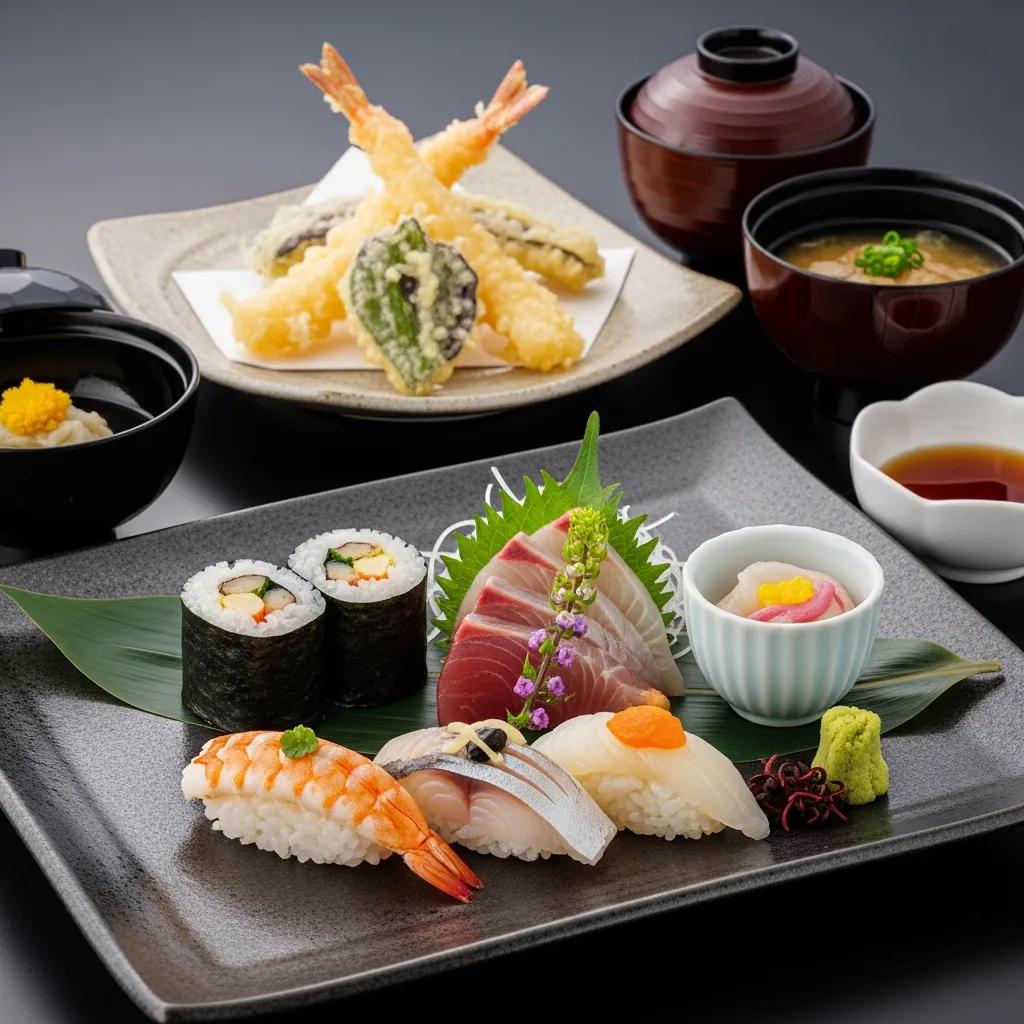
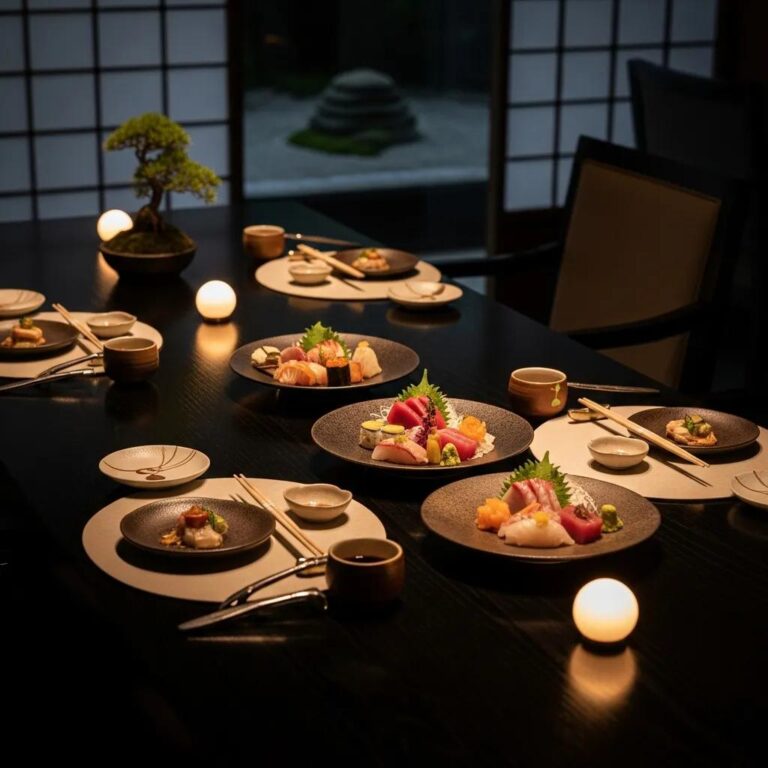
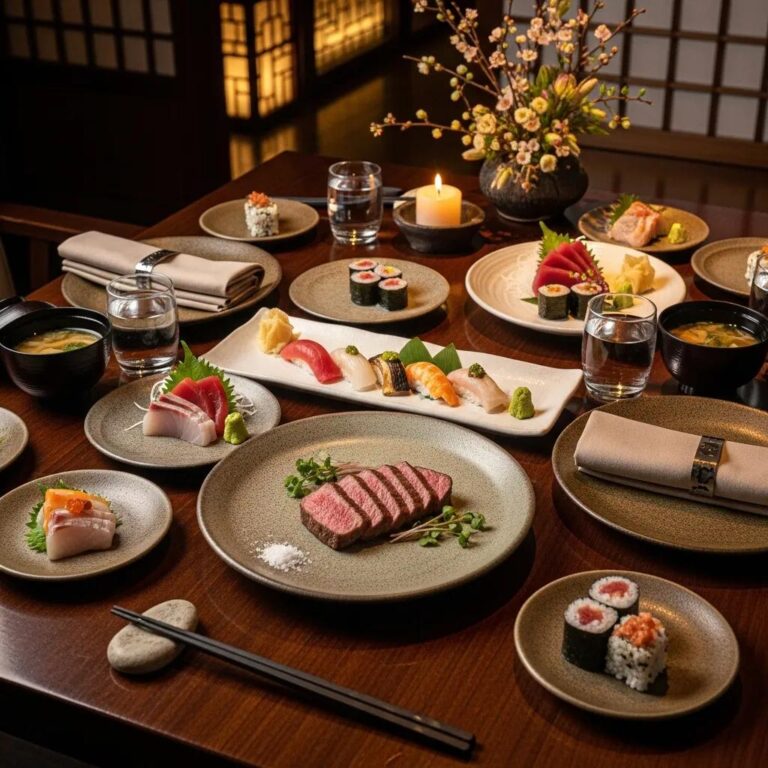
In Japanese cuisine and omakase service, allergens commonly appear in core ingredients and preparation techniques: soy products, fish‑based dashi, wheat in noodles or batter, shellfish in sauces, and egg in dressings or tempura. Fine dining can introduce hidden elements—garnishes, finishing sauces, or shared plating—so direct questions about preparation and ingredient provenance are essential. The table below maps typical menu items to their common allergen sources and possible mitigation steps a kitchen can take.
Menu mapping: how allergens appear and how restaurants can respond.
This mapping clarifies where allergens commonly hide and suggests substitutions chefs can offer so guests can dine safely without sacrificing the meal’s flow.
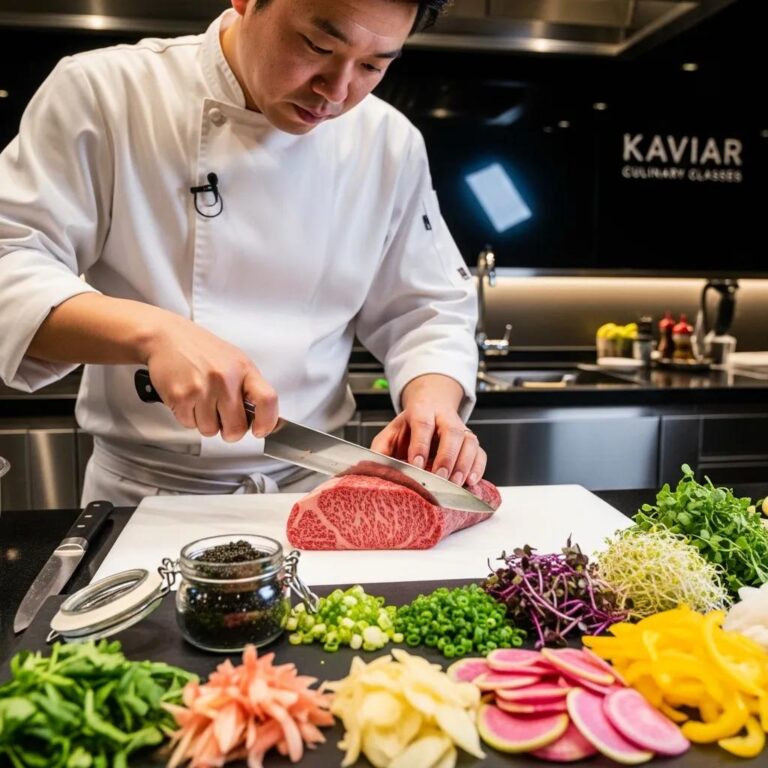
At Kaviar, our menus showcase premium ingredients like A5 Wagyu and caviar. When guests notify us in advance, we can adjust preparations, omit specific garnishes, or offer clear substitutions to reduce risk while preserving the omakase experience. Because tasting menus include many small courses, transparency about sauces and broth bases is especially important.
Which Allergens Frequently Appear in Omakase and Kaiseki?
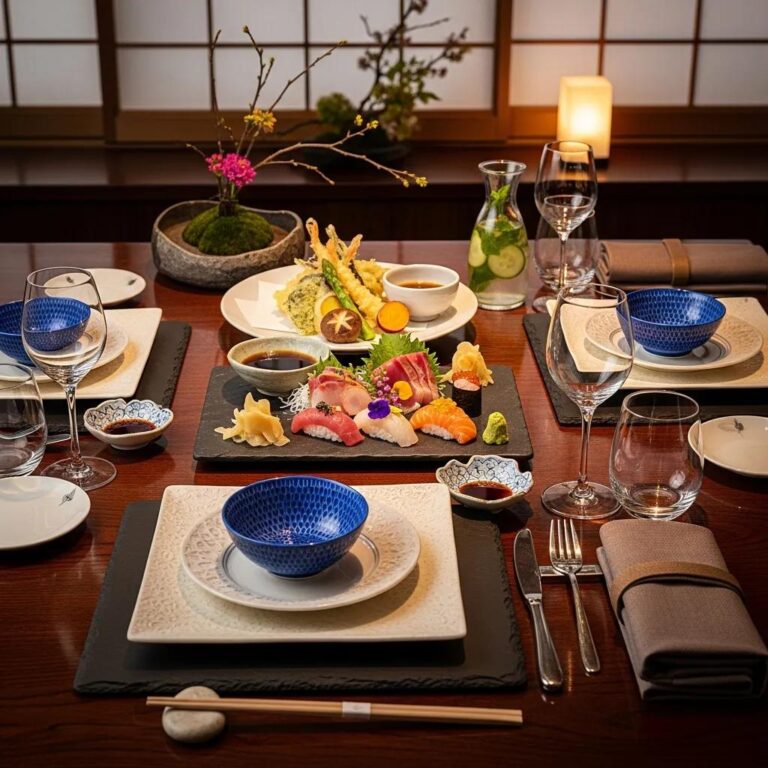
Omakase and kaiseki are built from a succession of small plates where soy, fish, shellfish, wheat, egg, and sesame recur in sauces, garnishes and broths. Many elements are prepared in advance or shared across courses, so cross‑contact risk is meaningful. Ask specifically about dashi, finishing sauces, sesame seeds or tobiko, and any dairy finishes; staff can then flag or modify courses as needed.
- Dashi and fish‑based broths: A central flavor component, often hidden in simmered dishes.
- Soy and wheat in sauces: Common in tare, ponzu and marinades.
- Shellfish and roe garnishes: Frequently used for texture and umami.
Knowing these recurring sources lets you ask precise questions and helps the kitchen plan safe substitutions that preserve the tasting sequence.
What Allergy‑Aware Practices Matter in Luxury Dining?
Upscale restaurants can reduce risk with clear protocols: pre‑service briefings, dedicated allergy tickets in the POS, separate prep areas for allergen‑free dishes, and plating with dedicated utensils. Front‑of‑house should document allergen details and relay them promptly to the chef; back‑of‑house should label prepared components and practice visible cleaning steps to lower cross‑contact. These practices protect guests and build trust.
- Pre‑service briefings: Ensure the entire team knows guest needs before service begins.
- Allergy tickets and labeling: Tag orders clearly to prevent mistakes.
- Separate utensils and prep zones: Minimize the chance of trace contamination.
When these measures are routine, they both reduce incidents and reassure guests that their safety is taken seriously.
Best Practices for Managing Food Allergies Safely
Effective allergy management rests on three pillars: prevention of exposure, prompt recognition of symptoms, and immediate emergency response. Preventive steps include ingredient separation, clear labeling, and staff training on anaphylaxis and emergency medication. Awareness covers label literacy and transparent communication at reservation time; action means having a practiced plan to administer epinephrine and summon emergency care when systemic reactions occur.
- Separate prep: Use dedicated boards and utensils for allergen‑free dishes.
- Clear labeling: Mark allergen‑free items at pass and in the kitchen.
- Regular training: Conduct drills on symptom recognition and epinephrine use.
These steps reduce the likelihood of an incident and ensure that response, if needed, is swift and effective.
How to Prevent Cross‑Contact and Recognize Anaphylaxis
Cross‑contact — transfer of trace proteins via shared fryers, boards or utensils — is a common route of exposure. Physical separation, color‑coded tools, and single‑use portioning are practical controls. Equally important is recognizing anaphylaxis: sudden throat swelling, trouble breathing, hypotension and loss of consciousness are red‑flag signs that require immediate action. Both staff and guests should treat these symptoms as an emergency.
- Dedicated equipment: Use separate fryers, pans and utensils when possible.
- Validated cleaning: Follow procedures that reliably remove protein residues.
- Trigger recognition: Throat tightness, respiratory distress or collapse demand urgent treatment.
Quick recognition of these signs saves lives and leads directly to emergency procedures.
What Emergency Steps Should Be Taken for Allergic Reactions?
If you suspect anaphylaxis, act immediately: administer intramuscular epinephrine (auto‑injector) without delay, call emergency services, place the person supine with legs elevated if they are hypotensive, and monitor airway and breathing while awaiting advanced care. Epinephrine is the first‑line treatment — delaying it increases risk. Record the time of administration and clinical signs for follow‑up care.
- Give epinephrine: Use an auto‑injector right away for suspected anaphylaxis.
- Call emergency services: Arrange rapid transport to higher care.
- Monitor and document: Observe vital signs and note interventions for medical review.
Well‑rehearsed emergency protocols and clear staff roles reduce hesitation and improve outcomes. At Kaviar, our team is trained to communicate dish components to the kitchen, offer course modifications, and document guest requirements prior to service to minimize risk during an omakase.
How Food Allergy Testing Supports Diagnosis and Management
Testing provides clinical tools to distinguish IgE‑mediated allergy from intolerance or non‑IgE conditions. Common tests include skin‑prick testing, serum specific IgE assays, component‑resolved diagnostics and oral food challenges. Each method has strengths and limitations: tests guide risk assessment and diet planning, but false positives and negatives occur, so results should always be interpreted alongside clinical history and, when appropriate, supervised challenges.
Below is a comparison of common tests and their roles.
Which Tests Are Used and How?
Clinicians choose tests based on a patient’s history: skin‑prick testing often screens for immediate reactions; serum IgE is an alternative when skin testing isn’t appropriate; oral food challenges confirm clinical reactivity when results are unclear. Component testing can clarify cross‑reactivity patterns and severity risk by identifying sensitization to specific proteins within an allergen.
- Screening: Skin‑prick and serum IgE identify likely sensitizations.
- Refinement: Component testing clarifies cross‑reactivity and severity.
- Confirmation: Oral food challenges establish true clinical reactivity.
Translating test results into dining decisions requires clinical interpretation and practical planning, covered next.
How Test Results Inform Dietary Choices and Safe Dining
A positive test shows sensitization but does not always predict a clinical reaction. An allergist can interpret thresholds and challenge outcomes to define which foods require strict avoidance. Use test‑informed guidance to create a clear allergen list to share with restaurants, plan substitutions, and decide whether trace exposures are acceptable. Communicating test results and reaction history to the chef helps tailor menus to clinical risk.
- Translate results: Work with your clinician to define safe substitutions and avoidance levels.
- Share specifics: Provide restaurants with an explicit allergen list and reaction history.
- Prepare for emergencies: Keep epinephrine accessible if risk remains.
With testing insights and clear communication, dining out becomes safer and less stressful.
How to Communicate Allergies When Making Reservations
Notifying a restaurant at reservation time is one of the most effective ways to reduce exposure risk, especially for omakase or tasting menus where courses are preplanned. Give precise details — the specific allergens, reaction history, whether epinephrine is carried, and whether the guest is the only person with restrictions — so the kitchen can plan substitutions and brief staff. The table below outlines a simple workflow for reservations.
Use concise scripts when booking to ensure clarity; examples below are tailored to common channels.
- Online reservation note: “Guest has a severe shellfish allergy and carries epinephrine. Please confirm shellfish and cross‑contact will be avoided.”
- Phone reservation: “Hello — I’m booking an omakase for two. One guest has peanut and sesame allergies with prior anaphylaxis. Can the chef accommodate substitutions?”
- Confirmation email: “Following up to confirm the menu modifications discussed for dairy and egg allergies. Please provide a contact name for on‑arrival coordination.”
Best Practices for Notifying Fine Dining Reservations
Be specific and direct: name each allergen, describe reaction severity, note whether epinephrine is carried, and ask for confirmation of substitutions and cross‑contact controls. Restaurants typically flag orders, brief the team, and may offer a modified tasting sequence. Requesting a manager or chef contact on arrival closes the communication loop and reduces misinterpretation.
- Be precise: Name the allergen (e.g., “shellfish — shrimp and crab”).
- Explain severity: “History of anaphylaxis” prompts different precautions than “mild intolerance.”
- Request confirmation: Ask the restaurant to confirm substitutions and prep protocols.
Clear pre‑service communication reduces ambiguity and sets the foundation for a safer meal.
How Kaviar Handles Allergy‑Safe Dining
Kaviar combines menu transparency, staff training and operational controls to support allergy‑safe service: menu annotations for common allergens, pre‑service kitchen briefings, and documented allergy tickets in the POS. When guests notify us in advance, our kitchen can prepare alternative ingredients for key courses—such as omakase items that typically include soy, dashi or caviar—and front‑of‑house will assign a point person to coordinate modifications during service.
- Menu transparency: Annotate dishes with common allergen flags and supply ingredient details on request.
- Operational controls: Use allergy tickets, separate prep areas and dedicated plating to minimize cross‑contact.
- Guest coordination: Confirm details before arrival and assign a staff contact at seating.
These practices help us deliver a refined dining experience while respecting guests’ dietary needs.
Frequently Asked Questions
What should I do if I suspect an allergic reaction while dining out?
If you suspect an allergic reaction, tell your server immediately. For severe symptoms — difficulty breathing, throat swelling, or a sudden drop in blood pressure — use your epinephrine auto‑injector right away and call emergency services. Sit or lie comfortably while waiting for help, and note the time of medication and symptoms for medical follow‑up.
How can I prepare for dining at a restaurant with food allergies?
Preparation reduces risk. Review the menu online, communicate allergies when booking, and restate them on arrival. Ask to speak with a manager or chef if you have concerns. Carry your epinephrine auto‑injector and let staff know where it is kept. These steps increase safety and peace of mind.
Are some cuisines more allergy‑friendly?
Cuisines emphasizing whole, fresh ingredients and simple preparations can be easier to navigate, though every kitchen carries cross‑contact risk. Mediterranean and some Asian preparations may use fewer processed ingredients, but always ask about sources and prep methods—cross‑contact can occur anywhere.
What should restaurants do to manage food allergies safely?
Restaurants should train staff to recognize allergic reactions, maintain clear communication with guests, and use dedicated tools and preparation zones for allergen‑free meals. Labeling components, running pre‑service briefings, and cultivating a safety‑first culture are practical, effective measures.
How can I learn more about food allergies and their management?
Reliable resources include allergy organizations, your allergist, and reputable medical websites. Workshops, support groups and educational materials can deepen practical knowledge. Learning to read labels and understanding ingredient terminology are particularly valuable skills.
What role do food allergy support groups play?
Support groups offer community, shared experience and practical tips for daily management. They provide education, advocacy resources and emotional support that help people and families feel more confident and less isolated.
Conclusion
Knowing common food allergens, how to read labels, and how to communicate clearly with restaurants makes dining safer and less stressful—whether you’re eating at home, ordering in, or enjoying a tasting menu. Stay informed, carry emergency medication if advised, and reach out to restaurants in advance to discuss your needs. When guests and restaurants collaborate, excellent food and safety can coexist.