






Family Dining Etiquette: Bringing Children to Fine Dining
Taking children to a fine dining restaurant asks for a thoughtful balance: preserving a refined service and atmosphere while tending to the practical needs of younger guests. This guide helps parents and caregivers prepare children, coordinate with staff, and manage behavior so the whole family can enjoy an upscale meal—especially in Japanese omakase settings where timing and respect for the chef are central. You’ll find clear etiquette rules, concrete behavior expectations for kids, practical parental strategies, ways upscale restaurants adapt menus for children, and reservation tactics to reduce stress. The article covers six focused areas: core etiquette rules, how Kaviar accommodates families, kid-friendly menu adaptations, reservation best practices, 2024 trends in family fine dining, and how testimonials guide venue choice. Key phrases like family dining etiquette, kids fine dining, omakase with children, and A5 Wagyu for kids appear naturally to give you actionable guidance before your next booking.
What Are the Essential Family Dining Etiquette Rules in Fine Dining?
Family dining etiquette in fine dining is a short list of expectations that keep service flowing, protect the dining room’s ambiance, and keep children safe—while still letting families share special moments. These guidelines align parental preparation, children’s conduct, and clear communication with staff so interruptions are minimized and the experience stays elegant. The outcome is a calmer meal for parents and a respectful setting where children learn social skills. This is especially useful for multi-course omakase or plated tasting menus, where pacing matters and small adjustments can make the visit seamless. Below are the practical rules to follow before and during your visit.
Quick note before the list: these items emphasize predictability, safety, and courtesy so servers and kitchen staff can deliver a consistent, high-quality experience.
- Arrive punctually and dress to match the restaurant’s atmosphere—this sets clear expectations for children and staff alike.
- Share dietary restrictions and children’s ages when you book so the kitchen can plan portions and pacing in advance.
- Encourage children to remain seated and engaged during courses unless staff advise otherwise.
- Bring quiet, low-profile activities to reduce noise and movement in the dining room.
- Practice basic utensil use and table manners at home so children feel confident at the table.
- Respect the service flow—wait for servers or the chef before beginning discussion about dishes or passing plates.
Following these core rules helps create a stable base for a fine dining visit and reduces friction with staff. Once those are in place, the next step is preparing children for specific behaviors at the table.
How Should Children Behave During a Fine Dining Experience?
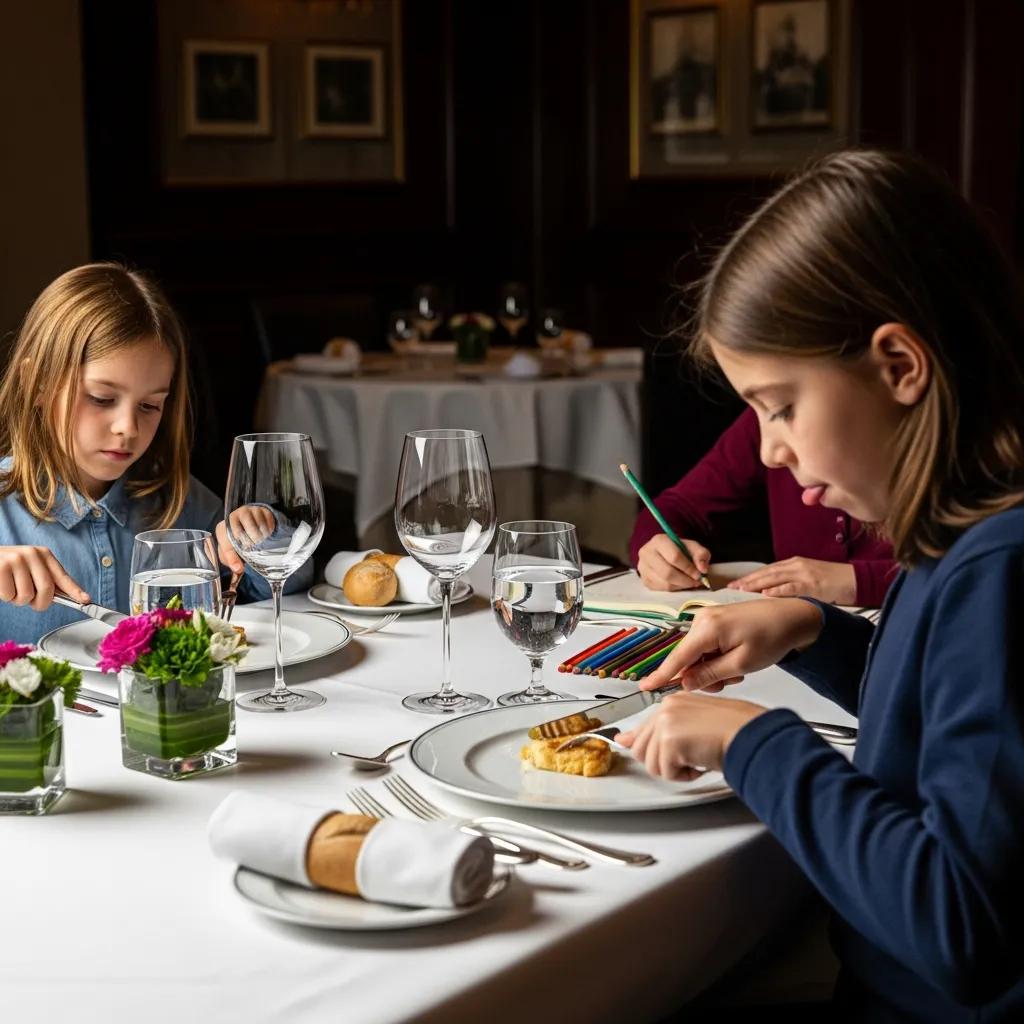
In a fine dining setting, children should aim to be calm, use an indoor voice, and stay seated unless excused—behaviors that reduce disruptions and let them enjoy the meal. Teach measurable habits like resting elbows, using cutlery properly, and waiting for adults to start eating. Practical preparation includes role-playing a restaurant visit at home, rehearsing polite phrases such as “please” and “thank you,” and practicing how to get a server’s attention politely. Quiet, table-only items like small puzzles or sticker books help keep them engaged without drawing notice. These small, repeatable goals not only ease the immediate meal but also build lasting dining confidence.
What Are Key Etiquette Tips for Parents Dining with Kids?
Parents can set the evening up for success by setting clear expectations, timing the meal around children’s routines, and coordinating with staff before arrival to request seating or pacing adjustments. Pack compact, quiet distractions and choose earlier seatings to align children’s energy with the restaurant’s flow. Communicate allergies, portion preferences, and any sensitive ingredients ahead of time so the kitchen can adapt safely. If a child becomes restless, use a discreet plan—step outside briefly, request a smaller plate sooner, or take a calm, supervised break—to keep service running smoothly. Anticipating transitions between courses reduces surprises and preserves the dining room ambiance for everyone.
How Does Kaviar Restaurant Cater to Children in a Luxury Japanese Fine Dining Setting?
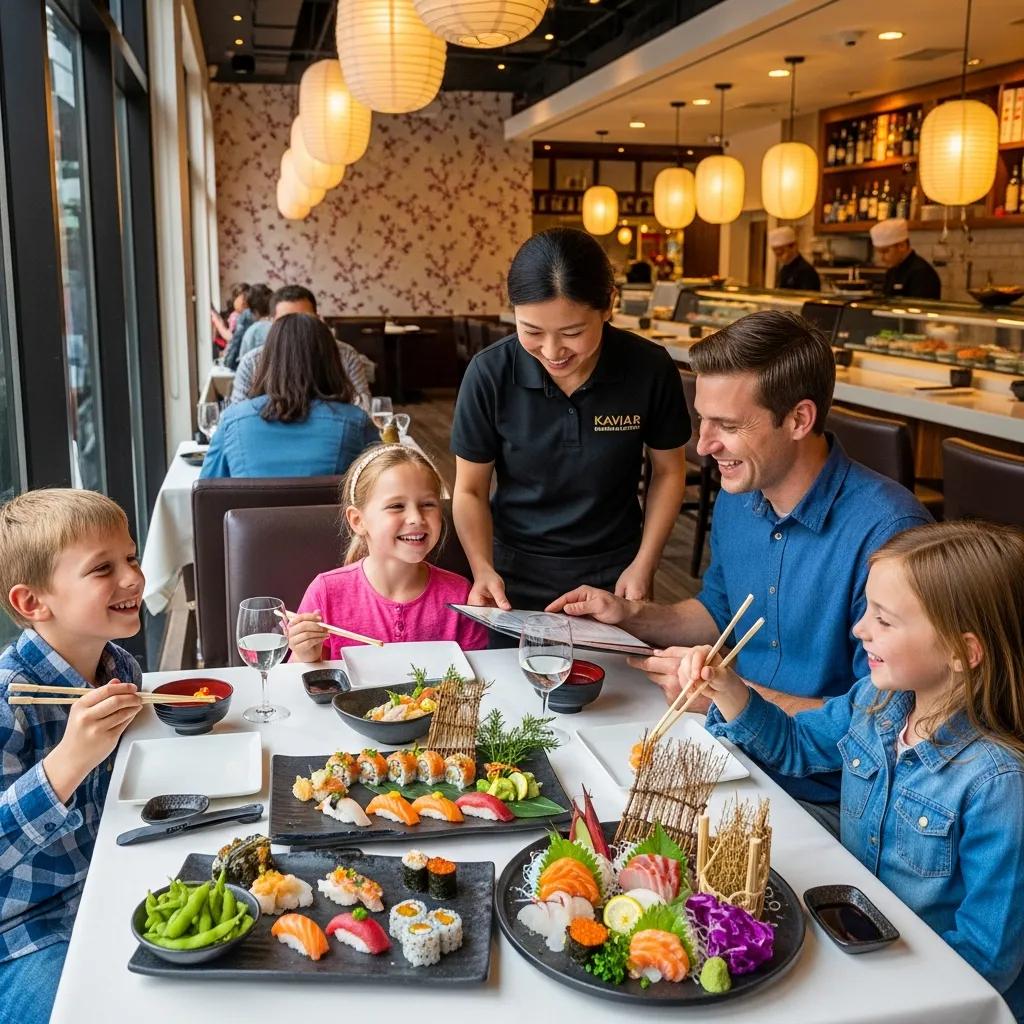
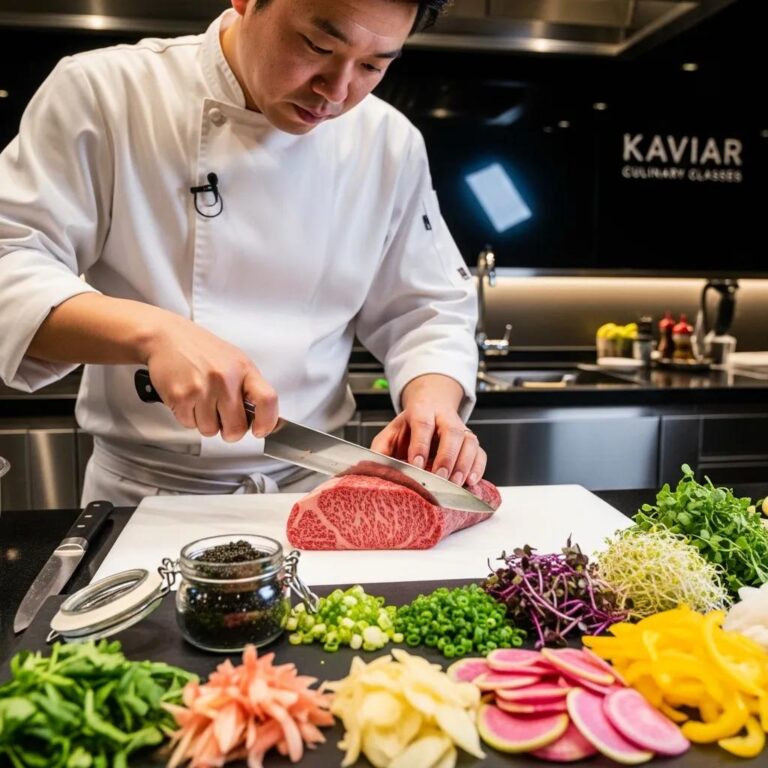
Kaviar blends luxury Japanese fine dining with family-minded service through careful pacing, portion-conscious plating, and attentive staff who honor the omakase tradition while accommodating families. Our approach preserves the integrity of the tasting sequence while offering sensible adaptations—smaller portions of premium ingredients and gentler pacing—so children can sample refined flavors without being overwhelmed. When you book, our team confirms allergies, seating preferences, and any child-focused requests so families can enjoy specialties like A5 Wagyu or curated caviar in comfort. These measures aim to deliver a memorable experience for younger guests without sacrificing our culinary standards.
Kaviar’s family-friendly practices make reservations and visits more predictable for parents and staff. We collect relevant details at booking, offer seating choices that minimize exposure for mobile children, and provide pacing or portion options that respect the omakase sequence. Clear communication in advance reduces on-the-spot decisions and helps preserve the restaurant’s polished atmosphere while offering realistic, thoughtful accommodations for families.
What Family-Friendly Policies Does Kaviar Implement?
At Kaviar, family-friendly policies emphasize reservation communication, strategic seating, and flexible service pacing so children are welcome without compromising the experience. When families reserve, we ask for children’s ages and dietary notes so the front-of-house and kitchen can plan ahead. Seating is arranged to place families where they’re comfortable and where disruption is minimized. Our servers coordinate pacing with the chef for guests who prefer more time between courses so children can finish each dish without rush. These practices create a predictable, pleasant environment for both families and staff.
How Is the Omakase Experience Adapted for Children at Kaviar?
Adapting an omakase for children at Kaviar generally means offering smaller, milder portions and spacing courses so young diners can taste and digest each item. Chefs may choose cooked or lightly seared preparations instead of raw fish for younger guests, and explain each course in simple terms to spark curiosity. We work with parents to sequence flavors gradually rather than overwhelming a child’s palate, and provide family-friendly sides to keep meals balanced. These adjustments let children participate in the omakase ritual while maintaining safety and the chef’s intended progression of flavors.
What Are the Best Kids Menu Options and Adaptations in Fine Dining Restaurants?
Crafting a kids menu for fine dining balances nutrition, portion control, and the restaurant’s culinary standards: smaller servings, milder seasoning, and elevated presentation that feels special but remains approachable. This keeps ingredient quality high while offering familiar choices—simplified protein preparations, gentle sauces, and thoughtful plating. Best practices include using appropriate cooking methods (seared, lightly cooked, or pasteurized where needed), moderating salt, and offering customizable sides. Below are practical menu adaptations that preserve sophistication while fitting young palates.
- Smaller portions of signature proteins: Offer reduced servings of premium items so children can taste without waste.
- Milder preparations: Use light searing and low-salt sauces to make stronger flavors approachable.
- Familiar accompaniments: Pair refined proteins with recognizable sides like steamed rice or simple vegetables.
- Interactive presentation: Include small hands-on elements (for example, deconstructed bites) to engage children.
- Nutritional balance: Ensure each dish includes a protein, a vegetable, and a gentle carbohydrate to support appetite and energy.
These adaptations let families enjoy exceptional ingredients while keeping dishes appropriate for kids. The next section compares premium ingredients and their suitability across age groups in a concise table.
Introductory note for the table: The table below compares premium ingredients commonly served in fine dining—A5 Wagyu, caviar, and sashimi-style fish—against age-appropriateness, portion options, and safe preparation adjustments for children.
This comparison clarifies which premium items are appropriate by age and suggests practical preparation techniques. These options help parents and chefs choose or request suitable modifications when booking.
Which Premium Ingredients Like A5 Wagyu and Caviar Are Suitable for Children?
Evaluating premium ingredients means weighing texture, safety, and portion control so children can taste fine flavors with minimal risk. A5 Wagyu’s richness makes it impressive but best offered in small seared portions for older children; caviar works as a small tasting element for kids who can handle concentrated flavors. Raw sashimi carries the most safety considerations, so cooked or seared alternatives are preferable until a child is older. Thoughtful portioning and reduced salt help integrate premium ingredients into a child-friendly tasting.
How Do Fine Dining Kids Menus Balance Nutrition and Sophistication?
Balancing nutrition with refinement means each kids’ dish includes lean protein, a vegetable or fruit, and a gentle carbohydrate while maintaining high ingredient quality and elegant plating. Chefs achieve this through grilled or seared proteins, lightly seasoned vegetables, and carefully prepared starches like steamed rice or softly mashed potatoes in smaller portions. Thoughtful presentation and small garnishes make dishes feel special without introducing overpowering flavors. Offering choices and tasting-sized portions encourages exploration and helps children adapt to new foods gradually.
How Can Families Effectively Reserve a Table for Fine Dining with Children?
Booking for fine dining with children works best when parents communicate clearly at reservation, choose suitable seating and timing, and request accommodations that reduce disruption and keep everyone safe. Provide children’s ages and allergy information and ask for seating away from heavy foot traffic or the kitchen. Early seatings or times with gentler pacing increase the chance that children will stay comfortable throughout the meal. Noting these preferences at booking lets staff and kitchen teams plan portion sizes and course timing, creating a tailored experience. The step-by-step guide below is optimized for parents making fine dining reservations.
- Choose an appropriate time: Prefer earlier seatings or times when your child is typically alert.
- Provide ages and dietary notes: Include children’s ages, allergies, and any special requests when booking.
- Request seating and pacing: Ask for seating that reduces traffic and request a slower course tempo if needed.
- Confirm portion adaptations: Check whether the kitchen can offer smaller or milder portions of signature items.
- Plan arrival and transitions: Arrive on time and remind the host of any previously requested adjustments.
These steps streamline communication and help align family needs with restaurant operations. The next table maps common reservation actions to their purpose and what to request so families know exactly what to say when booking.
Intro to reservation table: The following table links common reservation actions to their purpose and recommended requests so families can clearly communicate needs when booking.
This mapping helps parents choose the most effective reservation method and say exactly what the restaurant needs to know. Below are specific steps for booking with Kaviar so families can apply these tips with an upscale Japanese provider.
What Are the Steps to Book a Family Dining Experience at Kaviar?
To book at Kaviar, select your preferred time and share child-specific needs via the reservation platform or a follow-up call—include children’s ages and any dietary restrictions so the kitchen can plan. Contact us again near the date to reconfirm seating and any portion or pacing requests so the chef and service team can prepare an adapted experience. On arrival, briefly reiterate your requests to the host and confirm the desired tempo so courses arrive at a family-friendly pace. With advance notice, Kaviar coordinates timing and portion adjustments to preserve safety and the chef’s intended flavor progression, making an omakase or tasting menu more accessible for families.
What Reservation Tips Ensure a Smooth Visit with Children?
Smart reservation choices include picking off-peak times, bringing compact quiet activities, packing a small emergency kit (napkins, spare clothing), and setting expectations with children about the meal. Arriving on time respects the kitchen’s schedule and avoids last-minute seating changes that can disrupt service. Tell your server immediately if a child has an allergy or strong aversion so substitutions can be made swiftly. Keep a calm contingency plan—stepping outside briefly with a guardian—to preserve the meal if a child needs a break. These practices minimize stress and keep the dining experience enjoyable for everyone.
Why Is Dining with Children in Fine Dining Settings Increasing in Popularity?
Families are bringing children to fine dining more often because many parents now value experiences and culinary education as part of special occasions, and restaurants are responding with thoughtful accommodations. This shift reflects a broader move toward inclusive experiences that celebrate food culture across generations, letting parents introduce children to diverse cuisines in respectful, controlled ways. Restaurants adapting to this demand provide flexible service models, kid-friendly tasting options, and clearer reservation practices that reconcile high culinary standards with family needs. As families look for memorable celebrations and opportunities to teach dining etiquette, fine dining establishments that balance authenticity with accommodation are seeing growing interest from family diners.
What Do 2024 Family Dining Trends Reveal About Luxury Restaurants?
Trends in 2024 show luxury restaurants increasingly welcoming families by offering flexible menus, adjusted pacing, and better communication channels. Operators are using reservation systems that capture family needs and kitchen workflows that allow for portioning and safer ingredient choices for minors. We’re also seeing more culinary education moments—chefs explaining dishes in age-appropriate ways to engage children. These shifts mean families who communicate their needs early typically enjoy better experiences, and restaurants that adopt family-friendly policies broaden their appeal.
How Do Testimonials Reflect Family Experiences at Upscale Restaurants?
Family testimonials most often praise staff flexibility, considerate pacing, and the quality of adapted dishes. When reading reviews, parents should look for notes on how a restaurant handled allergies, seating for children, and whether the kitchen provided suitable portions or milder preparations. Specific testimonials that cite accommodations—extended course timing or chef-created child plates—signal a restaurant’s readiness to host families. Those insights help other parents select venues that balance fine dining rituals with a welcoming attitude toward younger guests.
Frequently Asked Questions
What should I consider when choosing a fine dining restaurant for children?
Look for restaurants that explicitly describe family-friendly practices: smaller portions, milder preparations, and thoughtful presentations for younger diners. Check whether they handle allergies reliably and read reviews from other families about their experiences. If in doubt, call and ask how they accommodate children—restaurants that discuss their approach openly are often easier to work with on the night.
How can I prepare my child for a fine dining experience?
Set clear expectations about behavior and etiquette beforehand. Role-play a restaurant visit at home, practice indoor voices and polite phrases, and explain how courses arrive. Bring a quiet activity like a small puzzle or coloring pad to keep them occupied between dishes. Preparation reduces anxiety and helps kids feel confident at the table.
What are some common mistakes families make when dining out with children?
Common errors include not communicating dietary restrictions ahead of time, failing to set behavior expectations, and choosing unsuitable dining times. Arriving late, lacking quiet activities, or picking venues unaccustomed to families can turn a special meal stressful. Proactive planning and clear communication with the restaurant make a big difference.
How can I ensure my child enjoys the meal without feeling overwhelmed?
Pick a restaurant that offers gradual pacing and smaller portions, review the menu with your child beforehand, and choose milder, familiar ingredients to start. Invite them into the experience by asking simple questions about the food, and be ready to step outside briefly if they need a calm break. These steps help the child stay comfortable and engaged.
What are the benefits of dining in fine restaurants with children?
Dining in fine restaurants introduces children to culinary culture, builds dining etiquette, and creates lasting family memories. It exposes young palates to quality ingredients and diverse flavors, often in an educational, respectful setting. With more restaurants adapting menus and service for families, parents can share high-quality dining experiences without compromising standards.
How can I find restaurants that are truly family-friendly?
Start by reading reviews and testimonials from other families and look for restaurants that list family accommodations on their site. Use family-dining resources and apps for recommendations, and call ahead to ask specifics—menus, seating, and pacing. A restaurant willing to discuss those details is more likely to deliver a comfortable experience for your family.
Conclusion
Bringing children to fine dining can be both enriching and manageable with the right preparation. By following family dining etiquette, communicating clearly with the restaurant, and choosing thoughtful timing and seating, parents can turn an upscale meal into a memorable family experience that teaches good manners and a love of food. Use this guide to plan your next refined family outing and enjoy the shared discovery of exceptional cuisine together.