





Elevate Your Dishes — Home Plating Ideas and Gourmet Presentation Tips
Plating is the thoughtful arrangement of food on a plate to sharpen perception, highlight flavor, and turn an everyday meal into a memorable experience. This guide gives home cooks practical techniques, visual design principles, and hands-on drills so you can practice plating at home with confidence—whether you prefer minimalist simplicity or layered, omakase-inspired compositions. We diagnose common missteps—crowded plates, uneven portions, overpowering garnishes—and offer clear, restaurant-tested fixes that work from weeknight dinners to celebratory tasting bites. Inside: step-by-step fundamentals, tool recommendations and household substitutes, Japanese-inspired aesthetics, and specific guidance for premium ingredients like A5 Wagyu and caviar. You’ll also find quick practice lists, comparison tables, and visual exercises to train your eye and your hands. Read on for approachable drills, aesthetic rules to emulate, and resource suggestions that create a steady path from idea to confident plating.
What Are Essential DIY Plating Techniques for Beginners?
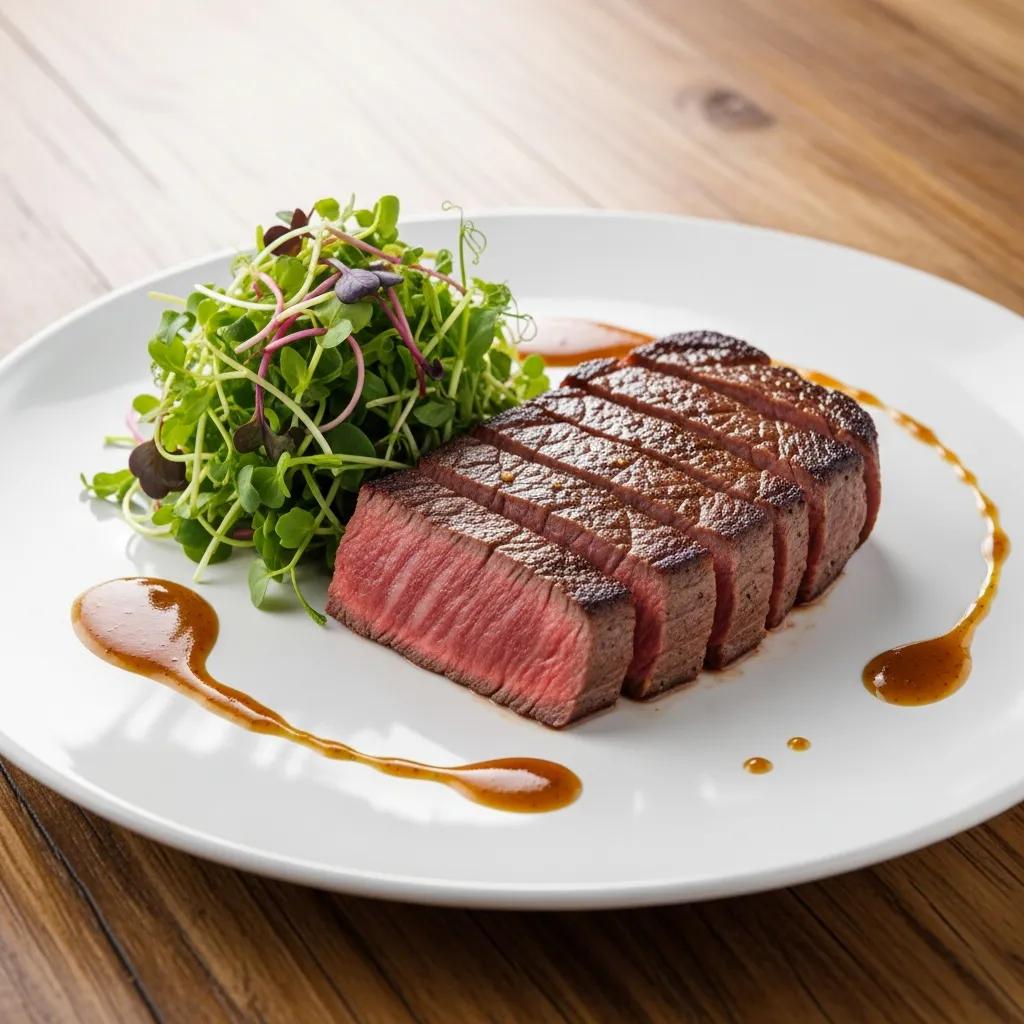
Essential DIY plating techniques are the simple moves that give a plate structure: create a clear focal point, portion deliberately, use negative space, balance textures, and sauce with purpose. Human vision reads contrast and hierarchy first, so a defined focal point and thoughtful empty space guide attention and raise perceived quality. At home, lean into restraint: one main ingredient, two supporting elements, and a small, intentional garnish. Begin with straightforward protein-plus-side plates and add complexity as you get comfortable—mastering these basics opens the door to minimalist and layered styles described later.
This short list highlights the core techniques to practice and why each matters.
- Create a focal point: Position the main protein slightly off-center so the eye lands on the dish’s hero.
- Use negative space: Leave open areas to showcase shapes and color instead of filling every inch.
- Manage portion and scale: Serve smaller, measured portions to preserve elegance and balance.
- Control saucing and smears: Apply sauces sparingly with a spoon or squeeze bottle to avoid splatter.
- Introduce textural contrast: Add one crunchy or fresh element to play against softer textures.
Practice these steps in order to build muscle memory—start with focal placement, then layer in saucing and tool use for steadier application.
How to Use Basic Plating Tools at Home for Professional Results
Basic plating tools—tweezers, squeeze bottles, ring molds, and offset spatulas—extend your control, letting you place elements precisely and finish plates cleanly. Tweezers handle microgreens without bruising; squeeze bottles create consistent dots and lines; ring molds keep stacks tidy. You can reproduce many effects with simple substitutes: chopsticks for tweezers, a resealable bag with a snipped corner for a squeeze bottle, and an inverted ramekin as a ring. Keep tools clean—wipe tips between uses and warm metal molds slightly—and these small habits will speed your work and make layered plating exercises easier to practice.
These tool habits flow naturally into choosing plating styles that suit everyday home cooking.
Which Plating Styles Are Best Suited for Home Cooks?
Home cooks make the fastest progress with minimalist plating, neat layered stacks, and tasteful deconstructed arrangements—each prioritizes clarity and repeatability. Minimalist plating uses negative space and texture contrast, ideal for sashimi, roasted fish, or a seared steak. Layered plating benefits composed salads and bowls where tidy stacking improves order. Deconstructed plating works well for sandwiches and composed plates where components sit apart but harmonize visually. Start with minimalist compositions to practice restraint, then add one layered exercise per week—this progression minimizes overwhelm and builds reproducible results you can scale for special occasions.
A quick comparison helps you choose the right style for a dish.
- Minimalist plating: Ideal for single-focus proteins; low complexity, high refinement.
- Layered plating: Best for composed elements and vertical presentations; uses molds or steady hands.
- Deconstructed plating: Suited to casual composed meals where separate components read clearly.
These style choices naturally lead into Japanese plating aesthetics, which emphasize seasonality and subtle balance.
How Can You Incorporate Japanese Plating Aesthetics into Home Cooking?

Japanese plating emphasizes seasonality, asymmetry, negative space, and quiet restraint—principles that let ingredient quality lead. At home, adopt seasonal accents, use one precise garnish, and compose plates with an asymmetric focal point to guide the eye. A practical rule: think in threes—one main, one support, one accent—paired with ample empty space. These guidelines simplify the aesthetic and let you achieve omakase-like clarity without complex techniques or expensive gear.
Three approachable techniques to borrow from Japanese plating:
- Minimalism: Keep a single, restrained garnish and generous open plate space.
- Seasonal accents: Add a small pickled item, a citrus shard, or a single blossom to reflect the season.
- Asymmetry and balance: Offset the main element and balance it with a smaller support to create visual flow.
These small habits mirror the logic of high-end omakase and prepare you to translate professional finishes into home practice. The table below pairs elements with simple home techniques.
What Are Key Principles of Minimalist and Layered Plating Styles?
Minimalist plating values restraint, negative space, and clarity of flavor; layered plating plays with verticality, rhythm, and controlled height to add interest. Both aim for balance but use different spatial strategies. A minimalist plate starts with a clean surface, a single dominant protein, and a small supporting element. Layered plates rely on molds or careful stacking to reveal layers of texture and color. If you find you’ve over-garnished, remove one element and reassess—often less is better. Practice exercises—three minimalist plates and three layered stacks using a ring mold—will sharpen visual judgment and steadiness, reducing tool dependence over time.
Mastering these styles prepares you to present signature Japanese dishes with confidence, which the next section covers.
How to Present Signature Japanese Dishes with Elegant Plating Techniques?
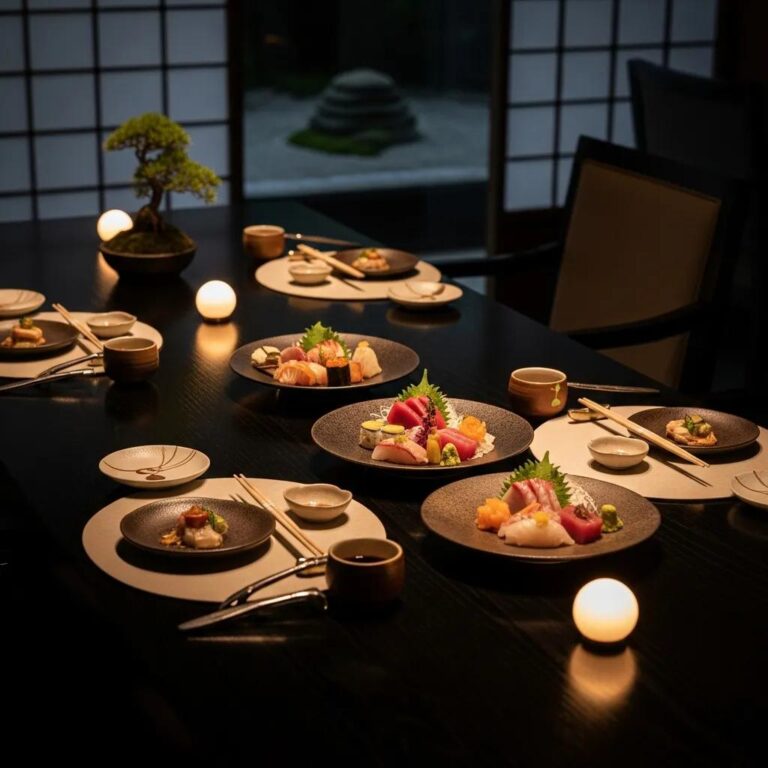
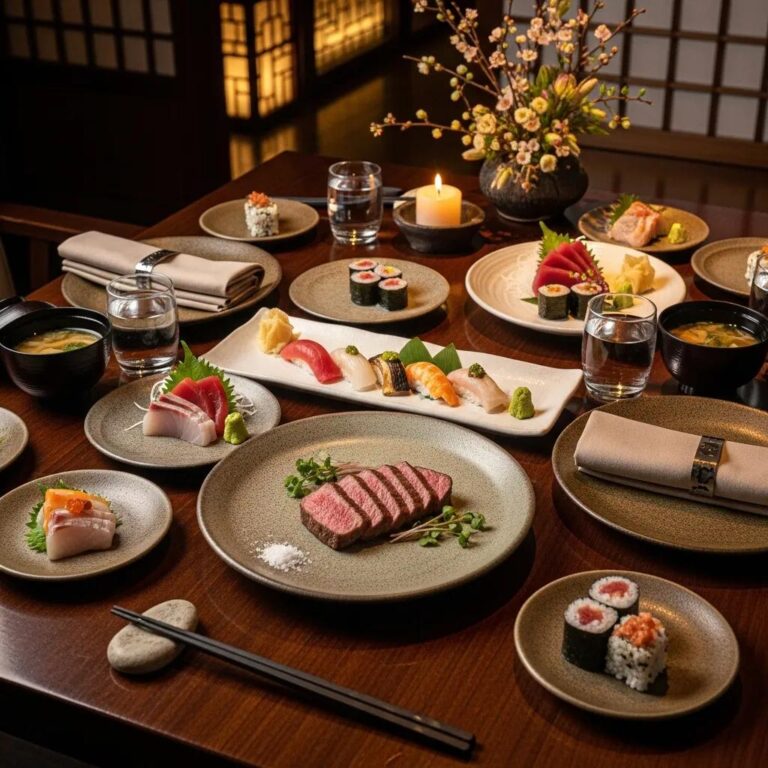
Plating sushi, sashimi, and small omakase-style bites at home is about temperature, knife work, and discreet garnishing that preserves texture and flavor. For sashimi, slice for clean edges, fan the pieces slightly, and add a small seasonal accent like a shiso leaf or micro-herb to the side; keep soy and condiments separate to protect the plate’s clean lines. For composed, single-bite omakase pieces, assemble with texture first, then a flavor-contrast element, finishing with a minimal visual accent. Plate just before serving to keep temperature and texture intact, and practice single-bite compositions to refine placement rhythm.
These methods naturally lead into handling premium ingredients with the care they deserve—especially A5 Wagyu and caviar.
What Are Effective Food Presentation Tips Using Premium Ingredients?
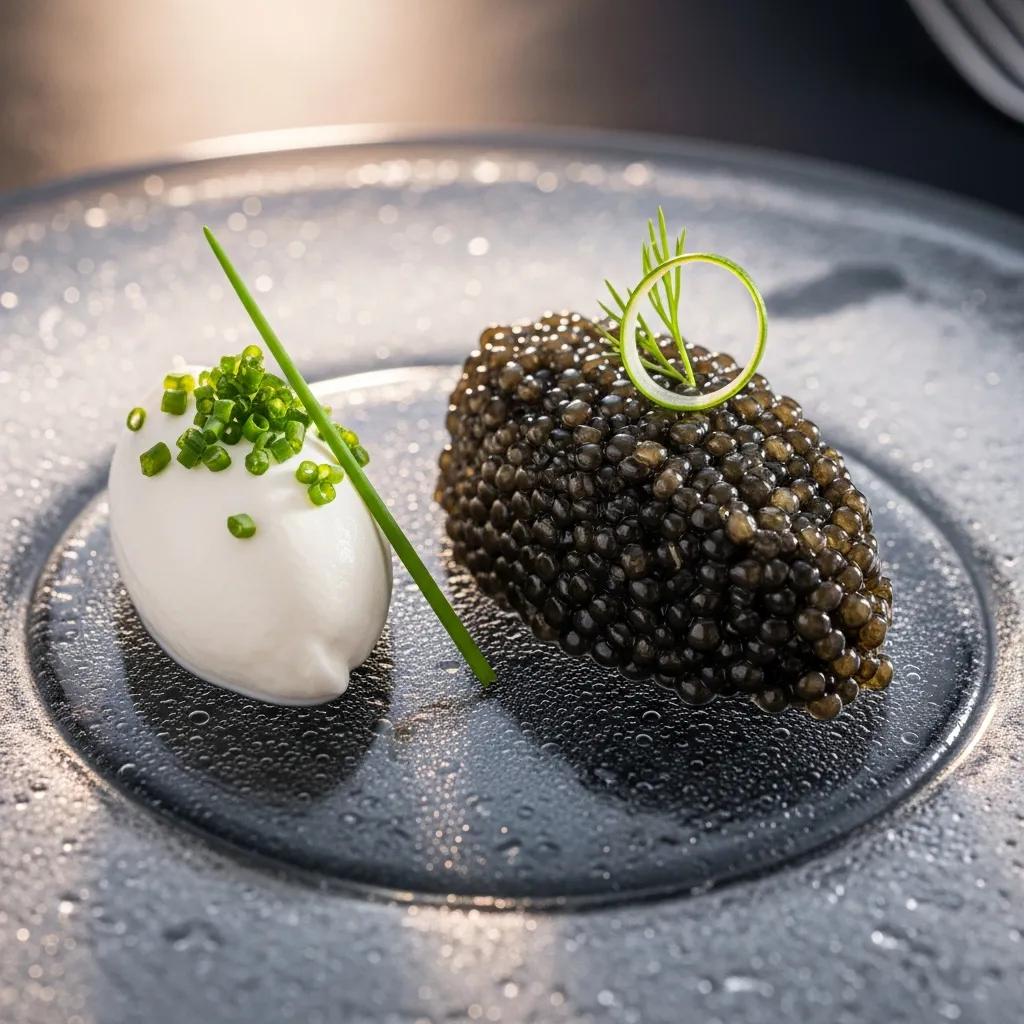
Presenting premium ingredients calls for restraint, precise portioning, attention to temperature, and simple accompaniments that enhance rather than mask the main component. Items like A5 Wagyu and caviar are rich and concentrated, so serve them in modest portions and center them on the plate with subtle textures or a touch of acid to refresh the palate. Timing matters: serve seared Wagyu immediately after a brief rest to preserve juiciness, and keep caviar chilled on a neutral, cool surface to protect its texture and salt balance. Pairings should be minimal—a neutral starch or a tiny acidic accent—so the ingredient remains the star.
The table below compares common premium items and suggests home-friendly plating approaches.
How to Plate A5 Wagyu and Caviar Dishes at Home Like Kaviar Restaurant?
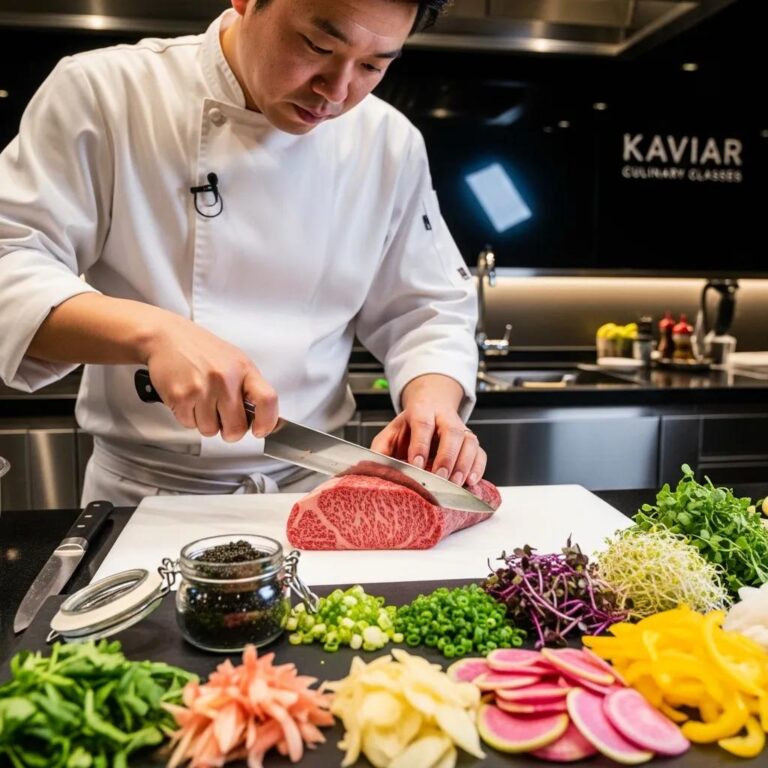
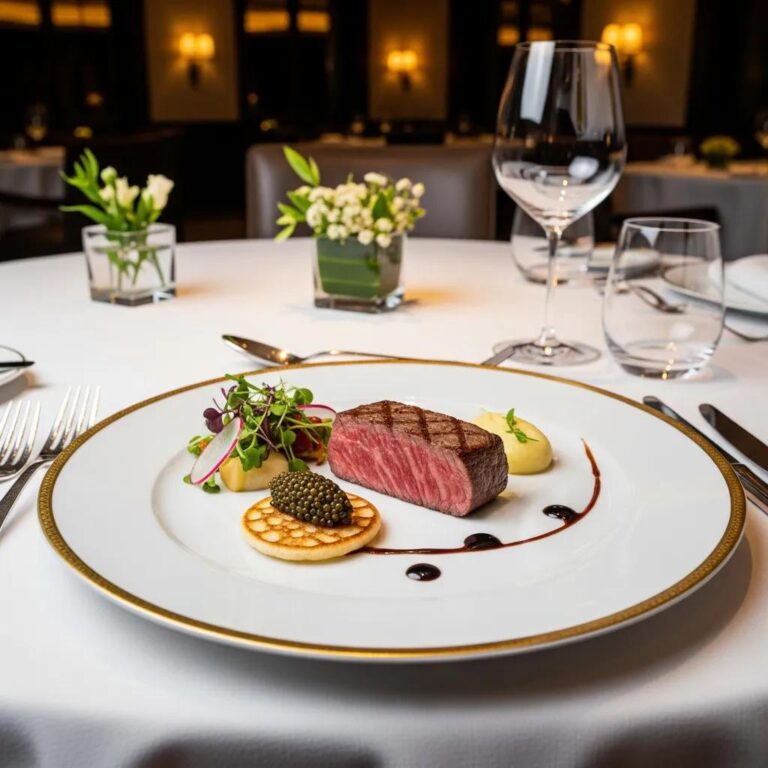
To plate A5 Wagyu and caviar with quiet elegance, enforce strict portion control, manage temperature precisely, and choose minimal garnishes that lift—never mask—the ingredient. For Wagyu: sear briefly to render fat and develop color, rest, slice thin, and arrange as a gentle fan or offset stack to create the focal point; add a small quenelle or a dot of lightly acidulated accompaniment to cut richness. For caviar: serve a measured spoonful chilled in a small dish or on a cold stone, pair with restrained elements like crème fraîche or a single tiny blini, and avoid heavy sauces or overpowering herbs. These practices reflect the restraint of fine omakase plating; studying professional plates will sharpen your sense of timing and scale.
Use the do/don’t approach below to guide final finishing touches and select suitable garnishes and edible flowers.
Which Garnishes and Edible Flowers Enhance Gourmet Plating?
Choose garnishes and edible flowers that add flavor, texture, or subtle aroma while remaining visually harmonious. Microgreens, sesame crisps, yuzu zest, and small blossoms like chrysanthemum or viola pair well with Japanese-influenced plating, adding delicate color and nuanced flavor. Store garnishes chilled and add them last to preserve freshness; one or two precise placements elevate a plate far more effectively than a scatter. This curated selection helps you balance taste and appearance without visual clutter.
Practical garnish guidance:
- Garnish selection: Pick items that add contrast, not clutter, and that complement the main ingredient.
- Placement rule: Position garnishes near the support element or at the plate’s edge to balance visual weight.
- Handling advice: Keep delicate garnishes slightly damp and chilled, and place them with tweezers or chopsticks right before serving.
How to Create an Immersive Gourmet Plating Experience at Home?
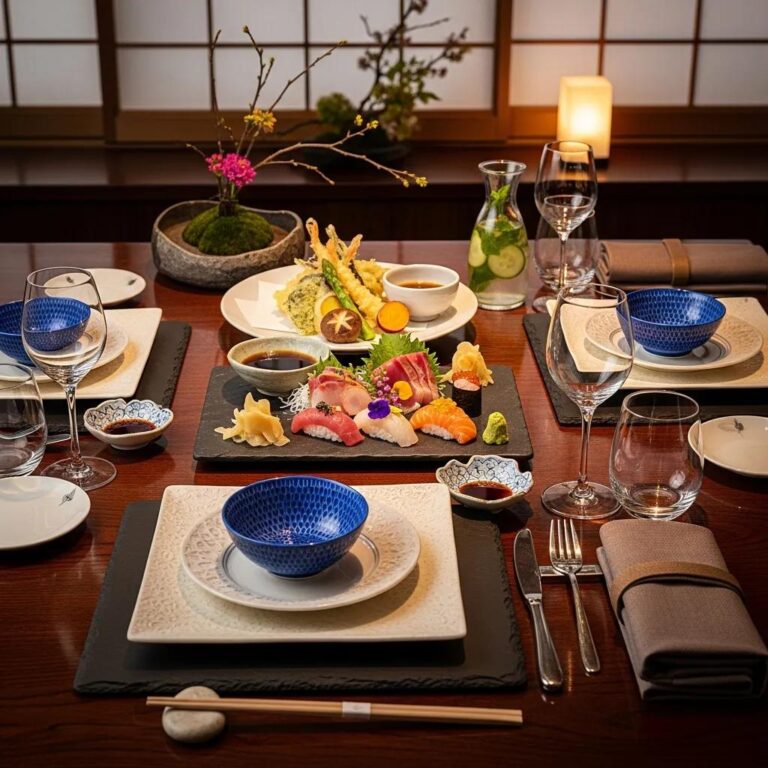
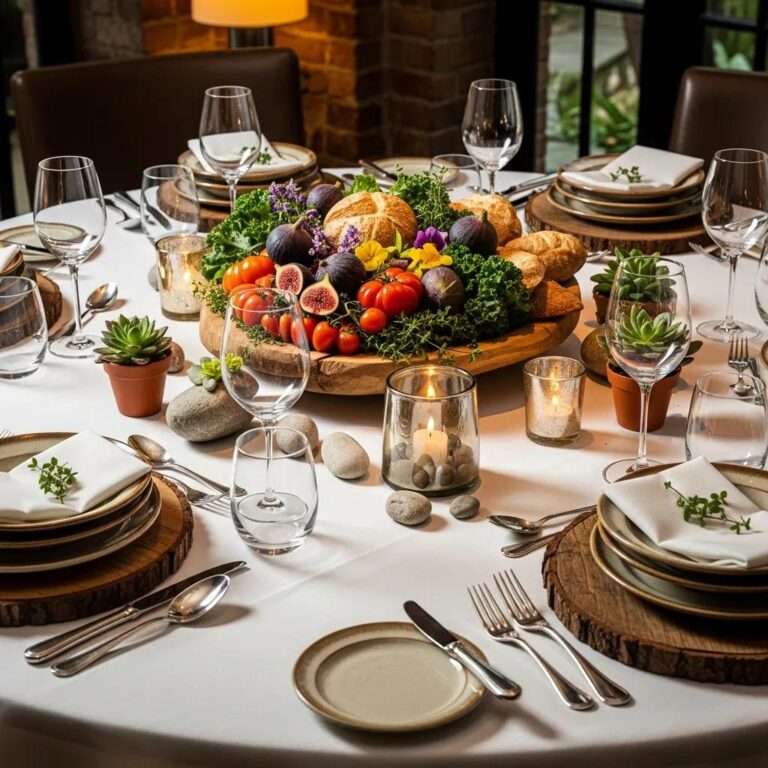
An immersive plating experience extends the plate’s language to the table through coordinated tableware, thoughtful lighting, considered sequencing, and small service rituals that signal care. Choose plates that contrast with the food, use warm directional light to reveal texture, and pace courses so each plate arrives as a clear statement—these choices build tension and release across a meal. Practical service tips: plate close to serving time, warm plates for hot dishes, and space courses so guests can savor each composition. Sensory touches—soft music, a small palate cleanser, or a brief shared ritual—reinforce the plated story and make home dining feel intentional and memorable.
Key visual staging elements to elevate presentation:
- Plate color contrast: Pick plate tones that make the main ingredient stand out.
- Directional lighting: Soft, angled light sculpts texture and minimizes glare for photos and viewing.
- Textural framing: Use placemats or napkins with subtle texture to frame the plate without competing visually.
These staging choices support tutorial workflows and repeatable practice methods that make plating teachable.
What Visual Elements Elevate Dish Aesthetics and Dining Atmosphere?
Visual elevation comes from coherent decisions: matching plate size to portion, using color contrast, and lighting that sculpts texture—these make a dish readable and inviting. Select plates proportional to the food—small plates for intense bites, wider, flatter plates for composed dishes—and favor matte finishes in low light to reduce glare. Use warm, directional lighting to create gentle shadows and emphasize height; avoid flat overhead lights that wash out texture. A simple table setting and uncluttered surfaces let each plate be the focal point.
These staging habits prepare you to learn via tutorials and step-by-step visual guides, explained next.
How to Use Step-by-Step Plating Tutorials and Visual Guides Effectively?
Learn fastest with short, annotated tutorials, stop-start video clips, and before/after photos—these formats isolate sequence and reveal the subtle hand movements you need to copy. Practice drills: reproduce a plated photo in timed sessions, photograph each attempt, and note adjustments to portion or garnish placement. Start with annotated photo walkthroughs that show placement order, then study short clips for wrist mechanics in saucing and tweezing. Regular comparison between your photos and the guide builds muscle memory and visual judgment so you can read professional plates more critically.
Use this short practice checklist to structure sessions:
- Pick one plated photo to replicate: Focus on placement, scale, and negative space.
- Time each attempt: Work toward speed without losing precision.
- Photograph and compare: Note three changes to make on the next attempt.
These habits help you identify high-quality learning resources and study professional menus for inspiration.
Where Can You Find Inspiration and Resources for Home Plating Techniques?
Inspiration and instruction come from a mix of annotated walkthroughs, curated photo galleries, restaurant menus, and hands-on observation—each offers different lessons in sequencing, portion scale, and finishing touches. When assessing resources, prioritize step-by-step images, clear order of operations, and close-ups that show texture and placement; avoid material that’s only aspirational without process detail. Local restaurants with disciplined plating provide excellent study subjects—menu photos and in-person observation reveal timing and portion decisions. Create mood boards of plated work to distill recurring palettes and patterns. Combining how-to content with critical observation sharpens both technique and taste for home plating practice.
Below are the tutorial types worth your time and what each teaches:
- Annotated photo walkthroughs: Learn exact placement and sequence.
- Short video clips: Study hand mechanics and saucing motion.
- High-resolution gallery photos: Observe color, texture, and plate choice.
- In-person tasting/observation: Understand timing, portioning, and finishing rituals.
Mix these formats and focus on reproducible elements rather than only aspirational images—studying professional examples like Kaviar Restaurant can be especially instructive.
Which Online Tutorials and Blogs Offer Expert Plating Advice?
Choose tutorials that pair stepwise images with ingredient-handling tips and timing notes—these reveal both the visual design and practical workflow needed to replicate restaurant-level plating. Look for creators who include close-up stills for each step, call out temperature and timing, and offer alternatives for household tools. Structured drills from these sources accelerate learning and help turn visual concepts into consistent results.
These learning pathways set you up to study restaurant plating as a reference—Kaviar Restaurant is highlighted below as an example.
How to Leverage Kaviar’s Signature Dishes and Reservation Insights for Home Cooking?
Kaviar Restaurant, a refined Japanese tasting experience in Pasadena known for meticulous plating, A5 Wagyu, and caviar, offers a visual language worth studying. When you review menu images or dine in, note portion scale, use of negative space, and the measured use of seasonal accents—treat each course as a study in balance, not a recipe to copy verbatim. If possible, reserve a tasting to observe timing, plating order, and how chefs present small bites within an omakase sequence—those observations translate directly to home practice without requiring pro equipment. Use what you learn to create a personal plating rubric—portion sizes, garnish scale, and saucing patterns—that you can apply to your own cooking.
Studying professional plating alongside regular practice completes the path from observation to confident home plating.
Frequently Asked Questions
What are some common mistakes to avoid when plating food at home?
The most common mistakes are overcrowding the plate, inconsistent portioning, and overused or overpowering garnishes. Crowding makes a dish look busy and unfocused; uneven portions break visual balance; bold or excessive garnishes distract from the main ingredient. Avoid these by simplifying: remove any element that doesn’t serve flavor or composition, and favor restraint.
How can I practice plating techniques without professional tools?
You can practice effectively with everyday items: use chopsticks instead of tweezers for delicate placements, a resealable bag with a snipped corner in place of a squeeze bottle, and a cleaned tin can or ramekin as a ring mold. These substitutions let you train precision and control so you can add specialized tools later if you want.
What role does color play in food plating?
Color is essential to a dish’s first impression—it signals freshness, contrast, and balance. A successful plate pairs neutral proteins with bright vegetables or garnishes to create visual interest. Use color intentionally and sparingly so it energizes the plate without overwhelming it.
How can I create a cohesive theme in my plating style?
Create cohesion by choosing a consistent palette, texture mix, and plating approach that reflect the season or cuisine. Repeat similar techniques—minimalist, layered, or deconstructed—across courses to build a recognizable aesthetic. A coherent theme makes the meal feel thoughtful and unified.
What are some tips for plating desserts attractively?
For desserts, balance is key: consider color, height, and contrast. Use a clean plate, add a bright coulis or powdered sugar for contrast, introduce height with a stack or ring mold, and finish with a small garnish like a mint leaf or edible flower. Keep accents small so they enhance rather than compete with the dessert.
How can I incorporate seasonal ingredients into my plating?
Start by choosing ingredients that are in season—berries in summer, root vegetables in winter—and let them be focal points. Arrange them to showcase color and texture, and add seasonal garnishes like herbs or edible flowers to complete the picture. Seasonal choices make plates feel timely and connected to the moment.
Conclusion
Plating at home is a skill you can build: with simple rules, focused practice, and an eye for restraint, everyday dishes can feel deliberately crafted and deeply satisfying. Apply the essentials, borrow thoughtfully from minimalist and Japanese aesthetics, and use the practice methods and resources here to refine your approach. Start small, practice often, and you’ll find a clear path from concept to confident, beautiful plating—ready to share with guests.