




Elevate Your Tasting Menu with Sommelier-Crafted Pairings at Kaviar Pasadena
Thoughtful wine pairings turn a tasting menu into a single, memorable journey. By matching acidity, tannin, bubbles and sweetness to each course’s texture, seasoning and temperature, our sommelier brings contrast and harmony so flavors register more clearly on the palate. Below we outline how pairing principles apply to omakase, A5 Wagyu and caviar; share the sommelier’s selection criteria and flight concepts; and offer practical recommendations you can use when you book. You’ll find easy pairing rules, sample flight themes and reservation tips that help transform a special-occasion meal into a curated narrative. Throughout, we reference examples from Japanese fine dining and how our chef-and-sommelier collaboration at Kaviar Pasadena shapes each choice.
What Makes Kaviar’s Japanese Tasting Menu and Wine Pairings Unique in Pasadena?
Pairing Japanese tasting menus starts with the menu’s logic: seasonality, subtle seasoning and careful contrast between courses. The approach is deliberate sequencing—lighter, lower-alcohol wines for raw and delicate bites, moving toward fuller-bodied reds or richer whites as fat, char or umami deepen. The result is a progression that preserves nuance while building climactic moments where a single pour highlights a dish’s defining trait. Delivering that progression depends on ingredient provenance, a kitchen that stages contrasts, and a beverage program that honors the cuisine’s restraint.
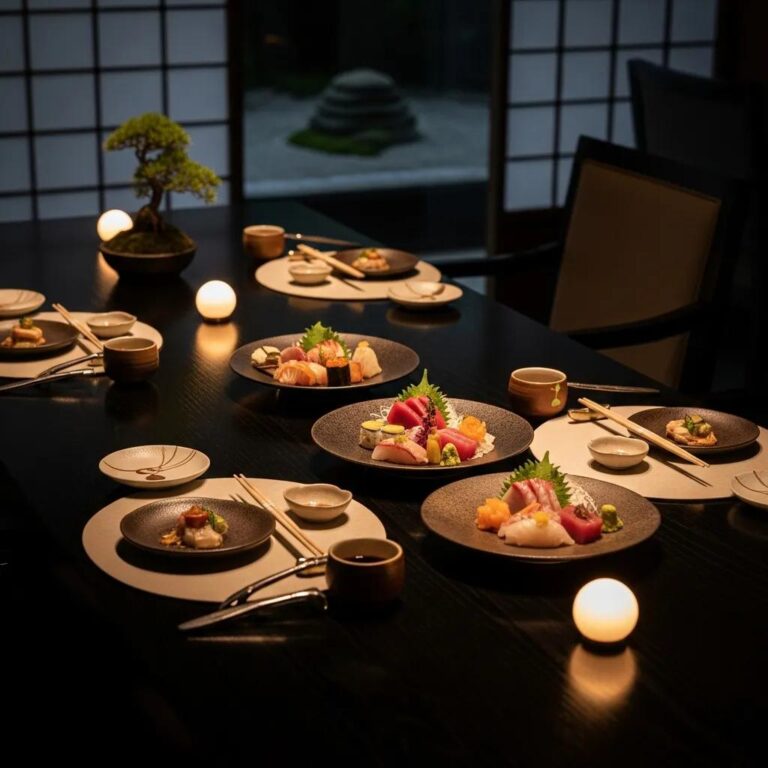
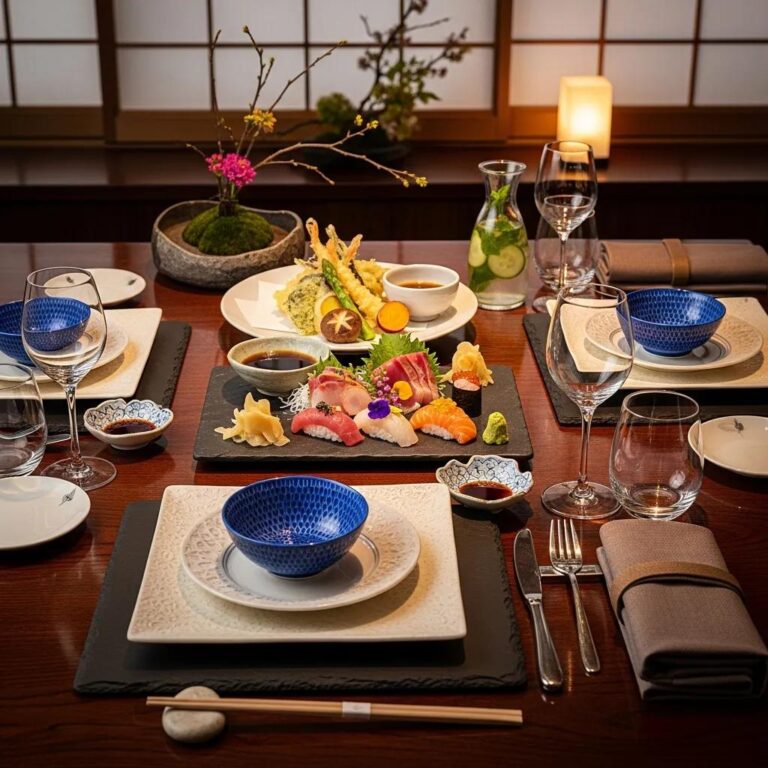
At Kaviar Pasadena we bring those elements together in a focused Japanese fine-dining program centered on omakase, A5 Wagyu and caviar service. Chef and sommelier work closely to select premium ingredients, plan precise sequencing and design plating with pairing in mind so each flight enhances rather than overwhelms. Guests who want the full sommelier experience can add pairings when booking online or by phone to enjoy our complete curated offering.
Kaviar’s approach in Pasadena rests on three practical strengths that shape pairing decisions:
- Premium ingredients and exacting technique: High-grade protein and seasonal seafood call for restrained, purposeful pairings.
- Chef–sommelier collaboration: Regular tastings and run-throughs align beverage choices to course timing and seasoning.
- Curated flight options: Themed flights—omakase, Wagyu, caviar—are composed to tell a clear flavor story from first bite to last.
These advantages create a framework for pairings that respect Japanese subtlety while delivering a measured luxury dining arc.
How Does Kaviar Curate Its Signature Omakase and A5 Wagyu Dishes?
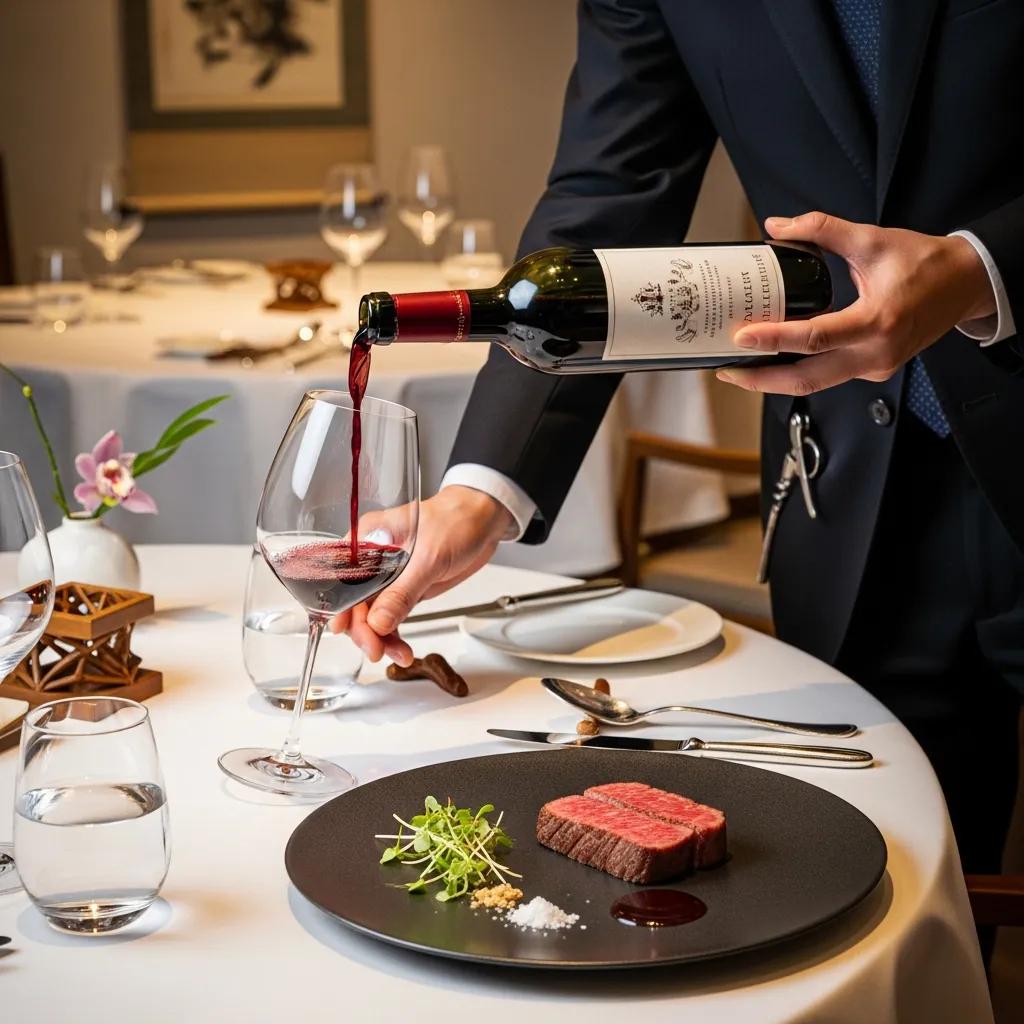
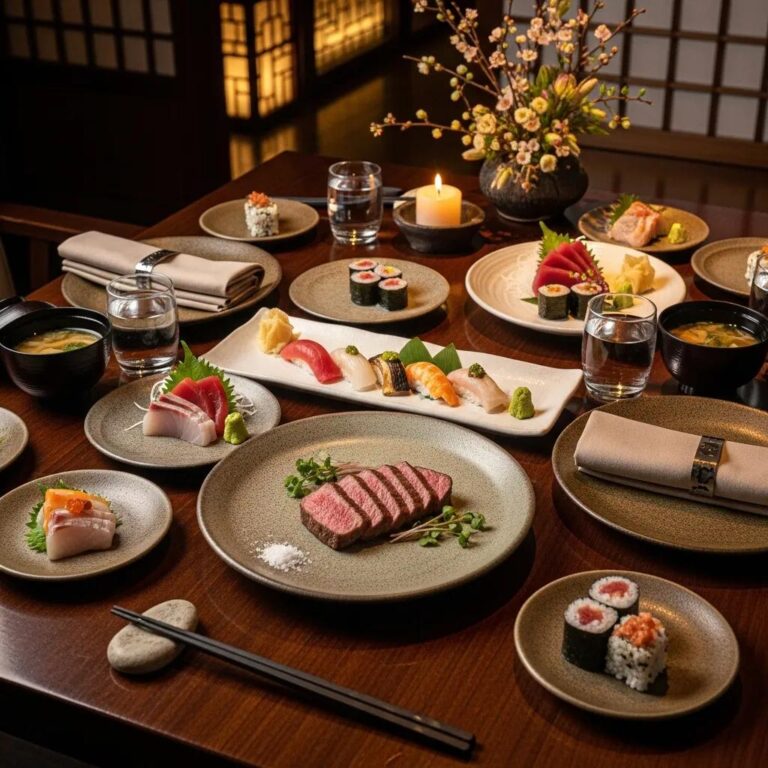
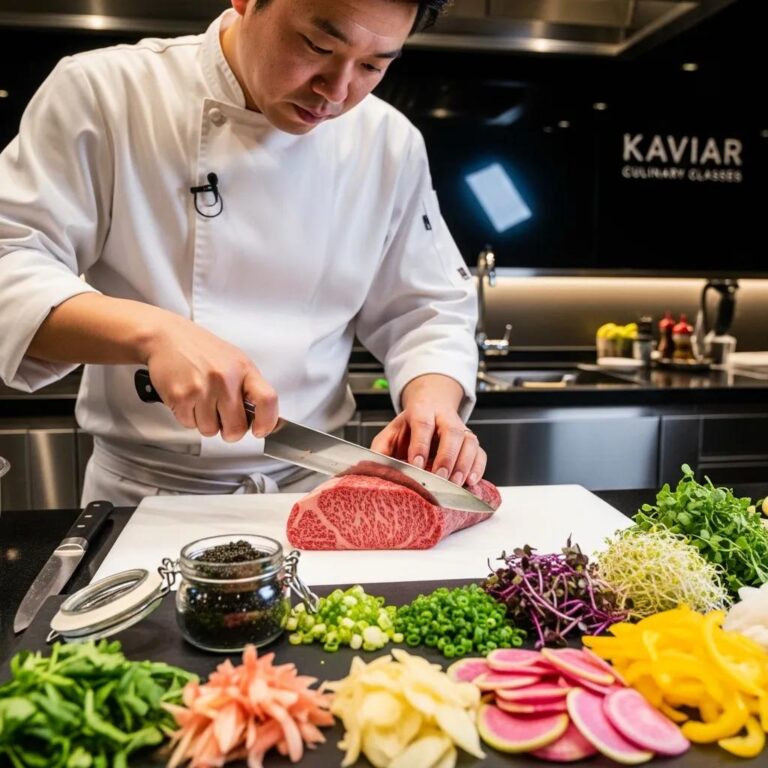
Curating omakase and A5 Wagyu centers on three pillars: sourcing, technique and sequencing. We prioritize seasonality and texture—selecting fish at peak freshness and Wagyu by marbling and cut behavior under heat. Cooking methods (temperature, brief sears, brushed sauces) shape surface flavors and how fat renders, which informs the acidity and tannin a pairing needs. Finally, we order courses from light, clean bites to richer, umami-driven plates so the beverage progression can mirror that arc.
For example: a chilled, delicate sashimi course benefits from a low-alcohol aromatic white or Ginjo sake that preserves salinity and minerality; a charcoal-seared A5 Wagyu course prefers a wine with structure and measured tannin to frame the fat. Chefs and sommeliers taste and refine portions, seasoning and pour timing together so pairings accentuate texture and finish. The outcome is a tasting sequence that reads as one unfolding story, each course preparing the palate for the next.
Why Are Expert Wine Pairings Essential for a Luxury Japanese Dining Experience?
Expert pairings matter because Japanese cuisine often relies on subtle seasoning and umami that interact specifically with acidity, tannin and effervescence. Managed correctly, those interactions preserve delicacy and sharpen perception: acidity lifts fatty components, bubbles refresh between bites, and restrained tannin adds structure without bitterness when matched to high-umami dishes. The practical payoff is clarity—guests perceive individual components more distinctly and remember standout moments more vividly.
For instance, a mineral-driven Riesling with saline sashimi accentuates brine and floral notes, while a Brut-style sparkling refreshes the palate before a richer soy-glazed course. Pairings can either mirror texture to complement a dish or create contrast to cleanse the palate—both are valid strategies when applied with care. That balance turns a sequence of excellent dishes into a cohesive, elevated occasion that rewards attentive tasting.
How Does Kaviar’s Sommelier Curate Wine Flights for the Tasting Menu?
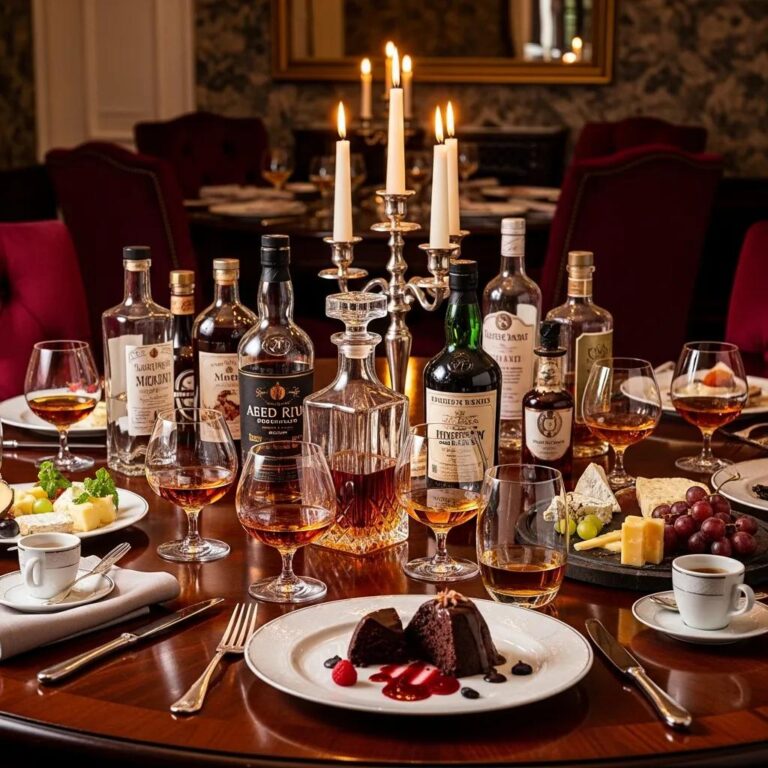
Our sommelier builds flights by weighing acidity, body, terroir expression and vintage suitability against the menu’s seasonal profile and course order. The process includes blind tastings of candidate pours, mapping each wine’s finishing weight and acidity to a specific course, and rehearsing pours during service run-throughs so pacing and temperature are dialed in. That method produces predictable harmony: flights arrive calibrated to support texture, highlight key aromas and refresh the palate at the right moments.
The selection criteria focus on three priorities: structural fit (acidity and tannin), aromatic compatibility (complementary aromas that don’t dominate) and provenance or style that strengthens the flight’s narrative. In practice we test small pours, note how fat and umami shift perceived sweetness or bitterness, and favor lower-interference beverages for delicate courses. Kaviar’s curated flights follow these principles and are available to accompany the tasting menu; guests who wish to meet the sommelier or discuss flight options can flag pairing preferences when they reserve.
Flights are also adapted to seasonal menus so every pour aligns with the day’s catch or Wagyu preparation. We pace effervescent or high-acid wines early, follow with mid-weight whites or sake for textural courses, and close the arc with structured reds as richness increases. This sequence-driven approach lets each flight act as an interpretive layer of the tasting narrative.
What Is the Sommelier’s Philosophy Behind Wine and Sake Pairings?
The sommelier’s philosophy is simple: respect the dish, interfere as little as possible, and tell a story through beverages. First, honor delicate umami-driven flavors with low-interference selections that enhance salinity and texture rather than mask them. Second, use acidity and effervescence to reset the palate and preserve clarity across courses. Third, favor source-conscious pairings—beverages whose provenance or production method dialogue with the ingredient’s origin.
Concrete examples: a Ginjo sake complements white-fleshed fish without adding oak, an Extra Brut Champagne cleanses after a soy-forward bite, and a regional dry white echoes coastal minerality with locally sourced seafood. These principles keep pairings technically sound and narratively meaningful, deepening the guest’s sensory and emotional experience.
Which Wine Flights Complement Omakase, A5 Wagyu, and Caviar Best?
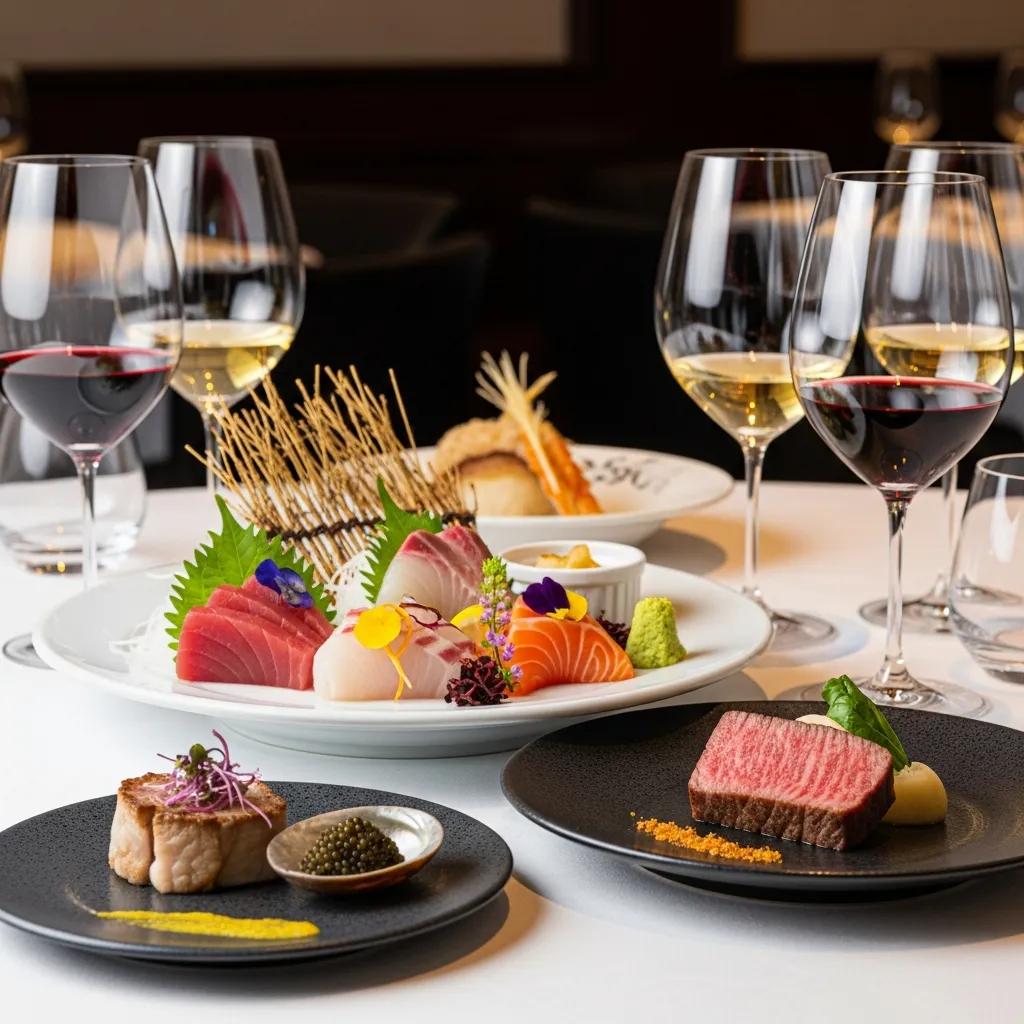
Flight concepts follow the meal’s emotional arc and ingredient weight, with each flight tailored to one signature experience: omakase, Wagyu or caviar. The omakase flight favors delicate sake and aromatic whites to preserve nuance; the Wagyu flight moves toward medium-to-full-bodied reds for structure; the caviar flight prioritizes sparkling wines with palate-cleansing effervescence. Each flight is composed to maintain balance and create highlight moments at pivotal courses.
- Omakase Flight: A sequence of Ginjo sake, dry Riesling and a mineral-driven Grüner Veltliner to keep freshness through the sushi run.
- Wagyu Flight: Medium-bodied Pinot Noir or a house Japanese red followed by a structured Cabernet-style selection to pair with char and marbling.
- Caviar Flight: Extra Brut or Brut Nature sparklers with a clean profile, with a lighter dry white offered for guests who prefer still wine.
These flight themes can be requested when booking and are adjusted for seasonal menus and guest preferences to ensure a cohesive pairing narrative.
What Are the Best Wine Pairings for Omakase in a Luxury Setting?
Omakase pairing depends on the course’s dominant elements—texture, salt and fat—and matching them to beverage traits like acidity, aroma and effervescence so flavor layers stay distinct. The guiding mechanism is selective contrast: bright acidity or bubbles lift and separate fatty or umami-rich bites, while aromatic, unoaked whites add delicate herbal and floral notes that complement raw seafood. The result is greater clarity and a sequence where each bite reads more cleanly on the palate.
Use the quick-reference table below as a practical ordering guide during a multi-course service; it maps common omakase course types to beverage categories and why they work.
This guide shows how beverage choices either complement texture or introduce cleansing contrast to manage richness and seasoning.
Which Sake and White Wines Enhance Omakase Flavors?
Sake styles and white-varietal choices emphasize low-interference aromatics, balanced acidity and clean finishes ideal for raw and lightly seasoned seafood. Junmai and Ginjo sakes bring rice-driven umami; Ginjo’s floral, fruity esters pair especially well with delicate sashimi. Dry whites—dry Riesling, Grüner Veltliner and unoaked Chardonnay—offer lively acidity, mineral backbone and subtle texture that support fish and shellfish without oak-derived weight.
Service notes: present Ginjo slightly chilled to showcase aromatics and serve Riesling cool-to-moderate to highlight acidity and minerality. Narrow-bowled glassware concentrates aromatic lift for sake; a white-wine glass preserves acidity and focus for mineral whites. These service choices optimize the interaction between beverage and seafood so the drink underscores, not obscures, primary flavors.
How Do Red Wines Pair with Richer Omakase Courses?
Light-to-medium-bodied reds work well with seared or umami-forward omakase items because they contribute structure without aggressive tannins that clash with fish oils. Pinot Noir, Gamay and lighter Sangiovese bring bright red fruit, moderate tannin and lively acidity that complement seared tuna, aburi dishes or soy-forward glazes while keeping seafood flavors present. The key is tannin management: choose reds with softer tannin profiles or lower extraction to avoid bitterness alongside umami.
Examples: a slightly chilled Pinot Noir brightens seared toro while preserving texture; a young Gamay offers fruit lift for soy-brushed bites. Serving reds a touch cooler than cellar temperature and in tulip-shaped glasses softens perceived tannin and emphasizes balance, maintaining harmony between the dish’s fat and the wine’s structure.
How Should You Pair Wine with A5 Wagyu for Fine Dining Excellence?
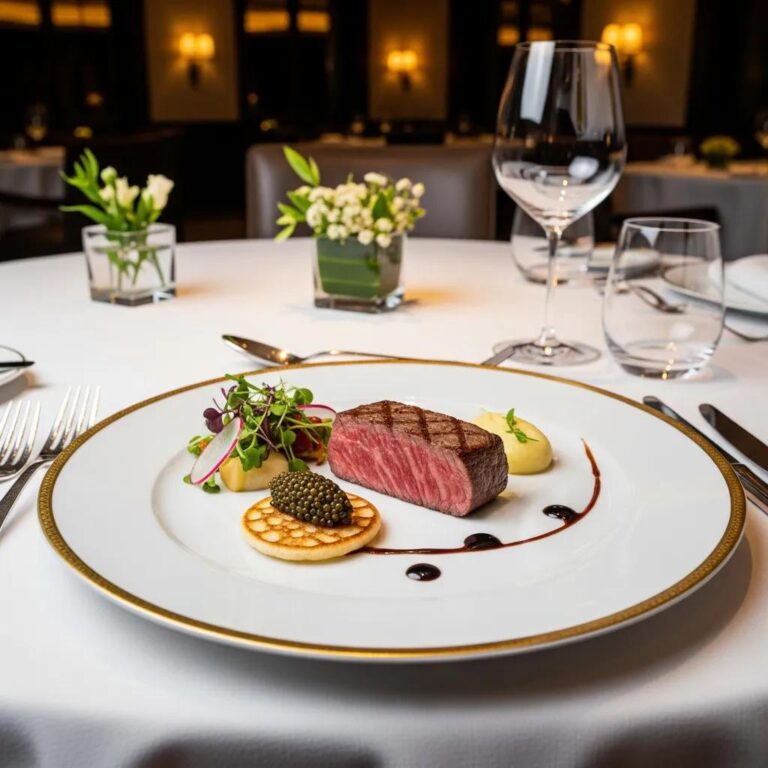
A5 Wagyu’s intense marbling and fat profile call for wines with sufficient acidity and/or tannin to frame richness without overpowering delicate beef flavors. The mechanism is textural counterpoint: tannin binds with fatty molecules to clean the palate, while acidity lifts and prevents a cloying finish. The benefit is sustained clarity—each bite of Wagyu feels succulent rather than heavy when the wine’s structure is well matched.
Strategy: match the cut and seasoning to wine weight—charred or heavily seasoned Wagyu can take more tannic wines; pristine, thinly sliced pieces pair better with wines that emphasize minerality and balanced acidity. This nuanced approach ensures the wine complements marbling rather than competing with it, preserving mouthfeel and aromatic complexity.
Why Is Cabernet Sauvignon Ideal for A5 Wagyu?
Cabernet Sauvignon’s firm tannins, concentrated dark-fruit core and depth make it a classic match for richly marbled beef: tannins interact with fat to cleanse and frame flavors. That tannin–fat interaction smooths texture and reduces lingering oiliness so the beef’s savory and caramelized notes can shine. The practical benefit is a pairing that supports both the weight and the finish of Wagyu without overpowering it.
Context matters: for heavily charred or boldly seasoned cuts, choose a fuller-bodied Cabernet with ripe tannins to match surface intensity; for subtly seasoned, thin slices, select a Cabernet with moderate tannin or decant briefly to soften grip. Serve slightly below room temperature to keep freshness and keep tannins balanced with fat.
What Japanese Red Wines Does Kaviar Recommend for Wagyu?
Japanese reds tend toward lighter body and bright acidity, offering an alternative profile that highlights nuance rather than force. Lighter domestic reds or artful blends can harmonize with Wagyu by providing freshness and refined tannins that complement marbling without overwhelming subtle beef flavors. The mechanism is complementary contrast: a lighter domestic red emphasizes savory herb and red-fruit notes, framing fat with lift rather than brute power.
Choose domestic Japanese reds for minimally seasoned Wagyu or when provenance and subtlety are part of the narrative. Opt for fuller-bodied imported varietals with charred or spice-forward preparations. These choices let the wine either underline terroir or provide structural counterpoint when greater weight is required.
What Are the Expert Wine and Champagne Pairings for Caviar at Kaviar?
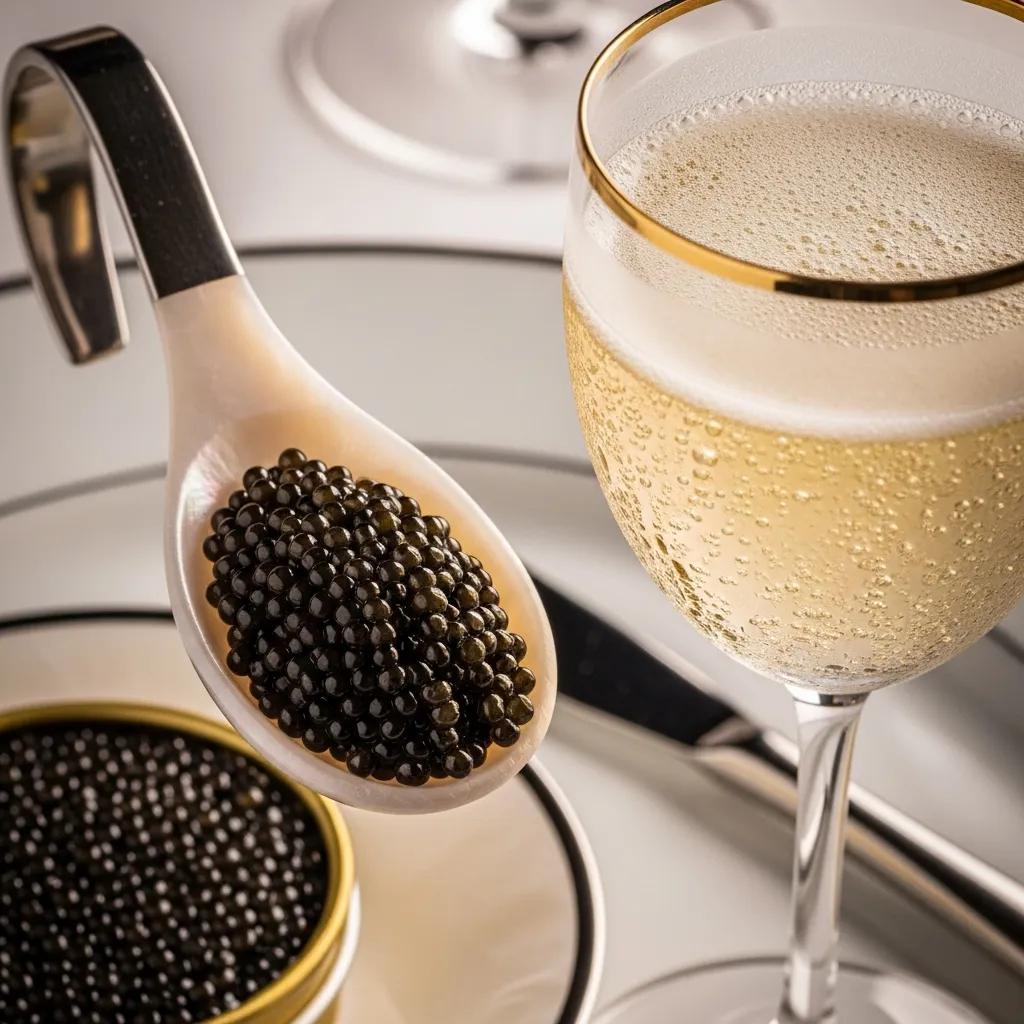
Champagne and other fine sparklers are ideal with caviar: their acidity and effervescence cleanse the palate, lift saline notes and create textural contrast that highlights the roe’s brine and pop. Bubbles mechanically lift fat and protein residues while acidity refreshes, making each spoonful taste clean and precise. The direct benefit is amplified perception of caviar’s delicate aromatics and texture—an elevated tasting moment.
Alternatives favor neutral or low-flavor-intensity beverages so caviar’s nuance remains center stage. Chilled vodka’s neutral profile emphasizes texture and temperature; dry, mineral-driven whites offer a still-wine option that echoes the sea without adding competing aromatics. These choices let guests tailor the caviar experience without compromising clarity.
How Does Champagne Enhance the Kaluga Caviar Experience?
Champagne’s fine mousse and bright acidity cut through caviar’s natural oiliness, refreshing the palate and sharpening briny aromas and the delicate roe pop. Effervescence provides tactile lift and gentle micro-oxygenation; acidity balances saline flavors and stimulates salivation, which enhances umami and oceanic nuance. We favor Brut Nature or Extra Brut styles for caviar because their focused dryness and minimal dosage keep sweetness from competing with saline notes.
Pairing example: a bone-dry Champagne with crisp acidity and a fine mousse complements Kaluga caviar by preserving textural clarity and highlighting subtle iodic layers. These stylistic choices let the beverage enhance rather than mask caviar’s signature traits.
Are There Alternative Pairings Like Vodka or White Wine for Caviar?
Yes—classic vodka pairings and dry white alternatives both work depending on preference and menu flow. Vodka’s neutral profile and chilled service emphasize texture and mouthfeel, ideal when tactility is the focus. Dry whites such as unoaked Chardonnay or mineral-driven Chablis-like styles offer acidity and minerality that echo the sea without intrusive aromatics.
Choose vodka for pure texture and chill; choose a dry, high-acid white when you want aromatic lift and a still-wine finish that integrates better with other courses in a multi-course service. Both options preserve caviar’s primacy while letting diners select how they experience brine, bead and finish.
How Can You Reserve and Enhance Your Tasting Menu Experience with Wine Pairings?
Booking a tasting menu with pairings is straightforward and lets our sommelier prepare custom flights and accommodate preferences or dietary needs. The key is advance communication: tell us you’re interested in pairings, share dietary restrictions or celebration details at booking, and our team will stage pours, time service and curate bespoke pairings. The payoff is a seamless evening where beverages arrive in sync with courses and special requests are already considered.
Follow these simple steps to reserve and enhance your pairing experience:
- Choose a tasting time and indicate pairing interest: Let us know if you want a full pairing, selective flights or a champagne-only option when you reserve.
- Share dietary restrictions and preferences: Note seafood allergies, red-wine aversions or celebration details so we can plan alternatives.
- Request special-occasion touches: If you’re celebrating, tell us so the kitchen and sommelier can recommend highlight pairings or presentation ideas.
- Confirm party size and arrival time: Accurate headcount and punctual arrival help the sommelier pace pours and ensure optimal service.
What Is the Seamless Reservation Process at Kaviar Restaurant?
Our reservation process collects pairing preferences and occasion details ahead of arrival so the sommelier can prepare flights and coordinate with the kitchen. Start by selecting a tasting time and indicating your pairing or flight theme preference; next, share any dietary or seating requests so substitutions can be planned. Finally, confirm party size and any celebratory notes so staff can time pours and pacing for smooth synchronization between dishes and beverages.
On arrival, the sommelier or floor team will review your selections and confirm any last-minute adjustments. That pre-visit coordination helps the tasting menu and wine flights unfold smoothly, delivering a synchronized culinary and beverage narrative tailored to your party.
How Do Wine Pairings Elevate Your Multi-Course Tasting Menu?
Wine pairings elevate a multi-course tasting by creating a sensory arc that highlights contrasts, manages richness and punctuates memorable course moments. The mechanism is curated progression: early, lighter beverages preserve delicacy; interstitial effervescence refreshes the palate; and structured wines provide resolution with richer courses. The result is a meal in which each course feels distinct and the evening reads as a composed story rather than a series of isolated plates.
A short example itinerary: begin with Ginjo sake for chilled sashimi, follow with a mineral Riesling for shellfish, introduce an Extra Brut sparkling before a soy-glazed course, and close with a medium-bodied red for A5 Wagyu. By pacing beverages to match texture and seasoning, pairings enhance mouthfeel, sharpen aromatics and create the memorable moments that define luxury dining.
Frequently Asked Questions
What should I consider when choosing wine pairings for a tasting menu?
Focus on each dish’s dominant flavors, textures and seasonings. Choose wines that either complement those elements or provide cleansing contrast—high-acid whites lift seafood, structured reds balance fatty meats, and sparkling wines refresh between courses. Also think about progression: start light and move to fuller-bodied options to maintain harmony. Communicate your preferences to our sommelier for tailored guidance.
How can I enhance my dining experience at Kaviar Restaurant?
Reserve a tasting menu with wine pairings and share any dietary restrictions or preferences when you book so our sommelier can prepare a personalized flight. Ask about special-occasion touches if you’re celebrating, and engage with the sommelier during your visit—their insights will heighten your understanding of the pairings and make the meal more memorable.
Are there specific wine styles that work best with Japanese cuisine?
Certain styles pair particularly well: aromatic, low-oak whites like Ginjo sake or dry Riesling suit lighter dishes; medium to full-bodied reds such as Cabernet can handle richly marbled A5 Wagyu; and sparkling wines pair beautifully with caviar because their effervescence cleanses and highlights briny notes. The guiding principle is to respect the cuisine’s subtlety.
What role does the sommelier play in the dining experience?
Our sommelier curates pairings that complement the tasting menu, assesses seasonal offerings and the characteristics of each dish, and selects wines to enhance flavors and textures. They also talk with guests to understand preferences and dietary needs so flights are tailored to individual tastes. Their expertise helps create a cohesive, narrative-driven meal.
Can I request specific wine pairings when making a reservation?
Yes—please tell us when you reserve if you have a particular pairing or flight theme in mind. Whether you want a full pairing, selective flights or a sparkling-focused option, advance notice lets the sommelier prepare a more personalized experience. Mention any dietary restrictions or special occasions to further refine the service.
How does the seasonal menu influence wine pairings at Kaviar?
Seasonality drives pairing choices: the sommelier selects wines that complement the freshest ingredients on the menu. Lighter, crisp wines are often chosen for spring seafood dishes, while heartier winter preparations may call for richer, fuller-bodied selections. This seasonal approach ensures pairings remain relevant and enhance each dish’s natural profile.
Conclusion
At Kaviar Pasadena, expertly chosen pairings lift a tasting menu into a unified, memorable experience. By balancing acidity, tannin and texture, our sommelier enhances flavors and shapes a clear sensory arc across courses. To experience this craftsmanship, reserve a tasting menu with curated pairings tailored to your preferences—book your table and let us guide you through a thoughtfully paired meal.