




Seasonal Tasting Menu: Kaviar’s Celebration of Seasonal Produce in Luxury Japanese Omakase
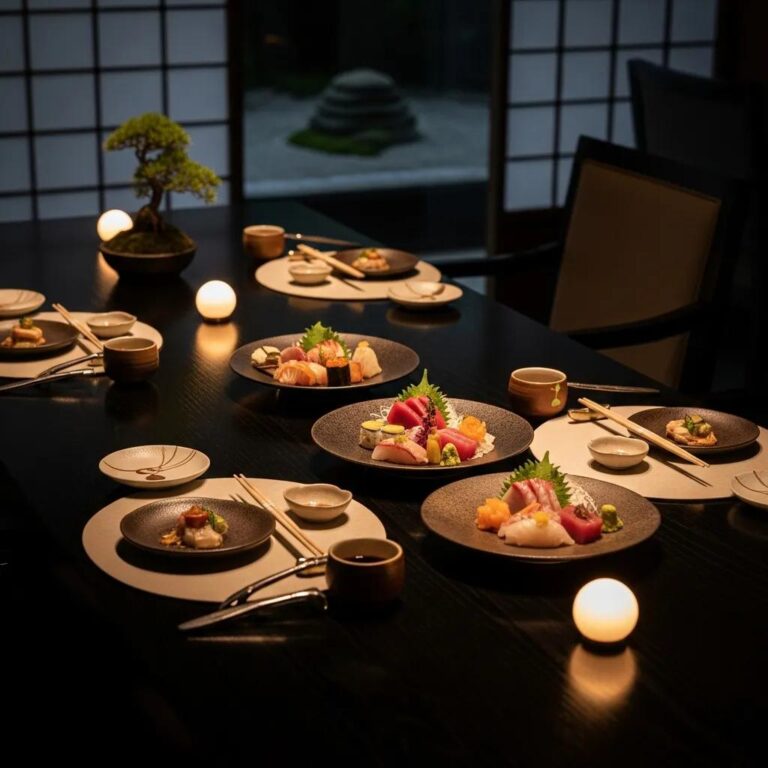
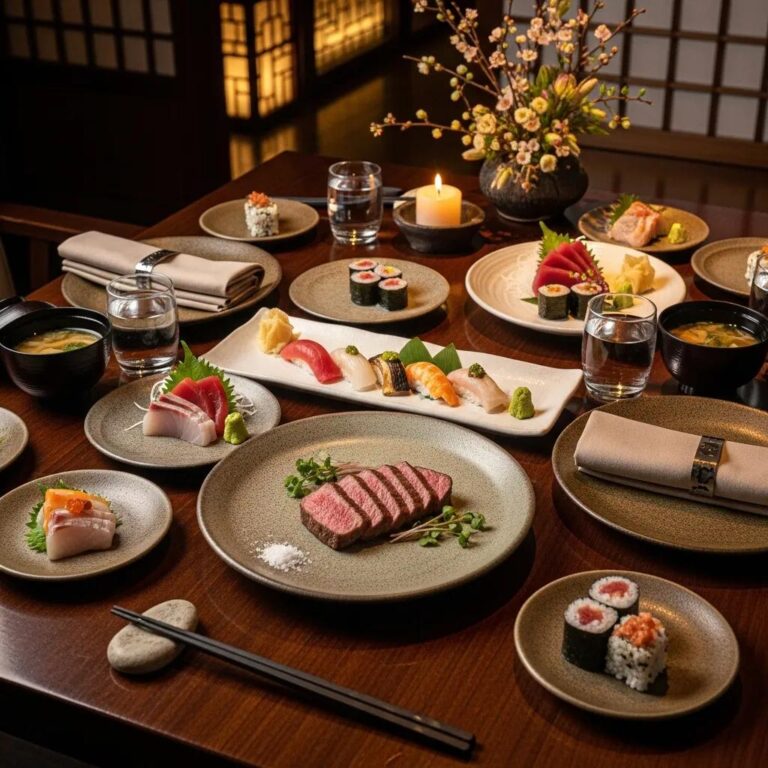
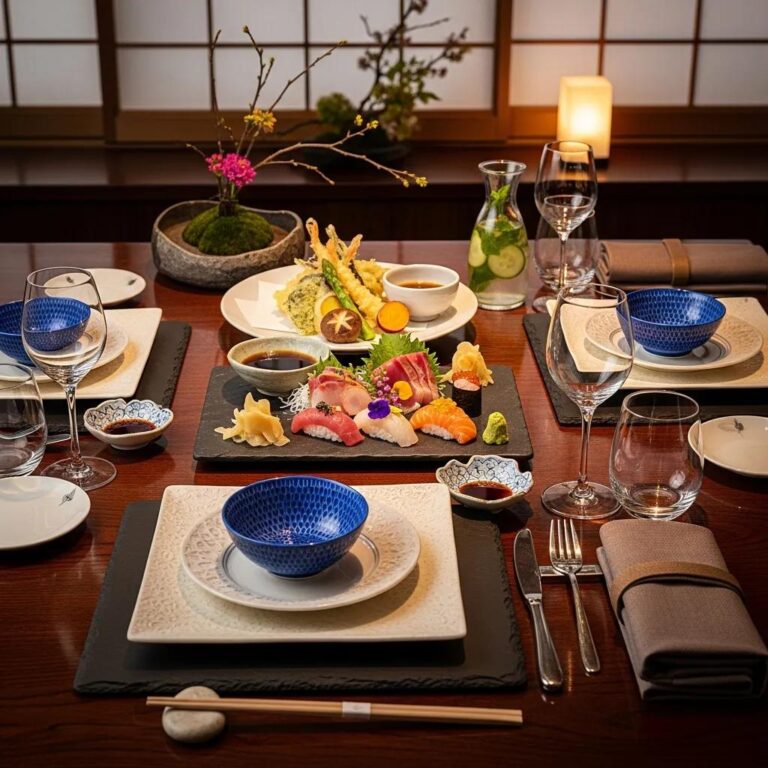
At Kaviar, our seasonal tasting menu is an omakase sequence that honors the rhythm of local harvests while weaving in premium Japanese elements for a truly elevated dining evening. Here you’ll find how seasonality shapes our menu, how provenance and farm‑to‑table sourcing function in practice, which signature ingredients (A5 Wagyu, select caviar, high‑grade seafood) anchor the sequence, and how to reserve and prepare for an omakase built around fresh vegetables and seafood. Many guests seek meals that are both responsibly sourced and sensorially surprising; our seasonal tasting answers that by pairing peak‑flavor produce with exacting technique and thoughtful pairings. This piece outlines Kaviar’s farm‑to‑table approach, explains sourcing and kitchen practice, spotlights key ingredients and dishes, and provides clear steps to reserve an immersive seasonal omakase. Expect practical lists, provenance details, and sensory guidance to show why seasonality matters and how it elevates Japanese fine dining.
What defines Kaviar’s seasonal tasting menu and farm-to-table philosophy?
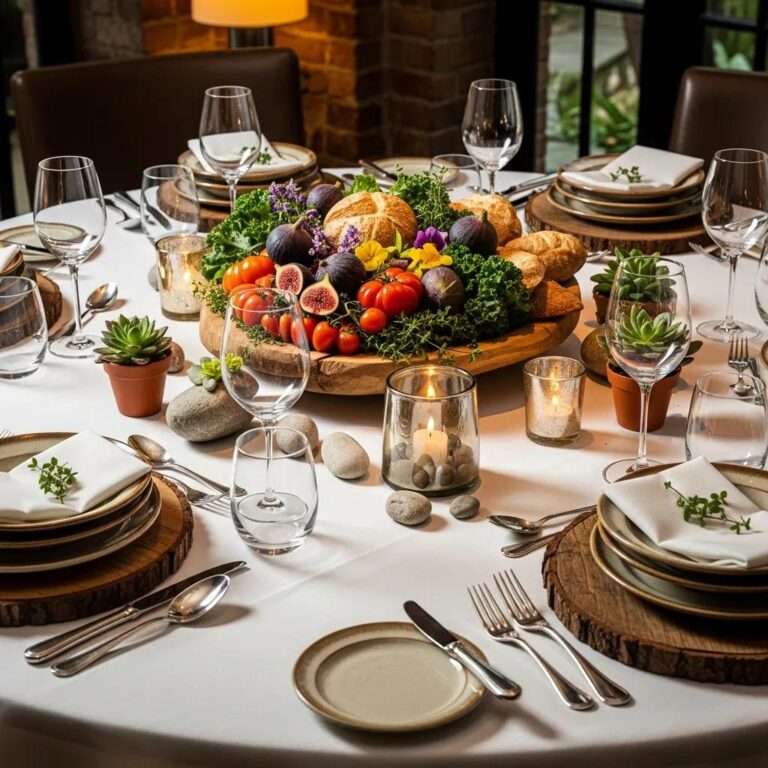
Our seasonal tasting is a chef‑led progression of courses built around what is at its peak. We favor ingredient‑forward technique and a pacing that reveals contrast, texture, and umami. Sourcing produce at peak ripeness concentrates sugars, acids and aromatics, so subtle preparations deliver clarity and depth. The result is a dynamic, memorable meal that evolves through the year and offers limited dishes you won’t find year‑round. Below are the guiding principles behind a Kaviar omakase and why this format invites repeat visits.
- Seasonality First: The menu rotates to reflect what’s freshest each week or month.
- Provenance Transparency: Key items are traced back to specific farms and fisheries.
- Minimalist Technique: Simple, precise methods let natural flavors and textures lead.
- Course Cadence: The sequence is arranged to reveal contrast and build toward our luxury moments.
These principles shape plate composition and service storytelling, guiding a natural flow from vegetable‑forward courses to richer protein moments. Knowing how sourcing works clarifies how those principles translate into consistent kitchen logistics and meaningful guest narration.
How does Kaviar source fresh seasonal produce from local Pasadena farms?
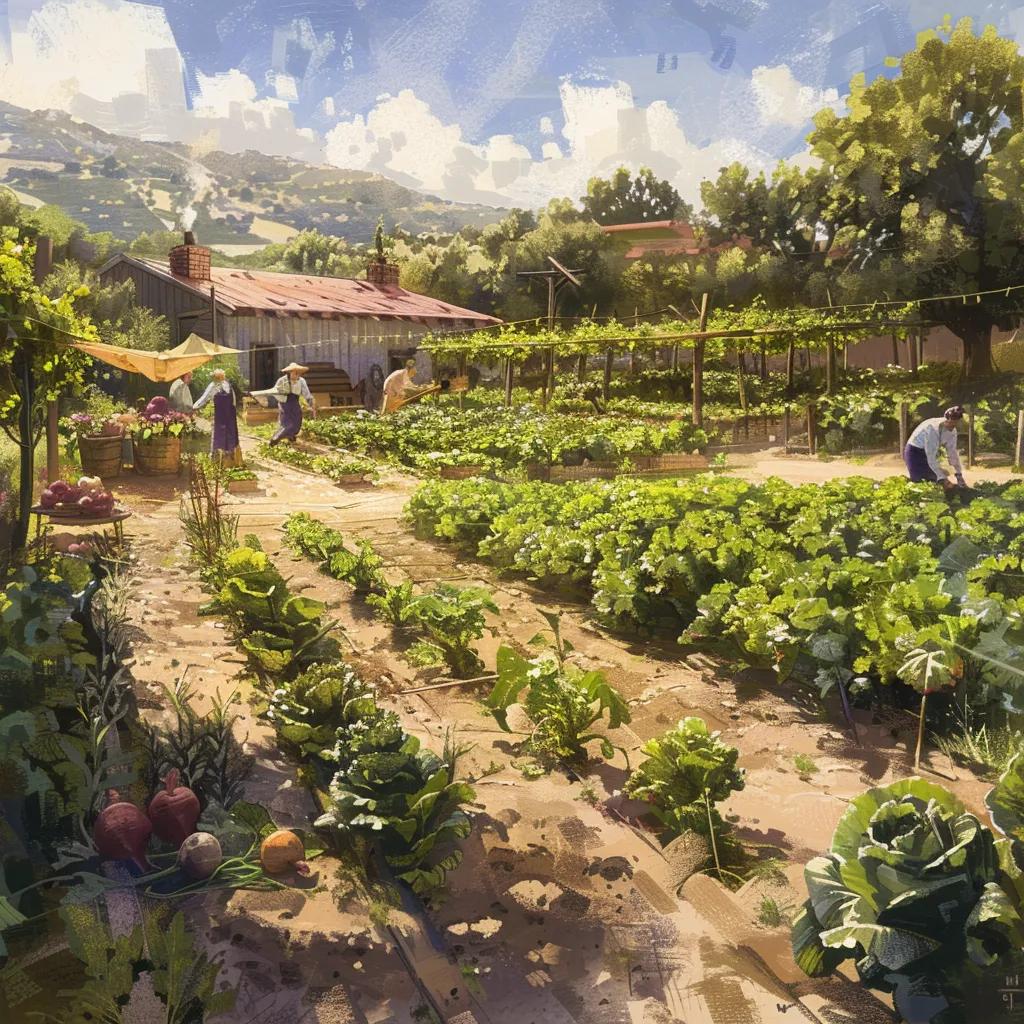
We source seasonal produce through planned partnerships, rigorous vetting, and tight coordination with nearby farms to ensure peak ripeness and traceability. Menu planning aligns chefs and growers on harvest windows, deliveries undergo quality checks, and we maintain ongoing communication about varietal performance. This close loop reduces waste and preserves varietal character. Below is a representative table of farm partners, what they supply, and typical availability to demonstrate concrete provenance and seasonality. After the table, we explain how we share traceability with guests.
The table illustrates direct connections between farms and plate components. Our kitchen archives delivery manifests and tasting notes to record provenance; servers reference those notes when introducing courses so guests hear the farm‑to‑plate story, which builds trust and deepens appreciation for seasonal choices.
Why is seasonality essential in Japanese fine dining at Kaviar?
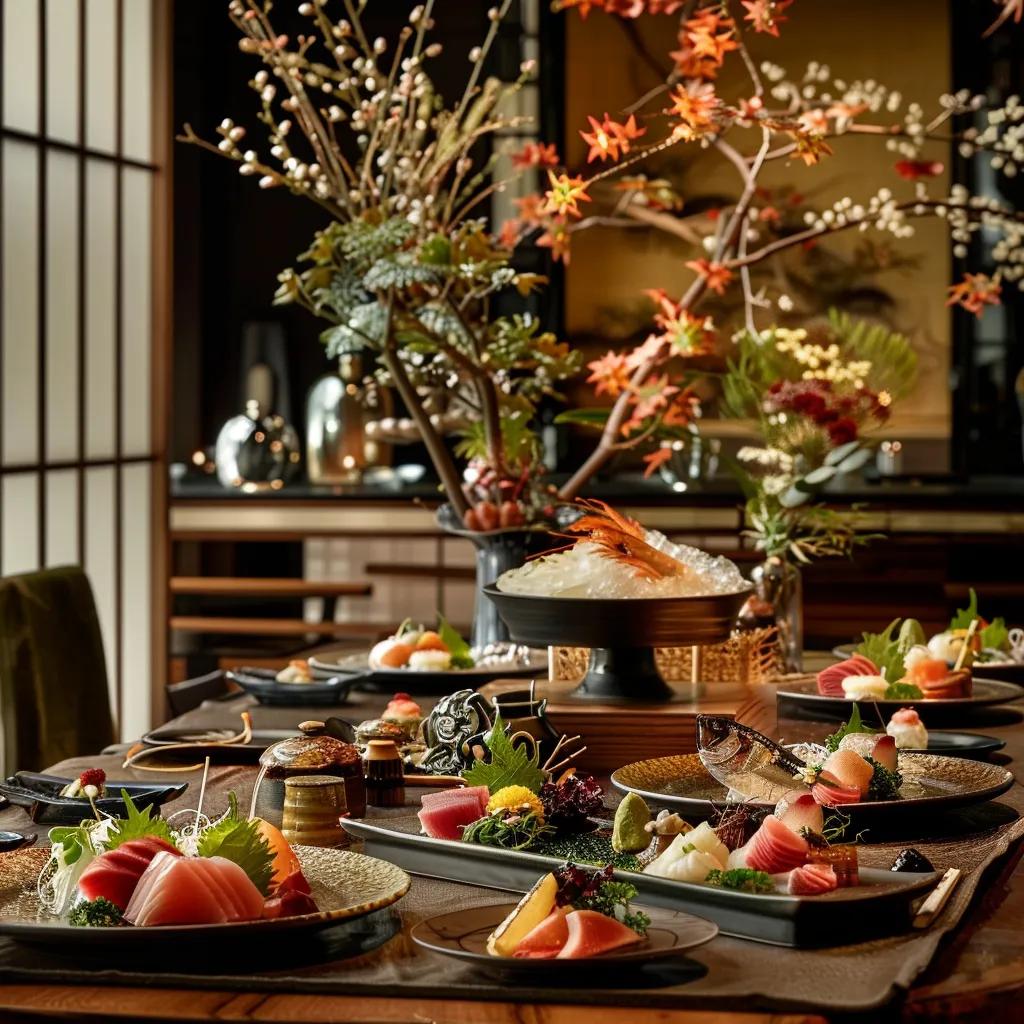
Seasonality—rooted in the Japanese concept of shun—anchors our dish composition because it pairs ingredients at their flavor peak with a cultural emphasis on time‑sensitive eating. In shun, textures tighten, umami intensifies, and aromatics become more expressive, allowing delicate treatments to achieve depth without masking the ingredient. Chefs sequence courses to use these attributes: chilled preparations for spring greens, pristine sashimi for winter seafood, and heartier grilled items when root vegetables peak. Explaining how seasonality informs pairing and pacing helps guests anticipate the meal’s sensory arc and understand why offerings shift month to month.
The next section looks at the premium ingredients that often form the apex of our omakase and how they play against seasonal vegetables and seafood to create memorable contrast.
Which premium ingredients highlight Kaviar’s luxury omakase experience?
Premium elements create deliberate focal points in the tasting—moments of amplified richness and textural contrast that define luxury. We select items such as A5 Wagyu, curated caviar, and high‑grade seasonal seafood for their unique flavor profiles, mouthfeel, and compatibility with seasonal produce. Placed thoughtfully in the sequence, these ingredients create dramatic shifts in intensity that lift the meal’s narrative. The table below compares these premium items by grade or variety, flavor profile, and typical course placement to show how each enhances the experience.
This comparison shows how luxury elements punctuate the tasting: Wagyu adds weight and richness, caviar provides saline counterpoint and texture, and pristine seafood reaffirms seasonal freshness. Guests planning an evening around these items should reserve in advance to help ensure availability and accommodate special pairings or celebrations.
What makes A5 Wagyu a signature element of Kaviar’s tasting menu?
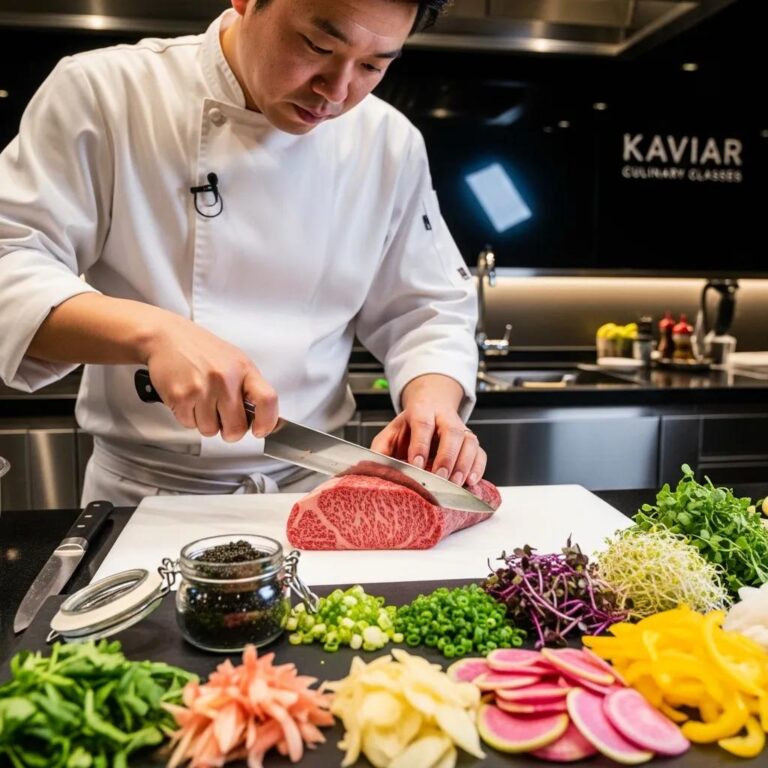
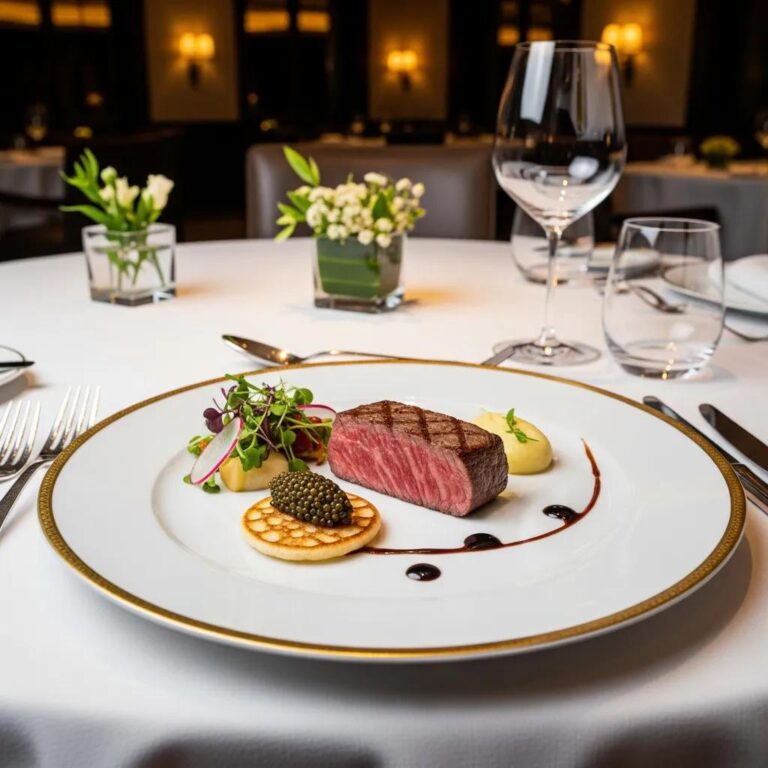
A5 Wagyu is prized for its fine marbling, silk‑like tenderness, and concentrated umami—results of strict grading and careful rearing. Prepared simply—lightly seared or thinly sliced—it releases fat that melts across the palate, creating a luxurious mouthfeel that contrasts beautifully with crisp seasonal vegetables. In our omakase, chefs execute brief, precise cooking and restrained seasoning so the beef’s natural nuance stays central. We place this course later in the sequence to build toward the meal’s most decadent moment; suggested pairings are restrained wines or sake that refresh without overpowering.
Recognizing Wagyu’s role leads naturally to how finishing touches—like caviar—further elevate those luxurious courses with saline accents and a pop of texture.
How does caviar enhance the luxury dining experience at Kaviar?
Caviar lends texture, saline depth, and a refined visual finish that elevates both simple and composed courses. Varieties differ—some are creamier, others more iodine‑forward—and we match them to the dish: a small spoon on a chilled course, a crowning garnish on a creamy element, or an accent alongside delicate sashimi to deepen the oceanic note. We use caviar sparingly so it reads as a seasoning‑level luxury: an enhancing counterpoint rather than the main focus, preserving balance between seasonal produce and opulent ingredients.
These ingredient strategies inform dish execution, which the next section explores through signature plates and kitchen technique.
How are Kaviar’s signature dishes crafted to showcase seasonal produce?
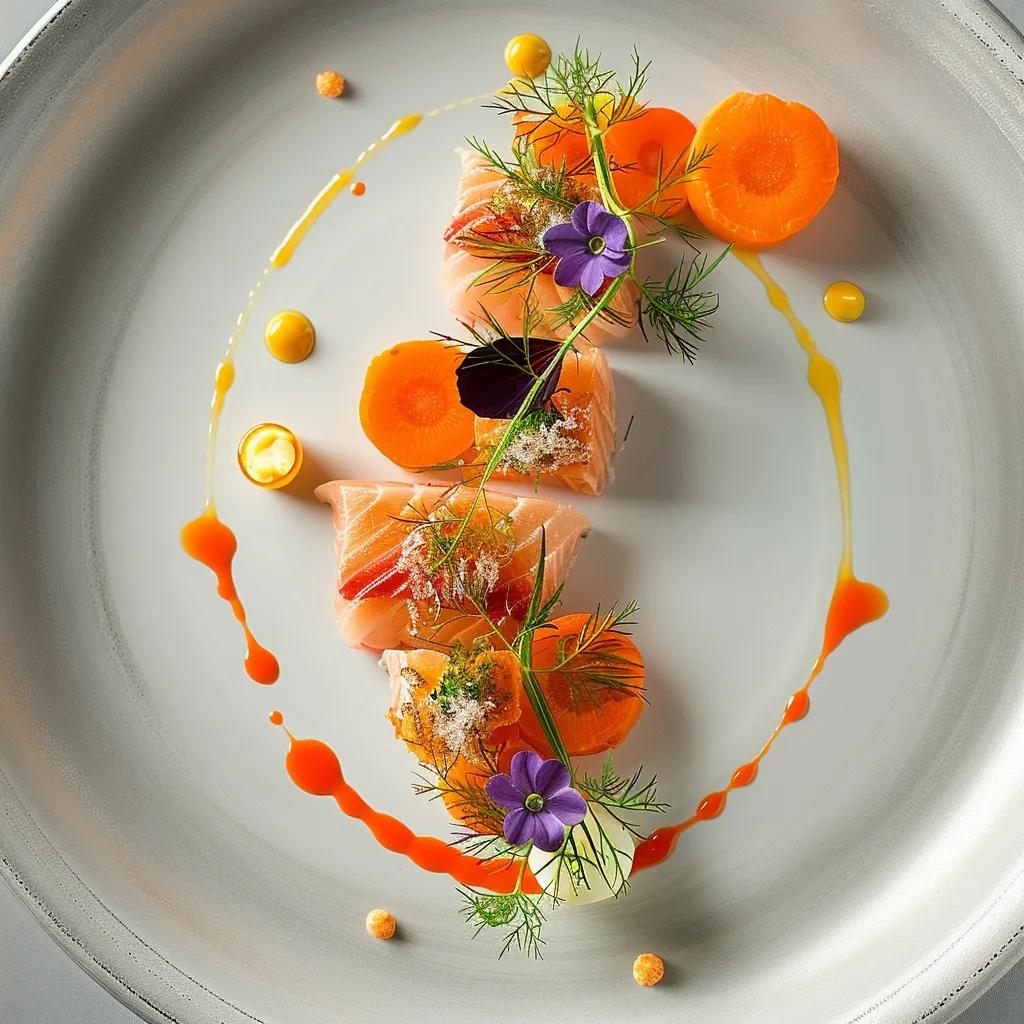
Our signature dishes put seasonal ingredients front and center through considered technique, precise timing, and complementary luxury accents. We favor light steaming, quick grilling, and cold preservation to protect texture and aromatics, then introduce concentrated touches—dashi reductions or a whisper of premium oil—to enhance without overwhelming. Below is a table of representative signature dishes, their key seasonal ingredient, the cooking method, and the guest experience to show how provenance and preparation meet on the plate.
The table demonstrates our principle: technique amplifies seasonal character rather than masking it. Provenance notes inform plating and narration, creating a coherent tasting arc. After the dish descriptions, we highlight which seasonal items are currently emphasized and how the kitchen communicates those choices to diners.
Which seasonal vegetables and seafood feature in Kaviar’s current tasting menu?
Inventories shift month to month; examples below show how produce and seafood anchor courses across the year. Spring brings delicate shoots, shiso and young roots in chilled or lightly dressed preparations; summer introduces tomatoes, eggplant and vibrant greens for quick grilling or raw courses; autumn favors denser items like squash for roasting or braising; winter highlights heartier greens and robust seafood suited to slow simmering or warm treatments. Understanding these patterns helps guests anticipate textures and flavors and aids pairing choices for sake or wine.
These selections are recorded in our provenance logs and presented in guest‑facing menu notes, which the following subsection explains in terms of preparation and communication.
How does Kaviar integrate ingredient provenance into dish preparation?
Provenance is woven into our plating through minimal handling, short windows from harvest to service, and clear menu notation naming farm partners or catch sources where appropriate. Kitchen workflows prioritize brief cook times and gentle treatments to retain varietal texture, and servers are briefed to tell provenance stories that link a single bite back to the farm or sea. A typical example: a morning delivery of baby turnips is taste‑checked, the best specimens are selected, roasted lightly and finished with citrus‑shiso oil—then the presenting server mentions the supplying farm. This farm‑to‑plate relay strengthens transparency and sharpens the guest’s recognition of seasonal quality.
These preparation practices naturally lead into operational details about booking and timing for an omakase experience, which the next section outlines.
What is the reservation process for experiencing Kaviar’s seasonal omakase?
To book an omakase with us you reserve a tasting seat in advance, share dietary restrictions, and allow the kitchen to plan seasonal course allocations—this ensures the freshest produce and premium items are available. Advance reservations are recommended because seasonal courses and limited luxury elements (A5 Wagyu, select caviar) are included in tasting counts and can be supply‑constrained. Below is a step‑by‑step guide for guests looking to secure a seasonal omakase, followed by practical tips for arrival and communicating dietary needs.
- Choose Date & Party Size: Select your date and confirm headcount so the kitchen can allocate courses and premium items.
- Provide Dietary Notes: Share allergies or strict dietary requirements in advance to allow necessary adjustments and sourcing.
- Confirm Reservation Details: You’ll receive a confirmation outlining arrival time, pacing, and any special requests; reconfirm a few days before service.
- Arrival & Service Expectations: Please arrive on time—omakase pacing is deliberate and each course is served to highlight seasonality.
These steps clarify booking logistics; if you wish to prioritize premium elements like A5 Wagyu or a particular seasonal feature, note that when reserving to improve the chance of inclusion. Kaviar supports this flow via our booking channels and recommends advance scheduling to experience the seasonal tasting as intended.
How to book your luxury omakase experience at Kaviar?
Begin by selecting an available tasting seat for your preferred date and indicate any preferences or celebrations so the kitchen can tailor the sequence. Because seasonal produce and limited luxury items are curated per service, early booking is advised—especially for weekend evenings or special occasions when premium ingredients are often requested. For questions about sourcing, private dining, or pairings, include those in the reservation notes so staff can coordinate with the culinary team before your arrival. Clear pre‑arrival communication helps us source the right seasonal items and prepare substitutions if needed.
Preparing in this way leads directly into what guests will encounter in the dining room: pacing, presentation, and atmosphere covered next.
What can guests expect from Kaviar’s fine dining ambiance?
Expect an intimate, attentive service style that emphasizes pacing and sensory detail. Each course is introduced with concise provenance notes and serving cues that deepen appreciation for seasonal ingredients. The meal unfolds over a measured timeline so flavors settle and contrasts can emerge; staff guide pairings and explain technique with clarity. Attire ranges from smart‑casual to formal depending on the evening, and the room is intentionally calm to let the tasting sequence be experienced without distraction. Anticipate a duration that supports multi‑course storytelling and a cadence that keeps the most opulent elements for the crescendo.
Understanding ambiance and pacing helps guests set expectations and arrive ready to receive the full sensory arc our chefs design.
Why choose Kaviar for sustainable and seasonal Japanese fine dining in Pasadena?
Kaviar sits at the intersection of seasonal storytelling and contemporary luxury. We pair close farm relationships with an omakase format that honors provenance and premium ingredients. Our sourcing emphasizes seasonal contracts and small‑batch partnerships that support local growers, reduce supply‑chain strain, and preserve exceptional ingredient quality. This approach aligns with trends toward transparency, experiential dining, and sustainable luxury, making Kaviar a destination for those who value both craft and ethical sourcing. Below are clear reasons to consider Kaviar for a seasonal tasting.
- Local Partnership Focus: We prioritize nearby farms to shorten transport time and maximize freshness.
- Seasonally Driven Menus: Menus turn with harvest peaks to preserve varietal integrity.
- Luxury Pairings: Premium elements like A5 Wagyu and caviar are used sparingly to heighten, not overwhelm, seasonal notes.
These qualities form the basis for choosing Kaviar when you want a modern, sustainable interpretation of Japanese fine dining that emphasizes both provenance and luxury; we recommend reserving in advance to secure seasonal highlights.
How does Kaviar support local farms and sustainable sourcing?
We support local farms through seasonal contracting, collaborative menu planning, and purchasing practices that value small‑batch production and varietal diversity. Our seasonal forecasts inform farm partners about expected demand windows, helping reduce waste by aligning planting and harvest. Sourcing emphasizes traceability and minimal intermediaries so smaller farms receive predictable demand and recognition. These practices strengthen local food networks and ensure seasonal vegetables play a central, credited role on the tasting menu.
This farm support model reflects broader shifts in luxury dining, which the next subsection places in context.
What recent trends in luxury seasonal dining does Kaviar embody?
Kaviar reflects current trends: sustainability with transparency, curated experiential narratives, and the blending of high‑end ingredients with hyper‑local produce to create contrast and authenticity. Diners increasingly seek the stories behind ingredients; our provenance‑first approach answers that by making farm relationships and seasonal shifts part of the meal’s narrative. Experiential omakase—where pacing, presentation and provenance matter as much as flavor—has become a hallmark of modern fine dining, and our menus follow this movement by sequencing vegetable‑forward courses alongside premium Japanese elements. These trends position Kaviar as a contemporary destination for discerning guests who care about ethics and exceptional technique.
By integrating these trends into our seasonal tasting, we offer an immersive experience that rewards preparation and early booking for those who want to savor the seasons in Pasadena.
Frequently Asked Questions
What types of dietary restrictions can Kaviar accommodate for the omakase experience?
We strive to provide an inclusive dining experience and can accommodate a range of dietary needs, including allergies, vegetarian and vegan requests. When you reserve, please tell us about any restrictions so the kitchen can adapt the tasting where possible. Our goal is to preserve seasonal integrity while ensuring every guest enjoys a complete and thoughtful meal.
How often does Kaviar change its seasonal menu?
We update the seasonal menu frequently—typically each month—to reflect what local farms and fisheries offer at their best. This rotation lets our chefs highlight peak produce and seafood so every visit has distinct, timely flavors.
Can guests request specific premium ingredients when booking their omakase?
Yes. Guests may request premium items such as A5 Wagyu or selected caviar when booking. Availability depends on seasonal sourcing and supply; indicating preferences during reservation helps the kitchen plan and increases the likelihood those elements will be included.
What is the typical duration of a Kaviar omakase dining experience?
Our omakase generally runs two to three hours, depending on the number of courses and the meal’s pacing. That timeframe allows flavors to register and the tasting narrative to unfold at a deliberate, unhurried pace.
Are there any special events or seasonal promotions at Kaviar?
Occasionally we host special events and limited promotions that spotlight unique ingredients or culinary collaborations—seasonal tasting menus, guest chef evenings, and pairing dinners among them. To stay updated, follow Kaviar’s website and social channels for announcements and exclusive booking opportunities.
How does Kaviar ensure the quality of its seasonal ingredients?
We ensure quality through direct partnerships with local farms and fisheries, emphasizing traceability and hands‑on sourcing. The kitchen conducts quality checks at delivery and maintains open lines with growers to monitor freshness and performance. This collaboration allows us to serve only the best seasonal ingredients integral to an authentic omakase experience.
Conclusion
Choosing seasonal ingredients at Kaviar deepens the dining experience while supporting local farms and sustainable practices. Our carefully curated omakase showcases the best of Japanese fine dining, letting guests savor peak flavors year‑round. By foregrounding provenance and restrained luxury, we invite diners to appreciate the craft behind each plate. Reserve a table to begin a culinary journey that celebrates the essence of the seasons.