





Luxury Keto Omakase: A Practical Guide to Low‑Carb Fine Dining
Low‑carb gourmet dining blends exacting culinary technique with deliberate, low‑carbohydrate choices to deliver a rich, satisfying meal that fits ketogenic and low‑carb lifestyles. This guide breaks down what low‑carb fine dining looks like in a Japanese omakase context, why premium fats and proteins—A5 Wagyu, uni, caviar—stand in for starches, and how a tasting menu can be adapted so you never lose the drama or craftsmanship of service. Rather than removing the restaurant experience, the answer is thoughtful sequencing, ingredient provenance, and targeted swaps. Below we outline key attributes, signature dishes with carb estimates, the role of A5 Wagyu, how a keto‑adapted omakase is structured, and practical reservation and prep steps for guests seeking luxury keto dining in Pasadena and beyond. You’ll also find actionable tips and clear, EAV‑style tables that show carb counts and sourcing notes.
What Defines Low‑Carb Gourmet Dining at Kaviar Restaurant?
At its core, low‑carb gourmet dining replaces high‑glycemic elements with premium fats and proteins while preserving multi‑course pacing, texture contrast, and precise plating. The practical approach is simple: swap rice and bread for sashimi, seared fatty cuts, shellfish, and roe so each course delivers more flavor and lasting satiety. The clear benefit is a fine‑dining progression that supports ketosis and steady blood sugar, without sacrificing the theater or technical skill of the kitchen. Below are the core attributes that set apart contemporary Japanese low‑carb fine dining.
Exceptional low‑carb dining centers on provenance, technique, and layered sensory detail.
- Ingredient Focus: Emphasizes A5 Wagyu, sashimi‑grade fish, caviar, and seasonal vegetables over starches.
- Technique‑Driven Flavor: Searing, curing, torching and reductions concentrate umami without adding carbs.
- Personalized Sequencing: Omakase pacing and portions are adjusted to dietary needs while keeping a refined rhythm.
These principles explain how an omakase format lets diners request low‑carb adaptations and how Kaviar structures chef‑to‑guest communication to deliver tailored experiences.
How Does Kaviar’s Omakase Experience Cater to Keto Fine Dining?
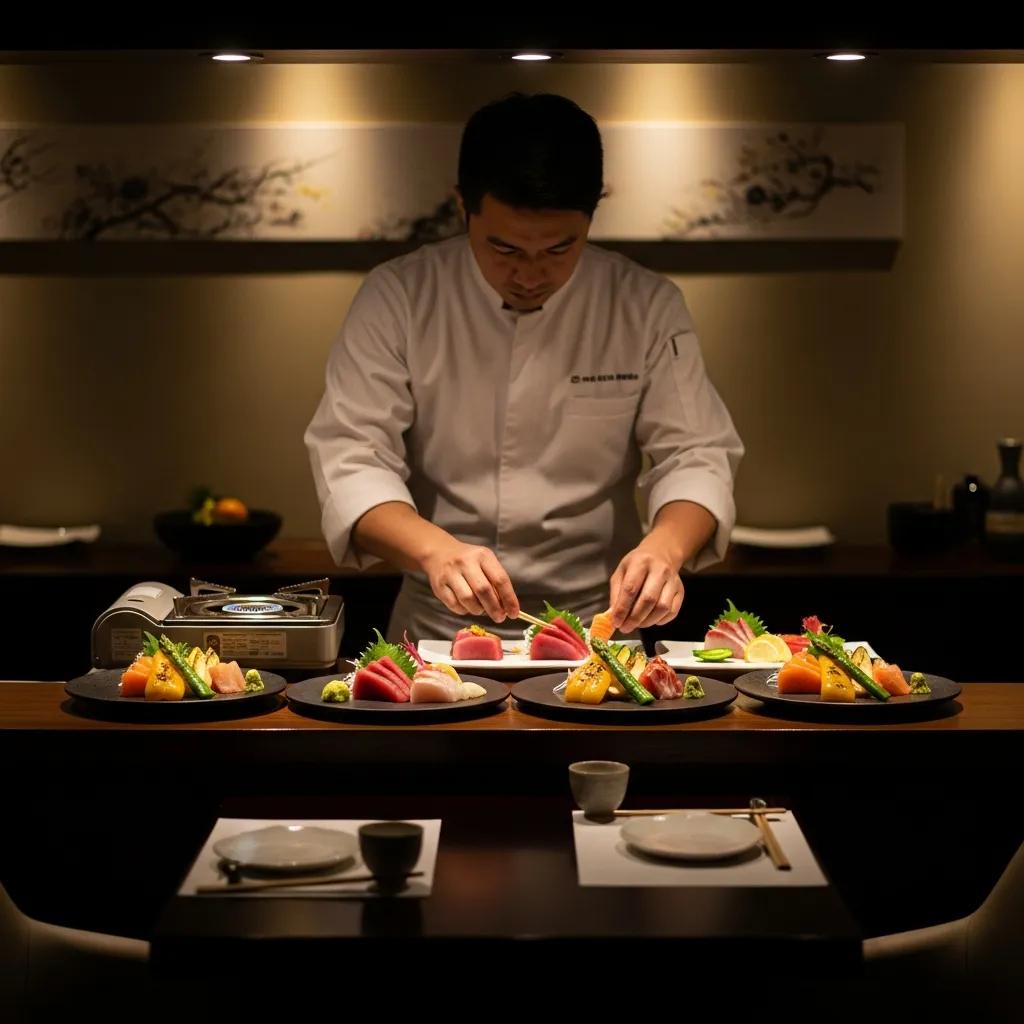
Our omakase lets chefs re‑sequence courses and swap components so guests remain low‑carb without losing the curated narrative of a tasting menu. We replace rice‑centered dishes with extra sashimi, grilled vegetables, or additional protein portions, and we refine sauces to avoid sugar‑forward glazes—preserving the chef’s intent while lowering carbs. When booking, a short note—polite dietary request, key preferences, and any allergies—gives the kitchen what it needs to plan a keto‑friendly progression that still tells a visual and textural story. A sample low‑carb sequence might open with caviar‑topped sashimi, move to a seared A5 Wagyu course, and close with a savory, tea‑infused palate cleanser instead of a sweet rice dessert. Small, deliberate swaps like these keep artistry intact while meeting dietary goals.
Which Premium Ingredients Make Low‑Carb Meals Luxurious?
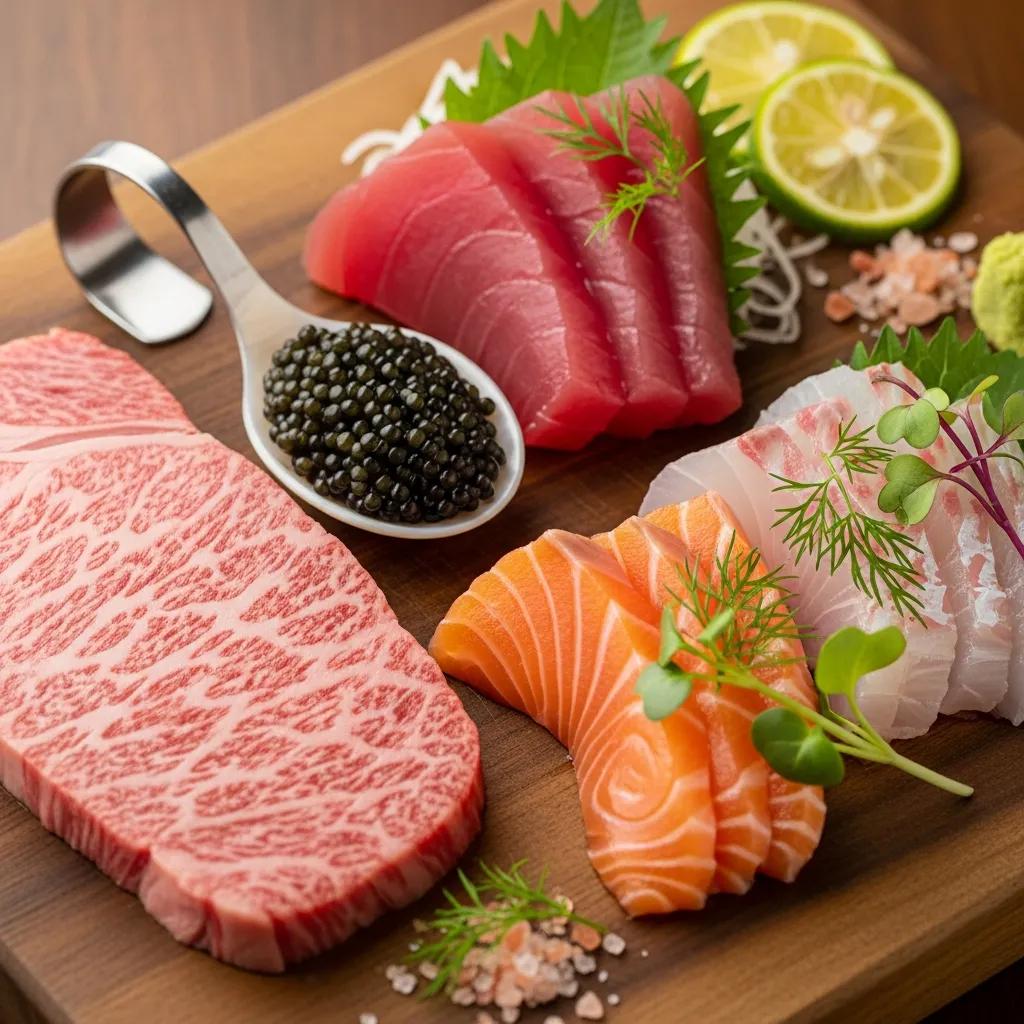
Premium low‑carb ingredients concentrate fat and umami to replace the volume and comfort of starches while deepening satiety and flavor. A5 Wagyu, caviar, sashimi‑grade tuna and salmon, uni, and seasonal heirloom vegetables offer texture, richness, and saline brightness that elevate every course. Provenance matters: grade, handling and source reassure guests that rich components are chosen for taste and safety—especially when portions are small and ingredients are showcased. Descriptors like “velvety marbling,” “briny pop of roe,” and “glossy sear” explain why chefs rely on these elements to craft memorable, keto‑friendly tasting menus.
These premium choices point to signature dishes commonly requested on keto‑adapted menus and explain how carb counts stay low without sacrificing taste.
Which Signature Low‑Carb Dishes Showcase Japanese Keto Cuisine?
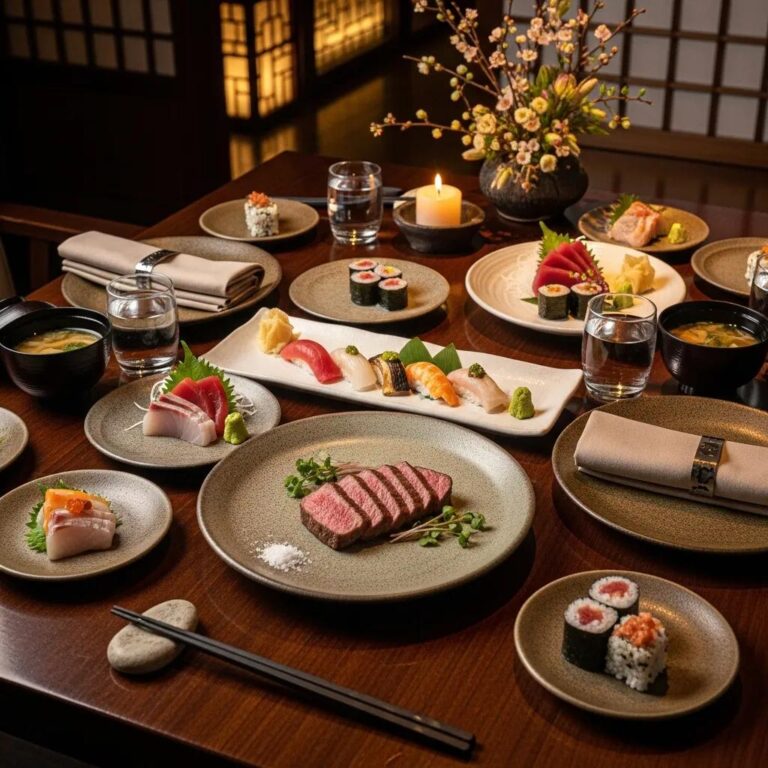
Signature low‑carb dishes in Japanese keto dining favor concentrated protein and fat, with an emphasis on texture and umami rather than starch. The approach is to present a sequence of distinct courses—cured sashimi, caviar‑accented bites, seared A5 Wagyu, and braised vegetables—each delivering intense flavor with minimal carbohydrates. The result is a coherent tasting menu that fits a keto lifestyle while preserving the progression guests expect from fine dining. Representative dishes often requested on a keto‑friendly omakase include:
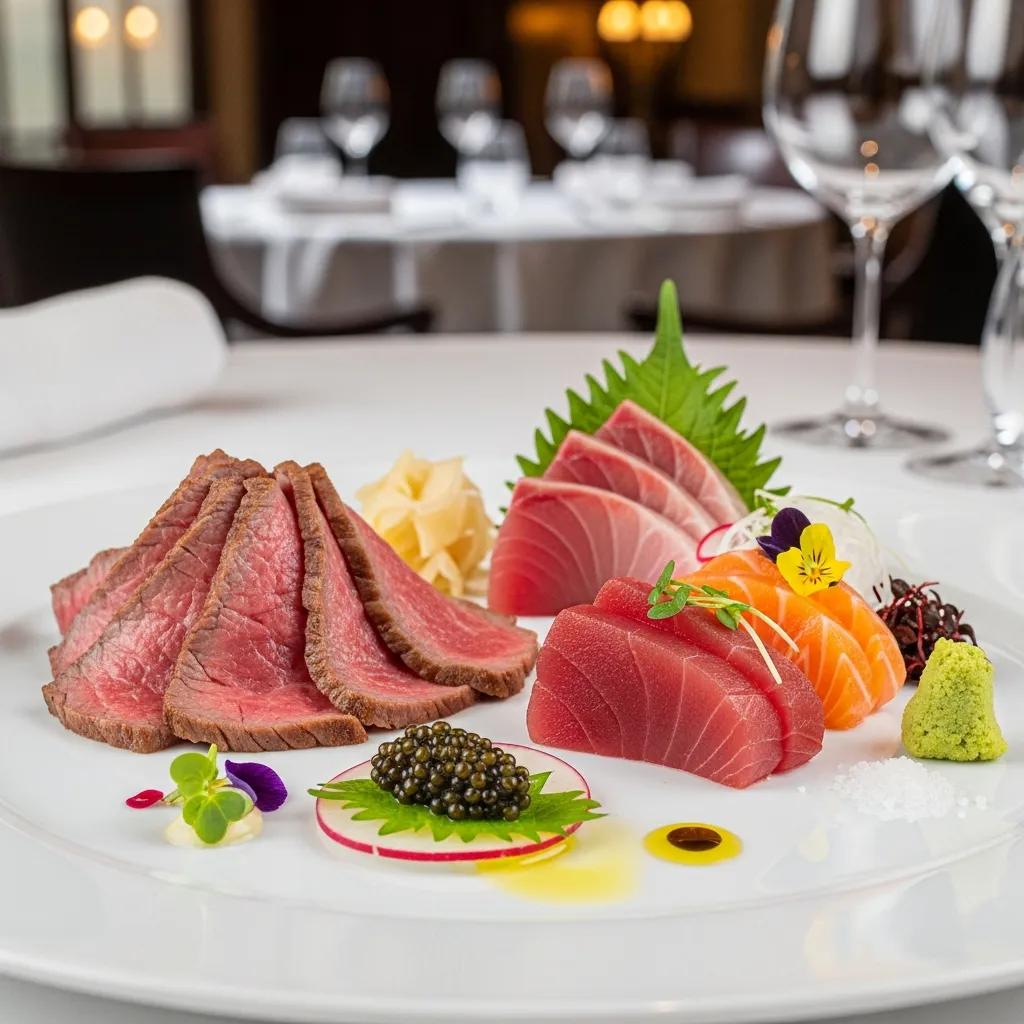
- Caviar‑Topped Sashimi: Pure sashimi finished with a touch of caviar for briny contrast and virtually zero added carbs.
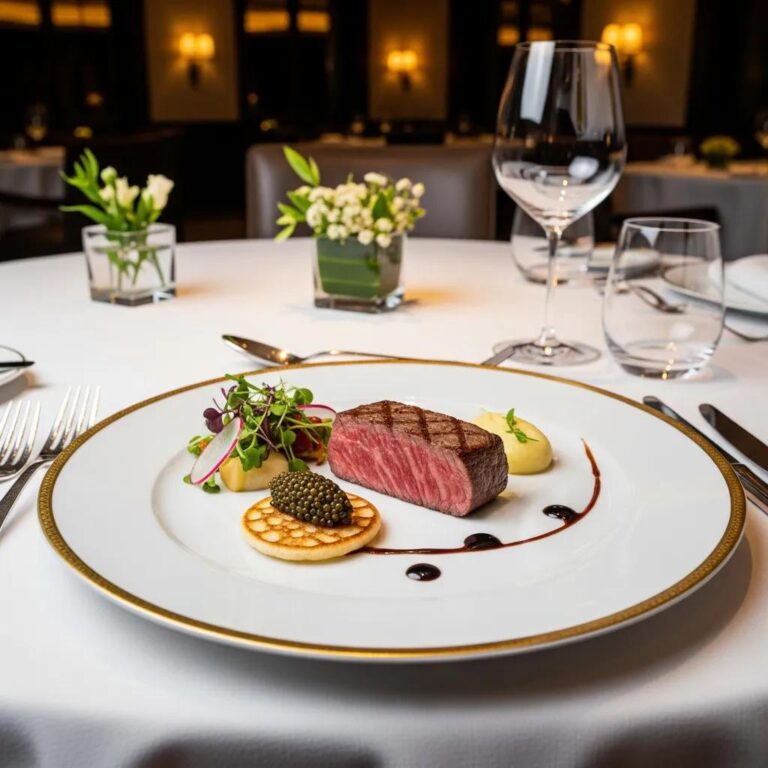
- Seared A5 Wagyu Carpaccio: Thinly seared wagyu brightened with yuzu or citrus, rich in fat, minimal in carbs.
- Uni on Cucumber Rounds: Silky uni on crisp cucumber as a fresh, low‑carb alternative to rice.
Before we show carb estimates, the table below gives concise dish‑level carbohydrate guidance and notes on keto suitability to help you choose.
Intro to table: The table below lists representative low‑carb signature dishes, estimated carbohydrates per serving, and quick notes on keto suitability and luxury attributes.
This EAV‑style overview makes it easy to see how signature items remain keto‑friendly while retaining a high‑end profile, and it highlights where chefs can tweak carriers or garnishes to reduce carbs further.
What Are the Carb Counts and Health Benefits of Kaviar’s Tasting Menu?
A keto‑adapted tasting menu typically delivers single‑digit grams per savory course and a cumulative carb total well below a traditional rice‑heavy menu. The practical method is replacing rice and starchy carriers with vegetables, extra sashimi, or concentrated broths to lower glycemic load and support ketosis for guests who follow it. High‑protein, high‑fat courses increase satiety and slow gastric emptying, which can reduce post‑meal glucose variability—these are general nutritional observations, not medical advice. Guests may request cumulative carb estimates or course‑by‑course counts at booking; the kitchen can usually make lightweight changes like omitting bread or switching sauces to limit hidden sugars.
Once guests understand likely carb ranges, many opt to reserve and share preferences in advance so the team can prepare a precise, keto‑focused tasting sequence.
How Are Premium Ingredients Prepared to Enhance Keto Fine Dining?
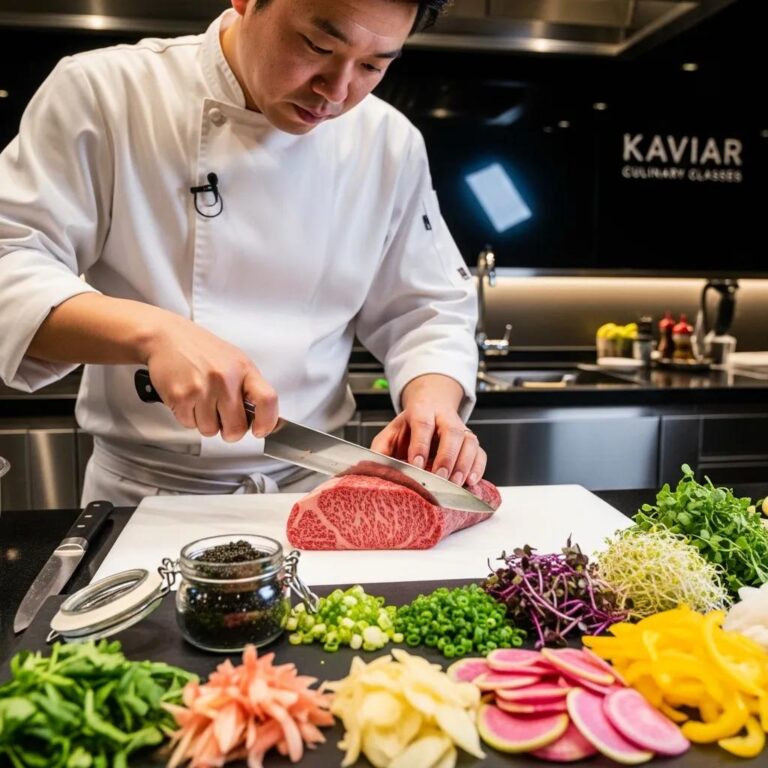
We rely on techniques that intensify umami and texture without adding carbohydrates: searing to develop aroma, curing to concentrate flavor in raw fish, torching for smoky notes, and slow‑roasting to turn collagen into silk‑like fat. Examples include a torch‑seared toro for smoky depth, a soy‑cured sashimi using low‑sugar cures, and slow‑roasted wagyu finished with a reduced bone jus. These methods let chefs build the same sensory crescendo found in traditional tasting menus while keeping carbohydrate mechanics low.
Applied consistently, these preparations preserve both nutritional intent and a luxury dining experience.
How Does A5 Wagyu Fit into a Keto‑Friendly Gourmet Lifestyle?
A5 Wagyu is an ideal centerpiece for keto gourmet meals: its marbling delivers sustained satiety and intense flavor with virtually no carbohydrates. Because the calories come largely from intramuscular fat—monounsaturated and saturated—A5 Wagyu enhances mouthfeel and keeps portions impactful. On a tasting menu we recommend modest portions (see table below) so richness complements rather than overwhelms the progression. The table summarizes provenance and nutrition‑focused serving guidance relevant to A5 Wagyu in a keto context.
Intro to table: This table summarizes A5 Wagyu provenance details alongside nutritional highlights and recommended portioning to guide keto‑focused diners and chefs.
This succinct presentation explains why A5 Wagyu pairings lean on acidity and texture rather than starch, offering clear guidance for both chefs and diners.
What Nutritional Benefits Does A5 Wagyu Offer for Low‑Carb Diets?
A5 Wagyu delivers concentrated fats and complete amino acids with virtually zero carbohydrates, aligning naturally with ketogenic macronutrient aims. Its marbling supplies energy from fat, helping guests meet high‑fat ratios common to many keto plans while offering umami that supports satiety. Culinary best practices are to serve smaller portions across several courses and to pair the meat with low‑carb, acid‑driven components that aid palate balance and digestion. Chefs also favor A5 Wagyu because its fat tolerates high‑heat techniques that produce complex aromas without relying on sugary sauces.
Knowing these culinary and nutritional traits clarifies why A5 Wagyu is a preferred luxury protein on keto‑adapted tasting menus.
Where Does Kaviar Source Its Premium A5 Wagyu Beef?
We prioritize provenance for our premium proteins, selecting A5 Wagyu by grade and handling to ensure consistent marbling and flavor. Provenance matters because traceability affects texture and richness, which in turn guide portioning and the overall tasting progression when A5 Wagyu appears. Clear menu notes about origin and grade build trust with discerning guests who expect luxury standards and who may request specific portion sizes to match their ketogenic pacing. Beyond perceived value, consistent sourcing gives our chefs predictable ingredients they can rely on to craft balanced, low‑carb courses.
This sourcing transparency supports guests who care as much about flavor as they do about dietary alignment when booking a luxury keto experience.
What Makes the Omakase Experience Ideal for Low‑Carb Gourmet Enthusiasts?
Omakase is naturally adaptable: it gives chefs the freedom to re‑sequence courses and swap components so carb‑conscious guests receive a bespoke culinary narrative without compromise. Practically, omakase allows on‑the‑fly changes—omit rice, add extra seafood, or convert a starch to a vegetable base—while preserving the evening’s arc from light to rich and back to cleansing. That control helps manage carb exposure across the meal while maintaining the ritual and pacing that define fine dining. The table below outlines typical omakase steps, typical carbohydrate content, and suggested low‑carb alternatives so you can see how each phase can be adapted.
Intro to table: The following table outlines common omakase steps and practical low‑carb alternatives so diners understand how a tasting progression can be modified.
This mapping shows how each omakase phase can be adjusted while keeping the chef’s intended flow, and it leads naturally into curation tips and etiquette.
How Is the Omakase Menu Curated for Carb‑Conscious Diners?
Designing an omakase for carb‑conscious guests begins with clear communication and a chef‑led plan that redistributes carbohydrate weight across fewer or optional courses. Chefs consider seasonality, ingredient richness, and pacing, then implement swaps—extra sashimi instead of a nigiri rice course, or a vegetable‑based palate cleanser in place of a sweet rice dessert—to preserve balance. A sample sequence might open with briny sashimi, follow with a torch‑seared fish in a concentrated broth, highlight A5 Wagyu as the centerpiece, and finish with an herbal, savory course. Guests who inform the staff in advance give the kitchen the lead time needed to source and prepare a sequence that honors both diet and gastronomy.
This curatorial flexibility connects directly to reservation and etiquette practices that help optimize the low‑carb omakase experience.
What Dining Etiquette Enhances the Luxury Keto Experience?
Good etiquette and clear dietary communication let the kitchen create a seamless, respectful low‑carb service. Key suggestions: note carb‑conscious preferences when booking, state whether you’d like rice omitted or offered in a small portion, and pace high‑fat courses slowly to appreciate texture and aroma. Give the chef latitude to set tempo, and ask about provenance or technique in a way that doesn’t interrupt service. These practices preserve the chef’s authority while allowing personalization—an essential part of the luxury feel for ketogenic diners.
These etiquette norms lead into practical reservation and preparation steps so guests can book and arrive ready.
How Can You Reserve and Prepare for a Luxury Low‑Carb Dining Experience?
Reserving and preparing for a low‑carb omakase is about straightforward advance communication, using the right booking channels, and arriving ready to support chef‑driven personalization. Tell us your preferences at reservation, request low‑carb or keto options, and confirm any allergies or strong dislikes so we can design an optimized sequence. Chef‑led experiences often require lead time for sourcing, so booking early helps. The steps below offer practical guidance for securing and getting the most from a luxury keto tasting.
- Book early and note dietary needs: Reserve through the restaurant’s preferred channel and indicate “low‑carb” or “keto.”
- Request specific swaps: Ask for rice substitutions, extra protein portions, or sugar‑free sauce options when you book.
- Confirm on arrival: Reiterate preferences with the host or chef so the evening’s sequence matches expectations.
Summary: These steps align diner goals with kitchen planning to create a cohesive, low‑carb tasting progression that keeps luxury and flavor front and center.
What Is the Reservation Process for Kaviar’s Exclusive Keto Dining?
To reserve a tailored keto tasting at Kaviar, use our online reservation system or approved third‑party platforms and include a dietary note requesting low‑carb or keto service. Clear communication—limits on carbs, preferred portioning, and any allergies—lets the culinary team design an adapted omakase sequence. We recommend reasonable lead time so the kitchen can adjust sourcing and course sequencing; confirming preferences on arrival helps finalize any last‑minute details. With advance notice we can often accommodate private seating or special omakase availability for a discreet, chef‑driven keto experience.
This operational guidance leads into simple dining tips to improve both enjoyment and dietary adherence.
Which Dining Tips Ensure the Best Low‑Carb Gourmet Experience?
A short checklist before and during your meal will help you enjoy the flavors and meet your metabolic goals. Hydrate beforehand and skip heavy carbs so you’re ready to appreciate high‑fat, umami‑rich courses. During service, ask about sauces that may contain sugar and request acidic or bitter side components to balance richness without adding carbs. After the meal, choose light, low‑carb options to support digestion rather than returning immediately to high‑glycemic foods.
- Hydrate and skip heavy carbs before arrival: Preserves appetite for richly flavored, low‑carb courses.
- Ask about hidden sugars: Verify sauces and glazes are keto‑friendly.
- Savor and pace: Enjoy smaller, richer servings slowly for greater satisfaction.
These tips complete the practical playbook for reserving, preparing for, and fully enjoying a luxury keto tasting menu without sacrificing culinary excellence.
Frequently Asked Questions
What types of beverages pair well with low‑carb gourmet meals?
Choose beverages that support rich flavors without added carbs. Dry wines—Sauvignon Blanc or a lightly oaked Chardonnay—pair well, and for reds consider Pinot Noir or a balanced Cabernet Sauvignon. Spirits such as vodka, gin or whiskey work neat or with soda water. Always double‑check cocktails and mixers for hidden sugars to stay within your low‑carb goals.
How can I ensure my dietary preferences are respected during my dining experience?
Be clear when booking: state that you’re following a low‑carb or keto diet and list specific requests like avoiding rice or sugar‑based sauces. Repeat your preferences on arrival with the host or chef. This proactive communication allows the kitchen to plan a tailored tasting that honors both your dietary needs and the meal’s integrity.
Are there any specific etiquette tips for dining at a luxury keto restaurant?
Observe fine‑dining etiquette while communicating your needs respectfully. Take time to savor each course, ask thoughtful questions about ingredients and technique, and let the chef guide pace and progression. Polite curiosity about provenance demonstrates appreciation without disrupting service.
What should I do if I have food allergies in addition to following a low‑carb diet?
If you have allergies as well as low‑carb preferences, state both clearly when you reserve and again on arrival. Provide specific details so the kitchen can prepare safely. Always confirm dishes with your server and request modifications where needed; don’t hesitate to ask for clarification about cross‑contact risks.
How can I find restaurants that specialize in low‑carb gourmet dining?
Search online for keto‑friendly or low‑carb fine‑dining options in your area, read menus and reviews, and follow food writers and local food communities on social media. Many restaurants that offer omakase are willing to accommodate dietary requests—reach out directly to ask about low‑carb adaptations.
What are some common misconceptions about low‑carb gourmet dining?
One misconception is that low‑carb dining is bland or limiting. In practice, chefs use high‑quality ingredients and refined techniques to create complex, satisfying plates. Another is that low‑carb means sacrifice; skilled kitchens adapt classic dishes to keep flavor, texture and presentation intact. Understanding these points helps diners appreciate the craft behind low‑carb fine dining.
Conclusion
Low‑carb gourmet dining lets you enjoy luxurious flavors while staying aligned with your dietary goals. By focusing on premium ingredients and refined techniques, restaurants like Kaviar deliver memorable tasting menus that satisfy both palate and purpose. To experience a tailored low‑carb omakase, reserve in advance and share your preferences so we can design a tasting that’s both elegant and keto‑friendly. Discover this refined approach to luxury keto dining—reserve your table and let us craft the sequence for you.