




Essential Business Dining Etiquette Tips for Corporate and Luxury Restaurant Settings
Business dining etiquette sets the tone for successful corporate meals and upscale restaurant interactions. When you handle arrival, service, conversation, and payment with intention, you signal respect, build rapport, and protect your professional reputation—whether you’re closing a deal, entertaining clients, or networking with executives. This guide lays out the core rules of corporate dining, explains how to adapt them for Japanese fine dining and omakase, reviews reservation and seating best practices for luxury venues, and covers dress codes and polished manners tailored to Pasadena’s upscale scene. Practical lists, comparison tables, and short scripts make the advice easy to use for managers, sales teams, and executives preparing for formal or high-value meals.
What Are the Fundamental Rules of Corporate Dining Etiquette?
At its simplest, corporate dining etiquette relies on reliable logistics and considerate behavior: arrive on time, seat guests thoughtfully, keep table manners unobtrusive, and handle the bill discreetly. These predictable signals lower social friction so everyone can focus on the business at hand. Key actions—confirming reservations, following the host’s lead, using cutlery correctly, moderating alcohol, and silencing phones—communicate professionalism and respect across cuisines and settings. Choosing a venue with consistent service and a clear reservation process further supports a smooth meal; many luxury restaurants offer trained staff and reservation workflows that preserve a professional tempo for business dinners.
Below are the essential, actionable rules to follow so your group can prepare reliably and avoid common missteps.
- Confirm the reservation in advance and arrive on time.
- Accept the host’s seating guidance and offer the preferred seat to honored guests.
- Place your napkin on your lap on arrival and use it quietly throughout the meal.
- For multi-course meals, use cutlery from the outside in and match the group’s pacing.
- Keep phones on silent and out of sight unless an urgent matter arises.
- If business is the focus, limit alcohol to one drink or opt for nonalcoholic options.
These practices create a baseline of professionalism that reduces distractions and helps the conversation move from social to business naturally.
How Do Professional Dining Tips Enhance Business Relationships?
Thoughtful dining behavior builds trust, clarifies roles, and creates a comfortable space for decision-making. When attendees listen before speaking, allow senior guests to be served first, and follow the table’s rhythm, counterparts perceive competence and respect—qualities that improve negotiation outcomes and long-term rapport. A well-managed meal minimizes awkward interruptions and shows that the host values everyone’s time. Small rituals—brief toasts, sincere compliments about the food, and polite transitions back to business—help maintain a cordial tone. These subtle signals influence negotiation dynamics, ease the flow of information, and strengthen professional ties.
Below are specific table manners to practice that support your business objectives.
Which Table Manners Are Essential in Formal Business Dinners?
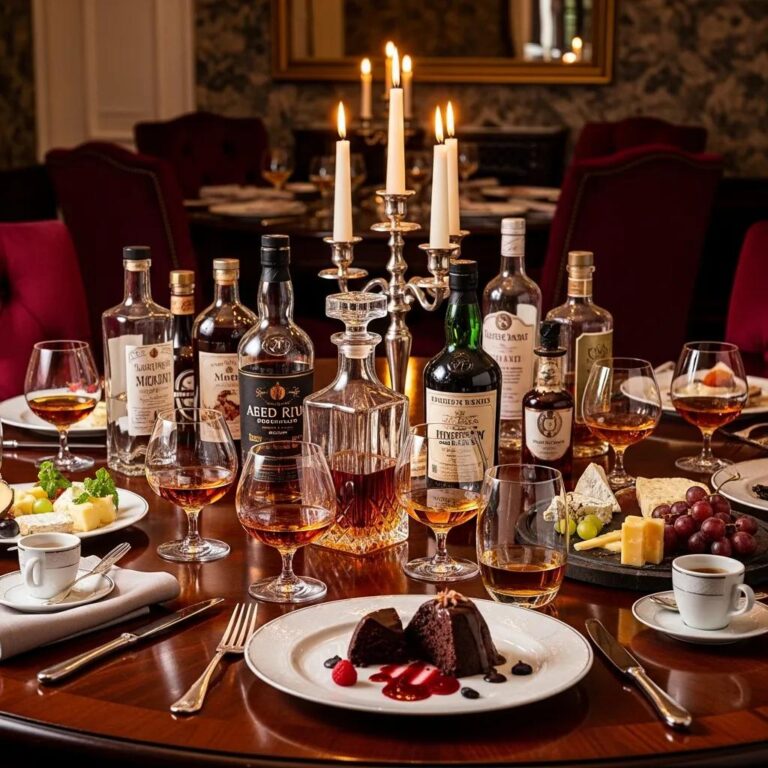
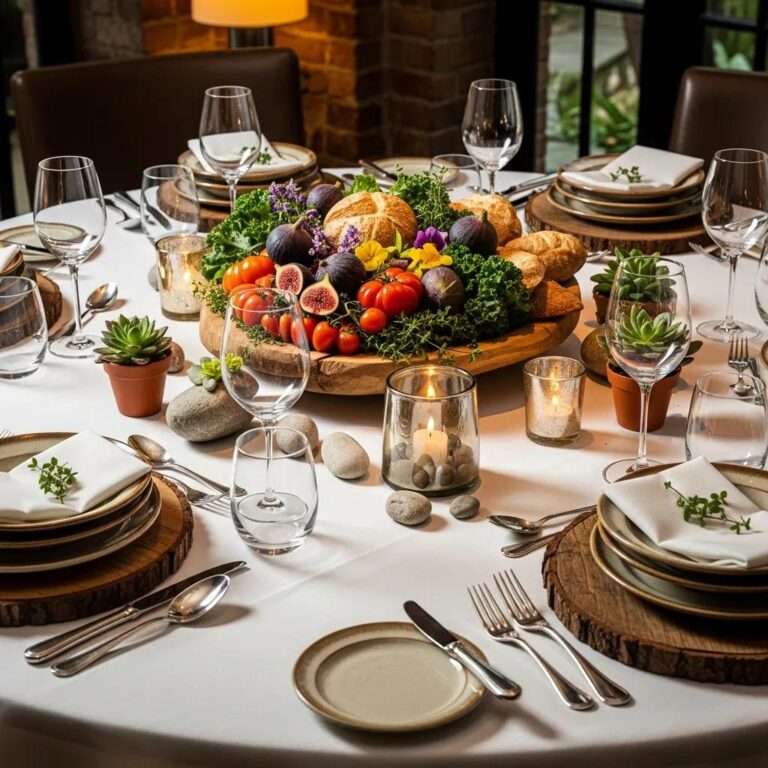
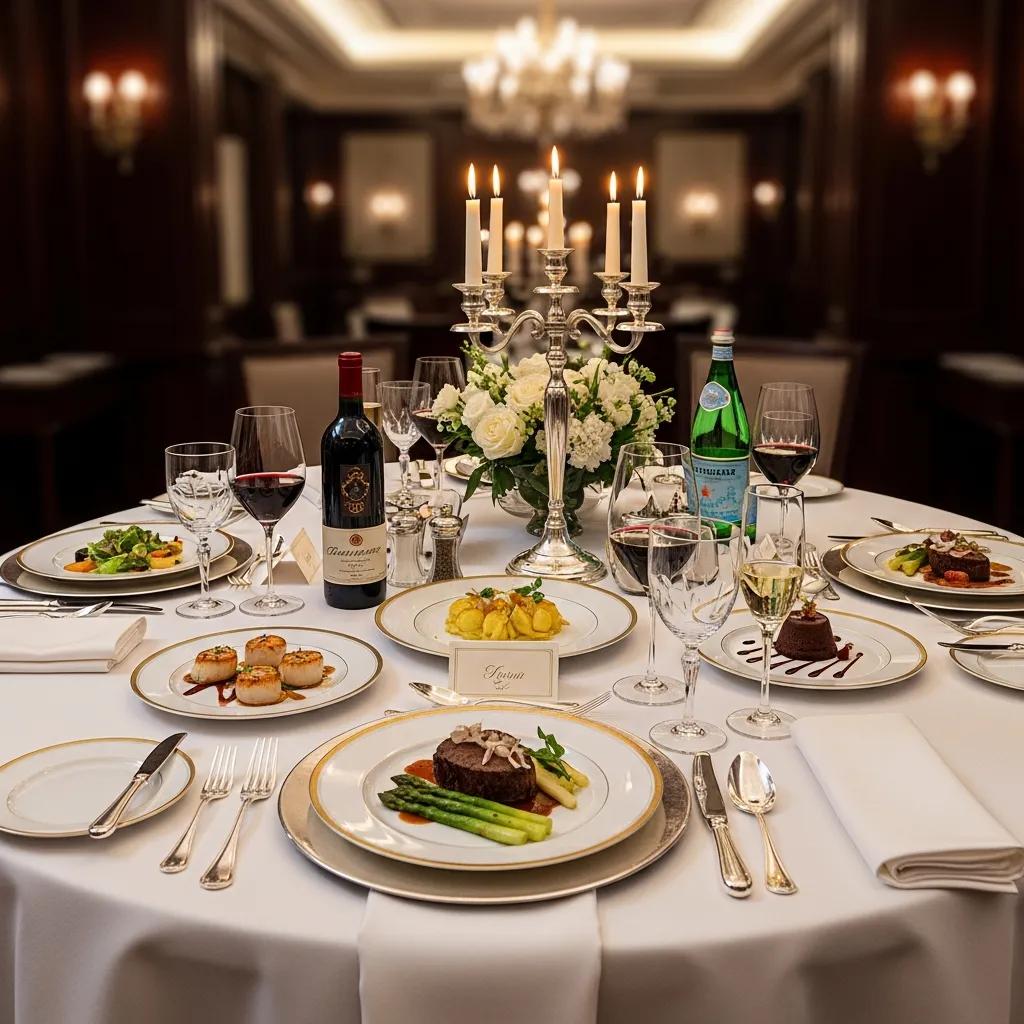
Formal table manners reduce distractions and demonstrate cultural awareness. Use the outermost utensils first and place used cutlery neatly on your plate to indicate you’ve finished each course. Pass shared dishes clockwise and use serving utensils to avoid cross-contamination. Set phones to silent and keep them out of sight unless an urgent matter requires attention; avoid photographing food without the host’s permission. Close conversations politely before standing, and let the host manage the bill to preserve decorum. A simple table-setting reference can be helpful for guests less familiar with formal service.
A visual diagram or a short primer on place settings quickly clarifies cutlery order for anyone new to formal dining.
How Should You Navigate Japanese Fine Dining Etiquette in Business Settings?
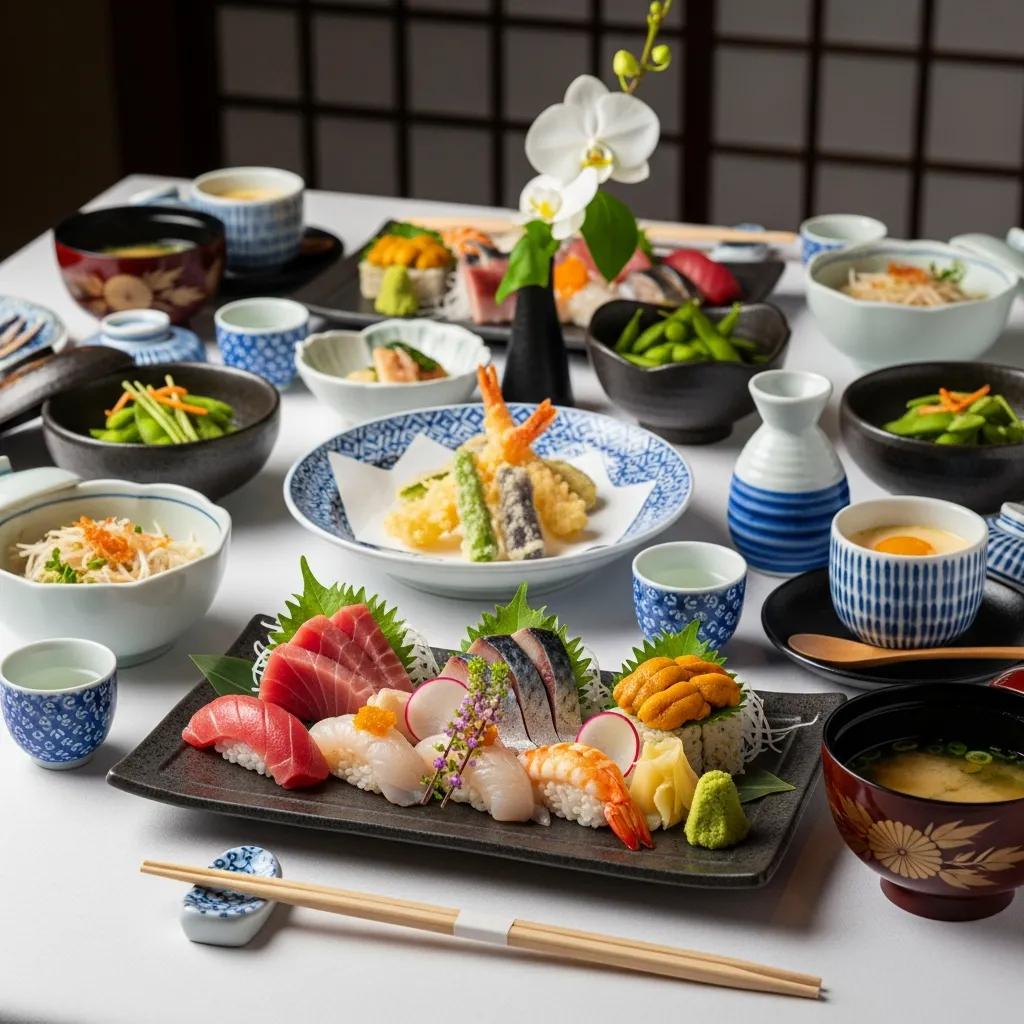
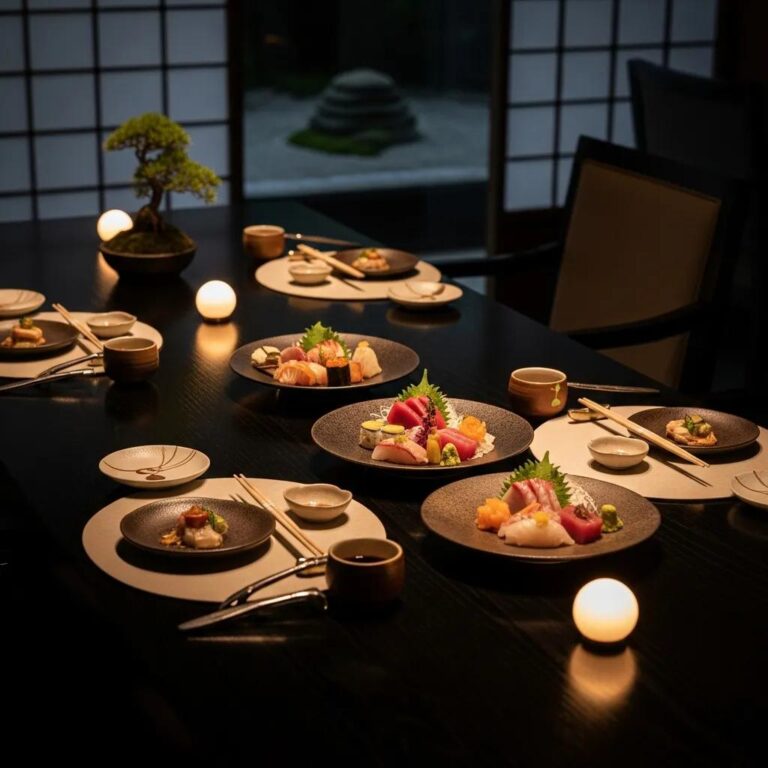
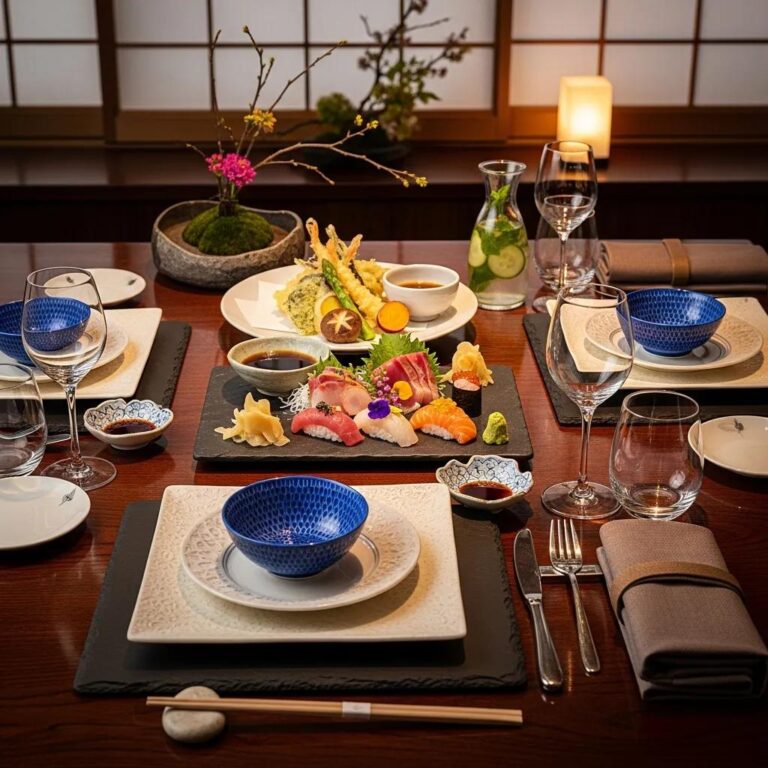
Japanese fine dining values respect for the chef, careful pacing, and understated praise. Service is often a carefully staged sequence; guests who follow the rhythm avoid disrupting the experience and show cultural sensitivity. Practically, wait for each course, keep movements minimal, and use polite phrases to acknowledge service. When business is on the agenda, choose breaks between courses for substantive discussion so you don’t interrupt the chef’s presentation. Mirroring local protocols—modest compliments and proper chopstick use—signals emotional intelligence and strengthens professional relationships.
This quick comparison shows what to do at each stage and why those actions matter for decorum and professional tone.
What Are the Proper Behaviors During an Omakase Business Dinner?
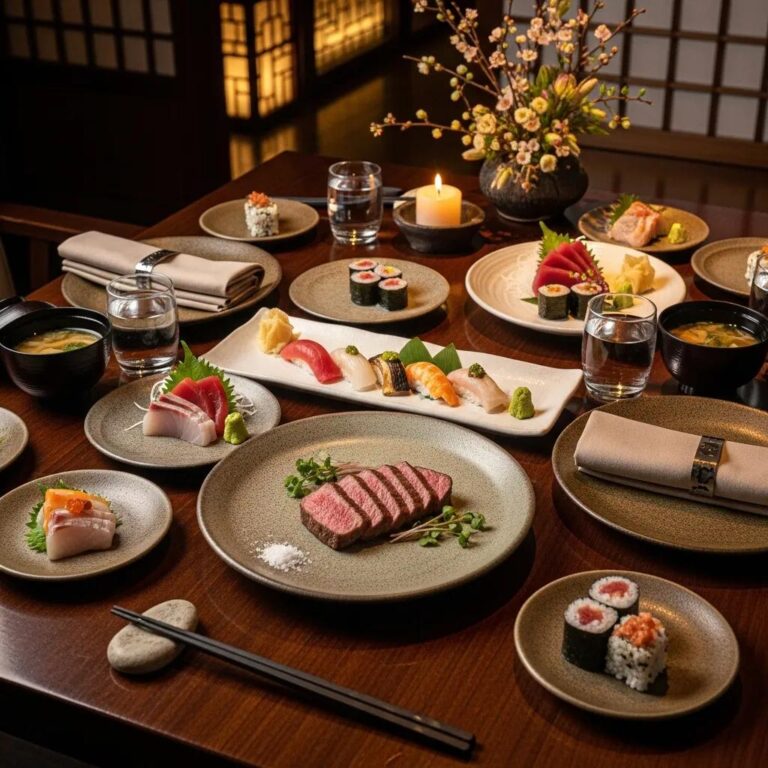
Omakase privileges the chef’s sequence, so guests should keep questions and commentary brief and well-timed. Arrive punctually, accept seating suggestions, and communicate dietary restrictions beforehand so the chef can plan. During service, ask concise, appreciative questions at natural pauses—phrases like “This is wonderful; may I ask about the seasoning?” show genuine interest without derailing the flow. Reserve detailed business negotiations for palate cleansers or after the meal, when conversation won’t interrupt the culinary rhythm. These habits respect the experience while preserving space for business rapport.
Use this checklist to maintain omakase tempo while still creating moments for professional connection.
How to Respectfully Enjoy A5 Wagyu and Caviar Dishes in Corporate Dining?
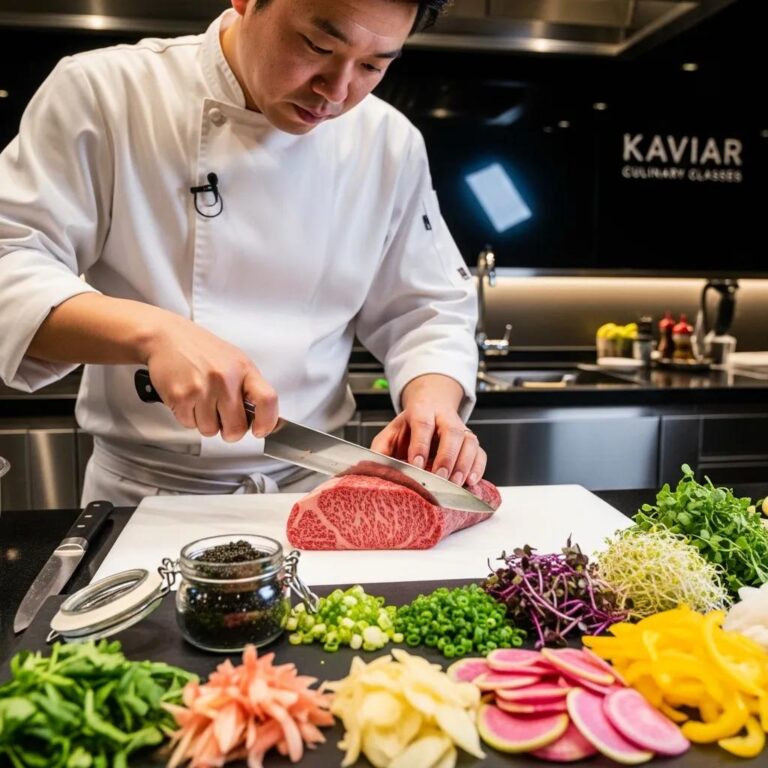
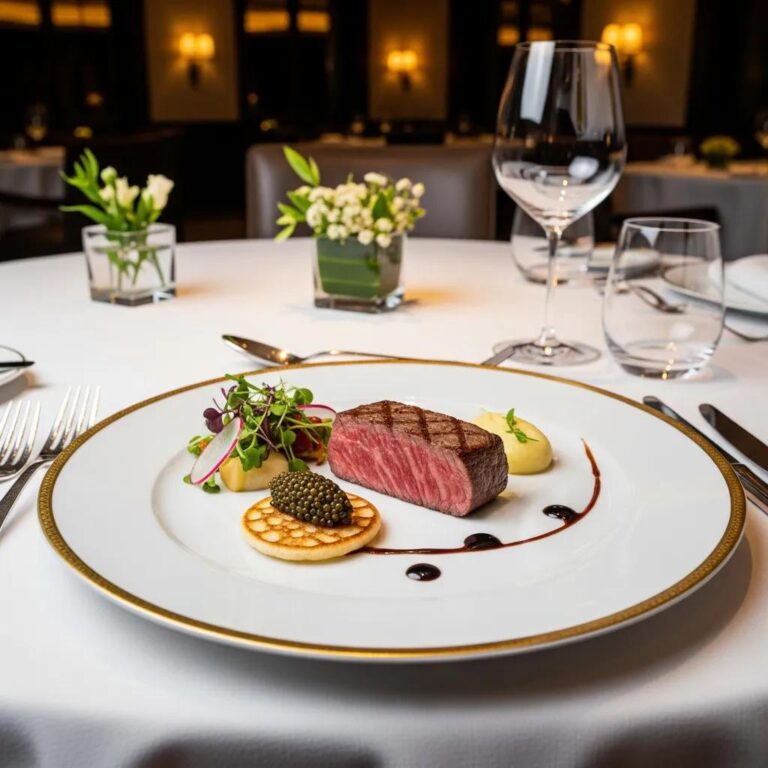
A5 Wagyu and caviar deserve measured appreciation. Treat portions as shared discoveries, use precise descriptors, and avoid flaunting expense. For A5 Wagyu, take small bites to savor texture and fat distribution, offer concise praise, and invite others to share tasting notes. For caviar, use the recommended non-metal spoon if provided, sample a modest portion, and describe texture and balance rather than price. When you speak about premium items in a business setting, focus on craft and sourcing rather than personal wealth to keep the tone inclusive.
These examples show how to enjoy premium items tastefully while keeping conversation appropriate and inclusive.
What Are Best Practices for Reservations and Seating in Luxury Business Dining?
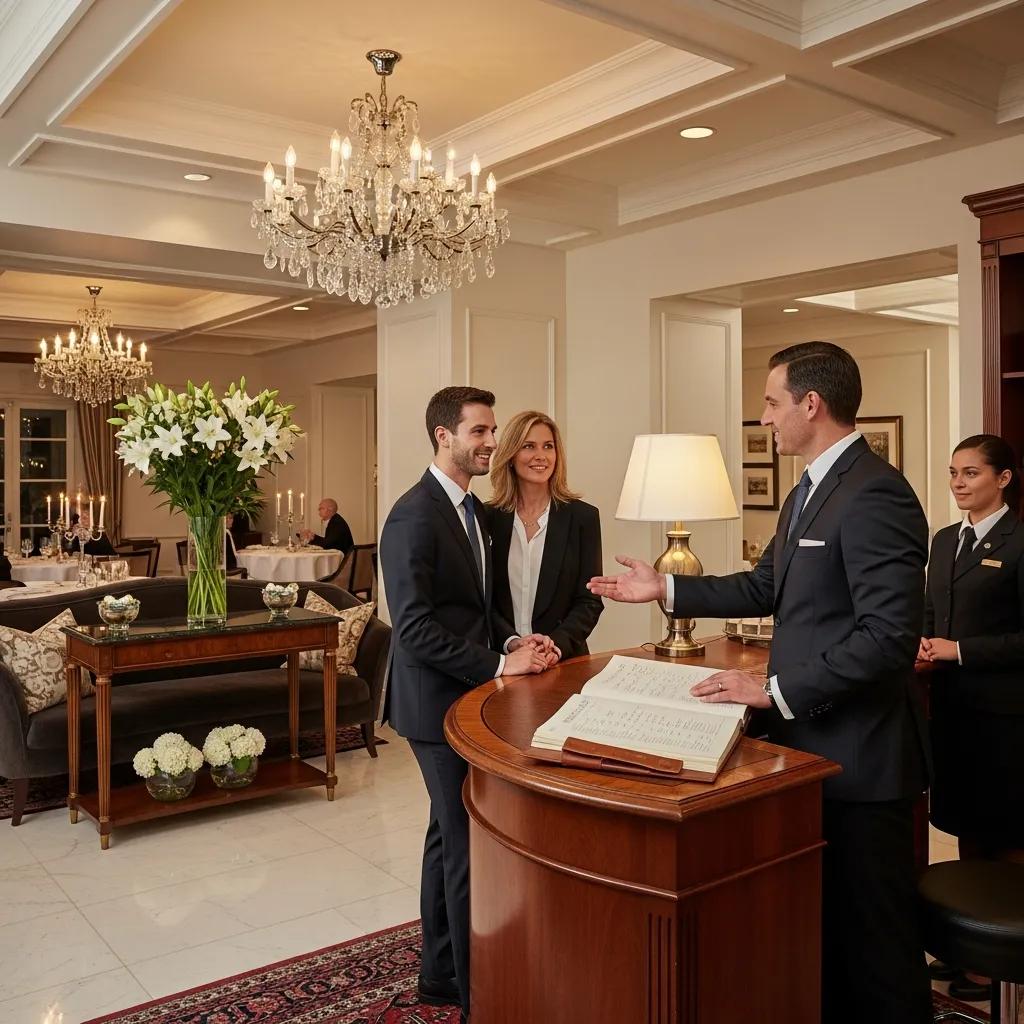
Managing reservations for luxury business dinners requires planning, clear communication, and confirmation routines that protect privacy and service flow. Provide party size, dietary needs, and seating preferences when you book so the restaurant can prepare private space or quiet seating. Book early for peak nights and reconfirm 24–48 hours ahead. Note any AV or confidentiality needs, and share arrival logistics with attendees to reduce day-of friction. Treat the reservation as part of the meeting plan—document it, brief guests on arrival details, and decide on a discreet payment approach in advance.
This checklist streamlines the reservation workflow and helps planners avoid last-minute surprises. Many upscale Pasadena restaurants offer reservation systems and staff trained to support corporate needs, including private dining and coordinated confirmations.
The short checklist and suggested scripts below make securing a reservation professional and repeatable.
- Pick preferred dates plus a backup to improve booking flexibility.
- Provide exact party size, dietary restrictions, and seating preferences up front.
- Ask about private dining options, noise levels, and any AV requirements when booking.
- Reconfirm 24–48 hours before the dinner and remind attendees of arrival time.
Following this sequence reduces last-minute issues and preserves time for the business discussion. A standardized reservation checklist reliably improves the dining experience.
How to Secure Your Luxury Dining Reservation Efficiently?
Efficient reservations combine advance planning, a single point of contact, and clear communication of special requests. Name one organizer to handle the booking to avoid mixed messages. Share dietary restrictions, seating hierarchy, or privacy needs so the venue can brief staff and prepare the room. Reconfirm 24–48 hours before the event to prevent no-shows and ensure appropriate service. When relevant, clarify deposit and cancellation policies and private-room logistics to avoid surprises and keep the meeting on schedule.
A concise script simplifies calls or emails: state the date, party size, purpose (corporate dinner), dietary notes, and request quiet or private seating. Use a checklist to make every reservation consistent and reliable.
What Is the Proper Seating Etiquette for Business Dinners?
Seating etiquette balances deference with practical communication needs. Hosts typically invite senior guests first and place them where they can best participate—often opposite the host for clear eye contact. Seat collaborative teams near one another to encourage efficient exchange, and reserve central or head-of-table positions for primary decision-makers. If hierarchy is unclear, seat people to support the meeting’s goals rather than rigid rank, and explain arrangements quietly if needed. When shifting between social and business conversation, make a brief verbal transition so everyone knows the tone has changed.
Rule of thumb: the host offers the honored guest their seat first and arranges the table to support the meeting’s communication objectives.
Which Dress Codes and Professional Manners Are Expected at Business Dinners?
Dress and manners send immediate, nonverbal signals about credibility and intent. Match your clothing to the venue and client: business formal communicates seriousness, business casual suits relationship-building lunches, and smart casual fits less formal gatherings. Manners—moderating alcohol, keeping toasts concise, and managing devices discreetly—reinforce the impression your attire makes. Adapting to the restaurant’s formality and the client’s expectations shows situational awareness and respect.
- Business Formal: Tailored suit or equivalent, conservative tie or dress, polished shoes, and minimal accessories.
- Business Casual: Blazer with open-collar shirt, dress slacks or a tailored skirt, clean shoes, and restrained jewelry.
- Smart Casual: Neat blouse or collared shirt, chinos or dark jeans, and clean casual shoes; avoid athletic wear.
Choosing the appropriate tier ensures the group presents consistently and reduces distractions so conversation can stay focused on substance.
What Are Appropriate Attire Guidelines for Corporate Dining Events?
When in doubt, dress one step more formal than your client or the venue baseline. For contract signings or negotiations, favor business formal; for casual relationship-building, business casual is appropriate. Grooming matters—polished shoes, wrinkle-free clothing, and subtle accessories maintain a professional presence. In Pasadena’s climate, choose breathable fabrics and layers to stay comfortable indoors. If unsure, check the restaurant’s dress code or mirror the client’s usual presentation.
Dressing with intent communicates that you prepared for the meeting and respect the other party’s time and expectations—an impression that carries through to your table manners.
How to Exhibit Polished Professional Manners During Luxury Restaurant Etiquette?
Polished manners include clear introductions, brief toasts, discreet phone handling, and courteous thanks. Begin with short introductions that state name and role, and consider a one-sentence objective to align the meeting. Keep toasts concise and inclusive—thank the host and highlight collaboration. Silence phones and step away for urgent calls, brief explanations on return maintain decorum. Close the meal by thanking staff and the host, summarizing next steps, and offering a polite farewell that signals the meeting’s end.
Simple scripts for introductions and toasts keep the evening focused on relationship-building and next steps—helpful cues that support professional outcomes.
How Can You Leverage Business Dining Etiquette to Impress in Pasadena’s Luxury Restaurants?
To make an impression in Pasadena, combine local expectations with thoughtful hospitality: choose menu items and service styles that invite shared appreciation and conversation. Curated menus, chef’s tastings, and premium ingredients create neutral conversation anchors that foster connection without drawing attention to cost. Time business agenda items between courses, use short culinary observations as natural openers, and arrange seating to support confidentiality and conversation flow. These choices turn a meal into a purposeful, memorable experience that advances business goals.
- Pick dishes that invite sharing and tasting to encourage group engagement.
- Schedule business discussions between courses to respect pacing and service.
- Use brief culinary observations as neutral conversation openers.
- Arrange seating to support communication flow and any confidentiality needs.
Thoughtful planning and tasteful engagement with the menu signal professionalism and hospitality—qualities that leave a lasting impression.
What Unique Features Does Kaviar Restaurant Offer for Business Dining?
Kaviar Restaurant presents a focused Japanese fine-dining experience centered on omakase, premium ingredients like A5 Wagyu and caviar, and a reservation workflow tailored to upscale events. For business diners, that means a structured meal pace, options for private or quiet seating, and staff trained to coordinate timing—useful when balancing culinary presentation with conversation. Kaviar’s menu and premium offerings create natural, tasteful conversation anchors—chef-led moments and shared tasting notes—that help relationship building without ostentation. For planners, our streamlined booking and confirmation practices support predictable corporate logistics.
These venue capabilities show how a well-run restaurant can support both the culinary experience and the professional objectives of business diners. Factor the restaurant’s reservation process and menu rhythm into your meeting plan to ensure alignment.
How Do Signature Dishes and Premium Ingredients Enhance Corporate Dining Experiences?
Signature dishes—multi-course omakase, A5 Wagyu, and curated caviar—offer sensory focus points that elevate conversation, demonstrate hospitality, and keep discussion tasteful. Shared appreciation creates a neutral backdrop for professional exchange: comment on texture, balance, or technique rather than price, and invite others to share impressions. These dishes also create natural pauses for shifting between social and business topics, helping agendas unfold smoothly.
These cues help steer conversation toward appreciation and collaboration, showing cultural competence and enhancing the overall dining outcome.
Frequently Asked Questions
What should I do if I have dietary restrictions when dining in a corporate setting?
Note dietary restrictions when you make the reservation so the kitchen can prepare options. If a served dish isn’t suitable, decline politely and focus on the items you can enjoy. Clear, advance communication keeps the meal running smoothly and avoids awkwardness.
How can I gracefully handle a situation where the conversation turns awkward during a business dinner?
Prepare a few neutral topics as fallbacks—ask about the guest’s impressions of the venue, recent travel, or industry trends. Compliments about the food or service make natural pivots. If needed, suggest a brief toast or lighten the mood with a simple, tasteful comment to restore ease.
What are some tips for managing alcohol consumption during business dinners?
Limit alcohol when business is the focus—one drink or a nonalcoholic alternative keeps judgment clear. Sip slowly, stay composed, and avoid using alcohol as a social shortcut. Choosing sobriety when stakes are high demonstrates self-control and respect.
How should I follow up after a business dining event?
Send a thank-you note within 24 hours to the host and key participants. Mention a specific conversation point or next step to personalize the message and keep momentum. This small follow-up reinforces relationships and advances the agenda.
What should I do if I need to leave a business dinner early?
Tell the host discreetly before the meal begins and apologize for the early departure. Leave quietly, and offer to follow up on any decisions or action items you’ll miss. A brief, considerate explanation maintains goodwill.
How can I ensure that my dining etiquette aligns with different cultural expectations?
Do a quick check of key customs for the culture you’ll engage with—seating norms, meal rituals, and conversational expectations. When unsure, ask your host or a colleague for guidance. Demonstrating cultural sensitivity shows respect and builds rapport.
Conclusion
Mastering business dining etiquette is a straightforward way to boost credibility and build stronger professional relationships in luxury settings. By planning reservations, arranging purposeful seating, observing cultural norms, and practicing polished manners, you create an atmosphere that supports both hospitality and results. Use these guidelines to refine your approach, and lean on the restaurant’s staff and menu as tools to make the evening both memorable and productive.
**