




Uncommon Pairings, Remarkable Moments: A Guide to Gourmet Flavor Combinations
Great pairings bring together unexpected ingredients and precise technique to create moments that linger long after the last course. Chefs build these moments by balancing contrast and complement — texture against silk, chill against warmth, acid against fat, and layers of umami — so a single bite can tell a story about place and craft. Many guests crave novelty but aren’t always sure why a combination works; this guide pulls back the curtain. You’ll learn how omakase sequencing supports experimentation, why prized items like A5 Wagyu and caviar invite bolder companions, and how sustainability and provenance are reshaping menus. The piece is organized to define pairing principles, explore omakase’s influence, present signature dishes with technical notes, explain how to taste and reserve thoughtfully, and examine sourcing trends shaping menus in 2025. Throughout, terms such as innovative cuisine, flavor combinations, and gourmet food fusion appear in context to clarify how chefs design and pace a tasting menu for maximum impact.
What Defines Innovative Food Pairings in Luxury Fine Dining?
In luxury fine dining, innovative pairings are purposeful combinations that produce new sensory effects through contrast, complementarity, and refined technique. Chefs make decisions based on mechanisms — cutting fat with acidity, pairing bite and silk for mouthfeel, sequencing temperature and aroma — to elicit reactions like surprise, clarity, or deeper appreciation. The payoff is twofold: an immediate lift in flavor for the diner and a narrative thread that communicates provenance and intent. Framed this way, experimental pairings stop feeling like tricks and read instead as deliberate choices that support the menu’s story.
Chefs rely on a few consistent rules when inventing memorable matches. First, contrast sharpens: crunchy opposite silky or acid opposite fat creates instant focus on the palate. Second, complementarity deepens: sympathetic notes — mirin’s sweetness with soy’s umami, or Champagne’s high acid against a rich protein — layer to form a cohesive whole. Third, narrative and provenance add meaning: named regions and rare suppliers transform ingredients into moments of occasion. These principles prepare readers to recognize how omakase and tasting menus showcase concrete examples.
This section outlines three practical reasons chefs push pairing boundaries and how guests benefit.
- Contrast creates clarity: A bright acid or bitter note can reveal subtle nuances in a fatty or umami-rich component.
- Complement deepens complexity: Layered aromatics and textures build a fuller, more harmonious taste.
- Narrative increases perceived value: Provenance and storytelling turn ingredients into experiential focal points.
Those mechanisms explain why unusual matches feel intentional rather than random, and they lead us to the sensory and psychological effects that follow.
How Do Unique Culinary Combinations Enhance the Dining Experience?
Thoughtful combinations heighten a meal by creating sensory contrasts and a clear narrative arc that surprises and engages. On a biological level, texture contrasts (crisp vs. velvety) and flavor opposites (acid vs. fat) amplify taste signals; on an emotional level, an unexpected bite sparks curiosity and strengthens the memory of the meal. Consider a seared, highly marbled piece of beef paired with a bright fermented citrus: fat carries flavor while acid refreshes the palate, extending the sense of complexity. Guests often say one memorable bite can reframe the entire progression and make them eager for the next course — which brings us to why premium ingredients enable bolder, more deliberate matches.
What Role Do Premium Ingredients Play in Gourmet Food Fusion?
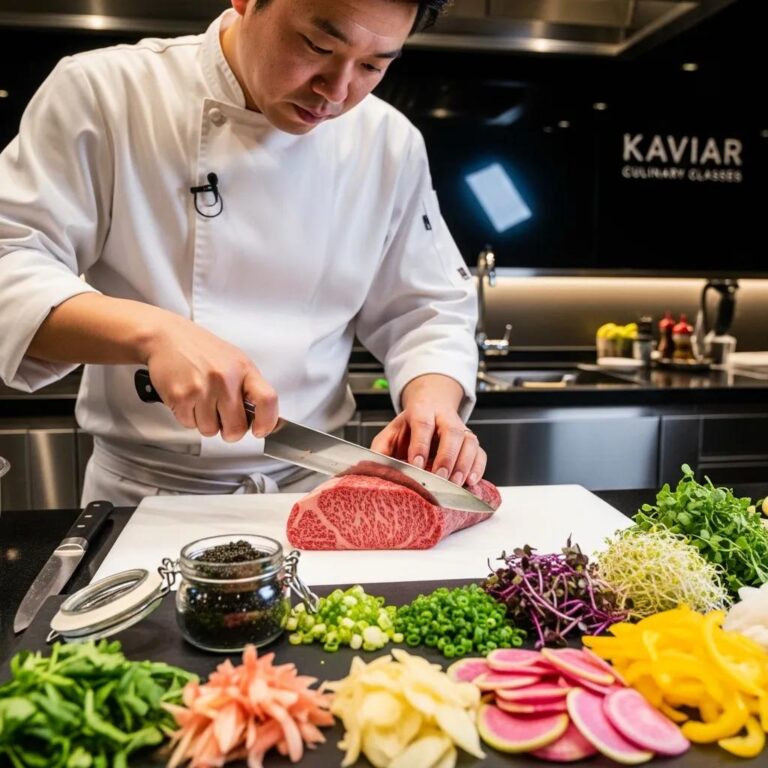
Premium ingredients shift the rules of engagement: they offer concentrated flavor, refined textures, and provenance stories that make risk-taking feel justified. Ordinary beef behaves predictably; A5 Wagyu, with its extreme marbling, demands restraint and careful counters — a whisper of acid, a delicate textural contrast — which in turn opens inventive possibilities. High-end components often arrive with provenance details that support minimal intervention plating and let the ingredient itself sing. Because these items carry strong sensory signatures, they shape both preparation and beverage pairing strategies — a topic we explore next through the lens of Japanese omakase.
How Does Japanese Omakase Inspire Unusual Flavor Pairings?
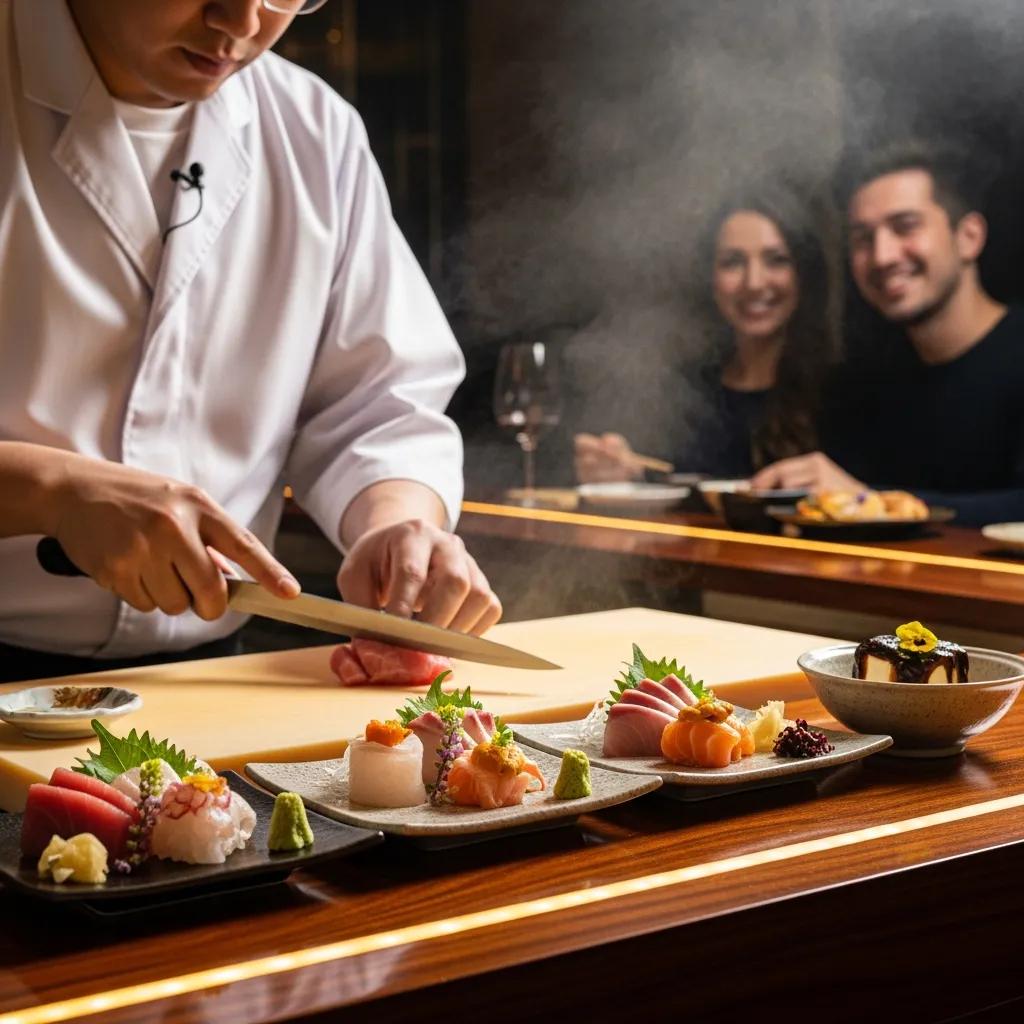
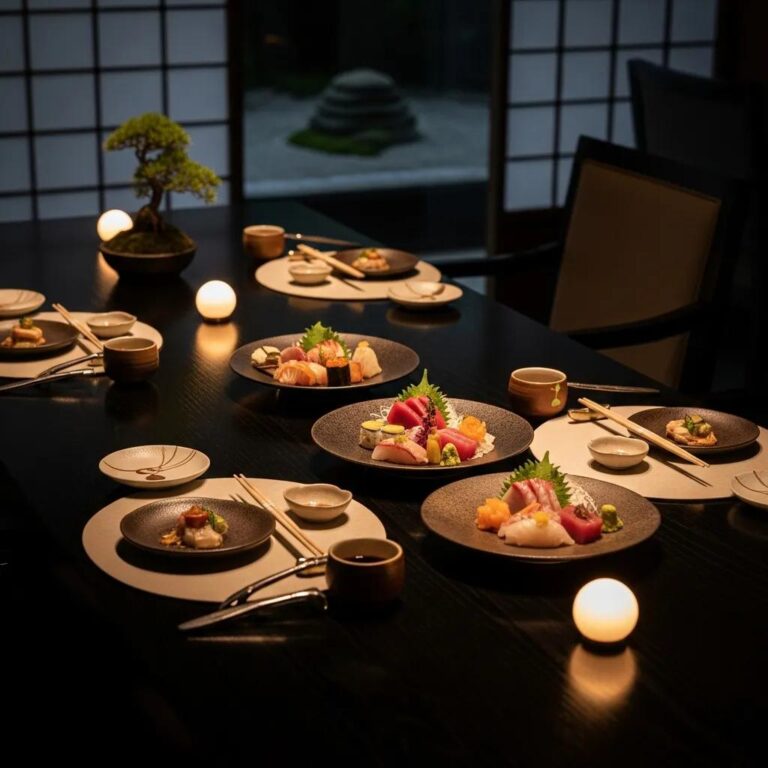
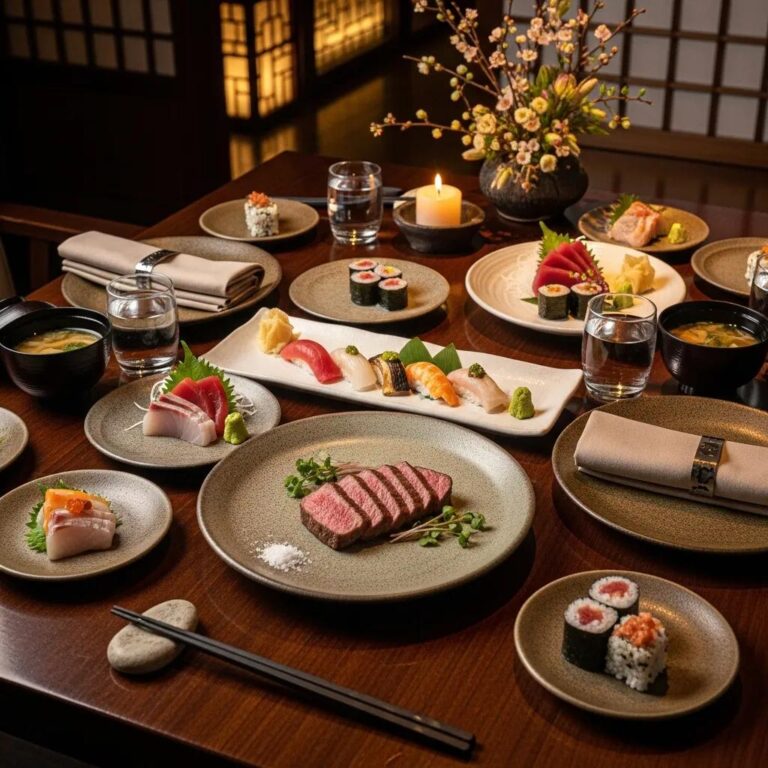
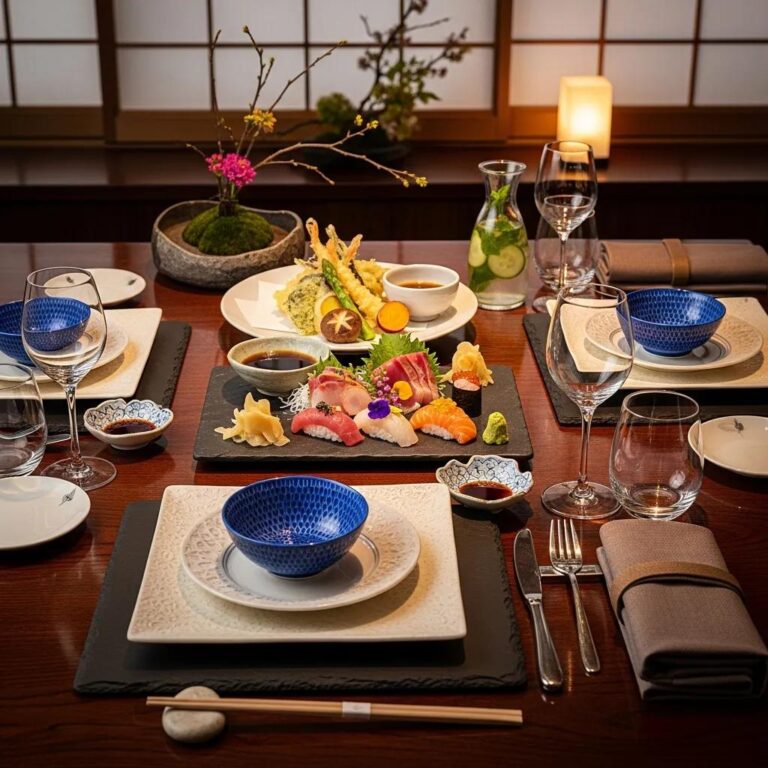
Omakase — literally “I leave it to you” — is a chef-led tasting progression built on seasonality, discretion, and careful sequencing, and it’s an ideal platform for experimental pairings. Because the chef controls pacing and ingredient selection, tiny connectors — a quick pickle, a palate cleanser, a textural interlude — can be placed to support a bolder match later. The advantage is progression: clean opening courses prime the palate, mid-course contrasts introduce tension, and later rich elements allow for more indulgent, fatty-centric combinations. This structure explains why omakase frequently leads culinary innovation. Kaviar Restaurant in Pasadena embraces this approach, centering omakase around premium items like A5 Wagyu and caviar and a deliberate exploration of flavor pairings.
That local example shows how a tasting can marry provenance and technique, and it sets up a closer look at the distinctive traits of omakase dishes and technical pairing examples.
What Makes Omakase Dishes Distinctive in Fine Dining?
Omakase dishes stand apart because they weave chef-led sequencing, micro-seasonality, and live preparation into a focused narrative that guides the diner through rising intensities of flavor. Chefs deploy micro-ingredients — small pickles, seasonal seaweeds, aromatic oils — and choose techniques like open-fire searing, cold-brine curing, or subtle charring to accentuate ingredient character. The result is a layered trajectory: a clear umami opening, a tension-building acidic or bitter middle, and a savory, textured finish that often highlights premium proteins. Precision in plating and portioning ensures every bite delivers the intended balance, which naturally leads to concrete examples pairing A5 Wagyu and caviar within an omakase flow.
How Are A5 Wagyu and Caviar Paired Creatively in Omakase Menus?
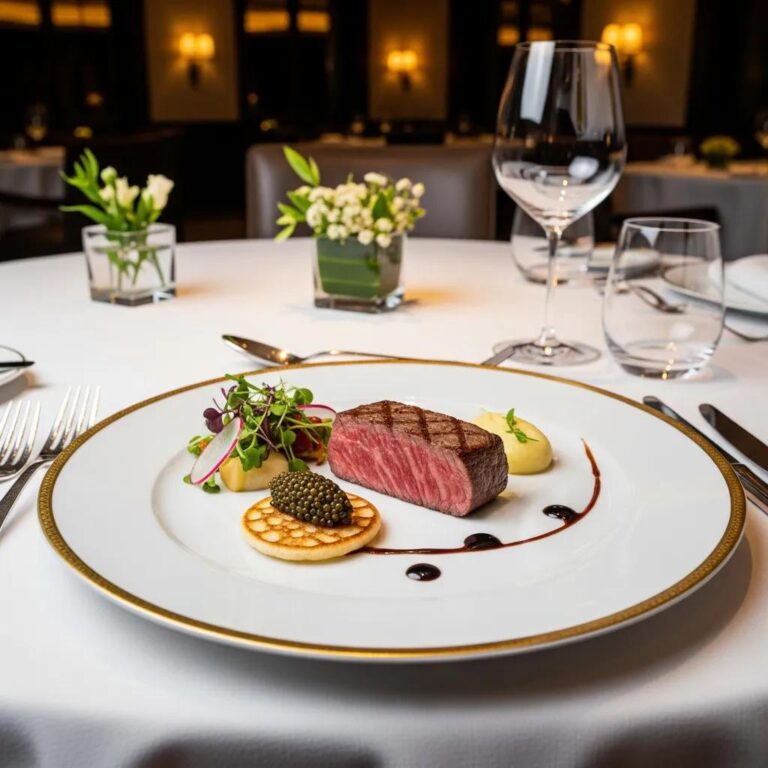
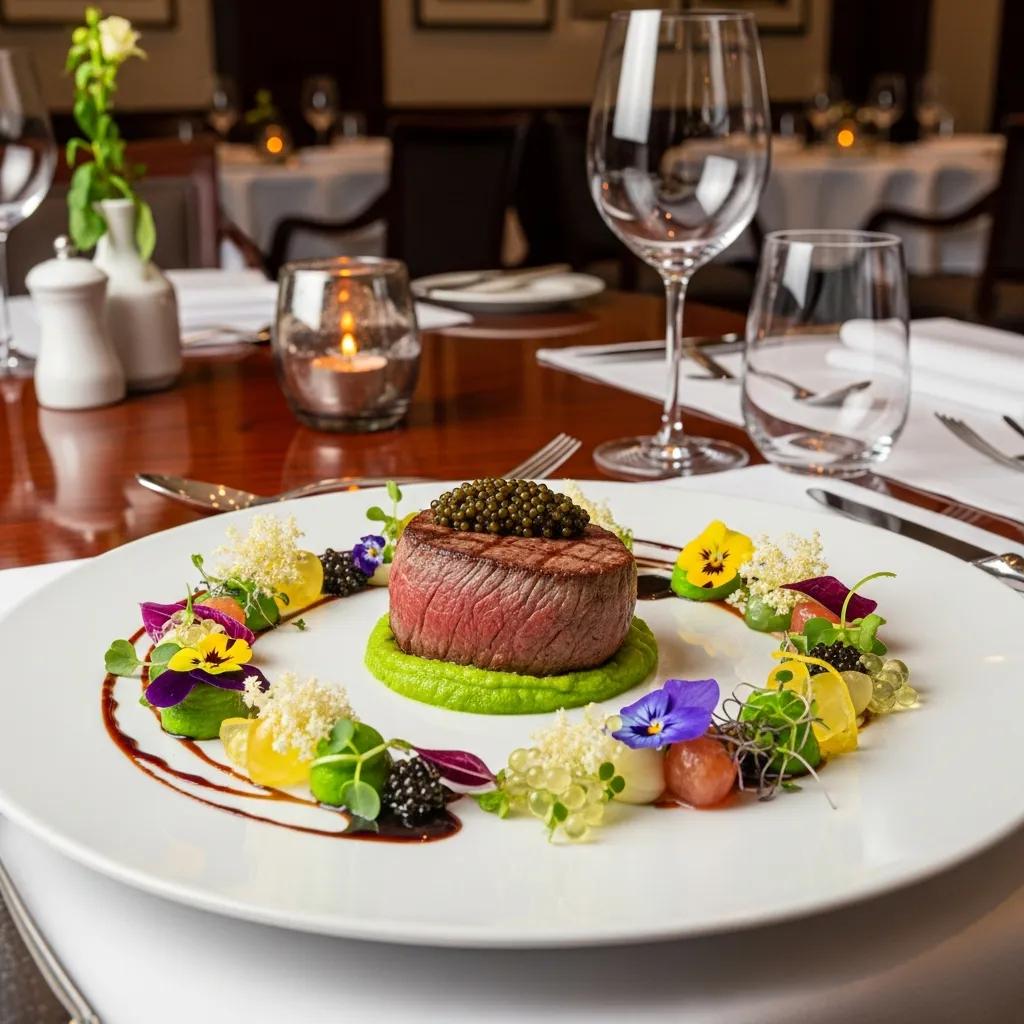
Pairing A5 Wagyu and caviar successfully comes down to fat-acid balance, textural counterpoints, and restrained seasoning so each element is legible. A5 Wagyu’s rich intramuscular fat favors a light, quick sear and a bright acidic finish — think fermented citrus gel or a delicate ponzu — while caviar’s saline pop shines against neutral creams, mild broths, or citrus foams that lift aroma without smothering the eggs. Beverage partners like chilled sake or a crisp, high-acidity Champagne help cut richness. Below is a technical breakdown linking ingredient traits to pairing and simple prep notes.
Matching texture and acidity to each premium ingredient creates coherent combinations and points directly to signature dishes that put these principles into practice.
Which Signature Dishes Showcase Innovative Flavor Pairings at Luxury Restaurants?
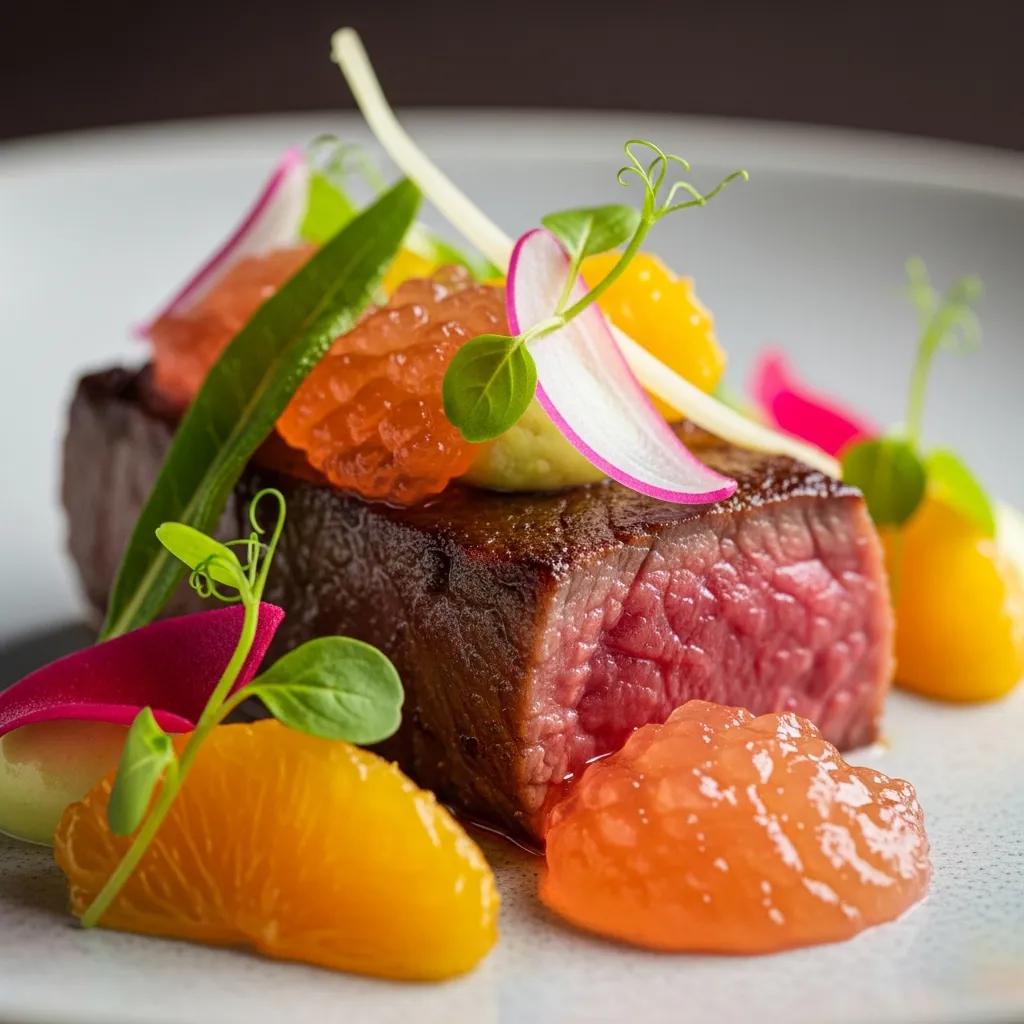
Signature courses are experiments refined into repeatable moments: they concentrate a pairing discovery into a single, approachable bite. Typically a premium ingredient is paired with one or two thoughtful companions — acidic, fermented, herbal, or textural — to achieve contrast or complement. These dishes are as much a lesson in flavor as they are a tasting pleasure: each course teaches the diner a fresh way to read ingredient relationships while keeping service-level finesse. Below are emblematic examples that appear frequently in modern fine dining.
- Seared A5 Wagyu with Fermented Citrus Gel: Rich beef brightened by fermented citrus to cut fat and add umami complexity.
- Caviar on Cold Cream with Toasted Rice Crisp: Saline pearls balanced by a neutral cream and crunchy rice for texture contrast.
- Uni with Yuzu Foam and Toasted Nori: Lush uni lifted by citrus foam and umami seaweed for layered oceanic notes.
- Charred Fish with Toasted Mushroom Jus and Pickled Slices: Smoky fish grounded by earthy jus and quick-pickled slices that refresh the palate.
These dishes illustrate how chefs center one bold element and curate companions for contrast, complement, and story, which naturally leads to an EAV-style breakdown for presentation and pairing logic.
These practical notes help diners anticipate sensory outcomes and prepare for encountering these combinations at the table.
Kaviar Restaurant is a luxury fine‑dining destination in Pasadena focused on Japanese omakase, premium ingredients such as A5 Wagyu and caviar, and carefully considered flavor pairings. Our distinguishing features include limited omakase seats, access to rare ingredients, and an atmosphere tuned for intent-driven diners seeking a refined, exploratory meal.
That business context explains how a tasting-menu format highlights the techniques described above and leads naturally into how guests should prepare and reserve.
How Are Rare Ingredients Like A5 Wagyu and Caviar Featured in Menus?
When restaurants showcase rare items, they use portioning, sequencing, and minimal intervention to make each appearance feel like a highlight rather than the whole meal. Tasting menus keep portions small so A5 Wagyu or caviar reads as a moment: a bite‑size sear, a shared amuse, or a single dedicated course. Menus frequently include provenance notes — origin and grade — to set expectations and justify pricing, while chefs choose simple acidic or textural pairings that enhance without masking the ingredient. The goal is to honor quality while educating the diner.
What Are the Chef’s Insights on Crafting Unique Culinary Combinations?
Chefs arrive at unique combinations through iterative testing: ideation, bench trials, team tastings, and occasional guest previews to balance novelty with approachability. The process begins with a source-first mindset — knowing an ingredient’s chemistry, texture, and peak season — and evolves through small-batch experiments that tune acid, salt, and texture until the match feels right. Longstanding supplier relationships secure consistency for repeatable pairings, and chefs catalog successful matches for rotating menus. This disciplined loop ensures innovation is both daring and dependable.
How Can Diners Experience and Appreciate Gourmet Food Fusion?
Appreciating gourmet fusion asks for curious attention: understand sequencing, trust the chef, and manage your palate through pacing and cleansing. Adopt a mindset of discovery, taste deliberately to notice contrasts, and observe how a single element can reset expectation for the next course. Practical tips: alternate sips of the paired beverage with small bites, use palate cleansers as intended, and ask servers concise questions about provenance or technique to deepen the story. These habits increase enjoyment and honor the chef’s intended arc.
What Is the Reservation Process for Exclusive Omakase Experiences?
Kaviar Restaurant is a luxury fine‑dining omakase in Pasadena that emphasizes seasonal selection, premium ingredients like A5 Wagyu and caviar, and curated pairings. To reserve an omakase seat, follow three simple steps: book your date and party size well in advance to secure limited seating; confirm dietary restrictions and any preferred beverage program so the chef can tailor sequencing; and arrive ready for a multi-course progression, trusting the pacing and curated pairings. Early communication about allergies or restrictions lets the kitchen adapt without disrupting service.
How Does Dining Etiquette Enhance the Luxury Flavor Pairing Experience?
Good etiquette preserves pacing, lets servers time pairings, and keeps the room focused for concentrated tasting. Do pace yourself between courses, use palate cleansers when offered, and ask brief, thoughtful questions rather than holding longer conversations at the pass. Don’t monopolize the chef during service, avoid disruptive phone use or flash photography, and don’t insist on on-the-spot substitutions without prior notice. Observing these guidelines preserves the sensory trajectory and helps everyone notice the finer points of pairing.
– Dining etiquette that supports tasting menus includes three practical dos and don’ts:
- Do pace yourself: Allow time between courses to observe how each pairing resets and develops the palate.
- Do communicate restrictions early: Share dietary needs when booking so the chef can adjust sequencing without surprise.
- Don’t disrupt service: Avoid extended conversations with the chef during service to keep the tasting flow intact.
What Are the Latest Trends in Fine Dining Flavor Pairings and Ingredient Sourcing?
Current trends shaping pairing decisions include sustainability-driven swaps, deeper provenance and traceability, and evolving beverage programs that move beyond classic wine lists. Sustainability encourages chefs to find local analogs for rare imports, provenance emphasizes supplier stories and verifiable origins, and beverage programs now often feature curated sake, natural wines, and low‑intervention options — all of which change pairing logic by adding new acidity and aromatic profiles. Together, these drivers nudge chefs to innovate within constraints, expanding the palette of plausible pairings as we head through 2025.
These changes show how non‑flavor considerations alter the palette and supplier relationships chefs rely on to invent pairings, and they lead into examples of sustainable swaps and provenance practices.
How Does Sustainability Influence Innovative Food Pairings?
Sustainability pushes pairings toward local substitutes, alternative proteins, and seasonal creativity — often producing fresh combinations. For example, ethically sourced local seafood may replace an import and come with a different texture and flavor, prompting chefs to pair it with new acids, herbs, or quick pickles. Strong supplier partnerships and documented substitution strategies keep pairings coherent even when ingredients shift. In short, constraint can be a powerful creative engine.
Why Is Ingredient Provenance Important in Luxury Restaurant Menus?
Provenance functions as both assurance and storytelling: documenting origin and grade gives diners confidence in price and lets chefs justify minimal intervention. Practical verification can include supplier certificates, region-specific naming, and transparency about farming or curing practices — for example, Wagyu grading indicates expected marbling and mouthfeel, which informs portioning and acid levels. Provenance also supports beverage pairing, as terroir-linked drinks can echo a dish’s origin story. Emphasizing provenance strengthens a tasting menu’s narrative and the coherence of inventive pairings.
– The following trends summarize sources of change in fine dining pairings:
- Local sourcing creates new flavor vocabularies: Regional ingredients invite fresh local‑global hybrids.
- Traceability increases guest trust: Clear sourcing lets chefs price with transparency and confidence.
- Beverage diversity reshapes pairing logic: Natural wines and curated sake broaden acidity and aromatic options.
These trend insights close the article’s arc by linking sourcing realities to the creative work of pairing in modern fine dining.
Frequently Asked Questions
What are some common misconceptions about innovative food pairings?
Many assume innovative pairings are gimmicks or random combinations. In truth, they’re deliberate: chefs apply principles of contrast and complementarity, informed by ingredient chemistry and texture, to craft moments that heighten the meal. Understanding that intention deepens appreciation for the technique and creativity behind each course.
How can diners prepare for an omakase experience?
Approach omakase with curiosity and an open palate. Communicate dietary restrictions when you book so the chef can tailor the progression. Expect a multi-course sequence with palate cleansers and paired beverages, and come ready to taste deliberately — small bites, thoughtful sips, and an eagerness to discover.
What should diners expect in terms of pacing during a tasting menu?
Tasting menus are paced to let each dish land. Expect deliberate timing that allows you to savor textures and contrasts. Take small bites, alternate between food and paired beverages, and ask concise questions if you want context — the pacing is part of the storytelling.
How do chefs ensure the quality of rare ingredients like A5 Wagyu and caviar?
Chefs rely on trusted suppliers, provenance documentation, and routine quality checks. Many source directly from regions known for high standards and maintain strong relationships to ensure consistent deliveries. Regular tasting and verification keep standards high and help support sustainable and ethical sourcing practices.
What role does beverage pairing play in enhancing innovative food pairings?
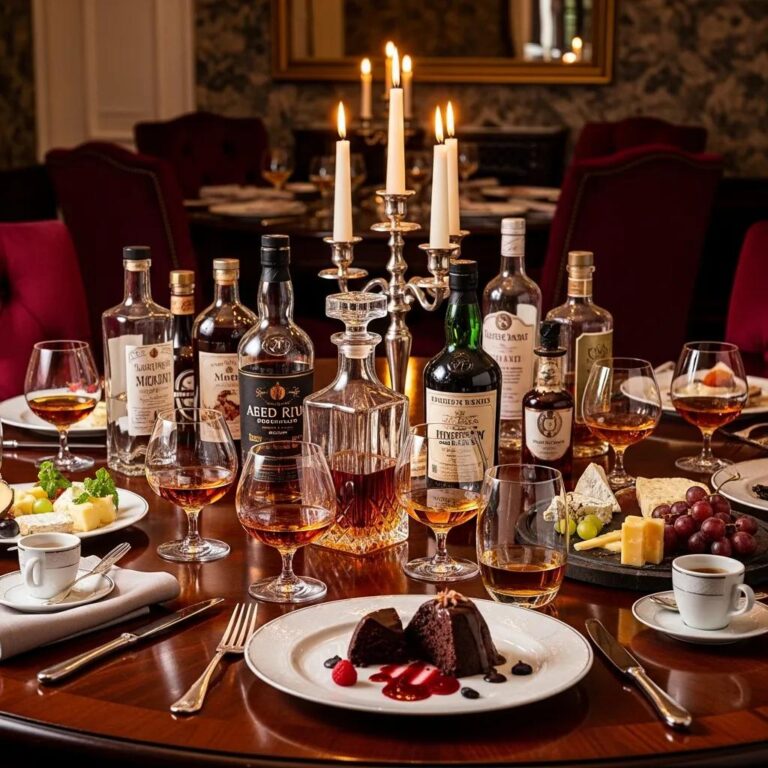
Beverage pairing is often the final lens that shapes perception. A high-acidity wine can cut richness, a delicate sake can elevate seafood, and a mineral-forward option can echo saline notes. Chefs and sommeliers collaborate to create harmonies that amplify the intended effect of each course.
How can diners identify and appreciate the narrative behind a dish?
Look for provenance cues on the menu, listen to the server or chef for background, and pay attention to ingredient pairings and sequencing. Those details — origin, technique, and progression — reveal the story the kitchen is telling and deepen your connection to the meal.
Conclusion
Exploring inventive pairings in fine dining shows how chefs turn contrast and complement into memorable dining moments. Learning the principles behind those choices sharpens enjoyment and reveals the craftsmanship in every course. If you’re curious, reserve an omakase seat, lean into the tasting progression, and experience how thoughtful combinations transform ingredients into lasting memories.