






From Bean to Cup: A Curated Guide to Origins, Roasting and Flavor for Memorable Coffee Moments
“Bean to cup” names the full path coffee travels — from field and processing through roasting and brewing to the final sip. Learning that path explains why two lots from the same farm can taste entirely different. This guide shows how origin, processing and roast choices shape recognizable flavor profiles, and how that knowledge helps chefs, sommeliers and hospitality teams select and serve coffees that enhance a fine‑dining sequence. We’ll cover five practical areas: key bean varieties and terroir, roasting methods and roast levels, pairing principles tailored to high‑end service, Pasadena sourcing trends, and tasting techniques you can use today. Expect clear lists, side‑by‑side comparisons and real examples that tie origin and roast science to tasting language and service decisions. By the end you’ll be able to read common flavor notes, spot roast‑related sensory cues, and apply pairing principles to create coffee moments that support, contrast or complete a course.
What Are the Main Coffee Bean Varieties and Their Origins?
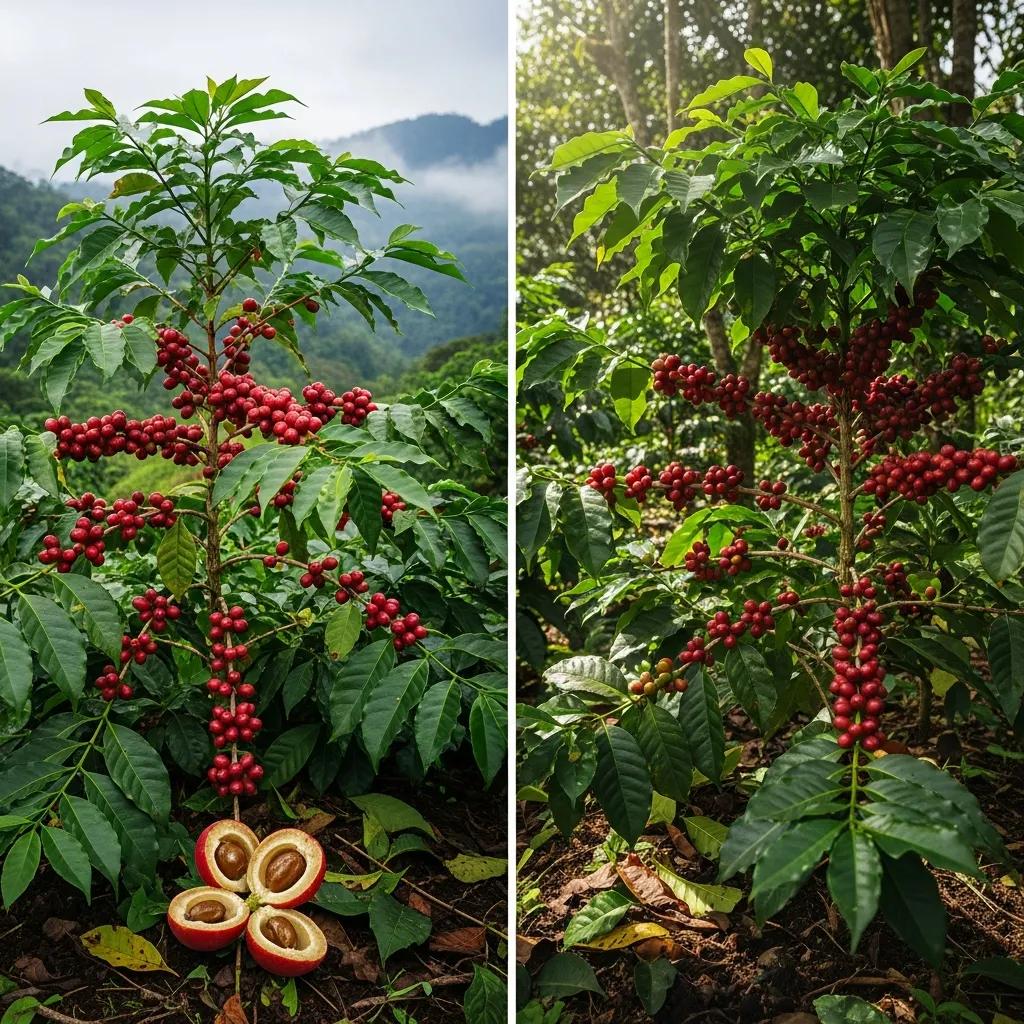
Coffee varieties cluster into a few botanical species and cultivar groups whose growing environments and processing determine flavor signatures. Arabica (Coffea arabica) and Robusta (Coffea canephora) are the dominant species: Arabica is prized in specialty contexts for its acidity and aromatic complexity, while Robusta brings body, consistency and crema to blends. Processing — washed, natural, honey — acts as a decisive modifier: washed lots tend toward clarity and bright acidity; natural lots accentuate fruit sweetness and ferment notes; honey processing preserves sweetness with moderate clarity. Reading species, origin, altitude and processing together gives tasters and buyers better predictive power when choosing single‑origin coffees, blends or micro‑lots for specific pairing goals.
The table below offers a quick reference to representative origins, processing and typical flavor cues.
In practice, terroir — altitude, soil and microclimate — plus processing often explain more of a coffee’s taste than varietal name alone. Combine these attributes to set clearer expectations when cupping or selecting beans for service.
How Do Arabica and Robusta Beans Differ in Flavor and Growing Regions?
Arabica and Robusta diverge both botanically and sensorially, which informs where they’re grown and how they’re used. Arabica prefers higher altitudes and typically yields sweeter, more acidic, aromatic cups with floral and citrus notes. Robusta is hardier at lower elevations and produces a heavier, more bitter cup with woody or nutty tones and higher caffeine. These contrasts come from genetics and terroir: Arabica’s narrower growing window concentrates sugars and aromatics, while Robusta’s resilience delivers reliable yields and structure. Specialty roasters and baristas favor Arabica for single‑origin clarity and Robusta for structural support in blends or to enhance espresso crema — choices driven by desired balance of flavor, body and mouthfeel.
Understanding these differences helps buyers and beverage teams set processing and roast strategies that highlight strengths while avoiding excessive bitterness or astringency in service.
Which Single Origin Coffees Offer Unique Terroir Characteristics?
Single‑origin coffees reveal terroir because they come from a defined farm, region or micro‑lot where altitude, soil and processing combine into a distinct fingerprint. Examples include Ethiopian natural lots with floral and berry aromatics from heirloom varietals and natural drying; Colombian washed lots with clean citrus and caramel from mountain soils and washed processing; Kenyan AA with bright, winey acidity from volcanic soils and meticulous sorting; and Sumatran wet‑hulled coffees with deep, earthy, herbal notes from unique processing and lower elevations. When roast and brew preserve origin clarity, a single origin can unmistakably express its place.
Tasters seeking terroir‑driven experiences should seek clear origin descriptors and processing notes, then choose roast and brew methods that highlight the coffee’s natural strengths rather than mask them.
How Do Coffee Roasting Techniques Influence Flavor Profiles?
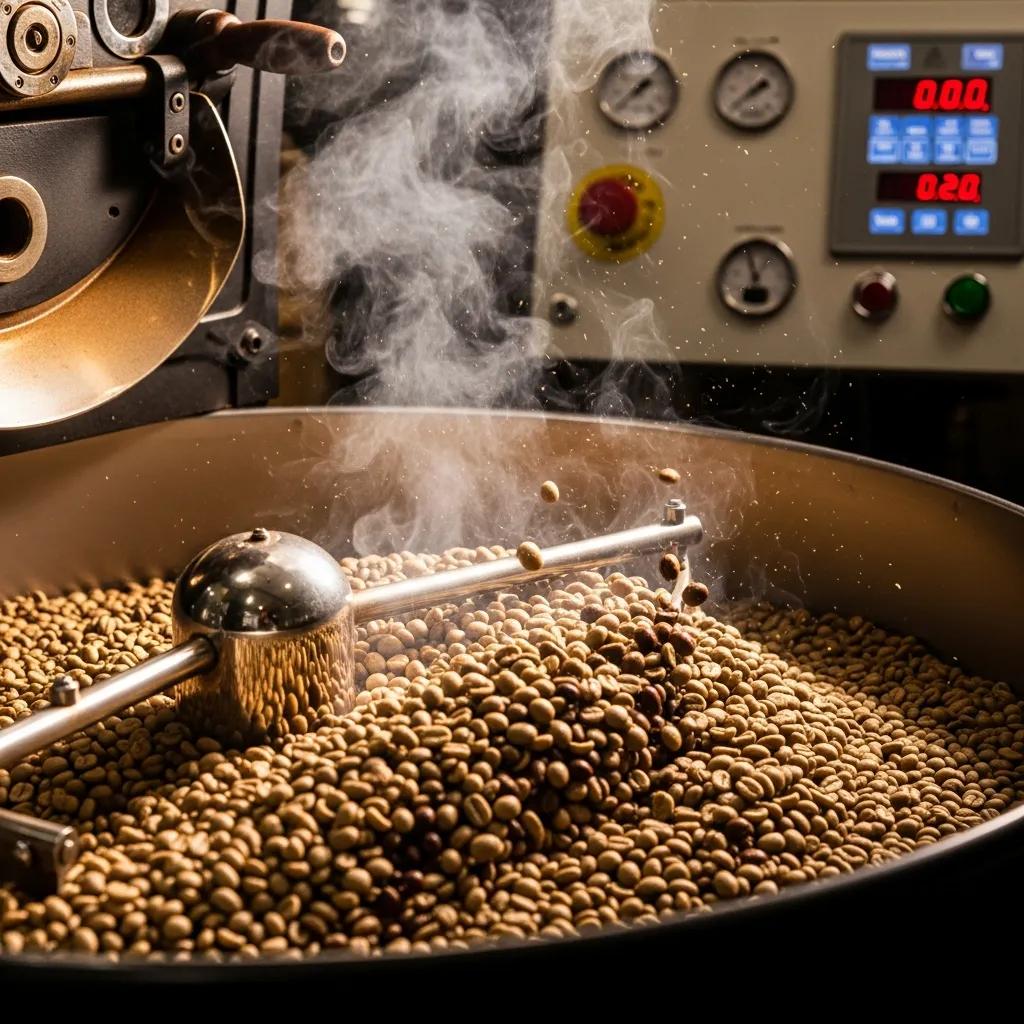
Roasting converts green beans into cup‑ready coffee through heat‑driven chemistry — Maillard reactions, caramelization and pyrolysis — that build aroma, acidity and body. Controlling time and temperature shapes the sensory outcome. Roast levels (light, medium, dark) emphasize different attributes: light roasts preserve origin clarity and bright acidity; medium roasts balance acidity and sweetness with fuller body; dark roasts bring roast‑derived chocolatey or smoky notes while lowering acidity. Beyond level, profile roasting (time‑temperature curves, development time, airflow) gives small‑batch roasters precise control to accentuate floral notes or coax chocolate and caramel depending on pairing or brew method.
The table below clarifies how roast level tends to translate to menu and pairing choices.
A deliberate roasting plan lets chefs and beverage directors match coffee profiles to courses: lighter roasts for delicate seafood, medium roasts for balanced dishes, and darker roasts where roast‑derived warmth complements richer flavors.
What Are the Key Roasting Levels and Their Impact on Taste?
Roast levels produce predictable sensory shifts that inform which coffees best suit specific dishes or brew methods. Light roasts highlight origin acidity and aromatic notes — citrus, floral, tea‑like characters — making them ideal for filter brewing and delicate pairings. Medium roasts bring caramelization and body while retaining some acidity, yielding chocolate, nutty and caramel notes suited to a wide range of dishes and espresso. Dark roasts emphasize bitter, smoky or dark‑chocolate tones and a fuller mouthfeel that can stand up to fatty or intensely flavored foods; they’re often chosen for robust espresso blends and dessert pairings. Treat roast level as a pairing tool, not merely a preference.
Choosing roast levels in concert with origin and processing creates consistent experiences that meet diners’ sensory expectations across courses.
Which Artisanal Roasting Methods Enhance Specialty Coffee Qualities?
Artisanal methods — small‑batch profile roasting, drum versus fluid‑bed choices and controlled development time — help preserve and highlight specialty attributes. Small batches allow close monitoring to protect delicate aromatics in single origins; profile roasting uses precise curves to emphasize sweetness or acidity. Drum roasters often develop deeper caramelization and body, useful for medium‑to‑dark profiles, while fluid‑bed systems can produce brighter, cleaner cups favored for lighter profiles. Systematic cupping and roast logs secure consistency across lots and support reproducible pairing recommendations for service.
These choices let chefs and roasters collaborate on cup profiles that match menu timing and the practical rhythms of service.
How Can Specialty Coffee Pairings Elevate the Fine Dining Experience?
Coffee pairing uses the same culinary logic as wine pairing: match or contrast dominant flavors, balance weight and acidity, and consider texture and finish to shape a coherent progression through a meal. Core principles are complement (reinforce similar flavor families), contrast (use acidity to cut richness), weight matching (pair body to texture) and sequencing (serve to cleanse or extend a flavor). In a multi‑course tasting, selecting beans for their origin and roast character and timing coffee service thoughtfully ensures beverage moments support the meal’s arc instead of competing with it.
Below are practical pairing rules and quick examples chefs and beverage teams can reference during service.
- Complement: Reinforce dominant flavors to intensify pleasure and continuity.
- Contrast: Let bright, acidic coffees cut through fatty or umami dishes and refresh the palate.
- Weight matching: Match coffee body to food texture — light-bodied for sashimi, fuller-bodied for braised proteins.
- Sequencing: Time service to cleanse the palate or to prolong a dessert’s finish as an intermezzo.
These principles are flexible rules designers of a coffee program can adapt to menu changes and seasonal ingredients, ensuring coffee enhances — not competes with — the cuisine.
The practical table below links common high‑end dishes to coffee attributes for quick reference during service.
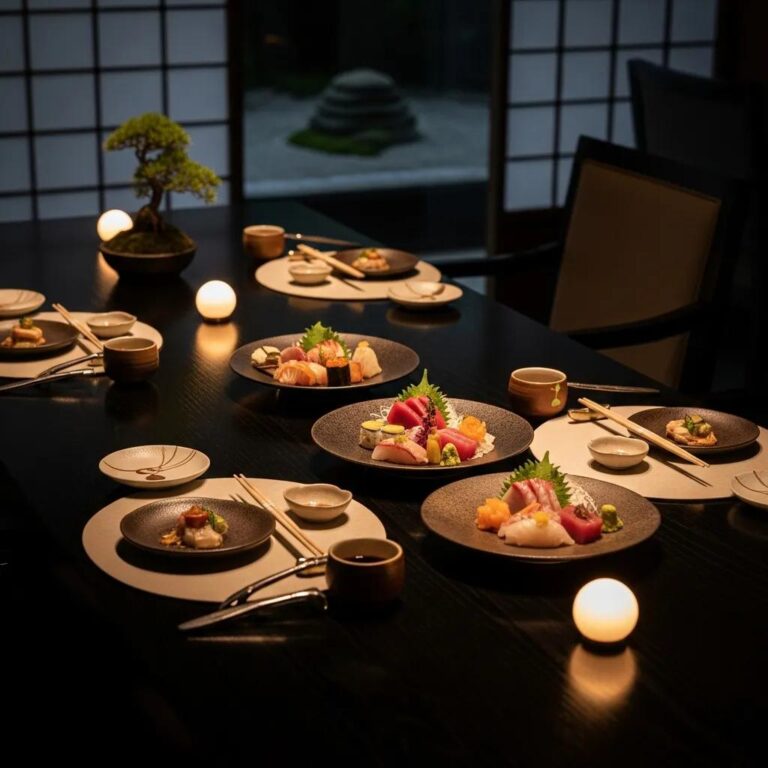
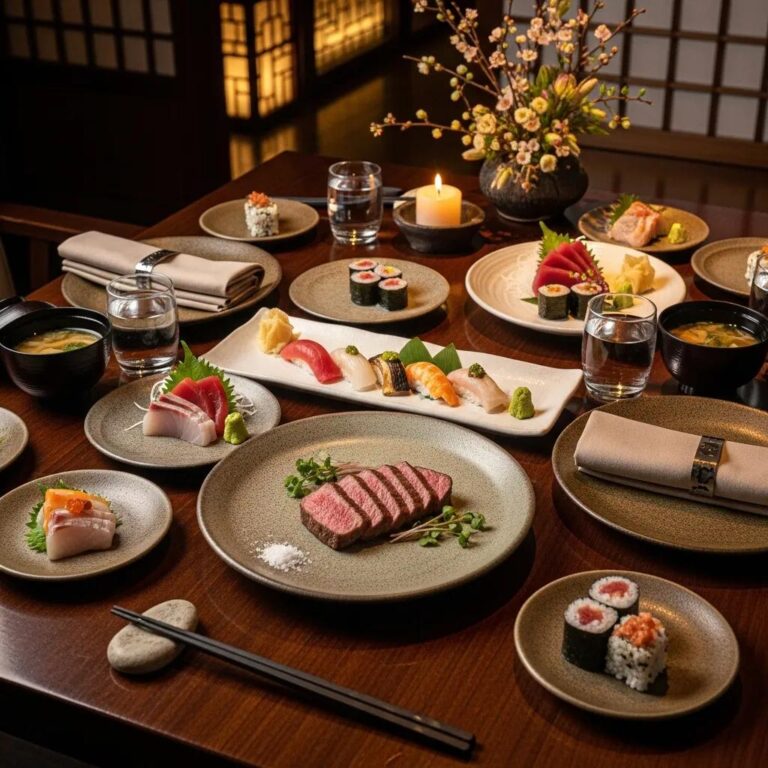
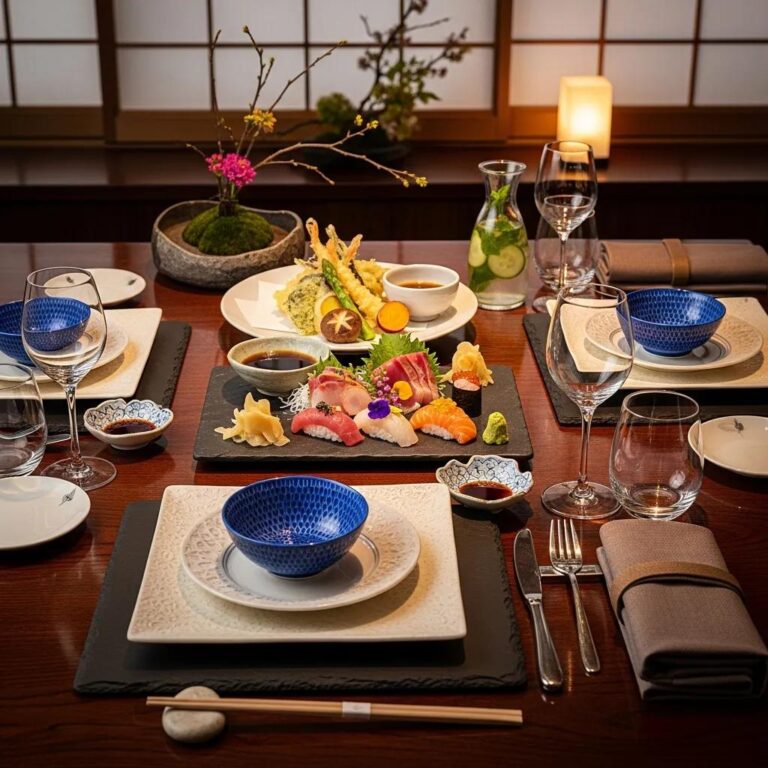
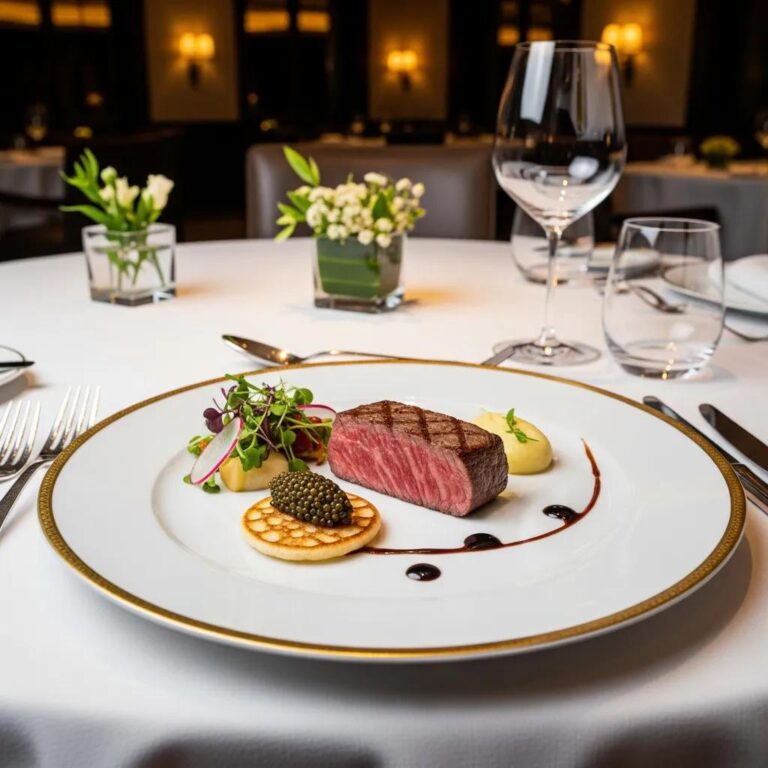
At Kaviar Restaurant we weave these pairing choices into the omakase flow: origin‑forward pours alongside delicate seafood, then richer, roast‑forward coffees with beef to reinforce savoriness and finish. Guests who wish to experience a curated coffee sequence alongside the tasting menu are encouraged to reserve a coffee pairing so staff can synchronize beans and preparation with the evening’s service.
What Coffee Flavors Complement Japanese Omakase and A5 Wagyu Dishes?
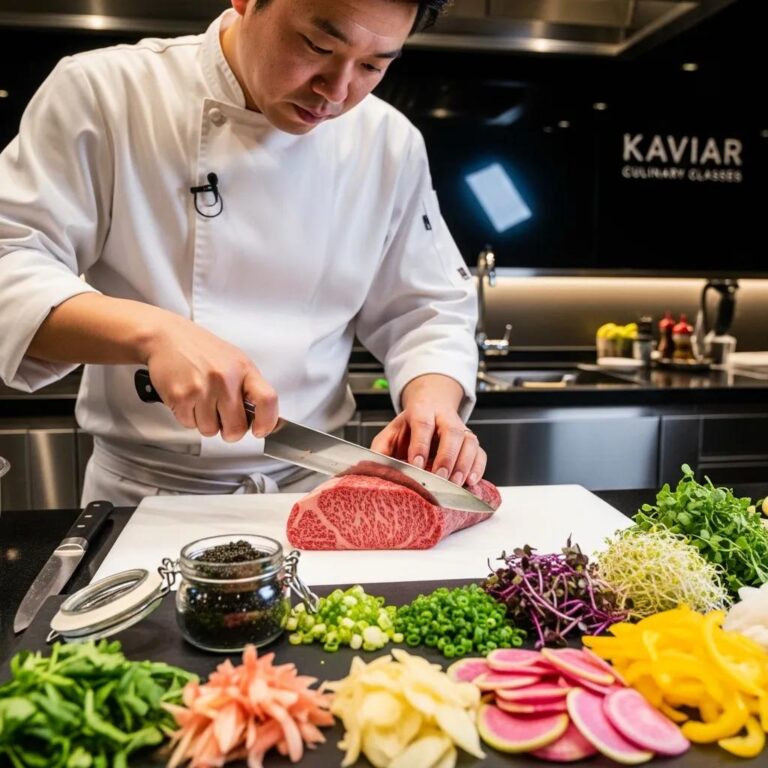
Sashimi and seasonal seafood benefit from coffees that emphasize clarity, citrus acidity or floral aromatics; rich items like A5 Wagyu pair best with coffees that offer sweetness, cocoa and roast complexity to match the beef’s texture. For example, a light, washed Ethiopian with lemon and jasmine notes complements the clean mouthfeel of raw fish without overpowering it, while a medium Colombian or blend with milk‑chocolate and caramel notes harmonizes with wagyu’s fat and umami. Texture matters: bright acidity refreshes the palate after fatty bites, and fuller bodies lengthen savory finishes and echo roasted or caramelized elements.
Always let the course’s dominant sensory attribute — acidity, fat, umami or spice — guide pairing so coffee serves as a counterpoint or a harmonious partner in the tasting sequence.
How Does Coffee Pairing Enhance Luxury Culinary Journeys at Kaviar Restaurant?
At Kaviar Restaurant, curated coffee moments are threaded into the omakase pacing to accent transitions and to underscore the meal’s narrative — coffee functions as either a final sensory anchor or a deliberate intermezzo. We introduce lighter, origin‑forward coffees with delicate seafood, then transition to richer, roast‑forward selections for heavier beef courses. Taking a moment to explain origin, processing and roast to guests adds storytelling value and deepens appreciation for both food and beverage. Guests who want the full curated coffee pairing are invited to reserve a tasting so our team can match beans and preparations to the evening’s menu and timing.
This guest‑first approach shows how thoughtful coffee integration can elevate the luxury dining journey without distracting from the cuisine.
What Is the Role of Local Pasadena Coffee Sourcing and Trends?
Local sourcing and partnerships with nearby roasters bring freshness, traceability and storytelling that matter in upscale hospitality. Pasadena’s scene emphasizes micro‑lot sourcing, direct‑trade relationships and seasonal programming that align with sustainable, traceable supply chains. For restaurants, partnering with specialty roasters enables quick access to fresh micro‑lots, joint tastings and limited‑edition pairings that highlight both the chef’s seasonal menu and the roaster’s single‑origin selections. Current trends include clearer traceability labels, growing interest in direct trade and micro‑lots, and roaster‑chef collaborations producing bespoke roast profiles for service needs.
Local partnerships also offer practical benefits — shorter lead times for fresh beans and opportunities for collaborative events — while supporting a community‑minded provenance story that resonates with discerning diners.
The table below outlines sourcing models and sustainability signals restaurants should consider when evaluating local roaster relationships.
Restaurants that prioritize traceability and seasonal sourcing can build rotating coffee programs that mirror menu cycles and give guests a true sense of time and place.
Which Pasadena Coffee Origins and Roasters Align with Sustainable Practices?
Sustainable Pasadena roasters typically work through direct‑trade relationships, prioritize micro‑lot sourcing and provide transparent processing and traceability information — all strong indicators of quality and social responsibility. When evaluating roaster partners, request origin documentation, cupping notes, processing details and clarity on payment practices that indicate fair compensation to producers. Traceable lot IDs, harvest date transparency and detailed sensory notes let culinary teams plan pairings and menu integration with confidence. Many collaborations extend beyond supply to co‑host tastings and educational events that reinforce provenance stories.
These partnerships support both the operational demands of fine‑dining service and the storytelling that deepens guest appreciation for a coffee’s origin and the farmers’ craft.
How Does Local Coffee Culture Influence Kaviar’s Coffee Offerings?
Local preferences and roaster capabilities shape in‑restaurant selections through seasonal rotations, bespoke roast profiles and event‑driven menus that reflect Pasadena tastes. If the market favors brighter single‑origin filter coffees, Kaviar may feature origin‑forward pour‑overs; if guests prefer richer espresso finishes, we’ll work with roasters to tune blends for milk‑based textures. Collaboration ideas include seasonal tasting nights, limited micro‑lot pairings and pop‑up roaster demos coordinated with the omakase schedule. Adapting the coffee program to local culture keeps the beverage menu dynamic and aligned with the restaurant’s culinary identity.
These adaptive practices ensure our coffee offering stays relevant and compelling to both regulars and visitors seeking a thoughtfully curated experience.
How Can Understanding Coffee Origins and Roasting Improve Your Coffee Appreciation?
Knowing origin, processing and roast equips diners and professionals to read tasting notes, choose coffees that suit a palate or menu, and describe sensory experiences with clarity — turning casual drinking into an informed conversation. Learning a flavor wheel and tasting descriptors helps identify citrus, floral, chocolate and nutty families; processing explains why natural‑processed coffees often deliver jammy fruit notes while washed coffees offer cleaner acidity. Simple cupping cues — assessing aroma, acidity, body, sweetness and finish — give practical steps for comparing single origins and blends and for choosing roast levels that complement a dish or moment in service.
Regular guided tastings, noting roast and origin, and sequencing samples from light to dark will deepen appreciation and sharpen your ability to recommend coffees for specific culinary situations.
The table below lists common flavor notes, their likely origin or roast driver, and quick tasting tips diners can use.
What Are Common Coffee Flavor Notes and How Are They Developed?
Common flavor notes — citrus, floral, berry, chocolate, nutty, earthy — arise from a blend of terroir, processing and roasting chemistry. Terroir (altitude, soil) influences sugar accumulation and acidity; processing (natural vs washed) shifts fruit‑forward or clean character; and roasting drives Maillard reactions and caramelization that produce roasted sugars, chocolate and toasty notes. Identifying these notes takes deliberate palate training: inhale aroma, observe acidity and sweetness balance, note body and track the finish. Practical exercises — side‑by‑side comparisons of a washed Colombian, a natural Ethiopian and a medium‑roast Indonesian — quickly illustrate how variables map to sensory cues.
Consistent tasting practice anchored to origin and processing information helps separate origin clarity from roast influence and improves descriptive accuracy.
How Does Knowledge of Coffee Terroir and Roasting Enhance Tasting Experiences?
Understanding a coffee’s terroir and roast helps tasters order samples logically and interpret what they taste, turning cupping into a richer experience. For example, tasting a light‑roast Ethiopian before a medium‑roast Colombian allows the palate to register floral and citrus brightness, then appreciate caramel sweetness and rounded body; this sequence prevents roast‑forward coffees from masking delicate origins. Storytelling — sharing origin, altitude and processing — also connects flavor to place and producer craft. Practical tasting order advice: move from light to medium to dark, reset the palate with water and neutral crackers between samples, and jot brief notes to track perceptions.
With terroir and roast knowledge, diners and beverage professionals can make intentional pairing and menu choices that elevate the meal and sharpen sensory literacy.
Frequently Asked Questions
What is the significance of coffee processing methods in flavor development?
Processing — washed, natural, honey — has a major influence on final cup flavor. Each method affects how sugars and acids interact during drying and fermentation. Washed processing typically produces cleaner cups with brighter acidity; natural processing often yields fruitier, sweeter profiles because the cherry’s sugars remain in contact with the bean during drying; honey processing strikes a middle ground, retaining sweetness while offering moderate clarity. Knowing processing helps you choose coffees that fit the flavor profile you want.
How can I improve my coffee tasting skills?
Improve tasting by practicing structured comparisons. Learn a flavor wheel, conduct side‑by‑side tastings to isolate aroma, acidity, body and sweetness, and take notes to track progress. Join local cuppings to learn vocabulary and benchmarks. Over time, regular practice and comparative tasting builds confidence and precision.
What role does altitude play in coffee flavor?
Altitude influences maturation: higher elevations slow cherry ripening, concentrating sugars and producing more complex flavors. High‑altitude beans often show brighter acidity and pronounced floral or fruity notes; lower‑elevation coffees tend toward heavier body and earthier tones. Altitude is a useful predictor of likely flavor direction.
How do I choose the right coffee roast for my brewing method?
Match roast to method and taste. Light roasts suit pour‑over or Aeropress, highlighting origin and acidity. Medium roasts balance sweetness and body and work well across methods, including espresso. Dark roasts deliver bold, roast‑driven flavors that perform for espresso and French press. Try different roasts with your preferred brew method to find the best fit.
What are some common misconceptions about coffee quality?
Common misconceptions: specialty coffee is always prohibitively expensive — while top lots can cost more, excellent options exist at many price points; darker roasts aren’t inherently better — the right roast depends on origin and taste; and coffee must be drunk black to appreciate quality — milk or sugar can legitimately enhance an individual’s experience. Understanding these nuances leads to more informed choices.
How can I incorporate coffee into my culinary creations?
Coffee adds depth in both savory and sweet applications. Use coffee in rubs and marinades for meats, infuse syrups for cocktails or desserts, and fold coffee into confections like tiramisu or chocolate cakes to intensify flavor. Start with small amounts to balance rather than overwhelm, and pair coffee’s natural bitterness and acidity with complementary ingredients.
Conclusion
Knowing the journey from bean to cup empowers you to make confident choices that deepen tasting experiences. By understanding origin, processing and roast, you can better select coffees that support your menu and delight guests. Explore our curated specialty selections to find beans that match your palate and culinary intentions — and join us in celebrating coffee’s ability to transform a dining moment into something memorable.