




Private Jet Gourmet Catering — Elevate Dining at 40,000 Feet with Bespoke Inflight Cuisine
Gourmet air service turns a flight into a carefully composed sensory experience where technique, provenance and service meet. This guide clarifies what private jet gourmet catering is, how it departs from standard airline meals through chef curation and premium ingredients, and how passengers receive a tailored, private dining sequence at altitude. Where commercial catering often sacrifices texture, aroma and presentation, private jet catering protects each element—ingredient selection, timing and bespoke menus designed specifically for the aircraft environment. Read on to learn the hallmarks of luxury inflight dining, which dishes travel best, how a Japanese omakase is adapted for flight, the sourcing and QA behind premium ingredients, how to reserve service, and what clients consistently report. Throughout, we reference concepts such as private jet catering, luxury inflight meal options, A5 Wagyu private jet service, caviar inflight dining and exclusive omakase catering to give planners and discerning travelers a practical roadmap for arranging gourmet meals aloft.
What Defines Luxury Inflight Dining with Private Jet Gourmet Catering?

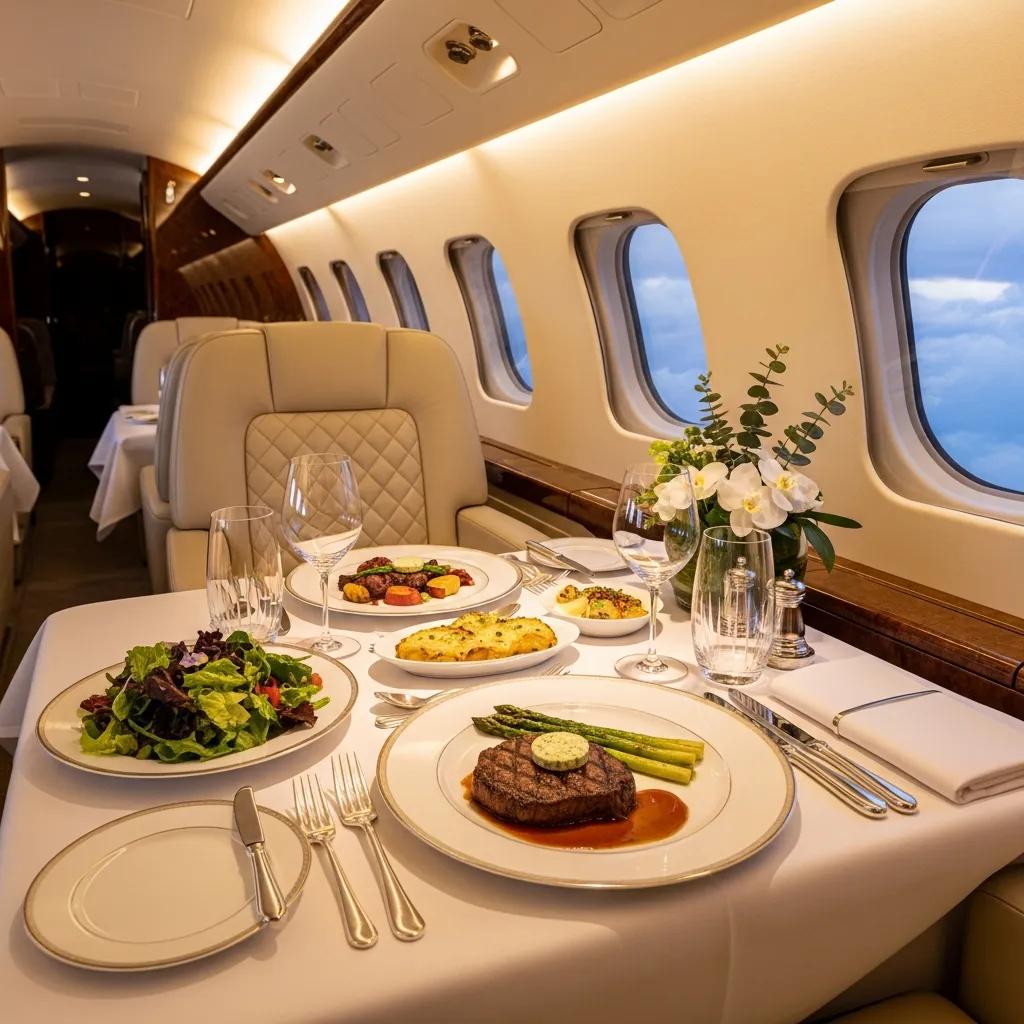
In a private jet, luxury inflight dining is defined by chef-led menus, top-tier ingredients, attentive service and operational adjustments that keep dishes at peak quality despite limited galley resources. The work behind the moment—careful ingredient sourcing, pre-flight temperature management, staging and finishing—ensures texture, aroma and presentation arrive intact. The outcome is a restaurant-grade meal in the air that feels private, considered and aligned with each guest’s preferences. Framing these attributes makes clear why private jet catering resembles fine dining more than typical airline fare, and which operational details operators must master to deliver reliably.
Luxury inflight dining depends on several coordinated elements that preserve quality at altitude:
- Ingredient Grade and Provenance: Premium cuts and traceable seafood chosen for consistent flavor and performance.
- Service Precision: Timing, portion control and plating adapted to flight timelines and cabin layouts.
- Temperature and Packaging Protocols: Rigorous cold chain and gentle finish techniques to maintain texture and safety.
Each element maps to practical decisions in the kitchen and during service—details we unpack next when we examine how a fine‑dining kitchen adapts for flight.
How Does Kaviar Restaurant Elevate Private Jet Catering Services?
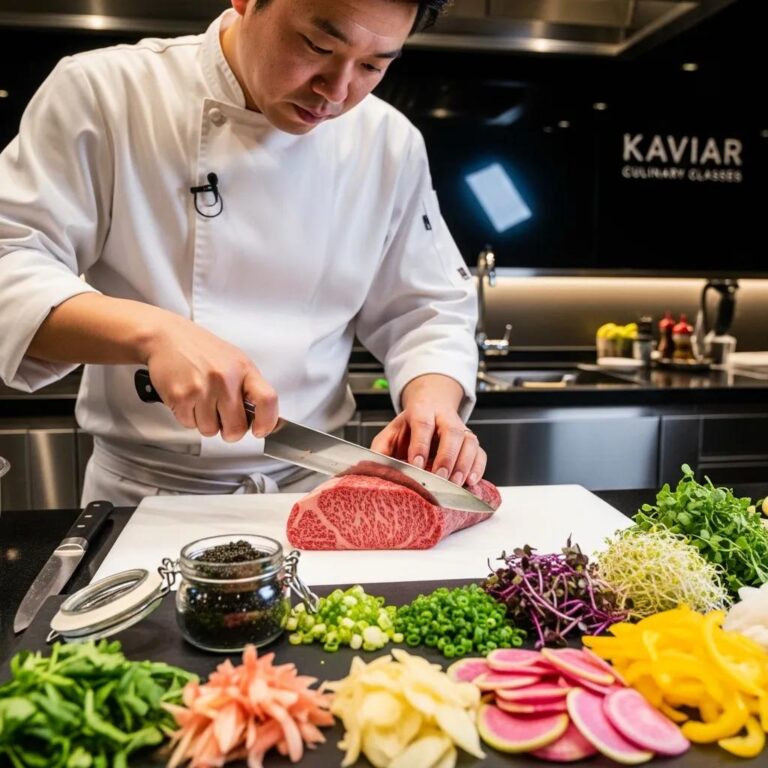
At Kaviar, we translate Japanese fine‑dining principles—omakase sequencing, exacting portioning and ingredient respect—into an aircraft-friendly format without losing signature flavors like A5 Wagyu and caviar. Our chefs condense tasting‑menu logic into compact courses balanced for intensity and reheating tolerance. Operationally, we stage courses in flight‑ready presentation containers, specify gentle finish protocols, and pre‑assemble delicate garnishes to be completed onboard for peak freshness. The result is a personalized culinary narrative in the air that reflects the restaurant’s table experience while honoring aircraft constraints.
What Are the Key Features of Premium Air Travel Dining?
Premium air travel dining is the intersection of ingredient choice, packaging engineering and guest customization—designed to deliver elevated meals inside aircraft limits. The method is deliberate: select concentrated flavors, favor preparations that tolerate gentle finishing, and design plating that endures cabin service. The benefits are preserved flavor, consistent presentation and heightened guest satisfaction. Typical examples include sous‑vide mains finished at low heat, chilled caviar courses kept at strict temperatures, and compact tasting portions that maintain balance. These features inform which signature dishes perform best aloft.
Which Signature Dishes Highlight the Private Jet Gourmet Experience?
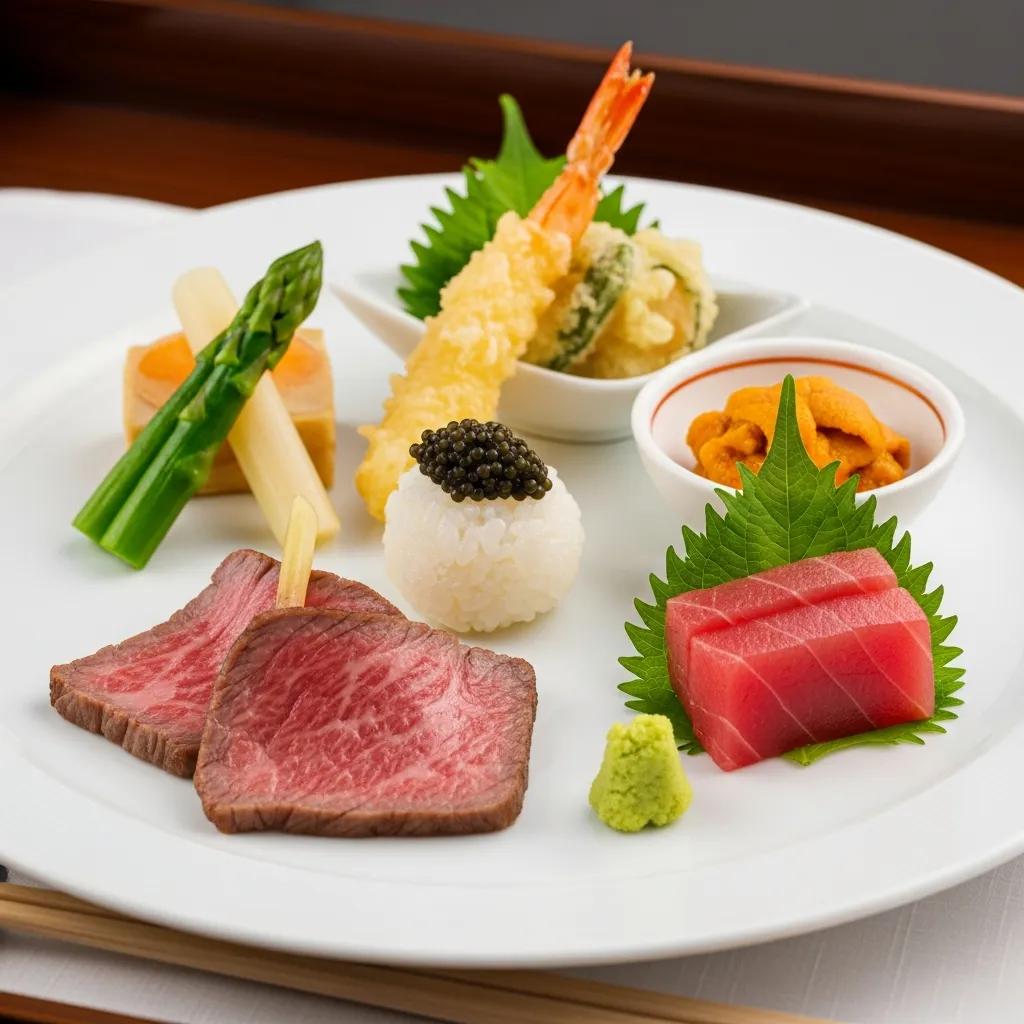
Signature private jet dishes are chosen for their ability to retain sensory impact at altitude while remaining practical to plate and serve in a compact cabin. Selection favors high flavor density, controlled textures and portion sizes suited to quick sequencing—creating a concise, memorable menu engineered for travel. Below are three standout signatures that consistently define the private jet gourmet experience.
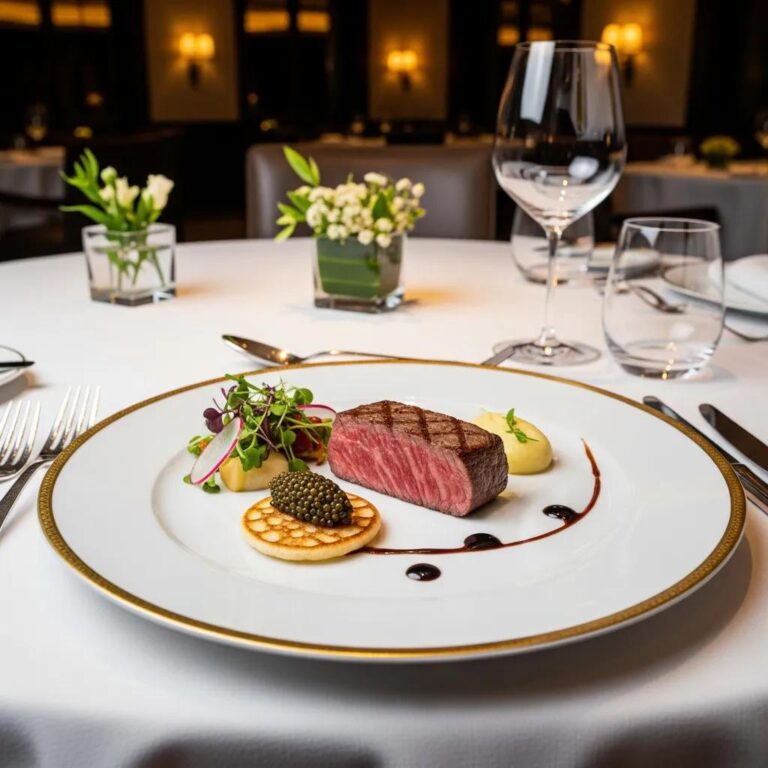
- A5 Wagyu Course: Rich marbling produces concentrated umami and a buttery mouthfeel that reads as luxurious even after gentle reheating.
- Caviar Service: A chilled, focused plate that instantly elevates perception of luxury and pairs well with neutral accompaniments that travel well.
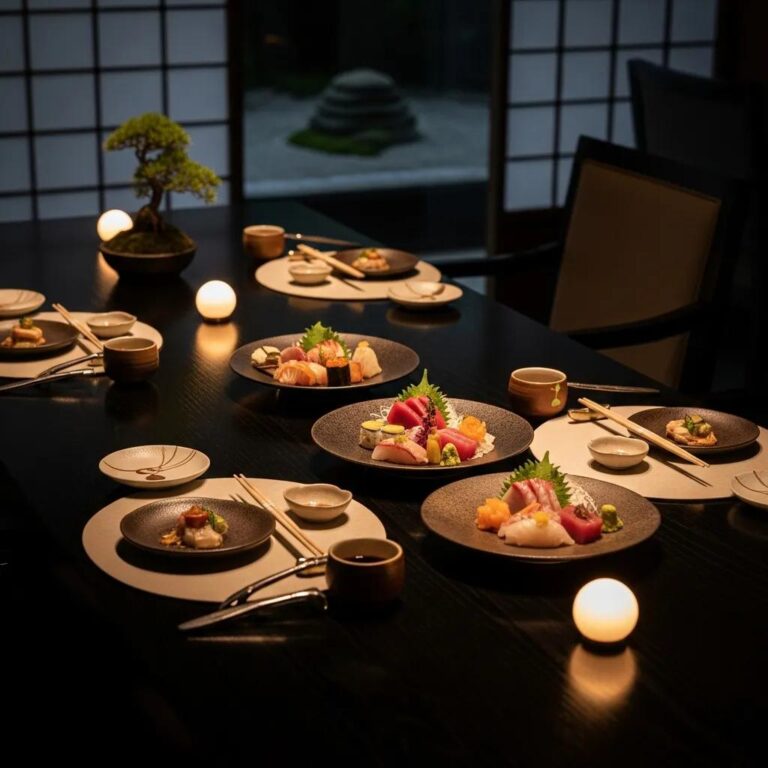
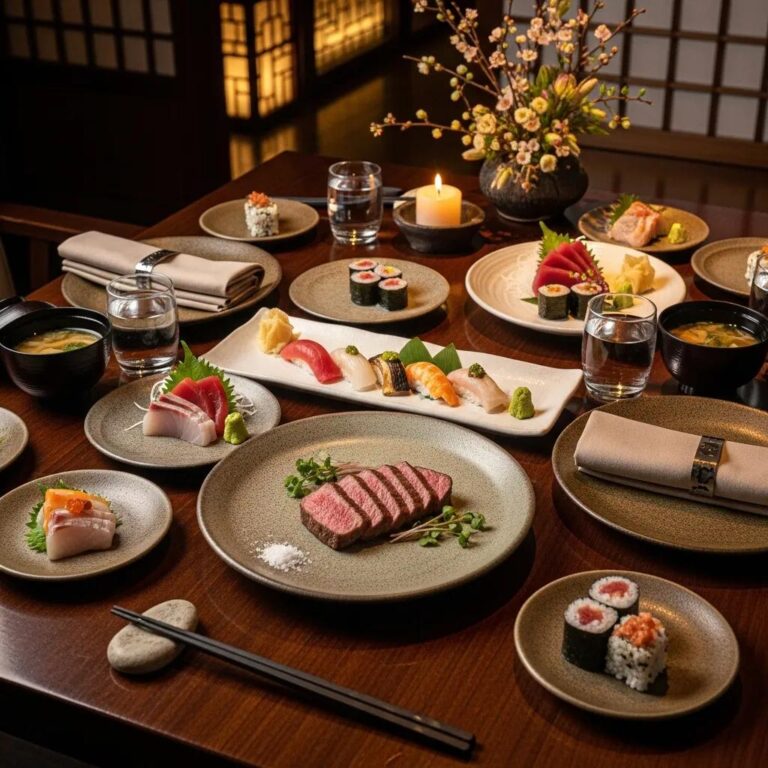
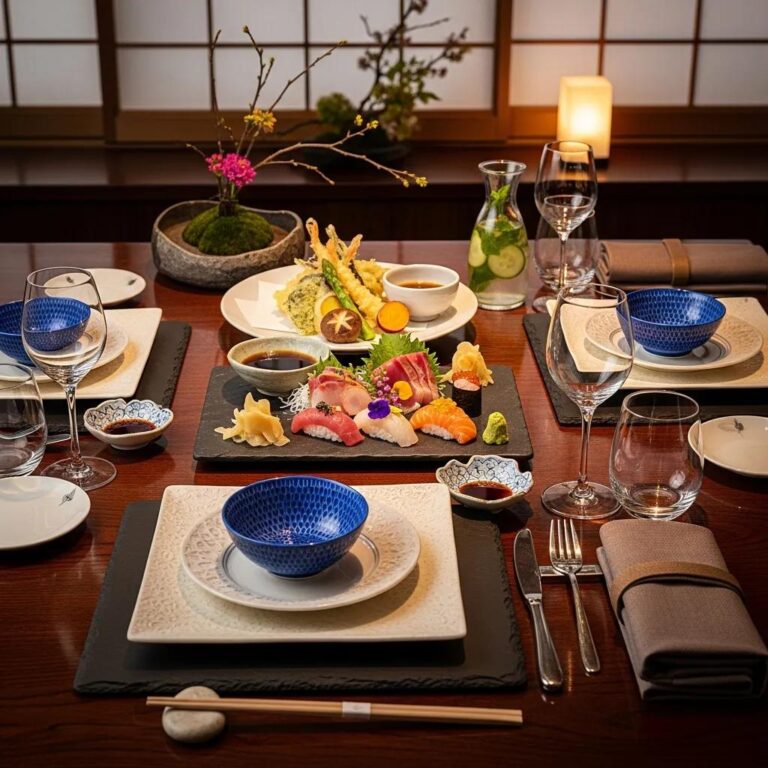
- Condensed Omakase Tasting: Chef‑selected bites preserve narrative sequence while relying on compact, stable preparations to retain flavor.
These selections illustrate how ingredient choices and service design combine to create an inflight tasting worth remembering. The table below clarifies handling and presentation for each dish.
Why Is A5 Wagyu Considered the Pinnacle of Private Jet Dining?
A5 Wagyu’s dense marbling and intramuscular fat deliver sustained umami and a silky mouthfeel that translate well to compact, reheated service. Fat carries flavor as it melts, so even thin portions keep depth across multiple courses. Best practice is to sous‑vide to the target temperature and apply a quick sear just before plating—this preserves tenderness while delivering a defined crust without overcooking. That careful handling explains why A5 Wagyu consistently reads as premium aboard private flights.
How Does Caviar Enhance the Luxury Inflight Meal Offering?
Caviar amplifies the tasting experience with concentrated saline richness and delicate texture that require minimal preparation—ideal where impact and simplicity matter. It provides contrast between richer courses and refreshes the palate. Best practices include strict temperature control, single‑portion servings or tins, and pairing with neutral carriers like lightly toasted bread or chilled crème fraîche. These choices elevate guest perception while keeping onboard handling straightforward.
How Is the Japanese Omakase Experience Adapted for Private Jet Catering?
Omakase for private jets condenses a chef‑led tasting into a streamlined sequence that preserves personalization, narrative and sensory progression while fitting aircraft timelines and space. The approach is selective reduction: keep the chef’s intent and seasonal highlights, compress portions and simplify final touches so quality is guaranteed at service. The result is an intimate, bespoke tasting that feels curated even within a limited service window. Successful adaptation requires pre‑flight guest profiling, careful course pacing and staging that allows the chef to control final temperatures and garnishes.
When tailoring omakase for flight, providers follow specific personalization steps:
- Pre‑flight Consultation: Capture preferences, allergies and the desired intensity of the tasting.
- Menu Condensation: Choose 6–8 high‑impact courses that represent the chef’s narrative.
- Staging & Finish: Pre‑prepare base components; finish delicate elements onboard to preserve freshness.
What Makes Omakase Catering Exclusive and Personalized?
Omakase becomes exclusive through thoughtful consultation, ingredient substitutions and sequence planning that reflect each guest and the chef’s vision. The process is direct chef‑to‑guest curation: profiles guide ingredient swaps, emphasis on particular flavor families, and plating choices that align with flight rhythm. The outcome is a one‑of‑a‑kind dining narrative—substituting a seasonal sashimi for a guest’s preferred fish, adjusting portion tempo to flight duration or including culturally meaningful elements on request—preserving omakase ritual while making it practical for airborne service.
How Does Chef-Curated Tasting Menus Elevate Gourmet Dining at 40,000 Feet?
Chef‑curated tasting menus counter altitude‑driven taste shifts by prioritizing texture, umami concentration and aromatic intensity so each course registers clearly. The approach acknowledges reduced sensitivity to salt and sweet at altitude and compensates with concentrated flavors and pronounced contrasts. The benefit is a balanced progression that sustains engagement without overwhelming the palate. A typical outline might open with a chilled amuse‑bouche, move to a concentrated sashimi course, present a warm umami‑forward main like A5 Wagyu, offer a light palate cleanser, and finish with a restrained dessert—each portioned to preserve appetite and deliver unmistakable flavor statements.
What Are the Premium Ingredients and Quality Assurance in Private Jet Catering?
Premium ingredients and quality assurance rest on provenance, strict cold‑chain logistics and documented handling protocols that reproduce restaurant‑grade safety and freshness in the aircraft environment. The principle is traceability plus control: know the source of A5 Wagyu or caviar, maintain correct storage conditions and audit each handling step to ensure consistent results. The benefit is reliability—guests can expect repeatable texture and flavor every service. The table below summarizes sourcing, grade, handling controls and recommended onboard life for common premium items used in private jet menus.
How Are Ingredients Like A5 Wagyu and Caviar Sourced for Inflight Dining?
Sourcing emphasizes long‑standing supplier relationships, documented provenance and selection criteria that prioritize flavor intensity and consistency. We work with vetted suppliers who provide grade certificates and traceability data so menu choices and yields are predictable. The benefit for guests is confidence that each portion meets the restaurant’s standards. Practically, procurement coordinates production runs and transit windows to align with departure, allowing time for staging and final quality checks before service.
What Quality Standards Ensure Exceptional Gourmet Meals on Private Jets?
Quality standards combine HACCP principles, validated cold‑chain monitoring and onboard plating hygiene to protect safety and culinary intent. The system is layered verification: temperature logs during transport, documented handoffs at staging and final onboard checks before service. The result is reduced spoilage risk and consistent culinary outcomes. A practical checklist includes validated cooling procedures, single‑use portion controls for high‑risk items and third‑party audits or internal QA signoffs—practices that reassure guests and enable dependable service when planning reservations.
How Can You Reserve and Book a Luxury Private Jet Catering Experience?
Booking a private jet catering experience requires clear lead times, a client consultation to define menu and service preferences, and coordination with flight logistics to confirm delivery and onboard setup. The booking flow is integrated: inquiry, consultation, menu finalization and operational confirmation so client, caterer and flight crew are aligned. The result is a seamless experience where culinary expectations match operational reality. The table below compares common reservation packages to help planners choose the right level of service for their flight.
What Is the Step-by-Step Reservation Process at Kaviar Restaurant?
Our reservation process captures preferences and coordinates delivery with flight operations to deliver a tailored private jet gourmet experience. We begin with an inquiry capturing flight time, passenger count and dietary notes; a follow‑up consultation allows the chef to propose a condensed tasting or signature selections. Once the client confirms the menu and any beverage pairings, logistics are locked—pickup timing, cold‑chain handoff and onboard setup. This stepwise workflow minimizes last‑minute risk and ensures the culinary plan aligns with aircraft constraints.
How Does Seamless Booking Enhance the Gourmet Dining Experience?
Seamless booking removes friction—unclear timelines, sourcing gaps or misaligned expectations—so the culinary team can execute precisely. The mechanism is clear coordination: a dedicated contact, confirmed timelines and documented requirements let the chef source seasonal items and stage courses confidently. The benefit is reliable delivery of the promised dining narrative, including careful preservation of delicate items like A5 Wagyu and caviar. Efficient booking lets clients focus on their guests, supporting higher satisfaction and repeat arrangements.
What Do Clients Say About Their Gourmet Dining Experience at 40,000 Feet?
Clients repeatedly highlight taste fidelity, service precision and the exclusivity of a chef‑curated menu as primary reasons to choose private jet gourmet catering. Positive feedback stems from pairing high‑impact ingredients with predictable service to reproduce a restaurant‑level meal in a private setting. The benefit for new clients is reduced perceived risk: strong social proof reassures buyers that the experience will match expectations. Recurring testimonial themes emphasize clear flavors, timely service and personal attention—insights we summarize into concise vignettes that illustrate value.
- Taste Fidelity: Guests note concentrated flavors—like A5 Wagyu—retain their character, making the meal memorable.
- Service Precision: Coordinated timing and plating minimize disruption and preserve the flight’s flow.
- Exclusive Personalization: Omakase sequences and bespoke substitutions create a private, curated experience.
These patterns explain why social proof matters and how testimonials help prospective clients decide.
Which Testimonials Highlight the Excellence of Kaviar’s Private Jet Catering?
Representative feedback often praises the execution of signature elements—A5 Wagyu, caviar presentations and condensed omakase sequences—as well as reliable delivery under tight timelines. Such outcome‑focused testimonials build credibility: they signal operational competence and culinary excellence to prospective buyers. The result is less booking friction for high‑value services—clients infer quality and consistency from peer experiences, with testimonials typically highlighting flavor concentration, timing and bespoke touches.
How Does Social Proof Influence Choosing Luxury Inflight Meals?
Social proof reduces uncertainty and validates premium pricing through documented accounts of taste, service and exclusivity. Positive case vignettes and succinct client quotes lower cognitive risk for buyers considering a high‑stakes purchase. The practical effect is higher conversion when providers present clear visuals or short quotes emphasizing reliability and sensory outcome. For planners, integrating social proof into booking materials helps prospects visualize the experience and feel confident committing to bespoke private jet catering.
- Clear sensory outcomes: Testimonials describe specific dishes and sensations experienced.
- Operational reliability: Clients note punctual delivery and minimal disruption.
- Personalization evidence: Stories highlight bespoke substitutions and guest‑focused sequencing.
These takeaways explain why social proof is a powerful lever when selecting private jet catering and guide providers toward stronger conversion strategies.
Frequently Asked Questions
What types of dietary restrictions can be accommodated in private jet gourmet catering?
We accommodate a broad range of dietary needs—vegetarian, vegan, gluten‑free and allergen‑specific requests among them. A pre‑flight consultation captures restrictions and preferences so chefs can design menus that are safe, balanced and flavorful. Personalization is a cornerstone of luxury inflight dining: every meal is adapted to the guest’s requirements without compromising culinary intent.
How do private jet catering services ensure food safety during transport?
Food safety is enforced through HACCP principles and validated cold‑chain logistics: continuous temperature monitoring, vacuum‑sealed packaging and sourcing from reputable suppliers. Thorough documentation of handling protocols and handoffs ensures food remains safe and fresh until service. These controls allow us to deliver restaurant‑grade meals with confidence, even at altitude.
Can clients request specific cuisines for their inflight dining experience?
Absolutely. Clients may request any cuisine—Italian, French, Japanese or regional specialties—and we adapt dishes so they perform well in the aircraft environment. Our chefs design menus that honor the desired culinary tradition while addressing the unique constraints of inflight service.
What is the typical lead time for booking private jet catering services?
Lead time depends on customization. Bespoke omakase typically requires 7–14 days, signature gourmet options 3–7 days, and light luxury packages can be arranged within 48–72 hours. Planning ahead ensures full access to seasonal ingredients and the highest level of customization.
How do chefs adapt gourmet meals for the unique environment of a private jet?
Chefs account for altitude, space limits and transport by selecting high‑flavor ingredients, favoring reheating‑tolerant preparations and designing resilient plating. Techniques such as sous‑vide staging and careful course staging let dishes retain intended texture and flavor. The result is a fine‑dining experience that feels exclusive and personal, even in a compact cabin.
What are the benefits of using a dedicated catering service for private jets?
Dedicated caterers provide premium ingredients, tailored menus and culinary execution tuned to inflight realities. They maintain supplier relationships that secure rare or certified items and manage logistics so meals arrive ready to serve. That expertise delivers a seamless, memorable journey for passengers and removes operational burden from planners.
Conclusion
Private jet gourmet catering turns travel into an elevated culinary moment—bespoke menus, premium ingredients and careful service come together to redefine dining at altitude. By emphasizing flavor integrity, refined presentation and personalized attention, travelers enjoy restaurant‑quality meals tailored to their tastes. Explore our exclusive catering options and let our chef‑curated menus transform your next journey into a memorable dining experience in the sky.