




Antioxidant‑Forward Omakase: Luxury Japanese Fine Dining & Signature Tastings in Pasadena
The marriage of antioxidant-rich ingredients and refined Japanese technique creates an omakase that feels both indulgent and intentional. Below, we describe how chefs layer superfoods into tasting sequences, how prized proteins like A5 Wagyu and caviar are paired with antioxidant accents, and what culinary — as well as experiential — benefits diners can expect. You’ll find an overview of signature menus that highlight antioxidant elements, our sourcing and provenance approach, and practical steps for reserving an exclusive tasting in Pasadena. Many guests want fine dining that tastes decadent yet thoughtful; antioxidant-forward dishes answer that request by combining classic umami-driven technique with contemporary, nutrient-dense ingredients. The sections that follow map the guest journey through a luxury omakase, spotlight representative menu items, summarize evidence-based benefits, and explain provenance and reservation guidance for planning an elevated meal.
What defines the Japanese fine dining experience at Kaviar Restaurant in Pasadena?
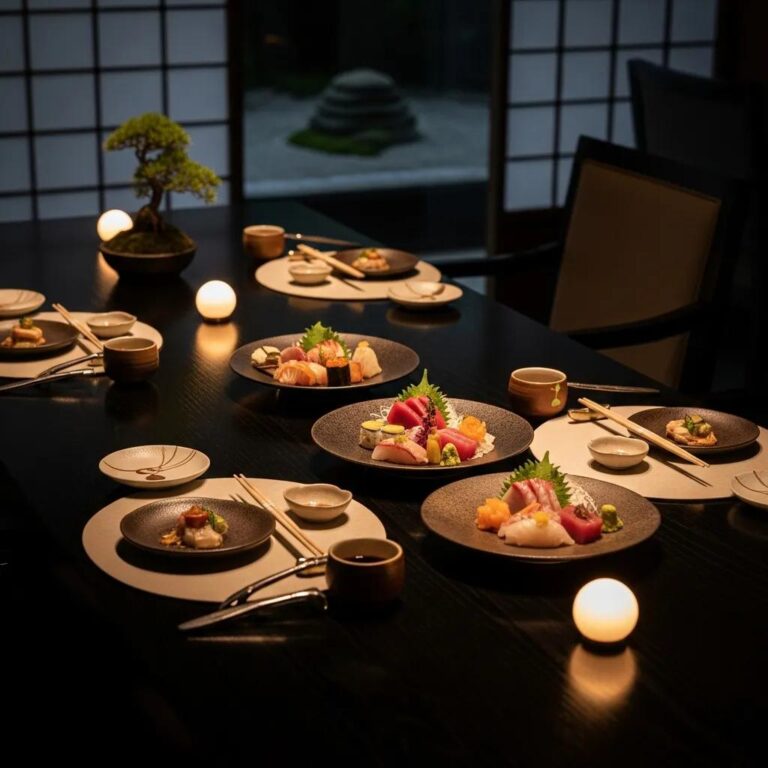
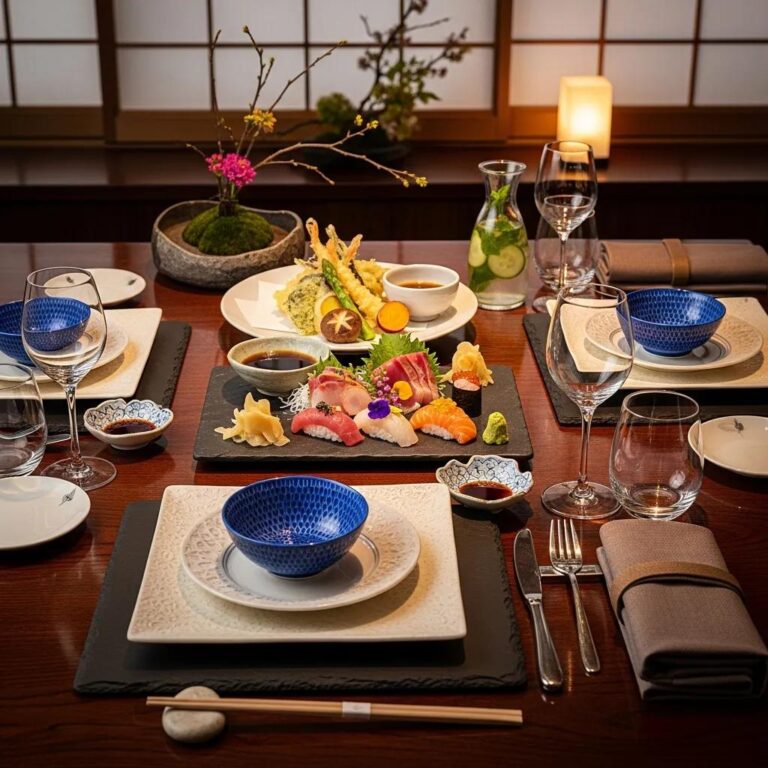
Japanese fine dining at Kaviar is built on seasonality, exacting technique, and a course sequence that moves the palate from delicate to intense. At its heart, omakase is chef-led: the chef composes each plate based on ingredient quality and guest preferences, with attention to provenance, plating and pairings that emphasize texture and umami. That framework creates an intimate, theatrical progression where small, nutrient-dense elements — seaweed gels, fermented condiments, concentrated reductions — contribute antioxidant value without upsetting balance. Guests encounter attentive service, considerate timing, and presentations that honor both origin and restraint. These principles explain how antioxidant-rich components are woven into a refined tasting menu without compromising tradition or sensory harmony.
Kaviar positions itself within this tradition by pairing precise Japanese technique with curated ingredient stories, and by inviting guests to reserve an omakase tasting through our reservation page.
How does Kaviar blend traditional omakase with antioxidant-rich superfoods?
We introduce antioxidant-rich ingredients as accents, finishes, or concentrated components that amplify flavor while adding polyphenols and other beneficial compounds. A seaweed-infused dashi reduction, for example, concentrates iodine, polyphenols and savory glutamates to boost both umami and antioxidant density; small fermented pickles add lactic-acid complexity and fermentation-derived metabolites. Light smoking, careful charring and citrus emulsions preserve delicate nutrients while enriching aroma, so the superfood elements complement rather than overpower the omakase arc — clean starters, sensorial mid-courses and a substantial protein finale — while subtly increasing perceived wellness.
The next section explains why Pasadena’s dining scene supports this elevated approach.
What makes Pasadena a destination for luxury Japanese cuisine?
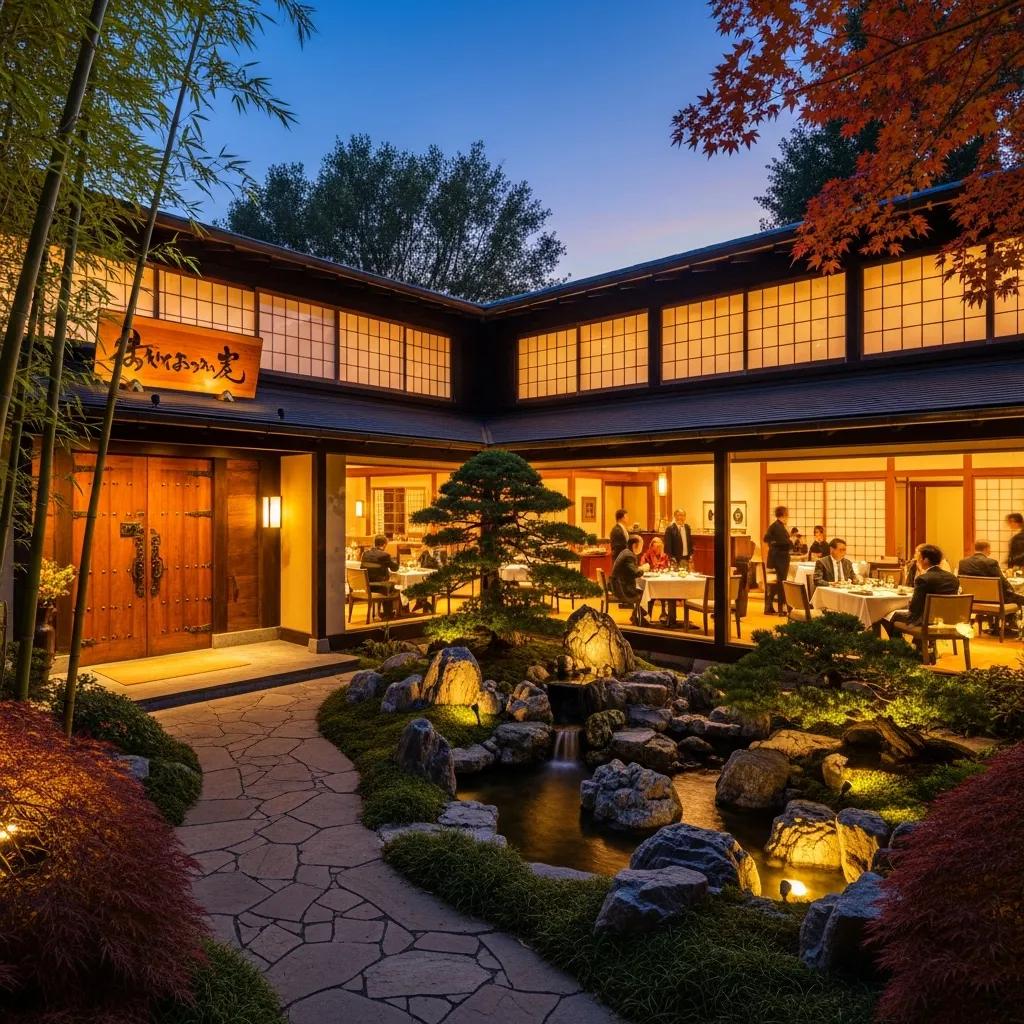
Pasadena’s dining landscape favors curated, reservation-only experiences and an audience eager for ingredient-driven storytelling. Local diners appreciate narratives that connect harvest and provenance to the plate, which creates opportunity for multi-course chef’s tastings and seasonal menus. Proximity to cultural and event centers encourages culinary experimentation, enabling chefs to present premium proteins and rarities to guests who value detail and timing. These local traits make Pasadena a natural home for omakase concepts that emphasize both technique and ingredient provenance, and they set expectations for lead time and selective seating.
Which signature omakase menus feature antioxidant-rich superfoods at Kaviar?
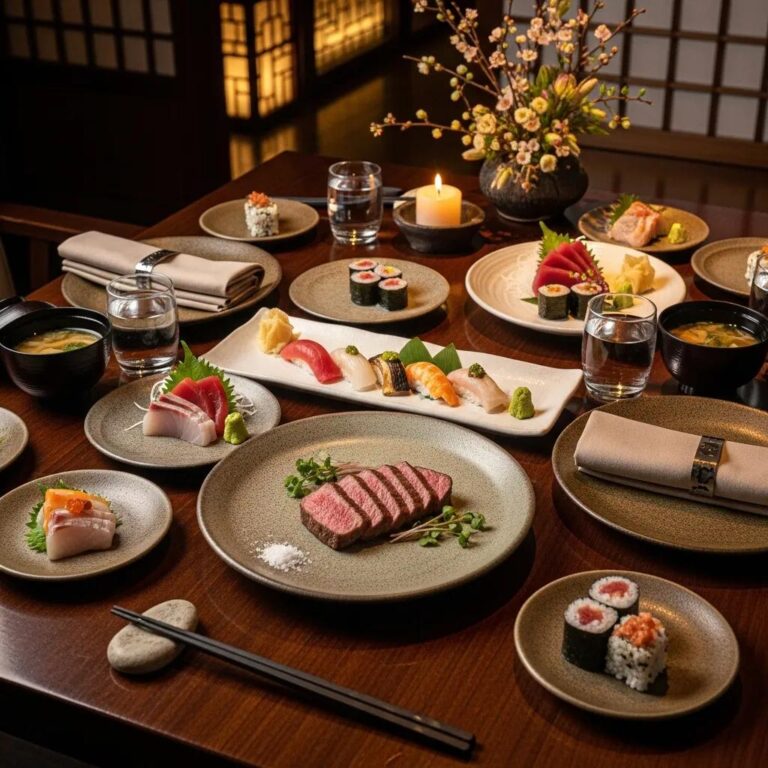
Our signature tastings introduce antioxidant elements progressively: delicate seaweed and fermented garnishes early, citrus- and tea-based reductions mid-sequence, and concentrated superfood accents paired with premium proteins toward the finale. Each menu prioritizes balance — texture, temperature and umami scaffolding — so antioxidant components enhance without masking main ingredients. Typical pairings include matcha or sencha finishing sauces for seafood, pickled root vegetables as palate cleansers, and microgreens or shiso alongside A5 Wagyu or caviar to add bright antioxidant lift. The list below summarizes common menu frameworks so guests can choose the tasting that best suits their preferences.
- Seasonal signature menus that incorporate antioxidant-forward garnishes and finishing sauces.
- Dedicated vegetable courses showcasing fermented or seaweed-forward preparations.
- Premium protein courses tempered by concentrated antioxidant accompaniments — citrus gels, tea reductions or microgreen mists.
This overview shows how antioxidant ingredients become structural elements in an omakase sequence and helps guests identify menus that prioritize these components. For guests wanting a specific tasting, our reservation page lists available options and details.
Intro to signature menu comparisons and tasting notes:
This quick reference helps diners scan how antioxidant components appear across signature items and the sensory roles they play. The next section details the specific antioxidant ingredients and their culinary profiles.
What are the key antioxidant ingredients in Kaviar’s omakase dishes?
Key ingredients include seaweeds (kelp, kombu, nori), green‑tea reductions (matcha, sencha), fermented vegetables, seasonal berry reductions and citrus like yuzu. Each contributes distinct compounds: seaweeds offer polyphenols and sulfated polysaccharides, green tea supplies catechins such as EGCG, and fermented vegetables deliver microbial metabolites and preserved phytonutrients. Chefs use small portions — condiments, gels and mists — to concentrate antioxidant effect while preserving texture and umami, allowing each course to add to a cumulative culinary and nutritive experience. That understanding leads into how luxury proteins are paired with these elements to maximize flavor and perceived wellness.
Mini EAV mapping of antioxidant compound to ingredient and culinary effect:
This mapping highlights deliberate choices chefs make when aligning antioxidant chemistry with culinary function; the next section examines the role of A5 Wagyu and caviar in that ecosystem.
How do premium A5 Wagyu beef and caviar enhance the gourmet antioxidant profile?
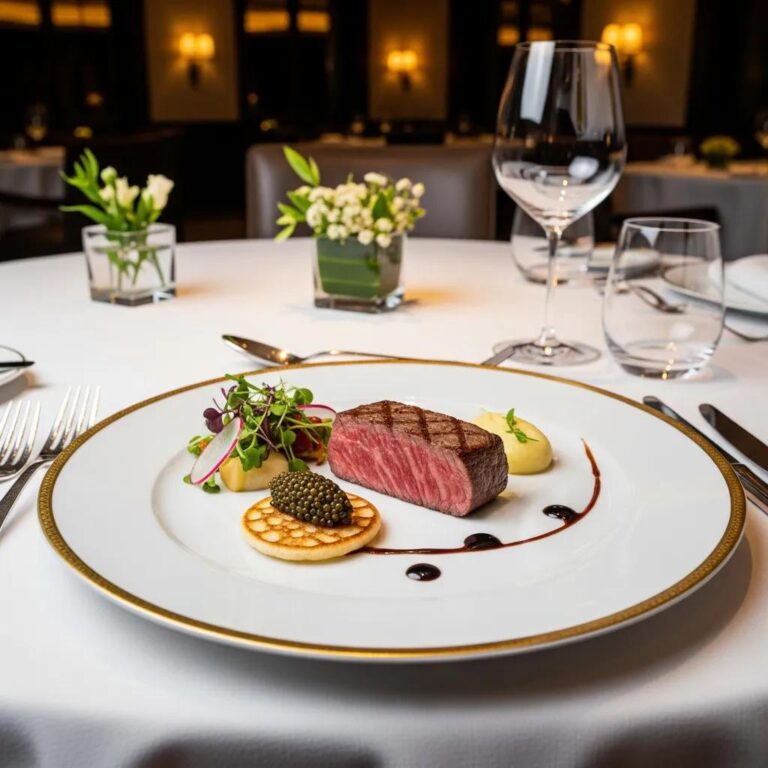
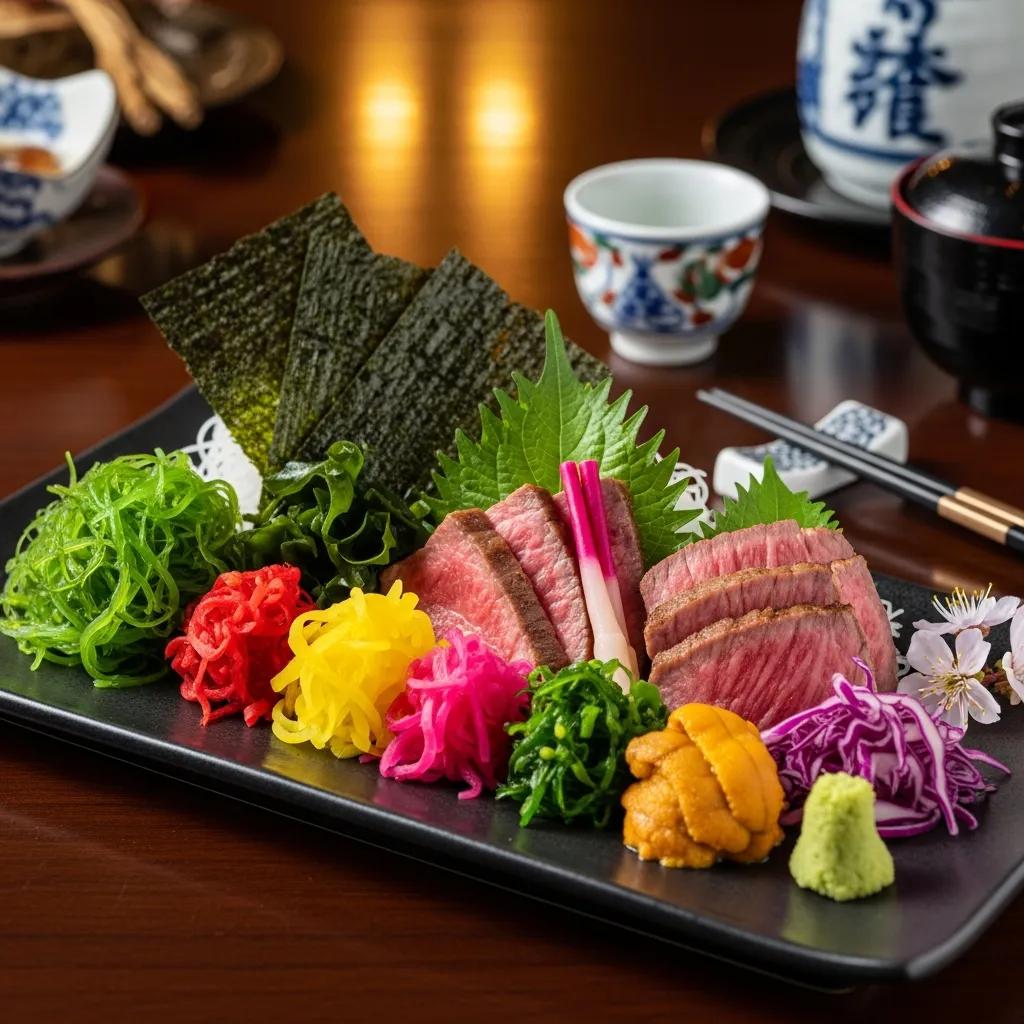
Proteins like A5 Wagyu and luxury caviar serve as focal points, often paired with antioxidant garnishes that temper richness and add aromatic contrast. A5 Wagyu’s marbling acts as a carrier for fat‑soluble flavors that marry well with citrus oils, seaweed gels or herb mists, enhancing mouthfeel and delivering fat‑soluble antioxidant compounds. Caviar, used sparingly as a finishing touch, adds briny pop and pairs naturally with polyphenol‑rich accents like shiso or yuzu kosho to balance salinity and introduce antioxidant interest. These pairings are planned so the antioxidant elements elevate the protein and ensure the tasting’s indulgent finale feels balanced and thoughtful.
What health benefits do antioxidant-rich gourmet dishes provide?
Antioxidants neutralize reactive oxygen species and help protect cells from oxidative stress. In a dining context, antioxidant-rich ingredients contribute both flavor and bioactive phytochemicals. Research through 2023 shows dietary polyphenols and catechins can support cellular protection, influence inflammation markers and improve subjective recovery and wellbeing when part of a balanced diet. In fine dining, concentrated antioxidant elements — fermented vegetables, green‑tea reductions, seaweed concentrates — can enhance satiety and deliver bioactive compounds in highly palatable formats that encourage intake of nutrient‑dense ingredients. While these culinary benefits are not medical claims, studies support regular phytonutrient intake as part of overall dietary quality and metabolic resilience. Below are practical benefits diners may notice from antioxidant-forward tasting menus.
- Cellular Protection: Polyphenol-rich sauces and reductions supply compounds linked in dietary studies to reduced oxidative markers.
- Anti‑inflammatory Support: Fermented and tea‑based elements are associated with modulation of inflammation pathways.
- Improved Satiety and Digestion: Umami-rich broths and fermented sides often enhance fullness and digestive comfort.
- Sensory‑Driven Nutrient Intake: Fine dining can increase consumption of nutrient‑dense ingredients through appealing presentation.
These benefits inform culinary strategies chefs employ; the next table maps antioxidant compounds to ingredients and effects on plate and palate.
Intro to the EAV table mapping compounds to culinary ingredients and effects:
This table clarifies which ingredients supply particular antioxidant compounds and how they perform on the plate; next, we translate those mechanisms into practical menu design choices.
How do antioxidants in superfoods support wellness in fine dining?
Chefs use antioxidant-rich components to refine flavor trajectories and deliver concentrated nutritional value in small, memorable portions. A green‑tea glaze on seared fish, for example, adds catechins and a crisp vegetal note that cuts through richness; a small fermented garnish introduces acidity and microbial metabolites that refresh the palate between fatty courses. Tea pairings alongside a tasting can concentrate antioxidant intake while complementing the menu’s aromatics and temperature contrasts. By treating antioxidant foods as strategic accents rather than bulk ingredients, fine dining enhances savoring and balance so the meal feels both indulgent and restorative.
Which antioxidant-rich ingredients are commonly used in Japanese gourmet cuisine?
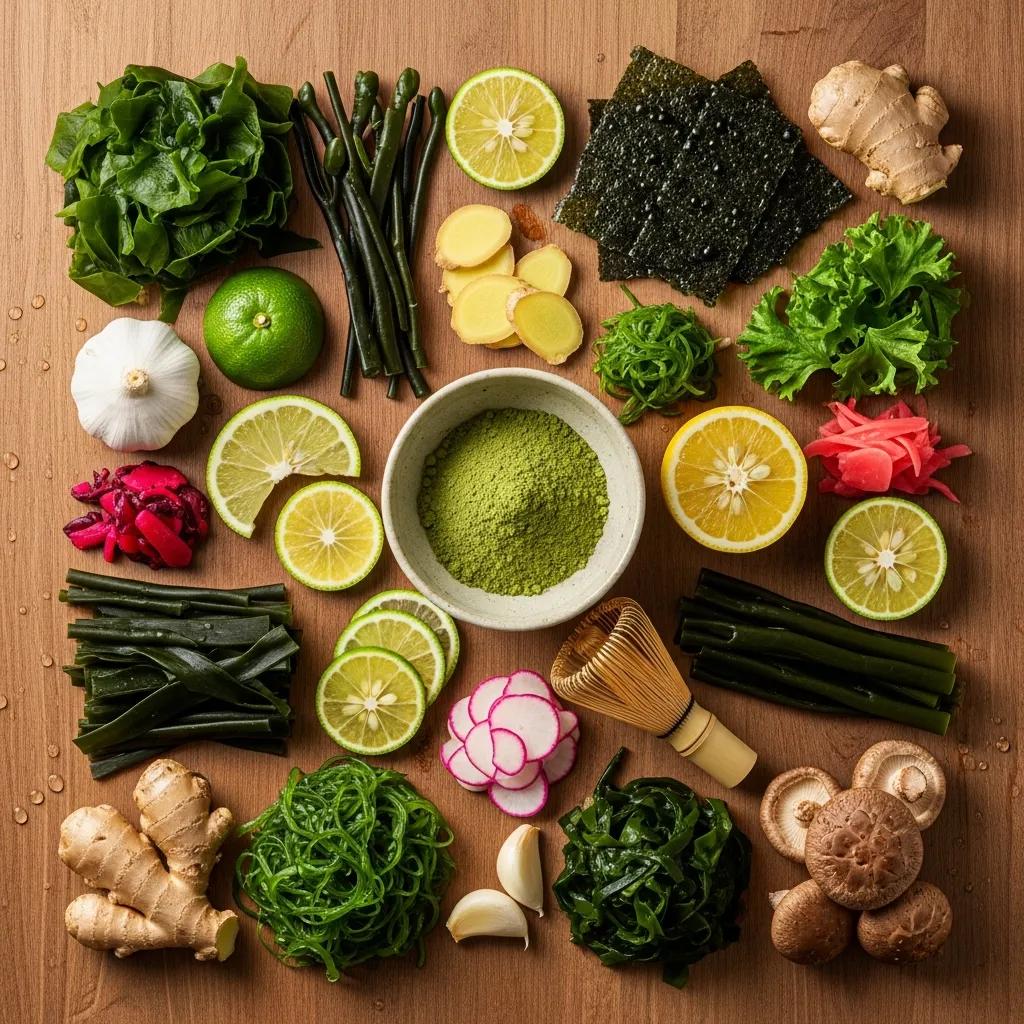
Japanese cuisine offers a rich toolkit of antioxidant ingredients: matcha and green teas, seaweeds (kombu, wakame, nori), fermented soy products (miso, natto), citrus like yuzu, shiso and seasonal berry reductions. Each has a culinary role — matcha for finishing sauces, kombu for dashi, miso for umami depth, yuzu for bright acidity — and an antioxidant profile ranging from catechins to diverse polyphenols. Chefs trained in Japanese technique prioritize minimalism and timing so these elements retain clarity and nutritional integrity. Knowing these roles helps guests choose menus and appreciate how traditional components serve contemporary, wellness-minded cooking.
How does Kaviar source and showcase premium ingredients like A5 Wagyu and luxury caviar?
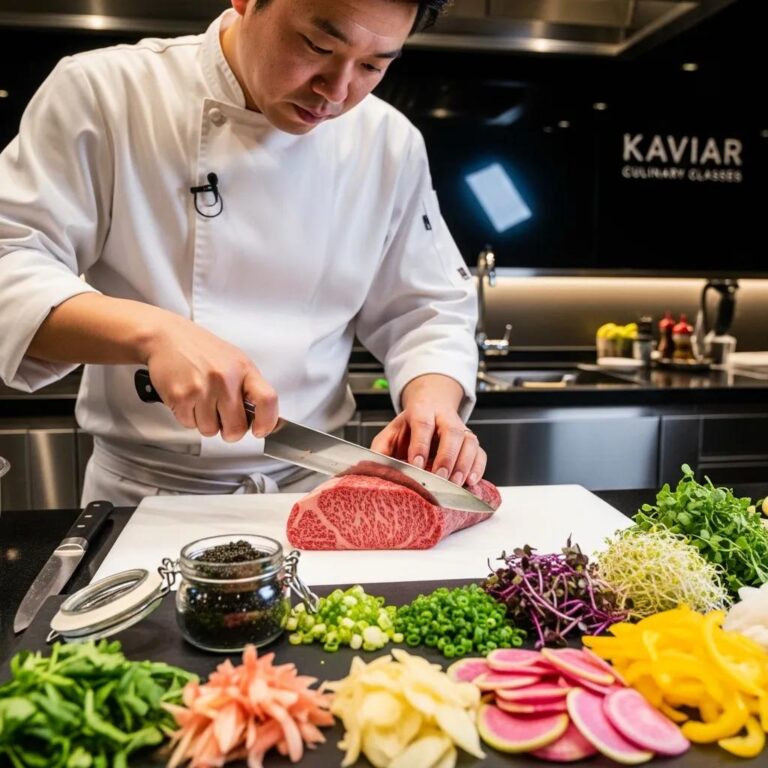
We frame sourcing around traceability, grade transparency and careful handling to preserve quality from arrival to service. For A5 Wagyu, menu copy highlights grade designation, marbling profile and any aging or handling notes that affect texture and flavor; for caviar, focus is on sustainable harvest methods, grade and measured portioning for service. In the dining room, presentation — visible slicing, tabletop finishing or precise caviar spoons — reinforces provenance and communicates value. These sourcing and presentation practices also support structured data readiness by documenting grade and ingredient provenance in menu language, building trust and discoverability for guests who prioritize transparency. After outlining provenance, we invite reservation inquiries for curated tastings that showcase these premium elements.
Intro to provenance EAV table showing supply attributes and handling:
This table shows the provenance details diners should expect and how those attributes translate into in‑restaurant handling; the next section explains how we communicate provenance without naming proprietary suppliers.
What is the provenance and quality assurance behind Kaviar’s A5 Wagyu beef?
Our provenance messaging emphasizes grade descriptors, marbling and handling rather than specific supplier names, so we remain transparent without revealing proprietary relationships. Expect menu copy to state grade (A5), describe marbling and texture and note any aging or slicing techniques that affect tenderness and mouthfeel. Quality assurance is reinforced by kitchen practices — controlled aging, refrigerated transport and strict portioning — that preserve integrity from receipt to plate. Presenting these attributes in menu language and structured data helps guests make informed choices and improves visibility for premium offerings.
How is luxury caviar integrated into antioxidant-rich gourmet dishes?
Caviar functions as a finishing element — small pearls that punctuate a bite and add briny texture — allowing antioxidant garnishes to balance richness. Typical pairings include caviar atop a seaweed gel to unite saline and marine polyphenols, or a few pearls with citrus foam and microherbs for brightness and antioxidant lift. Portion control and plating etiquette preserve the caviar’s luxury effect while letting complementary antioxidant ingredients shape the overall flavor. These pairings ensure caviar supports the superfood elements and maintains the omakase sequence’s intended crescendo.
How can guests reserve an exclusive antioxidant-rich dining experience at Kaviar?
Booking an omakase tasting typically requires selecting a tasting menu, providing guest count and date preferences, and noting dietary considerations; confirmations, deposits and cancellation policies are handled through our reservation flow. For antioxidant-focused experiences, guests can indicate menu preferences or dietary notes at booking so the chef can adapt sequencing or accent ingredients as appropriate. Advance booking is recommended for multi-course omakase to reserve preferred seating and to give the kitchen time to source seasonal ingredients used in antioxidant-focused preparations. Our reservation page lists available tastings and serves as the primary booking channel for these curated experiences.
Step-by-step booking instructions:
- Select a Tasting: Choose the desired omakase or tasting menu on the reservation page and confirm guest count.
- Provide Details: Enter date, time preference and any dietary restrictions or requests (allergies, celebratory notes).
- Confirm Reservation: Review confirmation, deposit and modification policies; keep your confirmation for arrival.
This checklist helps prospective diners prepare for booking; the next section outlines what to expect during the reservation process.
What is the process to book Kaviar’s luxury omakase menus in Pasadena?
Our booking flow asks you to select a tasting or number of seats, provide contact details and note dietary restrictions or special requests; some reservations prompt for celebratory occasions or experience preferences. After submission you’ll receive a confirmation and, depending on the menu, may be asked to review policies or provide a deposit. We ask guests to communicate allergies or strong preferences in advance so the kitchen can plan substitutions. For antioxidant-focused menus, indicating interest in specific superfood elements or tea pairings at booking helps the chef tailor the sequence. Preparing this information in advance smooths arrival and ensures the tasting reflects your tastes and needs.
Are there special offers or events highlighting antioxidant gourmet dishes?
Seasonal tasting menus and chef’s‑table events are the channels we use to showcase antioxidant-forward dishes; these are typically limited runs tied to seasonality and ingredient availability rather than ongoing promotions. To announce occasional events responsibly, we maintain an events or news page and encourage newsletter sign‑ups or reservation‑list inquiries so interested diners are notified when chef‑curated tastings are scheduled. If you’re planning a visit, check our menu and events listings and inquire through the reservation channel about upcoming chef’s tables or special menus that spotlight antioxidant ingredients. This approach provides transparency and helps guests access limited‑seat experiences when they’re offered.
- Look for updates on the restaurant’s menu and reservation pages and any event or newsletter channels.
- Sign‑up or inquiry mechanisms let guests receive notices about seasonal or limited chef’s tables.
- Contacting the reservation channel is the recommended way to request information about private events or special tastings.
This guidance helps diners follow up on special offerings while avoiding assumptions about current promotions.
Frequently Asked Questions
What types of dietary restrictions can be accommodated at Kaviar?
We strive to provide an inclusive dining experience and can accommodate a range of dietary restrictions. Please tell us about allergies, intolerances or specific preferences when you make your reservation. Our chefs can adapt the omakase to exclude certain ingredients or modify courses to ensure a safe and enjoyable meal. Whether you are vegetarian, vegan, gluten‑free or have other needs, we’ll work to create a memorable tasting that meets your requirements.
How often do the omakase menus change at Kaviar?
Our omakase menus change regularly to reflect seasonality and the freshest available ingredients. This commitment to seasonality keeps each tasting unique and allows us to highlight the very best produce, seafood and proteins throughout the year. Frequent diners can expect to encounter new dishes and evolving pairings each visit.
Can guests request specific antioxidant-rich ingredients for their omakase experience?
While omakase is primarily chef-driven, guests are welcome to express preferences for specific antioxidant-rich ingredients at the time of booking. Our chefs are open to incorporating elements such as matcha, seaweed or fermented vegetables when availability and seasonality allow. Please communicate requests in advance so the kitchen can prepare a tailored tasting aligned with your preferences.
What is the typical duration of an omakase dining experience at Kaviar?
An omakase at Kaviar typically lasts two to three hours, depending on the chosen menu and number of courses. This pace allows guests to savor each dish and enjoy the progression of flavors and textures that define the omakase format. We carefully time service so each course arrives at its peak — we invite guests to relax and enjoy the full culinary journey.
Are there wine or beverage pairings available with the omakase menus?
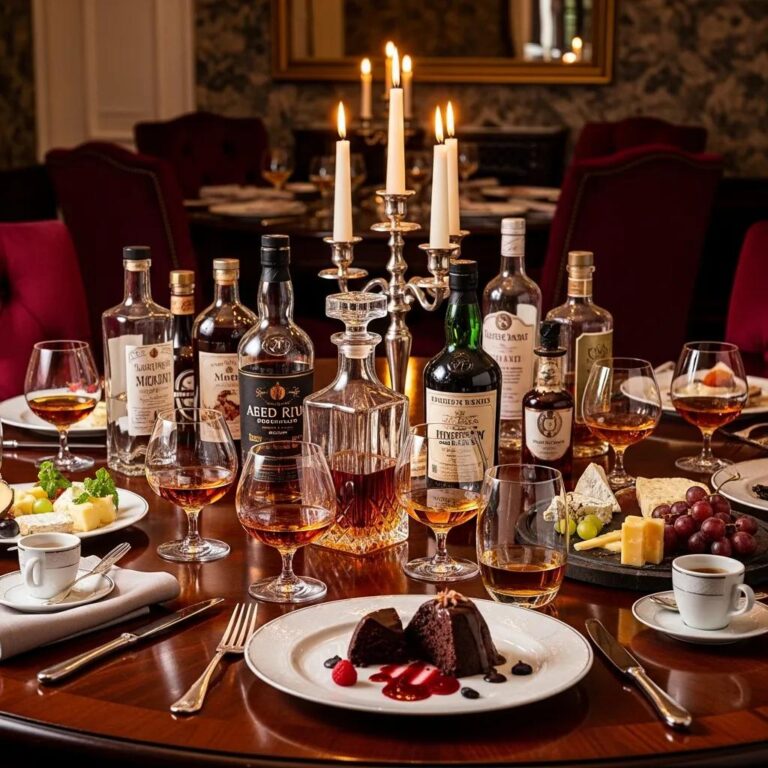
Yes. We offer curated beverage pairings to complement the omakase, including sake, Japanese whisky and select wines. Pairings are chosen to enhance each course; ask about recommendations when you book or during your meal. Our team can guide you to selections that best elevate the tasting experience.
Is it necessary to make a reservation for dining at Kaviar?
Yes — reservations are highly recommended, especially for the omakase. Given the exclusive nature of our tastings and limited seating, booking ahead secures your preferred time and menu. Reservations are made through our website, where you can select date, time and menu options. Advance booking is particularly important for special occasions or larger parties to ensure availability and a tailored experience.
Conclusion
Choosing antioxidant-rich dishes at Kaviar elevates both taste and intention. Each omakase is crafted to balance time-honored Japanese technique with contemporary superfood elements, delivering a memorable, thoughtful meal. Reserve your exclusive tasting today to experience how flavor, provenance and mindful ingredient choices come together in an unforgettable culinary journey. Visit our reservation page to secure your seat.