





Gourmet Healthy Dining: Enjoying Gourmet Cuisine Guilt-Free at Luxury Wellness Restaurants in Pasadena
Healthy fine dining combines memorable flavor with mindful nutrition by focusing on ingredient provenance, measured portions, and cooking methods that protect nutrients while enhancing taste. This piece explains how luxury Japanese omakase and thoughtfully composed tasting menus make indulgence feel effortless and guilt-free through smart sequencing, nutrient-dense ingredients, and portion control. You’ll learn what healthy fine dining looks like, which premium ingredients can be both decadent and nourishing, how omakase adapts for wellness-minded guests, current wellness dining trends in Pasadena, how to reserve a wellness-forward experience at Kaviar Restaurant, and what diners say about balance and satisfaction. The guidance blends culinary reasoning, practical pairing and portion suggestions, and clear steps for booking and communicating dietary preferences, with practical examples—like A5 Wagyu and caviar—so you can enjoy luxurious meals that support wellbeing without sacrificing taste.
What Defines Healthy Fine Dining in Luxury Japanese Omakase Restaurants?
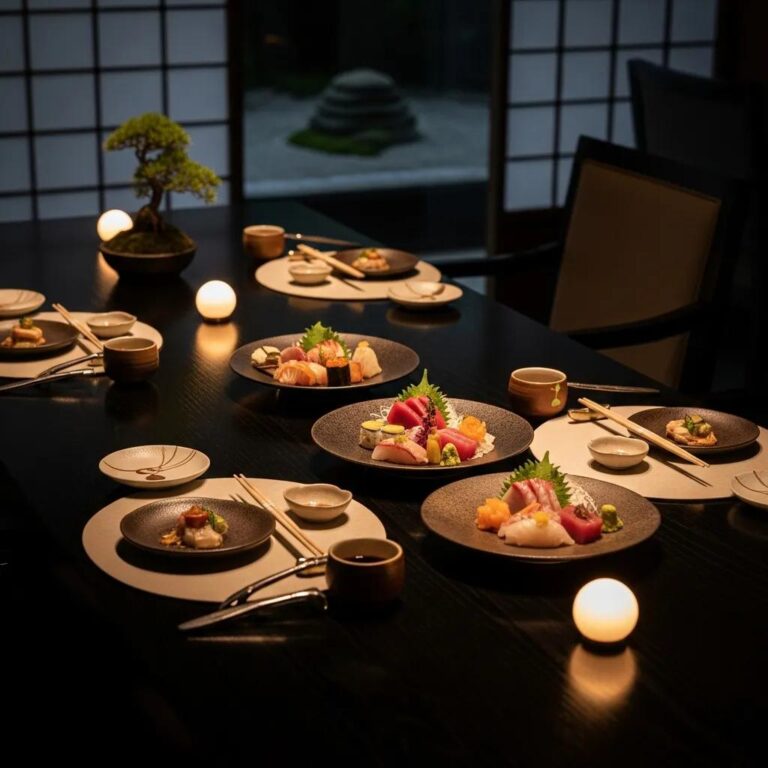
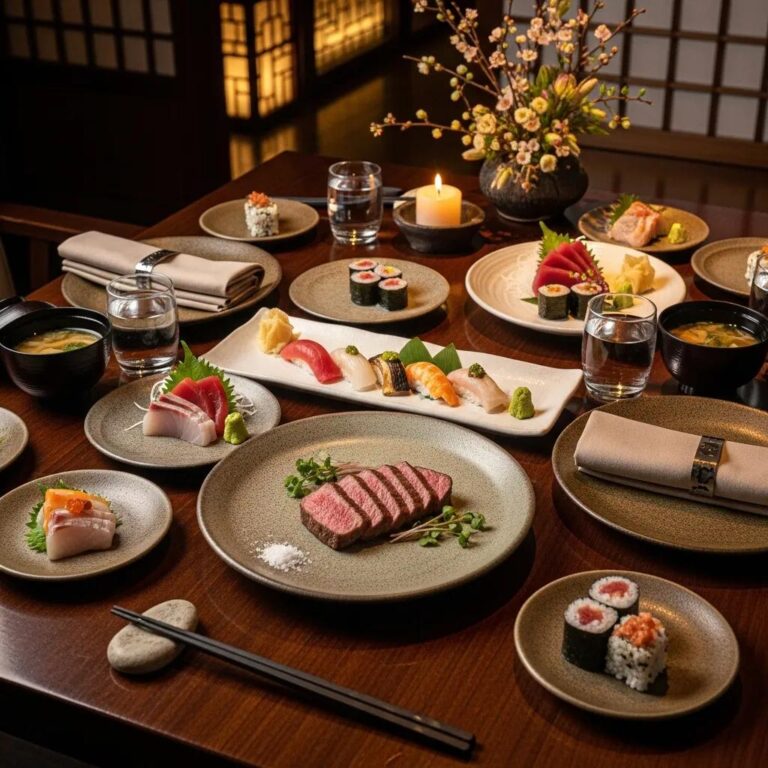
In a luxury Japanese omakase, healthy fine dining rests on four pillars: clear ingredient provenance, gentle preparation that preserves nutrients, disciplined portioning, and thoughtful menu sequencing that manages satiety. Together, these elements keep dishes nutrient-dense while delivering layered sensory experiences. Chefs favor techniques such as light searing, steaming, and raw presentation to protect vitamins, healthy fats, and delicate textures. The principle is simple: by preserving cellular structure and avoiding heavy emulsions, the kitchen reduces unnecessary calories and retains micronutrients, producing courses that feel indulgent yet balanced. The result for guests is concentrated flavor in smaller servings and a paced progression of courses that supports digestion and lasting satisfaction.
To make the connection between technique and nutrition clearer, the table below pairs common Japanese methods with their nutritional effects and the level of perceived luxury. This snapshot helps chefs and diners see why sequence and method matter in wellness-forward fine dining.
This comparison explains why many wellness-minded omakase programs favor raw and lightly cooked preparations. Understanding these choices helps both menu designers and diners make informed decisions about balance and indulgence. Next, we look at how one restaurant applies these principles to merge luxury with wellness.
How Does Kaviar Restaurant Combine Wellness and Gourmet Cuisine?
At Kaviar, we apply provenance, gentle cooking, and portion-controlled sequencing to craft tasting menus that prioritize wellbeing without losing the sense of occasion. Our team selects premium, traceable ingredients—seasonal seafood, quality caviar, and A5 Wagyu—and uses techniques that foreground natural flavor and nutrient retention. Menu sequencing places richer courses between lighter seafood and vegetable preparations, creating palate resets and a digestive rhythm that highlight each component while discouraging overindulgence. Guests should expect small, chef-curated courses that deliver intense flavor in measured portions, supporting both satisfaction and nutritional balance.
We also build operational details into the experience: clear menu notes and proactive staff prompts gather dietary preferences ahead of service so substitutions or lighter preparations can be arranged. This combination of personalized service and evidence-based technique shows how a luxury restaurant can support wellness-minded diners without compromising the dining narrative. Below, we outline common menu features that mark nutritious fine dining across venues.
What Are the Key Features of Nutritious Fine Dining Menus?
Nutritious fine dining menus share a design logic that favors nutrient density, concentrated flavor, and mindful consumption while preserving refinement. Chefs prioritize seasonal produce and premium proteins, use methods that limit unnecessary fats, and sequence courses to balance richness with brightness. These choices give diners essential micronutrients and healthy fats while avoiding the heavy mouthfeel that can lead to overconsumption in traditional upscale meals.
- Seasonal vegetables and nutrient-rich proteins are emphasized to maximize vitamins and minerals.
- Techniques such as steaming, light searing, and raw preparations reduce nutrient loss and cut added fats.
- Smaller, well-sequenced courses encourage mindful pacing and sensory variety, improving satiety without excess calories.
These elements create a consistent framework that translates into tangible benefits—greater post‑meal comfort and a higher perceived value per bite. Knowing these menu features makes it easier to select indulgent dishes that align with personal wellness goals and to request sensible adjustments when booking a tasting menu.
Which Premium Ingredients Make Gourmet Dining Healthy and Indulgent?
High-end ingredients can be both nutrient-dense and luxurious when used thoughtfully. A5 Wagyu, caviar, and seasonal sashimi-grade seafood illustrate this balance: their concentrated flavors allow smaller portions to satisfy, and they bring beneficial nutrients—omega‑3s in fish and caviar, monounsaturated fats in premium Wagyu. The table below compares these ingredients by nutrition, sourcing notes, and suggested serving contexts to help chefs and diners pair indulgence with wellness.
This snapshot shows how portion and preparation turn luxury ingredients into building blocks for a wellness-forward meal. Next, we examine A5 Wagyu and caviar more closely and how they fit into health-minded gourmet dining.
What Are the Health Benefits of A5 Wagyu Beef in Fine Dining?
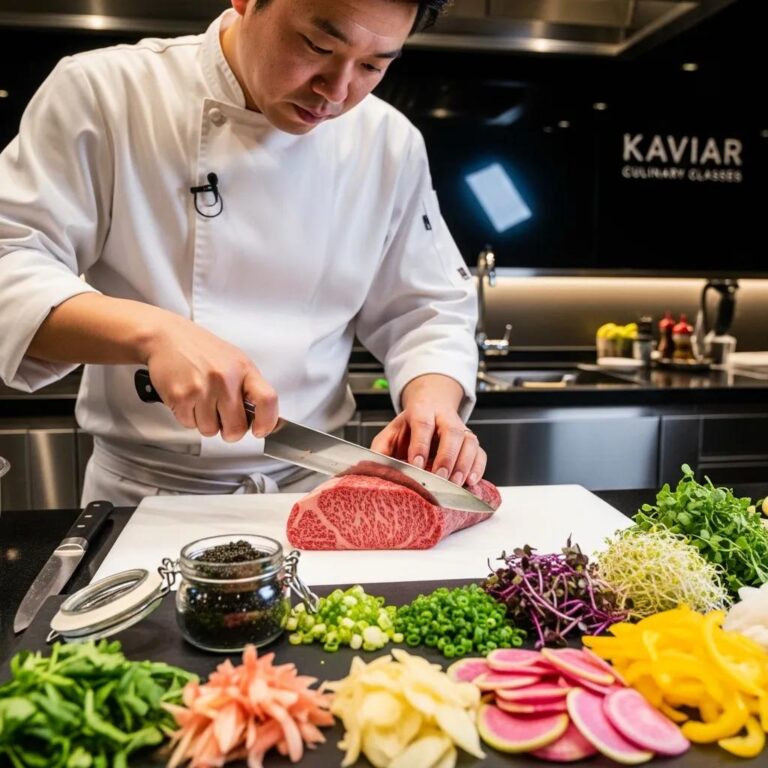
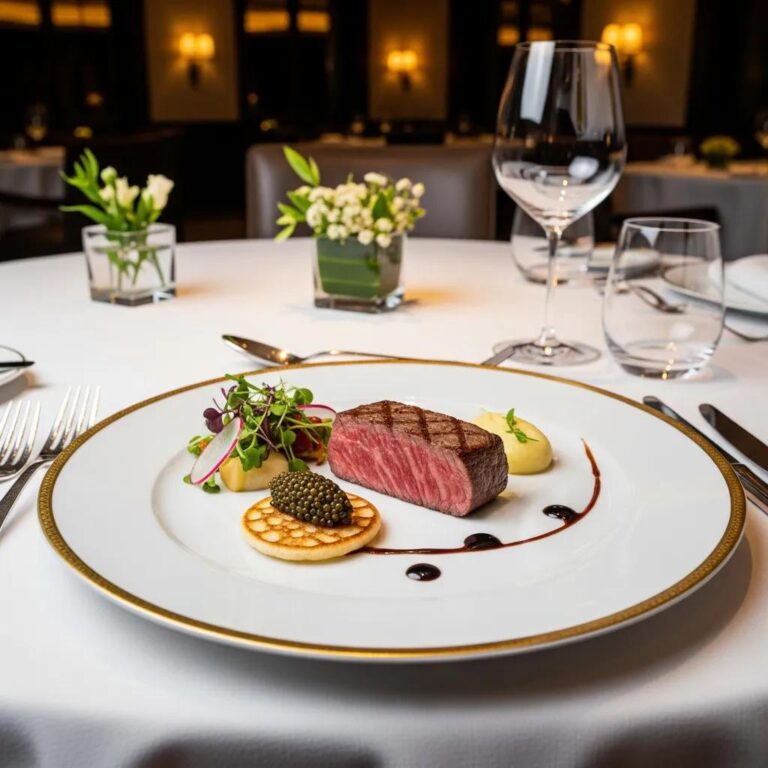
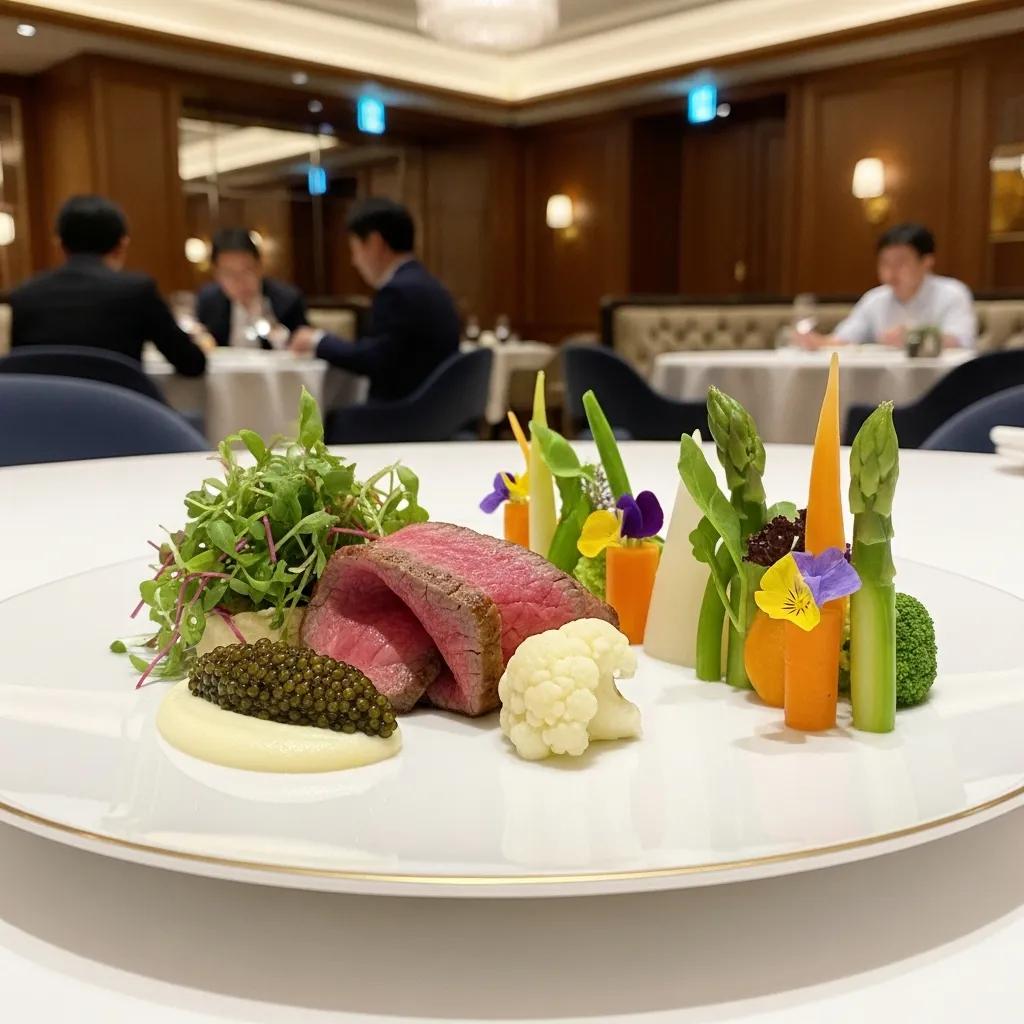
A5 Wagyu can fit into a wellness-minded meal because of its fat profile and the small, intentional portions in which it’s served. Benefits include a higher ratio of monounsaturated fats compared with some conventional beef, intensely concentrated flavor that makes smaller portions satisfying, and high-quality protein that promotes satiety. Monounsaturated fats can support cardiovascular health when enjoyed in moderation, and a thinly sliced, richly marbled course often delivers the same sense of indulgence as a larger lean steak with fewer overall calories.
When presented as a small composed course—briefly seared or paired with vegetables—A5 Wagyu’s caloric impact is minimized while its sensory effect remains pronounced. These serving choices help reconcile indulgence with wellness in a fine dining context.
How Does Caviar Contribute to a Luxury Healthy Cuisine Experience?
Used judiciously, caviar acts as a nutrient-dense flavor amplifier: a modest amount supplies omega‑3s, selenium, and vitamin D while delivering salty, umami intensity that reduces the need for heavy sauces. In practice, caviar works best as a small garnish or a focused course, giving chefs a way to add decadence without excess calories.
Sourcing and sustainability are key to caviar’s wellness story—traceable suppliers and responsibly managed fisheries strengthen both environmental and nutritional claims. Pairing caviar with mild, nutrient-rich bases—like chilled seafood or delicate blinis with citrus—lets the flavor sing without overwhelming the palate, making it a graceful bridge between luxury and health.
How Is the Omakase Experience Tailored for Wellness-Conscious Diners?
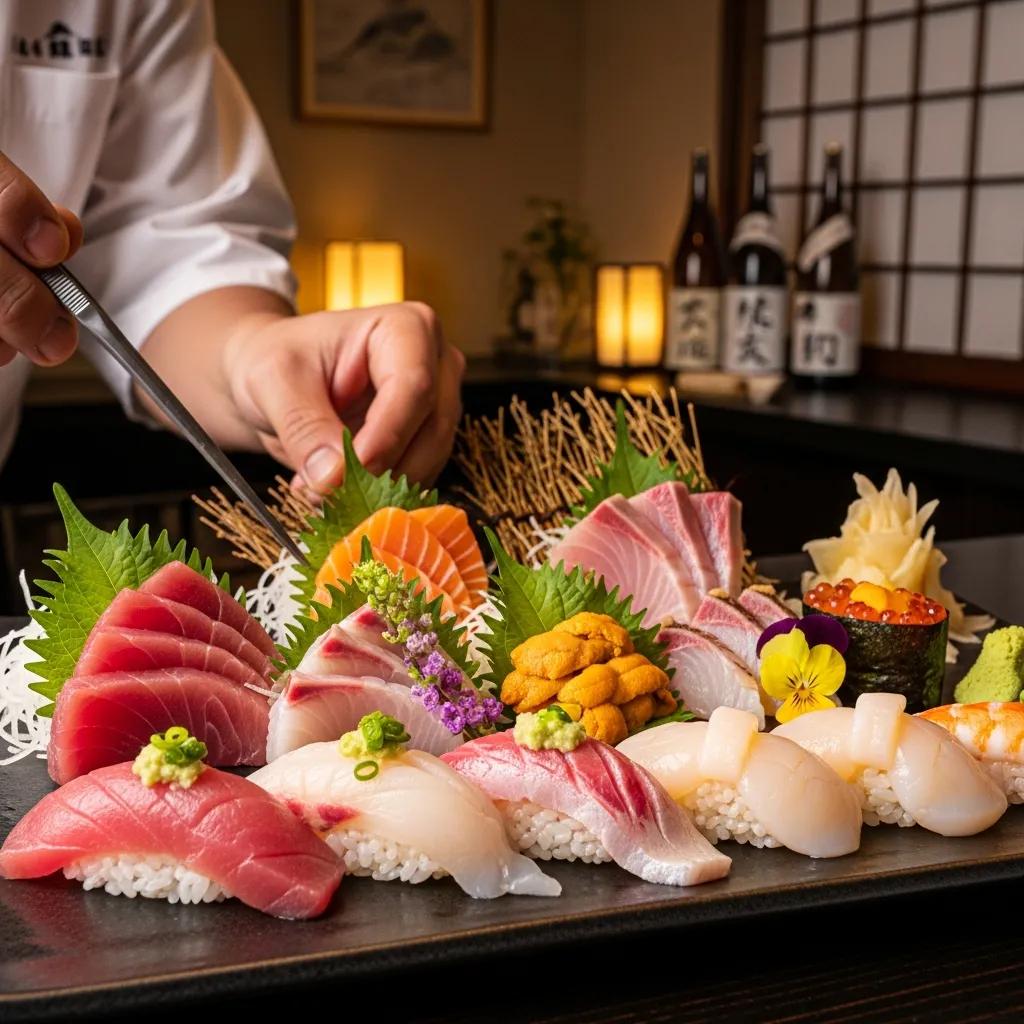
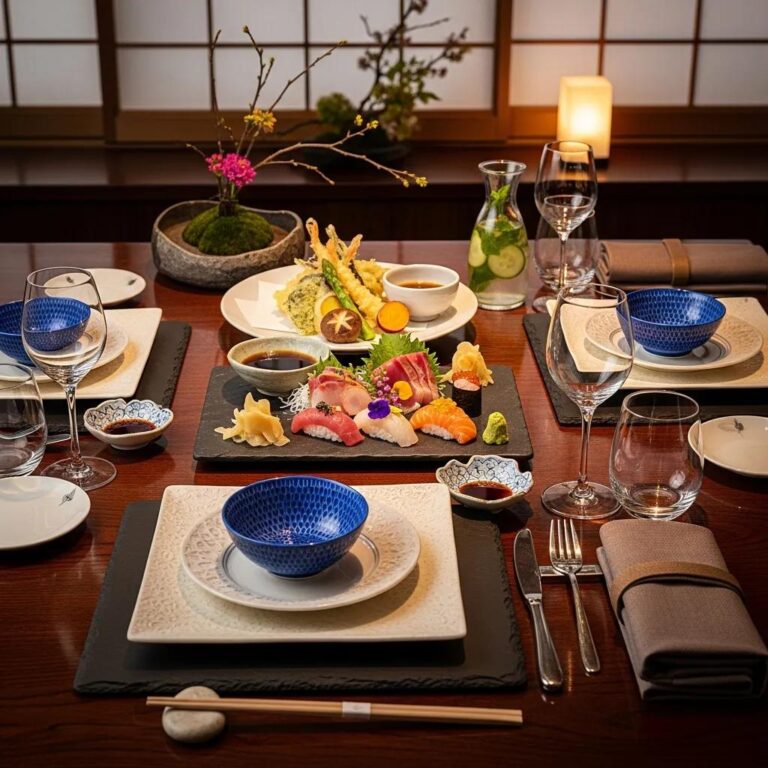
Omakase lends itself to wellness because it centers on chef-led sequencing, precise portion control, and the freshest seasonal ingredients—elements that support balanced nutrient intake. The format allows pre-service consultations, a thoughtful progression from light to richer courses, and palate cleansers that help regulate appetite and digestion. Together, these design choices reduce overconsumption and deepen appreciation of subtle flavors, promoting both wellness and enjoyment.
For guests seeking customization, chefs can swap ingredients, alter portion sizes, or adjust cooking intensity to accommodate allergies, caloric goals, or specific diets. The next section outlines why omakase’s cultural and practical elements naturally align with guilt-free gourmet dining, followed by how Kaviar implements these strategies.
What Makes Japanese Omakase a Guilt-Free Gourmet Choice?
Omakase emphasizes minimal processing, exceptional ingredient quality, and small-course sequencing—qualities that create a guilt-free dining model by design. Each course spotlights a single ingredient or a carefully matched pairing, reducing the need for heavy accompaniments and encouraging slower, more mindful eating. Nutritionally, the reliance on fresh seafood, seasonal vegetables, and restrained seasoning helps preserve micronutrients and healthy fats.
The format also uses palate cleansers and interspersed vegetable courses to reset the palate and temper richness, preventing fatigue and revealing subtle textures. These cultural practices align with modern wellness priorities, making omakase an excellent choice for guests who want both luxury and thoughtful nutrition.
How Does Kaviar Curate Its Wellness-Focused Tasting Menus?
Kaviar curates tasting menus by combining seasonal sourcing, chef selection of nutrient-forward ingredients, and precise portioning to balance indulgence and wellbeing. The process begins with choosing traceable suppliers, then moves to a sequence that alternates lighter seafood and vegetable plates with select richer items—such as A5 Wagyu or caviar—in carefully controlled portions. Our team records dietary preferences ahead of service so substitutions or lighter preparations can be arranged, ensuring the menu supports individual wellness goals.
This deliberate sequence—sourcing, sequencing, portioning, and guest communication—creates a cohesive tasting experience that showcases flavor while managing caloric density. When you reserve an omakase at Kaviar, let us know your dietary aims so the kitchen can tailor the progression and portions to suit you.
What Are the Latest Wellness Dining Trends Shaping Luxury Restaurants in Pasadena?
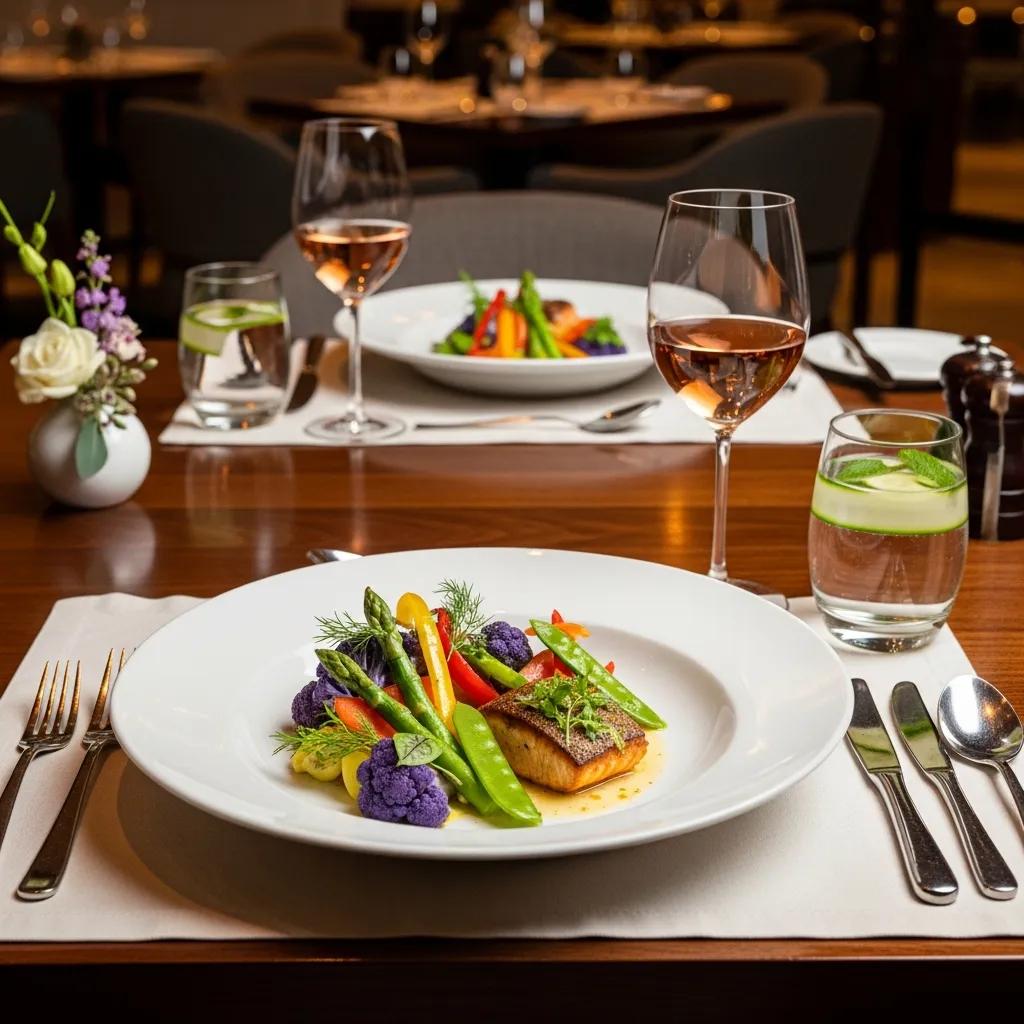
Pasadena’s luxury dining scene is increasingly defined by sustainability, plant-forward luxury, and transparent sourcing—national trends expressed locally. Chefs are elevating vegetables to main-course status, emphasizing traceability, and using technique to preserve flavor without relying on heavy additions. Tasting menus now often substitute or reframe traditionally rich components with nutrient-dense alternatives while maintaining depth through texture and umami.
- Plant-forward luxury positions vegetables as central, composed courses rather than mere sides.
- Sourcing transparency gives guests the information they need to make health- and ethics-minded choices.
- Intentional portion control and course sequencing limit excess calories while maximizing satisfaction.
These trends reflect diners’ desire for meals that deliver both experiential value and health-aligned attributes. The table below links each trend to diner benefits and examples of how luxury menus are responding.
This mapping shows how current trends translate into tangible outcomes for diners and inform menu choices. Next, we explore how sustainable ingredients and shifting preferences are reshaping fine dining practice.
How Are Sustainable and Nutritious Ingredients Influencing Fine Dining?
Sustainable sourcing supports nutrition by encouraging whole, minimally processed ingredients and by prioritizing species and cuts with better nutrient profiles or a lighter environmental footprint. Chefs build relationships with local purveyors to secure seasonal produce and responsibly sourced seafood—often fresher and more nutrient-rich than long-shipped alternatives. That freshness reduces the need for heavy sauces or preservative-driven flavoring, aligning culinary quality with health and environmental aims.
These sourcing choices also act as trust signals: guests often equate traceability with quality and safety, reinforcing a menu’s wellness narrative. As a result, menus increasingly emphasize technique and ingredient quality to achieve depth of flavor instead of relying on added calories.
What Consumer Preferences Drive Healthy Gourmet Dining in 2025?
- Customization: guests expect pre-service consultations and flexible course options.
- Transparency: visible sourcing notes and supplier partnerships are becoming standard.
- Experience focus: diners value memorable, meaningful courses over sheer quantity.
These preferences push restaurants to refine menus that deliver nutrient-dense enjoyment while meeting individual expectations for health, ethics, and memorable dining.
How Can You Reserve and Enjoy a Healthy Fine Dining Experience at Kaviar?
Booking a wellness-focused tasting at Kaviar is straightforward and benefits from a little pre-planning. Start by noting dietary restrictions and wellness goals when you reserve so the kitchen can plan substitutions or portion adjustments. We accept reservations through our online channels and our public business profile; staff typically record guest preferences in advance to enable tailored sequencing and plating.
- Specify dietary needs when booking: Tell us about allergies, caloric goals, or ingredient dislikes so the kitchen can plan alternatives.
- Request portion or preparation adjustments: Ask for lighter sauces, extra vegetable courses, or thinner protein portions if you prefer.
- Confirm any tasting menu variations: Check availability of vegetarian, pescatarian, or reduced-richness sequences for your date.
Following these steps helps ensure your meal is both luxurious and aligned with your wellness objectives. The next section explains reservation mechanics and front‑of‑house best practices.
What Is the Seamless Reservation Process for Wellness Cuisine Restaurants?
Booking a wellness-focused tasting typically starts with an initial reservation, followed by brief pre-service communication to confirm dietary details. Choose your preferred seating for an omakase or tasting menu and add concise notes about allergies, intolerances, or wellness goals at booking. Many restaurants will follow up to confirm substitutions and advise on course length and pacing so you can plan timing and expectations.
Best practices: arrive a few minutes early for a quick check-in, reiterate dietary goals to the floor manager, and ask about seasonal highlights that might affect the sequence. Clear pre-service communication reduces last‑minute changes and allows the kitchen to design a balanced, enjoyable sequence.
What Dining Etiquette Enhances the Gourmet Healthy Dining Experience?
Mindful dining etiquette amplifies enjoyment and supports wellness during a tasting menu by encouraging slower pacing, attentive tasting, and respectful engagement with the chef and staff. Pace yourself across courses—savor each small plate and take a few moments between courses to notice texture and flavor. When invited, ask the chef or server about ingredient provenance and preparation to better appreciate the reasoning behind each course.
Other helpful habits: be upfront about dietary needs, accept suggested palate cleansers to refresh the palate, and avoid requests that require extensive off‑menu reworking which can disrupt the menu’s balance. These practices preserve the intended harmony of luxury and health while enhancing the communal and educational aspects of omakase-style dining.
What Do Customers Say About Their Gourmet Healthy Dining Experiences?
Guest feedback often highlights freshness, thoughtful portioning, and the sense that luxury and wellness can coexist. Many diners report that smaller, intensely flavored courses feel more satisfying and lead to less post‑meal lethargy than larger traditional feasts. Reviews frequently praise clear communication about sourcing and the restaurant’s ability to accommodate dietary needs—factors that build trust and encourage repeat visits.
Overall review patterns suggest that when restaurants prioritize transparency and portion-controlled indulgence, guests perceive greater value and alignment with wellness goals. The section below summarizes testimonial themes and how reviews reflect this balance without quoting specific patrons.
Which Testimonials Highlight the Wellness Benefits of Kaviar’s Menu?
Public comments about Kaviar commonly focus on freshness, precise portioning, and balanced sequencing that let guests enjoy rich ingredients without feeling overburdened. Review themes point to appreciation for a tasting flow that alternates lighter seafood and vegetable courses with select richer items—many diners say this approach enhances flavor and post‑meal comfort. Guests also note staff responsiveness to dietary requests as a key factor in feeling safe and cared for.
These recurring themes validate our design choices—ingredient quality, techniques that protect nutrition, and deliberate sequencing—which together create a luxury dining experience aligned with wellness priorities. The final subsection examines the language patterns across reviews.
How Do Reviews Reflect the Balance of Luxury and Nutrition?
Reviews often contrast richness with restraint—phrases like “balanced,” “light yet indulgent,” and “rich but portioned” recur when guests describe wellness-focused fine dining. This vocabulary shows that diners value sensory intensity delivered in smaller portions and appreciate transparency about sourcing and technique. Analysis of review language indicates that clear communication and thoughtful sequencing are the most persuasive elements for diners who prioritize both luxury and wellbeing.
Knowing these review patterns helps prospective guests spot the right experiences: menus that note sourcing and portion strategies, staff that solicit dietary preferences, and chefs who concentrate flavor through technique rather than excess fat or sugar. Those are the hallmarks of guilt-free gourmet dining and steer guests to meals that satisfy both palate and wellness goals.
Frequently Asked Questions
What types of dietary preferences can be accommodated at Kaviar Restaurant?
We tailor the omakase experience to a wide range of preferences and restrictions. When you reserve, tell us about allergies, intolerances, or dietary goals—vegetarian, vegan, gluten‑free, or other needs—and our team will plan appropriate substitutions. Our kitchen is practiced in adapting courses so guests can enjoy a curated tasting that aligns with their health priorities without losing the sense of occasion.
How can I ensure a balanced meal when dining at a luxury restaurant?
Request a tasting menu that emphasizes portion control and nutrient-dense ingredients, and communicate your preferences to the staff so they can shape the sequence. Ask about sourcing and preparation methods—these affect nutritional quality—and pace yourself through the courses to fully appreciate each plate. Small adjustments, like requesting extra vegetables or lighter sauces, make a meaningful difference.
What are some common misconceptions about healthy fine dining?
One misconception is that healthy fine dining is bland or indulgence-free. In truth, many luxury kitchens use high-quality, nutrient-dense ingredients and refined techniques to heighten flavor without excess calories. Another misconception is that healthful equals boring—chefs often use creative seasoning, fermentations, and presentation to make dishes lively and memorable while keeping them balanced.
How does the omakase dining experience promote wellness?
Omakase promotes wellness through chef-led sequencing, precise portioning, and fresh, seasonal ingredients. Each course is curated to highlight flavor while managing total intake, encouraging mindful eating and reducing the chance of overconsumption. Palate cleansers and interspersed lighter dishes help maintain balance across the meal.
What role does sustainability play in luxury wellness dining?
Sustainability is central: locally sourced, seasonal ingredients are often both more nutritious and kinder to the environment. Restaurants that prioritize sustainable partnerships—local farms and responsible fisheries—serve fresher produce and seafood, support local economies, and strengthen the menu’s wellness and ethical claims.
How can I find the best wellness dining options in Pasadena?
Look for local restaurants that promote tasting menus, seasonal ingredient lists, and transparent sourcing. Read recent reviews and local food coverage to learn how guests experience balance and accommodation. Personal recommendations from friends or community groups with similar wellness priorities are also invaluable.
What should I expect from the service at a luxury wellness restaurant?
Expect attentive, informed service: staff should explain sourcing and preparation, ask about dietary needs, and offer tailored recommendations. The goal is a personalized experience where the team helps you enjoy gourmet cuisine that aligns with your wellness objectives while preserving the ceremony of fine dining.
Conclusion
Enjoying gourmet cuisine while staying mindful of wellbeing is entirely possible when restaurants combine thoughtful sourcing, technique, and portioning. By understanding the principles of healthy fine dining and communicating your preferences when you book, you can savor luxurious, carefully composed courses that support your health goals. Consider reserving a tailored tasting at Kaviar to experience how intentional sequencing and premium ingredients create a refined, wellness‑minded meal—one thoughtfully curated course at a time.