




Host & Guest Responsibilities: Essential Etiquette for Fine Dining Experiences
Clear roles between host and guest shape how a fine dining service unfolds—especially in chef-led formats such as omakase. Those roles are a set of practical expectations and quiet courtesies that preserve service rhythm, respect the kitchen’s craft, and maximize shared enjoyment. Thoughtful etiquette reduces friction, keeps multi-course pacing smooth, and allows delicate elements like A5 Wagyu and caviar to be presented and tasted as intended. This guide shows hosts how to plan, manage and troubleshoot formal dinners or private omakase sessions, and it gives guests simple, respectful behaviours that honor chefs, staff and fellow diners. Inside you’ll find concise host duty lists, actionable guest dos and don’ts, side-by-side role comparisons, reservation and seating protocols, and ready-to-use checklists that keep a luxury meal feeling effortless.
Hosts and guests share responsibility for the experience, but their roles differ: the host sets logistics and tone; guests follow cues and show appreciation. Those distinctions become critical when the menu is sequenced or features rare ingredients, because timing and discretion directly affect presentation and flavor. The section below summarizes the host’s primary duties, whether you’re organizing an in-restaurant omakase or a private fine dining event.
What Are the Key Duties of a Dinner Party Host?
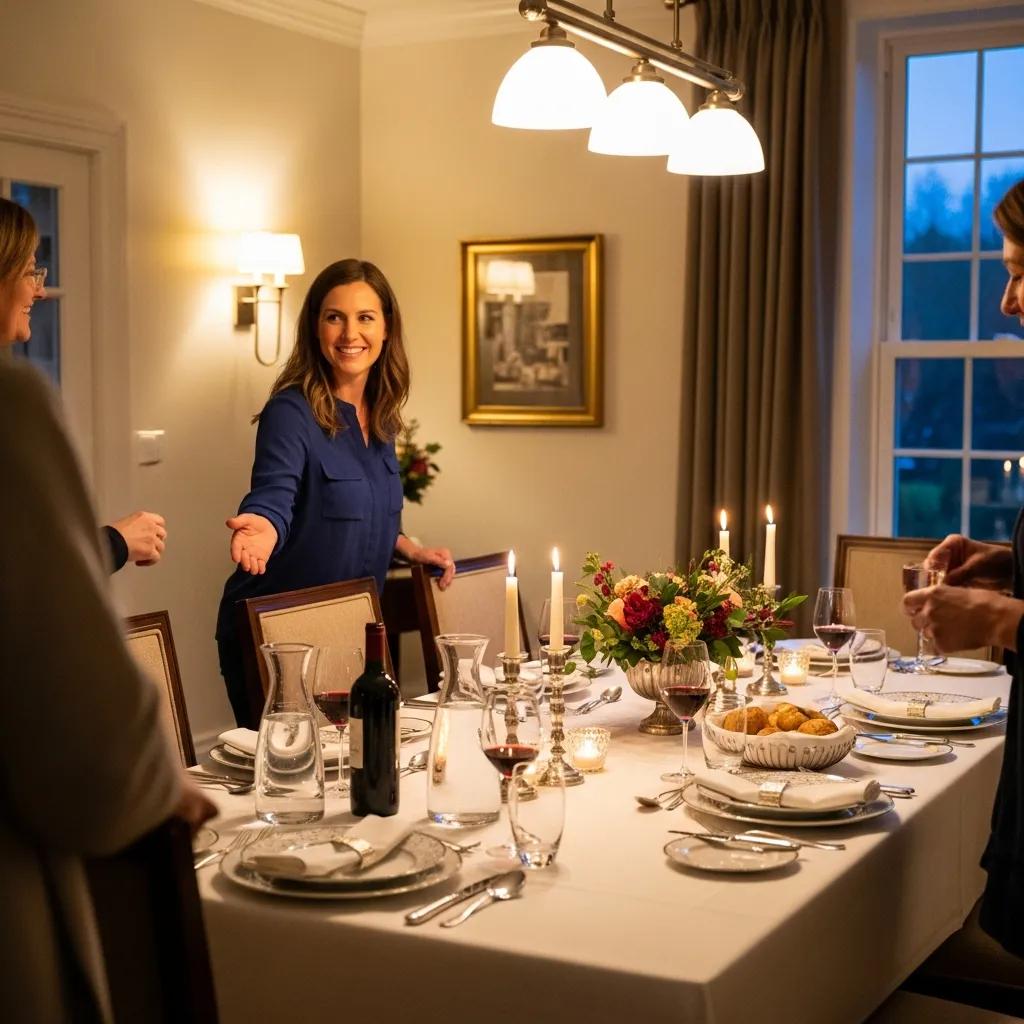
The host is responsible for planning, setting expectations and guiding the meal’s flow so service protocols and social dynamics work in harmony. These duties fall into three practical areas—logistics (reservations and seating), signalling (introductions and transitions), and contingency handling (dietary needs and timing issues)—and together they deliver measured pacing and shared satisfaction. Effective hosts establish tone before guests arrive and preserve it with subtle cues during service, allowing chef-led sequences to run unobstructed. Below is a compact, ready-reference list of the primary host tasks to use before and during a dinner.
High-impact actions hosts should prioritize:
- Plan logistics early: confirm the reservation, note dietary restrictions, and arrange seating to balance sightlines and conversation.
- Set expectations: brief guests on the format (omakase vs. à la carte), photography etiquette, and the meal’s pacing so behaviour aligns with service.
- Coordinate discreetly with staff: communicate allergies, timing needs and celebratory notes to the chef and front-of-house team.
- Welcome and introduce guests: open with warm introductions and a short context for the menu or occasion.
- Manage pacing subtly: cue transitions when needed but allow the chef or sommelier to lead tasting explanations uninterrupted.
- Troubleshoot calmly: address delays, seating adjustments or a guest’s early departure without disrupting the table.
- Follow up after the meal: thank guests and staff, and request concise feedback to improve future events.
These steps keep the host in a facilitative role—supporting the kitchen and service so each dish arrives with the intended timing and dignity. The next sub-section shows practical techniques hosts use to manage pacing and coordination at the table.
How Does the Host Manage the Dining Experience?
Managing a fine dining experience means acting as a quiet bridge between guests and service: coordinate timing and behaviour without dominating the meal. Confirm reservations and share dietary information with the restaurant ahead of time to create a predictable service rhythm that respects the chef’s sequence. At the table the host signals moments—raising a toast, announcing a course, or pausing conversation—but gives space for the chef or sommelier to narrate dishes. In an omakase, for example, a host who asks the kitchen to pace courses so the table can savor each bite prevents rushed tasting and encourages collective commentary on highlights like A5 Wagyu or caviar. Balance hospitality with deference to preserve both culinary integrity and guest comfort.
What Are Best Practices for Hosting Formal Japanese Omakase Dinners?
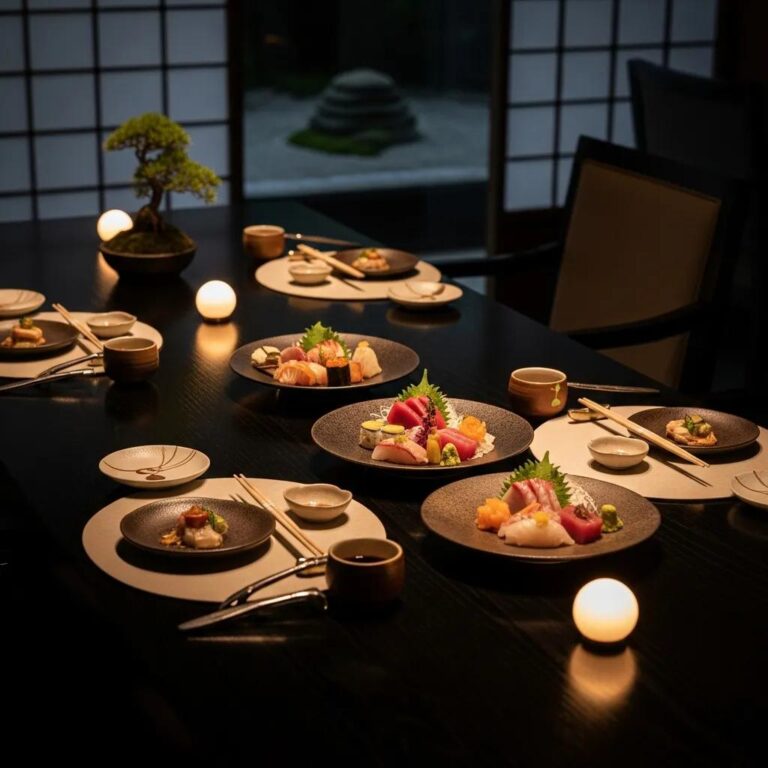
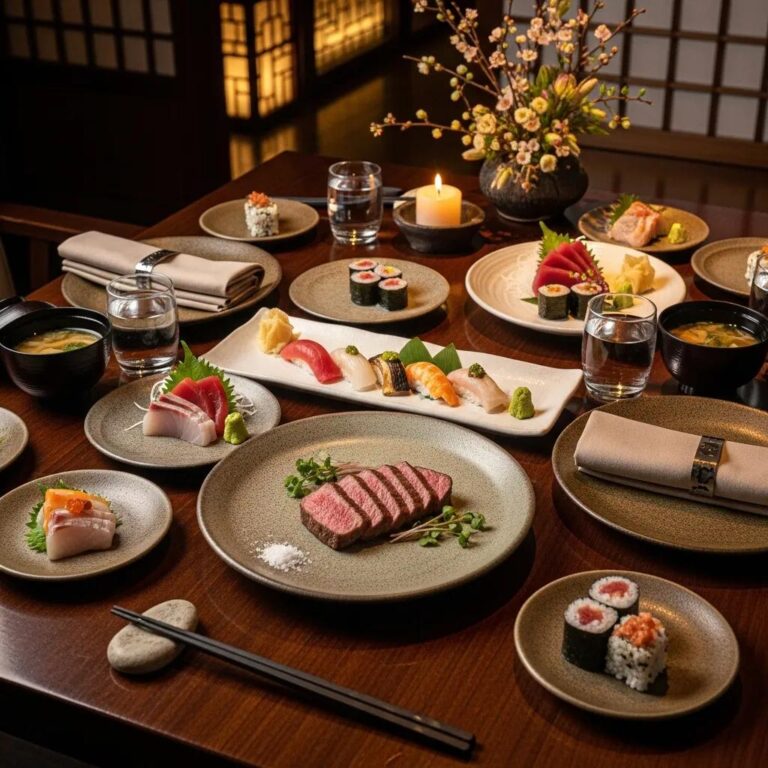
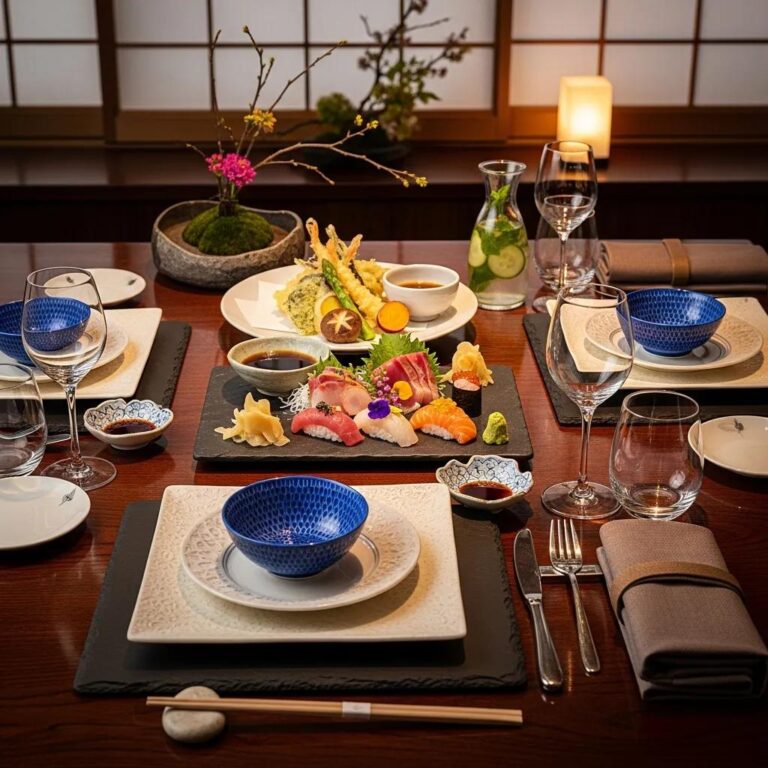
Hosting an omakase calls for a respect for chef-directed pacing and cultural cues that prioritize listening and tasting. Best practices include briefing guests before arrival about the format, encouraging punctual arrival so the tasting sequence isn’t interrupted, and arranging unified seating when possible so the chef can time courses for the whole table. Discourage plate-sharing that alters presentation, and set clear photo etiquette—ask the chef before shooting and keep flash off—so the culinary theatre remains intact. When premium items such as A5 Wagyu or caviar appear, model restrained tasting and measured praise to encourage others to savor small portions and trust the chef’s pairings. These small acts honor the chef’s role as curator and protect the tasting narrative.
How Should Guests Demonstrate Proper Dining Manners?
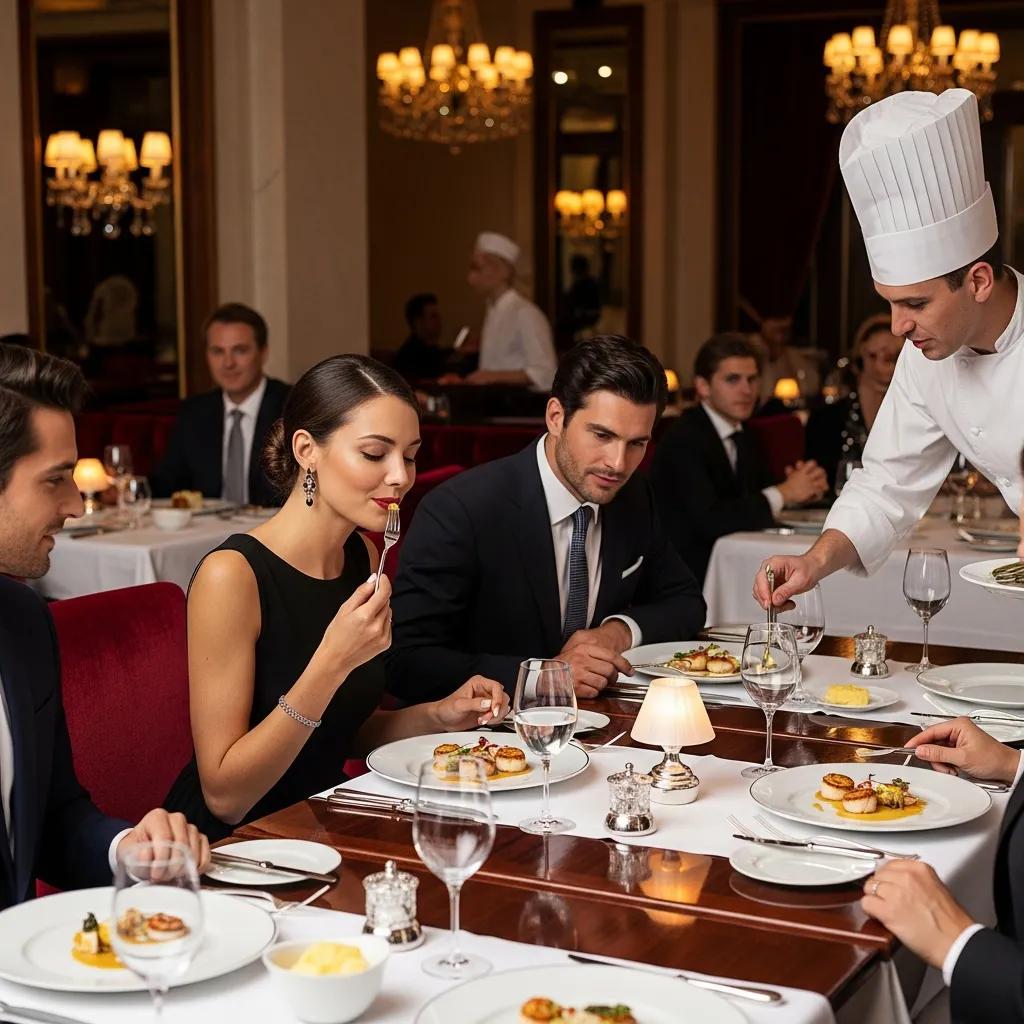
Guest etiquette focuses on behaviours that support service flow, respect the chef and create a comfortable atmosphere for everyone at the table. Three practical principles guide guests: punctuality (arrive on time to preserve the sequence), discretion (keep volume low and phones stowed), and attentiveness (listen to the chef and taste deliberately). The result is a dining environment where presentation and flavour are experienced as intended and social interaction enhances rather than distracts. Below is a short, actionable guest checklist designed for quick reference.
Essential guest actions and prohibitions:
- Arrive on time and follow any special instructions the host provided.
- Silence or stow mobile devices; take calls away from the table to avoid disruption.
- Share dietary restrictions privately with the host or staff before the tasting begins.
- Taste in small, deliberate bites—especially with A5 Wagyu and caviar—and avoid rearranging presentations.
- Keep volume moderate and allow the chef or sommelier to narrate courses without interruption.
- Offer brief, sincere compliments to the host or chef rather than extended critiques at the table.
These rules prioritize collective enjoyment and honor the kitchen’s work; the following section provides specific checklists for upscale settings.
What Are Essential Guest Etiquette Rules at Luxury Restaurants?
At luxury venues, guests should treat the meal as a curated experience where timing, presentation and scent matter as much as the food. Arrive a few minutes early, dress to the house’s expectations, and avoid strong fragrances that can interfere with tasting. Refrain from photographing every course; when images are appropriate, ask the host or chef for permission and keep flash off. Tip and thank service staff discreetly and offer concise praise for standout dishes to the host or server. These practices protect the sensory environment and show respect for the team orchestrating the experience.
How Do Guests Respect Host and Dining Customs During Omakase?
During an omakase, guests should adopt a listening posture: let the chef introduce each course, taste without interruption and save questions for natural pauses. Taste small portions to evaluate texture and flavour, avoid over-seasoning or altering presentation, and follow the host’s cues about when to photograph or comment. If you have dietary constraints, disclose them ahead of time so substitutions can be handled discreetly. By aligning behaviour with the chef’s rhythm, guests let the tasting narrative unfold as intended and help the table experience each dish fully.
What Are the Social Roles and Etiquette in Fine Dining Settings?
Fine dining relies on clearly defined social roles—host, guest and staff—each contributing specific actions that create a cohesive service arc. The host organizes logistics and sets tone, guests provide cooperation and appreciation, and staff execute technical service and culinary presentation. Together these roles produce an atmosphere that honors craft and connection. The table below lays out responsibilities and expected outcomes so readers can quickly see how each party supports the experience.
This comparison shows how coordinated actions improve the guest experience and service flow. The next section outlines how host and guest duties diverge in practice.
How Do Host and Guest Responsibilities Differ in Formal Dining?
Hosts establish logistics and tone, while guests follow cues and express appreciation—this separation reduces friction and lets the service team execute planned sequencing. Practically, the host confirms reservations, communicates dietary needs and balances seating; guests arrive on time, keep devices muted and follow the host’s lead for toasts and photos. Hosts also act as the point person for small issues—late arrivals, seating shifts or allergies—so guests can focus on tasting and conversation. When responsibilities are complementary, the meal feels more relaxed and respectful.
What Are Common Etiquette Practices for Serving and Enjoying A5 Wagyu and Caviar?
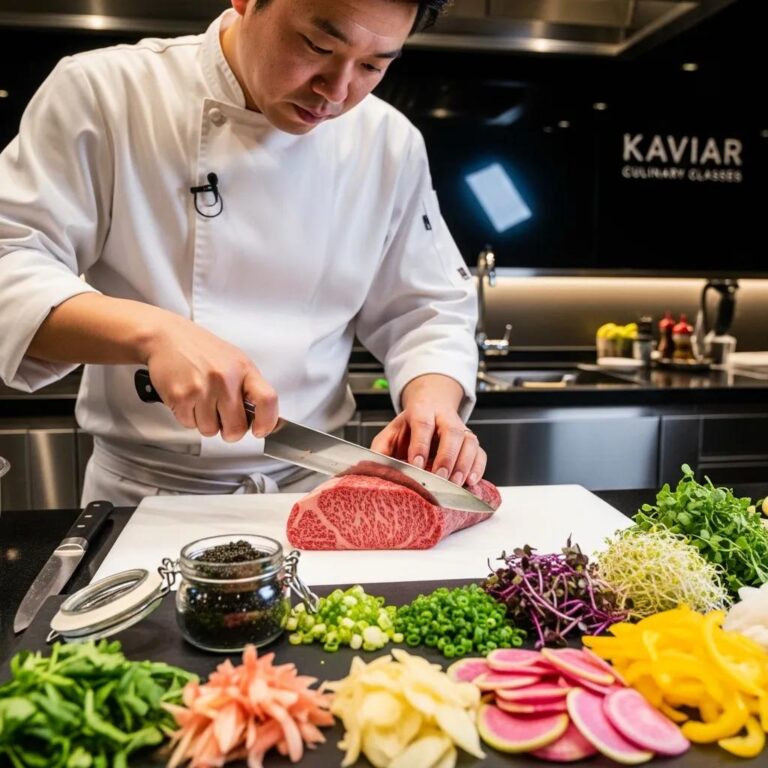
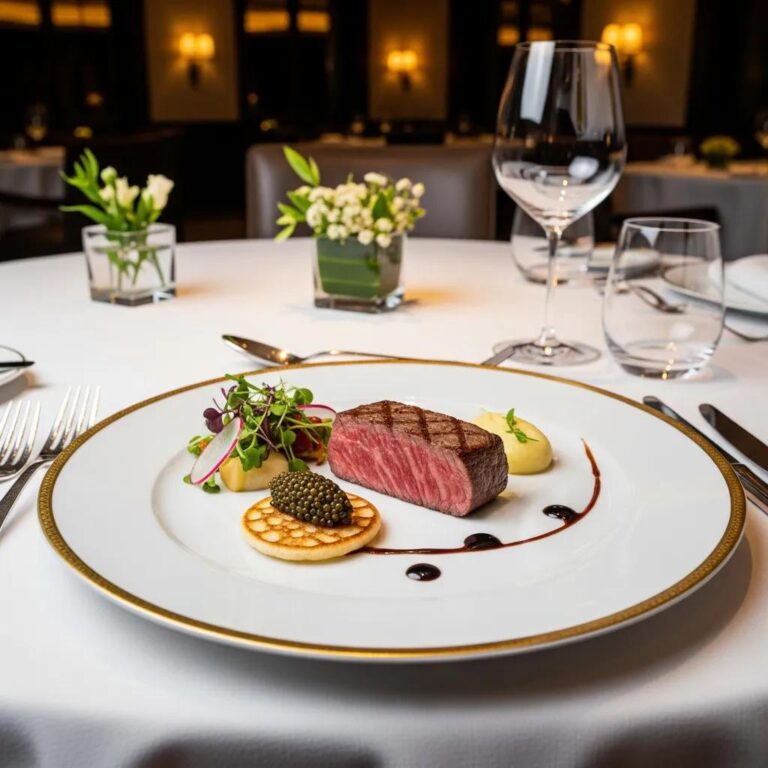
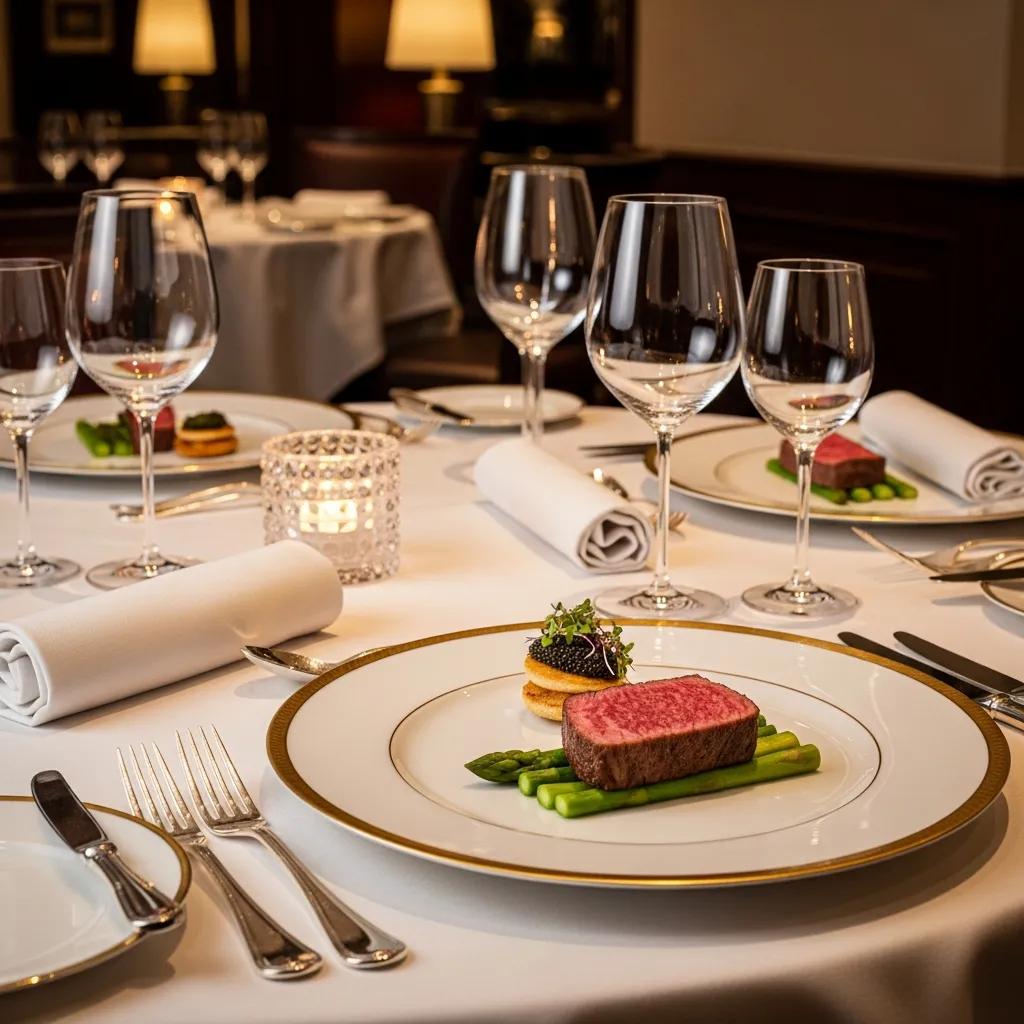
Serving and enjoying premium items like A5 Wagyu and caviar requires precise, minimal handling to preserve texture and flavour. Caviar should be served chilled but not icy, on small neutral spoons (often non-metal if recommended); A5 Wagyu is best in thin slices, briefly seared or cooked to a specified doneness and enjoyed with neutral starches that support rather than compete. Use light seasoning and restrained accompaniments so intrinsic flavours shine. The table below gives clear recommendations for handling these items.
These practices protect mouthfeel and aroma so every tasting note can be appreciated. The following section explains how reservations and seating should be handled to preserve service elements.
How Should Reservations and Seating Protocols Be Handled?
Reservations and seating are foundational host responsibilities that set conditions for a successful fine dining service. Handle them with advance booking, clear dietary communication and thoughtful seating that balances service access and conversation. Good reservation management reduces stress for staff and guests and helps preserve chef-led timing. The checklist below outlines a step-by-step protocol hosts and guests can follow before arrival, at seating and after the meal.
Follow these steps to manage reservations and seating:
- Reserve early and note the occasion and dietary restrictions so the restaurant can prepare.
- Share arrival windows with guests and encourage punctuality to preserve course pacing.
- Confirm the reservation 24–72 hours in advance and reconfirm special requests with staff.
- Arrange seating with visibility of service, mobility needs and conversational balance in mind.
- Notify the restaurant of late arrivals or cancellations as soon as possible to allow adjustments.
The table below maps these reservation steps for quick scanning and implementation.
What Is the Host’s Role in Managing Reservations and Guest Seating?
The host books and verifies reservations, provides dietary and occasion notes, and plans a seating layout that balances sightlines and conversation. Leave a buffer for travel time and confirm the restaurant can meet timing needs—essential when the kitchen sequences courses tightly. On arrival, coordinate with staff so guests are seated to optimize service flow and attention to premium dishes. Owning these logistical details reduces surprises and keeps the tasting narrative coherent.
How Should Guests Prepare for and Approach Luxury Dining Reservations?
Guests should confirm timings, note arrival expectations and share dietary constraints with the host or restaurant in advance. Dress to match the venue’s formality and plan transportation to arrive punctually. If delays are unavoidable, notify the host or restaurant early so course timing can be adapted without disrupting service. These small preparations respect the restaurant’s effort to curate a multi-course experience and protect the enjoyment of all diners.
What Are Practical Tips for Dinner Party Etiquette?
Practical etiquette condenses host and guest responsibilities into clear actions that prevent common missteps and elevate the meal. Focus on communication, pacing and respectful documentation of the experience (photos, social sharing), and close the evening with follow-up gratitude. The checklist below offers concise recommendations for hosts and guests to use before, during and after an upscale meal.
Key practical tips for hosts and guests:
- Communicate format and expectations in advance so behaviour supports service.
- Balance conversation with attentive tasting so the chef’s narration is heard.
- Set simple photo rules to avoid distracting other diners or the kitchen.
- Coordinate arrival times and seating to maintain uninterrupted course pacing.
- Send brief follow-up thanks to hosts and staff to acknowledge the experience.
How Can Hosts Ensure a Seamless and Respectful Dining Experience?
Hosts ensure a smooth meal by sending a short pre-event note outlining format, arrival times and any house rules around photography or dress. Confirm timing with the restaurant for multi-course or omakase menus and ask for minimal service disruptions. Plan seating for accessibility and conversation flow, and have a contingency for late guests or dietary issues. For example, a host who confirms group size and allergies with the chef in advance enables even pacing and prevents rushed tasting—preserving the integrity of premium items like A5 Wagyu and caviar.
What Are Key Guest Manners to Enhance Social Dining Interactions?
Guests enhance the table by listening attentively, offering short, specific compliments to the chef or host, and avoiding monopolizing conversation. Keep phone use minimal and step away for longer calls; photograph dishes sparingly and only with permission. Show appreciation to service staff discreetly and avoid strong scents or behaviour that disrupts the shared sensory experience. These small gestures build a respectful dining culture that benefits everyone at the table.
To try these practices in person, consider reserving an omakase or curated tasting at a fine dining Japanese venue that features A5 Wagyu and caviar; such experiences make the etiquette guidance immediate and practical. Kaviar Restaurant exemplifies many of these host practices—warm welcomes, disciplined pacing and thoughtful dish introductions—so diners can observe and emulate high-standard etiquette at the table.
- Introductory Checklist: Confirm reservations, brief guests and communicate dietary notes.
- During the Meal: Follow the chef’s lead, taste deliberately and keep conversation supportive.
- After the Meal: Express appreciation to hosts and staff and share concise feedback.
These checklists and tables form a practical playbook that helps hosts and guests keep fine dining respectful, seamless and focused on culinary excellence.
Frequently Asked Questions
What should I wear to a fine dining restaurant?
Dress to match the venue’s formality. Men typically choose a dress shirt and slacks with an optional blazer; women often wear elegant dresses or tailored separates. Avoid overly casual items like worn jeans, t-shirts or sneakers. When in doubt, check the restaurant’s dress code—dressing appropriately shows respect for the experience and enhances your comfort for the evening.
How can I politely decline a dish during a meal?
If you need to decline a course, do so quietly and graciously: “Thank you, I’ll pass on this course.” Ideally, communicate dietary preferences to the host or staff beforehand to avoid awkward moments. A polite, discreet refusal acknowledges the chef’s effort while keeping the service uninterrupted.
What is the appropriate way to express gratitude after a dinner party?
Send a brief thank-you note or message to the host highlighting what you enjoyed—food, ambiance or company. Mentioning a standout dish is a thoughtful touch. Follow-up thanks reinforce social bonds and recognize the time and care the host invested.
How should I handle a situation where a guest is being disruptive?
Address disruption with tact. If you’re the host, speak privately and politely to the guest—suggest a change of topic or a quieter tone. As a guest, gently redirect the conversation or involve others to shift focus. If behaviour continues, the host may need to intervene more directly. The aim is to restore a respectful atmosphere so everyone can enjoy the meal.
What are some common mistakes to avoid in fine dining etiquette?
Common pitfalls include arriving late, using mobile devices at the table and ignoring the host’s lead. Avoid monopolizing conversation, interrupting the chef or sommelier, and publicly critiquing dishes. Don’t rearrange presentations or make negative remarks at the table. Mindful behaviour preserves the shared experience for everyone.
How can I prepare for a multi-course meal?
Prepare by arriving on time, familiarizing yourself with the menu if available, and communicating dietary restrictions in advance. During the meal, take moderate portions to appreciate each course fully. Engage with the chef or sommelier when appropriate—those conversations often deepen your enjoyment of the tasting.
Conclusion
Knowing the responsibilities of hosts and guests elevates any fine dining occasion and ensures culinary artistry is both respected and enjoyed. When everyone follows clear etiquette—timely arrival, discreet behaviour and attentive tasting—the service rhythm stays intact and premium ingredients like A5 Wagyu and caviar can be experienced at their best. Apply these practices to make your next restaurant visit or private dinner feel effortless and memorable. For more practical advice on fine dining and hospitality, explore our other guides.