




Elevate Your Hotel Dining: Japanese Fine Dining and Exclusive Menus in Pasadena
At Kaviar, luxury hotel dining is where meticulous cooking, attentive service, and a considered atmosphere converge. Paired with Japanese fine-dining traditions, it becomes an experience of seasonality, precision, and ritualized presentation. This piece outlines what makes a high-end Japanese meal distinct, how chef-led formats like omakase shape a personalized tasting journey, and which signature ingredients—A5 Wagyu and premium caviar—define culinary exclusivity. You’ll find practical guidance on choosing a tasting menu, what to expect from premium ingredients, and how to secure a reservation in Pasadena, alongside clear descriptions of service rituals, ingredient provenance, booking steps, and the chef philosophies that shape our menus. Read on for the defining features, standout dishes, reservation tips, chef profiles, and the reasons certain restaurants turn a dinner into a lasting occasion.
What Defines the Luxury Japanese Fine Dining Experience at Kaviar Restaurant?
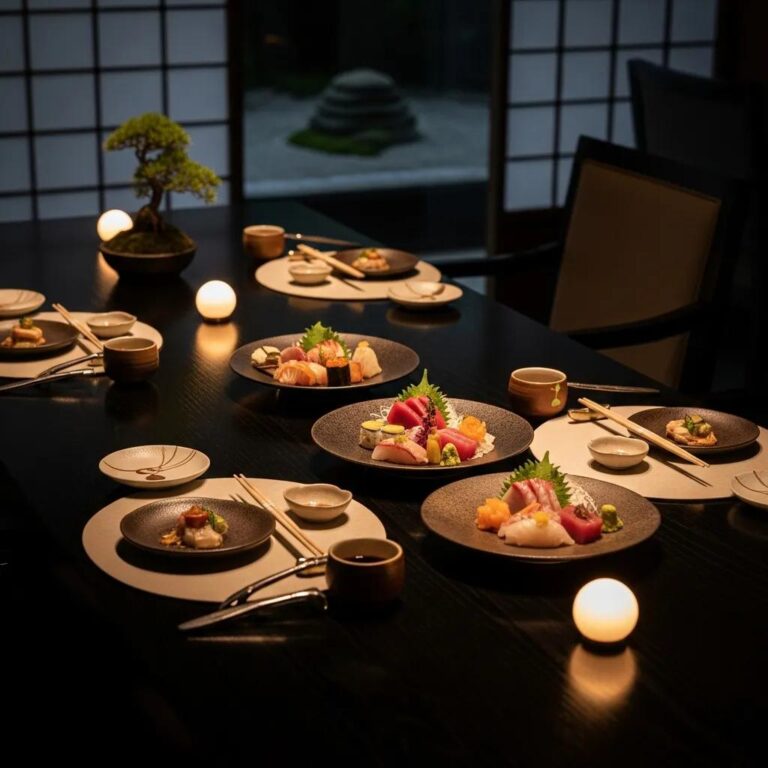
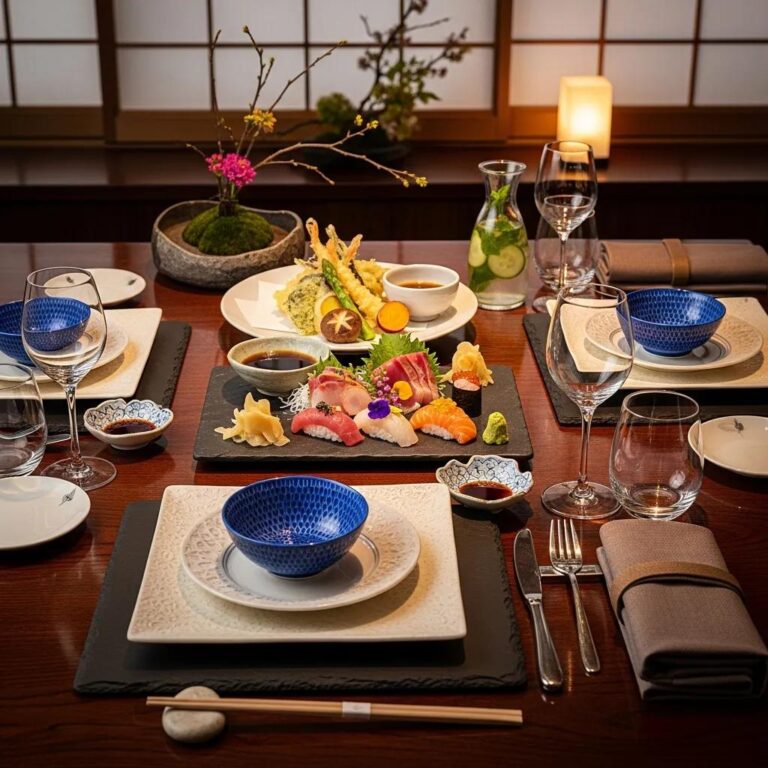
Luxury Japanese fine dining centers on craftsmanship, provenance, and service choreography to tell a cohesive story across multiple courses. The experience is built through deliberate sequencing: chefs choose seasonal ingredients and order courses to create contrast in texture, temperature, and flavor, producing an intentional sensory arc for each guest. The result is tangible—heightened flavor clarity, mindful pacing, and a stronger connection to ingredient origin—so diners leave satisfied and curious. Below are the signature elements that shape that experience and set expectations for discerning guests.
At its finest, luxury Japanese fine dining includes these core characteristics:
- Impeccise plating and restrained seasoning that let natural flavors and textures speak.
- Thoughtful course sequencing that balances temperature, texture, and umami throughout the meal.
- Attentive service rituals that manage timing, explain dishes, and invite guest–chef interaction.
These qualities frame how omakase elevates the dining journey and help explain why a tasting menu delivers both sensory depth and narrative coherence.
How Does Omakase Elevate Your Dining Journey?
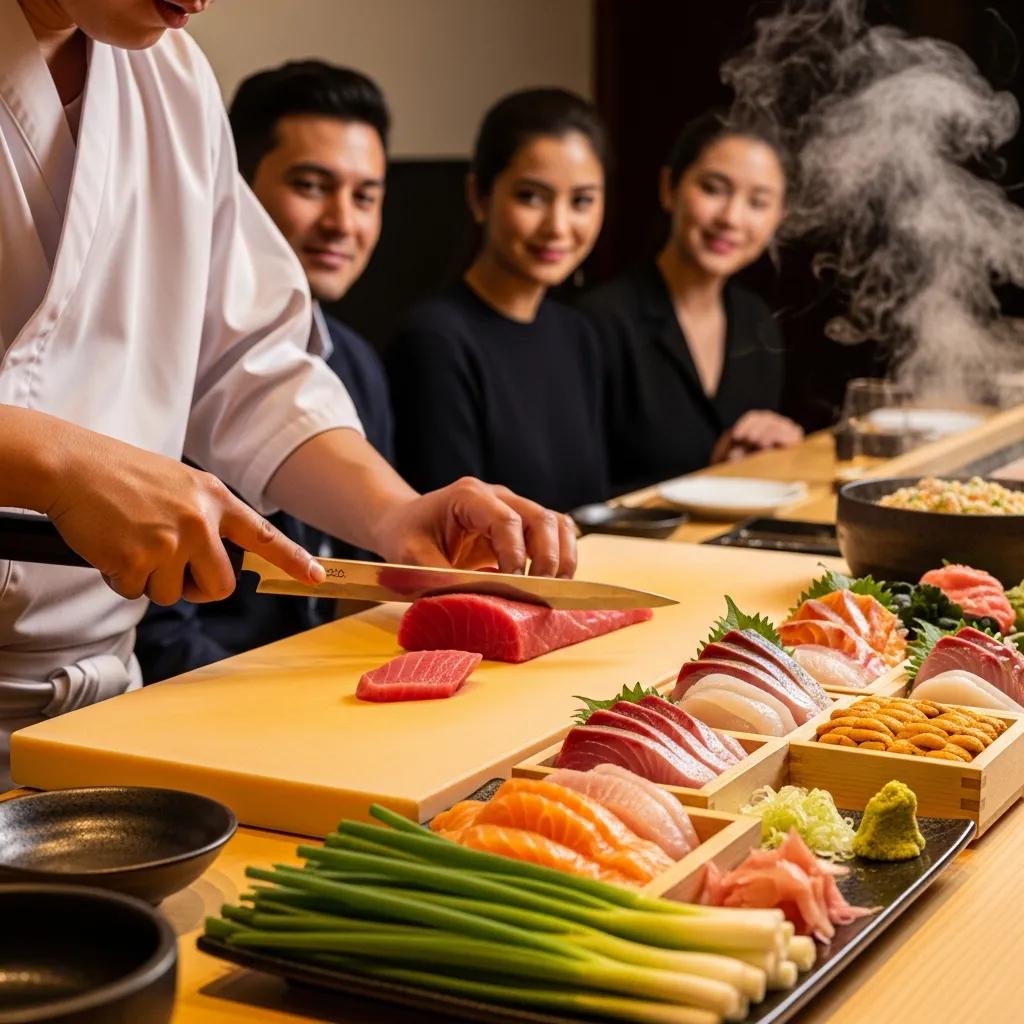
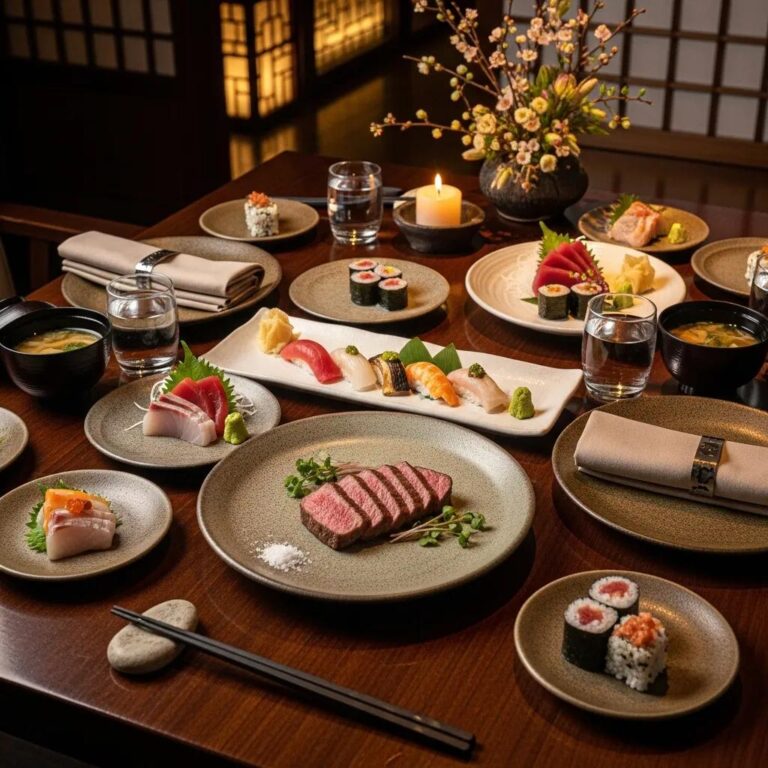
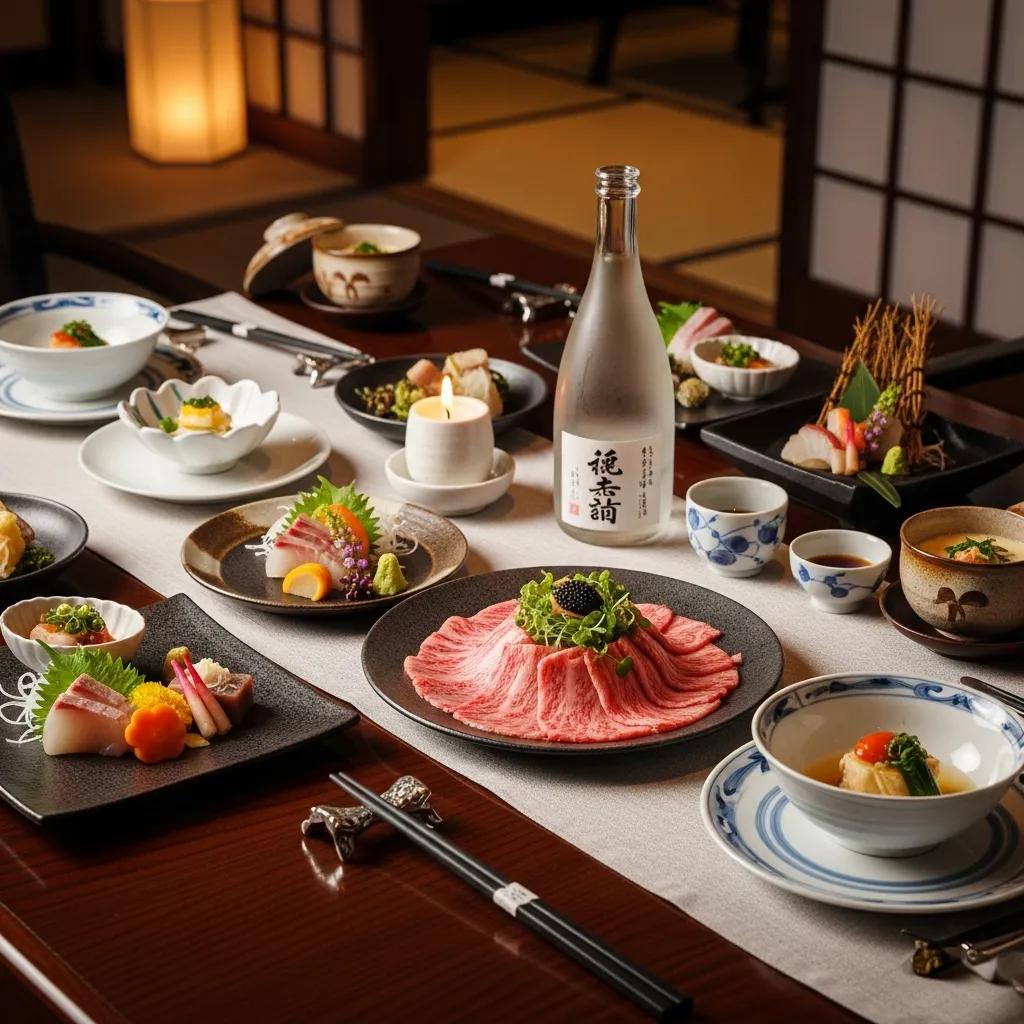
Omakase is a chef-led tasting format in which guests entrust the menu to the chef, allowing a seasonal, highly curated progression centered on the best available ingredients. This format lets the chef respond to market catches, supplier availability, and individual preferences, creating a tailored culinary arc. Each course introduces new textures and flavors that prepare the palate for the next, often building to a premium protein or a delicate finale. A typical flow might open with chilled seasonal sashimi, move through a warm, umami-rich simmered course, and conclude with a lightly seared A5 Wagyu—each plate advancing the meal’s story and highlighting provenance. Trusting the chef opens a dynamic, story-driven experience where every course feels purposeful.
Which Signature Dishes Showcase Premium Ingredients Like A5 Wagyu and Caviar?
Signature dishes on a luxury Japanese tasting menu showcase premium ingredients with minimal intervention, exacting technique, and pairings that reveal each component’s character. Provenance and grade communicate quality—A5 Wagyu’s intense marbling yields a buttery mouthfeel, while select caviars add saline richness and textural contrast. The benefit for guests is clarity: preparations are designed to expose an ingredient’s peak attributes rather than mask them, producing clean, resonant flavors that linger. Below is a comparison of typical signature offerings with primary ingredients, origin notes, and tasting descriptors.
This comparison shows how a menu balances seafood, beef, and caviar to create textural contrast and progressive flavor intensity—explaining why A5 Wagyu and caviar often headline luxury tasting menus.
What Makes A5 Wagyu Steak a Luxury Dining Highlight?
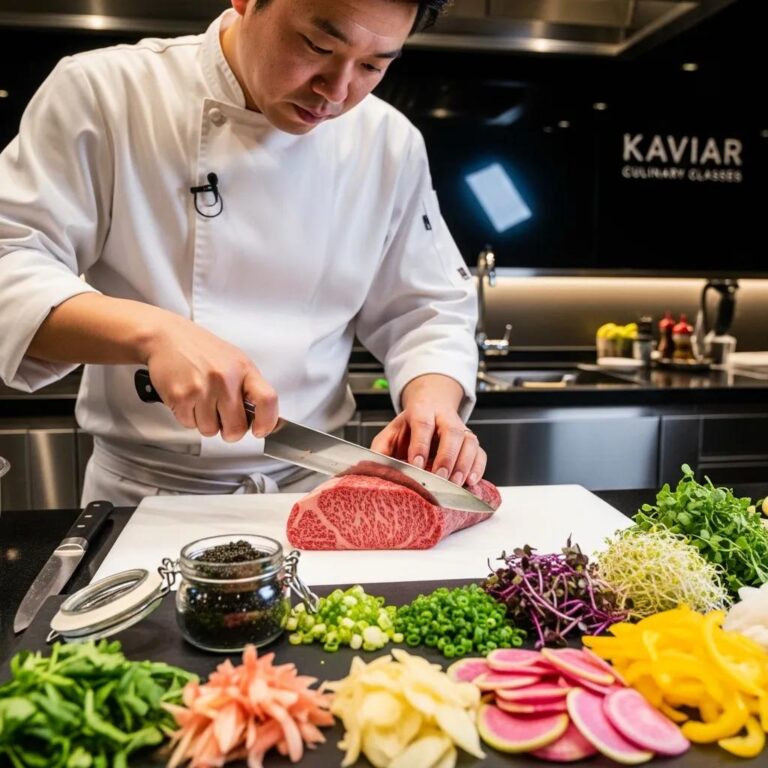
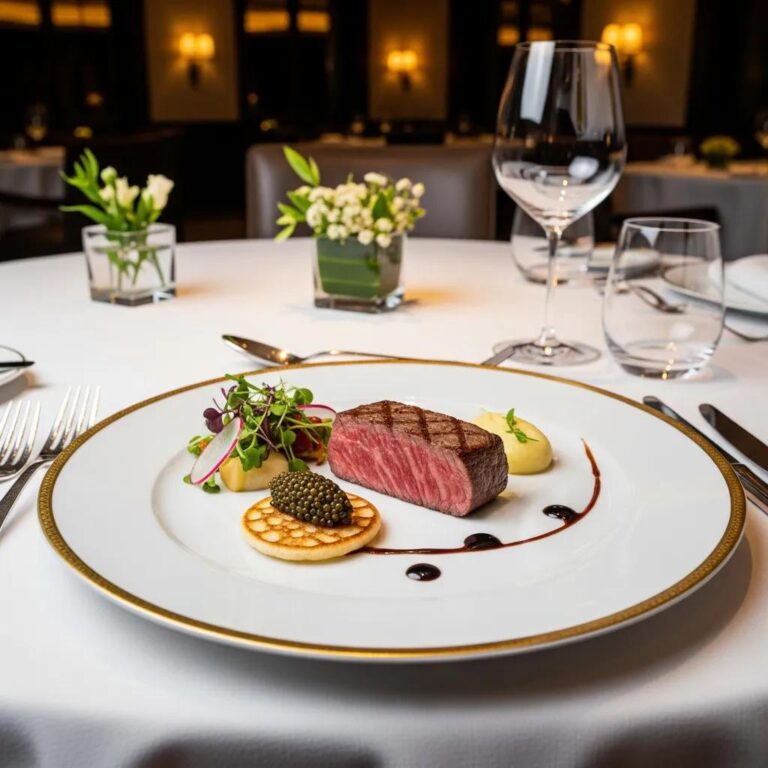
A5 Wagyu is prized for exceptional marbling and grading standards that emphasize intramuscular fat distribution, producing a melt-in-the-mouth texture and concentrated umami. The appeal comes from the finely dispersed fat that melts at lower temperatures and carries flavor across the palate, giving a rich, almost buttery sensation that contrasts with firmer proteins. Chefs use restrained techniques—short sears or gentle finishes—to preserve tenderness while creating a subtle crust for balance. Typical tasting notes include a silky mouthfeel, savory depth, and a lingering, balanced fat finish; pairings are often bright and simple to cut through the richness and highlight nuance. Appreciating these qualities explains why a single A5 Wagyu course can be the climactic moment of an omakase progression.
How Is the Exclusive Caviar Tasting Menu Curated?

A curated caviar tasting is organized around species, terroir, and curing technique—factors that shape texture and intensity—and chefs sequence tastings to highlight contrast across types and pairings. Lighter, more floral caviars are matched with delicate bases like blinis or chilled tofu, while larger, brinier pearls pair well with richer supports such as crème fraîche or toasted brioche, offering balance in each bite. Presentation focuses on precise portions and temperature control to preserve texture; service rituals may include specific spooning and palate cleansers between varieties. The result is a guided exploration of saline depth, creaminess, and minerality that educates and delights—making caviar approachable while keeping its exclusivity intact.
How Can You Secure Your Spot with Luxury Restaurant Reservations in Pasadena?
Reserving a table at a sought-after luxury restaurant requires planning, clarity about your party’s needs, and familiarity with the restaurant’s booking channels so expectations align with capacity and exclusivity. The process is simple: identify available dates, share dietary restrictions or special requests, and confirm lead times or deposit policies to avoid surprises. For omakase or private experiences, early booking is recommended—limited seatings and chef-led formats fill faster than standard a la carte services. Below is a practical sequence to streamline reservations and prepare the necessary information.
- Choose preferred dates and confirm party size before contacting the venue.
- Record dietary restrictions and any celebratory requests to include with your booking.
- Use the restaurant’s reservation channel and verify lead times or deposit policies.
These steps set clear expectations and prepare guests for the information the venue will need—leading naturally into Kaviar’s specific reservation workflow and private event options.
To reserve at Kaviar Restaurant, please book through the Reservation page. Indicate party size, preferred seating, and any dietary notes so our kitchen can tailor the omakase and source premium ingredients in advance. This helps our team prepare a seamless, thoughtful service.
Who Are the Chefs Behind Kaviar’s Culinary Philosophy and Seasonal Sourcing?
Kaviar’s chefs combine classical technique with an intimate knowledge of seasonal markets to create menus that emphasize terroir, texture, and balance. Chef-driven philosophy connects ingredient selection, course sequencing, and plating into a consistent culinary voice experienced across a tasting. Responsibilities include sourcing, quality control, and adaptive menu design—ensuring each service reflects the season while maintaining executional standards. The table below summarizes typical chef roles, culinary focus, and sourcing commitments that support the restaurant’s elevated offerings.
How Does Chef Expertise Influence the Omakase Menu?
Chef expertise shapes ingredient selection, course order, and portion pacing to build the emotional arc of an omakase tasting and ensure each course prepares the palate for the next. In practice, chefs pick ingredients not only for individual quality but for how they interact across the meal—contrast, weight, and temperature are calibrated to sustain interest and highlight progression. For example, a raw fish course might shift to spotlight a seasonal catch, or a palate cleanser could be inserted before a heavier protein—choices that reflect anticipatory planning. The effect for diners is a cohesive narrative where skill and market knowledge produce an intimate, evolving tasting.
What Role Does Sustainable and Seasonal Sourcing Play?
Sustainable and seasonal sourcing narrows menu choices to items that meet traceability and environmental standards while delivering fresher, more transparent flavors chefs are proud to showcase. This approach prioritizes partnerships with trusted suppliers and aligns menus with seasonal rhythms—benefiting guests with consistent quality and a clearer sense of origin. Choosing line-caught fish when available or sourcing beef from verified programs informs both menu design and stewardship messaging, reinforcing a commitment to quality and encouraging repeat visits as dishes rotate with the seasons.
Why Choose Kaviar for an Unforgettable Luxury Dining Ambiance in Pasadena?
An unforgettable luxury dining ambiance pairs refined design, considered acoustics, and choreographed service so every sensory detail supports the meal’s narrative rather than competing with it. Ambiance enhances a tasting menu cumulatively: lighting, seating, and sound all influence perceived flavor and comfort, letting diners focus on texture, aroma, and the interplay between courses. The result is measurable in guest satisfaction—when environment and service align, the food’s nuance reads more clearly and the occasion feels deliberate. Guests often point to these elements as elevating a luxury meal.
- Intimate lighting and framed sightlines that highlight each course.
- Seating that encourages conversation without removing the chef’s presence.
- Acoustic design and layouts that reduce noise and preserve a contemplative mood.
Together, these details create an environment where service and presentation reinforce the tasting sequence and make every course feel intentional.
How Does the Refined Atmosphere Enhance Your Dining Experience?
Design choices—counter seating for direct chef interaction or carefully modulated lighting—shape the evening’s rhythm and help guests focus on each dish’s nuance. Minimizing distractions and inviting close observation means counter seating encourages technique-focused conversation, while a quieter room deepens sensory attention. Examples include directional lighting that accents plating or flexible seating that accommodates private celebrations without breaking service flow. In short, a refined atmosphere supports the chef’s narrative and signals that the meal is curated, heightening anticipation and satisfaction.
What Do Guests Say About Their Luxury Dining Experience?
Guests often remember luxury tastings for the blend of personalized service, ingredient quality, and a clear progression that rewards attention. Reviews tend to highlight singular moments—an unexpected pairing, the tactile contrast of a caviar spoon—that crystallize the meal’s theme and linger afterward. Many remarks emphasize service pacing and the chef’s explanations, which make layered flavors accessible and create a sense of shared discovery. These impressions reinforce that a successful luxury meal is more than its parts: it’s a curated sequence of sensory moments made meaningful by provenance, technique, and ambiance.
Frequently Asked Questions
What is the significance of seasonal ingredients in Japanese fine dining?
Seasonal ingredients are central to Japanese fine dining because they reflect nature’s rhythm and deliver peak freshness and flavor. Chefs prioritize what’s in season to craft dishes that feel timely and distinct—supporting local producers and keeping the menu dynamic so guests encounter new highlights throughout the year.
How can diners prepare for an omakase experience?
To prepare for omakase, familiarize yourself with the restaurant’s style, note any dietary restrictions when booking, and arrive open to new flavors. Sharing allergies or preferences in advance helps the chef tailor the experience, and engaging with the chef during service can deepen your understanding of each dish’s story and technique.
What types of beverages pair well with luxury Japanese dining?
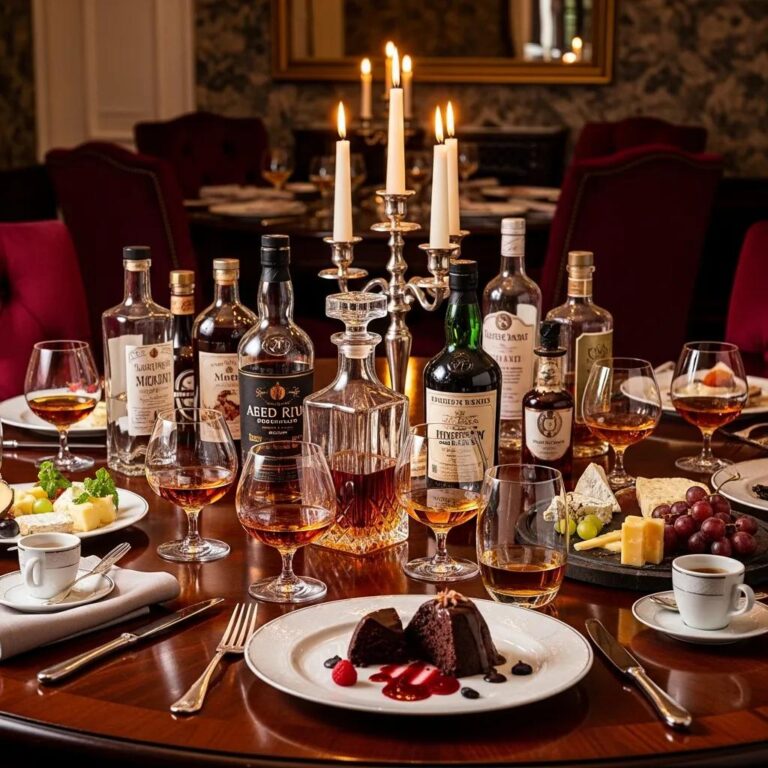
Beverage pairings can elevate the meal. Sake—served warm or chilled depending on type—complements umami-rich dishes, while Japanese whisky pairs well with richer courses like A5 Wagyu. Non-alcoholic options such as green tea or matcha work beautifully as palate refreshers. The right pairing enhances flavors while honoring culinary tradition.
What should guests expect in terms of service during a luxury dining experience?
Expect attentive, personalized service: staff anticipate needs, explain courses, and time service to match the meal’s pace. Interactions with the chef are often encouraged, and the goal is a seamless experience where the focus remains on the food and atmosphere so guests can fully enjoy the culinary journey.
How does the ambiance of a restaurant impact the dining experience?
Ambiance shapes mood, comfort, and perception of flavor. Elements like lighting, seating, and acoustics create an inviting setting that enhances enjoyment—dim lighting fosters intimacy, while good acoustics minimize distractions and let you focus on the food. A thoughtfully curated environment signals that the meal is a special occasion, heightening anticipation and satisfaction.
What are the benefits of choosing a luxury restaurant for special occasions?
Luxury restaurants elevate special occasions with exceptional service, top-tier ingredients, and menus that reflect culinary artistry. The ambiance and personalized touches—custom menus, special arrangements—make events feel unique and memorable. Dining in a refined setting turns an evening into a lasting memory.
Conclusion
Luxury Japanese fine dining marries exquisite flavors, attentive service, and a considered atmosphere to transform a meal into an occasion. By understanding omakase and the role of premium ingredients like A5 Wagyu and caviar, diners can better appreciate the craft behind each dish. Ready to begin your culinary journey? Reserve at Kaviar Restaurant—where every service is a celebration of taste, technique, and tradition. Explore our offerings and elevate your next dining experience.