





Introduction to Tea Ceremony Basics at Home: Your Complete Guide to Japanese Tea Rituals
The Japanese tea ceremony is a considered ritual that pairs exact technique with quiet hospitality. This guide shows how to translate that practice to a home setting: you’ll learn the core sequence of steps, how to set up a simple tea corner, which utensils matter and how to care for them, plus the etiquette that shapes host–guest exchange. Practicing at home builds presence—Ichigo Ichie—while sharpening practical skills like careful measuring and deliberate whisking. Many beginners don’t know where to begin; this article breaks the process into approachable sections, offers checklists and sourcing tips, and outlines ceremony variations (matcha, sencha, gyokuro). Keywords such as tea ceremony, matcha ceremony, tea utensils, Ichigo Ichie, and ceremonial grade matcha appear naturally to support practical learning and cultural appreciation.
What Are the Essential Steps of a Japanese Tea Ceremony at Home?
A pared-back home tea ceremony follows an intentional sequence: purify the space and mind, ready the utensils, make the tea, serve with respect, and return the room to calm. Each action prepares the next—cleaning focuses attention, arranging tools smooths movement, brewing concentrates technique, serving expresses hospitality, and cleanup closes the moment. Running through the full flow at home improves timing, keeps hot-water handling safe, and helps you feel the ceremony’s rhythm. The steps below are condensed for beginners and emphasize safety, cleanliness, and presence. Start small and repeat the sequence until gestures and timing feel natural; regular practice reveals how subtle adjustments shape the guest experience.
- Prepare and purify the space: clear a low table or tatami-style mat, tidy nearby surfaces, and ensure steady lighting and ventilation.
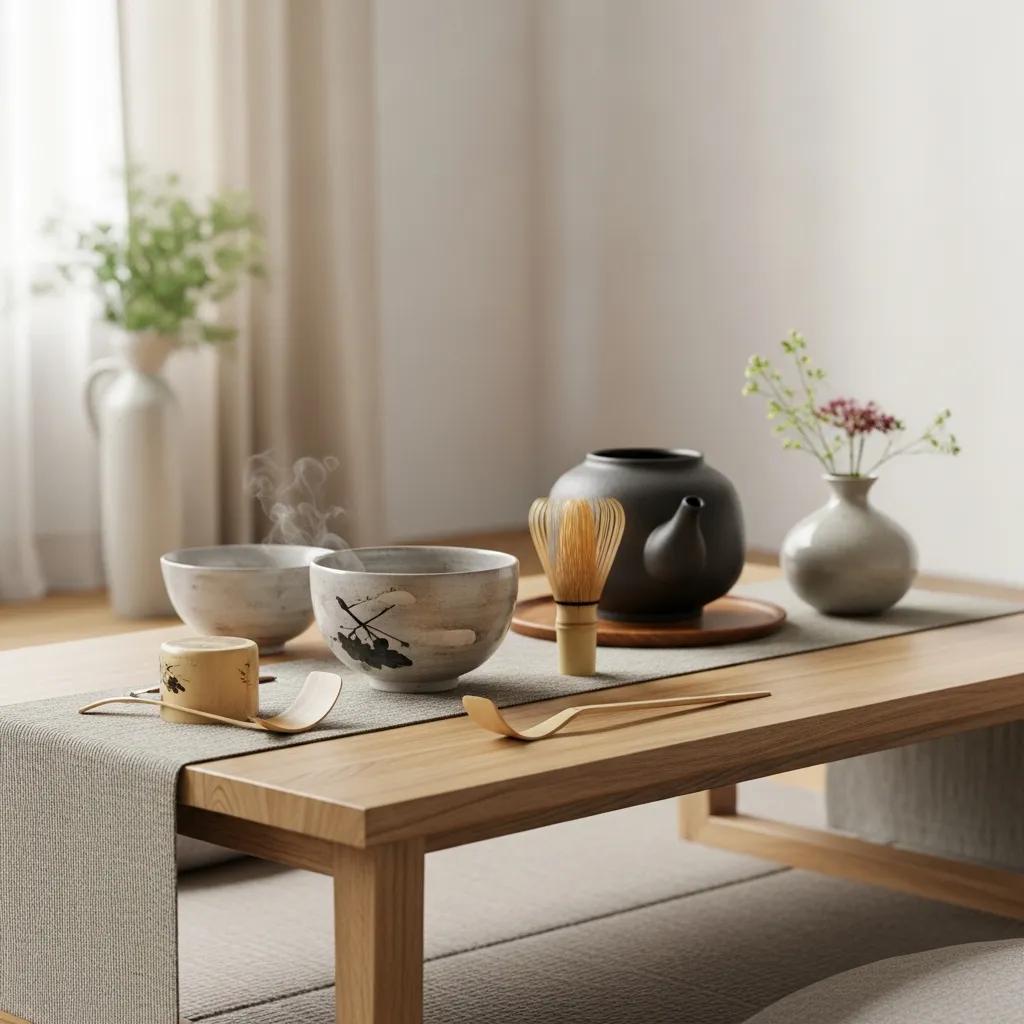
- Arrange utensils: set the chawan (tea bowl), chasen (bamboo whisk), chashaku (bamboo scoop), natsume (tea caddy), and kensui (waste bowl) within easy reach.
- Warm and rinse: heat water to the appropriate temperature, pour a little into the bowl to warm it, then discard to the kensui to help control water temperature.
- Measure and sift matcha: use one to two chashaku scoops (about 1.5–2 g) of ceremonial grade matcha, sift if clumpy, and place into the warmed chawan for even whisking.
- Whisk and serve: add hot water at the recommended temperature, whisk in an M-shaped motion with the chasen until a fine froth forms, then present the bowl with a modest bow.
- Receive and savor: guests rotate the bowl, sip with quiet appreciation, wipe the rim, and return the bowl; the host then cleans and stores the utensils.
These numbered steps map a home-friendly flow; as you practice, refine timing and gestures and always prioritize safety with hot water. The next section offers practical setup and equipment placement to help you repeat these steps comfortably in small spaces.
How Do You Prepare the Tea Space and Equipment?

Preparing the tea space means creating a clean, stable environment that encourages focus and flow while honoring wabi‑sabi simplicity. Choose a low table or a quiet corner with minimal clutter and soft natural light; make sure the surface is steady and away from drafts or hazards. Arrange utensils so you can move smoothly from one step to the next: keep the kettle or electric heater within reach but off the table, center the chawan, and place the natsume and chashaku to the side that matches your dominant hand. In small kitchens or living rooms, use a tray or a folding low table and limit accents to a single seasonal element so attention stays on the tea. Thoughtful placement reduces awkward motions and sets a calm stage for host and guest alike.
What Is the Step-by-Step Process for Preparing and Serving Matcha?
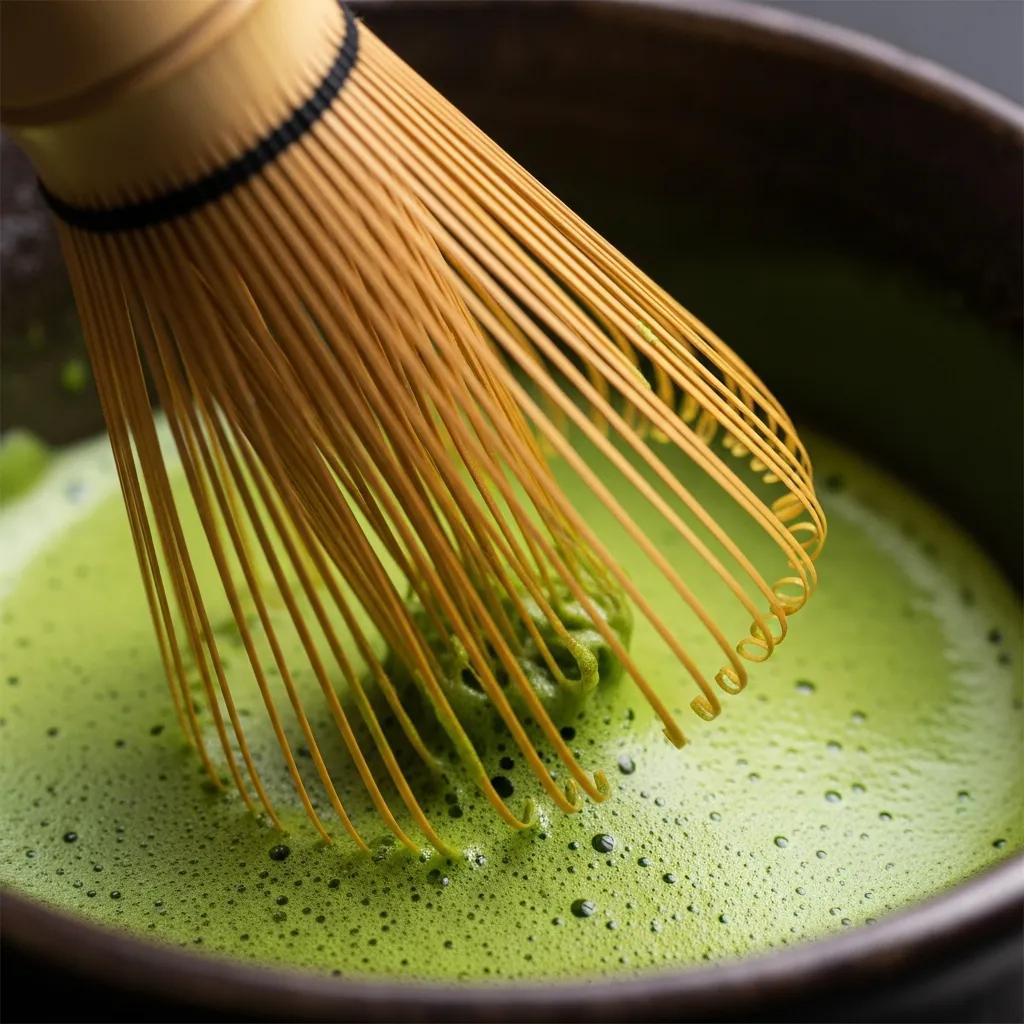
Making matcha at home is about measure, temperature, and whisking rhythm to produce a smooth, frothy cup that carries the ceremony’s intent. Place one to two chashaku scoops (≈1.5–2 g) of ceremonial grade matcha into the warmed chawan, then add 60–90 ml of water heated to 70–80°C for thin usucha or 50–60°C for thicker koicha, depending on the style you choose. Whisk briskly in an M or W motion with the chasen to build an even froth—avoid slow circular stirring that traps air. Serve promptly so aroma and texture are at their peak, and take care when handling hot water. After guests finish, rinse and dry tools properly. Mastery comes from repetition and small tweaks to scoop size, water temperature, and whisk speed to suit your matcha.
Which Equipment Is Needed for a Home Tea Ceremony?
A compact set of core utensils makes authentic practice at home possible: chawan (tea bowl), chasen (bamboo whisk), chashaku (bamboo scoop), natsume (tea caddy), kensui (waste bowl), and a dependable kettle for precise temperature control. Each piece serves a practical purpose and shapes the ceremony’s sensory experience: the chawan affects aroma and hand-feel, the chasen changes foam and texture, and the chashaku frames measure and motion. Choosing durable, simple materials—raku or stoneware bowls and quality bamboo implements—keeps care straightforward and connects your practice to traditional craft.
Below is a compact comparison to help beginners choose materials, uses, and care practices.
The essential utensils, common materials, uses, and basic care guidance are summarized here.
This table shows how material choices affect function and upkeep; selecting one reliable set simplifies learning and helps your utensils last. The next subsection goes deeper into the roles of chawan, chasen, and chashaku.
What Are the Functions of Chawan, Chasen, and Chashaku?
Together the chawan, chasen, and chashaku form the ritual’s working core: the chawan captures aroma and warmth, the chasen creates texture, and the chashaku measures while shaping a deliberate gesture. A deeper bowl supports vigorous whisking and foam, while a shallower bowl highlights aroma. Chasen come with different tine densities—finer tines yield smoother froth. The chashaku’s curved profile helps create a precise scoop and an elegant motion; using it with intention reinforces a measured pace. After use, rinse the chawan gently, remove matcha residue from the chasen with water (never soap), and air‑dry bamboo tools to prevent mildew—these habits preserve both function and form.
How Do You Select and Care for Tea Ceremony Tools?
For beginners, prioritize fit and authenticity: choose a chawan that feels right in your hands, a mid‑density chasen suited to usucha, and a sturdy chashaku with a comfortable length. Favor modestly priced genuine materials over plastic imitations—a well‑made bamboo whisk and a hand‑crafted chawan offer the best balance of performance and value. Care is simple: rinse bowls and whisks immediately after use, avoid detergents on bamboo, and store items in a ventilated spot to prevent warping. Replace the chasen when the tines fray noticeably, and handle lacquered or ceramic natsume gently to keep their finish—good care extends both life and ritual quality.
How Do You Conduct a Tea Ritual at Home with Proper Etiquette?
Hosting a tea ritual at home combines practical actions—host prepares and serves, guest receives and acknowledges—with gestures and short phrases that communicate respect and attention. Etiquette matters because it lifts an ordinary exchange into considered hospitality; simple, consistent gestures create a shared rhythm. When adapting formal protocol for an informal setting, focus on clear movements, modest bows, and quiet attention rather than strict rule‑keeping. The list below covers core role actions and useful dos and don’ts to keep at‑home practice respectful and accessible.
- Host Preparation: Clean the space, warm utensils, and time the water so tea is served fresh; present the bowl with a gentle bow.
- Serving Gesture: Offer the bowl with both hands, turn its front away from the guest, then step back slightly to signal service is complete.
- Guest Receiving: Accept the bowl with both hands, rotate it slightly before drinking, sip with quiet attention, wipe the rim, and return it with a bow.
- Closing Conduct: Host visibly cleans tools and thanks guests; guests respond with a brief bow or verbal appreciation.
These practical steps help hosts and guests move together smoothly while preserving the ceremony’s attentive atmosphere. Next, a focused scenario outlines exact gestures and timing you can rehearse.
What Are the Roles and Gestures of Host and Guest?
In a simple home exchange the host leads with clear cues—clean, warm, scoop, whisk, present—while the guest responds with attentive receipt and respectful return. The host brings the prepared chawan forward at a steady pace, signals readiness with a small bow, and moves calmly to avoid distraction. The guest rotates the bowl about two-thirds clockwise to avoid the bowl’s front, sips in two to three quiet mouthfuls, and wipes the rim with a fingertip or cloth before returning it; a modest bow closes the exchange. Simplified roles reduce performance pressure while preserving mutual attention and shared appreciation.
How Does Mindfulness and the Concept of Ichigo Ichie Enhance the Ceremony?
Ichigo Ichie—“one time, one meeting”—frames each gathering as a singular encounter deserving full attention. Practically, applying Ichigo Ichie means tuning into a single sensory detail—the matcha’s aroma, the warmth of the bowl, or the soft sound of the chasen—and letting that focus steady the moment. Try a brief breath before presenting the bowl, note one sensory quality, and silently acknowledge the shared experience. This kind of presence fosters calm, gratitude, and more intentional hospitality—principles that also align with the attentive service we cultivate at Kaviar.
What Types of Tea Ceremonies Can You Practice at Home?
At home you can explore several approachable formats: matcha whisking ceremonies, sencha pour‑over rituals, and gyokuro brewing. Matcha centers on powdered tea and a meditative exchange; sencha focuses on leaf quality and short infusions from a kyusu; gyokuro requires low temperatures and patient steeping to draw out umami. Which you choose depends on time, tools, and the occasion: matcha suits short, focused gatherings; sencha fits relaxed tastings; gyokuro rewards slow, attentive brewing.
Below is a concise comparison of matcha, sencha, and gyokuro variables for home practice.
This side‑by‑side shows how temperature, measure, and timing shape flavor and ritual pacing. The next subsection describes how preparation and utensils vary across these three practices.
How Do Matcha, Sencha, and Gyokuro Ceremonies Differ?
Matcha ceremony emphasizes whisked powdered tea and precise utensil choreography—chawan, chasen, chashaku—and focuses on texture and shared presentation. Sencha practice highlights leaf quality and the kyusu teapot to draw bright, vegetal notes across quick infusions and careful pouring. Gyokuro calls for the lowest water temperature and longer steeping to coax concentrated umami; it invites quiet attention and slow tasting. Each form suits different home moments: matcha for intimate ceremonial sharing, sencha for casual tastings, gyokuro for contemplative sessions.
What Are the Cultural and Historical Contexts of These Ceremonies?
Japanese tea practices grew from Zen Buddhist meditation and samurai‑era aesthetics into distinct ceremonial forms that prize mindfulness, seasonality, and restraint. Chanoyu—centered on matcha—was formalized by schools such as Urasenke, while sencha evolved as an everyday appreciation of leaf and technique. This history explains the continuing emphasis on etiquette and seasonal accents: they honor craft, attention, and respect. Modern home adaptations keep those core values—simplicity, presence, craftsmanship—while easing formal complexity so everyday practitioners can access meaningful ritual.
Where Can Beginners Find Resources and Supplies for Home Tea Ceremonies?
Beginners benefit from curated learning resources and reputable vendors that disclose origin and grade—especially when buying ceremonial grade matcha or authentic bamboo tools. Introductory books and structured online courses teach both technique and context; videos demonstrate whisking rhythm and bowl handling visually. Below is a practical list of resource types with why each helps beginners, followed by buying guidance and a local cultural recommendation for those seeking in‑person experience.
Key educational options for beginners include books, structured courses, and video tutorials:
- Books: Provide history and step‑by‑step technique—ideal for foundational study.
- Online courses: Offer guided practice and feedback, often with modules on etiquette and care.
- Video tutorials: Show motion—whisking rhythm and bowl presentation—so you can emulate technique.
These formats complement one another: books build context, courses provide structure, and videos supply visual cues that speed skill acquisition. The next subsection offers practical buying advice and a soft cultural tie to a local dining experience.
What Are Recommended Books, Online Courses, and Tutorials?
Start with a respected introductory book that balances history with clear technique, then add a short online workshop or class with demonstrations of whisking and serving. Video lessons—particularly those focused on chasen motion and bowl handling—give the visual reinforcement many learners need. For hands‑on practice, look for local classes at cultural centers or culinary schools where you can repeat the motions and get immediate feedback. Combining reading, structured instruction, and video practice builds a well‑rounded learning path.
Where to Buy Authentic Tea Ceremony Equipment and Ceremonial Grade Matcha?
When purchasing utensils and ceremonial grade matcha, prefer vendors that list origin, grade, and production details; ceremonial matcha often notes harvest timing and shading practices that influence umami and color. Trusted sellers provide clear photos, origin information, and storage tips—beware vague labels that simply say “matcha” without grade or source. Price varies: entry‑level chawans and bamboo whisks are affordable, while handcrafted bowls command higher prices; prioritize functional authenticity when you’re starting out. For those who want to pair learning with dining, Kaviar offers an elevated Japanese fine‑dining experience that complements home practice—reservations available by phone, Resy, or OpenTable—to observe hospitality that echoes tea ceremony values.
When sourcing, prioritize vendors that disclose origin, harvest date, and grade—this transparency correlates with consistent flavor and suitability for ceremonial use. These practices help beginners choose matcha and tools that support a respectful and rewarding home ceremony.
If you’d like an in‑person complement to your study, Kaviar Restaurant provides a refined Japanese dining environment that reflects similar hospitality principles; reservations can be made via Resy, OpenTable, or by phone. Experiencing seasonal presentation and attentive service can deepen your understanding while the guide keeps the focus on respectful practice at home.
A short checklist to finalize purchases:
- Verify matcha grade: confirm a ceremonial grade designation and origin details.
- Inspect tool materials: choose bamboo chasen and natural‑material chawans over plastic options.
- Check return policies: prefer sellers with clear returns to protect early purchases.
This checklist helps you buy with confidence and prepares you to practice at home with authentic, reliable equipment.
Kaviar Restaurant provides a refined context for those who want to pair tea study with seasonal Japanese dining; reservations may be made via phone, Resy, or OpenTable to experience hospitality that mirrors tea ceremony values. The restaurant’s attention to premium ingredients and service offers a cultural complement to home practice while the guide remains focused on respectful technique and learning.
Frequently Asked Questions
What is the significance of mindfulness in the Japanese tea ceremony?
Mindfulness is central to the tea ceremony: it invites participants to be fully present. The idea of Ichigo Ichie—“one time, one meeting”—reminds us each gathering is unique and should be treasured. By attending to sensory details—the tea’s aroma, the bowl’s warmth, the chasen’s soft sound—participants deepen their connection to the ritual and to one another. That presence transforms a simple serving into an intentional exchange of hospitality and respect.
How can I adapt the tea ceremony for a larger group?
For larger groups, streamline the process: prepare multiple servings in advance, set a self‑service station, or recruit a co‑host to assist. Ensure you have enough space and utensils so guests can participate comfortably. Keep the ceremony’s core principles—mindfulness and respect—front of mind, and invite guests to engage with a few simple elements even in a more casual format.
What are some common mistakes to avoid when hosting a tea ceremony at home?
Common missteps include neglecting cleanliness, rushing the flow, and using inappropriate water temperatures—each can diminish the experience. Take your time with each step, communicate calmly with guests about what to expect, and double‑check water temperature for the tea you’re serving. Clear, composed hosting preserves the ceremony’s quiet dignity.
How can I incorporate seasonal elements into my tea ceremony?
Seasonal touches enrich the ceremony and honor Japan’s sensitivity to time of year. Use a small seasonal flower or foliage as a focal accent, select teas traditionally enjoyed in a given season, and choose snacks that pair with the moment. Subtle seasonal changes—color, a single ornamental piece, or a themed sweet—create a cohesive, time‑sensitive experience.
What are the differences between matcha, sencha, and gyokuro in terms of preparation?
Matcha is whisked powdered tea that emphasizes texture and ceremony. Sencha is steeped loose leaf tea, usually in a kyusu, with short infusions and multiple brews. Gyokuro requires the lowest water temperature and a longer, gentle steep to draw out concentrated umami. Each type calls for specific techniques to showcase its best flavors.
What should I look for when purchasing ceremonial grade matcha?
When buying ceremonial grade matcha, look for transparent information on origin, harvest date, and production methods. Vibrant green color typically indicates freshness and quality; descriptions that reference shading practices and harvest timing point to higher umami and aroma. Texture should be fine and free of clumps. Reviews and trusted recommendations also help you find a reputable source.
Conclusion
Bringing the Japanese tea ceremony into your home is a practical way to cultivate presence, care, and hospitality through simple, intentional rituals. By learning the essential steps and choosing quality utensils, you can create a calm setting that deepens your tea experience. Embrace the learning process: try different tea types, refine your gestures, and source tools that support respectful practice. Begin today by gathering a modest set of utensils and a reliable matcha—then practice with patience and attention.