





Investing in Professional Kitchen Equipment: How High‑End Appliances Elevate Fine Dining
Professional, high‑end kitchen appliances are purpose‑built systems that give fine‑dining kitchens the precision, reliability and consistency needed to execute complex services and protect delicate ingredients. These commercial units deliver tighter control over temperature and humidity, are built from robust, food‑safe materials, and are designed for straightforward servicing — all of which reduces variance across covers and produces repeatable results that guests notice. Chefs and operators choose this equipment to cut waste, safeguard premium proteins, and make techniques like precision sous‑vide, rapid searing and timed plating reliably reproducible. This guide explains how professional equipment differs from consumer models, surveys the most relevant appliance categories in 2024, links equipment choices to culinary outcomes (including omakase, A5 Wagyu and caviar), outlines the business gains from smart kitchen tech, and offers practical maintenance and asset‑management advice to extend lifespan. Along the way we align terms such as high‑end kitchen appliances, gourmet kitchen tech, professional‑grade appliances and smart kitchen technology with real operational benefits for luxury restaurants and serious home professionals.
What Defines Professional Kitchen Equipment for Fine Dining?
Equipment for fine dining stands apart because of precise controls, durable food‑safe construction, and a serviceable design meant for high use. These systems offer micro‑temperature control, validated hold‑and‑serve modes, and materials chosen to endure heavy cycling while meeting food‑safety specifications. Their advantage works on three levels: tighter control reduces variance, industrial components keep uptime high, and modular service designs simplify repairs — together delivering measurable savings in waste and labor. Knowing these core attributes helps procurement teams prioritize appliance classes that materially affect signature dishes and nightly throughput. Below we unpack the features that most directly map to kitchen workflows.
Key Features of High-End Kitchen Gadgets and Appliances
High‑end appliances include technical features that translate directly into kitchen performance and operational resilience. Precision temperature controls and micro‑adjustment thermostats enable repeatable results for delicate proteins and sauces; steam injection and vacuum systems give chefs control over texture for items like tempura batters and sous‑vide cuts. Heavy‑duty construction — stainless, reinforced seals and commercial burners — limits thermal drift and protects ingredient integrity through service, while modern control interfaces let teams store and recall cooking profiles for consistent execution. Each feature reduces plate‑to‑plate variability, an essential factor when restaurants sell premium tasting menus. Next, we cover how connectivity and sensors layer additional precision into modern kitchens.
How Smart Kitchen Technology Elevates Culinary Precision
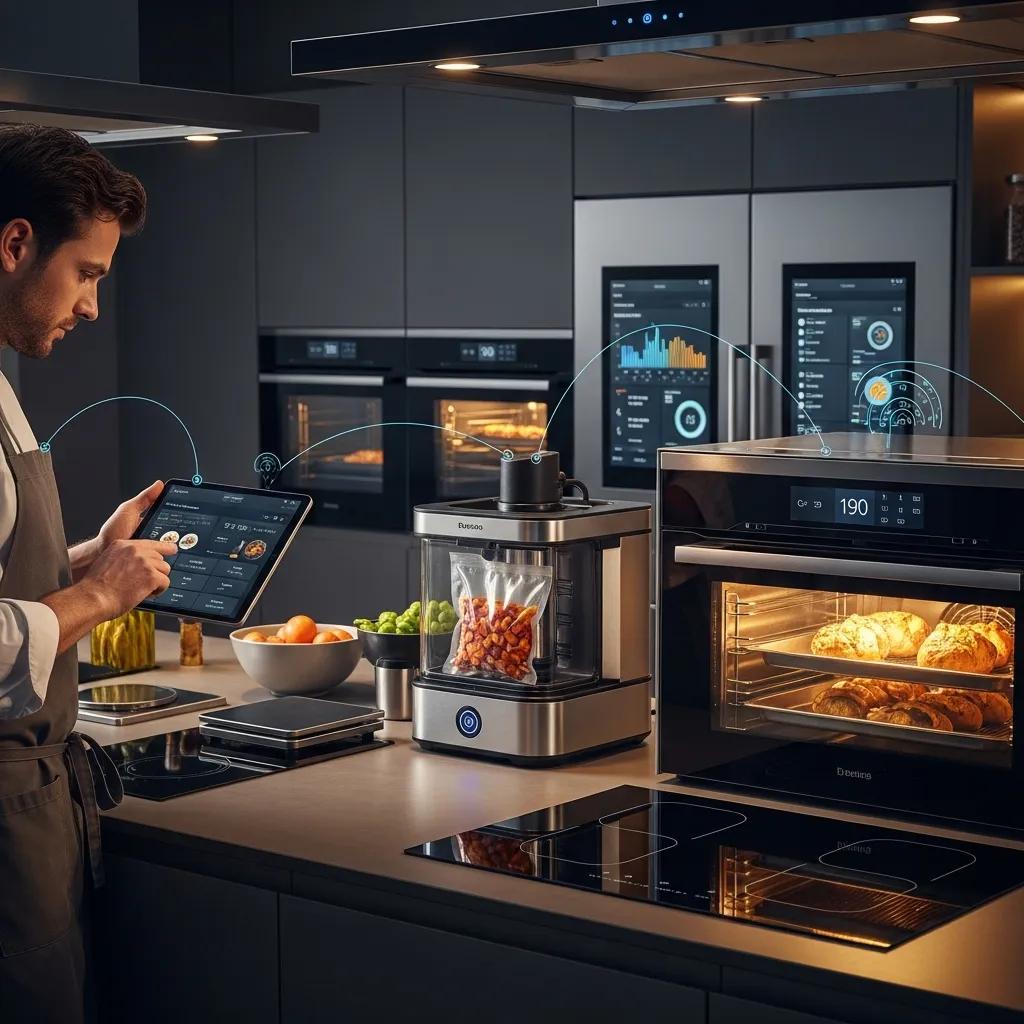
Smart kitchen technology brings sensor feedback, automation and data logging to proven appliance functions. IoT‑enabled devices stream real‑time temperature, humidity and cycle data that teams use to enforce SOPs, automate repeatable steps like sous‑vide staging, and trigger preventive service alerts. Continuous temperature logging, for example, provides traceability for food safety and lets chefs reproduce complex doneness curves reliably. Predictive maintenance — informed by vibration, temperature drift or run‑time analytics — reduces unexpected downtime and keeps service consistent. These sensor‑and‑software layers close the gap between operator intent and culinary outcome and set the stage for deciding which appliance categories and models matter most in 2024.
Which Luxury Kitchen Appliance Brands Lead the Market in 2024?
In 2024 market leadership is defined less by logo recognition and more by appliance classes that combine connectivity, serviceability and energy efficiency for luxury operations. Buyers evaluate commercial ranges, combi ovens, blast chillers and professional refrigeration on warranty terms, energy ratings and the vendor’s service network. The right choice matches technical categories — commercial ranges, combi ovens, precision refrigeration — to a restaurant’s volume profile and menu techniques, favoring units with modular spares and validated energy performance. Below is a compact comparison of the appliance classes most relevant to fine‑dining procurement to help shortlist vendors and shape RFPs.
Different appliance classes offer distinct capabilities that map to fine‑dining needs:
Top Commercial Kitchen Appliances for Fine Dining Restaurants
Fine‑dining kitchens rely on a focused set of commercial appliance classes that drive menu execution and service flow. High‑output ranges and infrared searing burners deliver the rapid surface caramelization premium steaks require, while combi ovens and steam systems manage moisture and texture for delicate fish, vegetables and pastry. Precision refrigeration and blast chillers protect perishable items such as caviar and aged meats by maintaining cold‑chain integrity and minimizing enzymatic change. Each appliance — commercial ranges, combi ovens, blast chillers, precision refrigeration — serves a distinct culinary role that must be balanced with kitchen layout, staffing and menu strategy. Next, we consider how warranty and energy factors influence procurement decisions.
Comparing Warranty and Energy Efficiency Among Premium Brands
Warranty terms and energy metrics materially affect total cost of ownership and operational reliability. Compare on‑site response times, parts availability, and whether software updates or IoT diagnostics are included in service agreements — quick access to certified technicians shortens service windows. Energy‑efficient models often carry a higher upfront cost but can yield measurable savings in utilities and HVAC load, especially when they include heat recovery or smart scheduling. When evaluating purchases, run lifecycle calculations — projected energy use, expected uptime and maintenance cost — instead of focusing on purchase price alone. The next section ties these procurement choices to culinary outcomes and signature‑dish execution.
How Do High-End Kitchen Appliances Impact the Culinary Experience?
High‑end appliances shape the dining experience by enabling consistent technique, protecting ingredient quality and optimizing timing across multi‑course services — producing repeatable guest experiences and predictable covers. Mechanically, appliances reduce variance through precise thermal profiles, controlled humidity and rapid staging for holding and plating; these mechanisms translate into improved texture, color and temperature at service. The result is higher perceived quality for guests and reduced product waste for operators, boosting margins while preserving luxury standards. The table below maps common appliances to their direct culinary roles so chefs can align investments with menu priorities.
Appliance → Culinary Role → Outcome
Role of Professional Equipment in Preparing Signature Dishes like A5 Wagyu
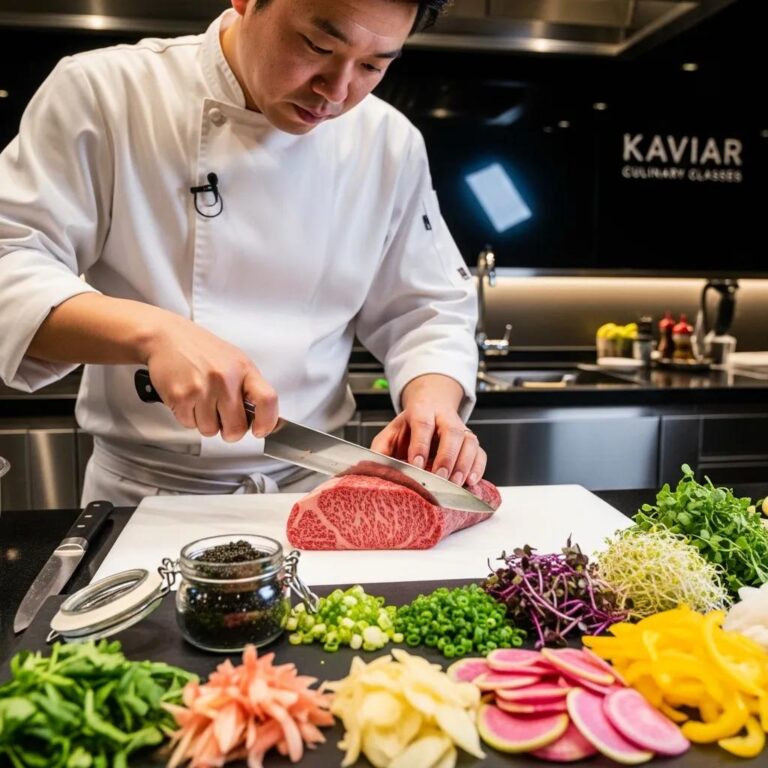
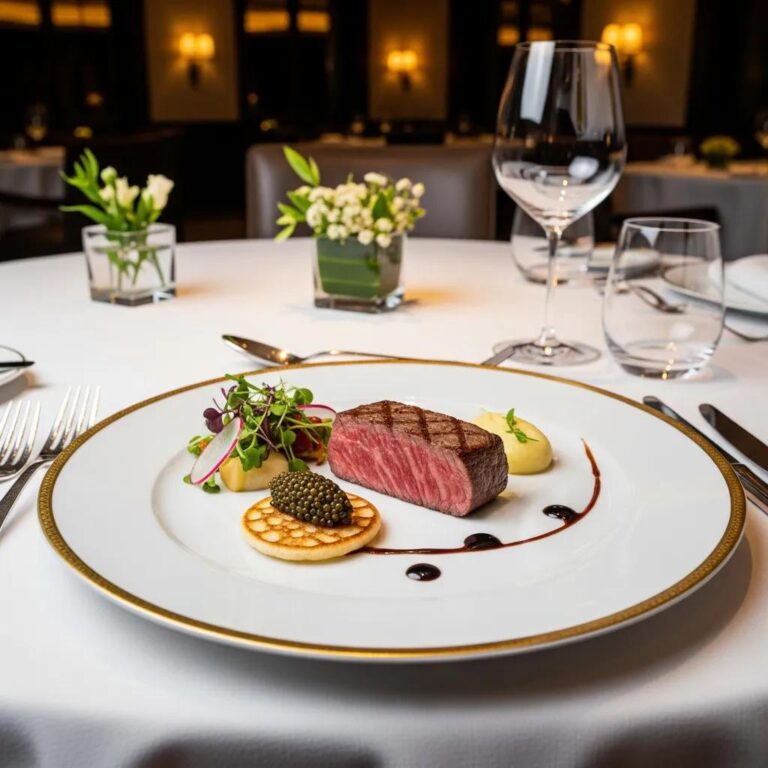
Getting A5 Wagyu right demands appliances that allow micro‑control over searing, carryover and resting temperatures to preserve flavor and mouthfeel. A common workflow uses precision sous‑vide to reach the target internal temperature, followed by a high‑output sear on a commercial range or infrared broiler to build a caramelized crust without overcooking. Humidity‑controlled holding cabinets maintain texture during plating, and precision refrigeration before service preserves marbling integrity. This sequence — sous‑vide → sear → humidity‑controlled hold — delivers a consistent uplift in the dining experience by ensuring each portion meets the chef’s specification. Kitchens that invest in these linked systems reduce variability and deliver reliably exceptional courses.
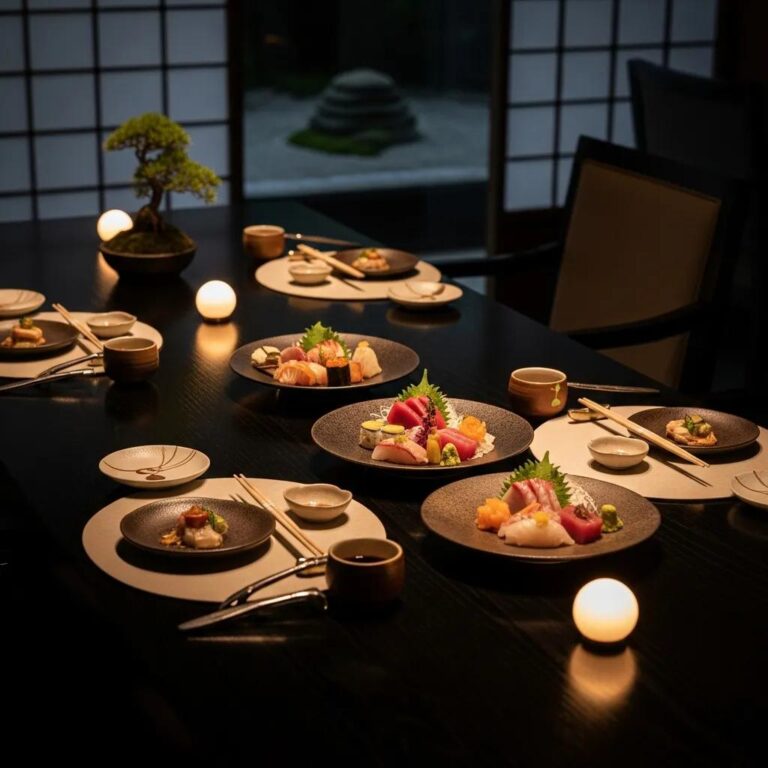
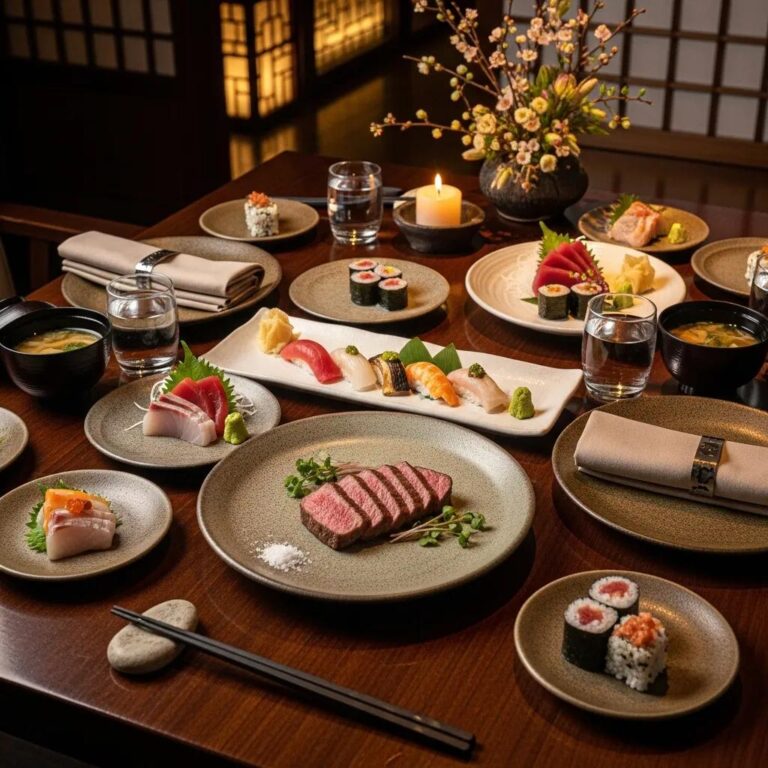
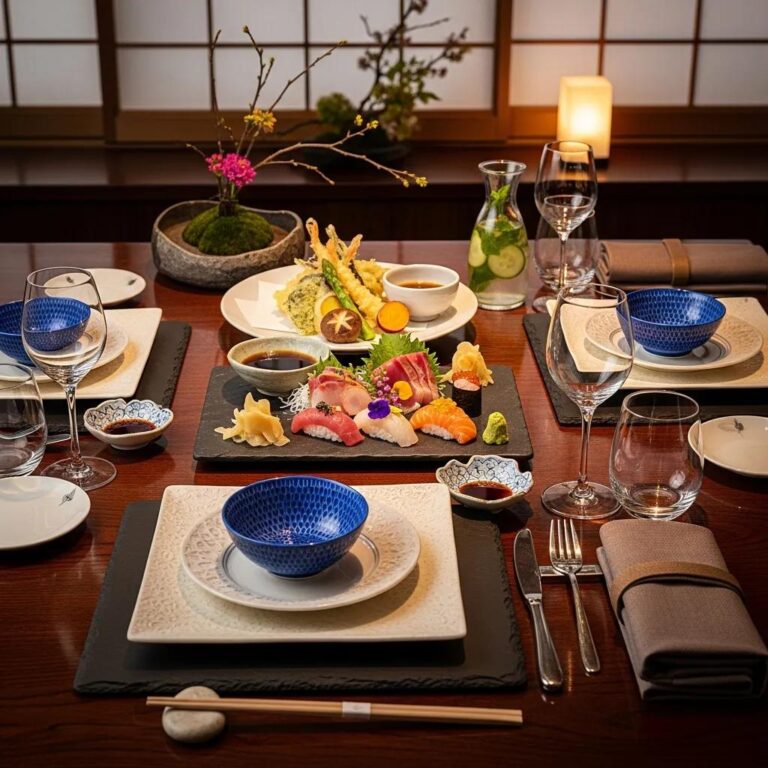
Kaviar Restaurant in Pasadena offers a practical example: their omakase seatings, A5 Wagyu selections and caviar‑forward plates rely on precise staging and controlled searing to present flavors and textures exactly as intended. When equipment choices align with menu promises, operators improve reservation reliability and guest satisfaction through validated workflows and targeted staff training. For chefs and operators wanting to see these techniques in action, reviewing a luxury tasting menu and reservation options provides a direct measure of outcomes in practice.
Integrating Gourmet Kitchen Technology Trends in Luxury Kitchens
Current gourmet kitchen trends center on IoT sensor integration, zone automation and workflow digitization that support staff execution and quality control. Sensor feeds — from temperature probes to humidity monitors — feed kitchen management systems that offer live status and predicted completion times for multi‑course services, enabling tighter reservation windows and synchronized plating. Automation often comes with workflow redesign: stations are re‑zoned to manage thermal loads, SOPs are updated for digital checks, and training emphasizes data interpretation alongside culinary skills. Implementation considerations include network security for connected devices, technician training for IoT repairs, and documenting digital SOPs to preserve institutional knowledge. These operational changes directly affect energy use and guest experience, the benefits of which we outline below.
What Are the Benefits of Investing in Smart Kitchen Innovations?
Smart kitchen investments produce measurable culinary and business benefits: better energy efficiency, consistent food quality, less waste and an improved guest experience through predictable pacing. The mechanism is simple — automation and sensors reduce human variability, while analytics reveal inefficiencies and predict maintenance needs, lowering operating costs and protecting premium ingredients. Smart systems also tighten coordination between kitchen and front‑of‑house, improving pacing for tasting menus and reducing turnover uncertainty. Below are the primary benefits and how they translate into operational value.
Smart kitchen investments deliver several clear advantages:
- Precision and Consistency: Stored profiles and sensors ensure repeatable results across teams and shifts.
- Energy and Cost Savings: Smart scheduling and efficient components reduce utility use and HVAC load.
- Improved Guest Experience: Reliable pacing and temperature control enhance how each course is perceived.
- Reduced Waste: Predictive analytics and better holding controls cut spoilage of high‑value ingredients.
Together these benefits raise both product quality and profitability. The next sections provide practical energy strategies and examples of how kitchen timing improves reservation reliability.
Enhancing Energy Efficiency and Sustainability in Commercial Kitchens
Energy‑efficient appliances and smarter operations reduce carbon footprint and running costs without sacrificing culinary results. Technologies such as heat‑recovery, demand‑based ventilation and high‑efficiency refrigeration lower utility draw, while programmable scheduling and load balancing minimize simultaneous peaks. Procurement should include energy metrics and ROI calculations, and operations teams can amplify savings with behavioral changes — staggered preheat cycles and consolidated loads, for example. Choosing equipment with modular repairability also extends lifecycle and reduces waste. These measures cut operating costs and support sustainability goals increasingly valued by discerning diners.
Improving Reservation and Dining Experience through Kitchen Technology
Kitchen technology supports front‑of‑house reliability by creating predictable course timing and realistic service windows. Systems that track cook progress and forecast completion times build a data‑driven bridge to the host stand, allowing managers to confirm pacing with arriving guests and optimize turnover without compromising experience. This synchronization boosts satisfaction for tasting menus and complex omakase services where timing is critical, and it reduces the risk of overbooking during peak demand. When reservation platforms and kitchen workflows are aligned, guests enjoy a consistent journey from booking to the last course.
Kaviar Restaurant has implemented reservation and kitchen coordination strategies that reflect these principles: integrating recipe profiles and timing expectations into service planning helps maintain flow across omakase seatings and multi‑course A5 Wagyu presentations. By linking kitchen timing to reservation pacing, operators preserve the curated experience luxury diners expect while improving throughput.
How to Maintain and Optimize Luxury Kitchen Appliances for Longevity?
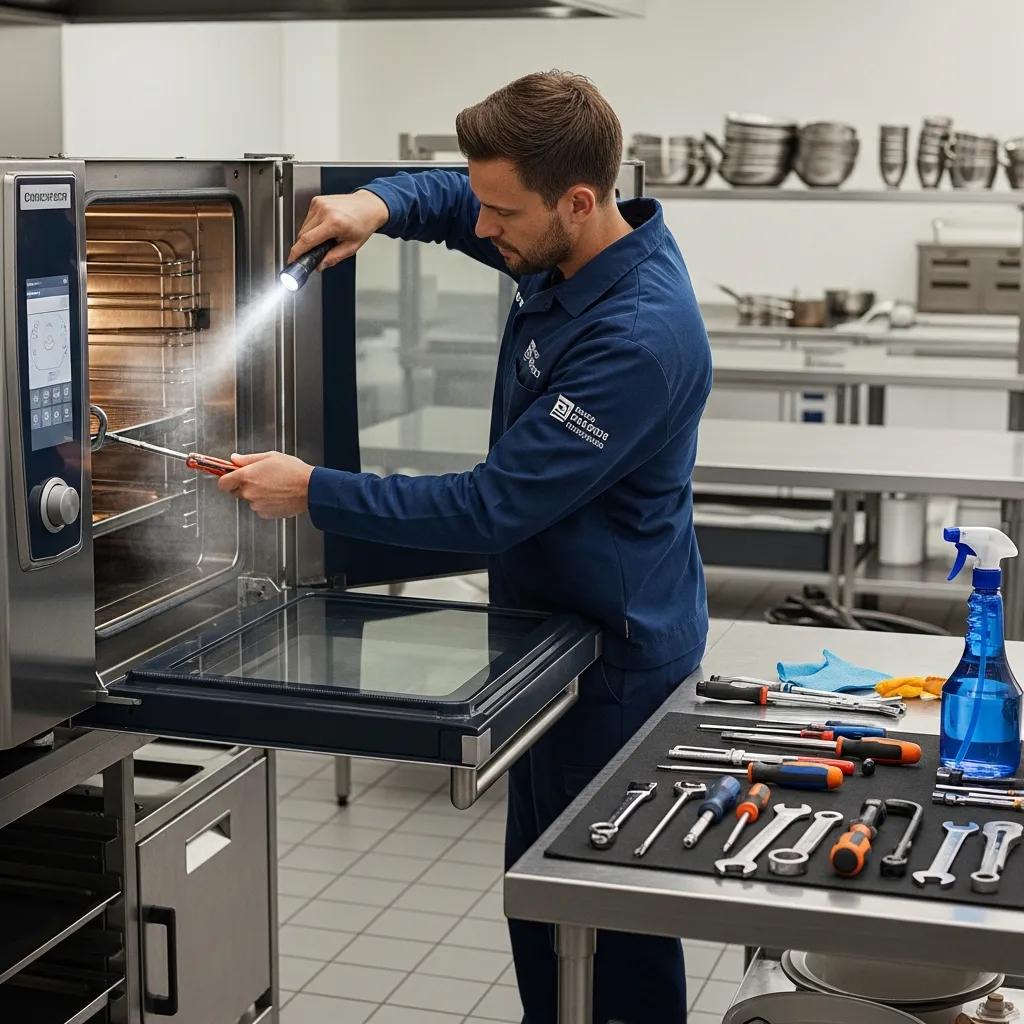
Longevity for luxury kitchen equipment depends on scheduled cleaning, regular calibration and a data‑driven service strategy that prioritizes predictive maintenance and clear documentation. Routine tasks protect performance and food safety — daily cleaning prevents buildup that impairs heat transfer, monthly calibration keeps temperature tolerances within spec, and recorded service histories support lifecycle planning. The preventive approach — small, regular actions — averts larger failures, prolongs warranty coverage and controls repair costs. Below is a practical checklist teams can adapt to their asset inventory and service cadence.
Maintenance tasks organized for operational use:
Best Practices for Maintenance of Professional Kitchen Equipment
A dependable maintenance program combines daily cleaning, scheduled preventive work and defined escalation paths to certified technicians. Daily and weekly checks focus on cleanliness, visible wear and basic function tests — burner output, seal integrity and control responsiveness — while monthly tasks include calibration, filter changes and software updates for connected devices. Service contracts with clear SLAs and documented maintenance logs speed repairs and support warranty claims. Train staff to spot early performance drift and escalate issues before they affect service. Consistent documentation informs replacement timing and maximizes return on investment.
- Daily cleaning and visual inspection of seals, burners and exposed components.
- Weekly verification of temperature accuracy and refrigeration door performance.
- Monthly calibration of critical controls and review of IoT diagnostics.
Utilizing Structured Data and Visual Content for Appliance Management
Structured data and annotated visual libraries simplify inventory, warranty tracking and maintenance onboarding. JSON‑LD or similar formats store metadata — model IDs, warranty terms, service schedules — which integrate with maintenance systems and streamline vendor interactions. Photographic records and short maintenance videos speed technician diagnosis and preserve institutional knowledge for complex procedures. Linking structured metadata to service records builds a searchable asset history that guides repair‑versus‑replace decisions and supports food‑safety audits. These practices connect asset data to frontline action and enable smarter lifecycle management.
Kaviar Restaurant applies data‑driven asset management to protect the premium equipment used for omakase and A5 Wagyu service: annotated photos and structured maintenance logs help technicians respond quickly, and service history informs spare‑part procurement. For operators aiming to align equipment stewardship with guest promises, these practices keep premium systems dependable and ensure reservations translate into consistent culinary delivery.
Frequently Asked Questions
What are the key differences between high-end kitchen appliances and consumer-grade models?
High‑end appliances are engineered for professional use: they offer tighter temperature control, food‑grade construction and serviceability that consumer units typically lack. That robustness delivers consistent culinary results, reduces waste and protects expensive ingredients. Consumer models may perform well at home but often can’t sustain the demands or precision required in a professional service environment, which can introduce variability in results.
How can smart kitchen technology improve operational efficiency in restaurants?
Smart kitchen tech improves efficiency by automating repeatable tasks, delivering real‑time data and enabling predictive maintenance. IoT devices monitor temperature, humidity and cycles so teams maintain consistent quality and reduce human error. Analytics highlight inefficiencies and suggest optimizations, lowering costs and improving safety while making service timing more predictable for guests.
What maintenance practices are essential for high-end kitchen appliances?
Essential practices include regular cleaning, routine calibration and preventive servicing. Daily cleaning prevents buildup that affects performance; monthly calibration keeps temps accurate; and maintaining service records aids lifecycle planning. A structured maintenance schedule and staff training to spot early signs of wear significantly extend equipment lifespan.
How do energy-efficient appliances contribute to sustainability in commercial kitchens?
Energy‑efficient appliances reduce consumption and operational costs through features like heat recovery and demand‑based ventilation. They lower utility draw and HVAC impact while maintaining culinary standards. Over time, these efficiencies reduce a restaurant’s carbon footprint and produce meaningful savings — a persuasive argument for both sustainability and the bottom line.
What factors should be considered when selecting luxury kitchen appliance brands?
Consider warranty terms, energy ratings and the vendor’s service network. Match appliance categories to operational needs — for example, whether you need a heavy‑duty range or precision refrigeration — and evaluate modularity for repairs. Brand reputation for reliability and parts availability matters just as much as initial specification when you measure long‑term value.
How can restaurants ensure consistent culinary outcomes with high-end appliances?
Consistency comes from the right equipment plus disciplined execution: invest in precision appliances, document cooking profiles and train staff on standardized protocols. Use smart monitoring to enforce those profiles and schedule regular calibration and maintenance. Together, these practices let chefs deliver predictable, high‑quality dishes across shifts.
Conclusion
Investing in professional, high‑end kitchen appliances raises culinary precision, consistency and the overall guest experience in fine‑dining settings. By understanding what distinguishes professional equipment and choosing units that align with menu techniques and operational needs, chefs can elevate signature dishes while improving efficiency. Smart kitchen technology further tightens workflows and cuts waste, helping every service meet the standards diners expect. Explore our curated selection of premium kitchen appliances to transform your culinary operations today.