




Japanese Kaiseki Ryori — The Art of Multi‑Course Dining and the Omakase Experience
Kaiseki ryori is Japan’s elegant multi‑course tradition: a carefully ordered sequence of seasonal small plates that celebrates balance, texture and visual harmony. This guide explains what kaiseki is, how it evolved from the tea‑ceremony’s humble hospitality into today’s fine‑dining practice, and how omakase personalizes that path into a single, memorable tasting. You’ll find a clear breakdown of typical courses, the role seasonality and sourcing play, how premium ingredients like A5 Wagyu and caviar are used, and practical etiquette and reservation tips for luxury kaiseki dining. Whether you’re wondering how many courses to expect, how to note dietary needs, or how chef‑led pacing shapes the tasting, this article answers those questions with concise lists, practical tables, and actionable steps. Following sections cover course purpose, the omakase connection (including how to reserve an omakase at Kaviar Restaurant), signature A5 Wagyu and caviar preparations, seasonal ingredient maps, and essential etiquette for an elevated kaiseki outing in Pasadena.
What Is Kaiseki Ryori and How Does It Define Japanese Multi‑Course Dining?
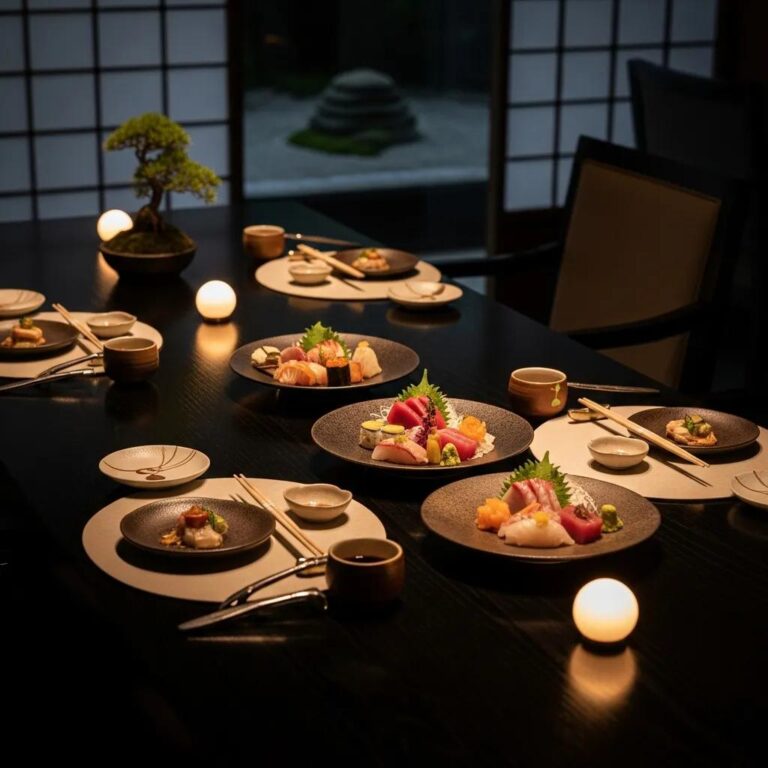
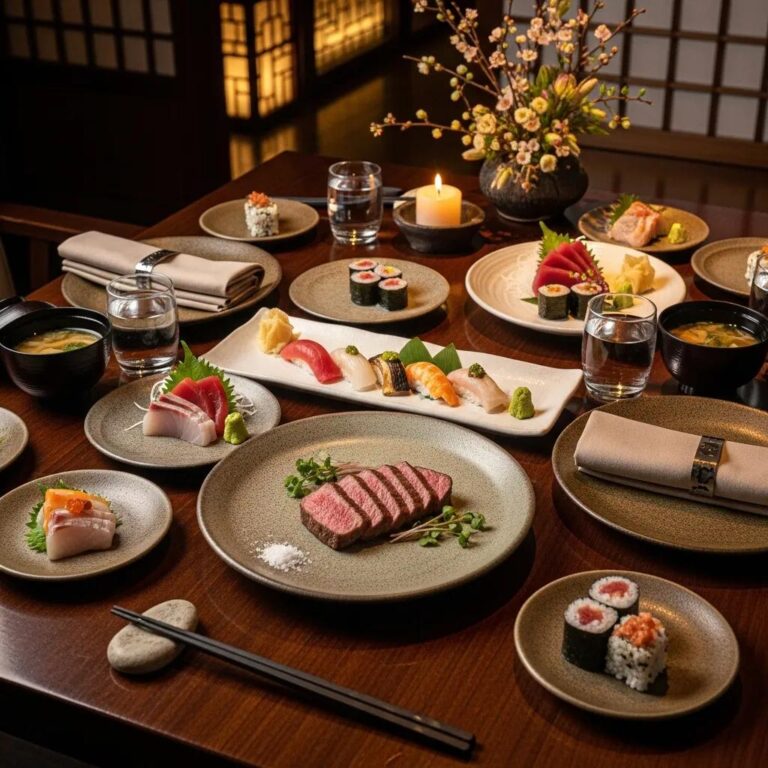
Kaiseki is a seasonal, chef‑curated progression of small plates designed to highlight an ingredient’s natural character while guiding the diner through contrasting textures and temperatures. It relies on seasonality, subtle seasoning and composed plating so each course reveals an element of flavor, aroma or form. More than a menu, kaiseki is a hospitality practice—ritual, timing and presentation matter as much as taste. Seeing how individual courses connect helps explain why kaiseki is central to Japanese haute cuisine and why both chefs and diners prize its seasonal variety.
The structure of kaiseki becomes clearer when we break down its core course types and their intended roles.
Below is a concise table mapping each core course to its components and cultural meaning, useful for readers new to the format.
That table shows how kaiseki balances taste, temperature and texture across a meal. Knowing each course’s role makes it easier to follow the chef’s intended progression during service.
Understanding the Tradition and History of Kaiseki Ryori
Kaiseki traces its roots to the tea ceremony, where modest seasonal bites complemented ritualized tea service. From those restrained beginnings—rooted in wabi‑sabi aesthetics—chefs developed techniques that preserve an ingredient’s essence rather than mask it. Over time the format broadened to include grilling, steaming and simmering while keeping the tea ceremony’s measured pacing and visual restraint. Today’s kaiseki balances respect for tradition with contemporary culinary craft, responding to local terroir and seasonal availability while remaining a living, adaptive tasting format.
This lineage—from ceremony to modern plating—also helps explain the range of courses you might encounter in a contemporary service.
How Many Courses Are Typically Included in a Kaiseki Meal?
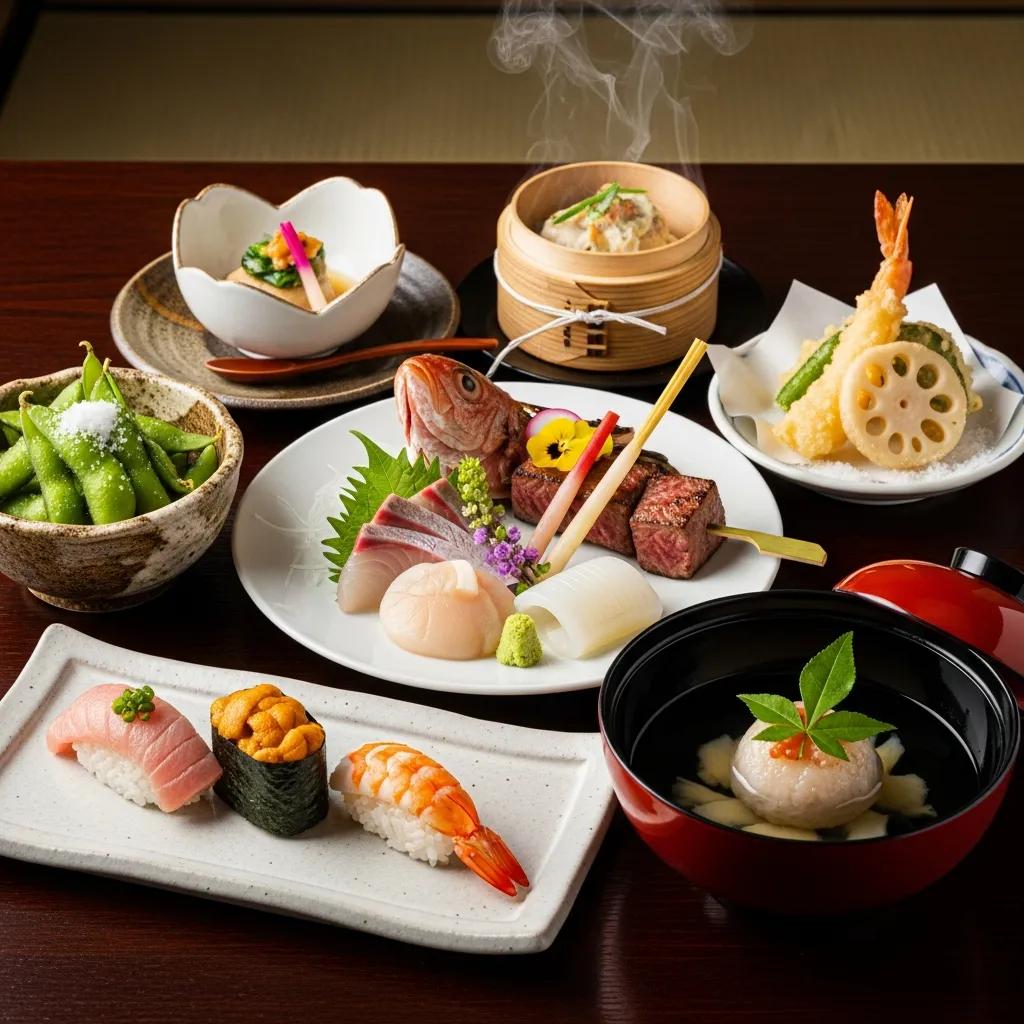
A traditional kaiseki can range from roughly six to fifteen courses; most refined services present eight to twelve distinct plates, including appetizers, sashimi, simmered and grilled dishes, rice and dessert. Course count varies with seasonality, ingredient availability and whether the meal is presented formally as kaiseki or as a chef‑led omakase. Modern menus sometimes add intermezzi or palate cleansers to lengthen the narrative. Factors such as the use of premium items (A5 Wagyu, caviar) and desired pacing influence the final count. Knowing this range helps set expectations and plan timing or reservations for longer ceremonial meals.
Kaiseki is typically framed as a curated arc rather than a checklist, and the next section shows how omakase can further shape that arc with personalization and interactive pacing.
How Does the Omakase Dining Experience Enhance Kaiseki at Luxury Japanese Restaurants in Pasadena?
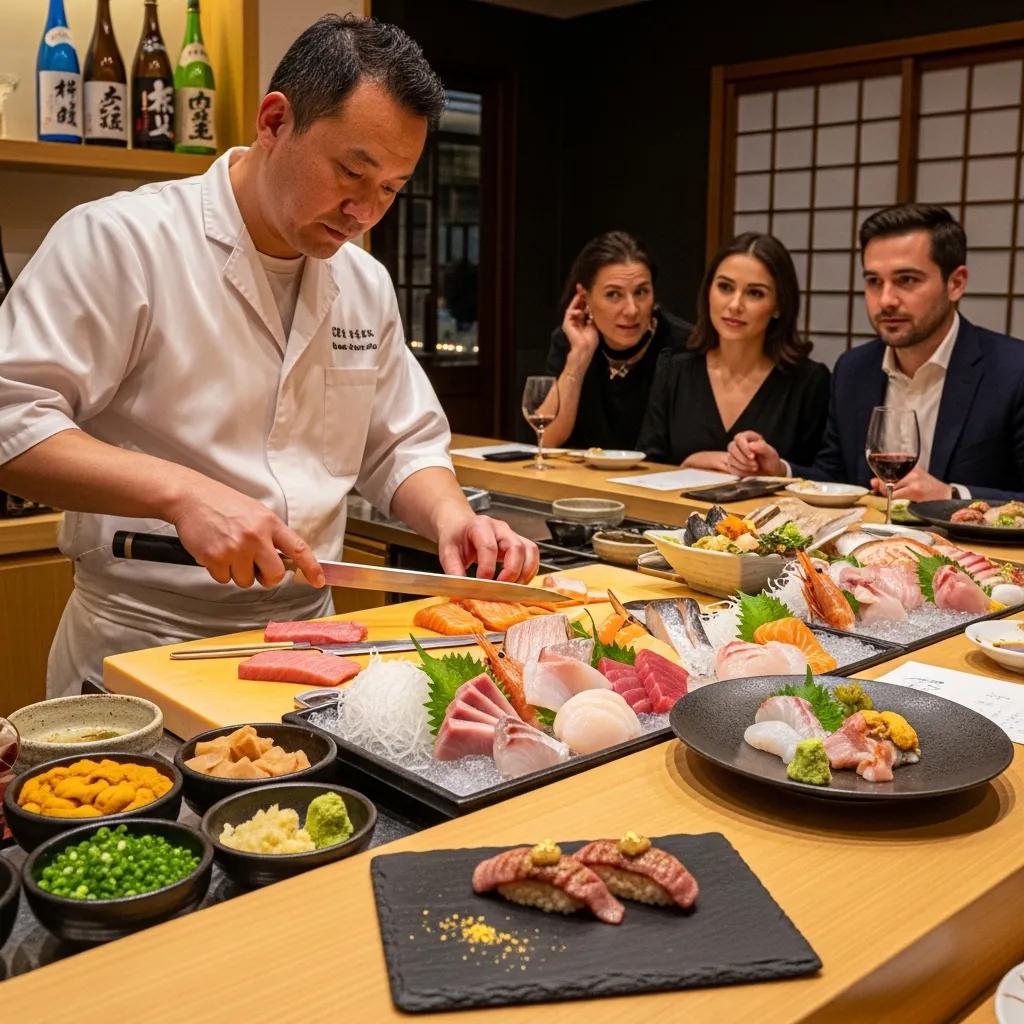
Omakase—literally “I leave it to you”—is a chef‑driven service that amplifies kaiseki by allowing spontaneous dish selection and immediate use of peak seasonal ingredients. In practice the chef curates in real time, guided by ingredient arrivals, diner preferences and pacing, creating a dynamic dialogue between technique and season. The result is a bespoke narrative: each plate responds to the previous one, making the tasting feel tailored. In luxury contexts omakase deepens engagement through storytelling, live finishing and brief explanations that highlight provenance and technique.
Because omakase is flexible, chefs can compress or expand the kaiseki sequence and introduce premium ingredients or micro‑courses at key moments. Below is a practical list of what to expect from a fine‑dining omakase service.
- Chef‑led sequence: The chef selects and paces dishes to highlight peak ingredients.
- Interactive storytelling: The chef or server shares provenance and technique for key courses.
- Dynamic substitution: Menus adapt daily to secure the best quality and seasonality.
- Pacing control: Course timing is adjusted to your party’s tempo and preferences.
These elements explain why omakase converts a fixed ritual into a personal performance. For guests seeking an omakase kaiseki in Pasadena, Kaviar Restaurant offers a refined chef‑driven tasting focused on seasonal produce and premium components; reservations and menu details are available through our booking channels and online menu page for special occasions.
What Makes Omakase Service Unique in Fine Dining?
Omakase stands out because the chef authors the entire meal: selection, sequencing and portioning reflect immediate culinary judgment. This performative model uses short feedback loops—the chef tastes, adjusts and presents—so dishes arrive using ingredients at their peak and textures and temperatures land precisely. Diners benefit from heightened cohesion: flavors and techniques are threaded to prepare the palate for what’s next. For example, a smoky grilled course may follow a clean sashimi plate for contrast, or a small palate cleanser may reset the palate before a rich A5 Wagyu bite.
That direct chef engagement naturally leads into practical booking considerations for those who want counter seating or private tastings.
How to Reserve an Exclusive Omakase Experience at Kaviar Restaurant
Omakase seats and prime chef‑counter spots are limited, so plan ahead—book several weeks in advance for popular nights or special dates. When you reserve, tell us party size, dietary restrictions and whether you’d like private or semi‑private seating; this helps the kitchen allocate ingredients and plan pacing. Provide timing preferences and note celebrations so we can arrange appropriate finishing touches. To request omakase at Kaviar Restaurant, use our reservation system or our Google Business Profile and include dietary notes and occasion details to ensure a tailored experience.
Booking early also gives the chef time to source peak seasonal items and premium components like A5 Wagyu or caviar, allowing the kitchen to craft a coherent kaiseki‑omakase narrative for your party.
What Are the Signature Dishes Featuring A5 Wagyu Beef and Caviar in a Kaiseki Menu?
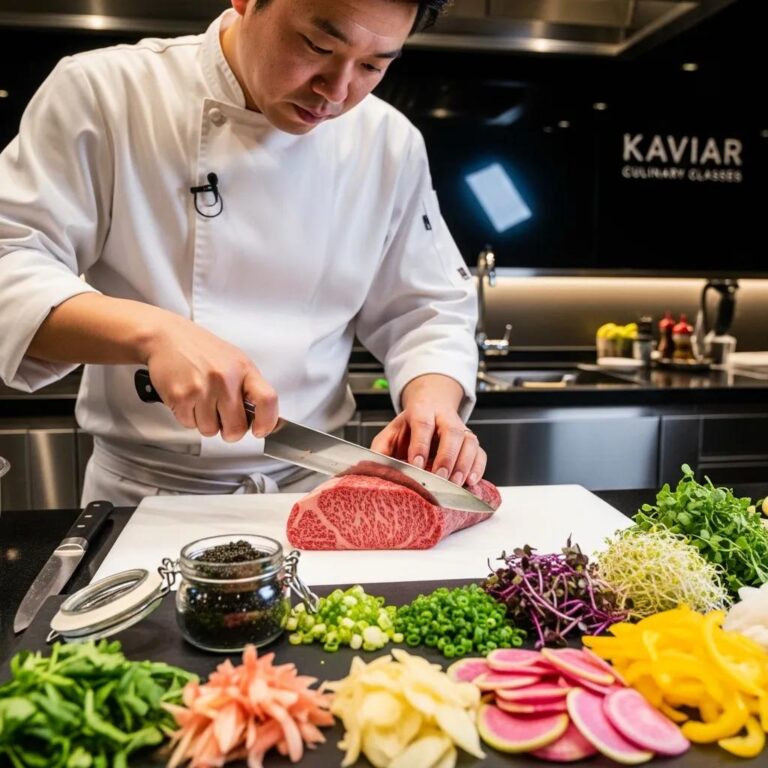
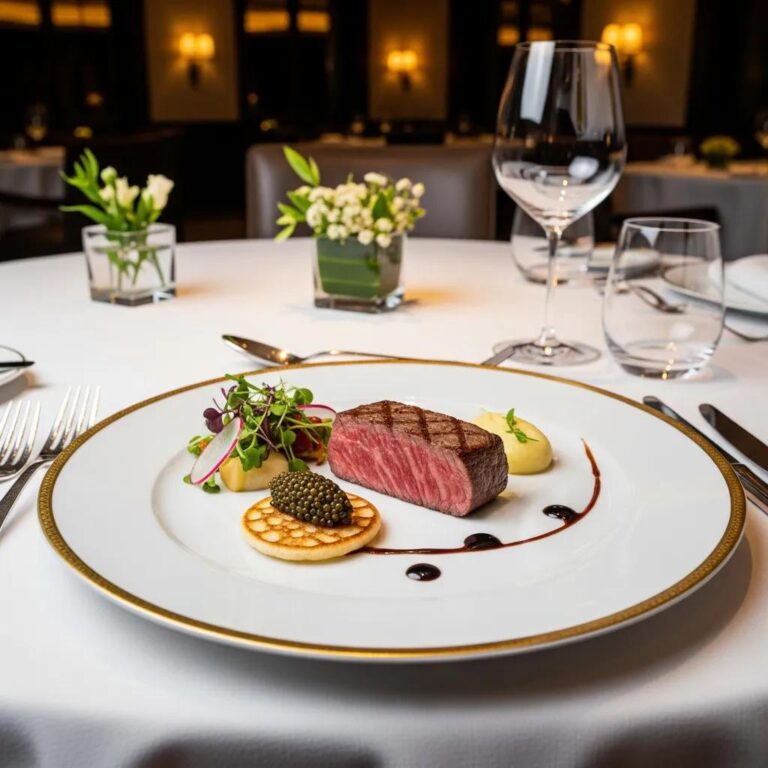
In kaiseki, premiums like A5 Wagyu and caviar appear as focal moments—carefully placed to showcase texture, marbling and umami lift. Chefs use restraint: A5 Wagyu is thinly sliced or briefly seared to reveal its marbling without heavy sauces, while caviar is applied sparingly for saline brightness and silky texture. These elements punctuate the meal, creating contrast that elevates surrounding courses. Seeing them as curated highlights rather than constant features explains how they best enhance the kaiseki rhythm.
Below is a comparison of representative signature preparations showing ingredient, method, course placement and sensory notes so you can imagine how these dishes appear in a tasting.
This comparison shows how minimal interventions—searing, fleeting heat and precise portioning—let premium ingredients sing within the kaiseki sequence. Next, we explain why A5 Wagyu carries its premium reputation.
Why Is A5 Wagyu Beef Considered Premium in Japanese Cuisine?
A5 Wagyu is Japan’s top grade, prized for extreme intramuscular marbling that creates an exceptionally tender, buttery mouthfeel. Its grading denotes superior fat distribution and meat quality. In kaiseki chefs favor simple techniques—light sear, quick grill or thin slicing—so the beef’s melting texture and umami shine without heavy sauces. Descriptors for A5 include nutty sweetness, silk‑like texture and a lingering savory richness. In a tasting, small portions and deliberate pacing ensure A5 enhances the progression rather than overpowering it.
Because A5 leaves a strong impression, it’s often paired with subtle acid or vegetal notes to refresh the palate—an approach that parallels how caviar is used elsewhere on the menu.
How Is Caviar Incorporated into Traditional Kaiseki Dishes?
Caviar is used as a focused accent in kaiseki: a small spoonful adds saline umami, textural pop and a sense of luxury. Chefs place it atop chilled starters, blanched vegetables or delicate seafood to create micro‑contrasts. The key is restraint—caviar’s intensity is balanced against neutral or gently flavored bases (lightly cured fish, chilled tofu, steamed egg custard) so it enhances rather than overwhelms. Portioning favors economy: a little goes a long way, and the caviar’s visual gleam often becomes the plate’s focal note.
Caviar’s bright salinity complements A5’s richness, and the following section looks at how seasonality shapes both premium and simple components across the kaiseki year.
How Do Seasonal Ingredients Influence the Kaiseki Menu and Dining Experience?
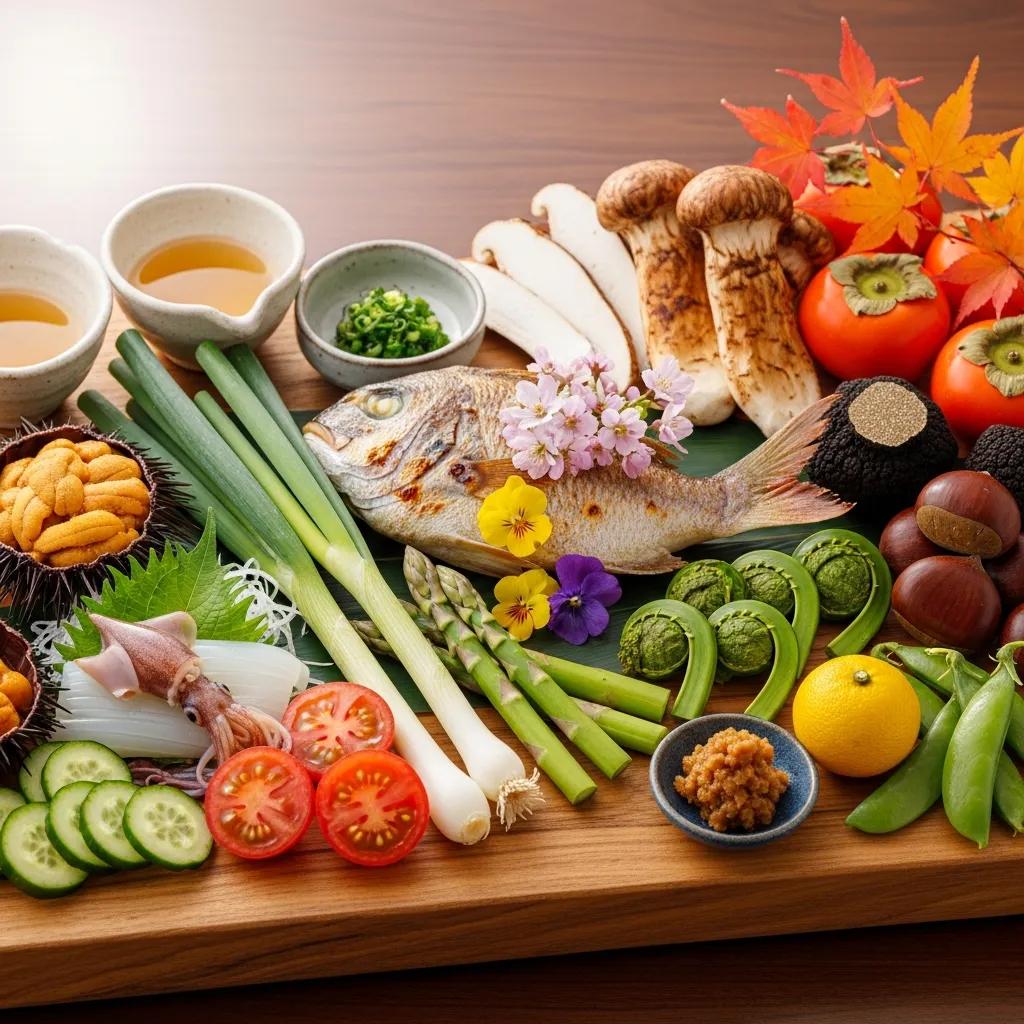
Seasonality is central to kaiseki: menus shift to spotlight the freshest local produce, seafood and garnishes each season. Ingredient availability dictates which courses appear and how they’re prepared, with simple techniques used to showcase peak freshness. For diners, this ever‑changing menu creates occasion‑specific memories tied to a season’s palette—spring herbs, summer seafood, autumn mushrooms and winter roots each shape a different taste arc. Knowing common seasonal items helps anticipate how a kaiseki menu will evolve and why reservations often reference seasonal highlights.
Below is a season‑to‑use table mapping common ingredients to their typical roles in kaiseki, clarifying how chefs allocate items across courses.
This seasonal mapping shows how ingredient choice shapes course composition and technique, reinforcing kaiseki’s responsiveness to harvest cycles. The next section addresses sourcing and sustainability behind those choices.
What Are Typical Seasonal Ingredients Used in Kaiseki Ryori?
Kaiseki features an evolving cast of seasonal items—spring shoots and herbs, summer seafood and cooling fruits, autumn mushrooms and root vegetables, winter citrus and preserved items—each treated to highlight texture and natural flavor. Techniques vary by season: gentle simmering to concentrate umami in colder months, chilled preparations and light vinegars in summer, and smoky grilling to emphasize autumn aromatics. Regional sourcing matters: chefs work with trusted suppliers to secure peak specimens and may time menu pacing around arrivals of prized items. This seasonal calendar keeps kaiseki menus compelling for repeat diners.
How Does Ingredient Sourcing Reflect Sustainability and Quality?
Sourcing in kaiseki signals quality through traceability and long‑term relationships with regional suppliers. Chefs select species and cuts that align with sustainable practices, prioritize items harvested at peak ripeness and use whole‑ingredient techniques to reduce waste. Sustainability practices include rotating menu items to avoid overreliance on fragile stocks and developing supplier trust. For diners, this means better flavor and clearer ethical transparency—asking about sourcing can be part of the reservation conversation. When booking a kaiseki or omakase, guests can request sourcing details to align expectations around seasonality and responsible ingredient use.
Knowing these sourcing principles helps diners engage respectfully during service, which leads into etiquette and reservation tips for luxury kaiseki dining.
What Are the Essential Etiquette and Reservation Tips for Dining at a Luxury Kaiseki Restaurant?
Kaiseki etiquette emphasizes attentiveness, respect for pacing and discreet communication—behaviors that preserve the flow and allow the chef’s narrative to unfold. Guests should arrive on time, avoid moving between seats during service and keep conversation at a level that lets plating rituals and brief chef explanations be heard. These practices ensure pacing and presentation remain synchronized for all guests. When reserving, provide dietary restrictions, timing needs and celebration notes so the kitchen can plan courses and source any premium components in advance.
Below is a practical reservation checklist you can use when booking a kaiseki or omakase seat.
- Book early: Reserve weeks in advance for chef‑counter seating or special dates.
- Provide dietary notes: Share allergies or preferences so the kitchen can plan.
- Specify occasion: Note celebrations to enable thoughtful finishing touches.
- Confirm timing: Arrive on time and allow the full allotted duration for the tasting.
What Should Guests Know About Kaiseki Dining Etiquette?
Observe quiet attentiveness and follow the service rhythm: taste courses in the presented order and avoid excessive modification. Polite interaction with the chef or staff—expressing appreciation or asking concise questions about ingredients—can enrich the experience without disrupting pacing. Silence or limit mobile devices; if photography is allowed, do so discreetly, since light and movement can distract during plating. If a dietary issue arises mid‑service, notify a server promptly so the kitchen can adjust subsequent courses; clear, courteous communication preserves flow and culinary integrity.
How to Secure a Reservation at Kaviar Restaurant in Pasadena
To secure kaiseki or omakase at Kaviar Restaurant, plan ahead and use our reservation channels to request chef‑counter seating or private arrangements. Include party size, preferred dates and any dietary restrictions when booking. Reserve several weeks in advance for peak evenings or special occasions, and note celebrations so the team can arrange appropriate touches. If your party needs flexibility, ask about alternate seating times or special tasting windows when you book to align kitchen planning with guest needs. For convenience, check Kaviar Restaurant’s public business profile on mapping services to confirm location details and available booking options.
These steps complete the practical guidance needed to book and enjoy a luxury kaiseki meal—from understanding course structure to experiencing premium ingredients and honoring the etiquette that makes kaiseki distinct.
Kaiseki ryori treats multi‑course Japanese dining as a living tradition that merges seasonal sourcing, meticulous technique and chef‑led storytelling. Omakase elevates that form by enabling real‑time curation that highlights peak ingredients like A5 Wagyu and caviar while preserving the meal’s ceremonial rhythm. The lists and tables in this guide clarify course roles, seasonal mapping and reservation etiquette so diners can approach kaiseki with confident expectations. For those planning a special tasting in Pasadena, Kaviar Restaurant offers a refined chef‑driven omakase within the kaiseki framework—reserve early, note dietary needs and come ready to engage respectfully with the pacing and presentation to fully appreciate the season’s artistry.
Frequently Asked Questions
What is the difference between kaiseki and omakase dining?
Kaiseki is a structured multi‑course meal emphasizing seasonality and aesthetic presentation, while omakase is chef‑curated and more flexible, shaped by the freshest ingredients available that day. Kaiseki often follows a traditional sequence; omakase allows spontaneous selections and real‑time adjustments. Both celebrate Japanese culinary artistry, but omakase tends to feel more personal and interactive, and it can enhance the kaiseki format by tailoring the arc to the moment.
How should I prepare for a kaiseki dining experience?
Make reservations well in advance, especially for sought‑after restaurants. Arrive on time, be mindful of pacing and minimize distractions during service. Communicate dietary restrictions or preferences when booking so the chef can accommodate you. Familiarity with the course structure and seasonal ingredients will deepen your appreciation as the meal unfolds.
Can I request modifications to the kaiseki menu?
While major changes are generally discouraged, you should disclose dietary restrictions or allergies when you reserve. Most chefs will accommodate reasonable needs without compromising the meal’s integrity. Approach requests respectfully—open dialogue with the chef or staff usually leads to a satisfying result.
What types of beverages pair well with kaiseki meals?
Traditional pairings include sake, green tea and shochu, which complement kaiseki’s delicate flavors—sake in particular can enhance umami. Modern pairings might include light white wines or thoughtfully composed cocktails that reflect seasonal ingredients. Ask restaurant staff for recommendations tailored to the menu that evening.
How does the presentation of kaiseki dishes enhance the dining experience?
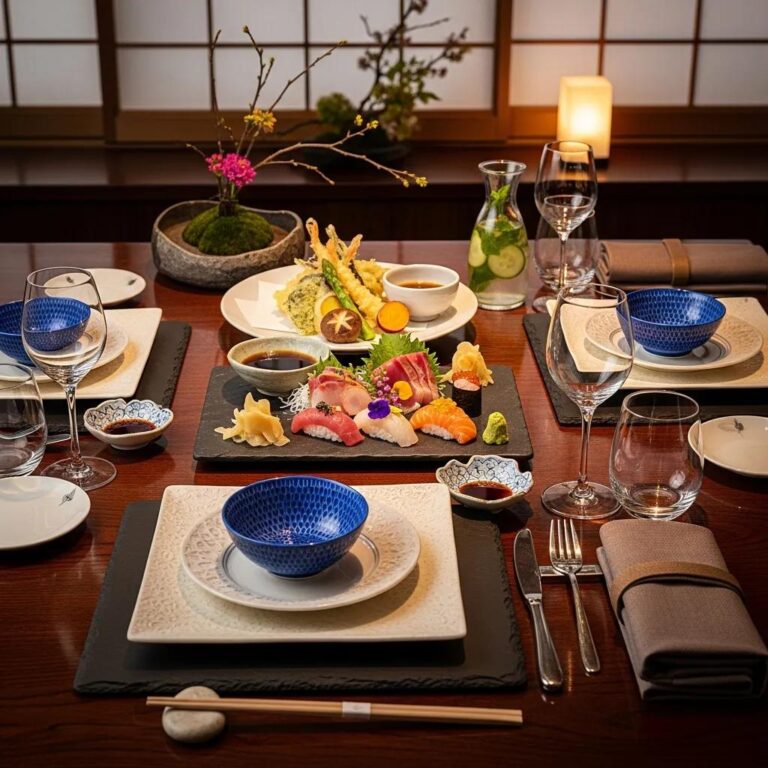
Presentation is integral: each dish is plated to reflect seasonality and to create visual harmony, often using seasonal garnishes and carefully chosen tableware. Thoughtful presentation engages the senses and primes the palate for the flavors to come, deepening the overall experience.
What should I expect in terms of pacing during a kaiseki meal?
Pacing is deliberate to allow you to savor each course. Plates arrive at a measured rhythm, often with pauses to appreciate flavors and texture. The chef may adjust timing based on your cadence and preferences, so expect to spend meaningful time at the table—the meal is as much about the experience as it is about the food.
Are there any specific seasonal ingredients I should look for in kaiseki dishes?
Yes. Spring often features bamboo shoots and fresh herbs; summer highlights seafood like sea bream and cooling fruits such as peaches; autumn brings mushrooms like matsutake; winter showcases root vegetables and citrus. Recognizing these seasonal elements can enhance your enjoyment, since each dish celebrates what’s best that time of year.
Conclusion
Kaiseki ryori is a journey through seasonality and precise culinary craft, where each course is part of a carefully woven narrative. Understanding structure and etiquette helps you fully appreciate the harmony in every plate. For an exceptional tasting in Pasadena, Kaviar Restaurant offers a refined omakase within the kaiseki framework, bringing seasonal ingredients and chef‑led storytelling together. Reserve your table and experience this thoughtful, seasonal cuisine firsthand.