




Jungsik: How Modern Tasting Menus Redefined Korean Fine Dining
Jungsik reframes Korean cuisine as a deliberate, multisensory tasting-menu practice—one that elevates familiar flavors through modern technique, sculpted plating, and strict attention to seasonality. This piece outlines the core principles of Jungsik—seasonal sourcing, technique fusion, and narrative presentation—and traces how those ideas spurred a shift toward chef-driven omakase and tasting menus that blend Korean, Japanese, and global influences. Read on to learn the signature markers of Jungsik cuisine, how those principles shape omakase sequencing, which luxury ingredients define a high-end tasting menu, and practical steps to reserve an elevated dining experience in Pasadena. We’ll also explain concrete techniques like fermentation and sous-vide, profile marquee ingredients such as A5 Wagyu and caviar, and show how Kaviar Restaurant translates Jungsik-inspired tasting menus into an exclusive omakase format. By the end you’ll recognize the cultural mechanics behind modern Korean fine dining—and how to turn that knowledge into a memorable reservation and tasting.
What Defines Jungsik Cuisine and Its Role in Modern Korean Fine Dining?
Jungsik represents a deliberate translation of Korean culinary identity into a tasting-menu structure: familiar flavor motifs are deconstructed and recomposed into compact, sequential courses that prioritize balance, texture, and provenance. Conceptually, chefs treat kimchi, broths, and banchan as concentrated ideas; technically, they apply precision cooking and contemporary plating to amplify sensory impact. The result is a curated meal that moves from subtle to striking, offering discovery and emotional resonance through multiple small-format courses. Recognizing these hallmarks helps explain how modern restaurants adapt Jungsik thinking into regional tasting menus.
Here are Jungsik’s core hallmarks before we examine local interpretations.
- Seasonality and ingredient provenance drive every course.
- Melding traditional Korean techniques with precision methods and Japanese aesthetics.
- Story-first plating and tasting-menu pacing that turn the familiar into discovery.
How Does Jungsik Inspire the Fusion of Korean and Japanese Culinary Traditions?
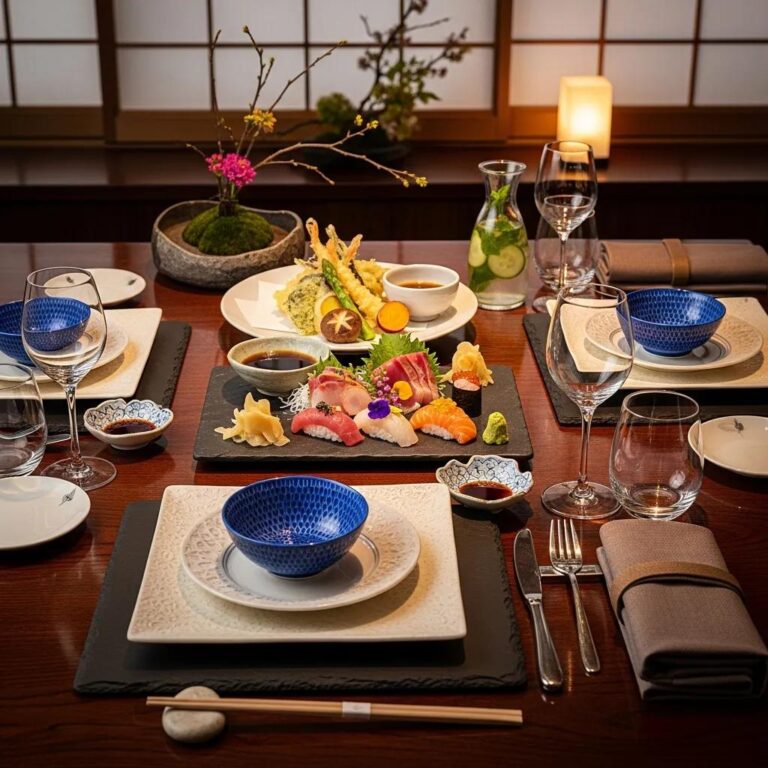
The fusion emerges from a shared respect for ingredients and restraint: Korean fermentation and depth meet Japanese minimalism in seasoning and presentation. In practice, chefs layer short-aged kimchi brines or doenjang reductions with Japanese techniques—curing, nigiri-style fish, delicate dashi jus—to produce hybrid textures and layered umami. A simple example: lightly cured seasonal fish finished with a whisper of fermented chili oil and a dot of ponzu reduction, delivering sweet‑sour balance and savory depth. This cross-pollination preserves cultural authenticity while using technique synergies to refine mouthfeel and narrative flow, enhancing the overall tasting experience.
What Are the Signature Elements of a Korean Tasting Menu at Jungsik?
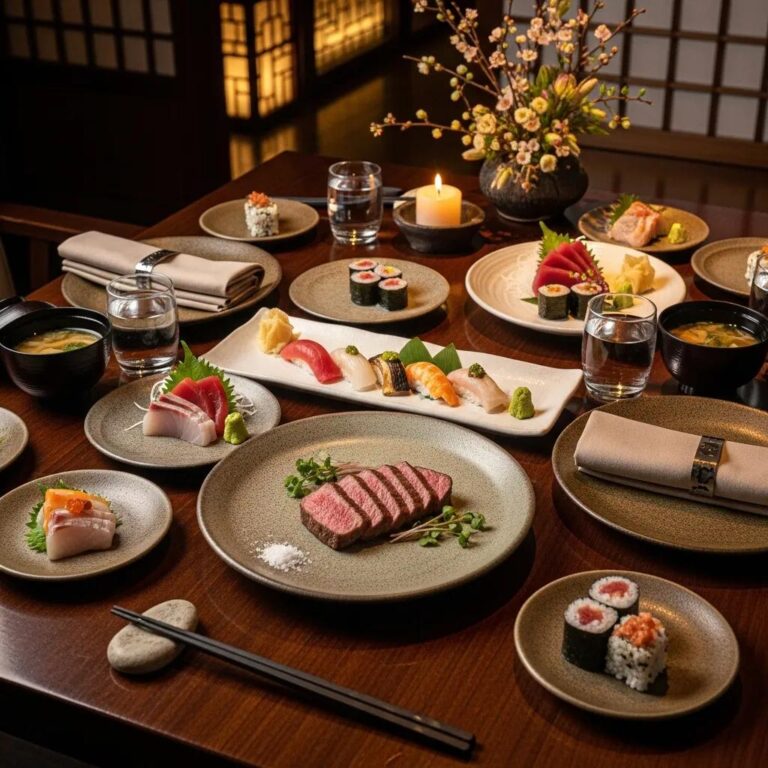
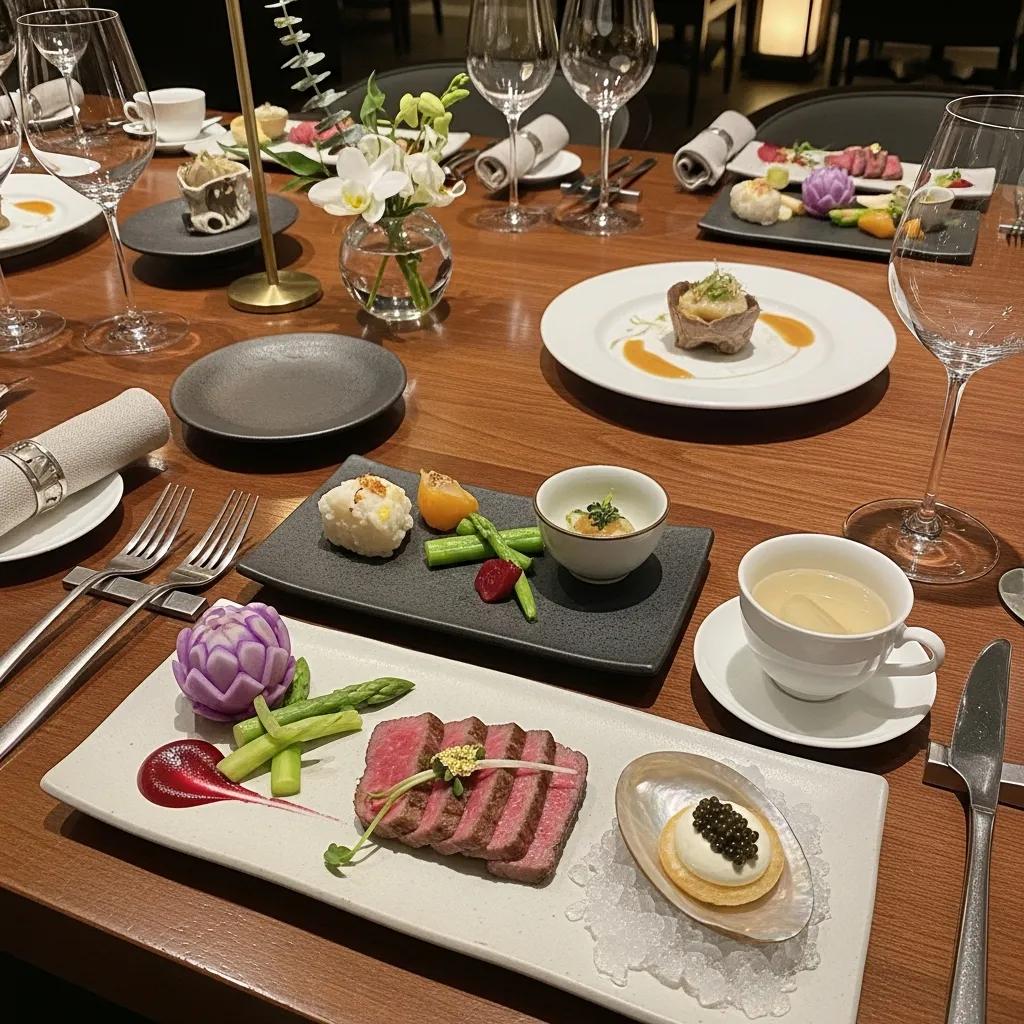
A Jungsik‑style tasting menu typically follows a concise progression: an amuse‑bouche or opener, vegetable-forward and fermented accents, a peak protein such as wagyu, and a restrained dessert. Pacing is deliberate—light courses to build curiosity, richer mid‑course elements to peak the meal, and a cleansing finale—so each ingredient’s provenance is savored. Signature presentation includes sculptural plating, micro‑garnishes that nod to Korean condiments, and precise portioning so each bite reads as a complete micro‑experience. The finished menu feels cohesive: courses reference what came before and set up what follows, heightening memorability.
How Does Kaviar Restaurant Embody Jungsik’s Philosophy in Pasadena’s Fine Dining Scene?
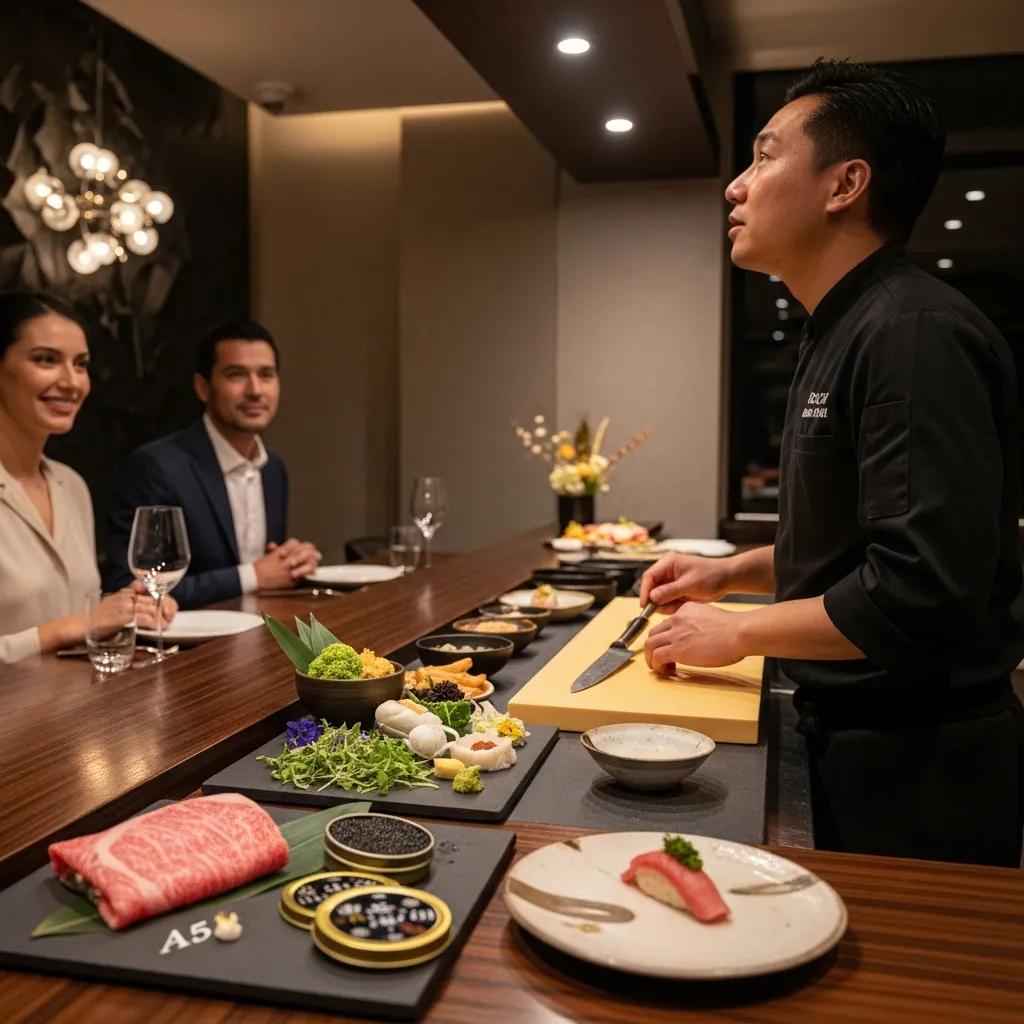
Kaviar translates Jungsik principles locally through an omakase‑style tasting menu that foregrounds careful sourcing, refined Japanese‑Korean technique fusion, and a composed dining room designed for attentive diners. Positioned as a luxury destination in Pasadena, Kaviar layers seasonal produce, A5 Wagyu, and caviar into compact courses that honor Korean flavor motifs while executing with Japanese precision. The restaurant’s focus on provenance, intimate chef engagement, and disciplined pacing shows how Jungsik concepts adapt to a regional fine‑dining context, producing an elevated, narrative meal.
What Makes Kaviar’s Omakase Experience Unique in Luxury Korean Cuisine?
Kaviar’s omakase marries Japanese omakase intimacy with Korean flavor architecture: the chef curates a personalized sequence, adapting courses to seasonal inventory and guest preferences. Diners receive an individualized progression where substitutions and single‑serve refinements preserve variety and cohesion. An illustrative course might pair a tiny wagyu bite with a fermented garnish and micro‑herbs to balance fat and acidity—an example of how personalization sharpens sensory equilibrium. The result is a memorable, highly curated meal that combines Korean motifs with omakase immediacy.
- Chef-led personalization that adapts in real time.
- Intimate pacing with small, focused courses.
- Fusion-forward flavor profiles that reference Korean tradition.
How Does Kaviar Source Premium Ingredients Like A5 Wagyu and Caviar?
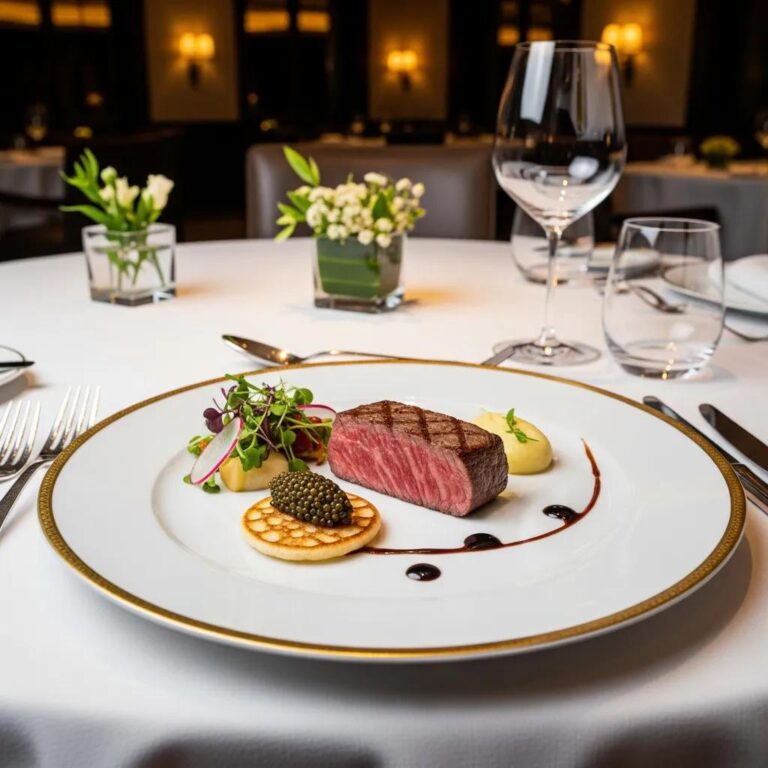
Kaviar prioritizes meticulous sourcing: premium-grade proteins and luxury garnishes are chosen for traceability and consistency, and for how they perform in micro‑portions. For A5 Wagyu, the restaurant selects highly marbled cuts that deliver buttery texture in small, intensely flavored servings—preparations emphasize umami and mouth‑coating fat rather than volume. Caviar is applied sparingly—on micro‑scallop bites or blini accents—to add saline pop and luxurious texture without overwhelming subtler components. Overall, the sourcing philosophy ensures marquee ingredients complement the tasting narrative rather than dominate it.
Which Premium Ingredients Define the Luxury Korean Tasting Menu Experience?

Luxury Korean tasting menus rely on a concise roster of marquee ingredients—A5 Wagyu, caviar, and seasonal seafood—selected for contrast, depth, and the ability to carry a compact course. Each plays a distinct role: wagyu provides a fatty, umami‑rich climax; caviar offers saline brightness and textural pop; seasonal seafood brings freshness and subtlety that set the meal’s tone. Chefs use these elements sparingly and precisely so every flavor remains distinct within the multi‑course arc. Understanding those roles helps diners appreciate how premium items elevate the tasting without undermining conceptual coherence.
Why Is A5 Wagyu Central to Modern Korean Fine Dining?
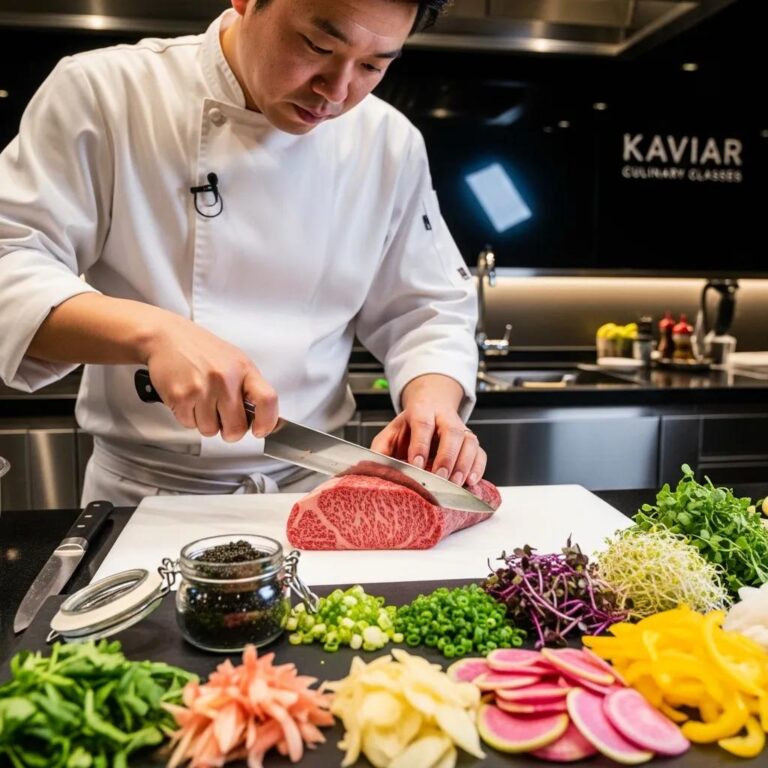
A5 Wagyu’s prominence comes from its marbling and melt‑in‑the‑mouth texture, which release concentrated umami in small, precisely portioned servings—perfect for tasting‑menu architecture. Technically, high intramuscular fat moderates flavor release and mouthfeel, allowing chefs to craft a luxurious climax without heavy portions. Preparations typically emphasize quick searing, thin slicing, or brief sous‑vide followed by a hot finish to maximize Maillard complexity while preserving tenderness. Paired with restrained Korean condiments—fermented soy reductions or pickled slivers—wagyu punctuates the narrative rather than overpowering it.
How Does Caviar Enhance the Sophistication of Korean Fusion Dishes?
Caviar contributes saline contrast, delicate texture, and visual luxury, elevating subtle components by amplifying umami in micro‑doses. Common pairings couple caviar with fermented or creamy elements—lightly whipped doenjang cream or chilled seafood—to balance saltiness with rounded mouthfeel. One example places a small spoonful of caviar atop a chilled scallop finished with a tiny citrus‑soy emulsion, creating layered contrast. Used judiciously, caviar heightens perceived refinement without masking core Korean flavors.
What Culinary Techniques and Dining Styles Shape the Modern Korean Omakase Experience?
Modern Korean omakase blends heritage methods—fermentation, slow braising, pickling—with contemporary precision techniques like sous‑vide, vacuum curing, and Japanese plating to produce compact courses that emphasize texture, depth, and progression. The technique‑to‑taste pipeline uses traditional processes for foundational flavor and modern methods to control timing, temperature, and texture, ensuring consistent results across many small plates. The benefit is a narratively coherent tasting menu where each course delivers a distinct sensory moment while contributing to a larger thematic arc.
How Are Traditional Korean Techniques Adapted in Contemporary Fine Dining?
Traditional techniques—fermentation, slow braising, pickling—are refined for tasting‑menu constraints by adjusting time, temperature, and portion size so large‑format preparations become intensely flavored micro‑elements. Long‑fermented kimchi, for example, may be reduced into a concentrated glaze or rendered as a micro‑pickle, preserving complexity while delivering a measured burst of acidity. Braised items are portioned into single‑bite medallions or layered terrines, with precision cooking ensuring repeatable tenderness across multiple services. These adaptations let chefs reference tradition without sacrificing refinement.
What Role Does the Omakase Style Play in Experiential Korean Dining?
Omakase injects narrative pacing, surprise, and personalization into Korean‑fusion tasting menus: the chef sequences courses in real time, responds to seasonal availability, and adjusts to guest preferences. This engagement turns ingredients into story beats and gives the meal a lightly improvisational quality anchored by technical consistency. For diners, the payoff is higher perceived value and memorability—small, curated surprises underscore exclusivity and craft. A typical progression might move from a light cured seafood opener to a fermented‑vegetable interlude and end with a luxurious wagyu finish, each step linked by the chef’s commentary and considered pacing.
How Can Diners Reserve and Enjoy a Luxury Korean Fine Dining Experience in Pasadena?
To reserve and enjoy a luxury Korean tasting menu, follow a few practical steps: check available tasting‑menu nights, book through the restaurant’s official channel, communicate dietary restrictions in advance, and arrive ready to engage with a multi‑course narrative that values pacing and etiquette. Omakase‑style services run limited seatings and rely on advance notes about allergies and preferences to tailor the experience. Guests get the most from the evening by arriving punctually, avoiding strong fragrances, and allowing the meal’s small‑plate pacing to unfold over several hours.
- Check tasting‑menu seatings and preferred dates well ahead of time.
- Reserve through the restaurant’s official booking channel or reservation system.
- Provide dietary restrictions and special requests when you book.
- Confirm party size and arrive punctually for your scheduled seating.
What Is the Reservation Process for Kaviar’s Exclusive Tasting Menus?
Kaviar’s reservations support an intimate, chef‑driven omakase by requiring advance booking and encouraging guests to share dietary needs so the sequence can be tailored. Use Kaviar Restaurant’s reservation channel to request a tasting‑menu seating and list preferences or allergies; this helps the kitchen plan protein allocations like A5 Wagyu and caviar accents. Timing matters: arriving on time preserves the intended pacing and ensures a seamless narrative. For guests seeking specific marquee ingredients, earlier notice increases the chance they’ll be featured.
What Ambiance and Service Can Guests Expect at Kaviar Restaurant?
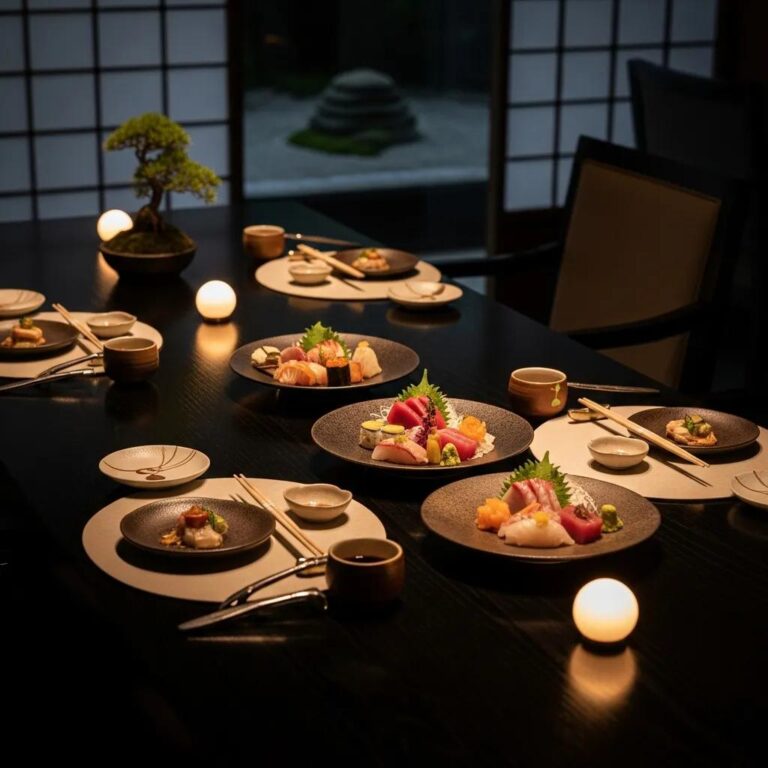
At Kaviar expect a refined, low‑lit dining room that favors quiet conversation and close chef engagement. Table settings are minimalist so the food remains the focal point. Service is attentive and measured—servers and chefs provide concise context for each course without interrupting the flow. Dress is smart or upscale casual to match the room’s formality, and lighting, sound, and spacing are tuned to support focus on the tasting progression. Together, these elements prioritize culinary craft and ingredient provenance.
- Direct chef interaction and brief course explanations that enhance storytelling.
- Measured pacing to sustain anticipation between courses.
- Thoughtful plating and service that foreground visual and textural detail.
Frequently Asked Questions
What is the significance of seasonality in Jungsik cuisine?
Seasonality is fundamental: chefs build menus around peak‑fresh ingredients to maximize flavor and reflect the time of year. This approach enhances taste, supports sustainability, and creates a dining experience that changes with the seasons—so each visit feels distinct and tied to local terroir.
How do modern techniques like sous-vide influence Korean fine dining?
Sous‑vide gives chefs precise temperature control, yielding consistent texture and enhanced flavor extraction—especially useful for premium proteins like A5 Wagyu. In a Jungsik context, sous‑vide helps retain juiciness and umami while enabling subtle flavor infusions that modernize traditional profiles.
What dining etiquette should guests follow at a luxury tasting menu experience?
To respect the craft and maximize enjoyment, arrive on time, avoid strong fragrances, and follow the meal’s pacing. Engaging with the chef or servers is encouraged, but maintain a respectful tone so the service flow and other guests’ experience remain uninterrupted.
How does Kaviar Restaurant ensure a personalized dining experience?
Kaviar prioritizes personalization by asking guests to share dietary preferences and restrictions when booking. That information allows the chef to tailor the omakase sequence; adjustments may also be made in real time to reflect guest feedback, creating a dynamic, individually curated meal.
What role does plating play in the overall dining experience at Jungsik-inspired restaurants?
Plating is an integral part of the story: chefs use sculptural arrangements and purposeful garnishes to set expectations and amplify flavor. Thoughtful presentation prepares diners for the sensory journey ahead and reinforces the connection between visual design and taste.
Can you explain the concept of narrative pacing in a tasting menu?
Narrative pacing is the intentional ordering of courses to create a cohesive journey—starting with lighter flavors, building to richer, more intense moments, and finishing with a clearing course. This sequencing heightens anticipation, allows each ingredient to shine, and makes the overall experience more memorable.
Conclusion
Jungsik’s principles—seasonality, technique, and storytelling—have reshaped modern Korean fine dining, creating tasting menus that are thoughtful, precise, and deeply sensory. Recognizing how premium ingredients like A5 Wagyu and caviar function within that framework helps you appreciate the craft behind each course. Experiencing an omakase at a place like Kaviar Restaurant brings these ideas to life: reserve a tasting‑menu seating and discover how tradition and technique combine to create a truly distinctive evening.