





Kaviar Sommelier — Curated Wines for a Luxury Japanese Omakase
At Kaviar, our sommelier builds deliberate connections between exceptional wines and the exacting rhythms of Japanese omakase. Each selection is chosen to lift a course through texture, acidity and provenance—never to dominate, always to enhance. This guide lays out how we choose wines for omakase, why thoughtful pairings matter for ingredients like A5 Wagyu and caviar, and how tasting notes and service timing shape a memorable evening. You’ll find our selection philosophy, dish-by-dish wine guidance, practical pairing principles for Japanese cuisine, and the luxury wine experiences we offer in Pasadena. For guests who want a guided tasting, our approach ensures better contrast, controlled pacing and a cohesive story across the meal. The chapters that follow map our philosophy, specific picks for signature dishes, sommelier service techniques, bookable experiences, and a concise checklist for choosing wine with omakase.
What Defines Kaviar’s Sommelier Wine Selection Philosophy?
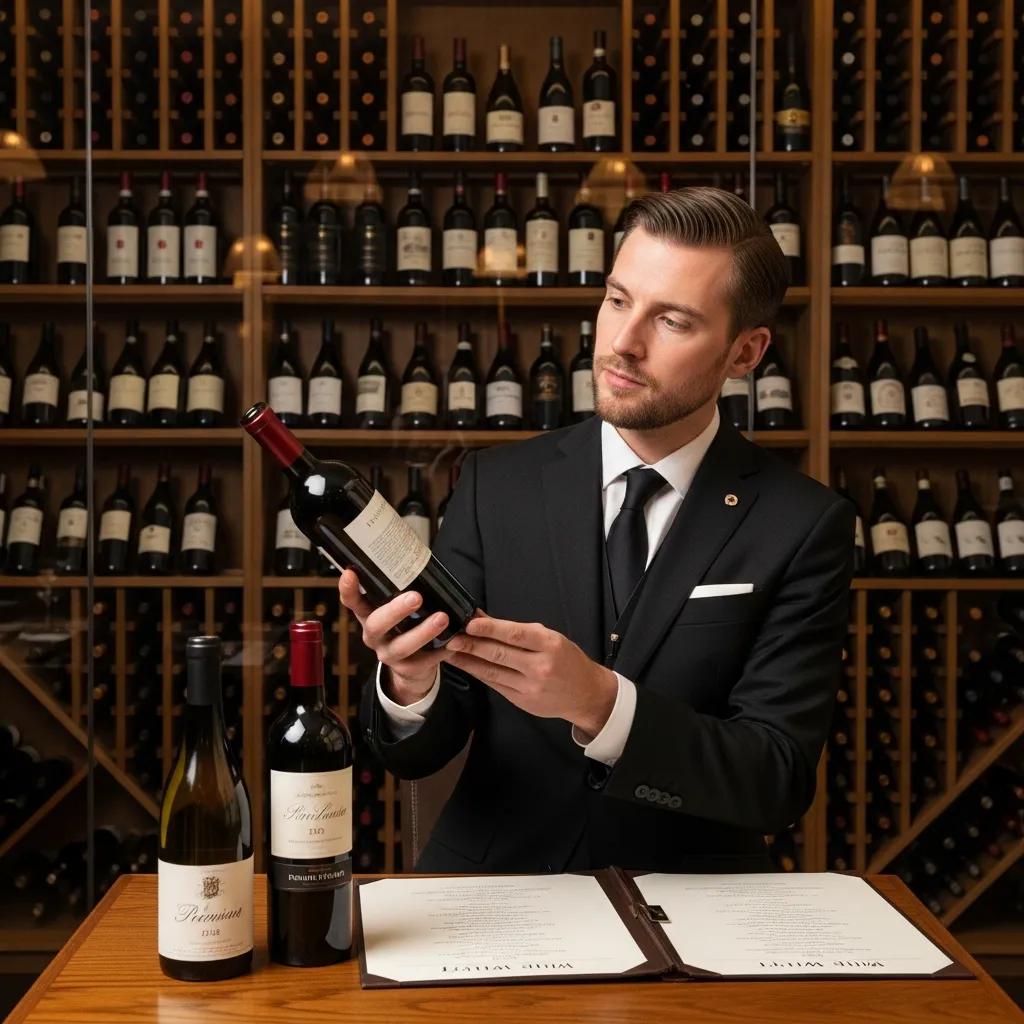
Our philosophy centers on balance, clear provenance and an aroma-to-texture connection that complements omakase’s subtle dynamics. We rely on rigorous tasting and trial pairing: each wine is judged for acidity, tannin, weight and aromatic resonance against elemental Japanese flavors—dashi, soy and pristine seafood. The result is a considered sequence of pairings that lift each course while preserving delicate mouthfeel. Practically, we favor sparkling wines and Champagne to reset the palate, high-acid whites for raw fish, lighter mature reds for fatty proteins, and carefully chosen sake as a traditional alternative. These principles explain how we arrive at specific recommendations for A5 Wagyu, caviar and sashimi.
Selection starts with sourcing discipline and repeatable tasting protocols that prioritize vintage integrity and regional expression. We seek producers known for balance and finesse, not sheer ripeness, and our cellar mixes approachable bottles with rarities reserved for special pairings. That sourcing flexibility lets us adapt when seasonal fish or caviar change, and it feeds directly into the step-by-step curation process the sommelier uses to craft tactical recommendations.
We encourage guests who want a fully integrated evening to reserve a sommelier-led pairing when booking. Mentioning reservations here is deliberate: an advance booking lets us prepare rare selections, tailor tasting notes to your menu and stage the service for proper pacing. A guided pairing sets clear expectations for rhythm and the premium beverages we can present.
Chef–sommelier collaboration is central to how we work. Iterative trials—staff tastings and chef dialogues—test how acidity and tannin behave against sauces, garnishes and temperature, and those experiments inform final pairings. This collaborative loop ensures pairings reinforce the menu’s narrative and that service timing hits each dish at its flavor peak.
How Does the Sommelier Curate Premium Wine Recommendations?
Our curation follows a repeatable routine of blind tastings, course trials and sensory calibration that keeps food first. Wines are evaluated alone—acidity, tannin, body, aromatics—then sampled alongside representative courses to gauge flavor bridges and textural synergy. That process highlights wines that create a pleasing contrast (a bright white cutting through fat) or preserve delicate mouthfeel (low-tannin reds for sashimi). The outcome is a shortlist of varietals and styles that reliably pair with our seasonal omakase flow.
Tasting protocols include regular calibration sessions with the culinary team so descriptors stay aligned across shifts. This reduces variance in service, informs cellar purchases and sharpens the tasting-note language we share with guests. The chef–sommelier loop also prepares us to make confident substitutions when an ingredient shifts with the seasons.
What Makes Wine Pairings Essential to Kaviar’s Luxury Dining Experience?
Pairings are essential because they heighten contrast, manage pacing and add an arc to the meal that underscores luxury. The mechanism is sensory enhancement: acidity brightens umami-rich bites, bubbles cleanse the palate between textures, and a thoughtfully matched red can mirror A5 Wagyu’s weight without masking its fat. The benefit is a more satisfying progression—a tasting menu that reads as a cohesive story rather than a string of disconnected plates. Framing wine within the service rhythm turns individual moments of flavor into chapters of the evening.
Pairings also carry narrative weight: concise tasting notes and provenance details deepen appreciation for both dish and bottle. When we explain why a Champagne lifts a caviar course or how an aged Pinot supports seared Wagyu, guests gain insight into taste chemistry and terroir. That experiential layer reinforces perceived luxury and leads naturally to the concrete wine recommendations that suit Kaviar’s signature omakase.
Which Wines Best Complement Kaviar’s Signature Omakase Dishes?
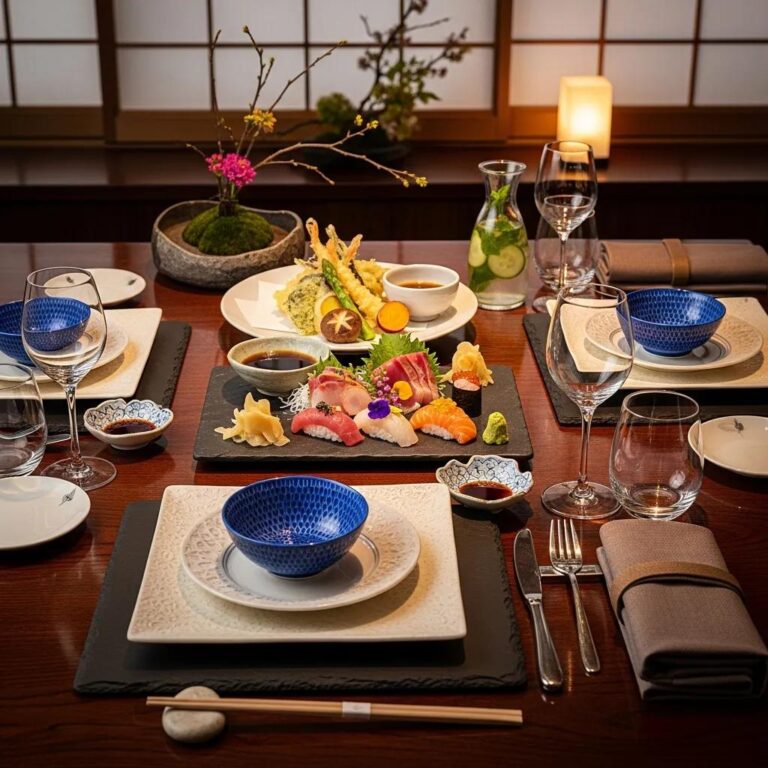
For signature dishes—A5 Wagyu, caviar and delicate sashimi—our sommelier recommends styles that balance texture, acidity and salinity. We pair light-bodied, nuanced wines with raw fish; higher-acid whites and sparklings with saline or citrus-forward bites; and refined, structured reds with richer proteins. Our guidance emphasizes varietal and regional direction rather than specific bottles, so you can apply it across lists and shelves. Below are focused picks for three hallmark courses, written for quick reference.
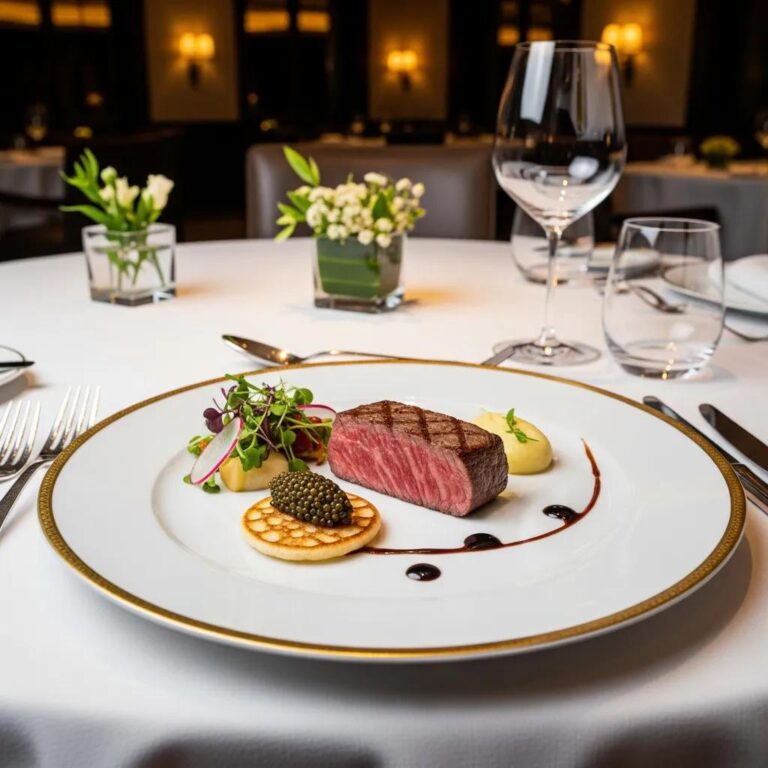
- A5 Wagyu — Mature Pinot Noir / Light Burgundy: Opt for a light-to-medium red with silky tannins and bright acidity to echo the beef’s fat without overwhelming it.
- Caviar — Brut Champagne / Blanc de Blancs: Fine bubbles and crisp acidity lift salinity and refresh the palate; mineral notes support nuance.
- Delicate Sashimi — High-acid White (Riesling or Grüner Veltliner): Crisp acidity and minerality preserve delicate texture and complement subtle umami.
These compact picks help you spot suitable bottles on a restaurant list or at retail, and they set up a comparison to clarify varietal choices and pairing logic.
Below is a comparison that contrasts wine styles, key attributes and pairing rationale for Kaviar’s signature plates.
Use this table to see why each style works with a specific dish and what to look for when ordering.
Alongside these picks we often suggest premium sake for guests leaning traditional—junmai and junmai ginjo for their rice-driven umami and clean finish. Sake offers an alternate path that naturally complements Japanese textures. After choosing a style, consider serving temperature and brief decanting where appropriate to optimize each match.
What Are the Top Wine Picks for A5 Wagyu at Kaviar?
A5 Wagyu needs wines that reconcile intense marbling with refined seasoning; we favor elegant, lighter reds or structured whites with bright acidity. The approach is textural matching: silky tannins support fat without gripping, while moderate acidity refreshes the palate between bites. Typical guidance points to mature Pinot Noir or lighter Burgundian-style reds, and occasionally age-softened Bordeaux blends for guests seeking deeper complexity with controlled tannin. For older reds we may recommend a short decant to open aromatics and align the wine’s tertiary notes with the Wagyu’s mouthfeel.
Serving details matter: reds slightly below room temperature and given short breathing time reveal tertiary complexity that harmonizes with searing and sauces. Structured whites can also succeed—especially with umami-rich accompaniments—because their acidity and texture counterbalance richness. These choices are intended to enhance the Wagyu, never to overshadow it.
How Does the Sommelier Pair Wines with Caviar Dishes?
Caviar pairings hinge on acidity, salinity balance and effervescence to highlight briny nuance while keeping texture clear. Champagne and Blanc de Blancs are frequent choices—their delicate mousse and persistent acidity lift saline flavors and refresh the palate. Dry sparklings and mineral-driven whites are strong alternatives, offering a clean backbone without sweetness. Premium junmai-style sake can mirror caviar’s oceanic profile with rice-driven umami and subtle body.
When pairing, we pay close attention to serving temperature and glassware so bubbles and aromatics remain expressive—the first sip should amplify, not mask, the caviar’s nuance. These techniques explain why fine bubbles and bright acid are practical tools for balancing salinity and lead into how tasting notes are woven into service to guide guests.
How Does Kaviar’s Sommelier Enhance the Japanese Omakase Wine Experience?
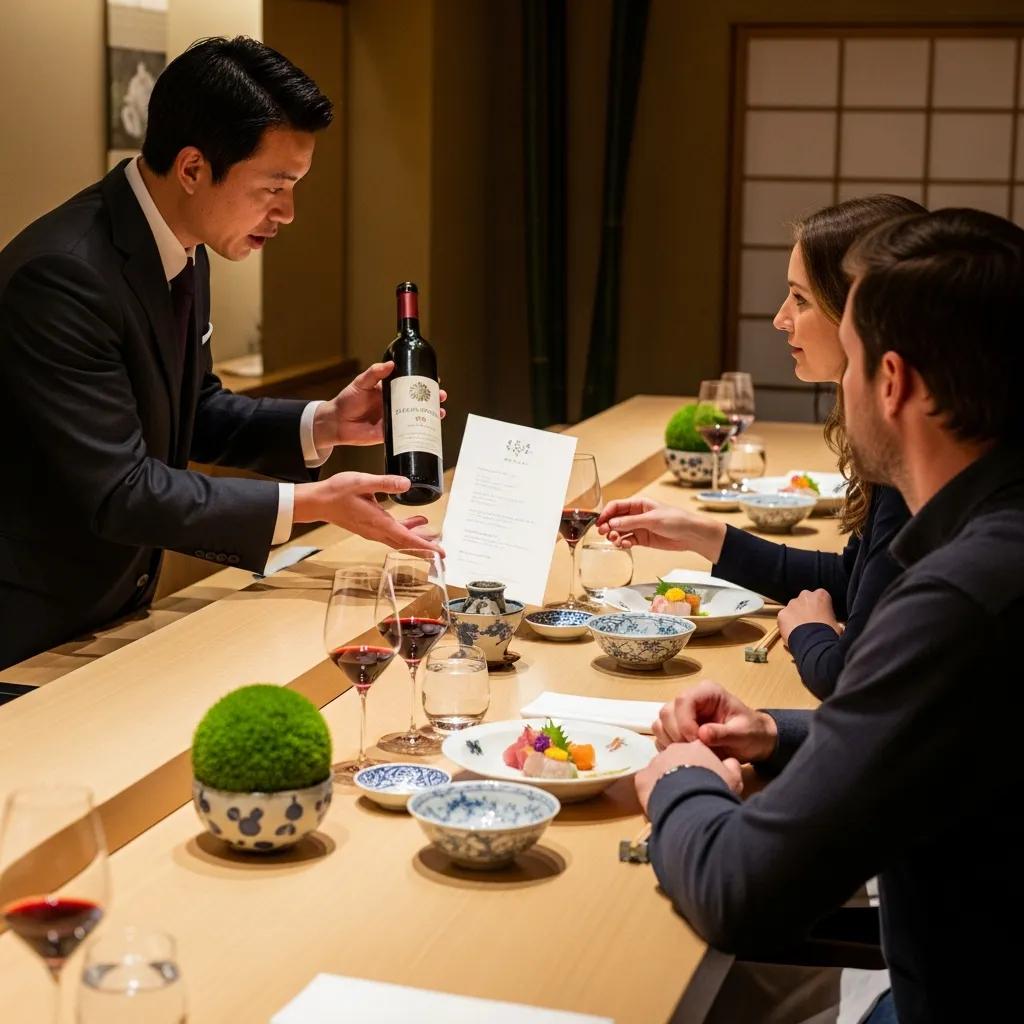
We enhance the omakase wine experience through curated touchpoints that combine precise tasting language with storytelling, timed service and personalized recommendations. That looks like brief pre-course introductions, concise at-course tasting notes, and mid-service adjustments based on guest feedback and progression. We give guests clear anchors—texture, acidity and provenance—so they understand how and why a pairing works. This service-first approach makes pairings part of the dinner’s narrative, not an afterthought.
Operationally, the sommelier times pours to match heat and seasoning peaks, watches for palate fatigue, and offers palate cleansers to keep contrasts vivid. Behind the scenes, careful sourcing and cellar management ensure consistent availability of premium selections so booked pairing experiences meet expectations. This operational depth sets up a closer look at the expertise that elevates our pairings.
What Sommelier Expertise Elevates Wine Pairings at Kaviar?
Our team’s expertise rests on sensory calibration, a deep understanding of Japanese flavor profiles and disciplined cellar stewardship. Sensory calibration—regular blind tastings and descriptor alignment—creates a shared language between front and back of house about acidity, tannin and texture. Cross-cultural pairing knowledge informs how dashi, soy and raw fish behave differently from Western proteins, shaping varietal choices. And meticulous cellar management preserves provenance and vintage quality so pairings remain reliable, while responsible sourcing of rare bottles allows unique experiences without disrupting menu coherence.
These skills deliver practical benefits: smoother pacing, consistent tasting-note language for guests, and confident substitutions when seasonal changes require them. That same expertise guides how we present tasting notes during service to help guests make informed choices.
How Are Wine Tasting Notes Integrated into the Dining Journey?
Our tasting notes are concise, evocative and timed to inform without interrupting service—typically three to four descriptors centered on acidity, texture and a provenance detail. We offer the note before or as a course begins to set expectations and to highlight the tasting mechanism—how acidity lifts a sauce or how minerality echoes saline elements. This format helps guests engage with the pairing and creates a shared language around flavor.
Notes are documented internally to ensure consistency across shifts, supporting uniform guest experiences and dependable recommendations. For guests who want more, the sommelier can expand on the note with tasting demonstrations or suggest alternative pours and premium sake pairings during the meal.
What Luxury Wine Experiences Does Kaviar Offer in Pasadena?
In Pasadena, Kaviar offers a range of elevated wine experiences to match different levels of immersion. Options include sommelier-led pairings integrated into the omakase, semi-private tasting evenings that spotlight rare or rotating selections, and private pairing events that match multiple rare bottles or premium sake labels with a bespoke menu. These experiences are designed to highlight premium wines alongside signature dishes like A5 Wagyu and caviar, and we recommend reserving in advance so the sommelier can assemble special selections and tailor tasting notes.
The list below outlines core experiences and what to expect when booking.
- Sommelier-led Omakase Pairings: A phased sequence of wines matched to the chef’s omakase progression.
- Private Wine Pairing Events: Intimate sessions featuring rare bottles and extended tasting notes for groups.
- Rotating Rare Selections Nights: Curated evenings that spotlight seasonal or one-off bottles paired with select courses.
These options let diners choose how immersive they want the beverage program to be, and they lead into how our wine list balances approachability with rare showcases.
How Does Kaviar’s Wine List Reflect Premium and Rare Selections?
Our wine list pairs approachable bottles with premium and rare selections, reflecting regional diversity, vintage judgment and a purposeful inclusion of quality sake and sparkling options. We organize the list by function—palate cleansers, textural matches and showpieces—so the sommelier can quickly recommend the right style for each course. Seasonal and rare selections rotate thoughtfully so high-end pairings remain available for special events without disrupting the list’s accessibility. The result is a balanced list that serves casual wine lovers and collectors alike.
Selection criteria emphasize producers with consistent terroir expression and vintages showing balanced acidity and refined tannin. We favor food-friendly varietals and regions while retaining rare bottles for collectors, which frames expectations for booking exclusive pairing experiences.
How Can Diners Book Exclusive Wine Pairing Experiences?
Booking an exclusive pairing is simple: reserve early to secure sommelier availability and rare bottles, indicate your interest in a sommelier-led pairing or private tasting when you book, and share dietary notes or celebratory requests in advance. Lead times vary with bottle rarity, so early notice improves our ability to source special selections. Use the reservation channel to request private or semi-private tasting setups and allow the sommelier to design a tailored sequence to match your omakase.
A short booking checklist:
- Decide Experience Type: Sommelier-led pairing, private tasting or rotating rare selection event.
- Reserve Early: Book and note pairing preferences so we can source and plan.
- Share Details: Provide guest count, dietary information and any celebratory requests to the reservations team.
This workflow helps us allocate cellar resources and prepare tasting notes; check our reservation page or contact the restaurant for current availability and lead times. After booking guidance, we offer practical pairing principles you can use outside the restaurant.
How to Choose the Perfect Wine for Japanese Fine Dining at Kaviar?
Choosing wine for Japanese fine dining rests on a few core principles—use acidity to cut umami, avoid harsh tannins that can overwhelm texture, and pay attention to serving temperature and glassware so nuance can show. The practical method is simple: identify the dish’s dominant trait (umami, salinity, fat or acidity), then select a wine that contrasts or echoes that element. The result is a dependable roadmap you can use when ordering or when consulting with our sommelier. Below is a compact checklist and a reference table to make quick pairing decisions easier.
Use this quick checklist before ordering:
- Identify the dominant dish trait: Umami, fat, salinity or acidity.
- Choose contrast over dominance: High acidity for umami or salt; low tannin for delicate textures.
- Consider bubbles for cleansing: Sparkling for caviar or to reset between richer courses.
- When in doubt, ask the sommelier: A light-bodied red or a high-acid white is a reliable start.
Following these steps gives you a fast, repeatable way to align wines with omakase courses and to engage confidently with sommelier suggestions.
Below is a practical reference table summarizing pairing principles with clear recommendations.
What Are Key Principles for Pairing Wine with Japanese Cuisine?
Key pairing principles are straightforward: prioritize acidity to lift umami, minimize aggressive tannins on delicate textures, and match the weight of wine to the dish. Sensory balancing is the core mechanism—acidity brightens and cleanses, while texture matching prevents either element from dominating. For example, dashi-rich courses benefit from high-acid whites that lift intensity, while richly marbled meats call for wines with structure but polished tannins. These rules help you preserve ingredient subtlety and enhance overall harmony.
Applying them means reading the dish for its primary attribute and choosing wines that either contrast (acidity vs. fat) or mirror (soft tannins with silky textures) the main sensation. From there, a short list of varietals reliably covers most omakase moments.
Which Wine Varietals Are Recommended for Omakase Menus?
Reliable varietals for omakase include Pinot Noir, Riesling, Champagne/Crémant, Grüner Veltliner and aged Bordeaux-style blends for select red moments. Pinot Noir and light Burgundy suit richer fish and medium-fat meats with their silky tannins; Riesling and Grüner provide acid and mineral lift for sashimi and citrus-forward bites. Champagne and quality sparklings act as universal palate cleansers and pair exceptionally well with caviar. These varietal suggestions form a practical guide you can use when ordering or when speaking with our sommelier.
Choosing from these options gives you a dependable framework for pairing across courses while encouraging thoughtful exploration that respects the cuisine’s delicacy.
Frequently Asked Questions
What is the role of a sommelier in enhancing the dining experience at Kaviar?
Our sommelier curates wine pairings that complement each omakase course and elevate the meal. They assess flavors and textures, time pours to match the progression of the menu, share concise tasting notes that educate, and adapt pairings based on guest feedback. Their role is to ensure each wine enhances the food and contributes to a memorable dining narrative.
How does Kaviar accommodate dietary restrictions in wine pairings?
We tailor pairings around dietary needs—please tell us about any restrictions when you book. The sommelier will select wines that align with those preferences while still supporting the omakase experience. This personalized approach lets guests enjoy curated pairings without compromising their dietary requirements.
What types of sake does Kaviar offer for pairing with omakase dishes?
We offer a focused selection of premium sake, emphasizing junmai and junmai ginjo styles for their rice-driven umami and clean finishes. These sakes are excellent partners for many omakase courses, and the sommelier can recommend sake as an alternative or complement to wine when appropriate.
Can guests request specific wines for their omakase experience?
Yes—guests may request specific wines when booking. Indicate preferences at reservation time and we’ll do our best to accommodate them. For rare or premium bottles, early reservations increase the chance we can secure your requested selections.
What is the significance of serving temperature in wine pairings at Kaviar?
Serving temperature changes a wine’s balance and expression. Whites and sparklings are served chilled to emphasize crispness and acidity—helpful with rich or umami-forward dishes—while reds are served slightly below room temperature so aromas and flavors open gracefully. We pay close attention to temperature to present each wine at its best.
How does Kaviar ensure the quality of its wine selections?
We maintain quality through disciplined sourcing and tasting protocols. The sommelier prioritizes producers known for balanced acidity and refined tannin, with attention to vintage and regional character. Regular blind tastings and calibration sessions with the culinary team preserve a consistent standard and allow the flexibility to adjust pairings when seasonal ingredients change.
Conclusion
Thoughtful wine pairings at Kaviar amplify flavor, control pacing and weave a narrative that deepens appreciation for each course. By understanding our sommelier’s selection philosophy and these practical pairing principles, you can choose wines that elevate your omakase experience. Reserve a sommelier-led pairing to enjoy a curated journey of taste and refinement—discover how exceptional wine can transform your evening at Kaviar.