




Kaviar Artisan Bread Program — Freshly Baked Accompaniments for Luxury Omakase
At Kaviar, our Artisan Bread Program brings an on-site bake shop into the rhythm of service, supplying handcrafted loaves made to complement omakase, A5 Wagyu and caviar service. We treat bread as a purposeful culinary element—shaped by measured fermentation, exact hydration and carefully chosen ingredients—to balance fat, salt and texture across a multi-course tasting. This page explains how our program stands apart: the techniques that build crust and crumb, the provenance behind premium inputs, the pairing logic with signature dishes, and the simple reservation steps to experience it at table. Where many luxury kitchens relegate bread to filler, we design each loaf to refresh the palate, manage richness and underline umami without overwhelming delicate seafood.
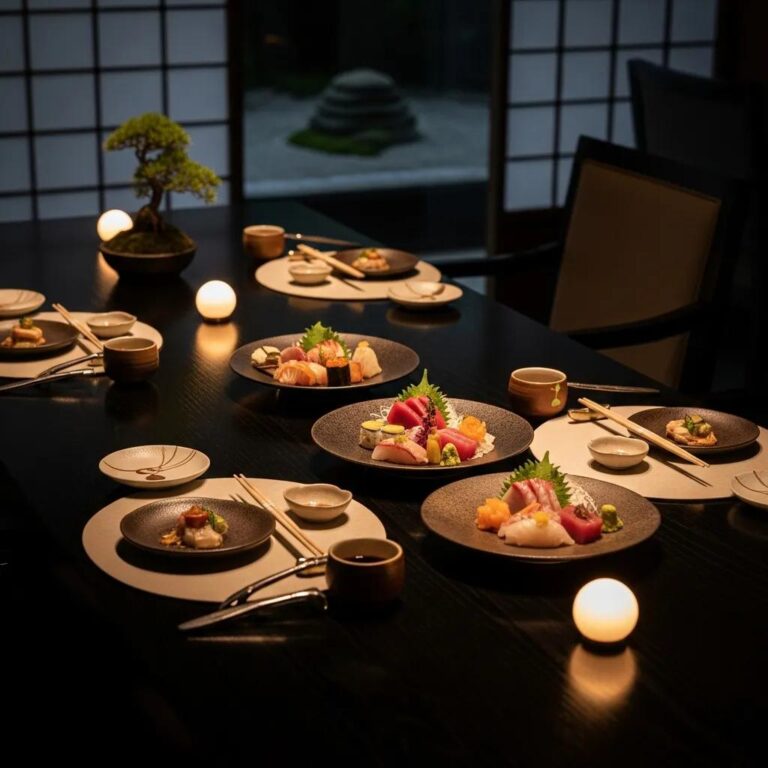
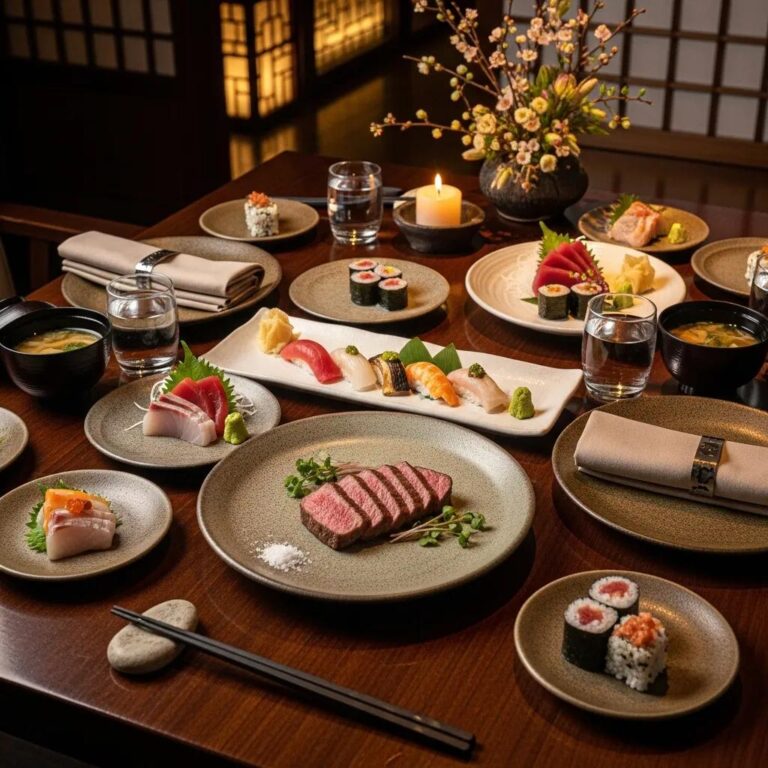
Kaviar in Pasadena weaves this baking program directly into our omakase and premium-protein sequences. Guests who reserve a tasting can expect freshly baked bread to arrive with intention—supporting each course and enhancing the overall narrative of the meal.
What makes Kaviar’s artisan bread distinct in Japanese fine dining?
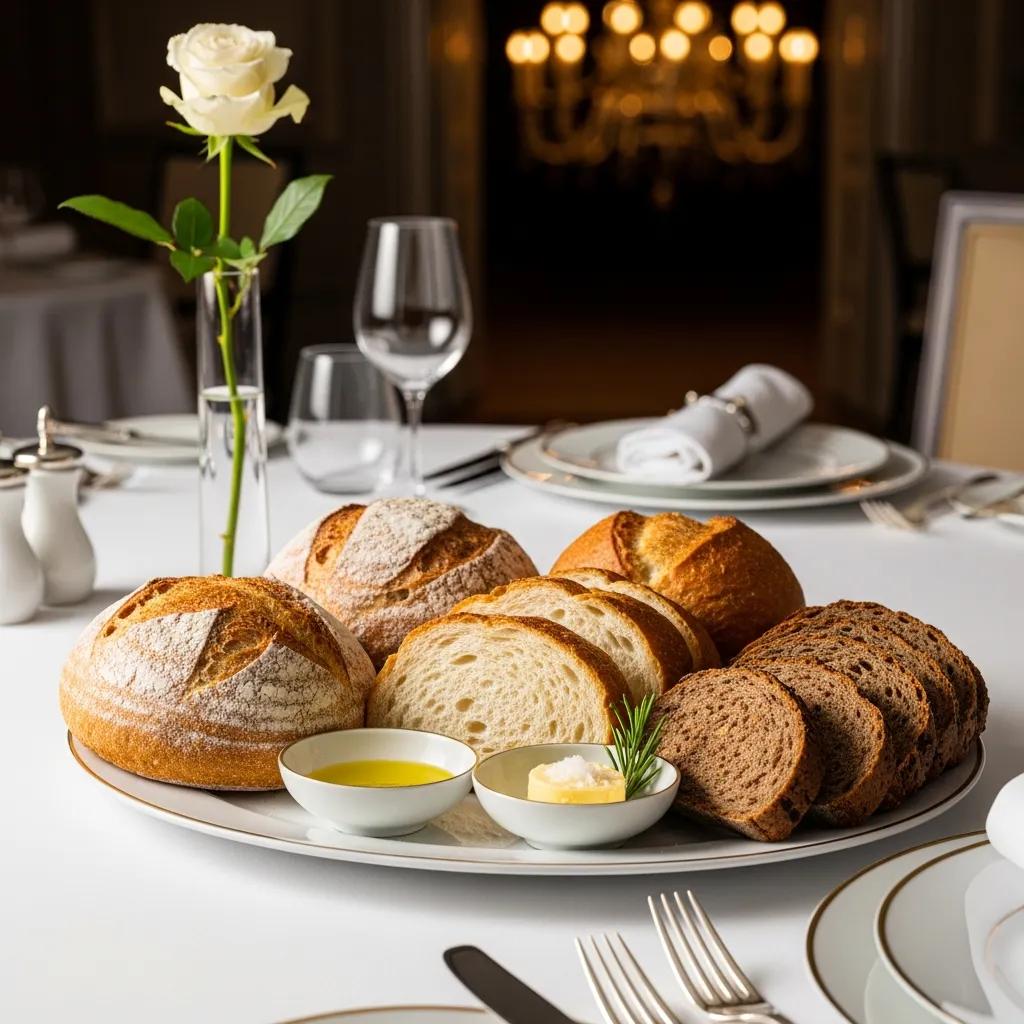
Our breads are conceived as supportive companions, not afterthoughts. We combine the restraint and focus of Japanese fine dining with Western baking craft so bread reinforces — rather than competes with — subtle flavors. Everything is baked in-house and scheduled to match service pacing. Loaves are developed for sensory purpose: an open crumb that receives jus, a crisp crust that cuts through fat, or a soft milk bread that cushions briny bites. The result is a toolkit of breads that refresh, absorb and frame each bite while keeping flavor profiles clean and balanced.
We back that design with clear menu notes and server training so bread arrives at the right moment and in the right portion. That discipline enables the precise pairings with A5 Wagyu and caviar discussed below.
Our program centers on three practical differentiators:
- Craftsmanship over convenience: In-house bakers shape loaves daily to match service timing and tasting flow.
- Pairing-first design: Each bread is developed with specific proteins or seafood in mind to manage fat, salt and texture.
- Ingredient traceability: Specialty flours, cultured dairy and select salts are chosen for clarity of flavor and verifiable provenance.
These choices ensure bread plays a deliberate role at the table. The clearest illustration is how particular loaves interact with A5 Wagyu and caviar.
How does our bread complement A5 Wagyu and caviar?
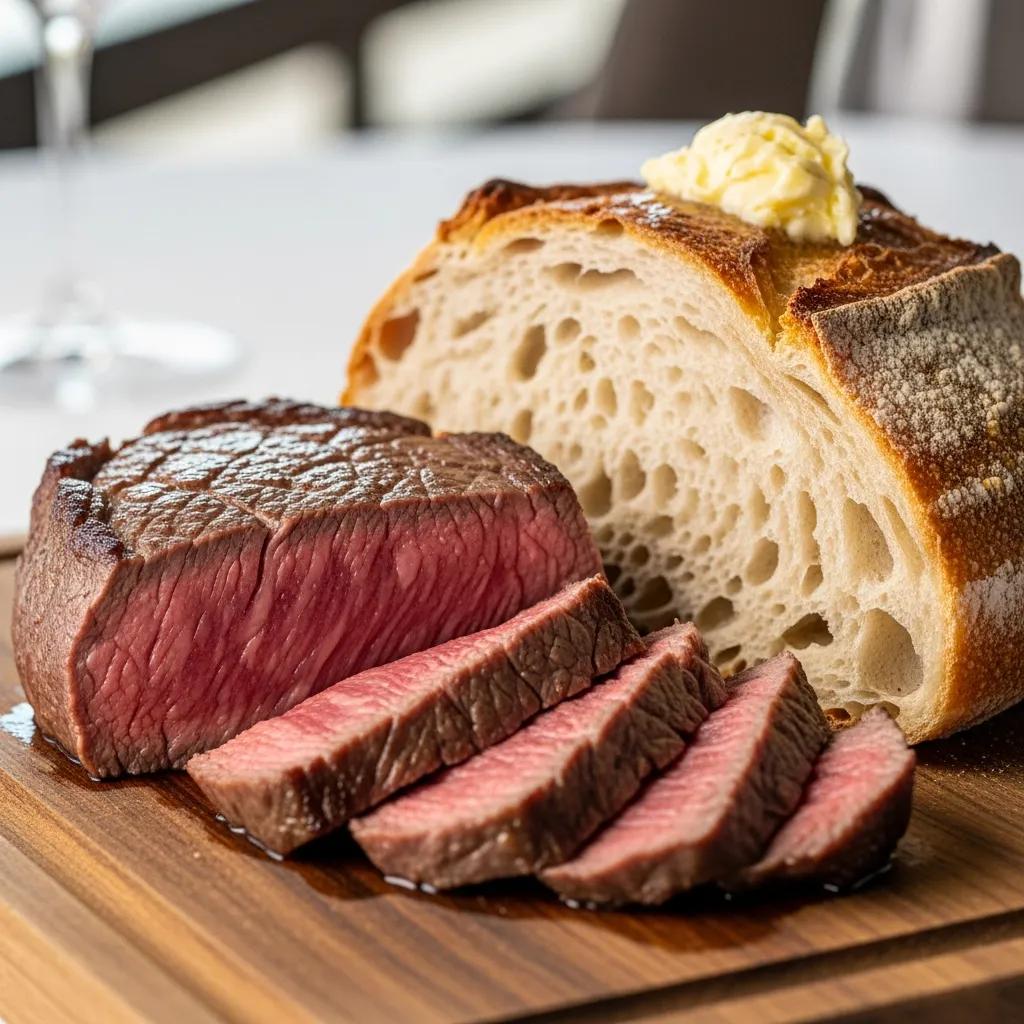
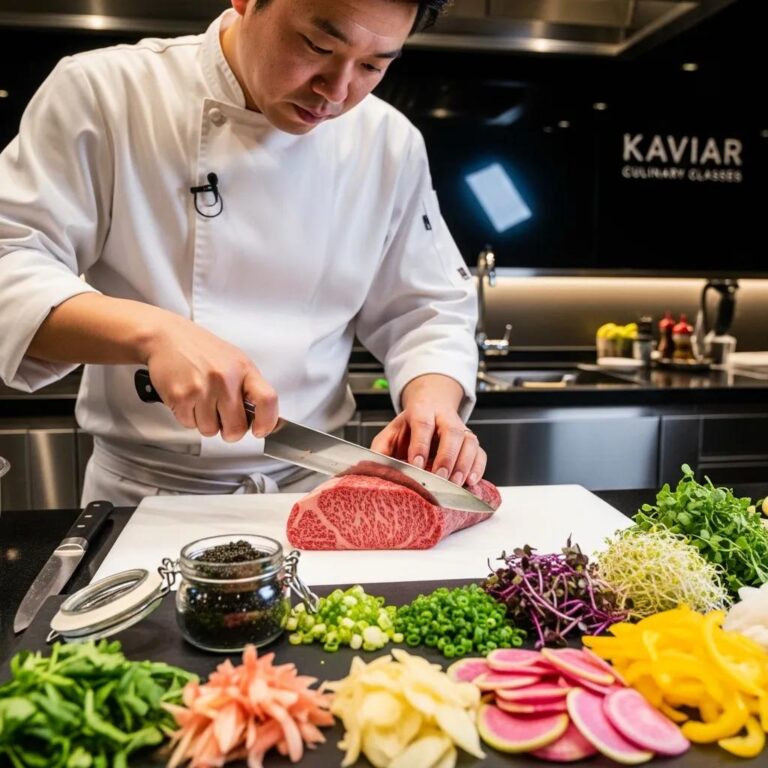
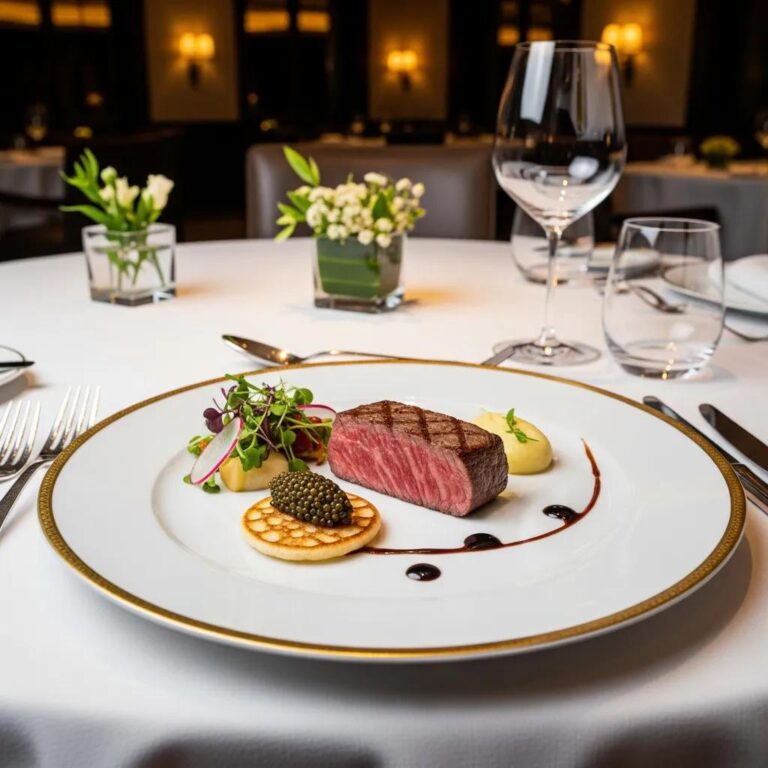
Well-made bread supports A5 Wagyu and caviar by performing three sensory tasks: moderating fat and mouthfeel, balancing salt and umami, and adding textural contrast that keeps the protein central. A crisp, well‑ovened sourdough crust provides a cutting bite that tempers the lingering richness of heavily marbled beef; an open-crumb levain absorbs jus without overwhelming the palate. A soft milk bread (shokupan) offers a neutral, slightly sweet platform that highlights the saline pop of roe and preserves its texture. These effects depend on crumb hydration, crust integrity and subtle acidity from fermentation—factors we control to shape how flavors release and fats coat the mouth.
Service timing is key: servers introduce bread before a fatty course to mitigate richness or after a briny bite to refresh the palate, so each loaf functions as a considered palate tool. That pairing logic informs our ingredient and technique choices described next.
Which artisan techniques define Kaviar’s freshly baked quality?
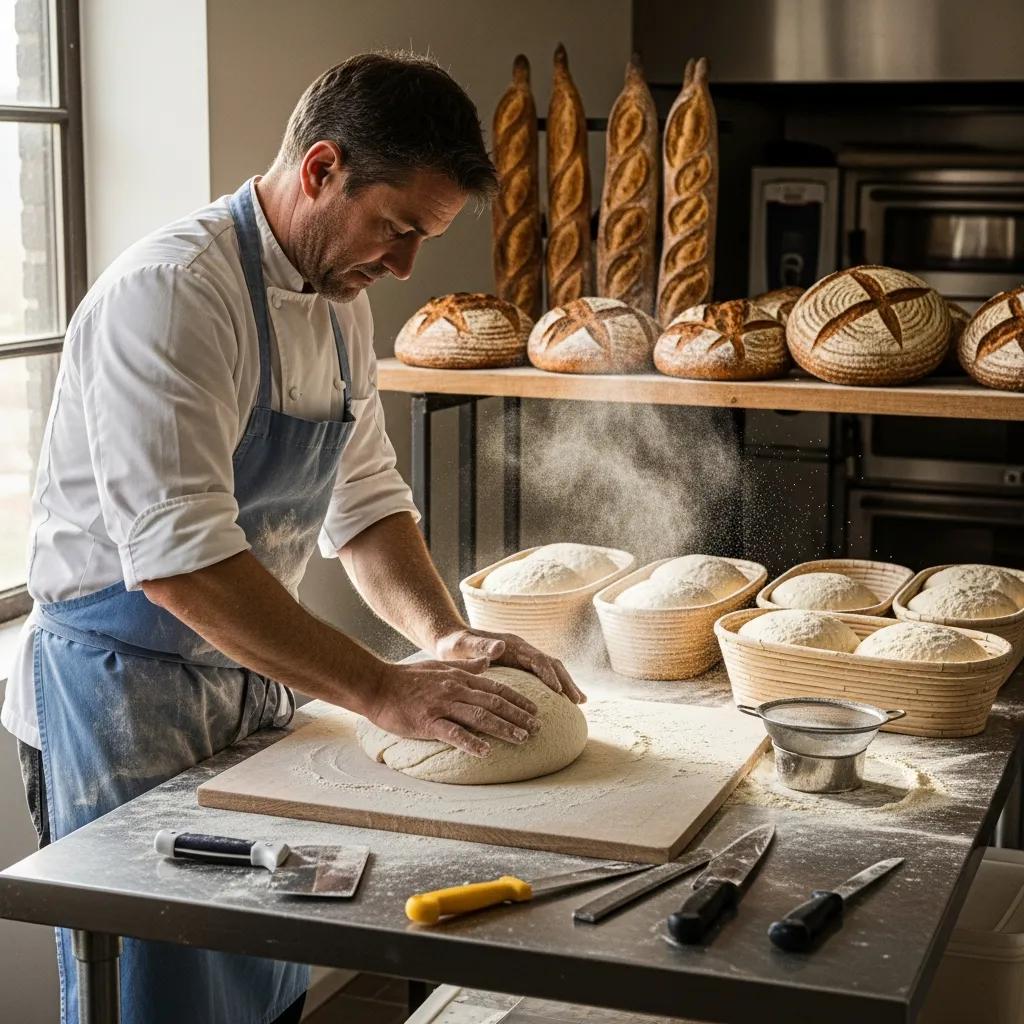
Our fresh-baked character comes from focused, repeatable techniques: extended fermentation with levain for flavor depth, controlled hydration for the desired crumb, gentle handling to preserve structure, and precise steaming to build a thin, crackling crust. These methods produce loaves with sensory complexity and reliable service-day performance. Baking in small batches or to order preserves crust integrity and ensures the breads arrive at peak texture when needed in the tasting sequence.
Intro: The table below connects specific baker techniques to the attributes diners will notice at the table.
This technique-to-outcome mapping explains why our loaves perform alongside rich proteins and delicate seafood. Mastery of these methods leads directly into the baking practices that preserve crust texture and freshness for service.
Our focus on controlled fermentation also shapes the biochemical benefits—enhanced flavor and resilience—that we rely on in production.
What baking methods ensure optimal crust texture and freshness?
Optimal crust and freshness come from managing steam early in the bake, profiling oven temperatures precisely, and allowing post-bake rest that sets internal moisture. Initial steam lets the crust expand and develop a glossy, blistered surface that crisps as steam is reduced and temperatures finish the bake. Scheduling small bakes timed to service preserves aroma and prevents stale crumb; resting on racks avoids trapped moisture that would soften crusts too soon.
On a biochemical level, long fermentation creates organic acids and Maillard precursors that improve crust color and flavor while stabilizing crumb pH—slowing staling and retaining mouthfeel between bake and service. These choices affect pairing performance, since a well-formed crust changes how bread interacts with fat and sauce.
How does fermentation enhance flavor in Kaviar’s bread?
Fermentation breaks starches and proteins into sugars and amino acids that feed Maillard reactions and produce organic acids, concentrating flavor and adding gentle acidity. A levain or carefully maintained starter yields layered aromatics—fruity esters, soft acidity and toasted-grain notes—that contrast and complement umami elements like miso or Wagyu jus. Fermentation also helps shelf-life by lowering crumb pH and slowing retrogradation, preserving texture between bake and service.
In practice, our breads carry subtle savory and aromatic signatures that echo menu ingredients without dominating them, strengthening the tasting progression from course to course.
Where do Kaviar’s premium ingredients come from?
Ingredient selection prioritizes specialty flours, cultured dairy and mineral-rich sea salts chosen for clarity of flavor and verifiable provenance, with a preference for local or regionally milled grain when feasible. Choices are functional—stone-ground flour for nutty depth in country loaves, high-protein flours for structured levain, cultured butter for enriched brioche—and narrative-driven, so provenance supports the luxury positioning. Seasonal additions such as local seeds or whole grains rotate with the menu to keep flavors current and meaningful at table.
The table below summarizes key ingredients, typical origin types and the sensory notes that justify their use in a luxury bread program.
That provenance mapping shows how ingredient choices translate to sensory impact and reinforce the restaurant’s luxury story. These sourcing decisions also shape the guest-facing narrative delivered during service.
Which local farms and mills supply ingredients for freshness and quality?
Instead of commodity suppliers, we partner with regional stone mills, small dairies and specialty grain growers that produce small-batch flours and cultured butter. Those partnerships preserve bran and flavor, yield distinctive dairy profiles and provide access to heritage varieties. The practical benefits are fresher inputs with unique flavor signatures and the flexibility to rotate ingredients by harvest—keeping our bread program aligned with the tasting menu.
Local sourcing also strengthens our service narrative: servers can share concise origin notes that underscore authenticity and deepen guest appreciation for the pairings.
How does ingredient origin affect flavor and luxury appeal?
Origin imparts terroir-like distinctions: stone-ground flours bring nuttiness and texture, cultured dairy adds nuanced butterfat complexity, and mineral-rich salts lift wheat sweetness. These signals elevate perception of the bread as a crafted product suitable for premium pairings. Simple origin statements—“stone-milled rye from a nearby mill,” for example—act as authenticity markers that increase perceived value and justify the bread’s role in a tasting sequence.
Framing origin within service storytelling helps integrate bread into the omakase narrative and trains diners to notice subtle interactions between crumb, crust and protein.
How does Kaviar pair artisan bread with signature omakase dishes?
Our pairing approach rests on three principles: textural balance, fat and salt management, and timing within the tasting progression. Bread with a decisive texture can cut through the silkiness of A5 Wagyu; low-acidity, soft milk breads allow caviar’s saline pop to remain the star. Timing matters—a loaf may arrive as an intermezzo to reset the palate or alongside a course to absorb jus—so recommendations are designed around pacing as much as flavor.
Below is a practical pairing chart linking bread varieties to signature dishes and explaining why each match works.
The chart gives servers and diners a clear view of our pairing logic and supports quick answers to pairing questions. The next sections cover which varieties work best in practice and how we present pairing guidance service-side.
Our pairing philosophy drives menu layout and service scripts so recommendations are understood and delivered consistently.
Which bread varieties best complement A5 Wagyu and caviar?
For A5 Wagyu we favor a structured levain or crust-forward sourdough to provide textural and acidic counterpoints to rich marbling, allowing the beef’s umami to sing while managing mouth-coating fat. For caviar, a light, neutral milk bread or a small blini-style bite preserves the roe’s saline pop and tactile contrast; the goal is texture with minimal competing flavor. Seeded rye or lightly toasted brioche are selected to echo a course’s dominant notes—smoky, fermented or buttery—so each bread supports the intended tasting effect.
Tasting notes and server cues in the menu ensure the right bread arrives at the right moment to perform its sensory role and reinforce the pairing strategy above.
How are pairing recommendations presented on the luxury bread menu?
Pairings are marked by concise menu callouts and simple server scripts that explain purpose—e.g., “sourdough to cut fat” or “shokupan to frame caviar”—so guests quickly understand function as well as flavor. Small icons or brief annotations indicate recommended matches, and servers offer portion guidance and clarify whether an item is a tasting portion or available as a fuller order. This presentation keeps the tasting flow focused and informative without interrupting service.
Clear menu UX combined with trained service makes pairings feel intentional and integrated, enhancing perceived value and guest satisfaction.
What is the reservation process to experience Kaviar’s artisan bread program?
To reserve the artisan bread experience, book a tasting or omakase seat where freshly baked accompaniments are integrated into service pacing, and note any dietary considerations that affect bread choices. Advance notice helps the kitchen schedule production for your service window and prepare suitable pairings or alternatives. Please indicate preferences or restrictions when booking so we can deliver both flavor intent and dietary accommodation.
To plan, follow these simple steps:
- Choose a tasting seat or omakase option: Select the service that includes curated bread pairings.
- Specify dietary notes: Share allergies, gluten preferences or requests for alternative breads.
- Request timing or occasion notes: Mention special pacing needs or celebrations to coordinate bread service.
How to reserve your luxury dining experience at Kaviar Restaurant?
Reserve an omakase or tasting seating and indicate any preferences that affect bread selection and timing. Note dietary restrictions (for example, gluten sensitivity) and special occasions so our team can plan appropriate pairings and pacing. Because our program uses freshly baked items timed to service, advance notice ensures the bakery prepares the right loaves for your table. We recommend booking early for preferred dates.
What should guests expect during their artisan bread dining experience?
Guests should expect bread to be introduced as a deliberate element of the tasting—sometimes as an interlude, other times directly alongside a protein or seafood bite. Service typically includes a brief note about origin and function—whether to cut fat, cleanse the palate or accentuate brininess—so diners understand how the bread fits the meal’s narrative. Portions are calibrated for tasting progression; breads can be served in small tasting sizes or offered as additional portions when desired. Many guests leave with a renewed appreciation for how freshly baked bread can be a purposeful, luxury component of omakase and premium-protein dining.
- Service pacing: Bread timing aligns with course transitions to support flavor and texture management.
- Storytelling: Servers share concise provenance notes to enhance perceived luxury.
- Option to order more: Guests may request additional portions or to-go loaves when available.
Frequently Asked Questions
What types of artisan bread are offered at Kaviar?
We offer a rotating selection of breads crafted to pair with specific dishes: crusty levain sourdough, soft milk bread (shokupan), seeded rye and buttery brioche rolls. Each variety is tuned for texture and flavor to enhance premium proteins like A5 Wagyu and caviar. Selections change with seasonality and menu updates so guests always receive the most relevant pairings.
Can guests customize their bread selections for dietary restrictions?
Yes. Guests are encouraged to specify allergies, gluten sensitivities or other preferences when booking. Our culinary team will prepare suitable alternatives so everyone can participate in the artisan bread experience while respecting dietary needs.
How does Kaviar ensure the freshness of its artisan bread?
We bake in small batches and time production to service so breads arrive warm and at peak quality. Controlled fermentation and precise baking techniques further ensure each loaf meets the textural and flavor standards expected in a luxury setting.
What role does bread play in the overall dining experience at Kaviar?
Bread at Kaviar is an integrated element of the tasting: it enhances flavors, manages richness and refreshes the palate. Timing and presentation are orchestrated to support the tasting progression, making bread a purposeful component that elevates the meal.
Are there special events or promotions related to the artisan bread program?
Occasionally we host events that highlight the bread program—bread tastings, collaborations with local bakers and pop-ups. To stay informed, subscribe to our newsletter or follow Kaviar on social media for announcements and event details.
How can guests provide feedback on their artisan bread experience?
We welcome feedback. Guests can share thoughts via comment cards at the restaurant, by email or through our social channels. Guest input helps us refine the menu and service and contributes to our ongoing commitment to excellence.
Conclusion
Kaviar’s Artisan Bread Program brings freshly baked, handcrafted loaves into the heart of the tasting experience—complementing A5 Wagyu, caviar and other signature courses with intentional flavor, texture and provenance. The program highlights quality ingredients and disciplined technique to deliver purposeful pairings that enhance each course. To experience this bread-forward approach, reserve an omakase or tasting seat and let our team curate the timing and pairings for your table. Discover how considered bread can transform a luxury meal.