





Kaviar’s Sustainable Fine Dining: How We Reduce Food Waste in Luxury Japanese Cuisine
At Kaviar, sustainable fine dining means composing every tasting course to deliver maximum flavor while cutting waste—through exact portioning, mindful sourcing, and reservation-informed forecasting. This article walks you through the kitchen practices, zero-waste techniques, and traceable sourcing behind our approach to premium ingredients like A5 Wagyu and caviar. Luxury and restraint can coexist: careful portioning preserves taste, and supplier traceability prevents over-ordering and spoilage. You’ll find kitchen-level tactics, guest-facing benefits of a zero-waste strategy, signature dishes that embody sustainable sourcing, measurable metrics we track, and simple actions diners can take when booking. We focus on practical methods—inventory cadence, nose-to-tail and leaf-to-root reuse, and reservation-driven demand planning—and show how our omakase format and curated booking system naturally support them. By the end, you’ll understand how Kaviar reduces food waste without compromising a mindful, flavor-forward experience.
What sustainable kitchen practices does Kaviar use to minimize food waste?
Our kitchen prevents excess by aligning purchasing, prep, and plating with predictable demand and ingredient shelf life. That alignment converts uncertainty into repeatable processes that limit spoilage and overproduction. Key tools include a tight inventory cadence with just-in-time ordering, tasting-menu portion engineering, turning trimmings into stocks and garnishes, and partnerships for composting or donation to divert unavoidable waste. These methods yield three core benefits: lower food costs, fresher ingredients that taste better, and measurable waste-diversion results we can track. Below are practical kitchen practices commonly used in luxury, low-waste omakase operations and at Kaviar.
- Inventory Cadence: Place smaller, more frequent orders so deliveries match service demand and shelf life.
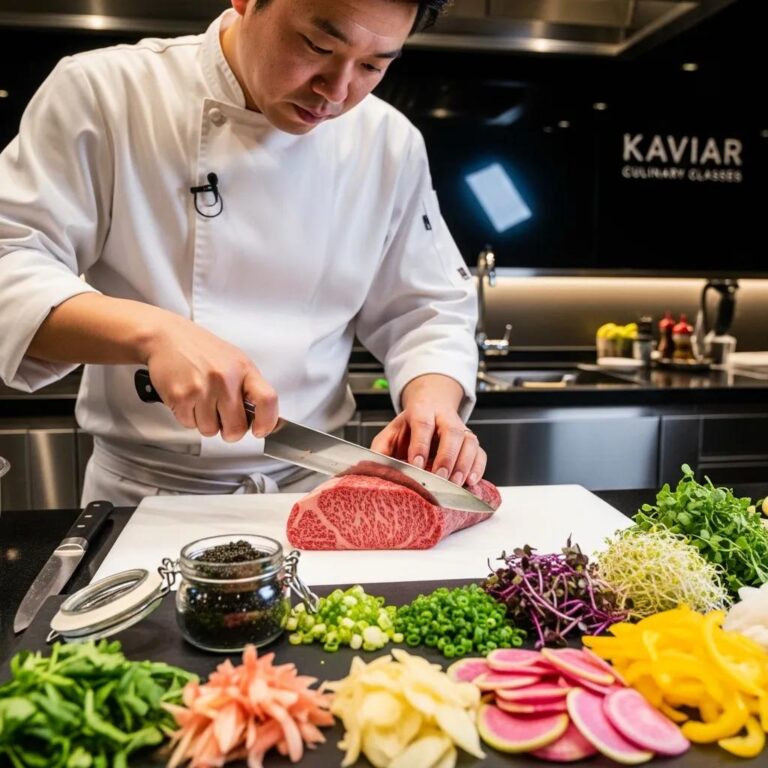
- Controlled Portioning: Engineer tasting courses to precise gram or unit sizes so plates leave minimal leftovers.
- Cross-Utilization: Reclaim trimmings and offcuts as stocks, sauces, pickles, or garnishes instead of discarding them.
These practices set the stage for how portion control in omakase supports a zero-waste dining model.
Kaviar-specific integration: Our curated omakase format and reservation-led portion planning let chefs prepare exact quantities, reducing over-ordering while preserving an elevated guest experience.
How does controlled portioning support zero-waste dining at Kaviar?

Controlled portioning means standardizing course sizes so every tasting delivers full flavor with little leftover. Tasting formats are built for balance and sequence, not volume, so portion testing during menu development sets exact gram targets and plating standards that become part of mise en place. Feedback—from servers and reservation patterns—drives iterative adjustments so portions match appetite while keeping the chef’s intent. Consistent plating also reduces special-request prep that can create surplus, improving kitchen efficiency and guest satisfaction at once.
Clear portion mechanics naturally lead to sourcing choices that further reduce waste.
Which ingredient sourcing methods ensure eco-friendly dining experiences?
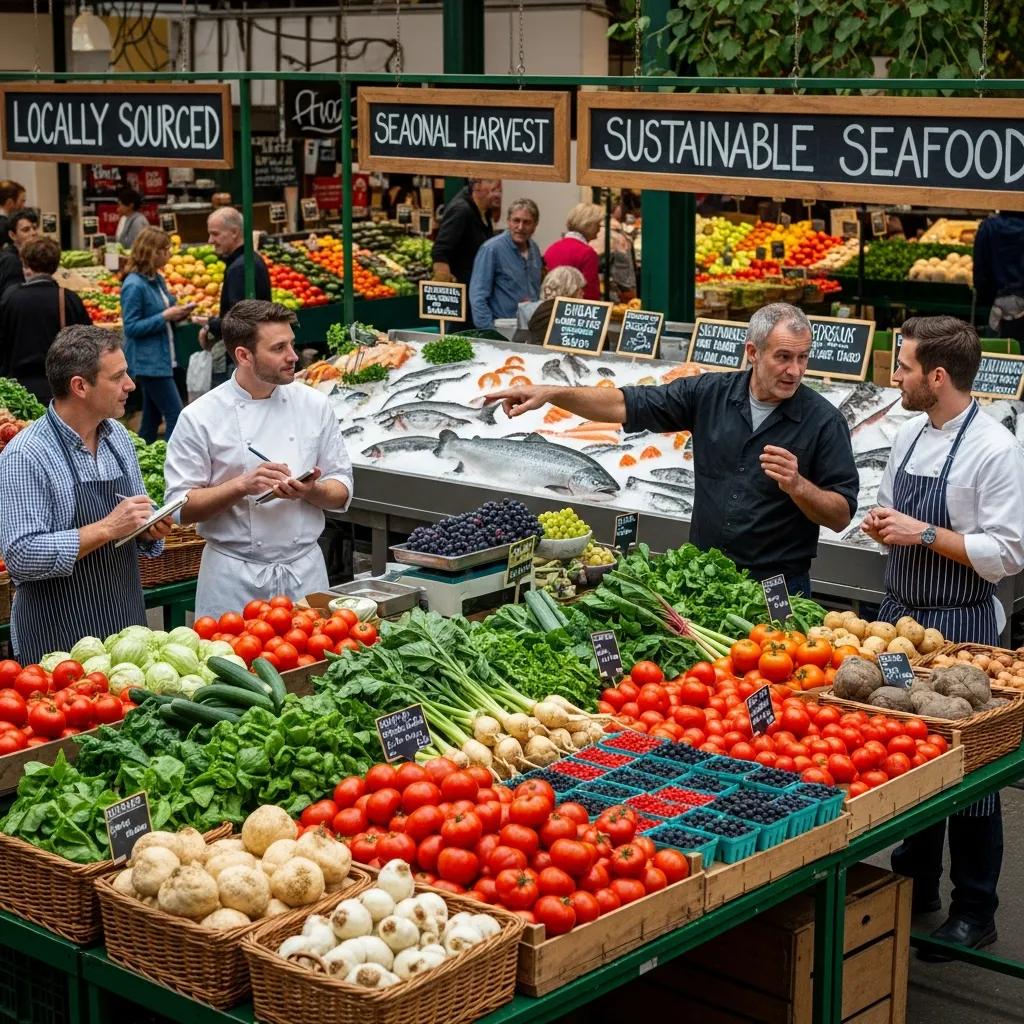
Sustainable sourcing prioritizes seasonality, supplier flexibility, and provenance records so we order only what can be used within a reliable window. Working with local farms and fisheries on flexible agreements lets chefs adjust quantities week-to-week while maintaining supplier relationships; traceability ensures premium items have a known origin. Seasonal buying reduces long-term cold storage and long-haul shipping, lowering spoilage risk and improving flavor. Paired with a strict inventory cadence, these procurement choices form a resilient supply chain that supports a luxury, low-waste tasting menu and gives our front of house authentic provenance stories to share.
This table links procurement attributes to measurable operational outcomes and shows how sourcing supports the guest experience.
How does Kaviar’s zero-waste strategy enhance the fine dining experience?
Zero-waste service sharpens the dining experience by concentrating culinary excellence into fresher, higher-impact dishes and by creating a deliberate, intimate service rhythm. Procurement discipline and thoughtful reuse elevate flavor while cutting waste. Guests enjoy brighter ingredient integrity, more exclusive rotating offerings, and a deeper sense of value when portions are perfectly paced and explained. From service, this pacing lets staff tell provenance stories about each course, turning every bite into an intentional moment rather than an excess of food. The three experiential benefits—flavor focus, exclusivity, and mindful storytelling—are how luxury and sustainability reinforce one another.
- Flavor Focus: Smaller, fresher portions intensify taste and texture.
- Exclusivity: Seasonal rotations create scarcity and specialness.
- Mindful Storytelling: Well-trained staff explain sourcing and technique to enrich the experience.
Those benefits tie directly to culinary techniques that turn by-products into flavorful components—our next area of focus.
What are the key components of Kaviar’s zero-waste cooking techniques?
Zero-waste cooking transforms unavoidable by-products into high-value elements: bones and shells into clear stocks, vegetable trimmings into infused oils or pickles, and offcuts styled as textural garnishes. This preserves flavor compounds that would otherwise be lost. Precise mise en place and yield tracking let kitchens route trimmings into defined reuse streams, ensuring consistent quality for broths, sauces, and condiments. Staff training and standardized reuse recipes reduce variability, and small-batch processing captures by-product value without compromising sanitation. For example, fish frames become a concentrated dashi that underpins sauces and soups, connecting primary proteins to supporting elements while reducing waste.
How does the reservation system contribute to food waste management?
Reservations give us demand-side data chefs use to forecast covers, pace menus, and allocate portions—data-driven forecasting lowers overproduction because purchases tie to expected demand. We integrate booking patterns with inventory systems to predict busy nights, use deposits or confirmations to reduce no-shows, and employ waitlists to reassign seats and avoid unused mise en place. For omakase seating, fixed cover counts let chefs plan exact quantities of premium ingredients in advance, avoiding costly last-minute purchases. Reservation trends feed purchasing cadence, stabilizing waste metrics and strengthening supplier relationships.
These practices show how reservation-linked planning produces tangible reductions in waste and cost.
Which signature dishes at Kaviar showcase sustainable fine-dining sourcing?
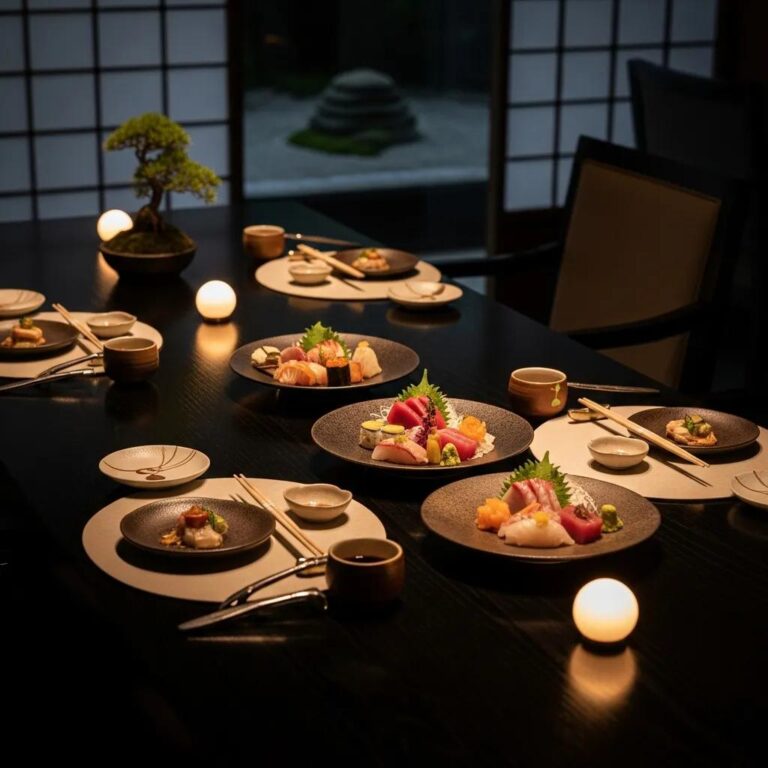
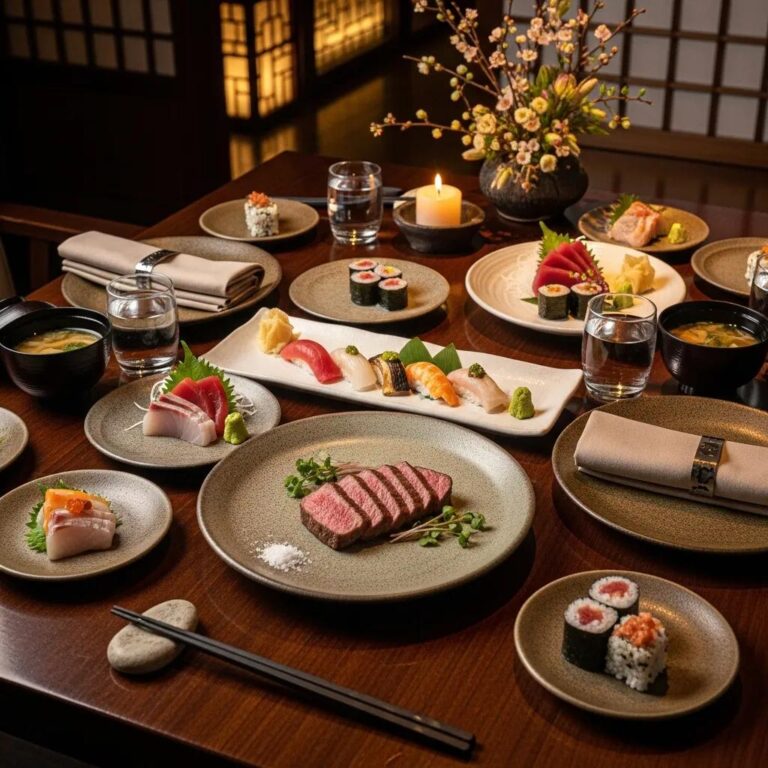
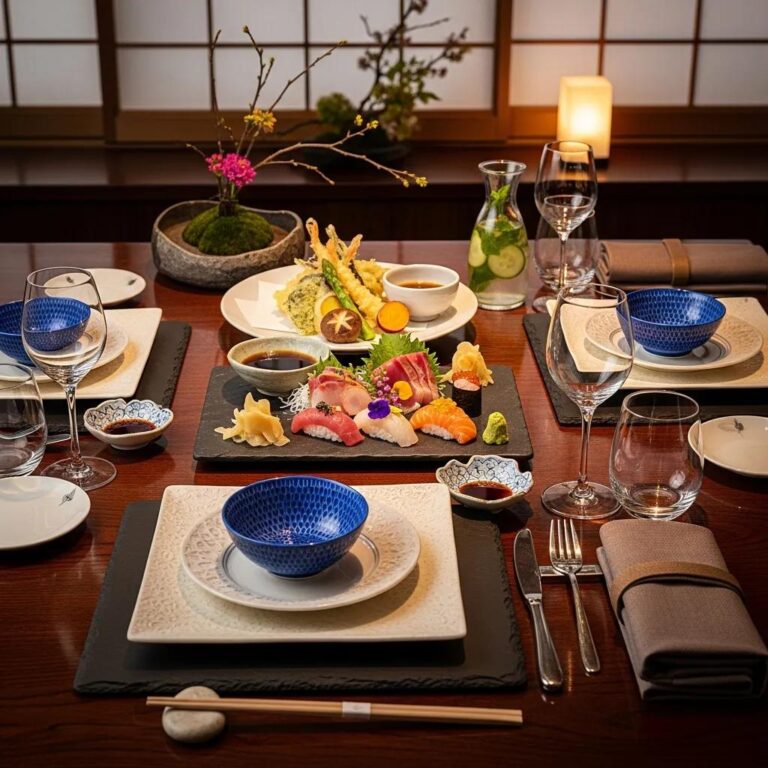
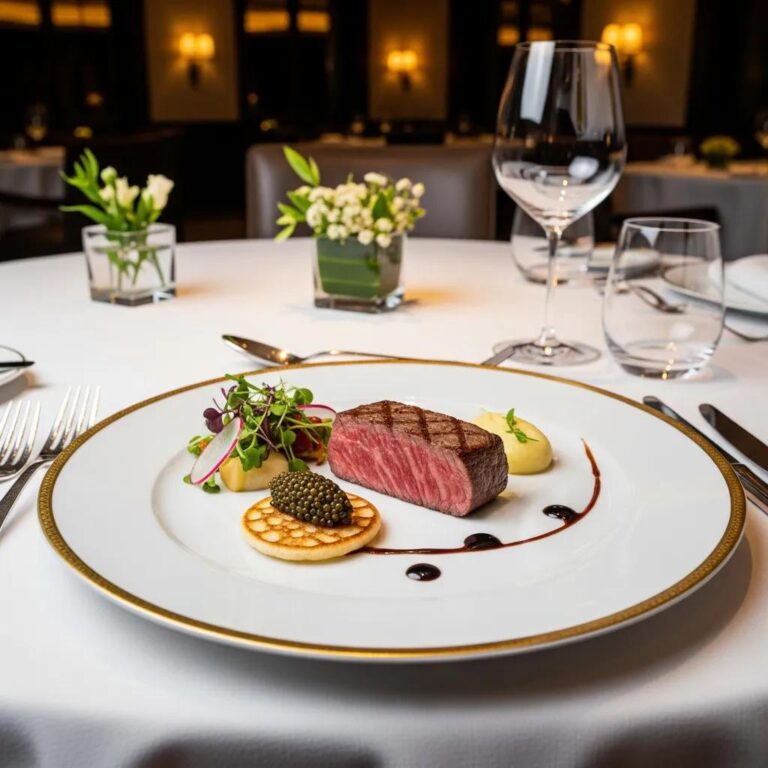
Signature dishes demonstrate how premium ingredients can shine in limited, traceable portions that deliver maximum impact with minimal waste. Examples include single-portion A5 Wagyu courses served in a limited-plate format that celebrate marbling and technique over volume, and caviar-accented courses that rely on small, high-impact amounts to elevate flavor. Rotating seasonal tasting plates ease inventory pressure by using whatever local produce and fish are at peak freshness. The table below compares how select dishes link to sourcing attributes and sustainability notes.
This comparison shows how dish design and sourcing choices reduce waste while preserving the high-touch experience of an upscale Japanese tasting menu.
Kaviar-specific integration: Our menu features curated omakase sequences and rotating plates that reflect sourcing priorities—limited-portion A5 Wagyu and delicate caviar accents illustrate how traceability and portion control coexist with sustainable luxury.
How is A5 Wagyu sourced sustainably for Kaviar’s menu?
We source A5 Wagyu with an emphasis on traceability and limited-portion presentation so exceptional beef is enjoyed sparingly but memorably. Traceability documents that specify farm origin and handling let chefs choose animals raised under clearer welfare and feed practices; transparency matters more than broad sustainability claims. Serving Wagyu as a shared or single-course highlight reduces portion sizes and pairs the meat with intentional accompaniments, avoiding large cuts and leftovers. This balance of provenance, portion control, and technique helps align premium red meat with waste-reduction goals.
What role does caviar play in Kaviar’s eco-friendly dining experiences?
Caviar is used as a high-impact accent where tiny amounts deliver strong sensory effects—this concentrated use fits sustainable luxury because it offers prestige without scale. We prioritize traceable sources and better-managed fisheries when available and use certifications where appropriate, recognizing that availability varies. On the plate, caviar complements texture and salinity rather than overpowering a dish, maximizing perceived value per gram and minimizing waste. Small-portion luxury like this supports our wider zero-waste framework.
What are the environmental impacts and food-waste reduction efforts at Kaviar?
Measuring waste generation and diversion is where environmental impact becomes actionable—quantifying kilograms diverted and compost rates informs improvement. Key impact areas include reduced food purchased and discarded, lower greenhouse-gas emissions from waste, and higher yield from ingredients through reuse. Each ties to operational levers: ordering cadence, portion engineering, and reuse workflows. We use weight-based audits, daily kitchen logs, and monthly KPI reviews to turn activity into targets. The table below summarizes common metrics, baselines, and realistic goals for a small, upscale restaurant.
These KPIs give credibility and a clear path for continuous improvement that saves money and improves environmental outcomes.
How does Kaviar measure and monitor its food-waste reduction progress?
We combine simple weight-based waste audits with digital logging so kitchens can link waste types to menu items and service shifts. That pairing gives quantitative data plus context for root-cause analysis. Daily logs capture prep trimmings, plate waste, and spoilage; weekly and monthly reports reveal trends and show where recipe or purchasing changes are needed. KPIs—kilograms of waste per cover, diversion percentage to compost/donation, and supplier-return frequency—form the basis for reduction targets and regular operational reviews. Consistent measurement also supports certification and external verification when pursued.
Which industry standards and certifications support Kaviar’s sustainability claims?
Relevant standards include traceability and responsible-seafood certifications, humane livestock handling frameworks, and local waste-management or composting certifications. These third-party schemes strengthen sourcing and diversion claims. It’s important to cite certifications only if held; where certifications aren’t in place, transparent supplier documentation and traceability records still demonstrate credibility. For seafood and caviar, recognized certifications can indicate responsible fishery management; for beef, provenance records show sourcing practices even when formal labels vary. A transparency-first approach builds trust with discerning guests.
How can guests participate in Kaviar’s sustainable fine-dining experience?
Guests help minimize waste by giving accurate reservation details, sharing dietary preferences ahead of time, and embracing seasonal tasting menus. Precise party counts and timely cancellations directly reduce overproduction because chefs plan mise en place and portion allocations against bookings. Dietary notes allow efficient substitutions rather than separate, potentially wasted items. Choosing rotating, seasonal courses supports a procurement model that reduces storage time and spoilage. Below are practical steps diners can follow to support mindful luxury dining.
- Reserve Precisely: Provide accurate party size and arrival time so the kitchen’s forecasts match demand.
- Note Preferences Early: Tell us dietary restrictions or sharing intentions at booking to guide portion planning.
- Embrace Seasonal Menus: Opt into rotating tasting menus that reflect local availability to minimize waste.
Small guest actions translate into measurable waste reductions and better dining outcomes.
Kaviar-specific integration: When you book at Kaviar, choosing omakase or our curated tasting experience and supplying party details and dietary notes allows the kitchen to plan portions and avoid overproduction.
What is the reservation process for a mindful dining experience at Kaviar?
Our reservation process asks for precise details—party size, dietary restrictions, and timing—so the kitchen can prepare exact quantities for an omakase or tasting sequence. Confirmation and reminder policies reduce no-shows; waitlists help reassign freed covers. When diners communicate sharing plans or special requests at booking, chefs adjust mise en place to avoid last-minute prep that could go unused. Clear reservation information is the first operational lever that leads to measurable waste reduction.
How does Kaviar educate diners about food waste and sustainability?
We educate guests with concise menu notes, server-led explanations during service, and optional post-dining messages. This layered approach meets guests at multiple touchpoints with consistent information. Menu footnotes call out seasonal items and origins; trained servers tell provenance stories and explain why portions may be intentionally modest; follow-up messages can summarize diversion achievements or invite feedback. Digital and on-site education centers on transparency—traceability, portion rationale, and reuse techniques—so guests appreciate the culinary and environmental reasons behind our choices. Informed guests are more likely to engage with the menu as designed and support our sustainability practices.
Frequently Asked Questions
What are the benefits of sustainable fine dining for the environment?
Sustainable fine dining reduces food waste, cuts greenhouse-gas emissions, and improves resource efficiency. Practices like precise portioning and seasonal sourcing limit overproduction and spoilage, lowering the carbon footprint from transport and storage. Responsible sourcing also supports local producers and biodiversity, contributing to healthier food systems overall.
How can diners contribute to reducing food waste at restaurants?
Diners help by giving accurate reservation details—party size and dietary needs—so restaurants can plan portions effectively. Embracing seasonal, rotating tasting menus supports fresh, local ingredients and reduces spoilage. Clear communication and mindful choices at booking and at the table make a meaningful difference.
What types of certifications should diners look for in sustainable restaurants?
Look for certifications or documented traceability that indicate responsible sourcing and environmental stewardship: responsible seafood labels, humane livestock standards, and local waste-management certifications. When formal certifications aren’t present, transparent supplier records and clear on-site communication can still signal a genuine commitment to sustainability.
How does Kaviar ensure the quality of its ingredients while maintaining sustainability?
We combine traceable sourcing with seasonal purchasing and close relationships with local farms and fisheries. That lets us adjust orders to availability so ingredients arrive at peak freshness, reducing spoilage. Controlled portioning ensures guests enjoy premium ingredients without excess consumption.
What role does staff training play in Kaviar’s sustainability efforts?
Staff training is essential. Team members learn to identify usable by-products, apply portion control, and communicate our sustainability approach to guests. Training builds a culture where every role supports waste reduction and consistent culinary quality.
How does Kaviar track its food-waste reduction progress?
We track progress with weight-based audits and digital logs that categorize waste and link it to menu items. Regular KPI reviews—waste per cover, diversion rates, donation volumes—help set targets and guide continuous improvement. This data-driven approach ensures accountability and measurable results.
What is the significance of the omakase format in Kaviar’s dining experience?
Omakase allows chefs to craft a personalized sequence focused on seasonality and precise portions. Because we prepare fixed quantities based on reservations, omakase minimizes overproduction and keeps each dish fresh and intentional—highlighting our commitment to both quality and sustainability.
Conclusion
At Kaviar, sustainability strengthens the dining experience. Meticulous sourcing, precise portion control, and zero-waste techniques let us serve exceptional flavors while cutting food waste. We invite you to join this mindful approach—book our curated omakase and taste how intention and restraint elevate every course. Together, we can savor memorable meals and support a more sustainable future.