




Guest Chef Dinner Series at Kaviar Pasadena — Intimate Japanese Collaborations
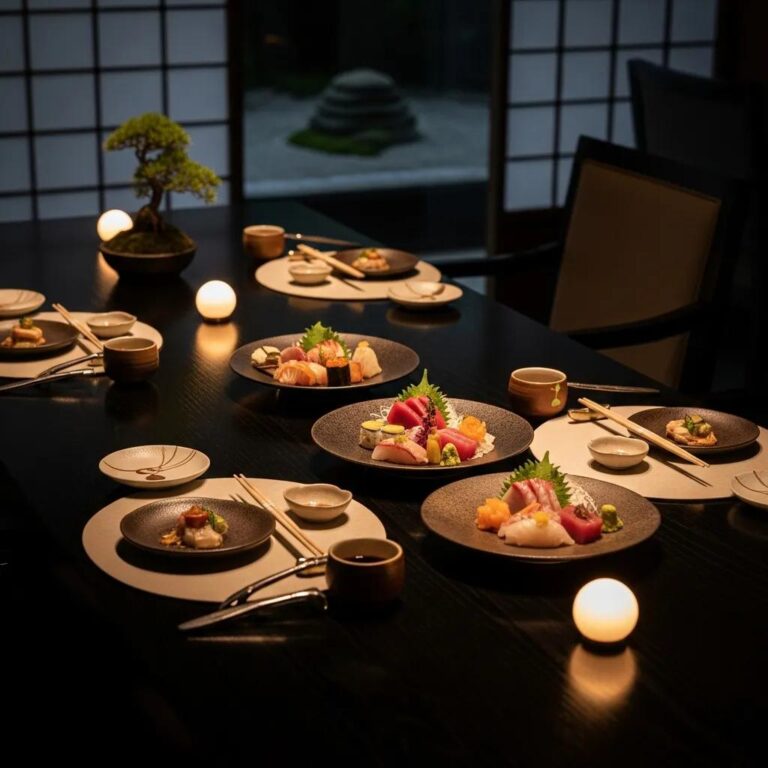
Our Guest Chef Collaboration Series pairs celebrated visiting chefs with Kaviar’s signature omakase to produce one-night, reservation-only tasting events that celebrate seasonal produce and elevated technique. Below we explain how the series is structured, why it sits at the crossroads of Japanese fine dining and experiential hospitality, and what guests can expect—from tasting menus and storytelling to booking logistics. For diners seeking a memorable, intentional meal, these curated evenings answer that desire with focused menus featuring A5 Wagyu, precise caviar accents, and chef-led narratives that sharpen every course. You’ll find what makes each dinner distinct, the kinds of guest chefs we invite, signature dishes and sourcing practices, how to reserve, and the behind-the-scenes content that extends the experience. Keywords like guest chef, collaboration, special omakase dinners, A5 Wagyu, and caviar dishes are woven through this guide to help guests and searchers quickly find practical details about luxury Japanese dining in Pasadena.
What is Kaviar’s Guest Chef Collaboration Series and why is it unique?
The Guest Chef Collaboration Series is a carefully curated run of special dinners where rotating guest chefs join our kitchen to co-create limited-seat tasting menus. We pair each chef’s culinary voice with Kaviar’s omakase framework so every seat experiences a deliberate, narrative flow of courses. The result balances inventive technique with the technical rigor of our team. Guests gain an elevated, ephemeral meal that highlights rare ingredients and thoughtful pairings delivered with precise service. These events differ from regular service by emphasizing provenance, theatrical moments, and direct chef engagement—making each dinner a collectible, one-of-a-kind experience that rewards early booking and culinary curiosity.
We present the series as an extension of Kaviar’s commitment to refined Japanese fine dining: an intimate setting, meticulous sourcing, and a reservation model geared toward intentional diners. By leaning on our omakase expertise, premium ingredient relationships, and curated seating, we stage every guest chef dinner as an exclusive occasion in Pasadena. The sections that follow describe how guest chefs shape a night and the role premium ingredients like A5 Wagyu and caviar play in that elevation.
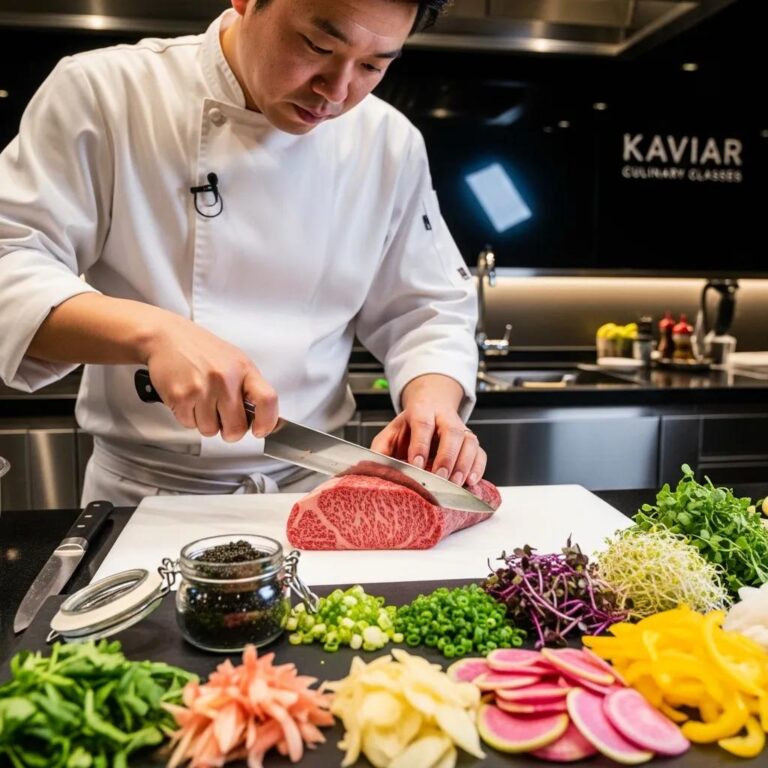
Guest chefs contribute signature techniques, narrative-driven courses, and cross-cultural touches that reframe familiar elements of Japanese cuisine. Many visiting chefs lead a distinct segment—whether a seared beef progression, a focused seafood sequence, or a sake-paired caviar course—so the evening reads as a true collaboration rather than a takeover. That format preserves the omakase arc while introducing novelty: the menu becomes a coherent multi-course story reflecting both the guest’s perspective and Kaviar’s service standards. The result is heightened exclusivity—each dinner is a distinct culinary statement that cannot be exactly repeated.
How do guest chefs enhance the luxury Japanese dining experience at Kaviar?
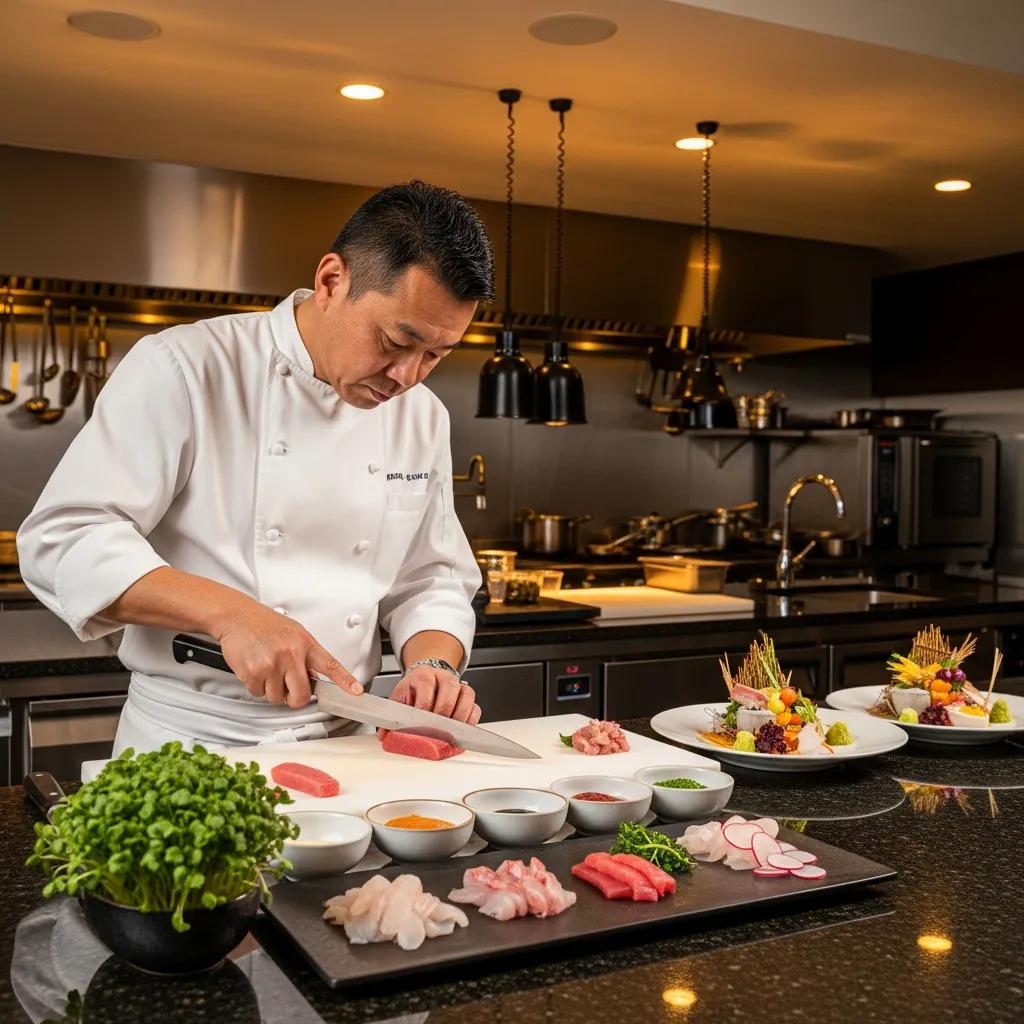
Guest chefs deepen our luxury positioning by introducing fresh techniques, unexpected flavor bridges, and bespoke plating that sharpen contrast across the omakase sequence. Their presence often produces standout moments—tableside finishing, limited-provenance ingredients, or hybrid preparations—that become the evening’s highlights. Enhancement is both technical and narrative: refined technique improves texture and balance, while the chef’s story ties each dish to ingredient origin and personal craft. Together these elements raise perceived value, create lasting impressions, and fuel post-event storytelling.
What role do premium ingredients like A5 Wagyu and caviar play in the collaboration series?
A5 Wagyu and caviar act as focal anchors around which chefs build contrast and narrative. Wagyu’s extreme marbling and melt-in-the-mouth texture invite minimal seasoning and careful staging across multiple courses, while caviar adds saline lift and delicate popping texture in small, intentional portions. Clear sourcing—stating grade, handling, and pairing intent—reinforces our luxury credentials and helps guests understand why these ingredients earn prominence. Service techniques such as precise portioning and thoughtful sake or wine pairings ensure these elements enhance the omakase rhythm rather than overpower it.
Who are the featured guest chefs and what are their culinary philosophies?
The series highlights rotating chefs whose approaches range from time-honored Japanese technique to modern, globally informed kitchens—each selected for how well their voice complements our omakase. We invite chefs who prioritize provenance, exacting technique, and narrative-driven courses that translate cleanly into cohesive tasting menus. For diners, the benefit is exposure to distinct culinary viewpoints delivered within Kaviar’s disciplined service framework—dinners that feel both exploratory and rigorously executed. Below is an at-a-glance presentation of typical chef archetypes we feature, formatted for quick scanning and discoverability.
This table helps guests quickly scan the expertise we bring to the series. The next section explains how we build chef profiles and how personal stories shape each collaboration.
Chef profiles at Kaviar spotlight training, regional influences, signature techniques, and representative dishes in a concise, guest-friendly format. Profiles note notable kitchens the chef has worked in, a short statement of culinary philosophy, and the dish type the chef will highlight. That structure supports both discoverability and guest expectations—linking biography directly to the forthcoming tasting narrative.
How do guest chef profiles showcase their expertise and signature styles?
Profiles prioritize essential, schema-friendly fields—training, culinary influences, signature techniques, and a sample dish—so a chef’s expertise is immediately clear. Each profile includes a short description of the chef’s guiding philosophy and a callout of a representative technique (aging, smoke, knife work, etc.) that will appear in the collaboration. This approach serves guests who want to know what they are booking and search engines that parse structured data for rich results. Clear, economical profiles raise anticipation and help guests choose events that match their tastes.
What stories and backgrounds make each guest chef collaboration special?
The narrative thread—personal history, regional ingredient ties, or a chef’s turn to Japanese technique—transforms a technical collaboration into an engaging story that informs menu choices. A chef raised on the coast may center a sequence on local seafood and saline–acid balance; a butcher-trained chef may present staged A5 Wagyu cuts to highlight texture and fat contrast. These micro-narratives are woven into menu descriptions and plated storytelling, connecting each course to an origin story and deepening emotional resonance. Framing the menu with story also makes strong multimedia follow-up easier.
What signature dishes define the Guest Chef Collaboration Series?
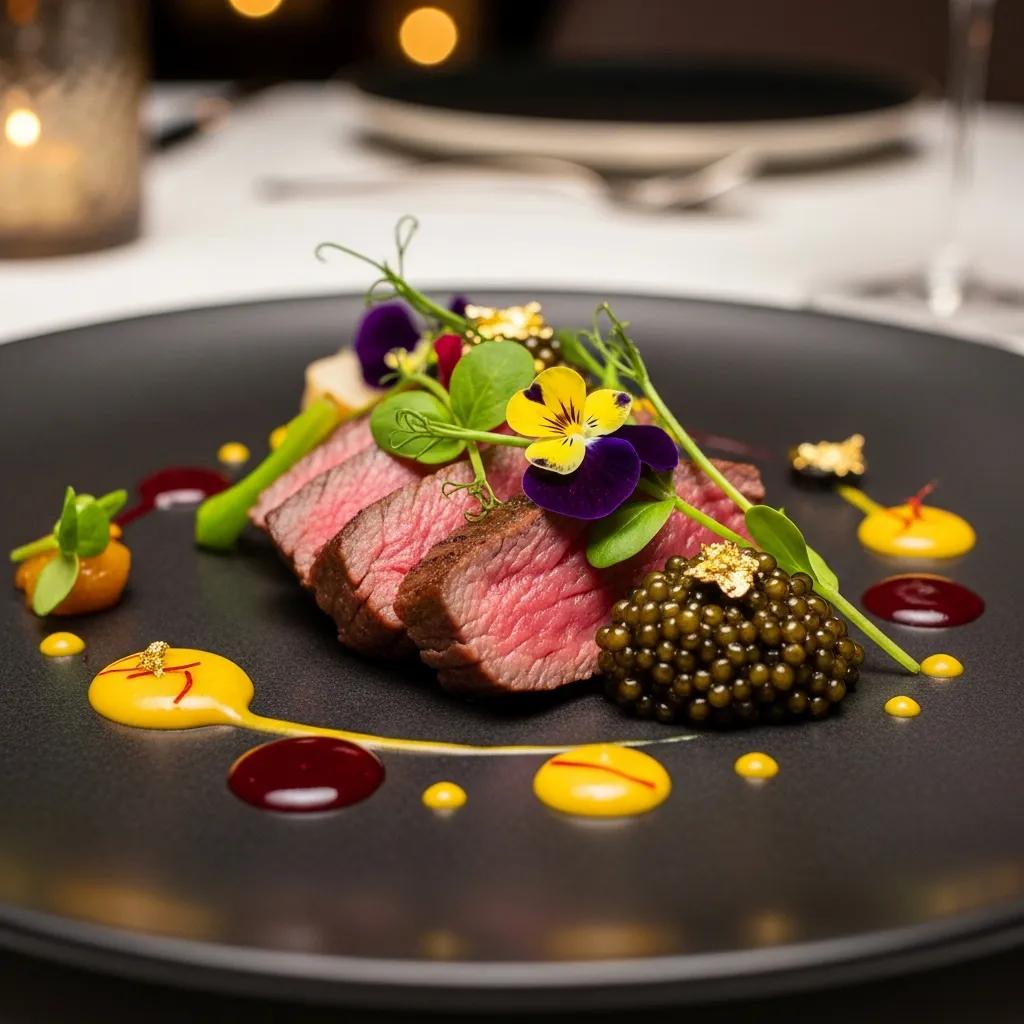
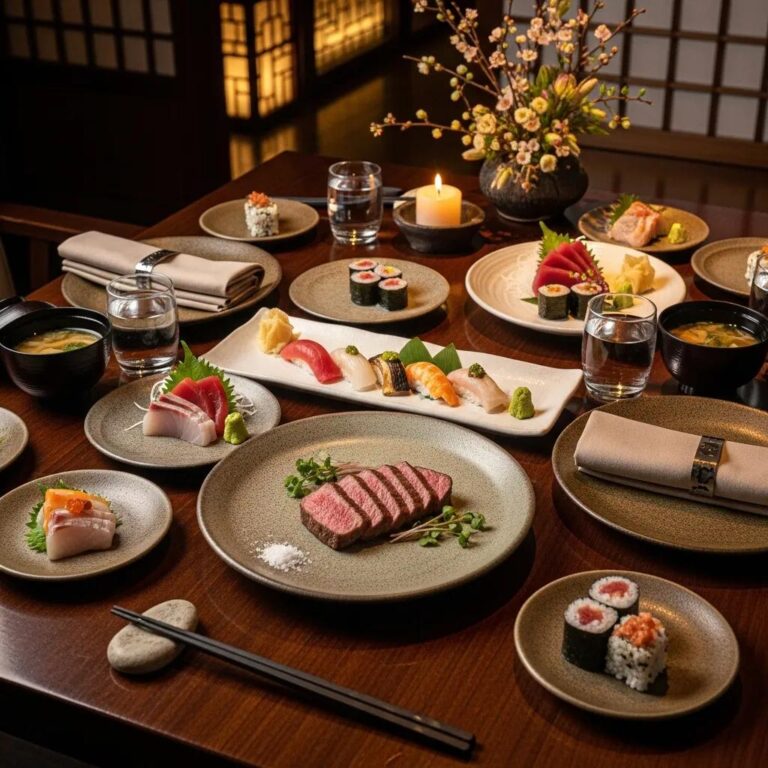
The series is defined by a set of recurring flagship concepts—A5 Wagyu progressions, caviar-accented omakase bites, seasonal seafood sequences, and narrative-driven small plates—each executed to highlight provenance and craftsmanship. These preparations form the sensory arc of a collaboration, with courses composed of core protein, seasoning, and finishing garnishes. Highlighting four to six signature preparations helps guests anticipate the evening and understand the ingredient stories at play. Below is a concise table mapping key dishes to their primary ingredients and tasting notes.
This quick comparison clarifies each signature item’s role in the tasting menu and why provenance matters. Below we unpack how A5 Wagyu and caviar are staged across a service.
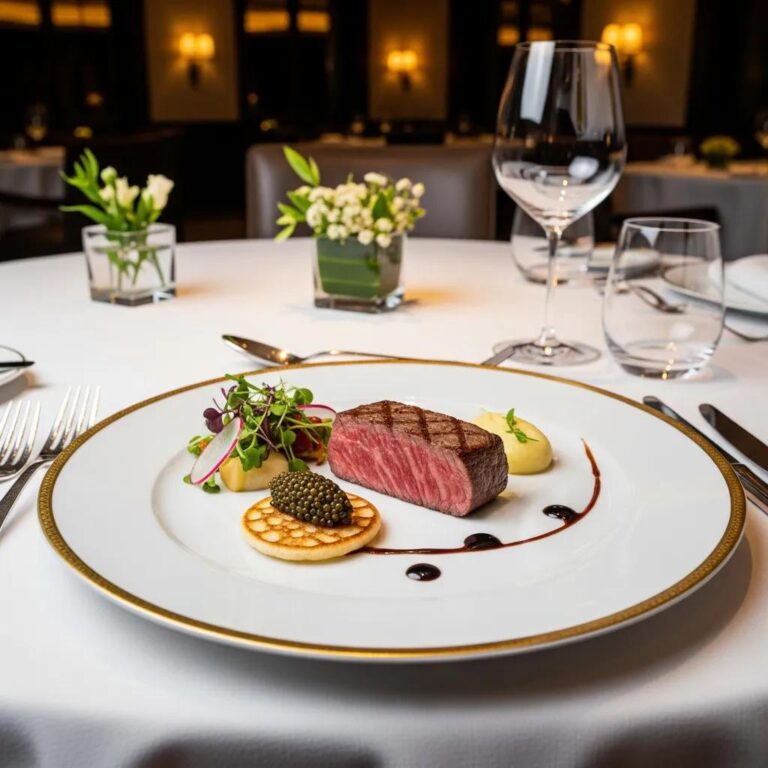
Our A5 Wagyu progression is created by selecting cuts with distinct textures and fat profiles, then arranging them across multiple small courses so guests perceive contrast and crescendo. We rely on A5 grading for consistent marbling and focus on cooking methods that preserve texture—light sears, exact temperature control, and restrained seasoning so the beef’s quality speaks. Serving Wagyu in several small courses becomes a quiet lesson in cut differences and service craft.
This table illustrates how Wagyu functions as an instructive element within the omakase flow. The next subsection addresses caviar’s role and pairing approach.
How is the A5 Wagyu tasting menu crafted and sourced?
We source A5 Wagyu through trusted channels with clear grading and traceability. Menus are built to show incremental shifts in texture and flavor: cuts move from leaner to richer, cooking stays minimal and precise, and plating favors small, deliberate portions that keep balance within the omakase arc. The intent is both educational and sensory—guests leave with a clearer understanding of Wagyu’s gradations and the care behind each course.
What exclusive caviar dishes are offered during special omakase dinners?
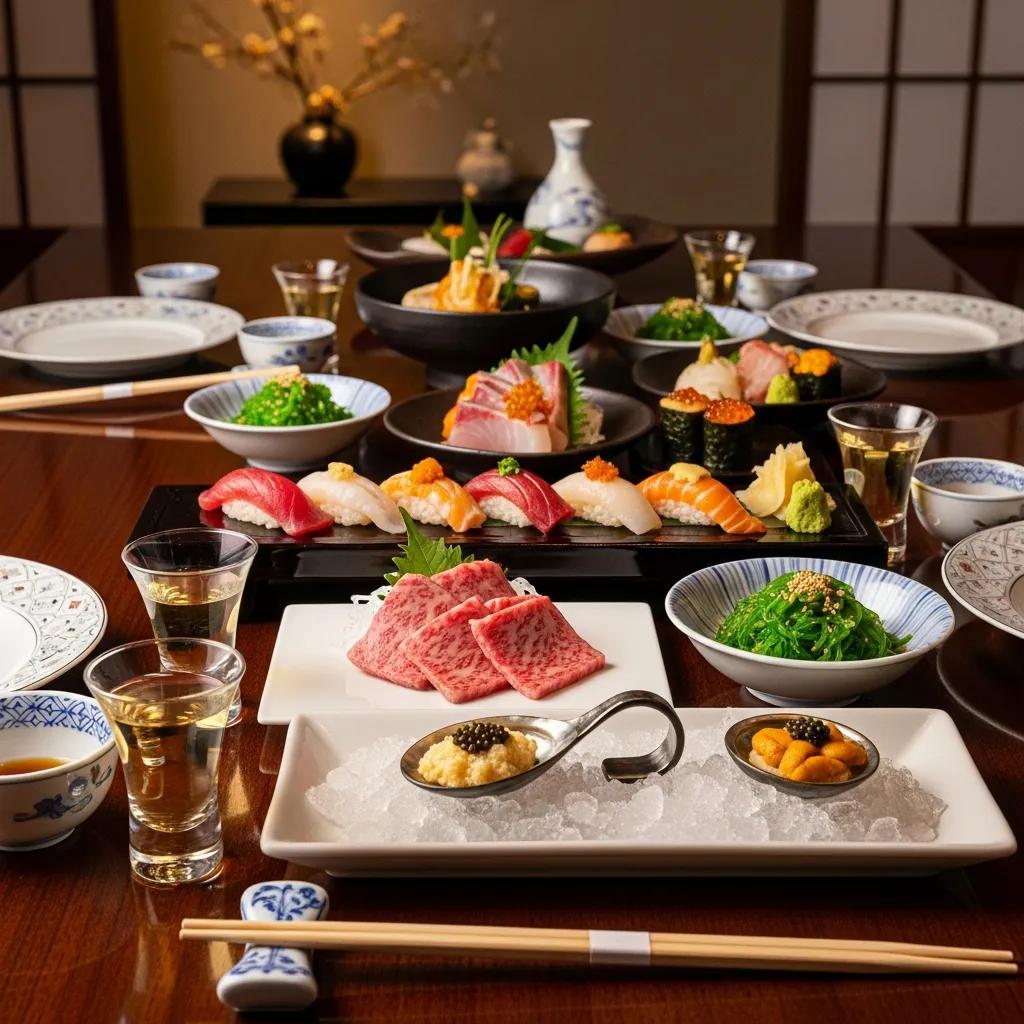
Caviar is used sparingly as an accent, chosen to add saline complexity and textural lift. Typical pairings include a chilled custard, a delicate blini, or a thinly sliced sashimi course—combinations that let the caviar’s brine sing without overpowering. Portions are precise and often finished tableside; sake or small wine pours are matched to complement the caviar’s finish. These restrained preparations underscore caviar’s role as an amplifier within the tasting progression.
How can diners reserve their spot for Kaviar’s special omakase dinners?
Because seats for guest chef events are intentionally limited, timely booking is essential. Our reservation flow presents event dates, seating options, and any deposit policies so guests can confirm quickly. The primary benefit is guaranteed access to a curated experience—our best advice is to reserve as soon as events are announced to avoid sold‑out nights. The practical steps below outline the reservation process.
- Locate the announced event date and menu on Kaviar’s events page or announcement posts.
- Choose seating type and party size to check real-time availability.
- Provide contact details and note any dietary restrictions for accurate menu planning.
- Confirm the booking and complete any requested deposit or prepayment to finalize your reservation.
- Review pre-arrival instructions we provide to ensure smooth service on the night of the event.
This simple checklist is designed for clarity and to match common “how to reserve” queries. Below is a brief comparison of reservation channels.
This table summarizes common booking channels and their trade-offs. Below are practical tips to improve your chances of securing seats.
What is the step-by-step reservation process for guest chef events?
The flow begins with checking the event date and availability, then selecting seating and party size, entering contact and payment details, and finishing with confirmation and a pre-arrival checklist. Deposits or card holds may be required to secure high-demand seats—this helps reduce no-shows and preserve the experience for confirmed guests. Letting us know dietary needs ahead of time allows the kitchen to adapt while keeping the omakase narrative intact. Following these steps results in a confirmed reservation and clear expectations for your arrival.
Are there special offers or booking tips for luxury Japanese dining in Pasadena?
To improve availability: monitor event announcements, book early for weekends, consider weekday seatings for easier access, and request private or semi-private seating for special occasions. Note dietary restrictions and occasion details when booking so the kitchen can tailor service without altering the evening’s story. For groups, ask about bespoke menus that maintain the collaborative spirit while accommodating scale. These tips help balance exclusivity with accessibility when planning a guest chef dinner.
What behind-the-scenes experiences and multimedia content enrich the collaboration series?
Multimedia—short videos, chef portraits, and photo galleries—extends the in-person experience into pre- and post-event engagement that deepens interest and drives reservations. Video interviews reveal provenance stories and technique; portraits and galleries highlight plated craftsmanship and ingredient detail. A thoughtful multimedia approach builds trust, sets expectations, and creates reusable assets for announcements and storytelling.
- Announcement videos that introduce the guest chef and the menu concept.
- Short technique clips (60–90 seconds) showcasing a signature preparation.
- Chef portrait interviews that share inspiration and sourcing stories.
- Photo galleries documenting course progression and ingredient close-ups.
These assets collectively build anticipation and supply material for social and email campaigns that reinforce the event’s narrative. The next subsection outlines interview and portrait tactics that maximize engagement.
How do video interviews and chef portraits deepen guest engagement?
Brief interview clips let chefs explain ingredient choices, regional influences, and the techniques behind their dishes—creating familiarity that helps convert interest into reservations. Portraits shot with a refined aesthetic support our luxury positioning and help viewers connect with the chef’s sensibility. Sixty-to-ninety-second clips work well on social channels, while longer embeds on-site allow for deeper storytelling. Paired with transcripts and schema markup, this content also improves discoverability for guests researching guest chef events.
What visual galleries showcase seasonal menus and culinary craftsmanship?
Galleries should balance hero images, course-by-course shots, and ingredient close-ups to document both the narrative arc and technical detail of each collaboration. We recommend 8–15 images per event: one hero, 4–6 course shots, and 3–6 detail or service moments. ALT text and filenames should reference the guest chef, ingredient provenance, and course type to support semantic extraction. Linking captions back to the chef’s story and sourcing keeps visual content aligned with the menu narrative.
Why choose Kaviar’s Guest Chef Collaboration Series for luxury dining in Pasadena?
Our Guest Chef Collaboration Series combines omakase rigor, seasonal sourcing, and carefully paired visiting chefs to create a distinct luxury dining proposition in Pasadena. The differentiators are clear: rotating perspectives, transparent provenance, and an intimate, reservation-only format that prioritizes storytelling and sensory precision. With broader trends favoring experiential, chef‑led events, this series offers discerning diners memorable, educational multi-course evenings. Below are the core reasons guests choose the series.
- Curated Exclusivity: Limited seating and event-focused menus create rare, collectible dining moments.
- Ingredient Focus: Premium elements such as A5 Wagyu and caviar anchor the menu in provenance and taste.
- Chef-Driven Narratives: Rotating guest chefs bring new techniques and regional stories to each service.
Together, these elements explain why diners seeking luxury Japanese events in Pasadena choose a collaboration series over regular service. The following sections connect the program to current trends and how we present social proof.
What recent industry trends support the rise of experiential dining and chef collaborations?
Dining trends increasingly favor experiential formats—limited-seat events, direct chef interaction, and narrative-driven menus that emphasize provenance and technique. Search interest for omakase and premium beef has risen alongside a broader appetite for immersive culinary moments. Pasadena’s dining scene mirrors this demand: guests often prioritize unique, event-style dinners that combine technical excellence with storytelling. Framing a guest chef series within these trends supports discovery and meets expectations for elevated, one-time encounters.
How do customer testimonials and event success stories reflect Kaviar’s excellence?
We present anonymized guest testimonials and short event case notes—quotes and micro case studies—that validate the program’s quality without fabricating specific claims. Testimonials should highlight the dining narrative, ingredient quality, and service precision, while micro case studies summarize an event’s structure and memorable moments. Placing social proof near announcements and reservation CTAs helps convert interest into bookings by demonstrating prior guest satisfaction and consistent execution.
This guide has detailed how Kaviar’s Guest Chef Collaboration Series blends rotating chef creativity, premium ingredients like A5 Wagyu and caviar, and focused storytelling to produce exclusive, reservation-only omakase experiences in Pasadena. The tables, booking steps, and multimedia recommendations provide a practical roadmap for diners and content creators interested in this luxury culinary format.
Frequently Asked Questions
What types of events can diners expect in the Guest Chef Collaboration Series?
Expect a range of intimate events, each led by a different guest chef bringing their technique and philosophy. Most dinners feature themed tasting menus that highlight seasonal produce, refined techniques, and storytelling that links dishes to origin. Many events also include sake or wine pairings. Each dinner is designed to be exclusive and memorable—an immersive culinary journey you won’t find on our regular menu.
How often does Kaviar host guest chef events?
Guest chef dinners run on a rotating schedule tied to chef availability and seasonal ingredients. We typically present multiple events a month, allowing guests to experience varied culinary voices. To stay informed, follow our event announcements on the website or social channels so you don’t miss upcoming seat releases.
Can diners request dietary accommodations during the guest chef events?
Yes. Please note dietary restrictions when booking so our team can plan accordingly. We aim to accommodate reasonable needs while preserving the integrity of the guest chef’s menu and the overall omakase narrative.
What is the typical duration of a guest chef dinner at Kaviar?
Dinners generally run two to three hours, depending on the course count and any interactive elements. The pacing is intentional—designed to let guests savor each dish and the stories that accompany them.
Are there opportunities for diners to interact with the guest chefs during the events?
Yes. Many guest chefs present dishes, share technique insights, and discuss inspirations during the evening. Those interactions deepen the meal and create a more personal connection to the craft behind each course.
What should diners expect in terms of pricing for the guest chef dinners?
Pricing varies by featured chef, menu complexity, and whether beverage pairings are included. These are premium, set‑price events reflecting high-quality ingredients and meticulous preparation. Pricing is presented per guest and typically includes multiple courses; pairings may be optional or included depending on the event.
Conclusion
Kaviar’s Guest Chef Collaboration Series invites you to experience luxury Japanese dining through curated, narrative-driven tasting menus that highlight premium ingredients like A5 Wagyu and caviar. Each dinner spotlights the craft of celebrated guest chefs while underscoring provenance and culinary storytelling. Reserve your seat to join an intimate culinary journey designed for memorable flavors and precise service—check our events page and secure your spot for upcoming collaborations.