




Kaviar’s Coffee & Tea Program — Bespoke Beverages to Elevate the Omakase
At Kaviar, our coffee and tea program is an intentional extension of the omakase — a carefully composed sequence that sharpens flavors, refreshes the palate, and completes the meal’s story. This guide outlines how single‑origin coffees, artisan teas, and considered after‑dinner drinks act as sensory bridges between courses, why brewing technique and leaf grade matter, and how smart pairings accentuate A5 Wagyu and caviar. Where many restaurants treat beverages as an afterthought, we integrate them into the flow to create contrast, cleanse the palate, and lift aromatics. You’ll find recommended origins and roast profiles, the provenance and preparation of gyokuro, sencha and matcha, suggested post‑meal choices, and the steps to reserve these offerings at Kaviar. Tasting notes, pairing principles, and clear comparisons help chefs, sommeliers, and informed guests use beverages as tools to refine the omakase experience.
How We Define Gourmet Coffee at Kaviar
In a fine‑dining setting, gourmet coffee means transparency of origin, roast choices made for pairing, and exacting brew technique to preserve subtle tasting notes. Our approach favors single‑origin lots or small house blends, roast levels that protect acidity and aroma, and methods that emphasize clarity. The aim is a beverage that brightens sashimi, balances grilled umami, or refreshes after a rich bite without overpowering delicate flavors. The table below shows how origin, roast, and tasting character map to recommended courses and pairing roles.
Different origins and roast styles produce distinct pairing effects.
This comparison shows how roaster decisions and roast degree—tasting notes, aroma profile, and serving temperature—combine to determine pairing suitability. The next section details the origins and flavor profiles featured in our lineup.
Which coffee origins and flavor profiles do we feature?
We select single‑origin and small‑lot coffees for pronounced aromatic signatures that interact naturally with Japanese cuisine. Ethiopian lots bring floral and citrus top notes with lively acidity that refresh between delicate raw courses. Brazilian and Central American beans offer a nutty, chocolatey body and a rounded finish that complements searing and umami‑forward plates. When balance and mid‑palate body are needed, we blend origins into a house profile. Knowing each origin’s acidity, body, and finish helps match coffee to the omakase narrative—whether the goal is contrast, complement, or palate cleanse.
How are our coffee blends prepared and served?
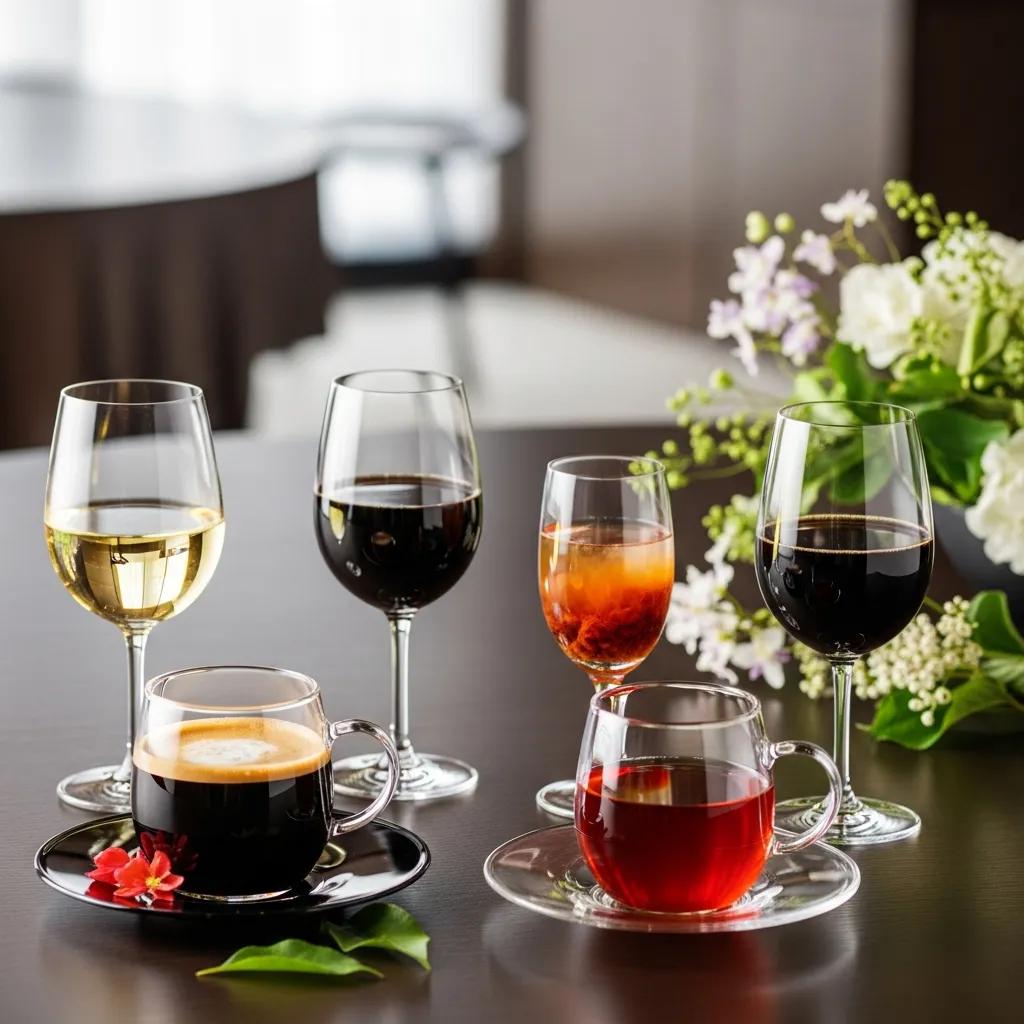
We choose brew methods to highlight the attributes most useful for pairing: pour‑over for clarity and aromatic lift, siphon for delicate sweetness and theatrics, and single‑origin espresso for concentrated aromatic accents. Our baristas dial extraction, temperature, and grind to bring forward notes that cut through fat, emphasize umami, or refresh the palate. Serviceware—small porcelain cups or stemmed tasting glasses—shapes perceived aroma and temperature, and service timing is synchronized with the omakase flow so beverages never compete with delicate bites. Those controlled variables ensure coffee arrives as a purposeful course component, not an afterthought.
Which Artisan Teas Complement the Omakase?

Our teas are chosen for terroir, leaf grade, and sensory purpose—whether to amplify umami, bridge with roasted notes, or finish with a cleansing vegetal clarity. The goal is to select leaves whose umami, vegetal, or roasted profiles either mirror or contrast dishes, enhancing the perception of the food’s core flavors. A curated tea sequence follows the omakase arc, adding texture and aroma while respecting delicate seafood and finishing touches. The table below connects teas by origin and grade to their suggested placement in the meal.
A quick view of tea selections clarifies why each variety fits a specific stage of the omakase.
This view highlights leaf grade as a key driver of tasting outcome; the balance of sweetness, roast, and umami is what gives each tea pairing its leverage. The sections that follow explore the origins and distinct qualities of these leaves.
What are the origins and defining qualities of our artisan teas?
Each tea is chosen for provenance and sensory character that supports the omakase arc. Gyokuro, shaded during growth, concentrates amino acids to produce intense umami and a brothy sweetness that pairs with richer seafood. Sencha’s steaming preserves vegetal and seaweed‑like notes that accent lighter sashimi and cleanse the tongue. Hojicha’s roasted profile brings toasty, caramelized tones that bridge to grilled fish or meat, while ceremonial‑grade matcha offers concentrated green sweetness and texture for a thoughtful finish. These provenance‑driven selections turn leaf grade and terroir into tools for shaping the guest experience.
How is artisan tea prepared and presented at Kaviar?
Preparation is precise: lower temperatures and multiple short infusions for gyokuro to extract umami gently; higher temperature, brisk infusions for sencha to emphasize brightness; and longer, lower‑temperature infusions for hojicha to soften roast. We use kyusu kettles and small porcelain cups to maximize aroma and encourage shared tasting. Service is deliberate and paced to the omakase sequence—often arriving just after a key bite to refresh the palate or hold aromatic space. These ritualized steps ensure tea supports the meal’s progression and creates a cohesive sensory arc.
Which After‑Dinner Drinks Complete the Luxury Dining Journey?
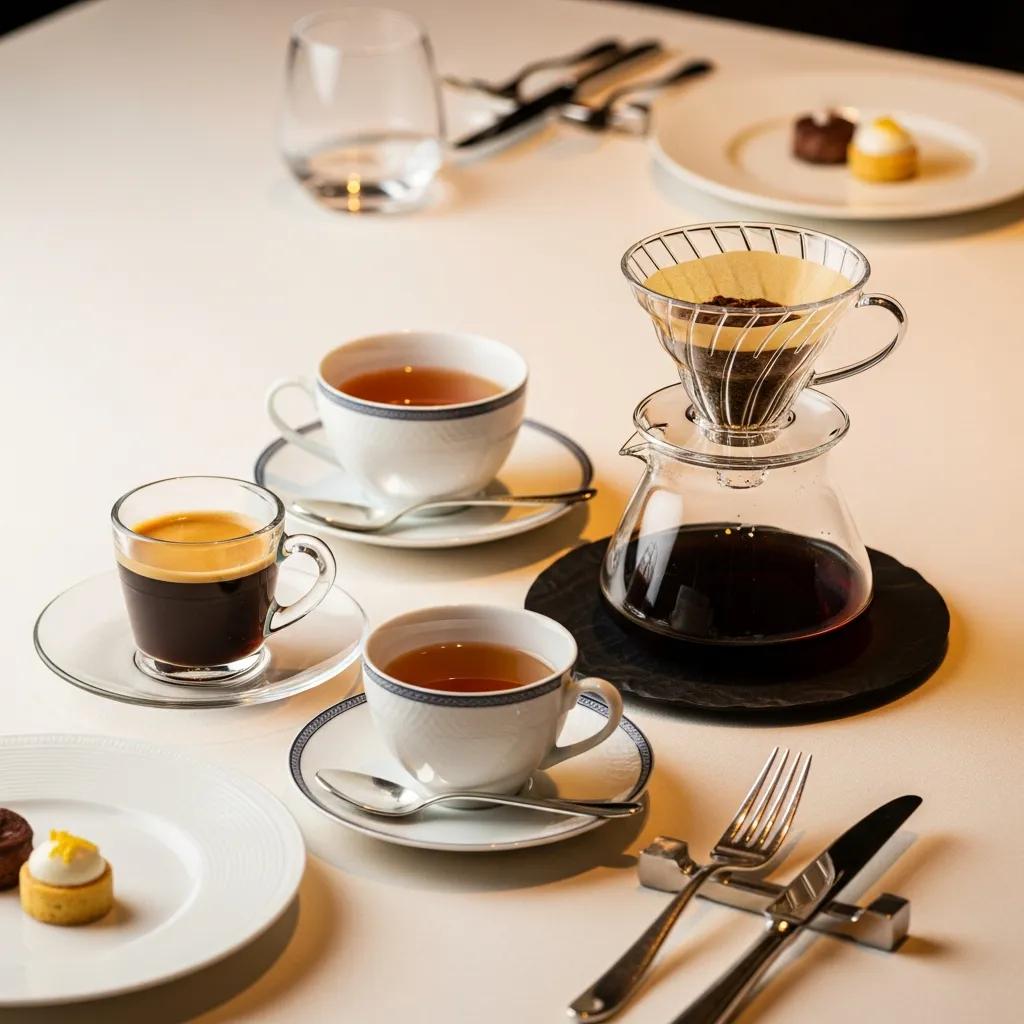
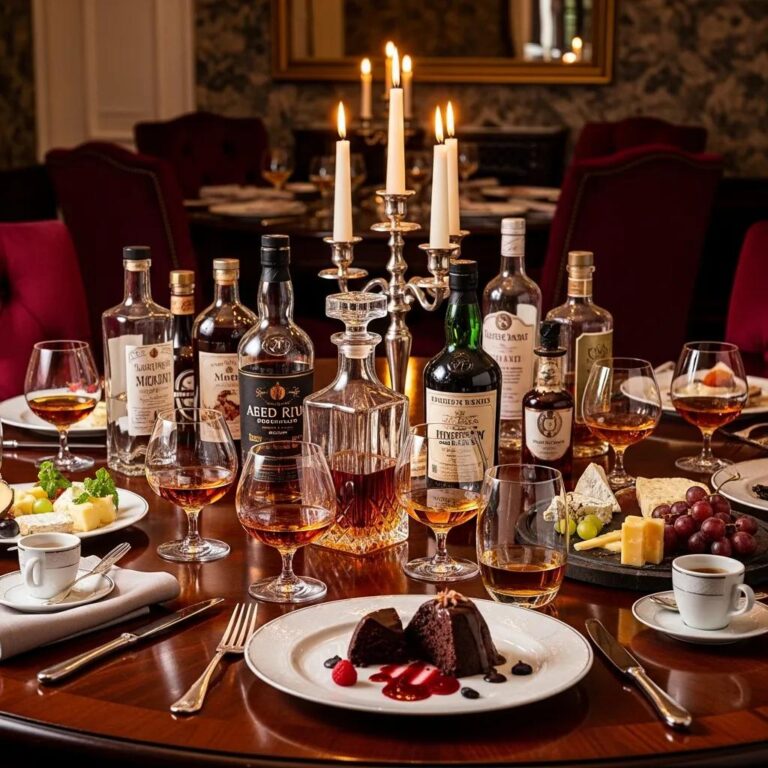
After‑dinner drinks at Kaviar serve three purposes: cleanse the palate, extend conversation, or offer a contemplative finish that balances the meal’s richness. We use tasting elements—gentle bitterness for cleansing, measured sweetness for closure, and aromatic warmth for lingering depth—to shape mouthfeel and the memory of the meal. The right ending can brighten the aftertaste of caviar or temper the richness of A5 Wagyu. Below is a practical comparison of common after‑dinner beverages with tasting notes and ideal pairings to help guests choose a fitting conclusion.
A short ranking helps guests select the ideal after‑dinner option for their needs.
- Best for cleansing: A light, high‑acidity single‑origin pour‑over to cut fat and refresh.
- Best for richness: Concentrated espresso or a darker roast pour to match bold umami.
- Best for aromatics: Roasted tea or a warm, digestif‑style infusion to sustain warmth without alcohol.
Below the ranking is a compact comparison of tasting profiles and recommended pairings for reference.
This comparison clarifies how acidity, body, and finish function as levers to shape the after‑dinner experience. The following sections recommend signature options and explain how tasting notes elevate the meal.
Which signature after‑dinner drinks pair best with A5 Wagyu and caviar?
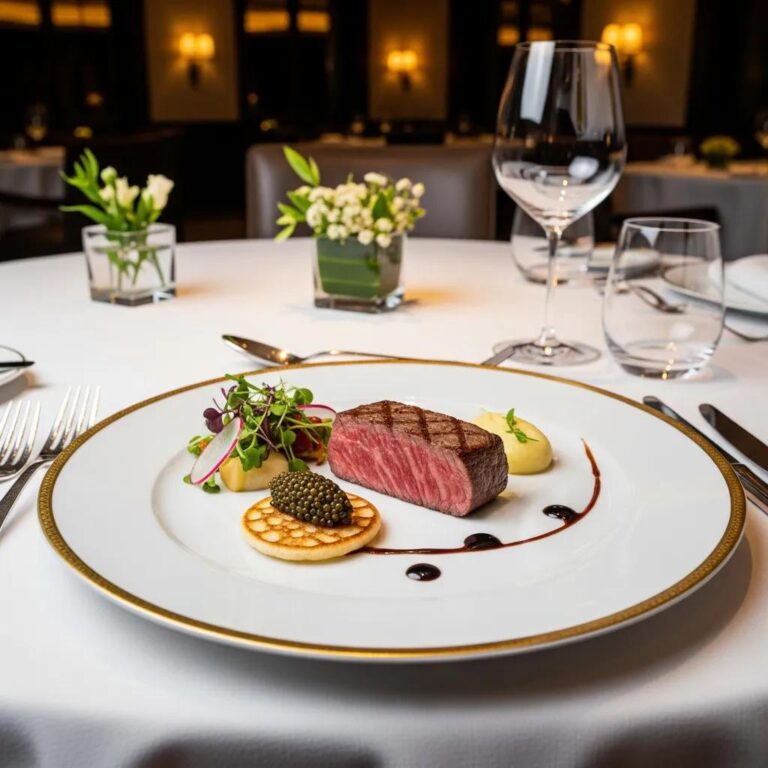
With A5 Wagyu, beverages that offer firm acidity or concentrated roast help balance fat by cutting and emulsifying mouthfeel. For caviar, mineral or subtly toasty notes lift briny salinity without masking it. A concentrated single‑origin espresso brings aromatic compounds that play against wagyu’s richness, creating contrast and a long finish. For caviar, a lightly roasted tea or a clarified, low‑acidity brew provides delicate bitterness and toasty aromatics that sharpen salinity and texture. These pairings depend on texture interplay—cutting fat versus elevating saline notes—and are most effective when served immediately after the course.
How do tasting notes and beverage sequencing elevate the meal?
Tasting elements—acidity, body, sweetness, finish—are practical tools to contrast or complement dish components, altering perceptions of richness, saltiness, and aroma. Acidity tightens the palate and clarifies sashimi; sweetness can soften astringency and harmonize with dessert. Thoughtful sequencing—an acidic pour‑over between courses or a toasted hojicha as a warm denouement—shapes the memory of the meal. This sensory mapping turns beverage selection into a deliberate way to sculpt the emotional arc of the omakase.
How We Pair Beverages with Japanese Fine Dining
Our pairing method rests on three principles: contrast when a dish is singularly rich, complement when flavors should be echoed, and cleanse when the palate needs resetting. These rules link beverage attributes to course demands, creating a consistent framework for our culinary and beverage teams. The result: pairings that highlight texture, lift aromatics, and preserve the balance of the omakase. Below are the guiding principles followed by course‑level recommendations.
- Contrast: Use acidity or tannic‑like bitterness to cut fat and refresh the palate.
- Complement: Match umami or roasted notes to echo flavors and deepen harmony.
- Cleanse: Serve light, aromatic beverages to reset the tongue between distinct courses.
These principles inform the course‑level pairing table below.
This mapping shows how pairings are chosen to lift, mirror, or neutralize specific dish components. The following subsections provide more granular pairing suggestions and analyze interactions with A5 Wagyu and caviar.
Recommended coffee and tea pairings for omakase courses
Practical pairings follow the course profile and desired outcome—contrast, complement, or cleanse. For delicate sashimi, a lightly brewed, floral Ethiopian pour‑over brightens citrus and seaweed notes. For grilled or soy‑glazed dishes, a medium‑roast house blend or hojicha echoes roasted, caramelized flavors. A5 Wagyu benefits from a concentrated coffee extraction to cut and add aromatic lift, while caviar pairs best with a low‑bitterness roasted tea or a clarified, low‑acidity brew that highlights brine without masking it. Timing matters: beverages are served at the moments they will most influence perception.
How beverage pairings accentuate A5 Wagyu and caviar
On a technical level, coffee acidity and temperature influence fat emulsification, while roasted tea aromatics act as a counterpoint to saline intensity. With A5 Wagyu, a concentrated coffee extraction helps emulsify rendered fat and refreshes the palate for the next bite, making each mouthful feel cleaner and more nuanced. With caviar, a low‑tannin, low‑acidity beverage raises the perception of brine and oceanic umami without introducing competing flavors. These repeatable interactions—fat emulsification, salinity balance, and aromatic lift—are techniques our chefs and beverage curators use to shape the dining sequence.
How to Reserve and Experience Kaviar’s Beverage Program
Booking and enjoying Kaviar’s beverage program is straightforward: reserve your omakase, note beverage preferences or restrictions, and expect a curated tasting flow where coffees and teas are paired to the menu. Tell us at booking if you’d like paired beverages so the team can sequence service and source specific teas or single‑origin coffees. Clear communication about pacing, tasting formats, and service cues ensures each beverage moment is purposeful. Below are the steps to reserve and what to expect on arrival.
- Request: Indicate interest in the premium beverage pairing when you book your omakase.
- Specify: Note any tea/coffee preferences or dietary restrictions in your reservation details.
- Confirm: Expect a reservation confirmation that acknowledges pairing requests and timing.
These steps ensure a predictable path to a fully integrated beverage experience. The final sections expand on reservation touchpoints and the on‑site format guests can expect.
What to expect from the reservation process at Kaviar
To secure a curated beverage pairing, tell us at booking and include any dietary or caffeine preferences in the reservation notes. We’ll acknowledge pairing selections and advise on pacing to align with the omakase rhythm. Guests requesting specific tea ceremonies or coffee presentations are accommodated through pre‑service planning so the right ware and timing are available. Advance notice helps our team source particular teas or prepare single‑origin coffees that best complement your planned menu.
What guests should expect from the coffee and tea experience
Expect a paced, narrated tasting: each beverage is introduced with its origin, tasting notes, and pairing intent before service. The sequence respects the omakase rhythm—drinks arrive to cleanse, contrast, or complement—and staff offer concise notes on steep times or extraction methods. Presentation includes appropriate ware such as kyusu kettles or small porcelain cups, and the focus is sensory cohesion rather than distraction. This considered approach turns coffee and tea into integral, memorable components of the dining journey.
Frequently Asked Questions
Which coffee brewing methods do we use at Kaviar?
We use methods chosen to highlight each coffee’s strengths. Pour‑over delivers clarity and aromatic lift; siphon adds a refined sweetness and visual theatre; and single‑origin espresso gives a concentrated aromatic burst. The brewing method is matched to the coffee’s origin and the intended pairing so the beverage complements, rather than competes with, the food.
How do we ensure the quality of our artisan teas?
Quality starts with provenance and leaf grade. We source teas for their distinct sensory profiles and prepare them with strict temperature control and precise steep times to draw out the best flavors. By prioritizing high‑grade leaves and traditional technique, each cup contributes meaningfully to the omakase narrative.
Can guests personalize their beverage pairings?
Yes — guests may customize pairings. When booking, please share any preferences or dietary restrictions related to coffee and tea. That information allows our culinary and beverage team to tailor selections so each pairing aligns with your palate and enhances the overall omakase flow.
What role do after‑dinner drinks play at Kaviar?
After‑dinner drinks serve to cleanse the palate, extend conversation, or offer a reflective finish that balances the meal’s richness. Selections are chosen to complement preceding courses and shape the final impression, leaving guests with a considered and memorable conclusion to the experience.
How does the beverage program elevate the omakase?
Our beverage program elevates the omakase by aligning drink selections with the flow of the meal. Each beverage is chosen to contrast, complement, or cleanse the palate, enhancing the flavors and textures of the dishes. This structured, respectful approach ensures beverages are integral to the overall dining arc.
When are beverages served during the meal?
Timing is deliberate: each drink is served at moments designed to maximize its effect on perception. Beverages frequently arrive immediately after a course to either refresh the palate or prepare it for the next dish, creating a seamless progression that enhances the sensory experience.
Conclusion
Our Coffee and Tea Program is designed to deepen and refine the omakase experience by pairing considered beverages with each course, enhancing flavor and framing the meal’s sensory story. Guests enjoy a curated selection of single‑origin coffees and artisan teas prepared with care and timed to the menu. Reserve your experience to enjoy a seamless tasting flow that reveals the subtle relationship between food and drink — and elevates your next visit to Kaviar.