





End the Evening with Intention: Kaviar’s Curated Digestifs and After‑Dinner Drinks
At Kaviar, the after-dinner drink is the considered final gesture of a tasting experience — a moment to settle the palate and linger in conversation. This guide explains what digestifs are, why they matter at a tasting menu restaurant, and how carefully chosen options — from long-aged spirits and bitter amari to fortified wines and our signature cocktails — complete an elevated meal. Many guests welcome a restorative sip after several courses; the right digestif can ease digestion, refresh the mouth, and accentuate the lingering umami of A5 Wagyu or caviar. Below we define digestifs, profile premium aged spirits, explore herbal liqueurs and fortified wines, outline Kaviar’s after-dinner cocktails, and offer precise pairing suggestions for our signature dishes. You’ll leave with practical pairing rules, a confident tasting vocabulary, and a clear view of how our bar — featuring sake, wine, and craft cocktails — closes the tasting ritual with purpose.
What Makes a Digestif, and why it matters in fine dining
A digestif is an after‑meal drink designed to close a meal — often served neat in a small glass — that can support digestion while offering a final aromatic impression. Digestifs act through concentrated alcohol, bitter botanicals, or oxidative sweetness to stimulate digestive secretions, refresh the palate, and leave a memorable finish. In a fine‑dining context a digestif also serves as a deliberate epilogue: it reshapes the meal’s flavor memory and encourages unhurried conversation. That clarity explains why Kaviar curates a focused after‑dinner list rather than relying only on generic dessert wines. Next, we explain the physiological and sensory ways digestifs enhance dining satisfaction.
How digestifs help digestion and refine the dining ritual
Digestifs combine alcohol’s gentle gastric stimulation with bitter or aromatic botanicals that prompt salivary and digestive responses; this sensory trigger helps the body transition from active eating to relaxed digestion. Bitters like gentian or quinine engage taste receptors to increase saliva and gastric juices, easing the weight of rich courses. Beyond biology, digestifs add a final sensory layer — warm spirits smooth texture, herbal liqueurs leave layered aromatics, and fortified wines provide oxidative complexity that lingers. Together these effects make the digestif both practical and ceremonial, creating a memorable close to a precise multi‑course service and setting a natural pace for coffee or conversation.
Which types of digestifs you’ll find at Kaviar
Our after‑dinner roster covers several distinct categories: aged spirits for depth and warmth, herbal liqueurs and amari for bitter–sweet complexity, fortified wines for oxidative richness and balancing acidity, and composed after‑dinner cocktails that marry balance with craft. Each category answers a different preference — warming richness, palate‑cleansing bitterness, sweet resolution, or an aromatic bridge to dessert. We also include Japanese options such as sake and Japanese whisky that sit naturally within this taxonomy and reflect regional affinity. With those categories established, we next profile premium aged spirits and their role as classic digestifs.
Which premium aged spirits appear on Kaviar’s digestif menu?

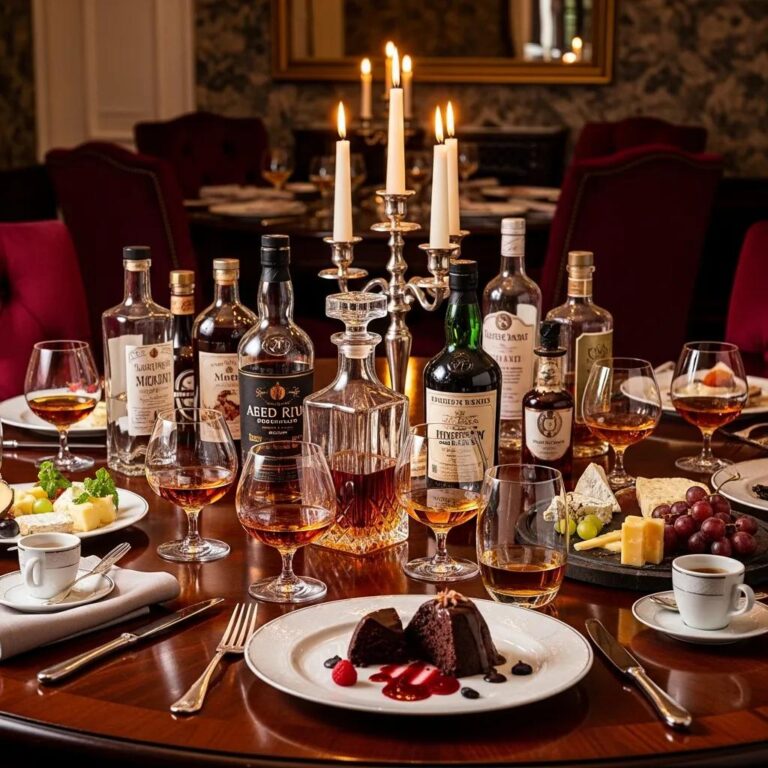
Aged spirits — Cognac, brandy, Scotch and Japanese whisky — deliver concentrated flavor and comforting warmth that make them natural digestifs, either neat or with a whisper of water. Our selection emphasizes provenance, age and cask finish, since barrel maturation brings tertiary notes (dried fruit, tobacco, spice) that sit well alongside umami‑rich dishes and fatty proteins. We typically serve these in small tulip or snifter glasses, slightly below room temperature, to reveal aromatic detail and invite slow sipping. The table below helps guests compare representative aged‑spirit styles and choose by flavor or pairing intent.
Our bar pairs these spirits with care; guests eager to taste a Cognac or a Japanese single malt are welcome to reserve a tasting seat and experience how our selections converse with seasonal plates from the kitchen.
How Cognac, brandy and whisky differ at tasting
Cognac is grape‑based, double‑distilled and aged in French oak, producing a silky texture with fruit‑forward aromatics and toasted wood notes; XO marks extended maturation and layered tertiary character. Brandy and Armagnac often show more oxidative, rustic fruit from single‑vintage distillation and varied aging. Whisky spans a wide range — Scotch may bring peat or sherry influence, while Japanese whisky tends toward restrained oak and nuanced balance — with cask choice shaping sweetness, smoke and spice. In practice, age and finish forecast mouthfeel and aromatic persistence; these production details tell you whether a spirit will cut through fat, echo salinity, or soften sweetness on the palate. Those insights lead directly into pairing suggestions for Kaviar’s signature dishes.
How aged spirits pair with Kaviar’s signature plates
Aged spirits either amplify or contrast rich, umami‑forward dishes: Cognac’s dried‑fruit sweetness and oak tannin can lift A5 Wagyu’s rendered fat, while a sherry‑cask Scotch’s dried fruit and faint smoke can echo charred crusts. For delicate seafood and caviar, a lighter Japanese whisky or a young Armagnac offers aromatic support without masking brine. Our pairing logic uses three simple rules: match intensity (spirit weight to dish richness), complement via shared notes (dried fruit with caramelized glaze), or contrast to cleanse (bitterness or acidity cutting fat). Those mechanics help you choose a spirit that either magnifies a course’s qualities or refreshes the palate — next, we look at how we curate herbal liqueurs and amari.
How Kaviar selects herbal liqueurs and amari

We choose herbal liqueurs and amari for botanical clarity, textural harmony and provenance so these after‑dinner options can function as palate cleansers or contemplative finishers. Our curation favors bottles where bitterness is balanced by citrus or herbaceous sweetness, and where a dominant botanical can be clearly perceived. An amaro at service may stimulate digestion, refresh the mouth or provide a quiet, reflective sip after a long tasting. The table below maps common botanicals to flavor outcomes, helping guests select a herbal digestif that aligns with taste and pairing goals.
Which botanicals shape our amari and liqueurs?
Classic amari rely on botanicals such as gentian, rhubarb, citrus peels and herbs like chamomile, mint or bitter orange, each delivering a predictable sensory role. Gentian supplies a dry mineral bitterness that supports digestion; rhubarb brings tartness and saline hints that pair nicely with seafood; citrus peel injects brightness that cuts through fat. Producers balance these botanicals with sugar and alcohol to achieve an approachable bitterness that intrigues rather than overwhelms. Choosing an amaro by botanical emphasis lets you align your after‑dinner sip with a desired sensation — cleansing brightness, contemplative bitterness or sweet botanical comfort — and sets the stage for why European herbal digestifs remain culturally resonant.
Why Italian and European herbal digestifs endure
Italian and wider European herbal digestifs trace back to medicinal tonics and monastic elixirs, which explains their ritual place after a meal and their long association with digestion. Over centuries amari evolved into complex, artisan spirits prized for terroir‑driven botanicals; recent premiumization has renewed interest among fine‑dining audiences. Their appeal remains because they offer both functional benefit and layered aromatics that reward slow sipping, fitting neatly with the measured pace of a tasting menu. Understanding that tradition helps diners appreciate the ritual value of a considered herbal finish at Kaviar.
Which fortified wines feature in Kaviar’s after‑dinner lineup?
Fortified wines like Port, Sherry and Madeira bring concentrated sweetness, oxidative complexity and balancing acidity that make them classic meal closers for both sweet and savory pairings. These wines differ by fortification approach, aging style (oxidative versus reductive) and sweetness level — differences that determine whether a wine complements dessert or acts as a savory counterpoint. We serve small, temperature‑considered pours so concentration and aromatics are revealed. The table below contrasts common fortified styles and their pairing tendencies to guide guests through Kaviar’s after‑dinner wine options.
How Port, Sherry and Madeira shape the post‑meal moment
Fortified wines extend the post‑meal experience with concentrated sweetness or oxidative savor that balances richness and leaves a long aromatic finish; higher alcohol and residual sugar deliver a slow, warming coating. Oxidative styles such as Tawny Port and Oloroso Sherry develop nutty, caramelized notes that harmonize with caramelized sauces and reductions, while Madeira’s persistent acidity lets it bridge sweet desserts and savory bites. We recommend small, thoughtful pours served slightly cool to expose nuance. With that in mind, here are which fortified wines pair best with Kaviar’s luxury menu items.
Which fortified wines best suit Kaviar’s signature dishes?
For our luxury items, a dry Oloroso Sherry or a mellow Fino pairs elegantly with caviar, echoing saline and nutty notes without overwhelming brine. Tawny Port or medium‑sweet Madeira complements caramelized or soy‑glazed elements on an A5 Wagyu plate, where oxidative sweetness plays against rendered fat. For chocolate or nut‑forward desserts, a vintage‑style Port brings the concentration and weight to match intensity. These dish‑to‑wine mappings help you choose a fortified wine that either mirrors a dish’s profile or provides a refreshing counterpoint.
What after‑dinner cocktails are signature to Kaviar?
Our signature after‑dinner cocktails translate digestif principles into composed, balanced serves that pair aged spirits, liqueurs and Japanese elements to reflect the kitchen’s precision. Cocktails are built to emphasize warming spice, bitter‑sweet complexity or bright citrus lift as the service moment requires; they might feature coffee liqueur for roast and depth, amaro for a bitter frame, or a sherry wash to add oxidative texture. Presentation favors small formats and measured garnishes designed for slow sipping. Below are representative after‑dinner cocktail concepts with key components to guide your choice.
Kaviar encourages guests to enjoy these cocktails alongside tasting courses by reserving a table; our bar and kitchen coordinate pairings to highlight seasonal ingredients and technique.
- Espresso‑Amaro Blend: espresso, coffee liqueur, amaro — rich, bittersweet, restorative.
- Smoky Oak Old Fashioned: aged whisky, cane sugar, orange oil — warm, tactile, subtly spiced.
- Citrus Shochu Spritz: shochu base, yuzu, light bitter liqueur — bright, cleansing, Japanese‑forward.
The ingredients and flavors that define our digestif cocktails
Our digestif cocktails center on three ingredient families: brown spirits for depth, herbal liqueurs/amari for bitter complexity, and Japanese elements such as shochu or yuzu for regional resonance. Coffee and cacao modifiers add roasted warmth, while sherry or Madeira washes introduce oxidative nuance and bridge cocktails to fortified wines. The balancing rule is consistent: a spirit‑forward base, a bitter or sweet modifier to pivot the palate, and an aromatic or acid lift to finish. These choices let our bartenders craft after‑dinner drinks that either mirror a dish’s textures or provide refreshing contrast, delivering a seamless close to the tasting menu.
How these cocktails reflect Kaviar’s dining philosophy
Our cocktails reflect Kaviar’s culinary philosophy of seasonality, precision and provenance: every ingredient is selected to echo a menu element or highlight a kitchen technique. A sherry‑washed whisky might recall a soy‑reduction glaze; a yuzu‑forward digestif can nod to citrus used in seafood courses. Measures and presentation are deliberate — small, contemplative serves encourage lingering, conversation and tasting continuity. This integrated approach ensures cocktails feel like a natural extension of the menu rather than an afterthought, and it leads into practical pairing guidance below.
How to pair digestifs perfectly with Kaviar’s cuisine
Pairing digestifs with our menu follows three guiding principles: match intensity, seek shared flavor notes, and use contrast to refresh the palate. Match intensity by pairing drink weight to dish richness; find echoes in shared notes (for example, toasted oak and caramelized glaze); and use contrast — acidity, bitterness or smoke — to cut through renderings of fat. Quick practical tips: choose lighter Japanese whisky or a dry sherry for delicate seafood, a balanced amaro for mid‑weight courses, and an XO Cognac or Tawny Port for beef or chocolate. The table below maps signature Kaviar dishes to recommended digestifs with the pairing rationale.
Best digestif pairings for A5 Wagyu and caviar
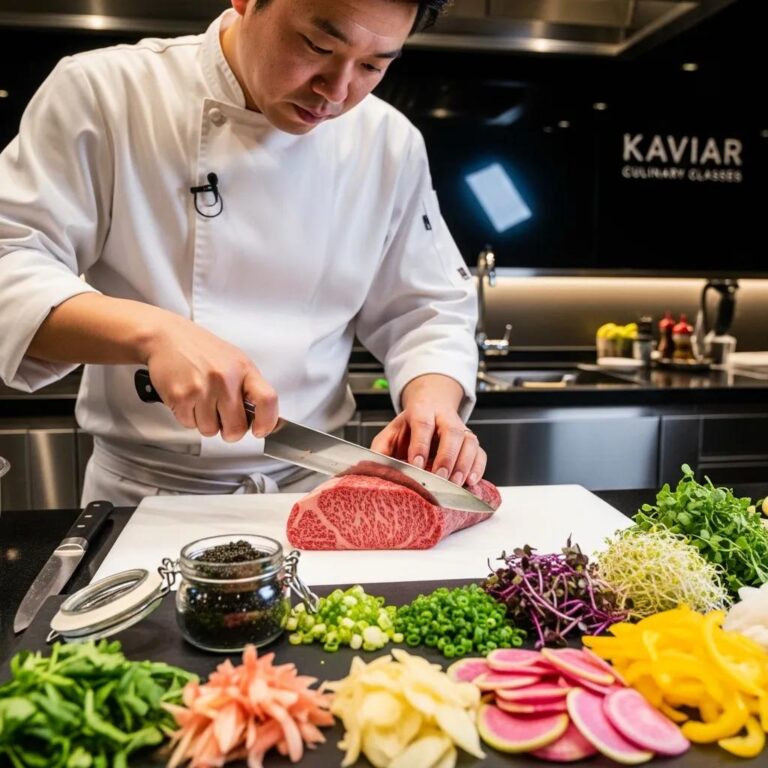
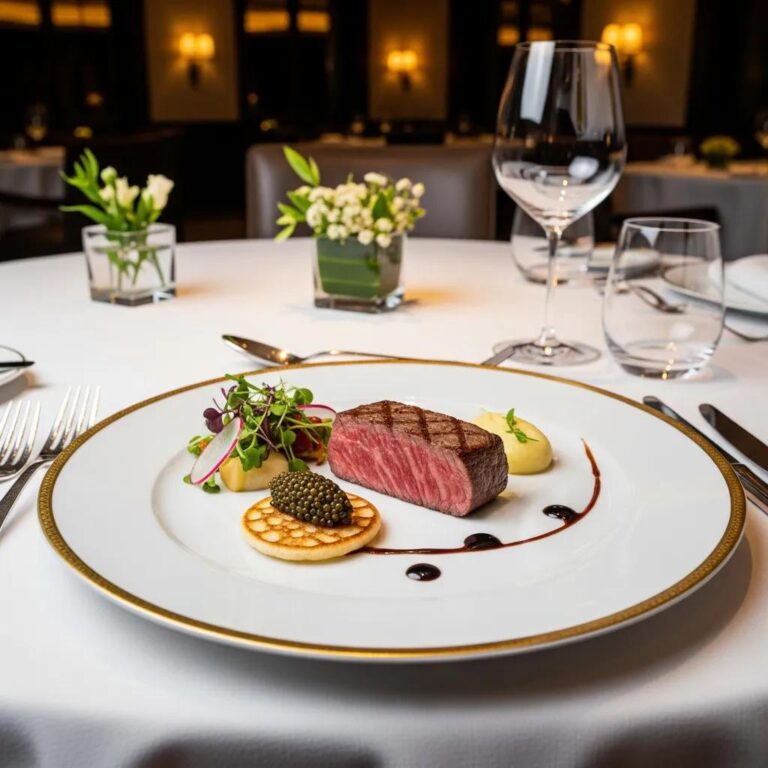
With A5 Wagyu, an XO Cognac or Tawny Port excels: dried‑fruit notes and oak tannins lift the meat’s buttery texture while alcohol and sweetness help temper lingering fat and highlight umami. For caviar, a dry oxidative wine such as Oloroso Sherry or a light Fino emphasizes brininess and mineral nuance; the wine’s acidity and nutty aromatics complement salinity without overpowering it. These targeted pairings let our flagship items finish with nuance rather than cloying weight.
How pairings deepen both food and drink
Pairings alter flavor perception by creating new echoes and contrasts: fat binds with alcohol and sweetness to reduce perceived heaviness; salt can amplify fruit notes in spirits and wines; bitterness can sharpen perceived acidity and complexity in food. For example, a bitter amaro paired with a sweet dessert refines the dessert’s sweetness while opening botanicals in the amaro that were subdued on their own. These sensory interactions transform both the dish and the drink, making thoughtful pairing a practical tool for maximizing enjoyment and extending the dining narrative.
- Match intensity: heavier dishes call for fuller‑bodied digestifs.
- Echo flavors: shared notes create harmony across food and drink.
- Use contrast: bitterness or acidity refreshes the palate between rich bites.
Applying these principles helps guests select digestifs that lift a tasting menu from memorable to exceptional.
To experience these pairings in person, Kaviar’s curated bar program supports knowledgeable service and coordinated recommendations when you reserve a tasting.
Frequently Asked Questions
What is the best way to enjoy a digestif after a meal?
Savor it slowly. A digestif is typically served neat in a small glass and enjoyed at a slightly cooler-than‑room temperature to reveal aromatics. Take small sips, allow the flavours to unfold, and pair it with light conversation or a small nibble if you like. This measured approach aids digestion and extends the pleasure of the meal’s close.
Can digestifs be enjoyed outside of fine dining settings?
Absolutely. While often associated with tasting menus, digestifs work equally well at home or in casual company. The key is appreciating the drink’s purpose and flavour profile — try different styles, from herbal liqueurs to fortified wines, to discover what suits your palate and occasion.
How should I choose a digestif to match my meal?
Consider the dish’s weight and dominant flavours. Match intensity by pairing heavier dishes with fuller‑bodied digestifs; look for shared notes to create harmony; or choose contrast (acidity, bitterness, smoke) to refresh the palate. For example, a sweet fortified wine suits a rich dessert, while a citrus‑forward amaro complements lighter seafood.
Are there non‑alcoholic alternatives to digestifs?
Yes. Herbal teas such as peppermint or ginger are excellent digestive aids, and sparkling water with a citrus twist or a non‑alcoholic herbal tonic can provide a refreshing finish. These options offer ritual and relief without alcohol, suitable for any guest.
What role do cultural traditions play in selecting digestifs?
Tradition matters. Many digestifs originate from medicinal tonics and regional customs — Italian amari, French brandies and fortified wine styles each carry cultural context that shapes how and when they’re served. These histories inform both flavor and ritual, enriching the dining experience.
How can I learn more about pairing digestifs with food?
Attend tastings, read about pairing principles, or join one of our curated experiences. Many restaurants, including Kaviar, offer guided pairings where bar and kitchen align selections with seasonal dishes. Experimenting at home with small pours and different courses is also a rewarding way to refine your palate.
Conclusion
Choosing the right digestif can elevate a meal by enhancing flavors, supporting digestion and extending the pleasure of the table. Kaviar’s selection — from aged spirits and herbal liqueurs to fortified wines and crafted cocktails — offers a thoughtful finish for every palate. To discover ideal pairings and find the after‑dinner drink that suits you, consider reserving a tasting at Kaviar. Taste how the final sip can complete the experience.