





Signature Cocktails at Kaviar — Crafted Mixology for Luxury Japanese Dining
At Kaviar, cocktails are an extension of the omakase—small, deliberate courses that move the tasting forward. We combine chef‑level technique with seasonal produce and careful provenance to build drinks that sit beside A5 Wagyu and caviar‑forward dishes rather than compete with them. Where many beverage programs either overpower or disappear beside refined Japanese plates, ours is designed around texture, acidity and aroma so each sip prepares the next bite. This piece outlines the philosophy and methods behind our cocktails, showcases signature drinks and tasting sketches, explains sourcing, details pairing strategies with omakase and A5 Wagyu, and describes the reservation experience for guests seeking a cocktail‑forward, fine‑dining event. Along the way we use terms like craft cocktails, Japanese whisky cocktails, and caviar cocktails to link sensory detail with practical pairing guidance for diners and mixologists alike.
What makes Kaviar’s craft cocktail program distinct?
Our cocktails are built with culinary rigor, technical precision and clear provenance so they function as complementary courses to elevated Japanese cuisine. Balance is central—umami, acidity, texture and temperature are tuned so drinks amplify rather than overshadow sashimi or rich Wagyu. Service and presentation are paced to match the omakase: mixologists narrate pours, plated garnishes echo kitchen techniques, and timing is choreographed with the chef. Together these elements form a coherent beverage program that supports a refined dining narrative and highlights artisan cocktails and Japanese whisky expressions in purposefully curated contexts.
How do we translate Japanese culinary techniques into cocktails?
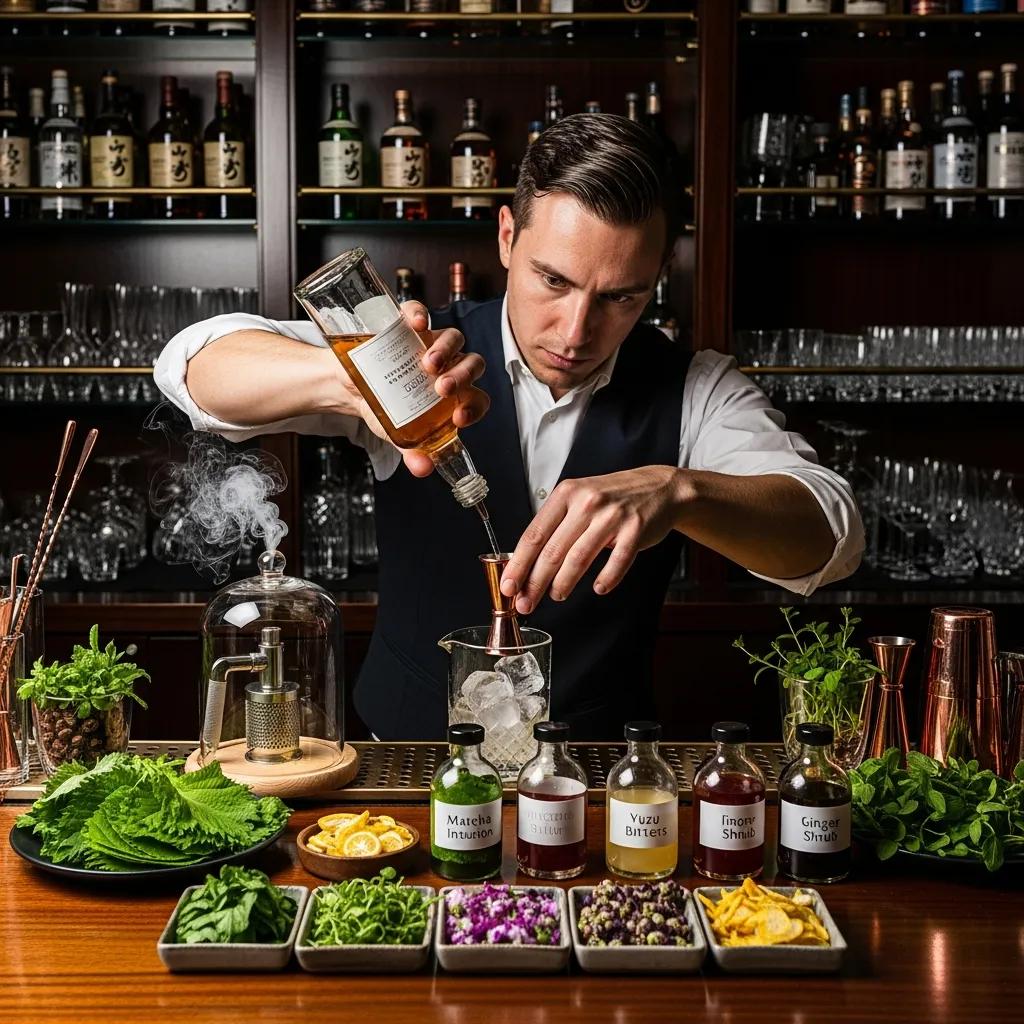
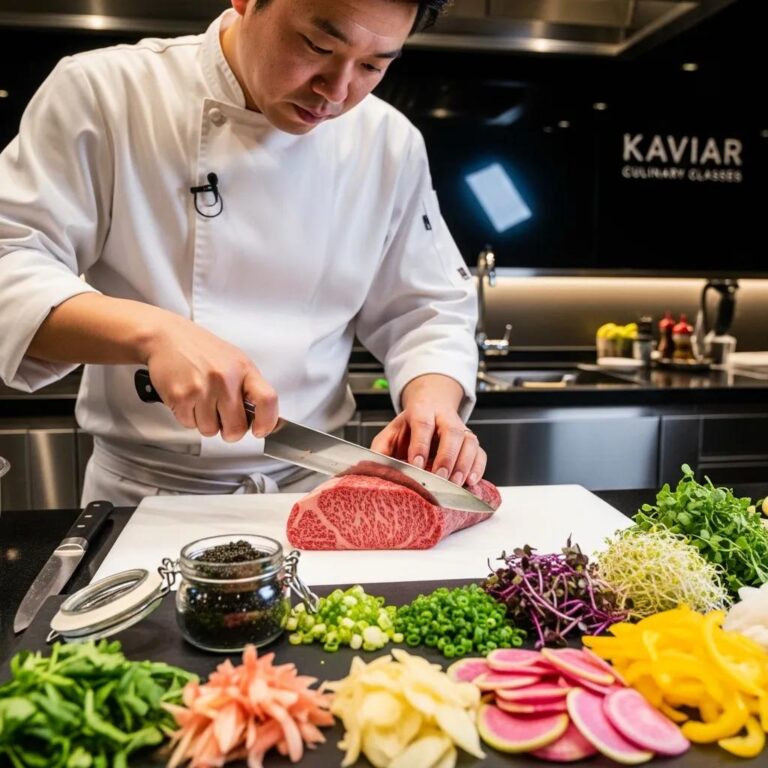
We borrow techniques from the kitchen—infusions, reductions, quick pickles and gentle smoking—to introduce savory layers familiar from Japanese cooking. Dashi‑infused syrups lend subtle umami that offsets bright citrus; quick‑pickled garnishes add a sharp note that lightens fatty bites. Temperature and dilution are managed with chef‑like precision—polished ice, chilled stones and measured melts ensure mouthfeel complements the plate. These culinary crossovers produce cocktails whose aroma, weight and savory detail follow the omakase sequence and the move to heavier A5 Wagyu courses.
Which premium ingredients elevate our cocktails?
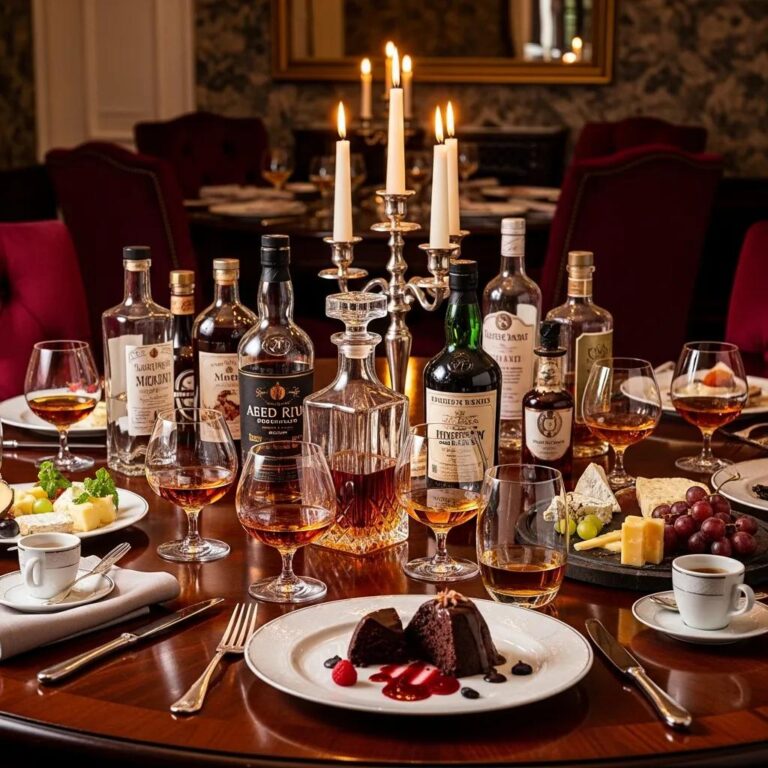
Our palette centers on Japanese whisky, select caviar used as an accent, rare botanicals and house‑made bitters that echo kitchen flavors and seasonal produce. Japanese whisky brings delicate malt, smoke and floral notes ideal for whisky‑forward cocktails; caviar contributes a saline pop and a visual cue of luxury when used as garnish. Small‑batch vermouths and specialty bitters layer aromatics, while seasonal Japanese produce—yuzu, shiso, daikon—provides bright, local character. Together these elements let our mixologists sculpt cocktails that respect the culinary program and celebrate provenance.
Which signature cocktails illustrate Kaviar’s mixology approach?
Our signature drinks read like miniature culinary compositions rather than simple bar pours. Each highlights a primary technique—clarification, controlled smoke, fat‑wash or sous‑vide infusion—and is paired intentionally with menu items to enhance texture and flavor. Below we present selected cocktails to show the program’s goals, followed by a clear table that lists spirits, garnishes, flavor notes and suggested pairings.
Key characteristics of our signature cocktails:
- Whisky‑forward refinement: Japanese whisky with a whisper of smoke and citrus oil to balance umami‑rich courses.
- Caviar accent: A restrained saline garnish that adds texture and a subtle sea finish to refined sips.
- Culinary infusions: House dashi, yuzu and shiso preparations that read like chef‑driven flavors.
These features create cohesive drinking moments that support menu pacing and strengthen the dialogue between bar and kitchen.
This table clarifies how each signature cocktail is composed and why it complements specific dishes. It helps staff explain pairings to guests and supports consistent execution across service.
Which recipes highlight Japanese whisky and caviar?
Our recipe sketches focus on the spirit, a complementary modifier and a signature garnish—presented as tasting outlines rather than exhaustive bartender formulas. One sketch pairs Japanese whisky with a low‑sugar yuzu cordial and a faint vermouth wash to emphasize floral notes, finished with a small caviar bead on the rim for saline counterpoint. Another folds clarified dashi into whisky with a whisper of smoked soy, creating a savory‑sweet frame suited to grilled items. Each sketch explains why we chose the spirit, how modifiers shape the profile, and the role of caviar or culinary garnish in the tasting narrative.
These sketches prioritize sensory outcomes—texture, aroma, finish—so guests can anticipate how whisky and caviar will play alongside courses. The approach keeps the program approachable while revealing the mixologist’s intent.
Which mixology techniques shape the flavor profiles?
We use clarification to smooth harsh edges, fat‑washing to introduce savory richness, and sous‑vide infusions for precise extraction—each chosen for predictable sensory results. Clarification lifts vegetal or tannic notes and sharpens mouthfeel for sashimi‑friendly cocktails. Fat‑washing adds luxurious texture that mirrors A5 Wagyu’s unctuousness, while measured smoking adds transient aromatics without overwhelming delicate seafood. These techniques let cocktails mirror or contrast menu textures in controlled, repeatable ways.
Knowing these techniques helps guests understand how a cocktail will sit beside a course, and it equips servers and mixologists to recommend pairings that harmonize weight and aroma across the meal.
How do we source and feature premium ingredients?
Provenance and seasonality guide our ingredient choices. We fold supplier stories into menu copy and server notes to reinforce value and transparency. Core elements—Japanese whisky, caviar and specialty botanicals—are selected for traceable origin and consistent flavor rather than anonymous branding. Seasonal produce rotates with the harvest, and small‑batch modifiers and custom bitters are made in‑house or sourced from trusted local purveyors to maintain quality. This sourcing approach supports our luxury positioning and helps justify the sensory and price premium of crafted cocktails alongside an omakase or A5 Wagyu experience.
Below is an introduction to the provenance table that compares ingredient origin and supplier characteristics.
The provenance table shows how we connect ingredient origin to menu storytelling, enhancing perceived value through transparency and careful selection.
What role do A5 Wagyu and caviar play in pairings?
A5 Wagyu and caviar serve two purposes in our pairing logic: to match rich textures and to provide contrast that highlights acidity or effervescence. A5 Wagyu’s pronounced fat and buttery mouthfeel benefits from cocktails with bright acid or light bubbles to cut richness, while caviar’s saline pop bridges sea‑forward courses and mineral‑lean drinks. Presentation is deliberate: a caviar‑topped bite served with a complementary sip creates a synchronous tasting moment, and a Wagyu course following a softer umami cocktail restores balance in the progression. These choices are choreographed so the beverage program supports the meal’s structure.
How does transparency enhance the luxury dining experience?
Clear provenance reassures guests that premium elements—Japanese whisky, caviar and seasonal botanicals—are chosen intentionally, building trust and supporting premium pricing. We translate provenance into concise menu notes and server talking points that highlight region, grade or seasonal status without overwhelming guests. For instance, short verbiage can indicate when a caviar garnish is limited or when a whisky is a small‑batch selection, giving context for rarity and flavor. Provenance becomes part of the guest narrative, turning sourcing into a curated storytelling element rather than mere labeling.
Transparent sourcing also helps guests who seek exclusivity and enables staff to explain pairing choices during the tasting progression.
How do our cocktails pair with omakase and A5 Wagyu?
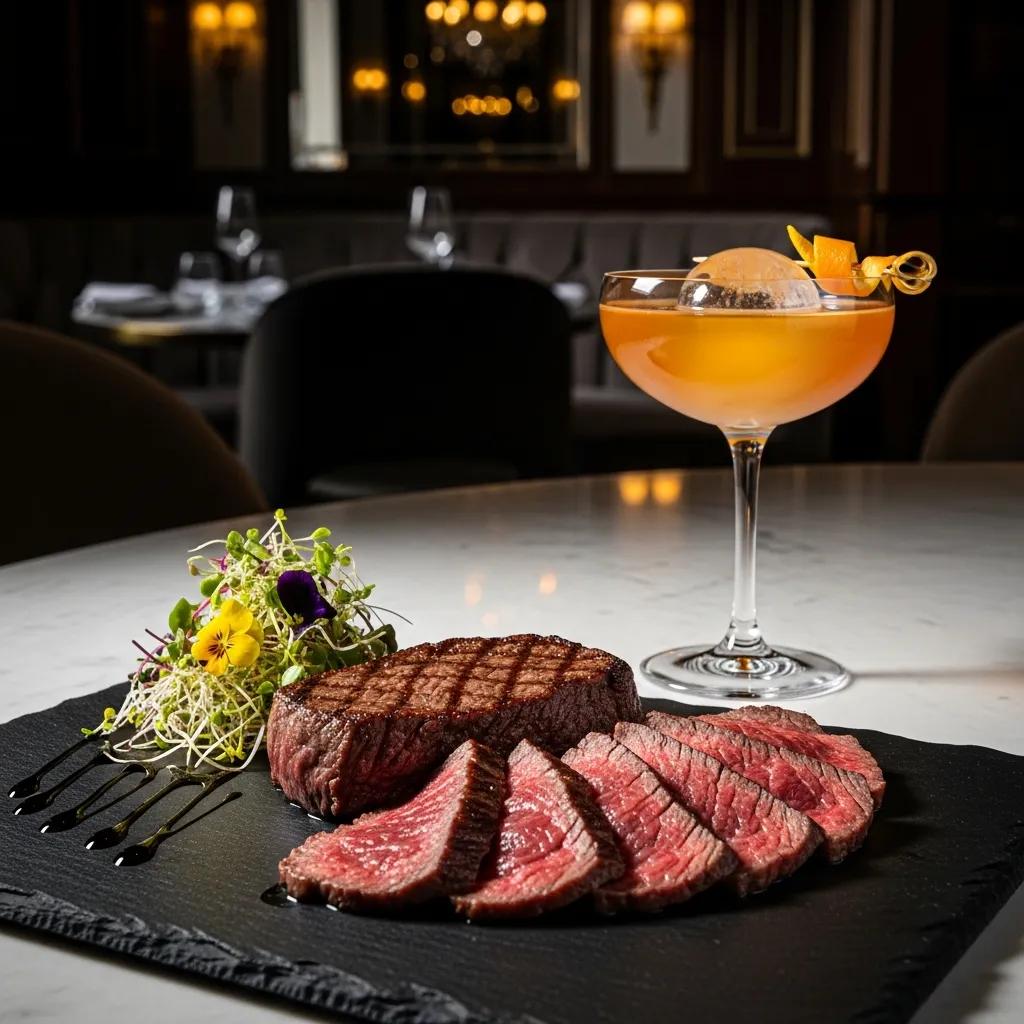
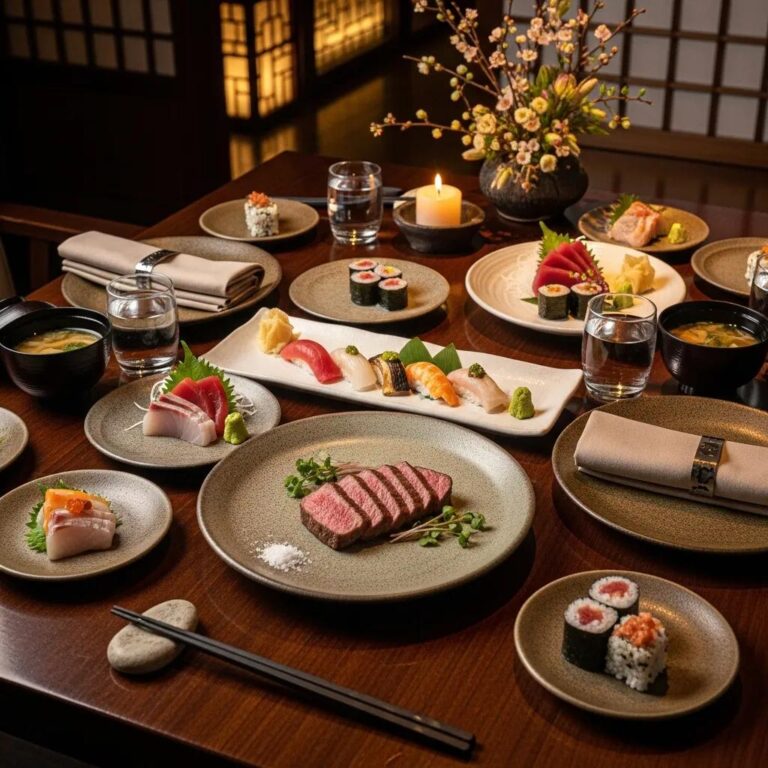
We pair cocktails with omakase using two guiding principles: complement to reinforce dominant flavors, and contrast to reset the palate between rich courses. Complementary pairings emphasize shared drivers—umami, smoke or citrus—so a dashi‑forward cocktail aligns with brothy or simmered items. Contrasting pairings favor acidity, effervescence or saline highlights to cut fat and refresh the mouth before a Wagyu course. Bar and kitchen coordinate to time cocktails with course transitions so beverage weight and temperature match a dish’s textural profile and the tasting’s overall pacing.
Below is a practical table linking course types to dominant flavors and recommended cocktails, making pairing rationale transparent and actionable for staff and guests.
This pairing table makes our selection logic clear and helps staff deliver cohesive recommendations during service.
Which pairings do we recommend for Japanese fine dining?
Pairings follow texture and flavor logic: light, effervescent cocktails for raw seafood; herbaceous or acidic drinks for grilled items; and savory, fuller‑bodied whisky cocktails for Wagyu and richer courses. A shiso‑accented highball refreshes between delicate sashimi bites; a clarified dashi whisky primes the palate for umami‑rich grilled fish. For A5 Wagyu, a cocktail with saline highlights or restrained sweetness balances fat, while a clean spirit‑forward pour lets the meat’s texture shine. Timing matters: palate‑cleansing sips are often interleaved before heavier courses to maintain momentum in the omakase progression.
These principles ensure each cocktail has a defined role—refresh, complement or contrast—supporting a polished and well‑paced dining narrative.
How do pairings elevate the dining atmosphere?
Thoughtful pairing creates cohesion between bar and kitchen, heightening discovery and luxury across the meal. Pairings act as sensory signposts that guide pacing, reveal flavor relationships, and produce memorable moments—like a caviar‑topped sip served tableside. This coordination lifts ambiance by aligning aromas, glassware and plating so cocktails and courses feel part of a single sensory idea. When pairings are intentional and explained, guests experience the meal as curated rather than incidental, reinforcing our refined positioning and leaving a lasting impression.
Pairing‑driven moments are central to Kaviar’s aim of delivering an integrated omakase and cocktail experience that feels both exclusive and coherent.
What should you expect when reserving for cocktails at Kaviar?
Reservations at Kaviar are designed for guests seeking a curated, cocktail‑forward fine‑dining event. Our booking process accommodates requests for pairing‑focused service and omakase sequencing—guests are advised to reserve in advance to secure a tasting that includes the bar’s curated cocktails alongside omakase or A5 Wagyu courses. Note pairing preferences or dietary restrictions when booking so our team can plan service. Guests who request a cocktail‑forward experience are flagged for mixologist collaboration with the chef, ensuring menus and pours are synchronized. The flow is set up for high‑intent diners who expect exclusivity and a seamless beverage‑culinary narrative.
We communicate practical expectations for timing, pacing and special requests during booking so guests arrive prepared to enjoy the full curated sequence.
How to reserve your cocktail‑forward omakase or Wagyu experience
When booking, request a tasting with a pairing focus and provide preferred dates and any special requests. Lead time varies with demand—guests who want a fully synchronized tasting with mixologist commentary should reserve early. During booking, note dietary restrictions, allergies or a preference for stronger cocktail emphasis so the team can tailor the progression. Our reservation system supports high‑intent diners and is designed to facilitate exclusive, curated experiences that align bar and kitchen.
Providing these details in advance allows our team to craft an optimal tasting that highlights both artisan cocktails and premium dishes.
What service and ambiance can guests expect?
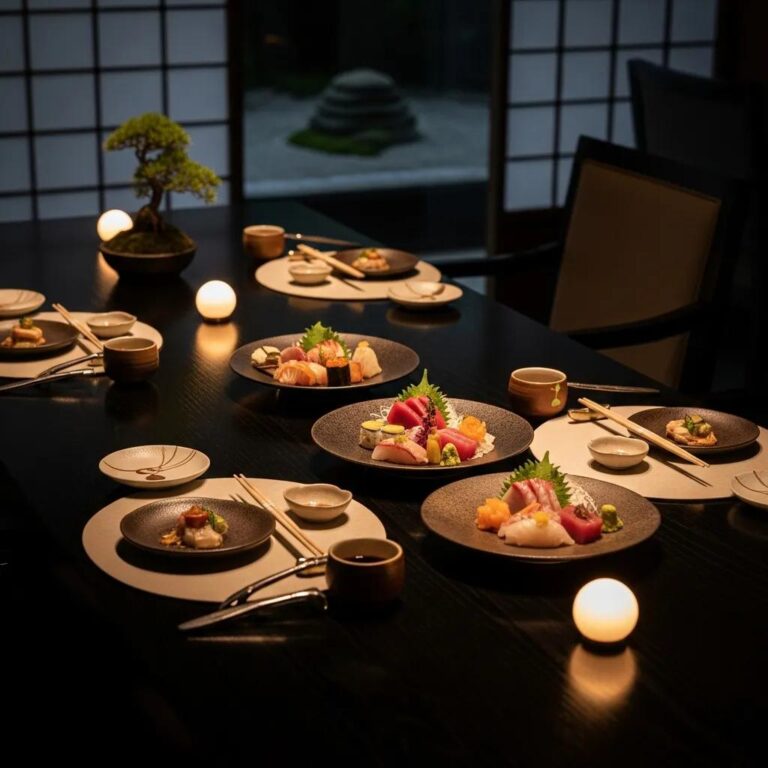
Expect a composed atmosphere—intentional lighting, attentive service and moments where the mixologist briefly introduces a cocktail’s provenance and tasting intent. Typical touchpoints include a mixologist preface to signature pours, synchronized plate‑and‑drink presentations, and pacing suited to a multi‑course omakase. Seating and flow balance discreet conversation with focused tasting, reflecting a luxury posture that prioritizes presence and care. Guests should anticipate an experience centered on sensory detail, timing and the interplay of drink and dish throughout their visit.
These service cues reinforce exclusivity and ensure cocktail pairings feel integrated into the dining story rather than ancillary.
Frequently Asked Questions
What types of cocktails can I expect at Kaviar?
Expect a curated selection of craft cocktails that emphasize Japanese‑inspired flavors and techniques: whisky‑forward pours, cocktails finished with caviar accents, and seasonal builds featuring yuzu, shiso and other local produce. Signature drinks use techniques like fat‑washing and sous‑vide infusion to create memorable tasting moments that align with our culinary approach.
How does Kaviar ensure ingredient quality?
We prioritize provenance and seasonality in sourcing. We work with small‑batch distilleries for Japanese whisky, choose high‑grade caviar from traceable sources, and source seasonal botanicals from local growers. In‑house modifiers and custom bitters further ensure consistency and quality, reinforcing our commitment to transparency and sustainability where possible.
Can I customize my cocktail experience?
Yes—customization is encouraged. When you reserve, tell us your pairing preferences, dietary restrictions or favored flavor profiles. Our team collaborates with guests to design a tailored tasting that reflects individual tastes while preserving the integrity of the omakase progression.
Why is caviar used in Kaviar’s cocktails?
Caviar serves as both a flavor and presentation element. Its saline pop balances umami‑rich components and creates a refined texture contrast. Used sparingly, caviar elevates a drink’s finish and reinforces the restaurant’s luxury intent, turning a single sip into a layered tasting moment.
How do cocktail pairings enhance the meal?
Pairings create a cohesive narrative between drinks and dishes. Each cocktail is chosen to complement or contrast a course so every sip enhances the next bite. This deliberate approach deepens guests’ understanding of flavor relationships and makes the entire tasting more engaging and memorable.
What should I know before visiting Kaviar?
Reserve in advance if you want a cocktail‑forward experience. Be ready to share dietary restrictions or pairing preferences during booking. Expect attentive service, a composed ambiance and mixologist introductions to select pours. Knowing our focus on seasonality and technique will help you appreciate the curated tasting journey.
Conclusion
At Kaviar, mixology is woven into the culinary story—cocktails are crafted to enhance Japanese dishes through premium ingredients and measured technique. Each drink is designed as a considered complement to the omakase journey, elevating the meal’s pacing and atmosphere. We invite guests to reserve an exclusive tasting to experience our curated cocktail pairings and the thoughtful interplay of bar and kitchen.