





Kaviar’s Sustainable Seafood Sourcing Practices: Ethical Methods and Ocean-Friendly Dining Experience
At Kaviar, sustainable sourcing is not an afterthought — it’s woven into how we build menus and choose partners. We combine selective, low-impact fishing methods, clear provenance, and meticulous kitchen execution to offer an ocean-friendly fine-dining experience. This piece lays out what ethical fishing looks like in practice, why traceability matters for freshness and accountability, how provenance tools work, and where premium items like A5 Wagyu and caviar fit in a sustainability-first menu. You’ll learn how restaurants vet suppliers, what certifications actually verify, and practical steps diners can take when reserving an omakase or tasting menu that prioritizes responsible sourcing. Our goal is to make seafood traceability straightforward: to show the guest-facing signals of sustainability and how thoughtful sourcing improves ocean health and the meal on your plate.
Kaviar frames these sourcing principles within a contemporary Japanese fine-dining context: omakase, A5 Wagyu, and caviar are presented alongside traceable, premium ingredients and an ocean-forward ethos. We prioritize procurement that supports ethical fishing and responsible aquaculture while preserving the luxury and attention to detail guests expect. Reservations for curated seatings and seasonal menus are encouraged. This article centers on sustainable seafood and ethical sourcing, using Kaviar’s practices and reservation guidance as examples guests can follow when planning a visit or requesting provenance information.
What Defines Ethical Fishing Methods at Kaviar?
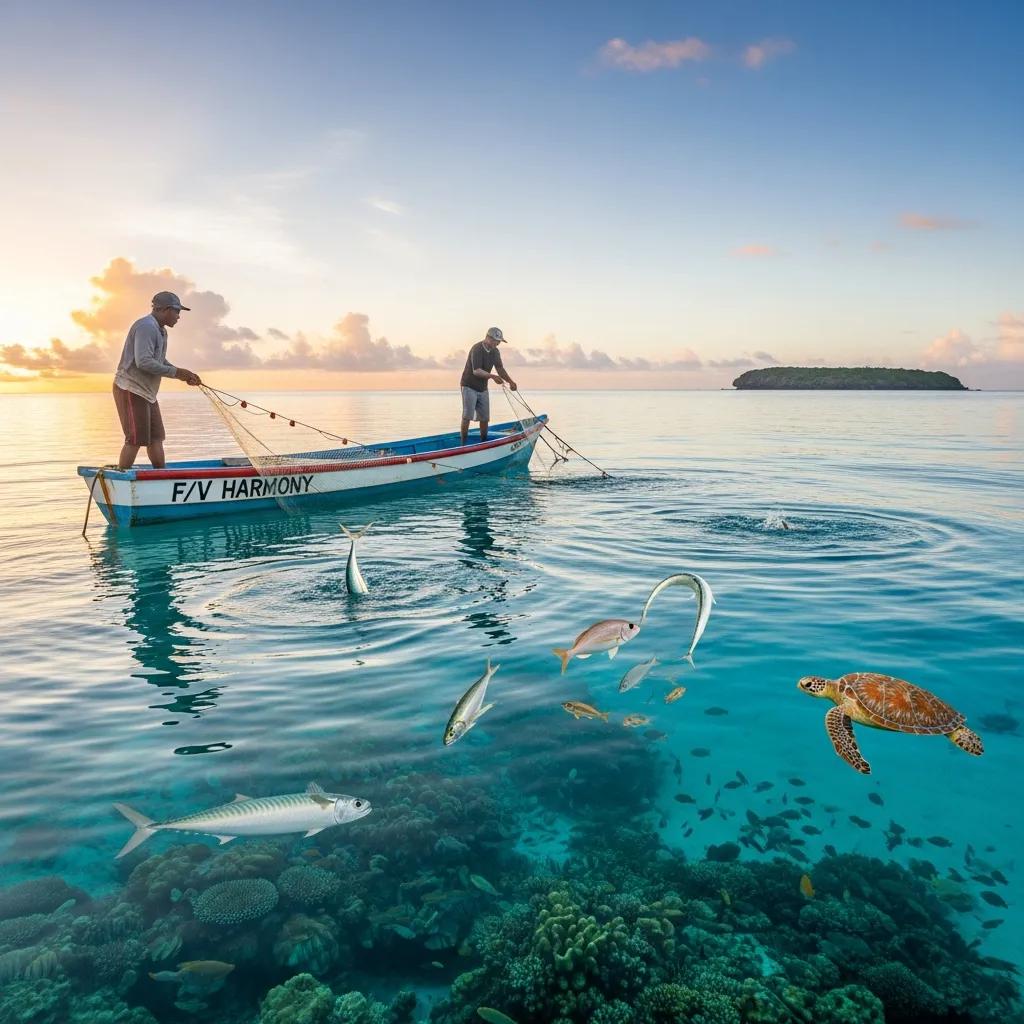
For us, ethical fishing means choosing methods that reduce bycatch, avoid habitat damage, and support healthy stock levels — while delivering superior-quality seafood. That translates to selective gear, low-impact capture techniques, and adherence to science-based quotas so fisheries remain productive and ecosystems recover and thrive. Practically, ethical methods yield fresher, better-tasting fish and give diners confidence that their meal didn’t come at the cost of fragile ocean habitats or depleted populations. Knowing these approaches helps guests read menu claims and make choices that reflect conservation values.
Kaviar’s procurement philosophy favors suppliers who can document low-impact capture methods and seasonal availability, prioritizing techniques with demonstrated conservation benefits. This approach aligns quality with stewardship: sourcing by method and provenance improves kitchen planning, reduces waste, and matches supply to natural catch windows — all of which support ocean-friendly dining. The sections that follow explain how Kaviar vets suppliers and how guests should interpret certifications and traceability claims.
How Does Kaviar Ensure Sustainable Seafood Sourcing?
We secure sustainable supply through a structured vetting process, mandatory provenance records, and menus that reflect seasonal and ethically harvested stocks. Procurement criteria spell out acceptable fishing methods and required documentation, followed by periodic audits and ongoing dialogue with trusted suppliers to verify catch reports and handling standards. Our kitchen incorporates supplier details into menu planning so seasonal, line-caught, or low-impact items are prioritized when available — improving freshness and reducing dependence on high-impact sources. Clear provenance practices lower risk and enable staff to share accurate sourcing stories with guests.
Supplier vetting here functions as both quality control and sustainability assurance: supply-chain traceability systems and catch certificates are part of what arrives at the pass. Regular review cycles and data-informed sourcing allow us to adapt when stocks or certified supply change. Treating supplier relationships as partnerships means we can request audits and favor vendors who operate transparently. These safeguards help us answer guest questions about origin and method without compromising the standards of a fine-dining experience.
Which Certifications Validate Kaviar’s Ethical Fishing Practices?
Third-party certifications can indicate that a fishery or farm meets recognized sustainability criteria, but they vary widely in scope, region, and what they assess. Some programs evaluate stock status and fisheries management for wild-capture fisheries; others focus on feed, disease control, and environmental impacts for aquaculture. It’s important to understand exactly what each certification covers before drawing conclusions. Certifications add a verifiable layer of accountability, but they’re not the whole story: many responsibly managed fisheries operate without formal certification, and not every species or region fits the same schemes.
When we share certification details with guests, we explain which aspect is certified — stock health, farming practice, or chain-of-custody — and avoid implying blanket sustainability across the entire menu. Pairing certification notes with traceability documents like catch certificates or supplier audit summaries gives diners a clearer picture. Preparing front-of-house staff to explain both the strengths and limits of certifications builds trust and helps guests make informed choices.
That clarity is the foundation for robust traceability systems, which we describe next.
How Does Traceability Enhance Kaviar’s Seafood Supply Chain?
Traceability is the systematic record of where seafood was caught or farmed, how it was handled, and how it moved through the supply chain. It lets us verify provenance, confirm freshness, and substantiate sustainability claims. Traceability also offers operational benefits: chefs can plan menus around known delivery windows, reduce spoilage, and relay precise origin stories to guests. The comparison below shows common traceability tools and what they deliver in practice.
Below is a concise comparison of traceability tools and supplier attributes that commonly appear in seafood provenance systems to make provenance explicit and actionable for operators and diners.
Combined, consumer-facing links, auditable records, and real-time data create a provenance system that supports sustainability claims and culinary excellence.
What Technologies Support Transparency in Seafood Provenance?
Transparent provenance relies on a mix of tools — QR codes on menus or labels, blockchain ledgers for immutable records, RFID and IoT sensors for cold-chain monitoring, and supplier portals for consolidated documentation. QR-enabled catch certificates let guests scan and see origin data, vessel or farm details, and handling timestamps right at the table. Blockchain links records across supply-chain participants to reduce tampering risk, while supplier dashboards bring together certificates, crew logs, and inspection notes for procurement teams. Together, these technologies support traceable omakase curation and a more informed guest experience.
Implementing these systems requires clear data standards and supplier cooperation, but each tool has a distinct role: QR codes provide immediate guest transparency, blockchain strengthens auditability, and IoT protects product quality during transit. A layered approach — front-end access for diners and back-end verification for operators — maximizes both trust and operational reliability. The next section compares how luxury non-seafood items are traced to show consistent provenance across the menu.
How Are Premium Ingredients Like A5 Wagyu and Caviar Traced?
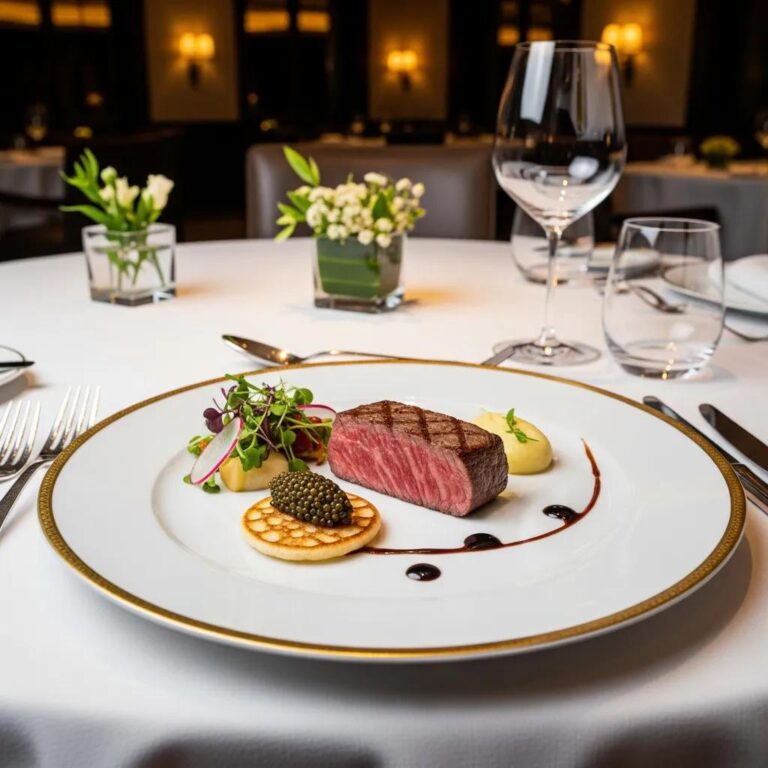
Provenance for premium items such as A5 Wagyu and caviar relies on batch-level documentation, grading records, and contractual commitments that mirror seafood traceability in structure. A5 Wagyu is tracked by farm identifiers, grading certificates, and batch records so chefs can verify breed, feeding, and grade before it’s plated. Caviar traceability distinguishes aquaculture from wild-harvest, logging harvest method, maturation, and lot handling to confirm origin and sustainability attributes. Sharing these details through menu notes or staff narratives reinforces trust in our commitment to responsible luxury ingredients.
The comparison below summarizes how these premium items are typically documented, helping discerning diners understand sourcing rigor without disclosing supplier specifics.
These documentation practices show that tracing non-seafood luxury items parallels seafood provenance and supports consistent guest communication.
What Makes Kaviar an Ocean-Friendly Dining Experience?
Ocean-friendly dining happens when sourcing choices, kitchen practices, and guest communication align around marine conservation without sacrificing refinement. Operationally, that looks like menus tied to seasonal availability, suppliers chosen for low-impact capture or responsible aquaculture, and waste-minimizing techniques such as whole-animal use and precise portioning. For guests, ocean-friendly signals include clear provenance storytelling on menus, staff prepared to explain sourcing, and omakase flows that highlight sustainably sourced items while preserving a luxury experience. These elements together shape ethical impact and the perceived value of the meal.
Kaviar integrates sustainability into service in ways that retain an elegant atmosphere while making environmental commitments visible to informed diners. Staff training equips servers and chefs to tell provenance stories, and menu notes or tasting explanations link flavor to origin. Advance procurement reduces over-ordering and secures limited, traceable items for exclusive seatings — creating an experience where conservation and culinary craft strengthen one another. The following sections explore concrete ambiance choices and how ethical sourcing informs menu architecture.
How Does Kaviar Integrate Sustainability into Its Fine Dining Ambiance?
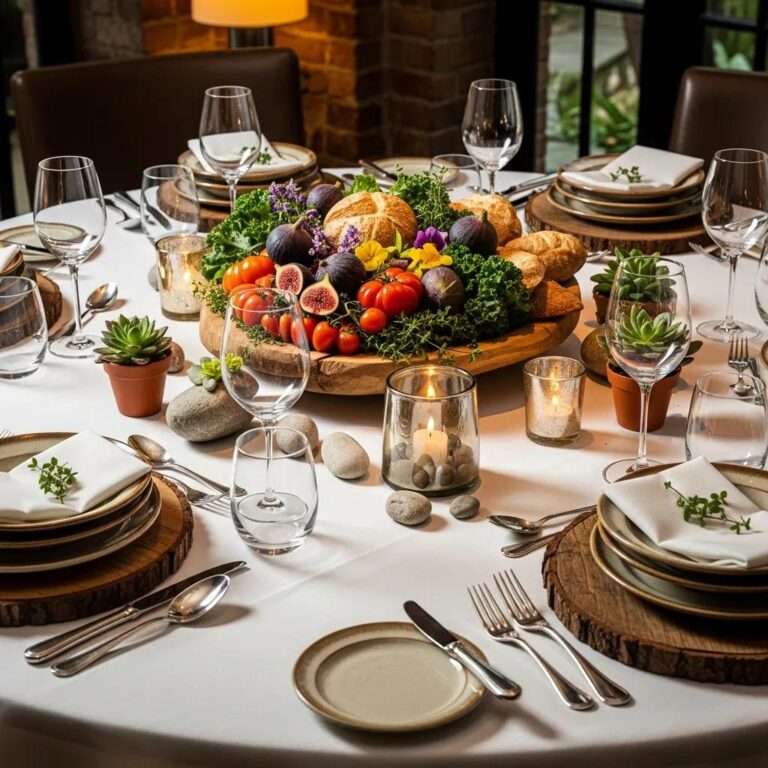
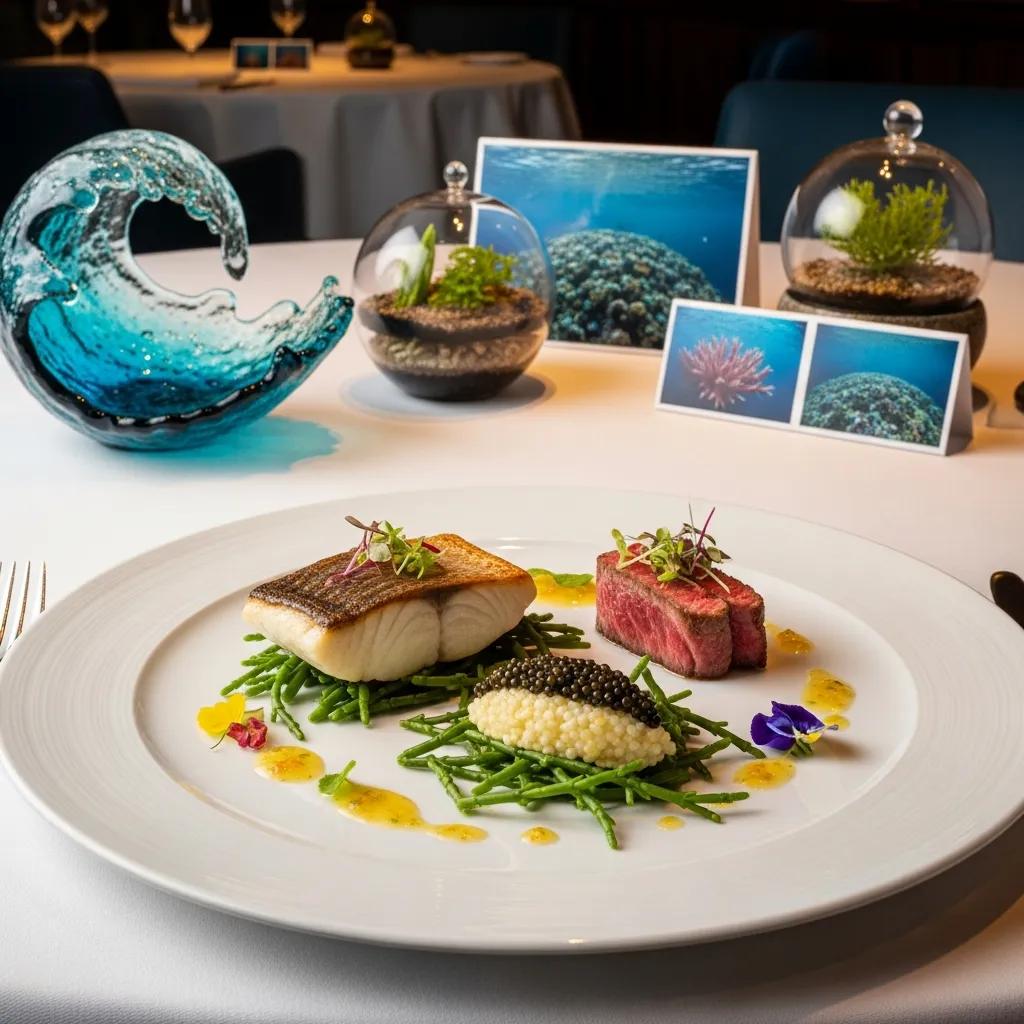
Integrating sustainability into ambiance means weaving provenance storytelling, material choices, and service protocols into the guest experience without disrupting elegance. Clear origin labels on menus, subtle provenance codes, and well-briefed staff help guests appreciate the connection between plate and ocean health while preserving a refined atmosphere. Design details — understated visual cues and carefully selected table materials — suggest an ocean-conscious identity without feeling preachy, letting diners engage with sustainability on their own terms.
Training is essential: when staff move effortlessly from tasting notes to explaining catch methods and seasonality, they strengthen both the culinary narrative and the restaurant’s values. Those conversations enhance appreciation for sustainable choices and encourage repeat visits from diners who value traceability in fine dining.
What Role Do Sustainable Seafood and Ethical Fishing Play in Menu Design?
Sustainable seafood and ethical fishing shape our menu through seasonal rotations, supplier-driven specials, and a flexible omakase that adapts to available traceable catches. Chefs design tasting flows to prioritize species harvested by low-impact methods, and when wild options are limited, we lean on responsibly farmed or certified alternatives. This keeps signature dishes intact while allowing the menu to evolve with sourcing realities. Menu narratives tie flavor to provenance so guests understand why items appear or rotate away.
Designing menus around ethical sourcing also reduces waste by aligning portions and prep with predictable supply windows, and it enables the kitchen to spotlight rare, traceable items during exclusive seatings. Supplier-inspired specials create a pipeline for rotating offerings that celebrate seasonality and responsible procurement, reinforcing our ocean-friendly identity and delivering thoughtful, provenance-led culinary storytelling.
Which Premium Ingredients Highlight Kaviar’s Commitment to Sustainability?
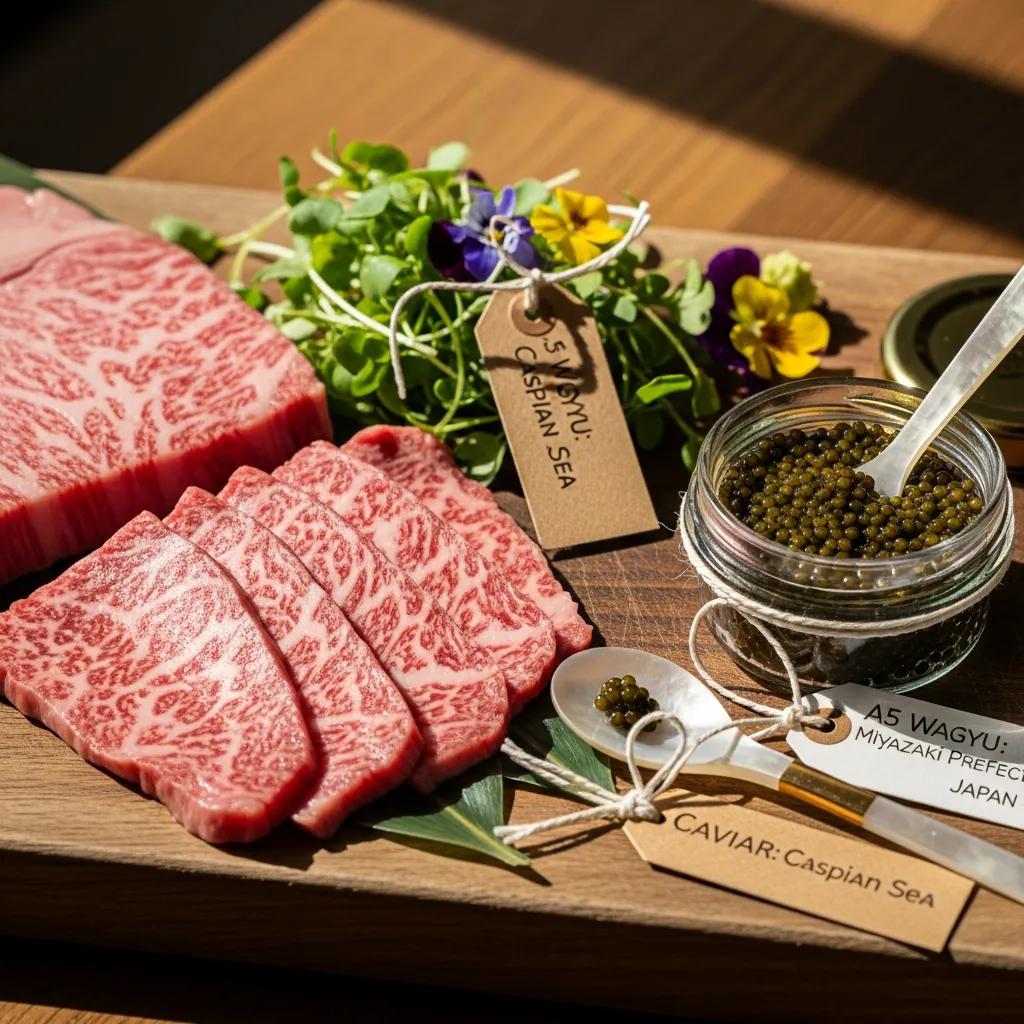
A5 Wagyu and caviar are examples of how luxury can coexist with rigorous provenance. These items require careful documentation and close supplier relationships to ensure exclusivity does not override responsibility. Emphasizing traceability for such ingredients demonstrates that stewardship and indulgence can coexist: diners enjoy exceptional flavors while we uphold sourcing standards and transparency. The sections that follow outline sustainability considerations and sourcing approaches appropriate for a fine-dining operation.
In practice, responsible sourcing for premium ingredients involves supplier contracts, batch-level records, and guest-facing provenance communication. Presenting origin notes and explaining grading or harvest methods signals that luxury is supported by verifiable practices rather than opaque supply chains. This alignment helps discerning guests choose responsibly while enjoying a refined dining experience.
Why Are A5 Wagyu and Caviar Considered Sustainable Luxury Ingredients?
A5 Wagyu and caviar can be framed as sustainable luxury when producers follow responsible practices — documented animal welfare standards, regenerative farming elements, or low-impact aquaculture — and when full provenance accompanies each lot. In these cases sustainability rests on producer transparency, batch-level traceability, and steps to reduce environmental impact. That said, trade-offs exist: resource intensity and limited supply mean sustainability for luxury items depends on rigorous documentation and continuous improvement at the producer level. Diners and chefs should therefore consider both production methods and the clarity of provenance.
Balanced communication highlights what supports an ingredient’s sustainability and where limits remain, guiding guests toward informed appreciation rather than simplistic claims. Contextualizing luxury through provenance — by explaining grading, harvest practices, and traceability — preserves exclusivity while encouraging higher standards across supply chains.
How Does Kaviar Source These Ingredients Responsibly?
We source premium items responsibly by requiring provenance documentation, using supplier agreements that specify handling and traceability expectations, and sharing origin information with guests through menu notes or service narratives. Procurement focuses on suppliers who provide batch-level records or grading certificates and who agree to periodic verification so we can uphold consistent quality and sustainability statements. While we don’t list supplier names here, our approach emphasizes contractual accountability, batch traceability, and transparent guest communication as core practices.
To present provenance effectively, we use QR-enabled menu links and staff-led explanations to convey grading details for A5 Wagyu and harvest and lot information for caviar. These communication methods connect procurement rigor with the guest experience, making responsible sourcing an integral part of our premium identity rather than a sidebar. Responsible sourcing supports ocean-friendly values across both seafood and complementary luxury ingredients.
This table shows how documentation maps to guest communication strategies that reinforce our sourcing commitments for premium menu items.
How Can Guests Reserve Their Responsible Seafood Dining Experience?
Reserving a responsible seafood experience is straightforward when guests communicate provenance preferences and dietary needs in advance. Early notice lets us plan ingredient procurement around traceable supply, prepare staff briefings on provenance, and design a tasting flow that highlights sustainably sourced items. For guests seeking a curated omakase, reservation channels and pre-arrival communication ensure the meal aligns with expectations for both luxury and stewardship. Below is a simple reservation workflow to guide practical next steps.
- Pick a date and seating (regular or omakase), and request a provenance-focused tasting if available.
- List any dietary restrictions and ask for origin or catch-method details in the reservation notes.
- Confirm the booking and request pre-arrival provenance materials or QR links to records if you’d like them in advance.
- On arrival, ask staff for batch or catch details and request a guided tasting that highlights traceable items.
Following these steps helps secure an exclusive, ocean-friendly experience and gives us the time to source traceable ingredients and brief service staff thoroughly.
What Is the Reservation Process for Kaviar’s Sustainable Dining?
When booking a sustainability-minded meal, select the tasting format (omakase or curated menu), add provenance or dietary requests to your reservation notes, and confirm details before arrival so our team can prepare supplier information. Advance communication lets procurement prioritize traceable items and allows service staff to compile catch certificates or grading documents to share at the table. Guests who indicate interest in provenance often receive enhanced service — an explanation of sourcing decisions or QR links to origin records — which deepens transparency. This pre-arrival coordination aligns guest expectations with sourcing logistics.
Operationally, treating provenance as a reservation-driven request helps the kitchen plan portions and supplier orders, reducing waste and improving access to limited traceable lots. For diners, the outcome is a curated, informative experience where flavor narratives and sourcing stories reinforce one another. Clear reservation steps also protect the exclusivity of limited-seat tasting flows that depend on advance ingredient procurement.
How Does Booking Support an Exclusive Ocean-Friendly Experience?
Booking in advance supports exclusivity and sustainability by allowing us to coordinate procurement, secure limited quantities of traceable items, and design tasting menus centered on low-impact or responsibly farmed ingredients. When guests reserve and communicate provenance preferences, procurement can prioritize suppliers with documented catch certificates or batch records, ensuring the menu reflects both quality and accountability. Limited-seat formats like omakase especially benefit from this approach: advance planning reduces last-minute substitutions and enables precise portioning to minimize waste. The result is a refined meal where sustainability is embedded in supply and service.
From the guest perspective, booking with provenance requests delivers a richer table experience: staff can present traceability documentation, chefs can tailor courses to available traceable items, and the tasting flow can emphasize the conservation story behind ingredient choices. Advance booking creates operational efficiencies and a meaningful, ocean-friendly dining moment for guests who value both luxury and stewardship.
Frequently Asked Questions
What are the benefits of choosing sustainable seafood dining?
Selecting sustainable seafood supports marine conservation, encourages responsible fishing and farming practices, and usually means fresher, better-quality food. Sustainable choices help protect vulnerable populations and habitats, contributing to healthier oceans. Diners who prioritize sustainability also signal demand to restaurants and suppliers, helping shift the industry toward more responsible practices — a win for both flavor and the planet.
How can diners verify the sustainability of seafood dishes at restaurants?
Ask specific questions: where the seafood came from, how it was caught or farmed, and whether the restaurant can show certifications or catch records. Many restaurants, Kaviar included, provide provenance information via menu notes, staff explanations, or QR codes linked to catch certificates and handling timestamps. These tools make it easier to trace a dish from ocean or farm to plate.
What role do diners play in promoting sustainable seafood practices?
Diners influence supply by voting with their reservations and their choices. Prioritizing restaurants that emphasize ethical sourcing, asking about origin, and giving feedback on sustainability all push the market toward better practices. Conversations at the table can also raise awareness and encourage restaurants to keep improving transparency and procurement standards.
Are there specific seafood species that are more sustainable than others?
Yes. Some species and methods are generally lower-impact: for example, well-managed Alaskan salmon, smaller pelagics like sardines, and responsibly farmed shellfish often carry a smaller footprint. Conversely, overfished stocks or species caught with destructive gear can be less sustainable. Sustainability guides and certifications can help identify the best choices for ocean health.
How does Kaviar ensure the quality of its seafood while maintaining sustainability?
Kaviar balances quality and sustainability through strict supplier vetting, prioritizing low-impact capture techniques and seasonal availability. We partner with suppliers who provide provenance records and adhere to responsible handling practices. Aligning menus with traceable, seasonal seafood and conducting regular supplier reviews helps us maintain culinary standards while supporting sustainable practices.
What are the environmental impacts of unsustainable seafood sourcing?
Unsustainable sourcing can cause overfishing, habitat destruction, and biodiversity loss. Practices like bottom trawling can damage seafloor habitats, while overfishing can collapse local populations and disrupt marine ecosystems. Poorly managed aquaculture can cause pollution and spread disease. Choosing sustainable seafood helps mitigate these effects and supports healthier oceans for future generations.
Conclusion
At Kaviar, sustainable seafood sourcing is inseparable from the dining experience. By prioritizing traceable, responsibly procured ingredients — from seasonal fish to A5 Wagyu and caviar — we deliver flavors that reflect both craftsmanship and stewardship. Transparent sourcing empowers you to make informed choices that honor taste and the ocean. Reserve your ocean-friendly dining experience and taste how careful provenance and culinary precision come together on the plate.