









Mastering Coffee Brewing Techniques at Home: A Practical Guide to Craft and Precision
Brewing great coffee at home is about learning to manage the variables that turn roasted beans into a reliable, expressive cup: grind, water, ratio, time and temperature. This guide lays out clear, repeatable techniques so home baristas can reach specialty-level results through deliberate method and equipment decisions. Kaviar Restaurant’s focus on craftsmanship and sensory detail provides a useful parallel—attention to small things elevates the whole experience. Inconsistent grind, unpredictable water chemistry and missed extraction windows are common hurdles; here you’ll find practical solutions to each. Expect step‑by‑step descriptions of core brewing methods, guidance on choosing gear, target water and temperature ranges, troubleshooting checklists and tasting exercises to sharpen your palate. Every section closes with actionable tips and references to specialty equipment so you can apply improvements immediately and build toward consistent excellence.
What Are the Essential Coffee Brewing Methods for Home Baristas?
The main brewing methods shape a cup’s body, clarity and flavor by changing extraction mechanics. Each approach controls contact time, filtration and flow to highlight different sensory qualities; understanding those mechanics helps you pick the right method for taste and convenience. For home use, focus on pour‑over, espresso, AeroPress, French press and cold brew—each balances clarity, body and repeatability in different ways. Learning when to use each method lets you match bean, grind and water temperature to your desired flavor. The following sections explain how pour‑over brings brightness and clarity, and the steps for dialing in consistent home espresso.
This quick guide shows when to reach for each method and what to expect on the palate:
- Pour over: for clean clarity and bright acidity; perfect for single‑origin nuance.
- Espresso: concentrated flavor and body, ideal for milk‑based drinks or intense sips.
- AeroPress: fast and versatile; medium acidity with balanced clarity.
- French press: fuller body and a richer mouthfeel from immersion extraction.
- Cold brew: low‑acidity, smooth profile from a long, cool steep.
Those choices map to controllable variables—grind, ratio and time—that you’ll adjust as you refine technique.
How Does Pour Over Coffee Enhance Flavor Extraction?
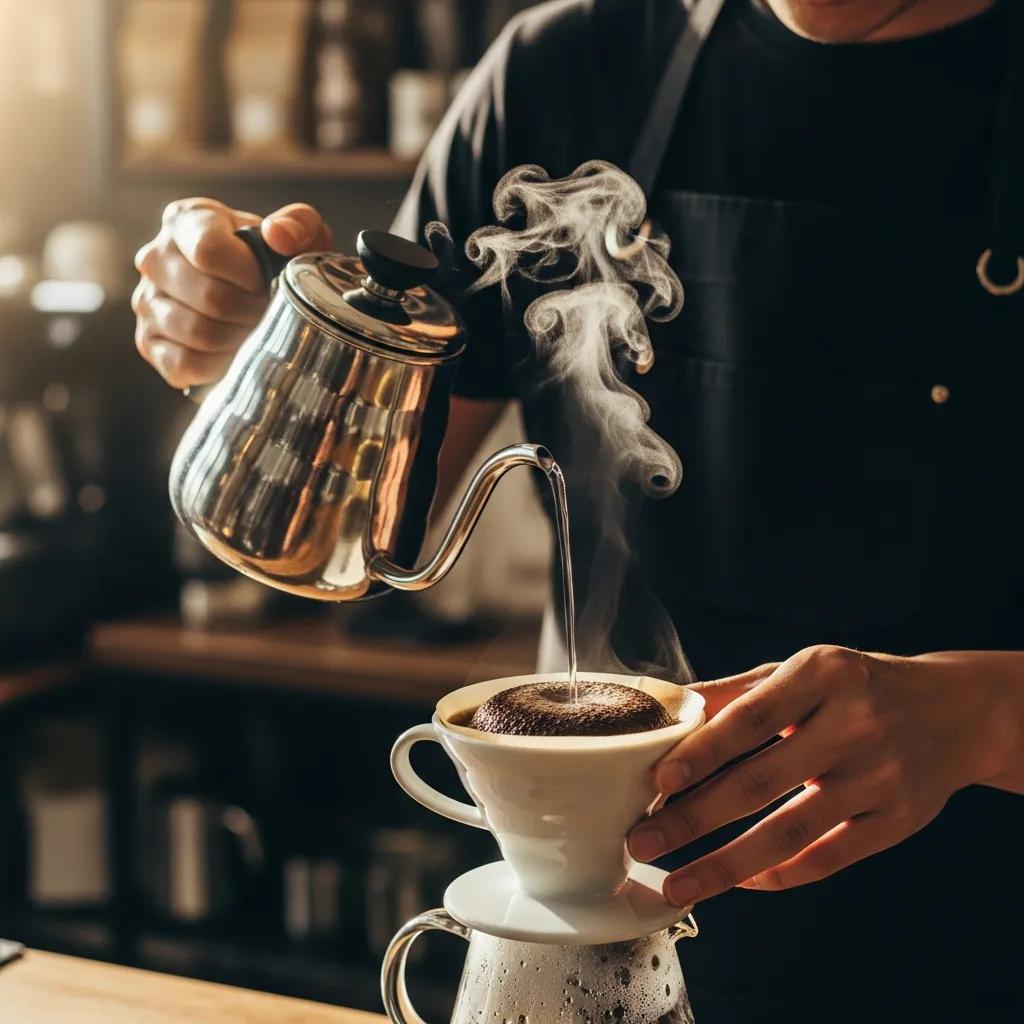
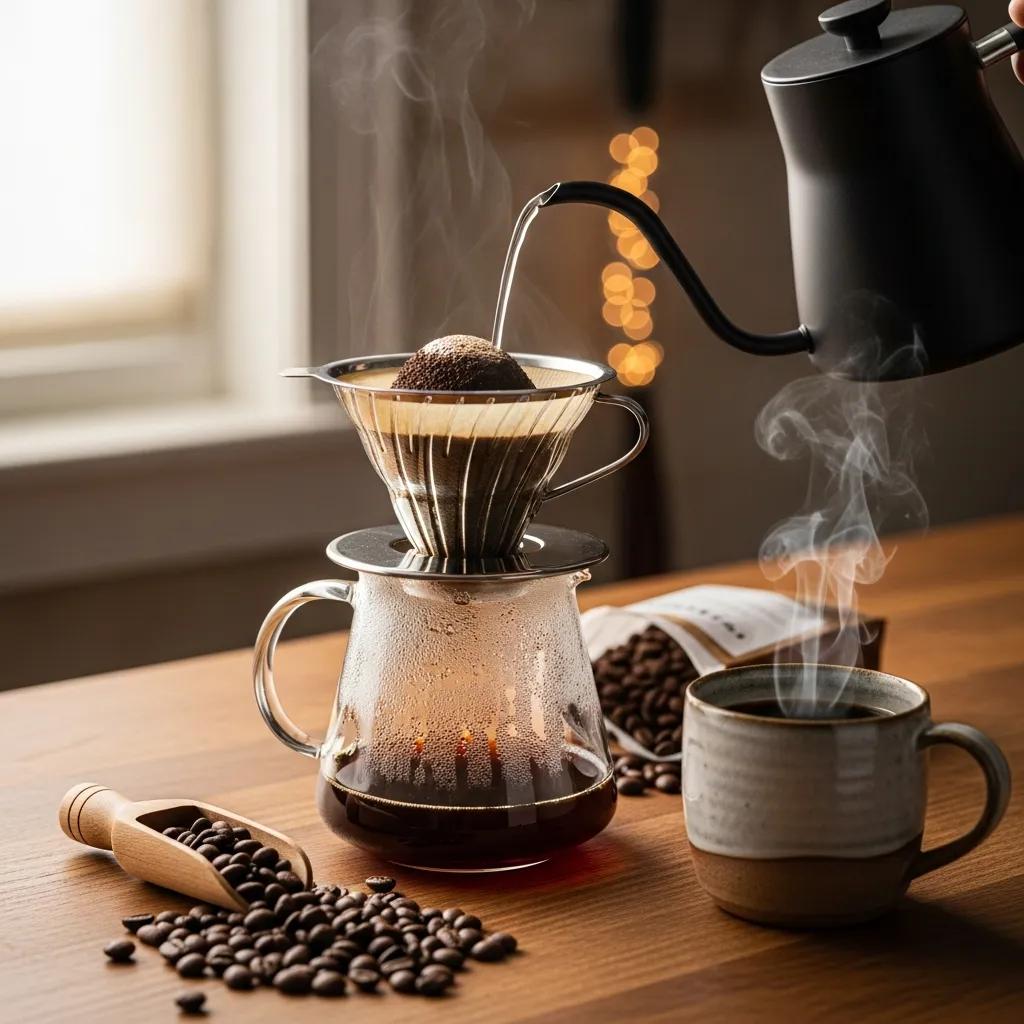
Pour‑over delivers refined extraction by controlling flow rate and filtration, balancing the extraction of acids, sugars and bitter compounds. Paper or metal filters remove oils and fines, yielding a cleaner cup where acidity and aromatic detail stand out. A reliable starting recipe: 1:16 brew ratio, medium‑fine grind, and a 30–45 second bloom with water between 90–96°C. If the cup tastes under‑extracted, grind finer; if it’s over‑extracted, go coarser. Pulse pouring—short, measured pours that resaturate the bed—adds gentle agitation to even out extraction and prevent channeling. Rinsing the filter before brewing removes papery notes. Consistent measuring of dose and time is essential; those habits pave the way to the precision needed for home espresso.
What Are the Key Steps in Home Espresso Preparation?
Reliable espresso at home rests on precise dosing, uniform grind, even distribution, consistent tamping and stable temperature and pressure. Typical starting points: a calibrated dose (about 18–20g for a double) and a fine grind suited to your machine. Distribute grounds evenly in the portafilter to avoid channeling, then tamp with steady, level pressure. Aim for an extraction time around 25–30 seconds on a 1:2 dose‑to‑yield ratio, but expect to dial in for your grinder, roast and machine pressure—short shots usually mean under‑extraction; long, bitter shots suggest over‑extraction. Watch flow rate and crema as visual cues. Small grind adjustments often produce the largest flavor shifts, so make calibration part of regular maintenance and improvement.
Which Coffee Grinders and Equipment Best Suit Home Brewing?
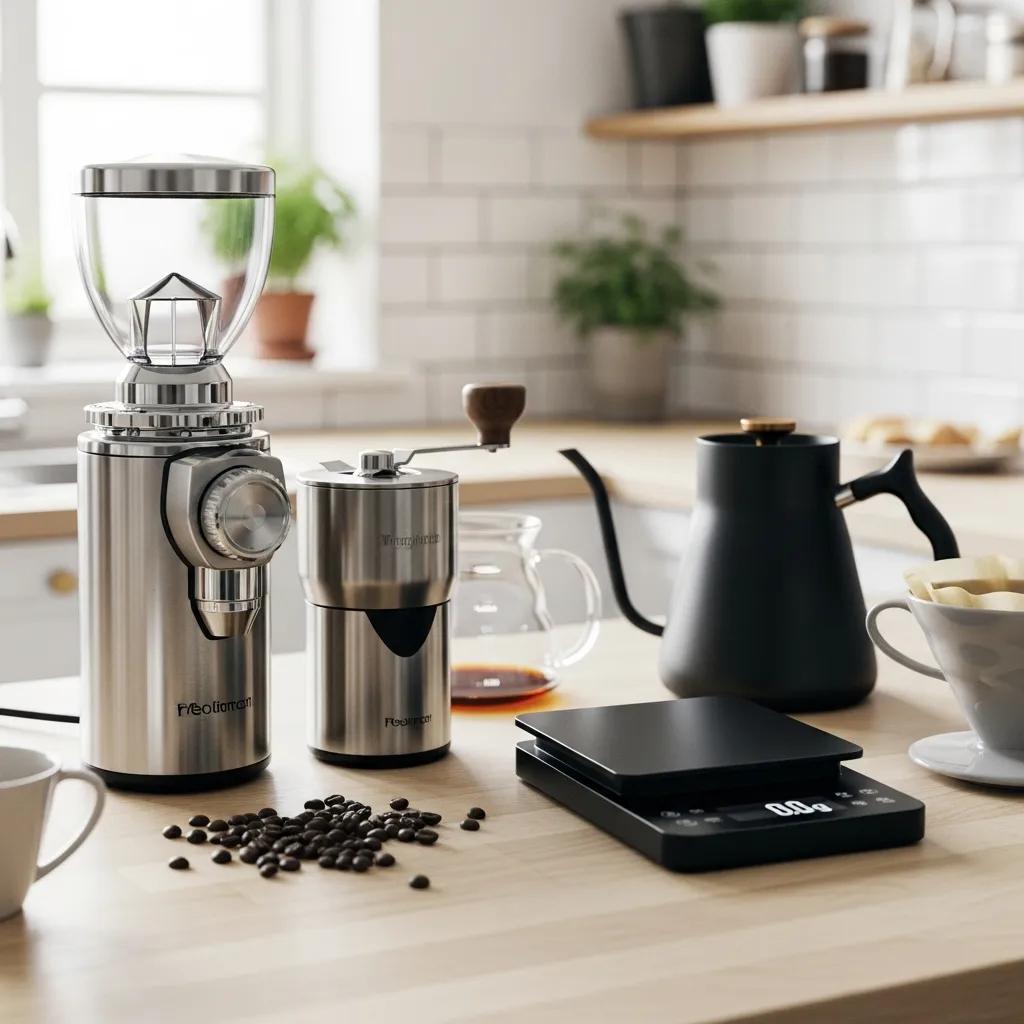
Choose grinders and accessories with consistency and retention in mind, aligning them to your preferred methods. Burr grinders—conical or flat—create uniform particle distributions that support predictable extraction; blade grinders produce uneven particles and aren’t recommended for specialty results. Essential tools include a scale for precise ratios, a gooseneck kettle for pour control, filters matched to your method and a reliable timer. Below is a practical comparison of grinder tiers to help you decide by budget and use case.
Because the grinder determines particle distribution, upgrading it often produces the most noticeable improvement in cup quality.
How to Choose the Best Coffee Grinder for Your Brewing Method?
Pick a grinder based on the methods you use most, focusing on consistency, adjustment range and retention. Daily espresso demands a stepless grinder with fine control and low retention; if you mostly brew pour‑over, a mid‑range burr grinder with clear steps is a sensible, cost‑effective choice. Consider burr material (steel vs ceramic), hopper size, noise and upkeep—cleaning burrs regularly preserves consistency and flavor. Typical grind ranges: coarse for cold brew, medium‑coarse for French press, medium for pour‑over, fine for espresso. Test settings, record them on your scale and keep a log. The right grinder and upkeep reduce variability and simplify troubleshooting.
What Specialty Coffee Equipment Elevates Home Brewing?
Precision tools add control and clarity: a 0.1g scale, variable‑temperature kettle, refractometer for extraction yield and a PID‑controlled espresso machine for steady brew temperatures. Prioritize upgrades that yield measurable gains: a gooseneck kettle improves pour control for pour‑over; a quality tamper and distribution tool reduce channeling for espresso. Refractometers and software quantify extraction but remain optional for most home baristas—many benefits come from better technique supported by precise scales and a consistent grinder. For discerning palates, curated tools—precision kettles and low‑retention grinders—reveal greater nuance and enhance tasting exercises.
How Do Water Quality and Temperature Affect Coffee Brewing?
Water makes up most of every cup, so its temperature and mineral content strongly shape extraction, acidity, sweetness and mouthfeel. Higher temperatures extract more bitter compounds; lower temperatures preserve acidity and volatile aromatics. Total Dissolved Solids (TDS) and mineral balance (calcium and magnesium) affect mouthfeel and extraction efficiency—water that’s too soft can taste flat, while very hard water can mute acidity and cause scaling. Simple mitigations—filtered water, balanced bottled water or measured mineral additions—produce more consistent results. The table below links water characteristics to flavor impact and practical recommendations.
Controlling these water parameters gives you a dependable lever to refine flavor and supports the temperature guidance that follows.
What Is the Ideal Water Temperature for Different Brewing Techniques?
Optimal temperatures vary because contact time and filtration change how heat extracts solubles. For pour‑over and drip, aim for 90–96°C (195–205°F) to balance acidity and sweetness; small shifts of 1–2°C noticeably affect brightness. Espresso brew‑head temperature combines with pressure and shot time; PID control helps stabilize extraction—baristas commonly prefer temperatures in the low 90s °C, adjusted for roast. Cold brew uses cold or room‑temperature water with long steeps (12–24+ hours), relying on diffusion rather than heat to create a smoother, lower‑acid profile. Matching temperature to method is one of the simplest, most effective ways to fine‑tune sweetness, acidity and body.
How Does Water Quality Influence Coffee Flavor Profiles?
Mineral balance dictates how acids and sugars dissolve and how a cup feels. Calcium and magnesium support extraction and can enhance perceived sweetness, while sodium can flatten nuance. Chlorine and contaminants introduce off‑flavors that mask delicate notes—carbon filtration or letting water settle can help. At home, taste your water for neutrality, use a basic TDS meter or coffee water test kit to check hardness, and consider bottled water formulated for coffee if needed. Improving water quality removes a major source of variation and leads to more reliable tasting and technique development.
What Are Common Coffee Extraction Tips and Troubleshooting Techniques?
Troubleshooting starts by identifying flavor faults and tracing them to grind, ratio, water temperature or brew time, then applying targeted fixes. Sour, thin cups typically point to under‑extraction—coarse grind, low temp or short brew time. Bitter, harsh cups usually indicate over‑extraction—too fine a grind, too‑hot water or excessive contact time. Keep a calibration log—grind setting, dose, yield and time—to reproduce and narrow causes. Preventive maintenance—backflushing espresso machines, cleaning burrs and descaling—preserves consistency and prevents equipment‑related faults. The table below pairs common issues with likely causes and practical fixes for quick reference.
Follow the loop: identify symptom → change one variable → record the result → iterate. That habit brings you to the pre‑brew checks in the next section.
How to Avoid Common Brewing Mistakes at Home?
Consistency starts with a reliable pre‑brew routine: weigh coffee and water, keep a steady grind, rinse filters to remove papery flavors and preheat equipment to stabilize temperature. Use fresh beans roasted within an optimal window and store them in an opaque, airtight container away from heat and light; grind immediately before brewing to capture aroma. Run a short checklist each session—measure dose, confirm grind, set kettle temperature, start the timer—so every result follows an intentional change instead of chance. These rituals reduce guesswork and speed learning, and they link naturally to troubleshooting espresso machines when needed.
This short checklist helps ensure repeatable results:
- Weigh coffee and water every brew to maintain your ratio.
- Rinse filters and preheat gear to stabilize brew temperature.
- Grind fresh and make small, incremental adjustments for new beans.
- Record grind setting, dose, time and temperature to build reproducibility.
Using this checklist will cut down on inconsistent cups and clarify which variables need attention.
What Are Effective Troubleshooting Tips for Espresso Machines?
Espresso upkeep centers on pressure and temperature stability, group‑head cleanliness and steam wand care. Fluctuating pressure or irregular shot flow often signals a clogged group head or worn seals—regular backflushing with detergent and gasket replacement when needed keeps performance steady. Wipe and purge the steam wand after each use to prevent milk residue; occasional deep cleaning removes proteins and fats that cause off‑flavors. If problems persist—long warm‑up times or unstable pressure—document pump pressure, temperature and shot time, then consult a technician. Good records help both you and the service technician find the root cause faster.
How Can You Develop Your Coffee Tasting Skills and Flavor Profiles?
Building tasting skills is deliberate sensory training: learn to detect aroma, acidity, body, sweetness and finish so you can turn impressions into technical adjustments. Structured cuppings teach you to separate fragrance from taste, identify acidity types (malic, citric), assess body (light to syrupy) and note aftertaste length. Use a flavor wheel to name descriptors and practice blind tastings to reduce bias; track how changes in grind, ratio or temperature affect perceived sweetness or brightness. Sensory training makes your brew decisions more precise and deepens appreciation for provenance and presentation—principles Kaviar Restaurant applies in its tasting experiences. Consider booking a sensory tasting to see how coffee and cuisine interact and to refine your at‑home approach.
Tasting practice works best with a few focused exercises:
- Smell three different coffees side‑by‑side to separate floral from fruity notes.
- Compare cups at the same serving temperature to judge acidity and sweetness.
- Change one variable at a time (grind or temperature) and record the sensory differences.
These exercises create a feedback loop: sensory observation informs technical tweaks, leading to steady improvement and a closer link to premium culinary experiences.
What Are the Key Coffee Flavor Notes to Identify?
Common flavor categories include fruity (berry, citrus), floral (jasmine, bergamot), nutty, chocolate and earthy or herbal notes—each often reflects origin, processing or roast. Start by smelling dry grounds, then the brewed cup—capture volatile aromatics first, then taste for acidity character (bright, winey, citric), body (thin to syrupy) and finish length. Learning these descriptors and connecting them to processing or roast helps you select beans: washed coffees tend toward cleaner acidity and brightness; natural processes often highlight intensified fruitiness. Regular comparisons across origins build your vocabulary and let you dial brewing to emphasize or soften particular notes.
How Does Sensory Experience Enhance Home Brewing Mastery?
Sensory awareness directs practical adjustments—if a brew is overly acidic, coarsen the grind or raise temperature slightly to bring sweetness forward; if the cup feels flat, improve water mineralization or increase extraction yield. Food pairing shifts perception—fatty dishes mute acidity and amplify sweetness, while acidic foods can make coffee seem more bitter—so pairing experiments sharpen your understanding of context. Environmental factors like cup temperature, ambient aromas and presentation also shape perception; control these during tastings to reduce noise. In short, stronger sensory skills make technical changes purposeful and measurable, bringing home brewing closer to the refined consistency of fine dining.
How Does Mastering Coffee Brewing Align with a Luxury Dining Experience?
Great coffee and luxury dining share the same foundations: careful sourcing, precise technique, flawless timing and sensory storytelling that enhance the guest experience. Both value provenance—knowing a bean’s origin is akin to understanding the source of a prized ingredient—and precision in technique reveals subtle flavors. Kaviar Restaurant embodies this approach through sensory‑led service and premium ingredients; apply the same mindset to coffee—thoughtful selection, measured extraction and attentive presentation—and your at‑home ritual becomes more considered and elevated. For those who want to deepen that connection, a sensory‑focused tasting at a fine dining venue can reveal pairing insights you can bring back to your kitchen.
Practical lessons to borrow from fine dining:
- Mise en place: prepare equipment and ingredients before you brew.
- Ingredient respect: choose beans with clear origin and roast information.
- Timing and sequence: follow consistent steps for repeatable results.
Adopting these practices makes brewing more intentional, improves presentation and creates a ritual that mirrors fine dining craftsmanship.
What Can Home Brewers Learn from Fine Dining Craftsmanship?
Home brewers benefit from mise en place—measure ingredients and preheat equipment as chefs do—so service flows without interruption. Precision in timing—bloom, pulse pour or shot timing—preserves ideal flavor the same way a well‑timed plating keeps textures at their best. Respecting provenance means selecting single‑origin beans or trusted roasters and learning processing notes to anticipate flavor, just as fine dining emphasizes traceability and ingredient story. These cross‑discipline habits reduce variability, improve presentation and cultivate a hospitality mindset that enhances both casual gatherings and serious practice.
How to Connect Coffee Brewing Techniques with Premium Ingredient Quality?
Bean choice and storage shape the final cup, much like premium produce defines a dish. Select beans with clear origin and roast dates, and store them in airtight, opaque containers away from heat and light to preserve volatile aromatics. Lighter roasts reveal origin-driven acidity and floral or fruity notes; darker roasts emphasize caramelization and body—match roast to method (lighter for pour‑over, slightly darker for espresso) to showcase the flavors you want. Pair coffee with food thoughtfully—match acidity to fatty dishes or pair chocolatey beans with desserts—to amplify both elements. Prioritizing bean quality and proper storage is one of the simplest, highest‑impact upgrades for home brewers.
Frequently Asked Questions
What is the importance of grind size in coffee brewing?
Grind size controls extraction rate by changing the coffee’s surface area. Finer grinds increase extraction speed and can lead to bitterness if over‑extracted; coarser grinds slow extraction and can produce sour notes if under‑extracted. Each method has an ideal range—espresso needs a fine grind, French press a coarse grind—so adjusting grind size is essential to balance flavor.
How can I improve my coffee tasting skills at home?
Improve tasting with deliberate, repeatable practice. Host cuppings to compare coffees side‑by‑side, use a flavor wheel to name aromas and practice blind tastings to reduce bias. Keep a tasting journal to record observations and the variables you changed. Over time, these habits sharpen your palate and help you link sensory notes to technical adjustments.
What role does water temperature play in coffee extraction?
Water temperature affects which compounds dissolve during brewing. Higher temperatures (about 90–96°C) pull more bitter compounds; lower temperatures preserve acidity and delicate aromatics. Each method has an ideal range—pour‑over typically benefits from 90–96°C, while cold brew uses cool water and long steep times. Adjusting temperature is an effective way to fine‑tune balance.
How can I troubleshoot common coffee brewing issues?
Start by identifying the flavor fault. Sourness often means under‑extraction—coarse grind or low temp; bitterness usually means over‑extraction—too fine a grind or too hot water. Keep a log of grind size, temperature and time so you can isolate the variable causing the issue and make focused adjustments for more consistent results.
What are the benefits of using a scale in coffee brewing?
A scale brings precision to both coffee and water measurements, which is key for repeatability. Accurate ratios lead to predictable extraction and a balanced cup. Scales also let you experiment with ratios and document outcomes—especially useful for pour‑over and espresso, where small differences matter.
How does the choice of coffee beans affect the brewing process?
Beans determine the cup’s foundational flavor and aroma. Origin, processing and roast level all contribute—single‑origin beans often highlight distinctive notes, while blends offer complexity. Freshness matters: recently roasted beans give stronger aroma and flavor. Knowing your beans helps you choose appropriate brewing parameters for the best extraction.
What is the significance of water quality in coffee brewing?
Water quality is critical because it makes up most of the cup. Mineral content and pH affect extraction and mouthfeel—balanced levels of calcium and magnesium support better extraction and body. Filtered or bottled water can remove chlorine and other impurities that cause off‑flavors. Paying attention to water quality improves consistency and taste.
Conclusion
Mastering home coffee brewing gives you the tools to produce consistently excellent cups that reflect your taste and care. By learning grind, water and method fundamentals and by investing a little time in technique and equipment, you can lift your daily coffee toward the standards of fine dining. Treat the practice as an ongoing craft: experiment, record, refine and enjoy the results. When you’re ready, explore our curated selection of premium beans and brewing gear to take the next step.