




Mastering Sous Vide at Home: Precision Techniques for Luxury Ingredients
Sous vide is a disciplined, temperature-driven technique that cooks food in a controlled water bath to an exact doneness while locking in moisture and pure flavor. For home cooks, sous vide delivers predictable textures and lets you coax restaurant-quality results from prized ingredients—think A5 Wagyu or sturgeon caviar—without guesswork. This guide walks you through how sous vide works, the equipment that gives consistent outcomes at home, and the practical steps to prepare luxury ingredients safely and gracefully. You’ll find equipment priorities, concise recipes inspired by omakase plating, and a handy temperature chart for common proteins. We also cover vacuum-sealing and safety best practices, plus pairing and service notes so you can recreate a refined sequence at home or decide when to leave it to the professionals. Throughout, terms like precision cooking, vacuum sealing, and sous vide safety are used to build a clear progression from setup to advanced finishing.
What Is Sous Vide and Why Should Home Chefs Learn It?
Sous vide is low‑temperature precision cooking: food is sealed and held in a thermostatically controlled water bath until the interior reaches the target temperature. Water’s even heat transfer, paired with precise control, produces uniform doneness from edge to center—eliminating overcooked margins and preserving delicate textures. Home cooks who adopt sous vide gain reproducibility, improved flavor infusion through vacuum sealing, and safer handling of high‑value ingredients. These strengths make sous vide especially well suited to luxury preparations where texture and yield are paramount.
Kaviar’s kitchen philosophy emphasizes exact temperatures and ingredient‑led restraint, and that same attention to detail translates directly to home sous vide. With mise en place, calibrated tools, and a deliberate finishing plan, you can introduce omakase‑level clarity and restraint to your plates. Thinking like a fine‑dining kitchen helps you treat precision cooking as a craft worth mastering—especially if texture and presentation matter to you.
How Sous Vide Improves Flavor and Texture at Home
Sous vide uses steady, low heat to denature proteins uniformly and render fat slowly, avoiding the moisture loss of high‑heat methods. Because the water bath holds a constant temperature, the interior of meat or fish reaches a single, predictable doneness instead of a gradient of overcooked edges and undercooked centers. Vacuum sealing presses aromatics and brines close to the surface, allowing subtle flavor transfer without dilution. A steak from the bath will have an even rare‑to‑medium band with a silky bite; salmon set at the right temperature becomes almost custard‑like—textures that conventional methods struggle to reproduce.
This controlled approach also gives you freedom with finishing: a fast sear or brief torching can produce a crisp Maillard exterior while preserving the interior’s texture. Once you understand these mechanics, you can choose precise temperatures and finishing moves to achieve the exact mouthfeel you want for each ingredient.
What Are the Practical Benefits of Precision Temperature Control?
Precision temperature control offers three connected advantages: repeatability, microtexture control, and preservation of ingredient value. Repeatability means consistent doneness across cooks and occasions. Microtexture control lets you select subtle differences—rare, medium‑rare, medium—by a few degrees rather than by guesswork. And for costly cuts like A5 Wagyu, tight control minimizes shrinkage and overcooking so you extract ideal fat rendering and mouthfeel.
- Repeatable results: Setpoints give consistent doneness every time.
- Fine texture control: Small temperature shifts create distinct mouthfeels.
- Less waste: Exact cooking reduces trimming loss and prevents overcooking premium proteins.
These benefits are the foundation for applying sous vide to luxury ingredients and for scaling a technique from single plates to an ordered multi‑course sequence—essential when recreating refined dining at home.
Which Essential Tools Do Home Chefs Need for Sous Vide Success?

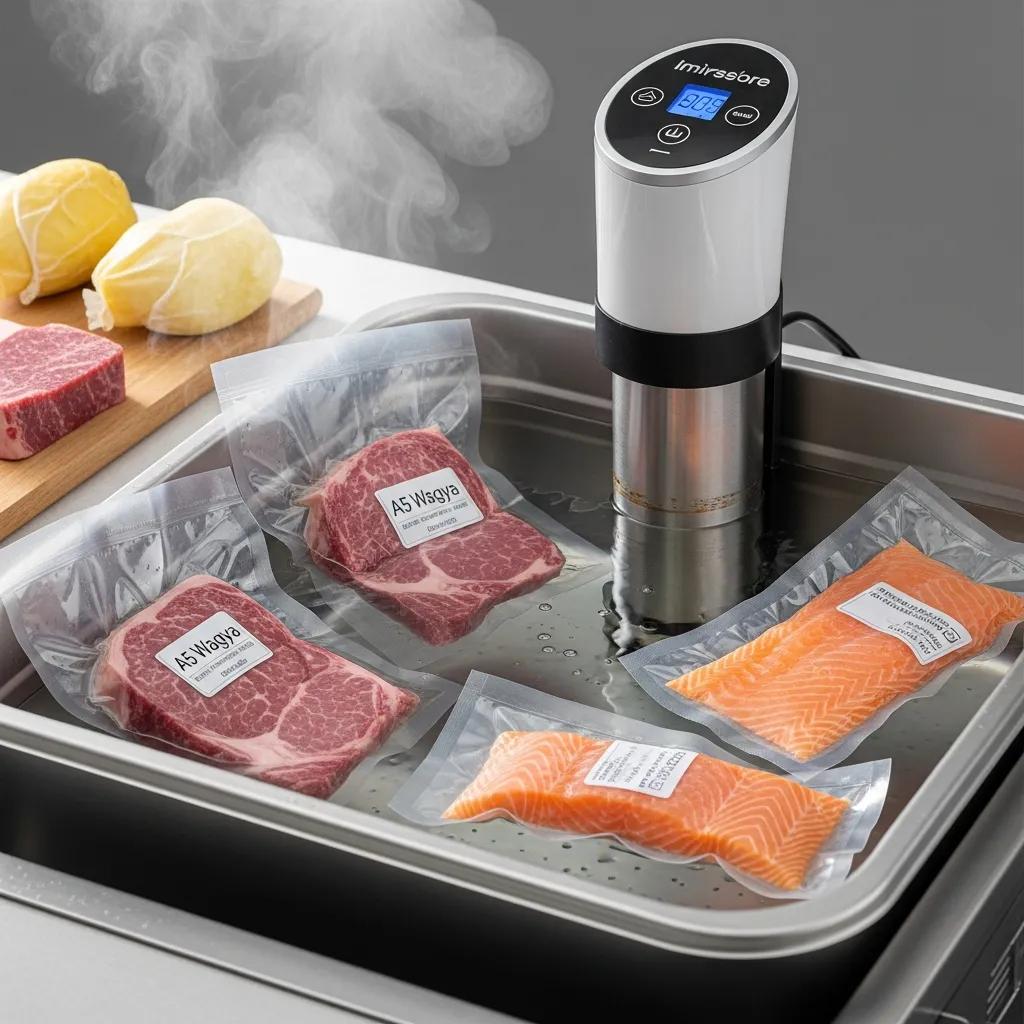
Reliable sous vide at home depends on a small set of dependable tools: an accurate immersion circulator, a method to remove air (vacuum sealer or displacement), a correctly sized water container, and a finishing tool for browning. The circulator provides PID‑style temperature regulation and steady circulation; vacuum sealing prevents bag float and improves contact for flavor transfer; and a heavy pan, salamander, or torch gives the quick, high heat needed to finish and texture the exterior. Useful accessories—bath racks, silicone lids, clips—round out a setup focused on precision and convenience.
Below is a quick equipment comparison to help you prioritize features when selecting devices for home fine‑dining results.
This comparison explains why certain specs matter for precision cooking and guides the purchase decisions we discuss next.
How to Choose the Best Sous Vide Machine for Home Use
Prioritize measurable attributes: temperature precision, pump power for circulation, and durable build quality. For typical home baths, look for models with stable PID control and ±0.5°C accuracy or better—precision directly affects delicate ingredients. Consider pump strength if you’ll cook larger batches or use tall containers. Smart features (app control, timers) are convenient, but thermal stability should be the primary criterion. Durability and responsive support matter when an immersion circulator becomes a regular tool in your kitchen.
Think about how you’ll use the device: a committed home chef assembling multi‑course sequences benefits most from accuracy and strong circulation; casual users can trade some features for cost savings without sacrificing core results.
Why Vacuum Sealers and Water Baths Work Together
Vacuum sealing and the water bath are complementary: the sealer removes air so seasoning contacts the protein directly, while the bath supplies steady heat to reach the target doneness. Vacuum sealing reduces oxidation, concentrates aromatics, and stabilizes fragile items; when a sealer isn’t available, the water displacement method is a reliable alternative for many home cooks. Proper bath setup needs space for circulation, a lid to limit evaporation, and occasional top‑ups for long cooks to preserve volume and temperature.
- Pros of vacuum sealing: Better flavor infusion, stable bag positioning, longer refrigerated holding.
- When to use displacement: Shorter or lower‑value cooks, or when a sealer isn’t on hand.
- Troubleshooting: If bags float, use clips, small weights, or a mesh rack to keep food submerged.
With alternative sealing methods and thoughtful bath setup, you can handle both straightforward and advanced sous vide projects at home.
How to Prepare and Cook Premium Ingredients with Sous Vide
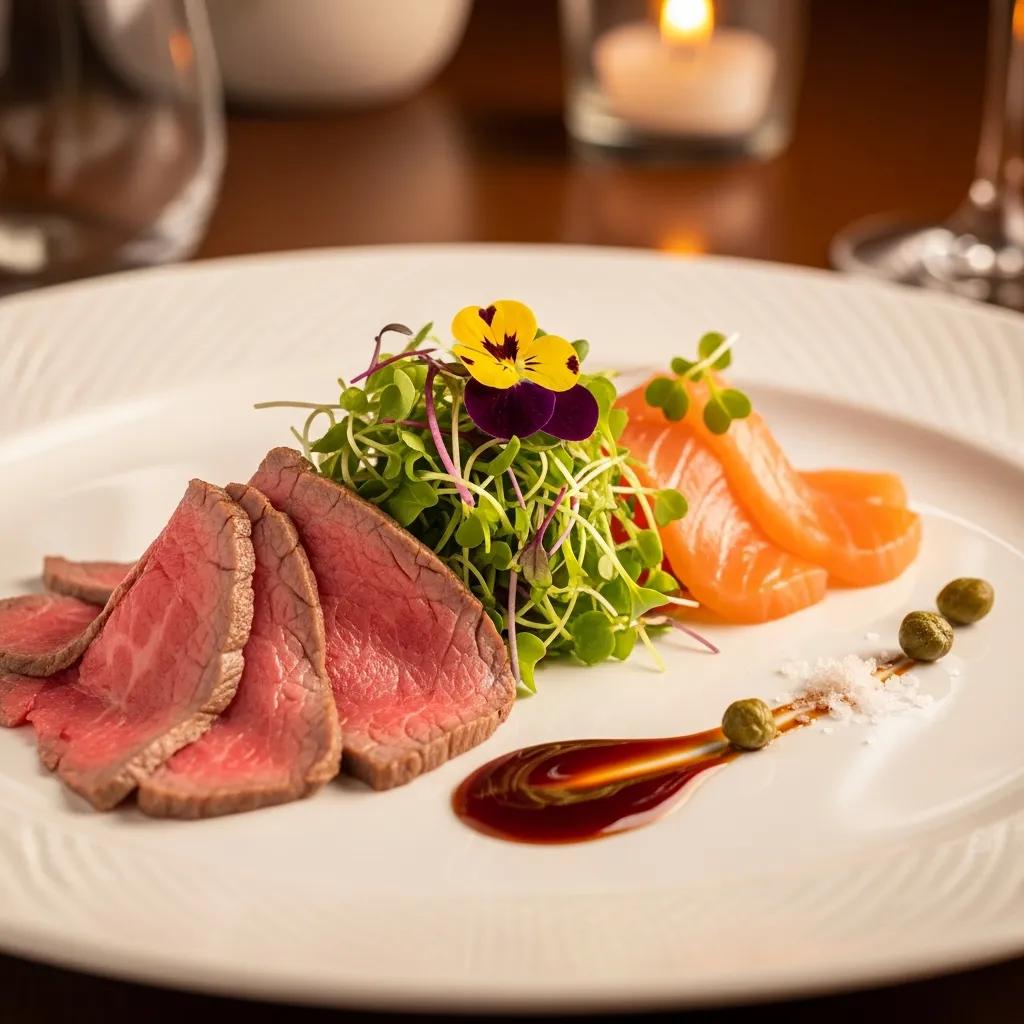
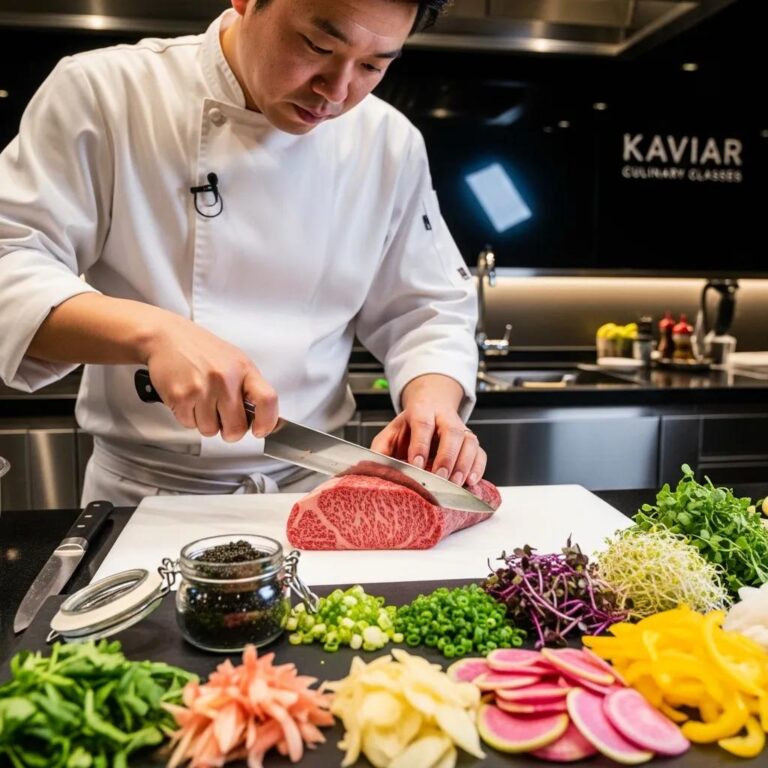
Preparing premium ingredients begins with exacting mise en place: trim and portion with restraint, season sparingly to let the ingredient speak, and choose fats or aromatics that support rather than overpower. For A5 Wagyu or delicate roe, the goal is to preserve texture while enabling a precise finish that complements the ingredient’s natural qualities. Mise en place also includes timing and laying out finishing tools to avoid excessive handling and to protect presentation. The table below pairs Kaviar‑style dishes with the critical sous vide steps that produce the intended dining result.
Mapping technique to outcome clarifies how a focused sous vide step elevates luxury ingredients and sets up the concise recipes that follow.
Step‑by‑Step Sous Vide Recipes Inspired by Kaviar
These compact, technique‑first recipes are designed for home replication of Kaviar‑inspired plates. Each entry emphasizes temperature, time, and the finishing cue so you can achieve consistent fine‑dining textures.
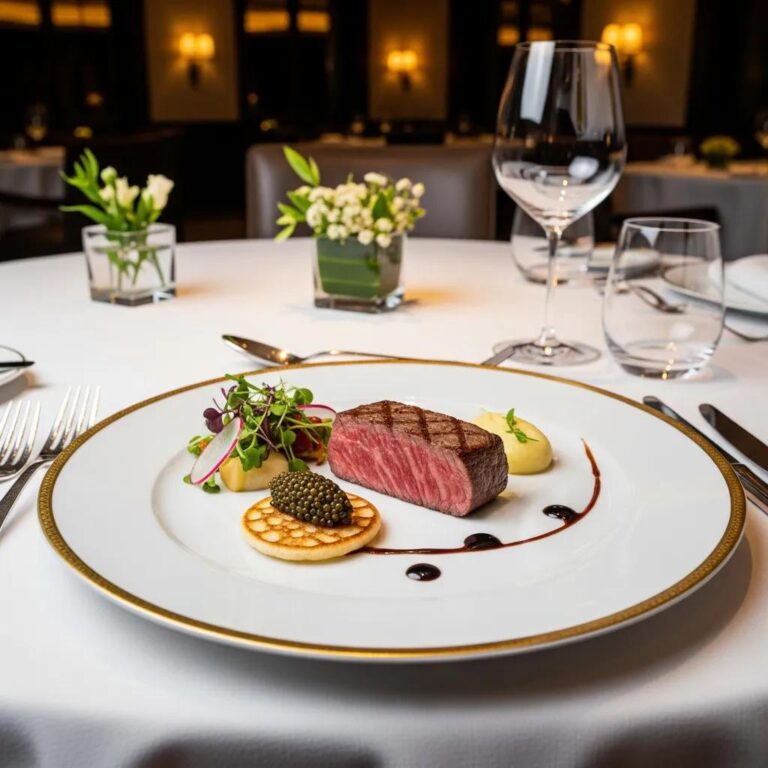
- Wagyu Medallions (serves 2): Season lightly, vacuum‑seal with a small knob of neutral oil, sous vide at 52°C (125°F) for 30–45 minutes depending on thickness. Remove, pat dry, and sear in a blazing‑hot pan or with a torch for 15–30 seconds per side. Rest briefly and slice thinly to showcase rendered fat and tenderness.
- Salmon with Dashi Finish (serves 2): Salt‑brine briefly, vacuum‑seal with a splash of dashi or light soy, sous vide at 50°C (122°F) for 25–30 minutes. Finish with a quick brush of reduced dashi and a hot skillet or salamander to add color. Serve with a restrained garnish to preserve texture.
- Soft Egg Custard with Caviar (yields 2 portions): Whisk eggs and cream, strain into heatproof jars, and sous vide at 80°C (176°F) for 15 minutes for a silky set. Chill or serve warm topped with a small spoon of chilled caviar and warm, buttered toast points.
These outlines focus on the sous vide essentials—temperature, time, finish—so you can reproduce signatures and refine seasoning and plating to suit your own omakase sequence.
How to Sous Vide A5 Wagyu and Serve Caviar Properly
A5 Wagyu benefits from low‑temperature holding that gently renders intramuscular fat while preserving texture. Aim for modest low temperatures to melt fat without collapsing structure: short holds at slightly higher temps or brief holds at lower temps work depending on thickness. Finish Wagyu with an intense, ultra‑brief sear—either a smoking‑hot pan or torch—to create a thin browned edge that contrasts the buttery interior. Caviar should never be cooked; serve it chilled or on slightly warmed accompaniments prepared by sous vide so the roe’s delicate flavor remains pristine while pairing with textural bases.
Handle caviar minimally and keep portions small to protect texture. Pair it with a warm sous vide custard or tender blini so the contrast between warm base and chilled roe becomes part of the dish’s design.
Precision Tips for Consistently Great Sous Vide Results
Consistency comes from calibration, timing discipline, thoughtful seasoning, and controlled finishing. Regularly verify your circulator with an independent thermometer to catch any drift. Remember carryover and resting: sous vide brings food to an exact internal temperature, and finishing adds heat mainly to the surface—plan finishes accordingly. Salt timing affects water retention and texture, so test salt‑before‑vacuum versus finishing salt to find what suits each ingredient.
Below is a compact temperature and timing reference for common luxury ingredients—use it as a practical sous vide temperature chart when planning cooks.
These ranges are conservative and prioritize texture and safety—use them to inform timing and finishing choices in your recipes.
How to Control Temperature and Time for Different Ingredients
Match the setpoint to the desired texture, ensure bags are placed for free circulation, and use a bath volume that keeps the circulator stable. Let the bath reach setpoint before adding food; space bags so water flows around each piece and avoid overcrowding, which slows heating. For thicker cuts, plan longer times within the table’s ranges and verify internal temperature with an instant‑read probe when needed. For delicate proteins, use shorter times in the recommended windows to preserve texture while ensuring safe pasteurization where required.
Prevent air pockets by double‑sealing or using a reliable clip system, and allow a short rest after finishing to harmonize temperature and texture before plating.
Best Practices for Vacuum Sealing and Ingredient Prep
Good vacuum sealing depends on bag quality, clean seals, and moisture control. Use high‑barrier vacuum bags made for sous vide and leave enough edge for a secure seal. When sealing wet items, blot the seal area with a paper towel or use a heat‑seal strip to avoid leaks. For fragile items, consider heatproof jars or lower vacuum settings to prevent crushing while still removing most air.
- Prep checklist: Trim precisely, pat dry for a better Maillard finish, season sparingly, and add a modest fat or aromatics package if it enhances but doesn’t overpower.
- Sealing tip: Double‑seal high‑value items and label bags with cook time and setpoint to avoid mixups during multi‑course service.
These steps minimize mechanical failures and protect the integrity of expensive ingredients while keeping temperature control precise.
How to Keep Sous Vide Cooking Safe and High Quality at Home
Sous vide is safe when you follow time‑temperature pasteurization principles, cool rapidly for storage, and maintain hygienic handling. Pasteurization relies on both temperature and time—lower temperatures require longer holds to reach equivalent microbial reduction. If you’re not serving immediately, chill cooked bags quickly in an ice bath, then refrigerate. Keep surfaces and utensils clean when handling raw proteins, especially with items eaten lightly cooked.
Is Sous Vide Cooking Safe? Key Safety Guidelines
Yes—when practiced correctly. Follow these core guidelines to reduce risk.
- Keep the water bath at verified setpoints and confirm with an independent thermometer.
- For long cooks, cover the bath to limit evaporation and check periodically for volume loss.
- Rapidly chill cooked bags in an ice bath for 30–60 minutes before refrigerating if not serving immediately.
- Maintain sanitary handling, separate raw prep from finished food staging, and discard compromised bags or failed seals.
These practical steps let home cooks enjoy sous vide’s textural benefits while meeting basic food‑safety standards.
How to Preserve Ingredient Quality and Hygiene
Preserving quality for premium ingredients means sourcing responsibly, minimizing handling, and holding at proper temperatures until use. Buy A5 Wagyu and caviar from reputable suppliers and inspect packaging and storage; keep items refrigerated until just before sealing and limit ambient exposure. For caviar, maintain the cold chain and avoid direct heat—serve chilled with sous vide‑warmed accompaniments on the side. When sealing, work with clean hands and sanitized surfaces to prevent cross‑contamination between raw and ready‑to‑serve items.
These sourcing and hygiene habits protect fragile textures and flavors and reduce the risk of spoilage that can undermine a fine‑dining experience at home.
How to Pair Sous Vide Dishes for a Fine‑Dining Sequence at Home
Pairing sous vide dishes is about balancing texture and intensity with complementary wines, sides, and course order. The restrained, precise texture of sous vide proteins pairs well with elements that introduce acidity, crunch, or umami contrast—pickles, light purées, crisp vegetables, or a reduced dashi glaze that supports rather than masks the main ingredient. Sequence courses from lighter seafood to richer beef, serve small portions, and pace service deliberately to emulate professional flow.
Here are concise pairing suggestions to guide a luxury sous vide menu.
- A5 Wagyu: Light‑ to medium‑bodied red with supple tannins or a balanced junmai sake; pair with umami‑forward accents like a miso‑glazed root purée.
- Salmon and delicate seafood: Dry white or Champagne to cut richness; bright pickles or yuzu highlights work well.
- Caviar: Champagne or a very dry sparkling; serve with neutral blini and a silky sous vide egg or buttered toast.
These pairings focus on textural interplay and a sequence that honors each ingredient’s primary qualities.
Wine and Side Pairings to Complement Luxury Sous Vide Ingredients
Choose wines and sides that contrast sous vide textures with acidity, tannin, or tactile contrast. For A5 Wagyu, select wines or sake that lift without overpowering the fat and pair with minimal purées, charred vegetables, or pickled elements for counterpoint. For seafood and caviar, lean, crisp wines and sparing accompaniments keep brininess and ocean notes front and center. Aim for sides that add a tactile counterpoint—crispness, acidity, or umami—so each bite balances temperature, texture, and flavor.
How to Recreate Kaviar’s Omakase Ambiance at Home
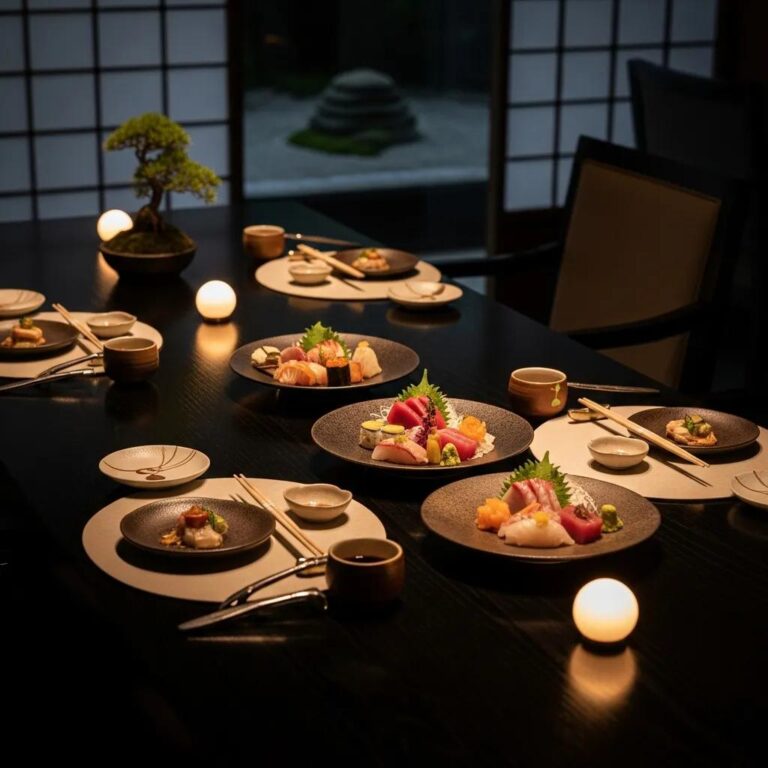
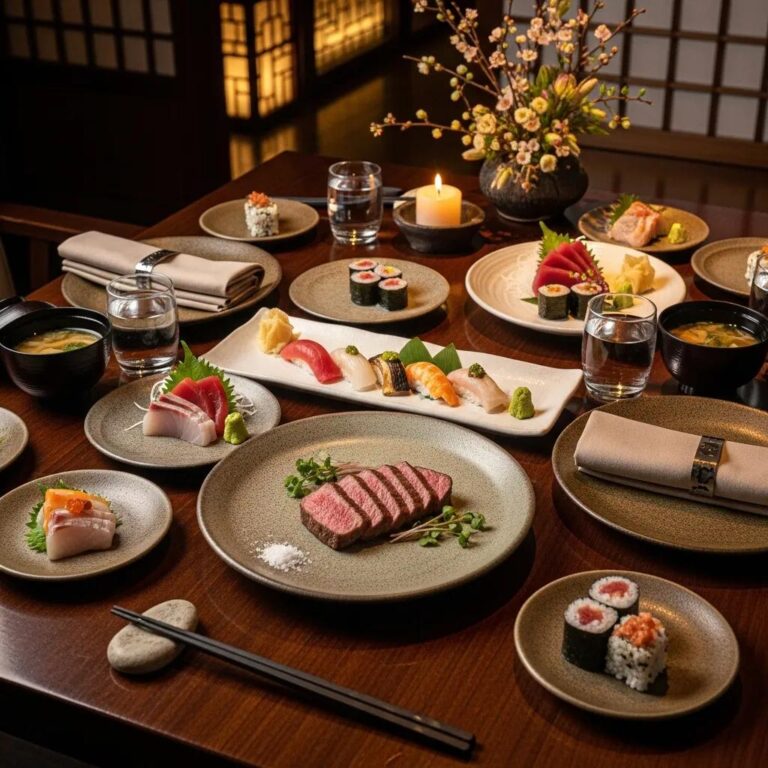
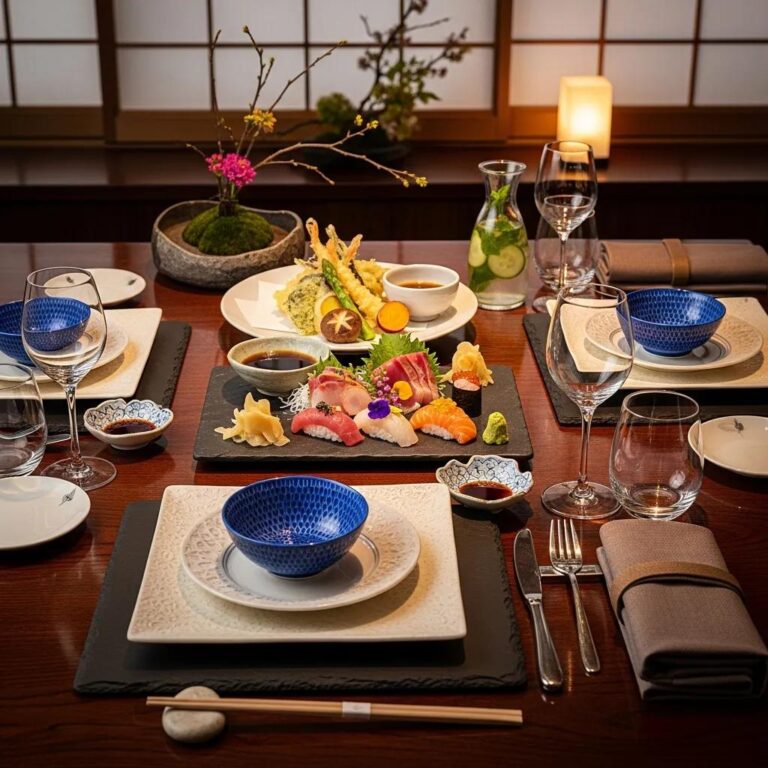
To evoke an omakase experience, focus on measured pacing, minimal plating, and small theatrical moments that highlight each course. Control portion sizes to encourage tasting, choose simple, elegant plates that frame the ingredient, and time service so each dish arrives at its optimal temperature. Soft lighting, a curated playlist, and a brief verbal note about each course deepen the sense of curated hospitality and reveal the chef’s intent.
- Ambiance checklist: dimmable lighting, a short playlist, restrained tableware, small portions, timed intervals, and deliberate plating tools.
- Service flow example: Begin with a chilled seafood amuse‑bouche, follow with a warm sous vide custard crowned with caviar, continue with a balanced fish course, and close with a concise Wagyu interlude.
If you prefer to experience a full professional sequence, Kaviar Restaurant’s in‑house omakase showcases precision cooking and premium ingredients—consider reserving a table through Kaviar Restaurant’s reservation page for an immersive comparison. Seeing the techniques and pacing in a trained kitchen can inform and inspire your at‑home practice.
Mastering sous vide at home brings scientific temperature control together with careful finishing and thoughtful presentation, giving cooks the confidence to prepare luxury ingredients with clarity and elegance. If you’d like to explore the complete omakase experience created by precision‑minded professionals, reserve a table at Kaviar Restaurant to observe the techniques and rhythm that inform these home adaptations.
Frequently Asked Questions
Which foods work best with sous vide?
Sous vide excels with proteins—meats, fish, and eggs—where precise doneness and texture matter. Steaks, pork, and poultry benefit from low‑temperature control for tenderness; delicate fish like salmon retain moisture and yield a refined texture. Vegetables can be cooked sous vide to concentrate flavor and preserve nutrients, and custards or infusions are other natural fits for the method. In short, sous vide is versatile across savory and sweet applications when you want predictable results.
How long is sous vide food safe to store?
Properly vacuum‑sealed sous vide‑cooked food can be refrigerated safely for up to 48 hours. For longer storage, freeze the cooked items—frozen cooked portions can keep for several months. Always cool cooked food rapidly in an ice bath before refrigerating or freezing to minimize bacterial growth and preserve texture. Reheat to the appropriate temperature before serving.
Can I sous vide without a vacuum sealer?
Yes. The water displacement method—inserting food in a resealable bag and submerging it to push air out before sealing—works well for many home cooks. It’s less airtight than a vacuum sealer but can still yield excellent results for many applications. Ensure the bag is sealed tightly and monitored for any leaks during the cook.
What common mistakes should I avoid with sous vide?
Avoid adding food before the bath reaches setpoint, overcrowding the vessel, and neglecting to verify your circulator’s calibration. Poor seals can let water in and spoil a cook; incorrect temperatures or times can compromise both texture and safety. Finally, don’t skip a brief rest after finishing—resting harmonizes temperature and texture for better results.
How do I know when sous vide food is done?
Sous vide food is done when it has reached the target internal temperature and held there for the required time. Because the method holds food at a precise temperature, follow recommended cook times for the desired doneness. For thick cuts, use an instant‑read thermometer to confirm internal temperature. One advantage of sous vide is flexibility—food can remain in the bath longer without overcooking, provided the temperature is correct.
Which finishing techniques lift sous vide dishes?
Finishing is where sous vide shines. Quick, high‑heat techniques—searing, torching, or broiling—create the Maillard crust that adds flavor and texture. For meats, a fast sear in a very hot pan produces a crisp exterior while preserving the interior. For vegetables, a brief char enhances sweetness. Thoughtful garnishes—fresh herbs, focused sauces, or precise accompaniments—complete the plate.
Conclusion
Learning sous vide empowers home chefs to achieve consistent, restaurant‑grade results through careful temperature control and considered finishing. With the right techniques and gear, you can lift luxury ingredients like A5 Wagyu and caviar into memorable dishes. Embrace sous vide as a tool for clarity and restraint, and explore our curated selection of premium cooking tools to support your practice. Begin your journey—transform your kitchen into a refined space for precise, thoughtful cooking.