




Wine Service & Etiquette: Sommelier Essentials for Elevated Fine Dining
Thoughtful wine service is the quiet architecture behind an unforgettable meal. This guide breaks down what wine etiquette looks like in practice, how a sommelier blends technical skill with attentive hospitality, and why those details transform a dinner into a curated experience. You’ll find clear, usable instruction on pouring, glassware choice, tasting protocol and pairing — with specific notes for delicate cuisines like Japanese omakase. At Kaviar, our focus on A5 Wagyu, caviar and seasonal omakase shows how careful wine work elevates luxury ingredients and informs reservations. We map core sommelier competencies, step‑by‑step pouring choreography, glass etiquette, a practical tasting method with quick-reference tables, pairing strategies for rich proteins and subtle seafood, plus reservation tips to optimize sommelier interaction. After reading, you’ll be able to evaluate wine service with confidence, express preferences clearly, and appreciate how a trained sommelier shapes a balanced, memorable meal.
What Are the Fundamental Sommelier Skills for Wine Etiquette?
In fine dining, wine etiquette is a toolkit of technical and interpersonal skills used to choose, present and serve wine so the guest’s experience improves. These skills connect beverage science — temperature control, decanting, measured aeration — with hospitality fundamentals — clear communication, impeccable timing and quiet attentiveness — producing seamless service and well-considered pairings. When a sommelier masters these elements, dishes sing, service feels effortless and guests leave with something discovered and remembered. Below is a focused list of core competencies every sommelier relies on; the rest of this guide shows how those skills translate into service.
Sommeliers combine precise technique and soft skills; the duties listed next illustrate how both sides of that combination appear in service.
- Selection & Knowledge: Deep cellar awareness and vintage nuance sharpen recommendations.
- Presentation & Pouring: Clear label presentation and steady, controlled pours build trust at the table.
- Decanting & Preservation: Table‑side decanting and proper cork handling manage sediment and oxygen exposure.
- Pairing Strategy: Balancing acidity, tannin and texture so wine supports the food’s flavors.
- Guest Communication: Listen first, offer concise choices, and adapt to tastes and restrictions.
Understanding the Sommelier Role and Responsibilities
A sommelier shapes the beverage story: curating lists, stewarding inventory, and advising guests so wines reinforce the kitchen’s intent. Practically, that means planning pairings for progressions like omakase, coordinating with chefs around seasonal ingredients, and managing temperature, bottle rotation and preservation so every pour arrives in ideal condition. For diners, the sommelier’s value is clear guidance delivered with respect — short, informative explanations and flexible recommendations that account for allergies or personal taste, keeping service confident and aligned with the meal’s rhythm.
With that foundation in place, let’s turn to the presentation and pouring techniques that turn selection into graceful service.
Key Techniques in Proper Wine Pouring and Presentation
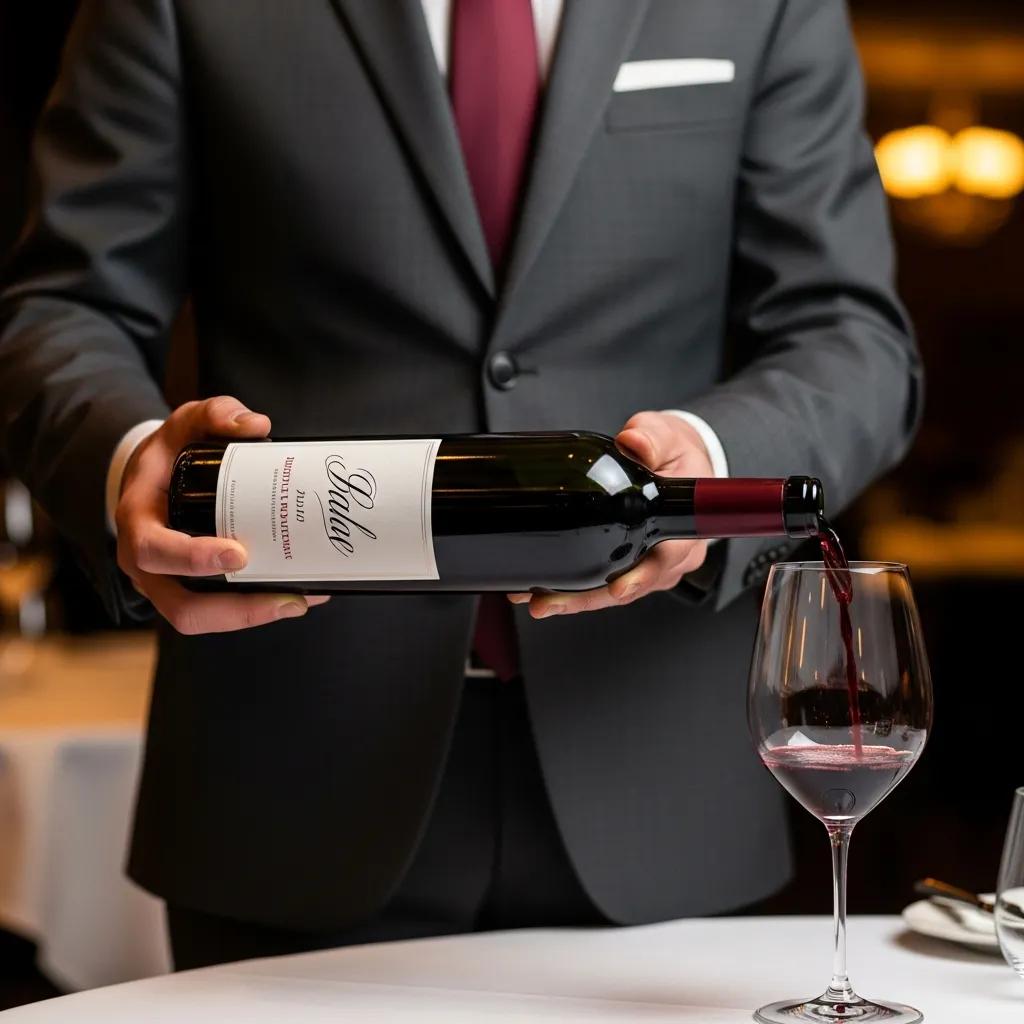
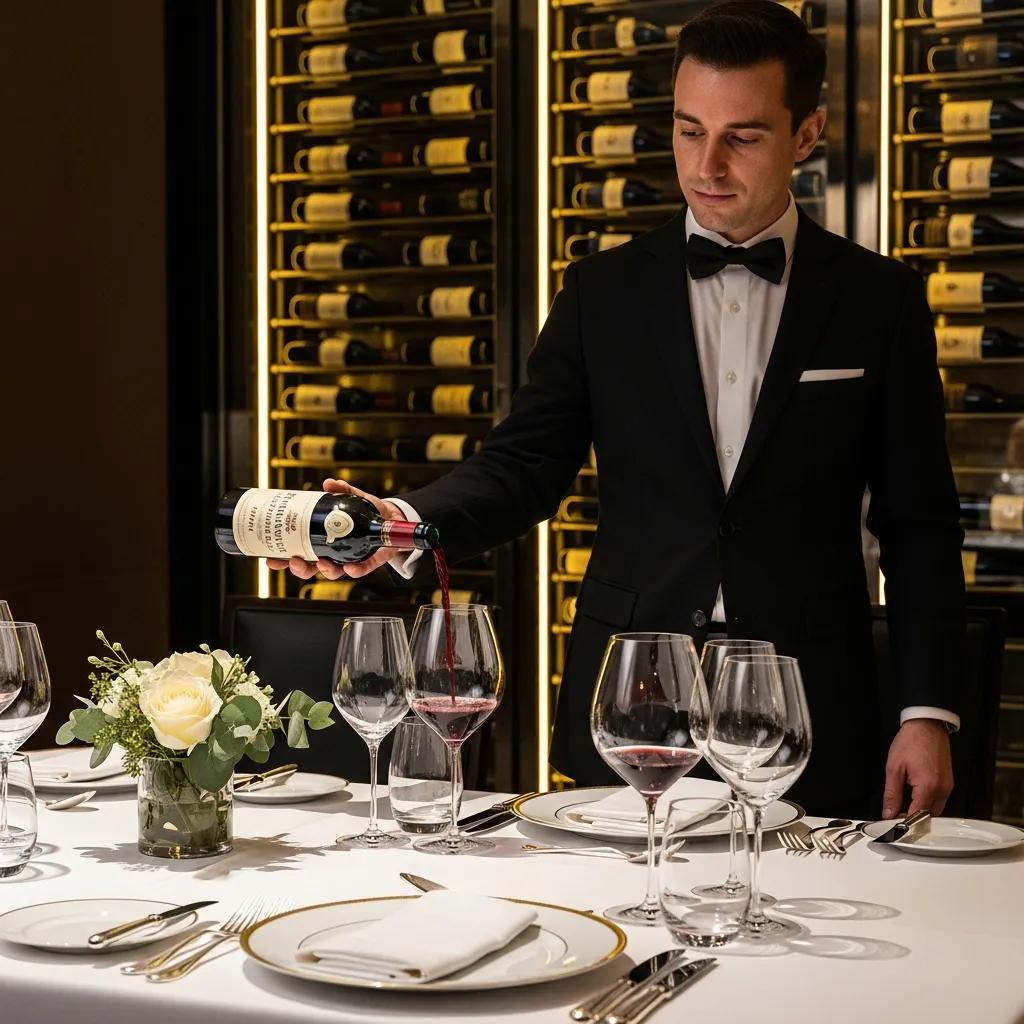
Consistent rituals put guests at ease and protect the wine’s quality: announce producer, vintage and region; show the label; offer a small taste when appropriate; then pour with control. A steady wrist, a clean spout or decanter, and predefined volumes prevent spills and maintain composure. Small details — using a pristine cloth for presentation, wiping the bottle rim, and returning the bottle to the correct side of the station — preserve hygiene and close the interaction politely. These habits communicate transparency and competence without distracting from the meal.
Those presentation fundamentals flow directly into the step‑by‑step pouring choreography below.
How Do You Perform Proper Wine Pouring Techniques in Fine Dining?
Proper pouring follows a reliable sequence designed to protect the wine and create a dignified guest interaction. From label presentation to host approval to measured service pours, each step ensures clarity, cleanliness and consistent volumes. The checklist below is written for training and for guests who want to understand the rhythm of service, including suggested pour sizes to keep pacing aligned with a multi‑course meal.
Follow this numbered guide to reproduce professional service consistently and respectfully.
- Present the Bottle: Hold the bottle with the label visible to the host and announce producer, vintage and region in one clear phrase.
- Offer a Taste: Pour roughly 30–60 ml (1–2 oz) for the host to smell and sip; allow 10–20 seconds for approval.
- Pour the Service: Standard table pours are 120–150 ml (4–5 oz); tasting pours typically range 60–90 ml — keep a steady wrist and avoid splashes.
- Decant When Needed: For sediment or mature wine, decant slowly at the table, watching for sediment at the neck and stopping before it pours out.
- Close Respectfully: Wipe the bottle lip, replace the cork or stopper, return the bottle to the service side and confirm the guest is satisfied.
This choreography depends on the right tools and glassware; the short checklist that follows makes those choices easy to remember.
Introductory table for pouring techniques — a quick, scannable checklist servers and sommeliers can reference during service.
What Are the Essential Wine Glass Etiquette Rules to Follow?
Glass etiquette protects temperature, aroma and the guest’s sensory impression. Holding stemware correctly preserves serving temperature and keeps the bowl clear for visual assessment, while spotless glassware ensures aromas are not masked by residues. Behind the scenes, staff polish, inspect rims and replace worn stemware so what reaches the table matches the quality of the wine. The points below translate those standards into simple, guest‑facing guidance and operational habits that maintain a refined service.
The essential dos and don’ts of glass etiquette help guests and staff keep tasting conditions ideal.
- Do hold a glass by the stem: Prevents heat transfer and keeps the bowl clear for evaluation.
- Do place a glass on a saucer or coaster when standing: Protects surfaces and reduces the risk of tipping while talking.
- Don’t swirl vigorously near others: Large motions can splash or disturb neighboring guests.
- Don’t clink heavy glasses loudly: Gentle toasts preserve ambience and avoid disrupting others.
- Do ask for a fresh glass if needed: A flawless bowl and rim are essential to accurate tasting.
Handling and Holding Wine Glasses Correctly
Grip the stem between thumb and first two fingers to keep heat away from the bowl and to leave the wine visible for color and clarity inspection. In deeper tastings a brief bowl hold can warm the wine intentionally, but servers should explain that gesture so it reads as purposeful. When judging color or clarity, hold the glass at a slight angle against a neutral surface to reveal hue and opacity; avoid fingerprints near the rim and use a napkin only for gentle dabbing when necessary. Servers can model the proper hold during the taste to make the moment instructive and elegant.
Maintaining Cleanliness and Presentation of Glassware
Pristine glassware matters — streaks, water spots or lipstick marks alter the impression of a wine. Front‑of‑house teams should follow a three‑step cleaning flow: wash, rinse with hot or deionized water, then polish with a lint‑free cloth. Inspect rims and bowls under strong light before service, store upside down on clean racks to limit dust, and give glasses a final polish at the pass during busy periods. Consistent inspection and care align guests’ sensory expectations with the sommelier’s pairing choices and ensure flavors and aromatics come through as intended.
Clean, well‑presented stemware sets the stage for accurate tasting; the next section explains a repeatable tasting method and a quick reference table.
How To Taste Wine Professionally: Manners and Sensory Evaluation
Professional tasting uses a simple, repeatable sequence — Look, Swirl, Smell, Sip, Savor — to isolate visual, aromatic and palate cues that guide pairing and buying decisions. Each step focuses on a different sense and produces objective notes about color, aroma families, structure (acidity, tannin, body) and finish, allowing clear communication between sommelier and guest. Practicing this routine helps diners recognize how acidity brightens food, how tannin interacts with fat, and how finish length predicts pairing fit. Below is the five‑step list followed by a compact EAV table that summarizes actions and expected outcomes for each stage.
- Look: Note clarity, intensity and color to infer age and possible varietals.
- Swirl: Gently aerate to release aromas and observe legs for viscosity clues.
- Smell: Identify primary, secondary and tertiary aromas to build a scent profile.
- Sip: Assess acidity, tannin, body and balance across the palate.
- Savor: Judge finish length and aftertaste to evaluate pairing potential.
The table below breaks each tasting step into practical actions and typical sensory outcomes so notes stay systematic and repeatable.
The Five Steps of Wine Tasting Explained
Each tasting step isolates a sensory domain so you can build a full wine profile for pairing and description. Looking reveals color and clarity that hint at age and grape; swirling introduces oxygen to free aromatics and show viscosity. Smelling separates fresh fruit from fermentation or oak influence and suggests descriptors like citrus, stone fruit or toasted oak. Sipping lets you read structure — acidity, tannin and alcohol — while savoring the finish often predicts how the wine will interact with complex dishes such as A5 Wagyu or umami‑rich plates. Regular use of this method makes tasting objective, repeatable and easy to share with guests.
Using Tasting Notes to Enhance the Wine Experience
A concise tasting note captures what matters — appearance, nose, palate and finish — and makes follow‑up recommendations consistent and personal. Example: “Pale gold; citrus zest and wet stone; crisp acidity with a saline finish — pairs well with raw seafood and light soy‑based umami.” Guests can use notes to request similar wines on return visits, and sommeliers reference them when curating multi‑course pairings. Recording preferences in short, repeatable phrases — Wine → Shows → Mineral‑citrus — builds a practical memory of guest tastes that improves service over time. Good notes bridge tasting to pairing and to longer‑term guest relationships.
Clear note‑taking directly supports pairing strategy, especially with Japanese cuisine and luxury ingredients like A5 Wagyu and caviar.
How to Pair Wine with Japanese Cuisine and Luxury Ingredients at Kaviar Restaurant?
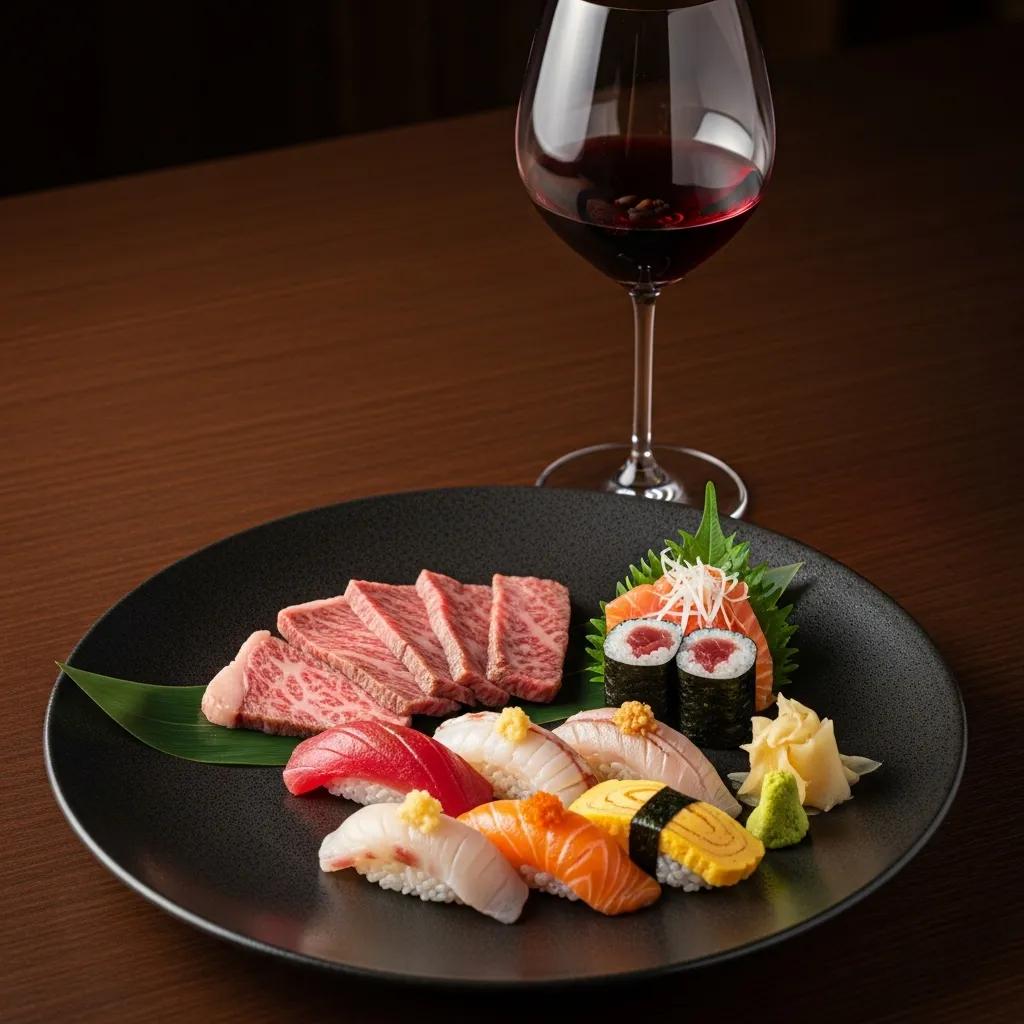
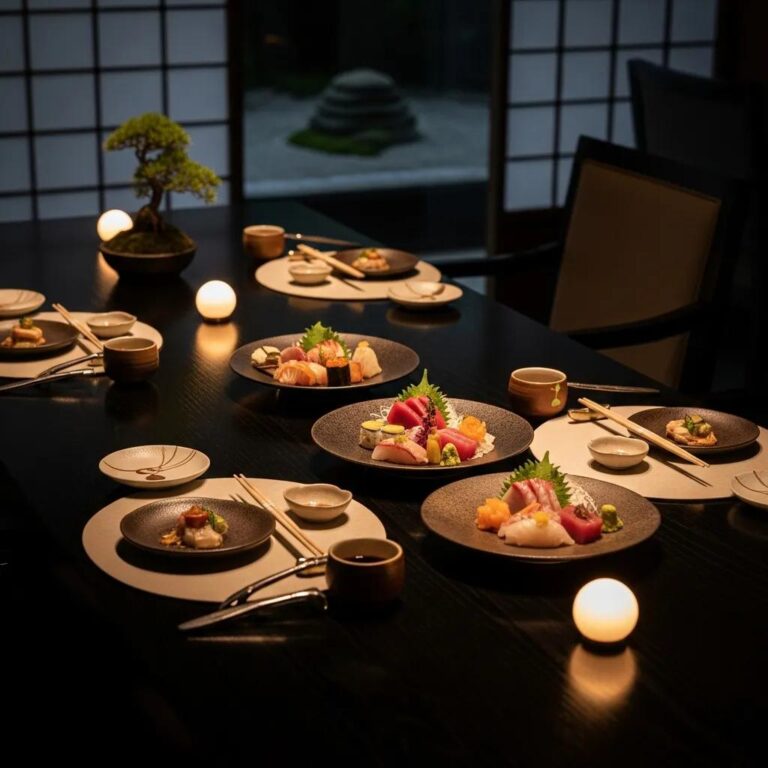
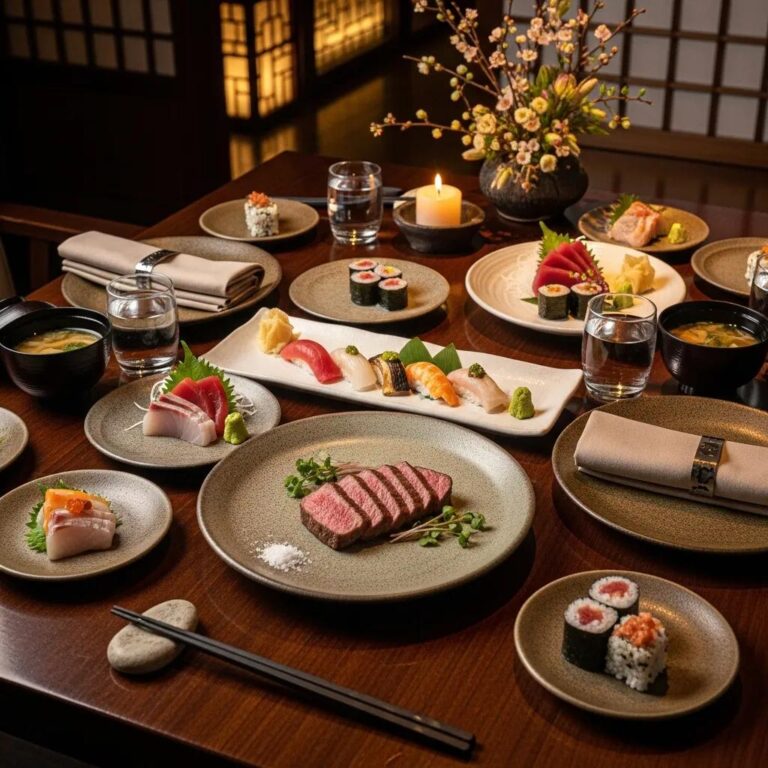
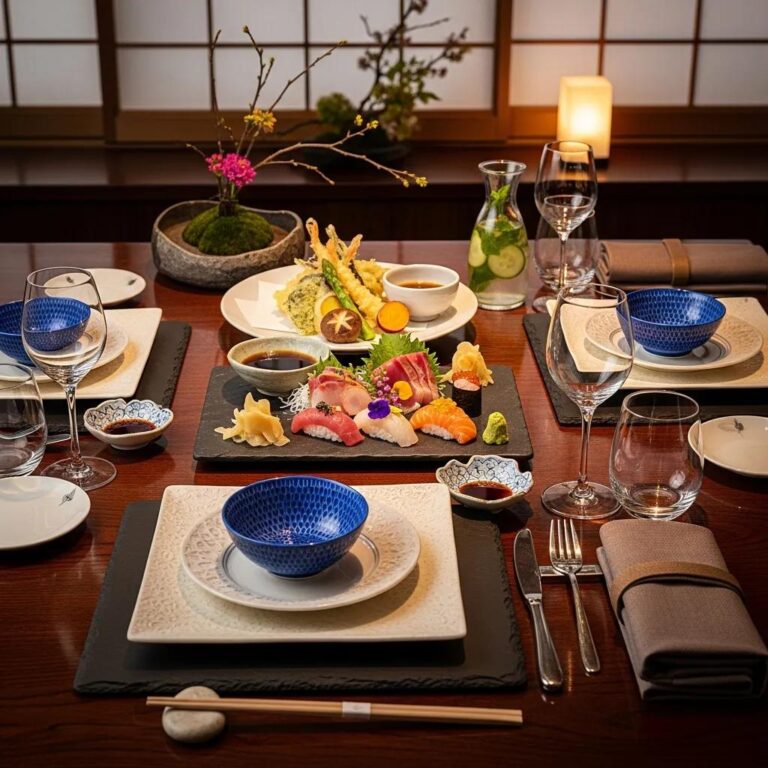
Pairing wine with Japanese cuisine calls for sensitivity to subtle flavors, texture contrasts and rich fats. Wines with bright acidity, refined tannins or fine effervescence tend to support — rather than overpower — delicate umami and seasonal textures. At Kaviar, where omakase progressions sit alongside A5 Wagyu and caviar, our sommeliers favor wines that refresh the palate, complement soy‑based seasoning and cut through fat when needed. The table below links signature ingredients to recommended wine types and explains the sensory reasoning so guests understand how pairings are chosen.
This framework clarifies sommelier choices and shows how Kaviar’s dishes guide specific wine recommendations.
Wine Pairing Principles for Omakase and A5 Wagyu
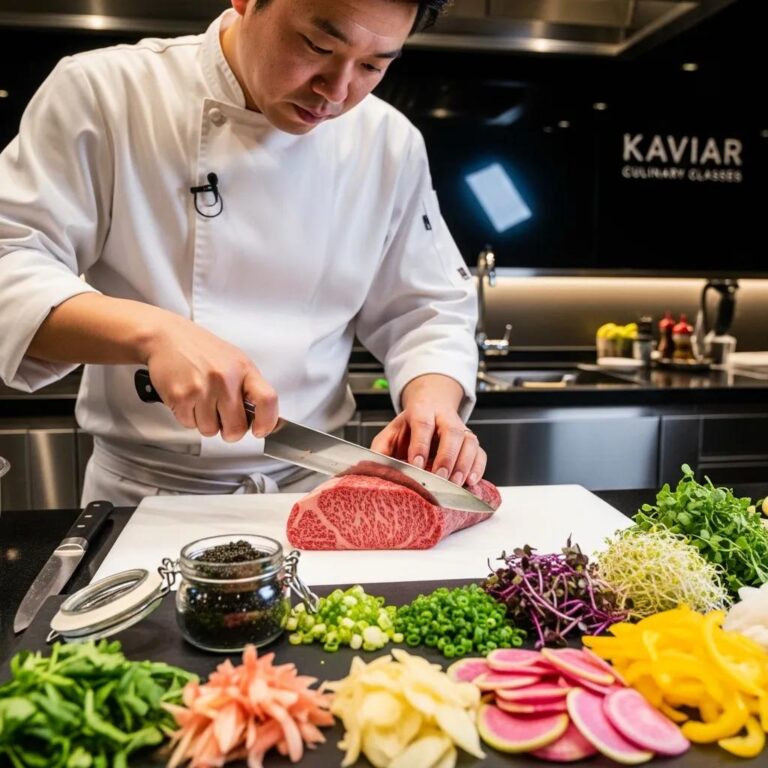
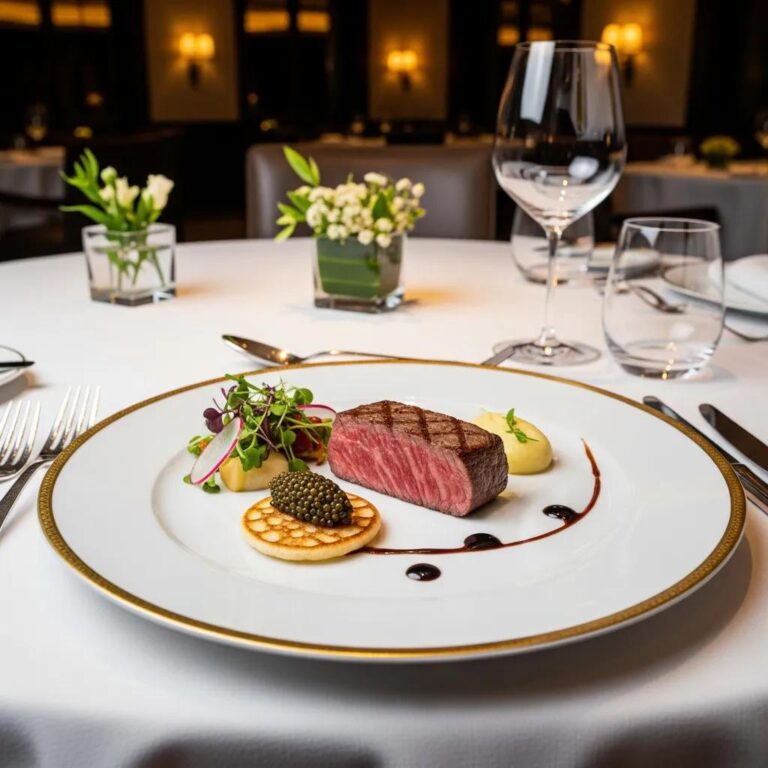
For omakase, choose low‑intervention wines with clean acidity and subtle phenolics so the wine supports the chef’s progression rather than masking it. With grilled A5 Wagyu, consider how fat and tannin interact: very rich cuts do well with wines that have soft, integrated tannins or with acidity that cuts through richness; lighter reds with fine tannins or restrained full‑bodied whites can both work depending on seasoning. Acidity is a key tool for balancing soy‑ and dashi‑driven umami, while delicate bubbles play well with saline textures like caviar. Sommeliers design sequences that move from lighter, higher‑acid options for raw courses to more structured wines with cooked meats to preserve balance across the tasting menu.
Selecting Wines to Complement Caviar and Signature Dishes
Caviar asks for wines that echo its saline precision without covering fragile briny flavors. High‑acid whites and dry sparklings are classic because they refresh the palate and emphasize nuance. Mineral Chablis or brut Champagne give a textural contrast that keeps each bite bright; slightly oxidative styles can pair with cured or smoky elements if the dish calls for it. For soy‑glazed or richly seasoned plates, choose wines with brisk acidity and moderate tannin so structure and fat interact constructively. In service, sommeliers typically offer one contrasting and one harmonious option so guests can choose by preference while the overall sequence remains cohesive.
These pairing principles prepare diners for what to expect from sommelier‑led service and reservation planning, described next.
What Should You Know About Fine Dining Wine Service and Reservation Etiquette?
To get the most from a wine‑focused dinner, tell us your preferences, any allergies and the occasion when you book so the sommelier can plan a thoughtful sequence. Advance notice matters: it lets the team pull cellar selections, choose vintages and structure pairings, particularly for omakase or pairing menus. At Kaviar, guests who flag pairing interest or strong preferences give the team time to reserve bottles and coordinate pacing across courses. Use the short checklist below when booking to set clear expectations for sommelier involvement and ensure an elegant, well‑paced evening.
These booking tips lead into what the sommelier will do during your meal, from initial consultation through dessert.
- Mention the occasion: Let us know if you’re celebrating so we can tailor pacing and presentation.
- Note preferences and allergies: Share favorite styles or dislikes and any dietary restrictions for accurate pairings.
- Request a pairing‑focused menu: Specify interest in a sommelier‑guided sequence or course‑by‑course pairing.
- Confirm timing and seating: Ask for seating that supports multi‑course service so the sommelier can present bottles and decant comfortably.
This checklist helps guests and staff coordinate a polished evening; next we outline the sommelier’s touchpoints during the visit.
Booking and Preparing for a Luxury Wine Experience at Kaviar
When reserving a pairing evening, briefly describe wine tastes or specific bottle requests so the sommelier can prepare suitable cellar options and pacing. Indicating occasion and party size lets us suggest private or semi‑private seating where service choreography is less disruptive and decanting is easier. If you want a full pairing, mention that at booking so staff can allocate bottles and plan a sequence that fits seasonal menu changes. These small details smooth service flow and help ensure wines for A5 Wagyu, caviar or an omakase progression arrive at the ideal moments.
What to Expect from Sommelier Wine Service During Your Visit
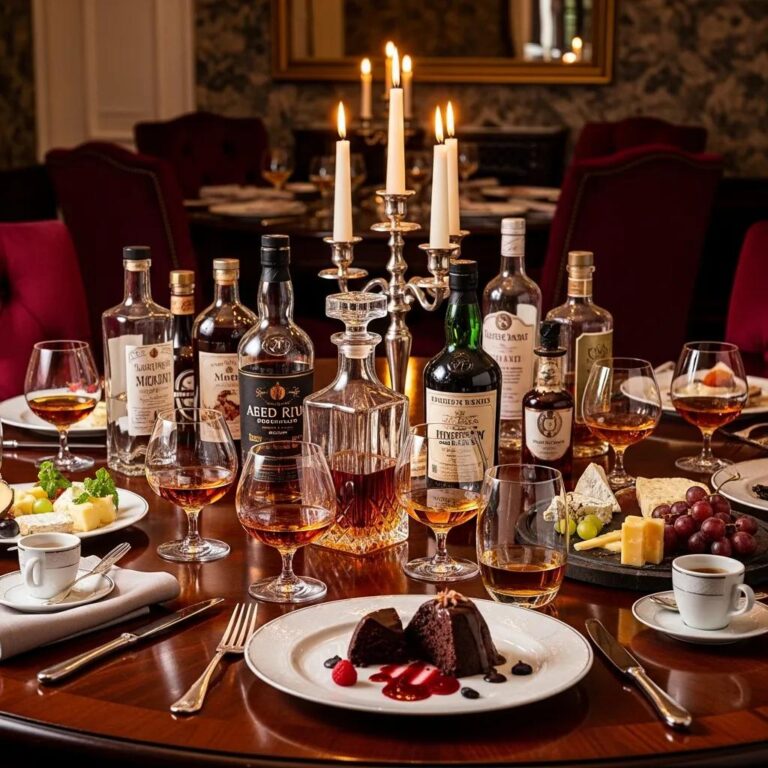
From arrival to dessert, expect clear sommelier touchpoints: an initial consultation to confirm preferences, presentation of selected bottles with concise notes, a tasting for approval, sequential pours timed with each course, and dessert or after‑dinner wine suggestions. The sommelier will adapt pairings if a guest prefers a different style or if a course’s preparation varies, demonstrating practical flexibility. Presentation moments are brief and informative, focused on enhancing the meal rather than distracting from it; decanting and special glassware choices will be used when they improve aromatics and texture. This predictable rhythm builds confidence and shows how sommelier care completes a curated dining experience.
These expectations close the service loop and illustrate how reservation details and sommelier practice combine to elevate a luxury meal.
Frequently Asked Questions
What is the role of a sommelier in a fine dining restaurant?
A sommelier elevates the meal by curating wines that complement the menu and by guiding guests through choices. Responsibilities include managing the cellar, advising on pairings, and ensuring wines are served at the right temperature in appropriate glassware. Sommeliers also work with chefs to align selections with seasonal dishes, offering concise education that enhances the dining experience and leaves guests with a clearer sense of taste and preference.
How can I improve my wine tasting skills at home?
Practice the five‑step tasting routine: Look, Swirl, Smell, Sip, Savor. Start by observing appearance and color, then swirl to release aromas. Take short inhales to identify scent families, follow with a measured sip to read structure, and finish by noting aftertaste and length. Keeping a tasting journal helps track observations and refine preferences, making it easier to describe what you like when dining out or buying wine.
What should I consider when selecting wine for a dinner party?
Match wines to the menu, guest tastes and the event’s tone. Offer a variety that covers different courses — a crisp white for starters, a versatile red for mains, and a sparkling for celebration. Account for guests’ restrictions or strong dislikes. A balanced selection ensures most guests find something they enjoy and helps maintain a harmonious dining atmosphere.
How do I properly store wine at home?
Store bottles on their side in a cool, dark place with stable temperature, ideally 50–55°F (10–13°C). Avoid direct sunlight and vibrations. Aim for roughly 70% humidity to keep corks from drying and reduce oxidation risk. For larger collections, a wine fridge or cellar provides consistent conditions for aging and ready enjoyment when the moment arrives.
What are some common wine pairing mistakes to avoid?
Common errors include choosing a wine that overwhelms the dish or one that accentuates an unwanted element (for example, a heavy red with delicate seafood, or a sweet wine that makes a spicy dish hotter). Ignoring acidity, tannin and body relative to the food often leads to mismatch. Focus on balance and don’t hesitate to ask a sommelier for alternatives when in doubt.
How can I communicate my wine preferences to a sommelier?
Be candid and specific: tell the sommelier whether you prefer red, white or sparkling, mention varietals you like or dislike, and note any allergies. Share the cuisine and the occasion — that context helps the sommelier tailor options. Clear preferences let the team present a short list of choices that match your taste and the meal’s flow.
Conclusion
Refined wine etiquette and confident service elevate fine dining into a coordinated, memorable experience. Understanding the sommelier’s core skills — selection, presentation, pouring, tasting and pairing — helps diners appreciate how wines and food can be shaped into a coherent progression. We invite you to explore our pairing menus and let our sommeliers guide your next visit; discover how precise service and thoughtful wine choices can make a special meal truly exceptional.