




Meet Kaviar’s Restaurant Manager — The Heart of Our Luxury Japanese Hospitality
At Kaviar, our Restaurant Manager leads the front‑of‑house team to deliver refined, personalized luxury Japanese dining—carefully balancing omakase pacing, A5 Wagyu technique, and caviar presentation so every seating feels intentional and effortless.
This piece introduces the person behind that role: how they turn hospitality leadership into reliable guest satisfaction, and how their oversight shapes menu flow, service standards, and reservations for discerning diners. Guests seeking omakase in Pasadena expect exact timing, discreet service, and curated tasting sequences; the manager’s job is to align kitchen, staff, and guest expectations so the evening unfolds naturally. You’ll read about the manager’s core responsibilities, the leadership skills essential in a luxury Japanese setting, how signature dishes are curated and presented, and the reservation and arrival steps that protect the guest experience. Throughout, industry terms like restaurant manager, front of house, and hospitality leader are used to clarify how Kaviar’s fine‑dining identity is delivered in practice.
Who is the Restaurant Manager at Kaviar and What Defines Their Role?
Our Restaurant Manager is the front‑of‑house leader who translates Kaviar’s promise of quiet luxury into every guest interaction. They connect chefs, sommeliers, and servers to synchronize timing, plating, and conversational pacing so each omakase or tasting unfolds with calm precision. Beyond coordination, they set and enforce service standards that protect both immediate guest satisfaction and the restaurant’s long‑term reputation—ensuring premium ingredients like A5 Wagyu and curated caviar are presented with the ceremony they deserve. The role exists to elevate front‑of‑house operations so diners trust Kaviar for special occasions and meaningful meals.
The manager’s oversight includes daily service flow, staff coaching, and quality checks before, during, and after each seating. At a glance, these primary responsibilities define the role:
- Guest Experience Oversight: Crafts warm, personalized welcomes, precise seating, and pacing that respects the omakase rhythm.
- Service Orchestration: Times kitchen courses and front‑line service to preserve seamless table runs.
- Staff Leadership and Training: Leads briefings, refines service choreography, and upholds presentation standards.
- Operational Quality Control: Manages reservations, special requests, and guest recovery to protect luxury restaurant service levels.
These responsibilities set the stage for the operational details below, including how briefings and service choreography are refined day to day.
What Are the Key Responsibilities of Kaviar’s Front of House Leadership?
Kaviar’s front‑of‑house leadership handles the interlocking tasks that preserve service quality, guest safety, and the composed atmosphere guests expect. They run pre‑service briefings to align hosts and servers on menu changes, dietary alerts, and omakase pacing, and they monitor table timing to avoid gaps or rushed moments. The manager also manages high‑level guest interactions—resolving issues discreetly, confirming celebration requests, and anticipating accessibility needs. Continuous observation and immediate coaching keep performance consistent and elevate satisfaction through predictable excellence. These operational duties support the curated presentation and elevated hospitality described below.
How Does the Manager Enhance the Fine Dining Experience at Kaviar?
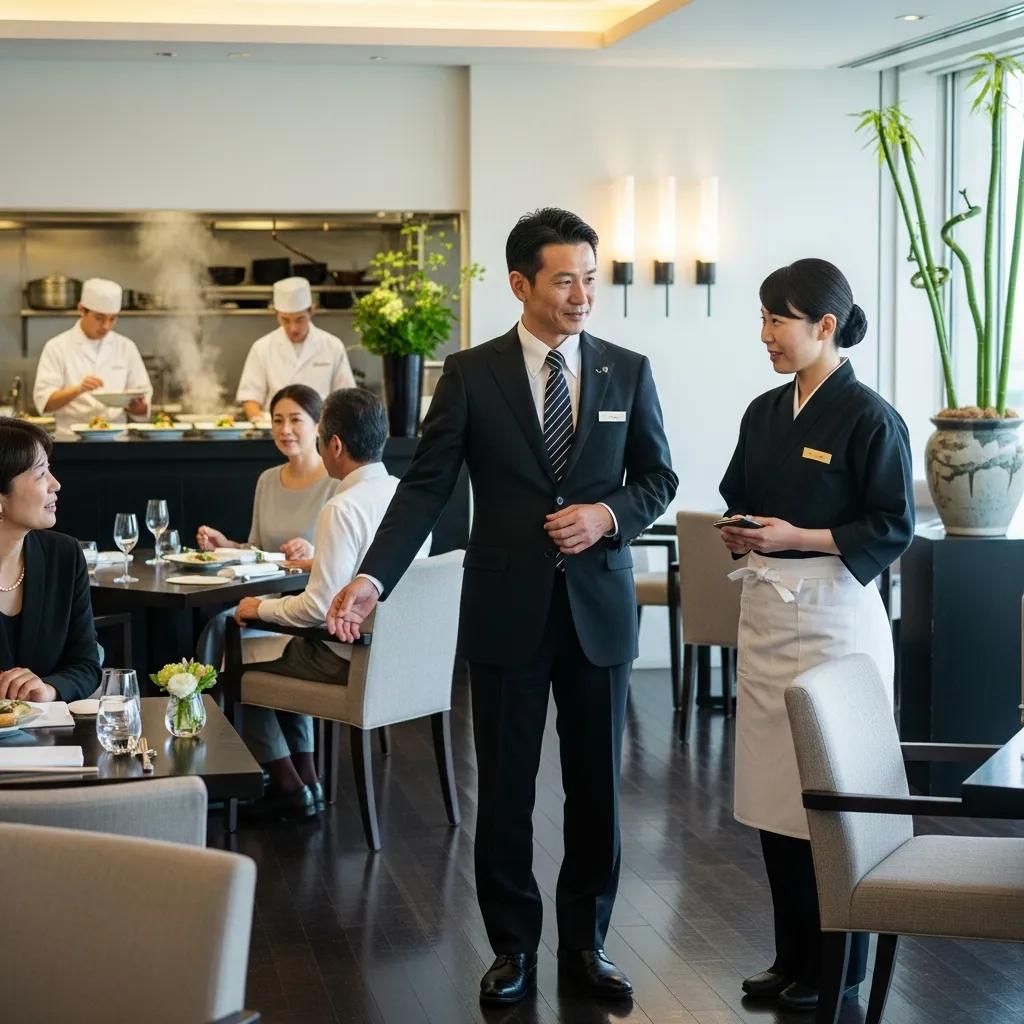
The manager enhances the dining experience by personalizing service, coordinating closely with the kitchen, and maintaining atmosphere and consistency across every seating. They work with the chef to sequence omakase courses so temperature, plating, and pacing highlight each ingredient; for A5 Wagyu and caviar this means designing service rituals and timing that maximize flavor and texture. Small gestures—recording guest preferences, managing allergies, quietly marking celebrations—are supervised so they feel natural rather than performative. By coaching unobtrusive communication and choreographed service runs, the manager keeps the room calm, ceremonial, and discreetly luxurious. These refinements build guest confidence and encourage return visits.
How Does Kaviar’s Manager Uphold Luxury Restaurant Customer Service Standards?
Our manager maintains luxury service standards through clear SOPs, regular training, and quality‑control checkpoints that keep service consistent and enable swift recovery when needed. Excellence looks like precise omakase timing, uniform plate presentation for signature dishes, and a greeting‑to‑farewell arc that reads as curated, not scripted. These expectations are formalized in documented procedures, targeted coaching, and feedback loops that turn guest outcomes into actionable staff development. The result is a team empowered to personalize within consistent boundaries while protecting the restaurant’s reputation.
To make standards actionable, the manager relies on a few core practices:
- Service Standardization: Pacing charts, presentation diagrams, and course checklists that staff can rely on.
- Ongoing Training: Brief pre‑shift alignments plus periodic workshops on cultural service elements.
- Guest Recovery Protocols: Clear escalation steps and remedial options to resolve any lapse efficiently.
These measures let staff focus on guest‑centered hospitality while the manager monitors consistency and adapts standards as needed. Sustaining this level of service draws on specific hospitality leadership skills described next.
What Hospitality Leadership Skills Are Essential for Managing a Japanese Fine Dining Venue?
Key leadership skills include precise communication, cultural sensitivity, service‑choreography expertise, and an uncompromising attention to detail suited to high‑end Japanese dining. Clear communication translates chef intent into service actions and guides staff on delicate items like A5 Wagyu sear levels or caviar pairings. Cultural awareness preserves service rituals—how guests are addressed, when pours are offered, and how omakase flows—so the experience feels authentic and comfortable. Mentorship and conflict‑resolution keep teams steady under pressure, while analytical judgment turns feedback into improvements. Together these competencies sustain the service standards guests expect.
How Does Personalized Guest Service Create Memorable Dining at Kaviar?
Personalized service begins before arrival and culminates at the table; the manager shapes both ends of that journey. The process includes capturing preferences during booking, making real‑time adjustments for allergies or pacing, and following up after the meal to reinforce loyalty. Examples: tailoring an omakase sequence for a returning guest, adjusting sear level on A5 Wagyu from prior notes, or presenting caviar with a discreet ritual for a celebration. By embedding guest history into service choreography and training staff to act on those cues, the manager creates moments guests remember and seek again.
What Signature Dishes and Premium Ingredients Does Kaviar Feature Under Managerial Oversight?
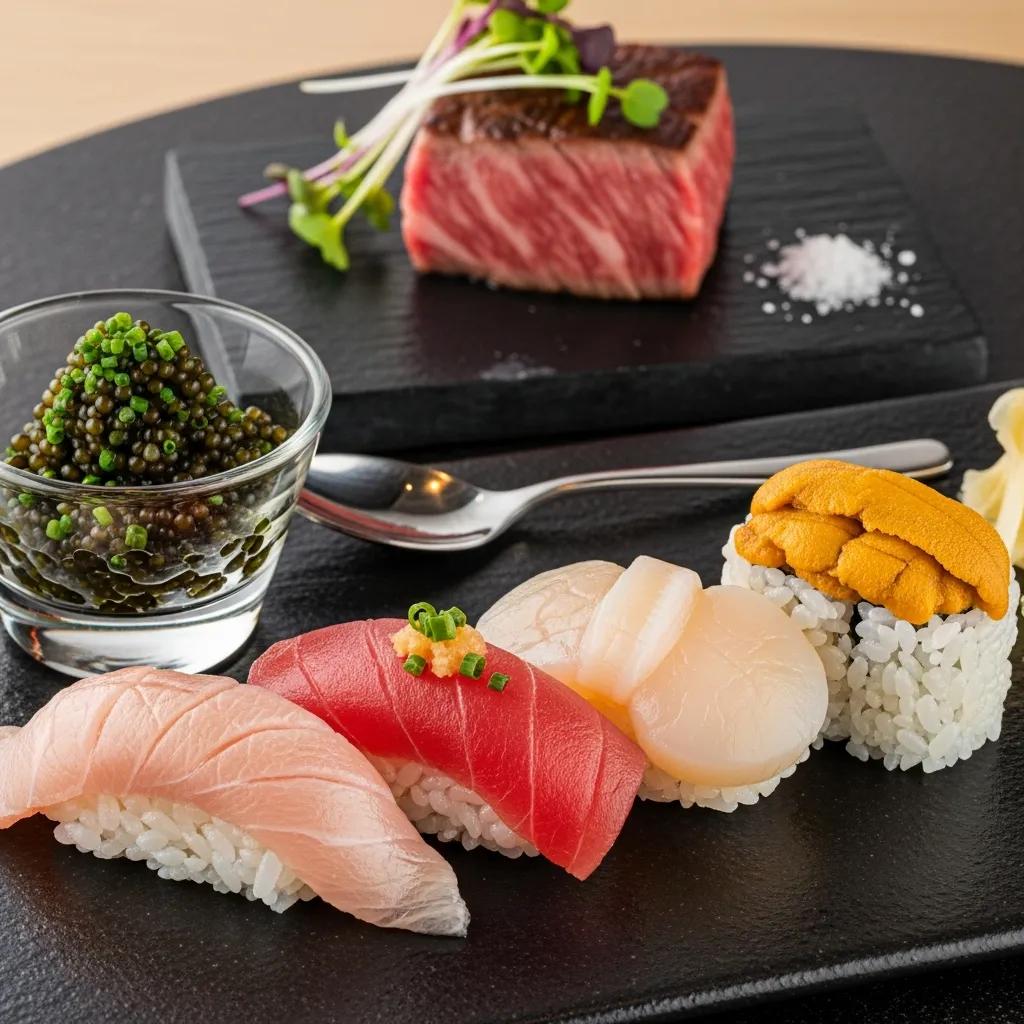
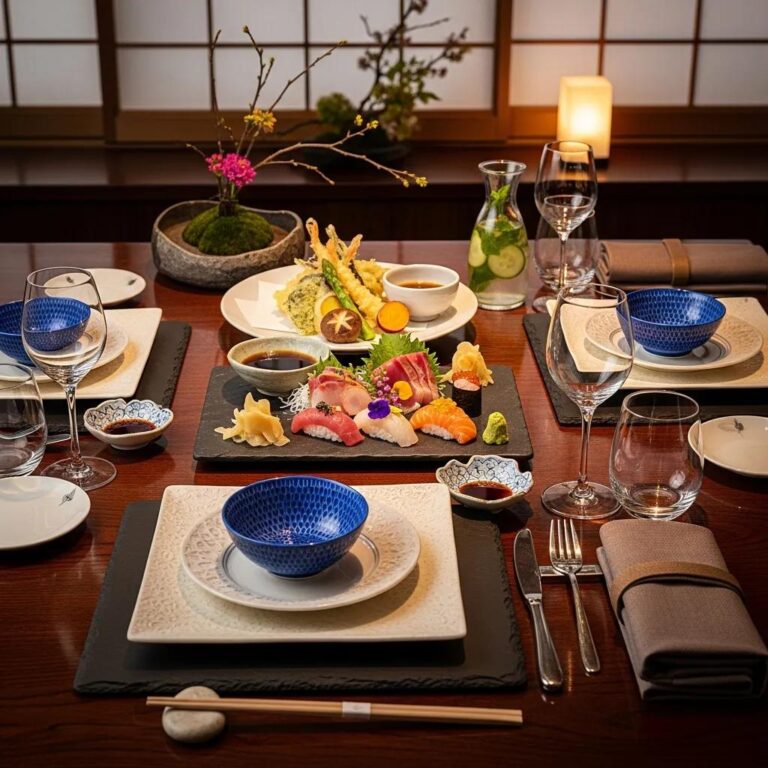
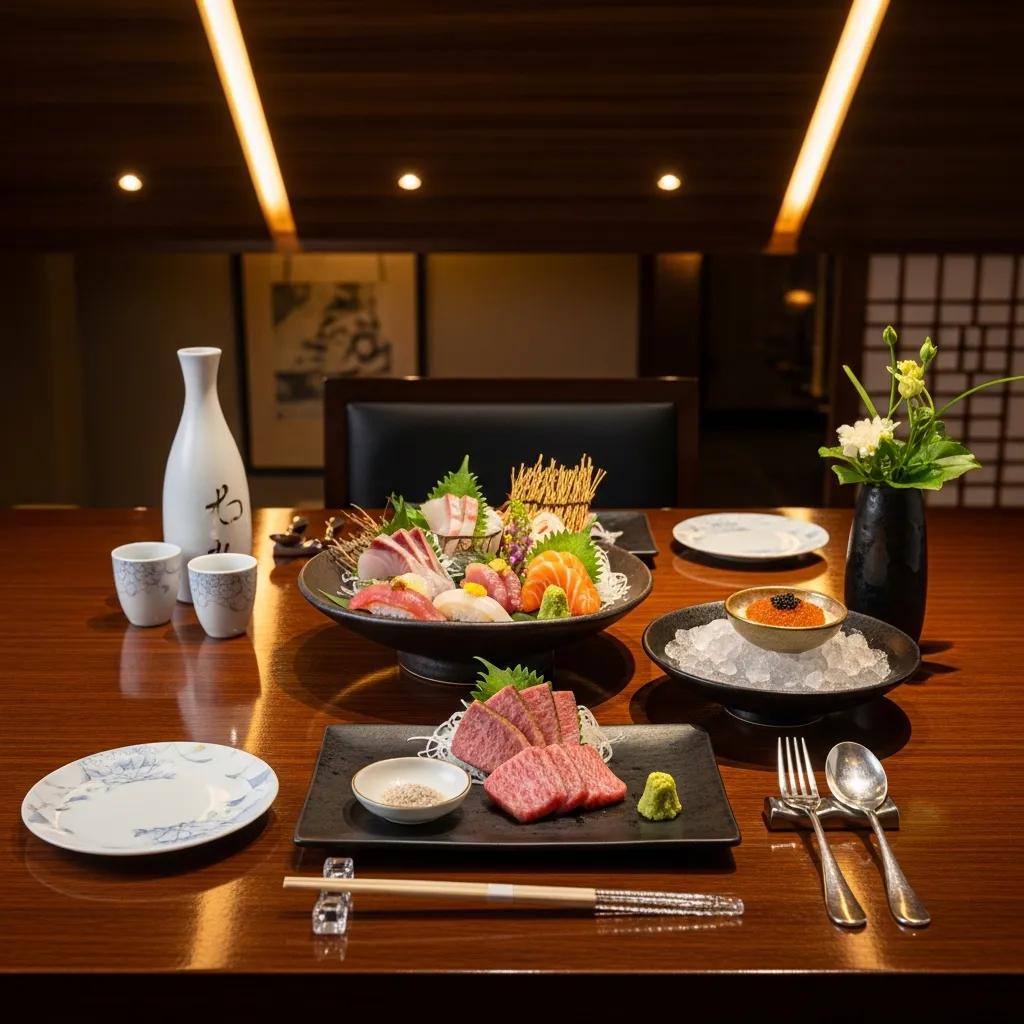
Kaviar’s pillars—omakase, A5 Wagyu, and caviar—are curated to express provenance, technique, and ritualized presentation. The manager ensures consistent delivery through coordination, quality checks, and thoughtful service design.
Each signature item requires distinct handling: omakase needs exact sequencing and chef‑server cues; A5 Wagyu requires precise searing and rest windows; caviar benefits from chilled presentation and delicate accoutrements.
The manager partners with kitchen and service teams to set sourcing narratives and plating standards that reflect Kaviar’s luxury identity.
Below is a concise inventory of our signature offerings and why they anchor the dining experience.
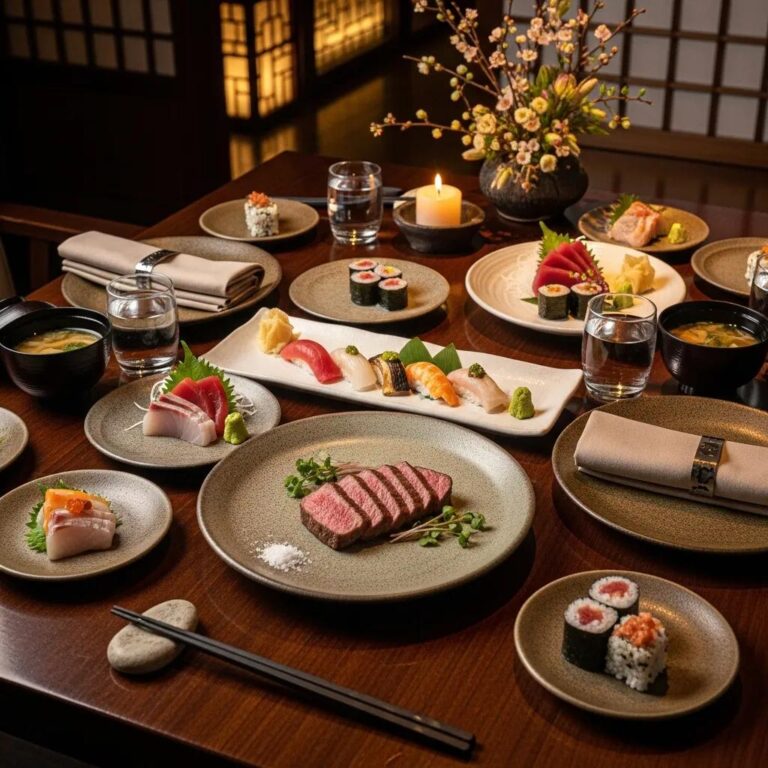
- Omakase Menu: A chef‑led, multi‑course tasting that highlights seasonal seafood and careful pacing.
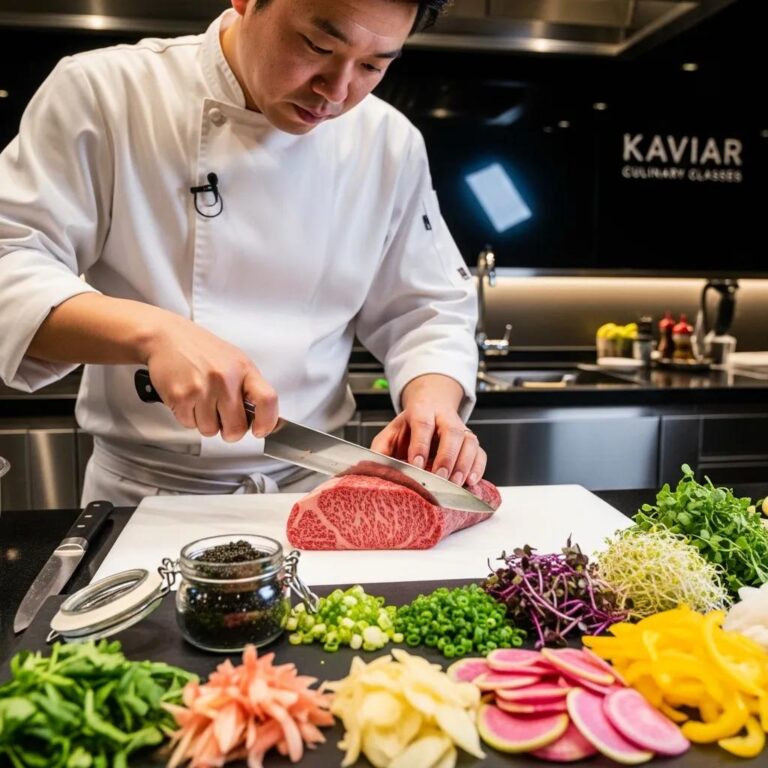
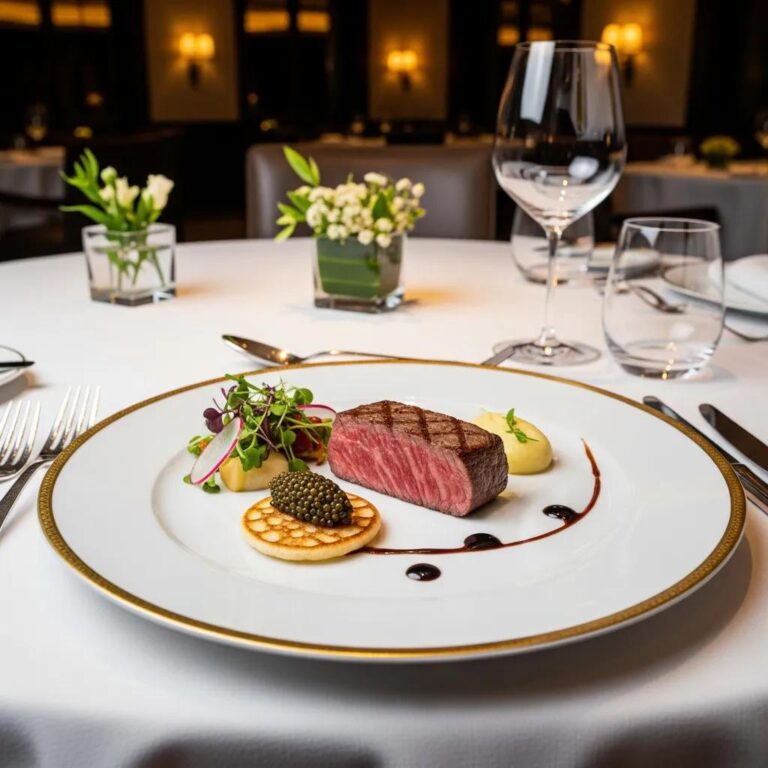
- A5 Wagyu Tasting: Exceptionally marbled beef prepared to optimal sear and rest for perfect texture.
- Caviar Dishes: Thoughtfully paired roe served chilled with subtle accompaniments to showcase nuance.
These dishes communicate premium sourcing, craft, and the ritual hospitality luxury diners expect; the manager ensures those elements are consistently presented and reinforced in front‑of‑house messaging.
Intro to dish comparison table: The table below compares each signature offering by ingredient focus, presentation style, and the manager’s role in curation and delivery.
How Are Omakase, A5 Wagyu, and Caviar Dishes Curated and Presented?
Curation starts with ingredient selection and continues through plating choreography and front‑of‑house scripting that frames each course for guests; the manager makes these steps repeatable. For omakase, they coordinate chef‑server cues for introductions, palate cleansers, and pairing suggestions. For A5 Wagyu, the manager verifies sear timing and resting windows so diners perceive intended texture and flavor. For caviar, standards include chilled vessels and a quiet, ceremonial delivery that highlights nuance. These operational details are reinforced in briefings so each service run meets the standard.
Why Are These Dishes Central to Kaviar’s Luxury Dining Identity?
Signature items are sensory signifiers: they communicate rarity, technique, and a considered sequence that together shape Kaviar’s luxury narrative. A5 Wagyu and fine caviar elevate perceived value, while a disciplined omakase frames the meal as a performed tasting rather than a set of courses. The manager protects that narrative by enforcing timing, presentation, and staff demeanor so guests experience a coherent, elevated journey from arrival to farewell. When these elements align, Kaviar’s identity as a refined Japanese destination in Pasadena becomes tangible—and repeatable—driving both word‑of‑mouth and reservation intent.
How Does the Reservation Experience Reflect Kaviar’s Commitment to Hospitality Leadership?
The reservation experience signals how seriously we take a guest’s intent. Our manager oversees policies and checkpoints that reduce friction and build confidence for high‑intent bookings. From initial inquiry through confirmation, reservation notes capture dietary restrictions, celebration details, and preferred omakase pacing so kitchen and service can prepare. Deposit policies or guest caps for omakase seatings are communicated clearly and reinforced by pre‑arrival confirmations reviewed by the manager. These steps minimize surprises and allow the team to deliver the uninterrupted, ceremonial service that defines luxury dining.
To clarify ownership and guest benefits, the table below maps reservation steps to responsible parties and the resulting guest advantage.
What Is the Step-by-Step Process to Reserve an Omakase Table at Kaviar?
Booking omakase requires clear steps so the kitchen can craft a tailored tasting and the front‑of‑house can plan pacing and accommodations.
The typical flow captures guest details, confirms party size and timing, records dietary notes or celebrations, reviews deposit or confirmation policies when relevant, and sends a pre‑arrival confirmation to finalize timing. The manager reviews special requests, assigns seating to preserve the omakase rhythm, and briefs staff on each booking’s particulars. Advance notice and clear communication ensure the experience reflects both the chef’s intent and each guest’s preferences.
- Submit booking details: Share party size, preferred date/time, and any dietary restrictions.
- Confirm tasting intent: Let us know you want omakase so the kitchen can block seats.
- Receive pre-arrival confirmation: We reconfirm timing and special requests a day prior.
- Arrive on time: Prompt arrival keeps the omakase sequence as designed.
- Communicate upon arrival: The host notifies the manager of any on-the-spot adjustments.
How Does the Manager Ensure a Seamless Booking and Guest Arrival Experience?
The manager validates reservation notes, runs staff briefings tailored to each seating, and owns contingency responses for timing or dietary changes. Pre‑shift meetings highlight upcoming omakase bookings so servers and kitchen share a common pacing plan and note special‑occasion cues. On arrival, the manager discreetly confirms details, oversees seating logistics, and signals the kitchen to begin timing so the tasting proceeds uninterrupted. When delays or allergies occur, escalation protocols and trained staff enable rapid adjustments that preserve service quality and guest dignity. These practices create the predictable, elevated experience that brings guests back.
What Guest Testimonials Highlight the Impact of Kaviar’s Restaurant Manager?
Guest impressions frequently emphasize attentive timing, thoughtful personalization, and the manager’s skill at shaping seamless experiences—clear evidence of strong front‑of‑house leadership. Reviews praise calm omakase pacing, considerate recognition of celebrations, and discreet problem solving when adjustments were needed. By tracking recurring praise, the manager gains insights that guide ongoing refinements. Prospective diners can therefore trust their reservation will be handled with the same care.
Below are common testimonial themes with context on why they matter to future guests:
- Attentiveness and Timing: Guests notice courses arriving at the ideal moment, which reflects disciplined choreography overseen by the manager.
- Personalized Service: Praise for tailored sequences or surprise acknowledgements shows the manager values guest history and subtle touches.
- Consistency and Ambiance: Comments about a calm, ceremonial atmosphere point to strong training and standards enforced by leadership.
How Do Diners Describe Their Experience with Kaviar’s Front of House Leadership?
Diners describe our front‑of‑house leadership as attentive yet unobtrusive—service that honors the omakase rhythm while leaving room for conversation and reflection. They highlight smooth alignment between course pacing and beverage suggestions, a sign of close coordination between manager, servers, and sommeliers. When special requests arise, guests note prompt, discreet handling that preserves the flow—an outcome of clear escalation paths and empowered staff. These consistent accounts underscore the manager’s role in delivering a curated, high‑value dining journey that feels effortless.
What Role Does the Manager Play in Achieving High Guest Satisfaction?
The manager influences satisfaction operationally, emotionally, and culturally: operationally by creating repeatable systems, emotionally by setting tone and standards for empathy, and culturally by embedding rituals that signal quality. By training teams to anticipate needs, respond with empathy, and deliver precise presentation, the manager turns individual service acts into a cohesive experience. That leadership drives repeat visits and positive word‑of‑mouth—because guests remember both the food and how it was presented. Manager‑led quality control is therefore central to sustaining high satisfaction and our luxury positioning.
Frequently Asked Questions
What is the significance of omakase in Kaviar’s dining experience?
Omakase—literally “I’ll leave it to you”—is a chef‑led tasting where each course is chosen to showcase seasonality and skill. At Kaviar, omakase creates a personal culinary journey guided by the chef; the Restaurant Manager ensures timing and presentation highlight each flavor and texture so the sequence feels seamless and intentionally paced. This approach is central to our luxury dining identity.
How does Kaviar accommodate dietary restrictions during the reservation process?
We take dietary needs seriously. During booking, guests are asked to share allergies or preferences; the manager reviews those notes and coordinates with the kitchen to prepare suitable alternatives. This proactive approach ensures every guest can enjoy their meal with confidence and reflects our commitment to personalized service.
What training does the staff receive to maintain service standards at Kaviar?
Training is ongoing and practical. The manager leads regular pre‑shift briefings to align the team on menu updates, pacing, and guest preferences, and deeper workshops cover Japanese dining etiquette and the nuances of serving omakase, A5 Wagyu, and caviar. This structure keeps service consistent and aligned with Kaviar’s standards.
How does Kaviar’s manager handle guest feedback and service recovery?
The manager actively reviews guest feedback to identify improvements and ensure satisfaction. When issues arise, established recovery protocols are followed: concerns are addressed promptly, remedial options are offered, and learnings are fed back into training. This proactive stance resolves immediate problems and strengthens the guest experience over time.
What role does ambiance play in Kaviar’s dining experience?
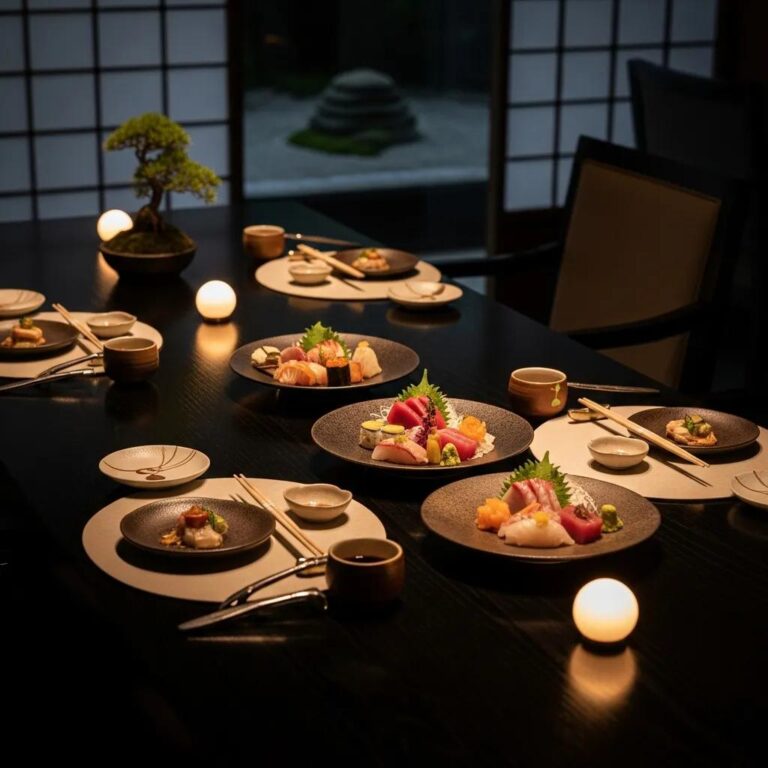
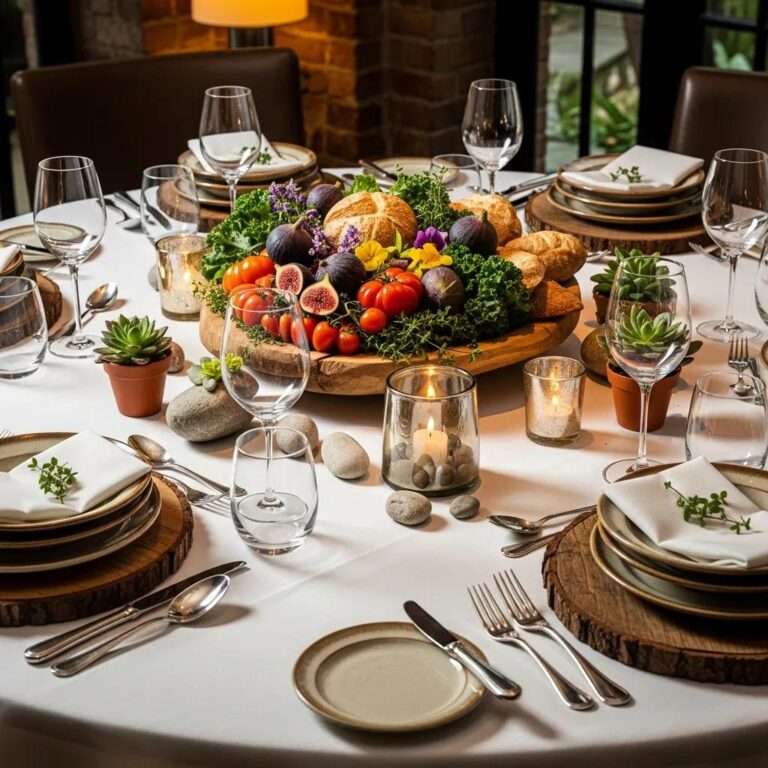
Ambiance frames the meal. The manager curates lighting, music, and table arrangements to create an elegant, tranquil setting that complements the food. A considered atmosphere allows guests to focus on the flavors and rituals of omakase, making the visit more immersive and memorable.
How does Kaviar ensure a smooth transition between courses during omakase service?
Smooth transitions rely on timing and communication. The manager synchronizes kitchen and front‑of‑house cues so each course is presented at the optimal moment for taste and pacing. This meticulous coordination lets guests savor every dish without interruption—essential to a rewarding omakase experience.
Conclusion
At Kaviar, our Restaurant Manager is essential to delivering a refined Japanese dining experience—carefully managing timing, service rituals, and personal details so every visit feels deliberate and memorable. This dedication to craft and hospitality not only raises guest satisfaction but also reinforces Kaviar’s reputation for quiet luxury. For a memorable omakase or our signature A5 Wagyu and caviar presentations, reserve a table and discover how attentive service shapes the meal.