




Meet the Executive Chef: The Culinary Mind Behind Kaviar’s Omakase in Pasadena
At Kaviar, our executive chef is the driving creative force who translates Japanese fine‑dining principles into an ingredient‑forward omakase: a carefully sequenced tasting that rewards attention to taste and texture. This profile explains the chef’s role and approach, how the omakase is conceived and staged, how the kitchen turns vision into service, and where signature elements like A5 Wagyu and caviar originate. We map five focused sections—chef biography and credentials, signature omakase design, team structure and collaboration, reservation mechanics for luxury seating, and provenance of key ingredients—so prospective guests and culinary professionals can see the people and processes behind the Kaviar experience. Throughout, terms like executive chef, omakase, A5 Wagyu, caviar dishes, and chef‑driven dining clarify the connection between technique, sourcing, and our exclusive tasting journey.
Who leads Kaviar’s Japanese fine‑dining experience?
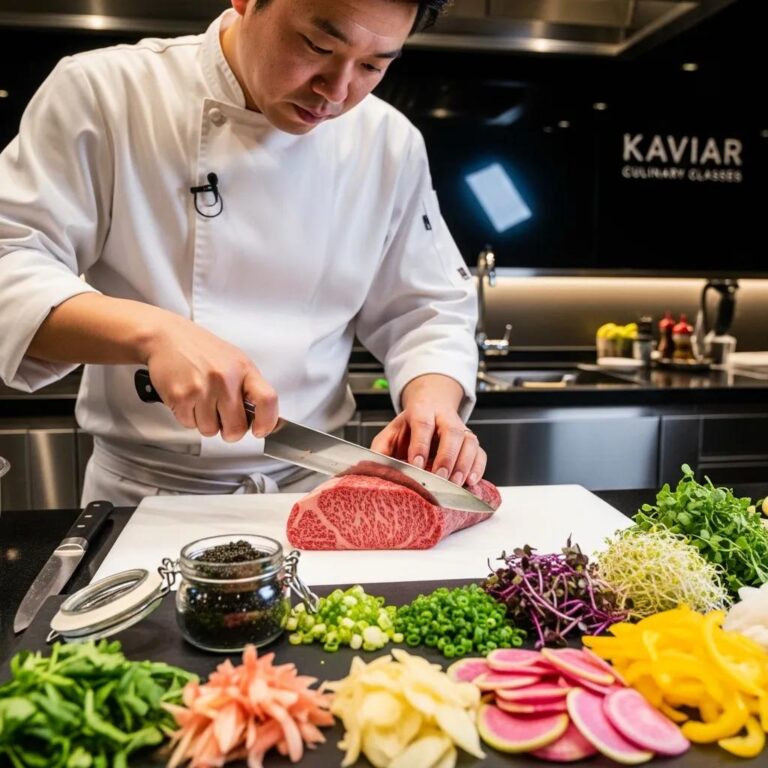
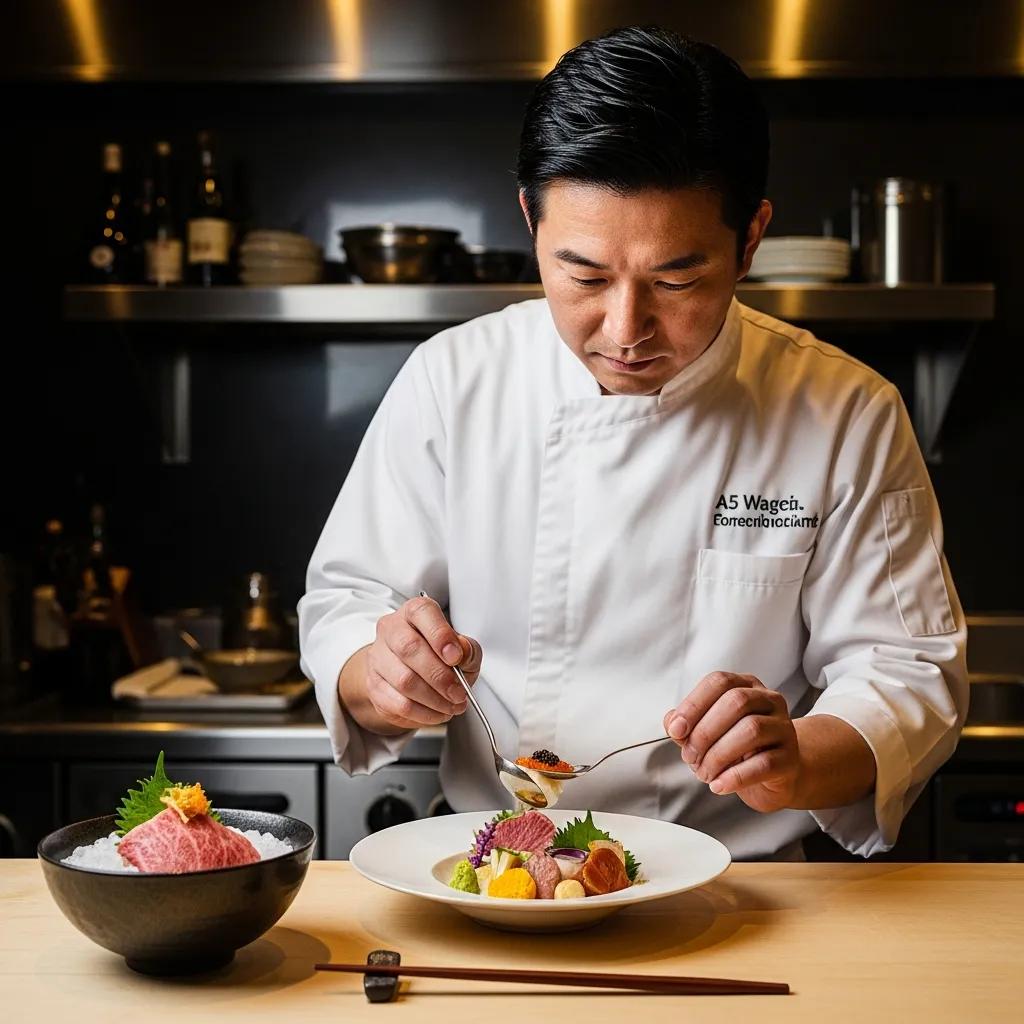
Our executive chef serves as both head chef and creative director, shaping menu architecture, flavor sequencing, and guest interaction for the omakase. The role blends disciplined technique—precise knife work, exact temperature control, refined plating—with a curator’s eye for seasonality and provenance. The chef selects ingredients, decides preparation and timing, and paces the tasting so the meal moves from subtle to rich. Understanding this role helps guests appreciate why an omakase at Kaviar differs from conventional Japanese dining and sets expectations for direct chef interaction and a deliberately ordered culinary narrative.
What is the background and culinary philosophy of Kaviar’s executive chef?
Rooted in classical Japanese technique and tailored for modern fine dining, the chef’s approach prioritizes restraint, respect for ingredients, and technical precision. Apprenticeship‑style training underpins mastery of rice, fish handling, temperature control, and the timing required for nigiri and sashimi—skills that support a philosophy centered on seasonality and narrative pacing. We practice ingredient‑first cooking—showcasing provenance and texture—while applying subtle contemporary methods that elevate rather than mask primary flavors. As a result, A5 Wagyu and caviar are staged as climactic moments within a progression designed for contrast and memorability.
Which awards and recognitions has the executive chef received?
Publicly listed formal awards are limited; recognition more often appears through critical praise, guest recommendation, and attention to our use of top‑tier ingredients in Pasadena’s dining scene. The chef’s reputation is built on demonstrable craftsmanship in an exclusive omakase format and consistent press interest. For diners, that recognition—formal or informal—translates into reliable service, elevated culinary standards, and an experience aligned with luxury omakase expectations.
What defines Kaviar’s signature omakase?
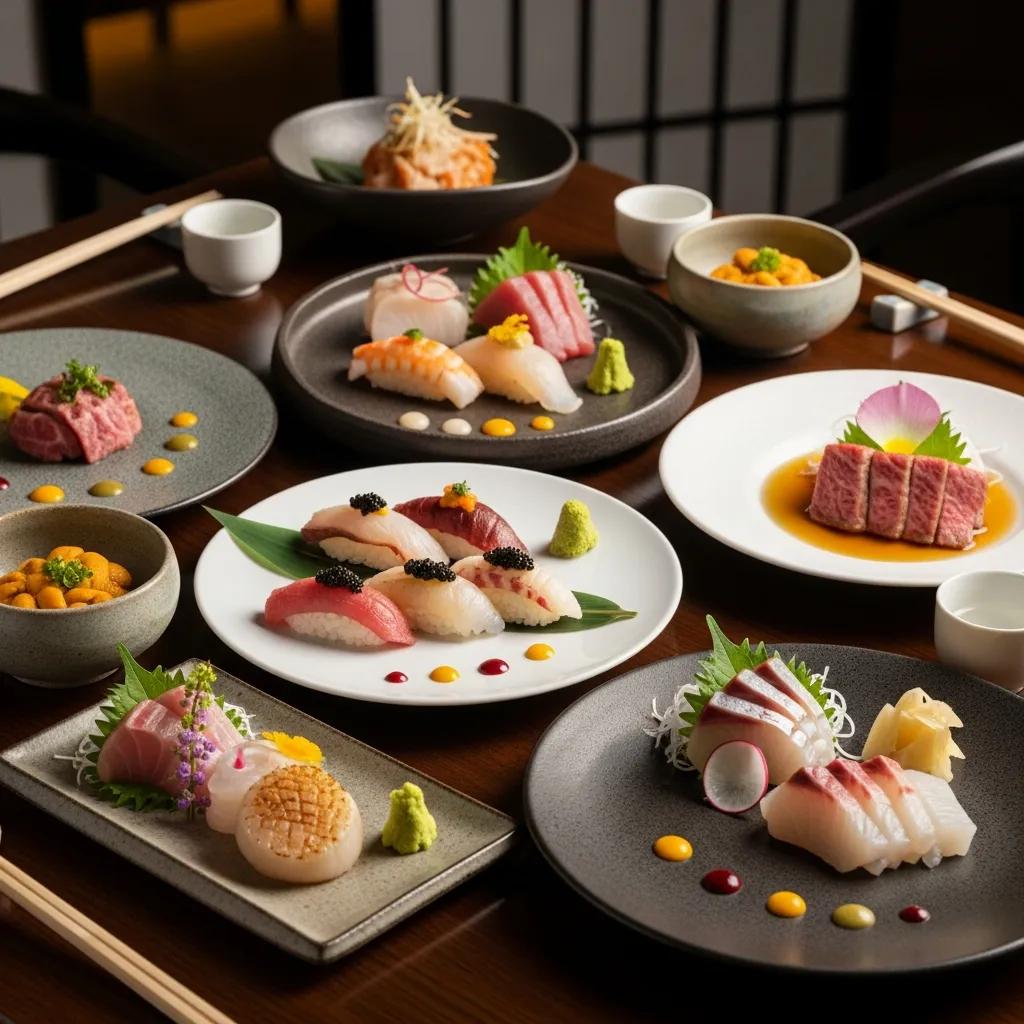
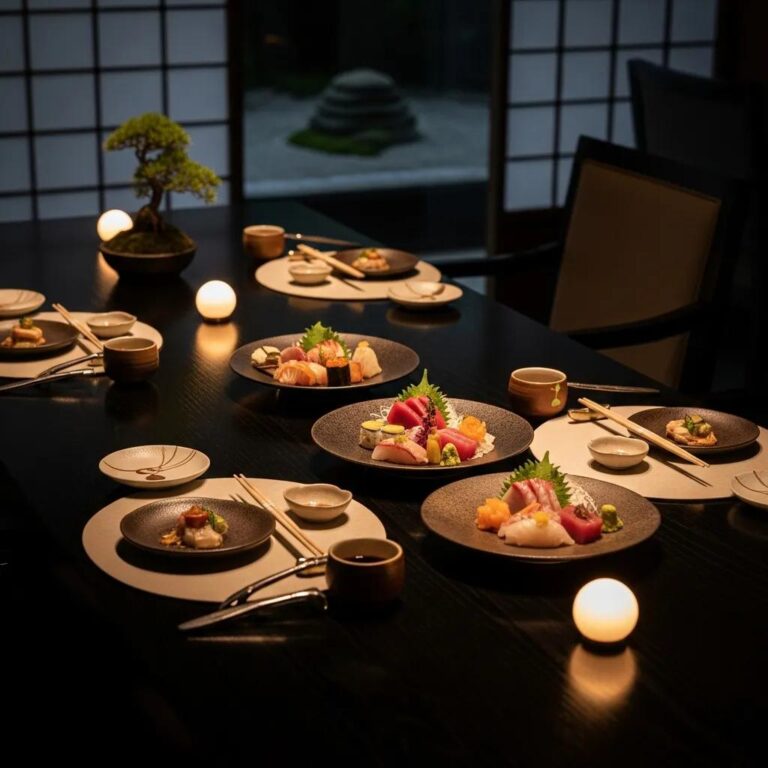
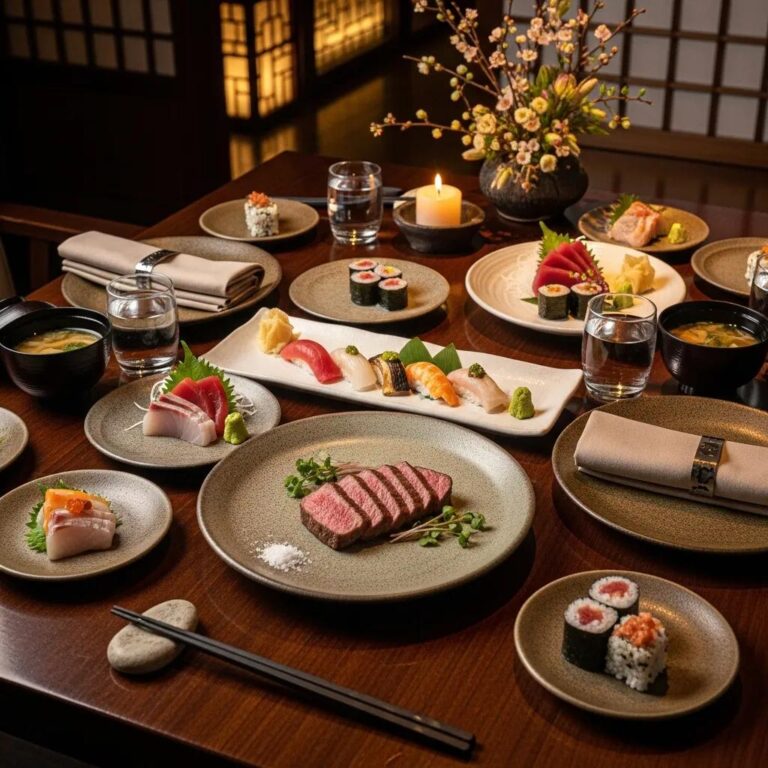
Kaviar’s signature omakase is a chef‑curated tasting in which each course highlights premium ingredients, technical mastery, and textural contrast. Guests trust the chef to sequence raw and cooked elements—quiet sashimi moments followed by richer wagyu or caviar‑topped nigiri—at a measured pace so every course lands. The meal reads as a cohesive story: premium components are used sparingly and with intention to maximize impact. Below are three hallmarks that capture our structure, ingredient focus, and guest interaction.
- Course Structure and Pacing: Service moves from delicate, chilled bites to warmer, richer preparations, with palate cleansers between courses to reset the senses.
- Premium Ingredient Moments: A5 Wagyu and caviar appear as focal crescendos rather than constant features, reserved for high‑impact moments.
- Chef Interaction and Storytelling: The chef personally presents select plates or closely oversees finishing, offering concise notes on provenance and technique.
This approach explains why our omakase requires careful planning and reservations: deliberate sequencing and rare ingredients are central to the experience and its exclusivity.
Signature‑dish comparison: the table below pairs representative dishes with their defining technique and the tasting impression each is intended to create, showing how we position A5 Wagyu and caviar for maximum effect.
How does the executive chef craft the exclusive omakase tasting menu?
Menu creation begins with a concept—seasonality, supplier yield, and an emotional arc for the guest—and progresses through iterative tastings to lock sequencing. The chef and team taste repeatedly, refining portion sizes, seasoning, and transitions so the meal builds logically toward richer courses. Practical constraints—daily harvests and availability—require flexibility and on‑the‑fly adjustments while preserving the intended narrative. The result feels spontaneous to diners but is the product of rigorous testing and exacting timing.
What role do premium ingredients like A5 Wagyu and caviar play in signature dishes?
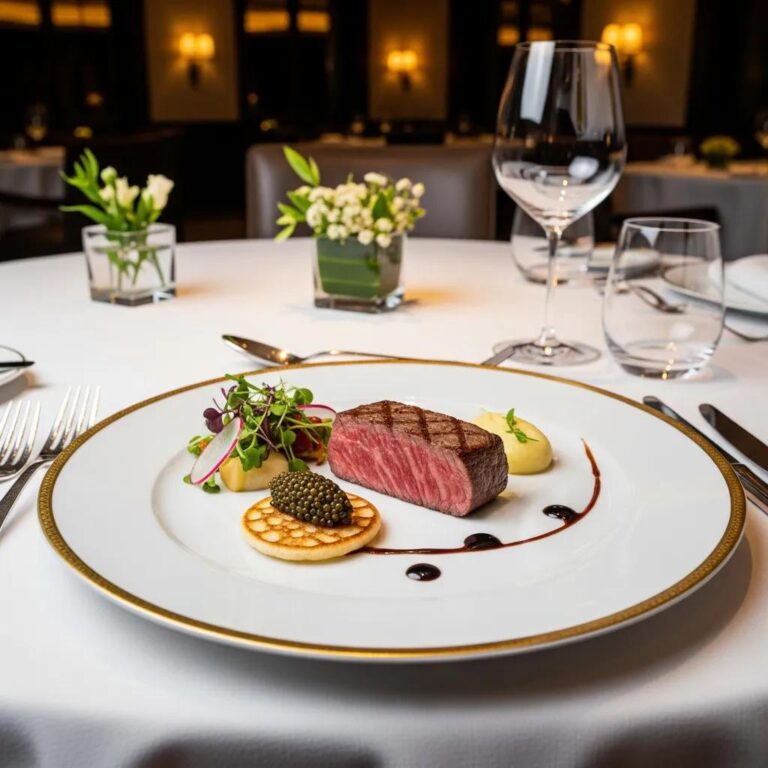
A5 Wagyu and caviar act as accentuating elements that punctuate the tasting, offering contrasts in fat, salt, and mouthfeel. Wagyu is handled with restraint—brief searing or precise temperature control—to maintain its silky texture; caviar is used sparingly as a finishing touch to add saline complexity and a tactile pop. Pairings—acid balance, temperature, and complementary condiments—are planned so these components sing without overpowering subtler courses. In short, premium ingredients are climactic beats that heighten the meal through contrast and rarity.
How Kaviar’s culinary team brings the chef’s vision to life
Our kitchen is organized into complementary roles—sous chef, sushi chef, saucier, pastry chef, and dedicated plating staff—that translate the executive chef’s menu into consistent, high‑touch service. Each specialist focuses on craft: the sushi chef sources and executes nigiri, the saucier finishes warm dishes, and the sous chef coordinates mise en place and timing. This division allows the executive chef to concentrate on concept and guest interaction while trusted specialists uphold technical standards. The collaborative workflow includes daily tastings and calibration sessions that align technique, portions, and plating for a repeatable omakase.
Team roles at a glance: the table below maps key positions to responsibilities and concrete examples of how each supports the omakase.
Rituals—pre‑service tasting, line checks, and calibration—keep quality consistent and allow small adjustments when ingredients vary day to day. These routines are essential for an omakase that depends on micro‑adjustments in portioning, seasoning, and timing; without them, the curated progression and precise mouthfeel that define the tasting would suffer. The chef’s leadership is expressed through hands‑on instruction during these sessions and clear standards the team follows during service.
Kaviar positions itself as Pasadena’s destination for luxury Japanese fine dining, prioritizing exclusive omakase seating and premium sourcing. That positioning shapes the kitchen’s technical standards and guides our reservation strategy for diners seeking a focused, chef‑driven tasting experience.
Who are the key members of Kaviar’s culinary team?
Key members include the sushi chef—responsible for fish handling and nigiri technique; the sous chef—who runs mise en place and coordinates timing; the saucier or hot‑line cook—who executes cooked items such as the wagyu course; and a pastry or palate‑reset specialist—who designs intermezzi and cleansers. Each role contributes specialized technique—precision slicing from the sushi chef, temperature management from the saucier, and plating consistency from the sous chef—that combine to produce a cohesive omakase flow. Together these positions ensure the chef’s menu translates into reliably timed, high‑quality courses.
How does the team collaborate to deliver Japanese fine‑dining excellence?
Collaboration follows routine practices: pre‑service tastings to calibrate seasoning, mise en place checklists to ensure consistency, and clear communication during service so courses align with front‑of‑house pacing. The team runs mock services and iterative tastings where the chef adjusts seasoning levels, rice temperature, and portion sizes; this feedback loop minimizes variability and sharpens the sensory arc of the meal. Clear coordination with the front‑of‑house ensures service choreography—when to present plates, how to describe provenance, and how to handle guest questions—supports the chef’s intended pacing and storytelling.
How to reserve a luxury omakase at Kaviar
Booking an omakase at Kaviar requires advance planning: seating is intentionally limited to preserve pace and quality. The reservation asks for a date, party size, and any dietary notes so the kitchen can plan substitutions or special preparations. Expect deposit or cancellation policies to manage limited capacity; early booking is recommended for peak nights and weekend services. Understanding these mechanics helps ensure a smooth experience from booking through the final course.
How to book — follow these simple steps to secure a seat and prepare details before arrival.
- Choose Your Date and Party Size: Select the preferred date and exact number of diners so seating can be arranged correctly.
- Provide Dietary Notes or Requests: Share allergies, dietary restrictions, or celebration details so the kitchen can plan appropriate substitutions.
- Confirm Reservation Details: Review deposit and cancellation terms that secure exclusive seating and allow the restaurant to manage limited capacity.
These steps reflect that an omakase is a coordinated event requiring lead time and clear guest information; providing accurate details at booking helps the chef and team prepare the right sequence and source premium ingredients. Advance notice also gives Kaviar time to secure special components and refine the tasting for maximum effect.
Kaviar emphasizes exclusive omakase seating in Pasadena and encourages guests to reserve early to secure a chef‑driven tasting experience featuring premium ingredients such as A5 Wagyu and caviar.
How can diners book their exclusive omakase reservation?
Plan ahead: choose a date and party size, and communicate any dietary constraints or special requests when booking so the culinary team can accommodate them within the tasting format. Reservations may require confirmation and a deposit to manage limited seating—early booking improves the chance of preferred times and private seating. When reserving, let us know if you prefer close interaction with the chef or a quieter dining posture; seating and service choreography can be adjusted to match. Clear advance communication allows the kitchen to incorporate premium ingredients and finalize the tasting progression.
What should guests expect during their luxury dining experience?
Expect a multi‑course tasting that typically unfolds over a set duration with deliberate pacing between courses to highlight contrast and prevent palate fatigue. The chef or a senior culinary team member may present select dishes, explain provenance, and offer tasting notes that enrich each course’s story. Dress is generally smart‑casual to formal; while there’s no strict dress code, thoughtful attire suits the elevated atmosphere. Allowing the chef to sequence courses preserves the intended arc and balance. Overall, diners should anticipate attentive service, close coordination between kitchen and front‑of‑house, and a sensory journey that culminates in richer courses featuring A5 Wagyu and caviar.
Where Kaviar sources premium ingredients like A5 Wagyu and caviar
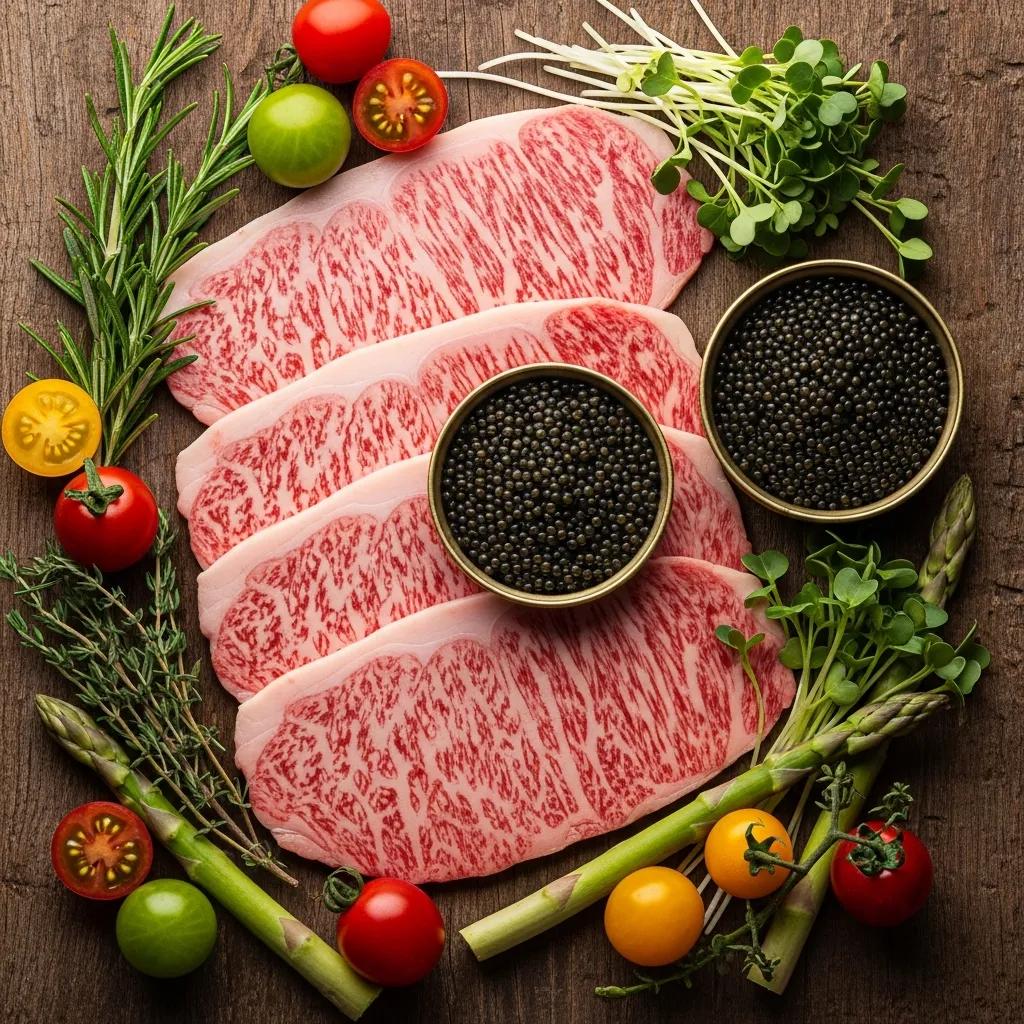
Our sourcing strategy prioritizes traceability, grade, and long‑standing supplier relationships to ensure ingredients like A5 Wagyu and caviar deliver consistent flavor and texture suited to omakase service. A5 Wagyu is selected for its intense marbling and melting fat, which serve as climactic elements, while caviar is chosen for clean saline notes and firm bead integrity that finish dishes. Strong supplier partnerships and careful handling—from cold‑chain logistics to in‑kitchen storage—preserve quality so the chef can deploy these items at peak condition. Below is a sourcing table summarizing provenance details and quality notes for these key premium items.
Provenance at a glance: the table below explains how grade and handling translate into on‑plate experience.
Transparency in sourcing enhances the dining experience: chefs can tell provenance stories that connect guests to regions and techniques and explain why certain courses taste distinct. It also enables quality‑control practices—temperature monitoring, sample tastings, and supplier audits—to be embedded in kitchen routines so A5 Wagyu and caviar arrive and are handled in ways that preserve their defining qualities.
What is the provenance of Kaviar’s A5 Wagyu beef?
A5 Wagyu is defined by its top‑tier marbling and even fat distribution, producing a velvety texture and layered umami that becomes a focal point within a tasting menu. While specific suppliers aren’t listed publicly, the critical provenance elements are the A5 grade designation and meticulous cold‑chain logistics that protect fat integrity and tenderness until service. On the palate, A5 Wagyu delivers a long, savory finish and a tactile silkiness that contrasts with firmer sashimi and lighter nigiri—making it an ideal crescendo in a chef‑driven progression.
How does ingredient sourcing enhance the culinary experience?
Sourcing directly affects flavor consistency, textural reliability, and the chef’s ability to build a coherent narrative across courses. Trusted suppliers allow the kitchen to request particular cuts, harvest windows, or caviar brine levels that match the chef’s profile, while strict handling protocols preserve those attributes until plating. For guests, this means predictable excellence: when A5 Wagyu melts as intended and caviar provides a precise saline pop, the intended emotional and sensory impact of the tasting is achieved. In practice, good sourcing is both a quality‑control measure and a storytelling tool.
Key takeaways for prospective guests and culinary practitioners are summarized below.
- Reservation Essentials: Pick a date and party size, provide dietary notes, and confirm deposit or cancellation terms.
- Dining Etiquette: Allow the chef to sequence courses, follow server guidance on pacing, and keep special requests focused and respectful.
- Sourcing Priorities: Seek traceable, high‑grade ingredients and robust cold‑chain handling to ensure flavor consistency.
These points distill actionable advice from the sections above and reinforce the standards that help deliver an exceptional omakase at Kaviar.
This profile emphasizes the chef‑driven nature of Kaviar’s omakase: the technical choices, sourcing decisions, and operational practices that turn culinary vision into consistent luxury dining. Guests who value close chef interaction, rare ingredients like A5 Wagyu and caviar, and carefully paced tasting menus will find Kaviar in Pasadena aligned with those high‑intent expectations.
Frequently Asked Questions
What is the significance of omakase dining in Japanese culture?
Omakase—literally “I leave it up to you”—is a Japanese dining tradition in which the chef curates a multi‑course meal based on seasonality and personal expertise. It emphasizes trust between diner and chef, allowing the meal to showcase the chef’s creativity, technique, and sense of timing. Omakase is as much about storytelling and the relationship formed over the table as it is about individual dishes, making it a personal, immersive experience.
How does Kaviar ensure the quality of its ingredients?
We prioritize long‑term relationships with trusted suppliers and rigorous traceability. Ingredients such as A5 Wagyu and caviar must meet strict standards and are monitored through transport and storage to protect freshness and flavor integrity. By combining careful sourcing with disciplined handling, Kaviar ensures each dish reflects our highest culinary standards.
What should guests know about the dress code at Kaviar?
We suggest smart‑casual to formal attire to match the restaurant’s elevated atmosphere. While we do not enforce a strict dress code, dressing thoughtfully enhances the experience and respects the dining environment—avoid overly casual clothing for a visit to Kaviar.
Can dietary restrictions be accommodated during the omakase experience?
Yes. Please communicate allergies, dietary needs, or strong preferences when making your reservation so the culinary team can plan appropriate substitutions. Early notice helps us integrate changes without disrupting the flow of the tasting.
What is the typical duration of an omakase meal at Kaviar?
An omakase at Kaviar typically lasts two to three hours, depending on the number of courses and the pacing of service. That timeframe allows guests to savor each dish with intentional pauses that enhance the overall tasting experience.
How often does Kaviar change its omakase menu?
Our omakase evolves with the seasons and the chef’s creative direction. Menus are updated regularly to showcase the freshest seafood and produce, so each visit can offer new flavors and techniques while staying true to an ingredient‑first philosophy.
Conclusion
Kaviar’s omakase is a curated journey through Japanese fine dining, where each course is crafted to highlight premium ingredients like A5 Wagyu and caviar. The chef’s dedication to sourcing and technique shapes a memorable tasting narrative that delights both palate and senses. For those seeking an exclusive culinary experience, reserve a seat at Kaviar and begin your tasting journey. Explore our reservation options today to book your visit.