




Mixology at Home — Craft Signature Cocktails Using Premium Ingredients and Intentional Technique
Mixology at home is about more than recipes—it’s the deliberate practice of balance: temperature, dilution, aroma and presentation. This guide shows how premium spirits, Japanese flavor accents and a handful of reliable techniques let you recreate restaurant-grade cocktails and develop your own signature pours. Home enthusiasts often face inconsistent texture, weak aromatics or awkward pairings; focusing on the right tools, clear techniques and thoughtful ingredient choices resolves those issues and elevates every glass. We’ll walk you from essential equipment and focused drills to translating luxury-menu flavors into approachable recipes, sourcing high-grade components, finishing and garnish strategies, and pairing cocktails with Japanese fine dining and omakase. Expect practical recipes, side-by-side tool and ingredient comparisons, and concise checklists that speed practice and sourcing. Along the way we weave actionable guidance—so you can start mixing confidently tonight.
What Essential Tools and Techniques Do You Need for Home Mixology?
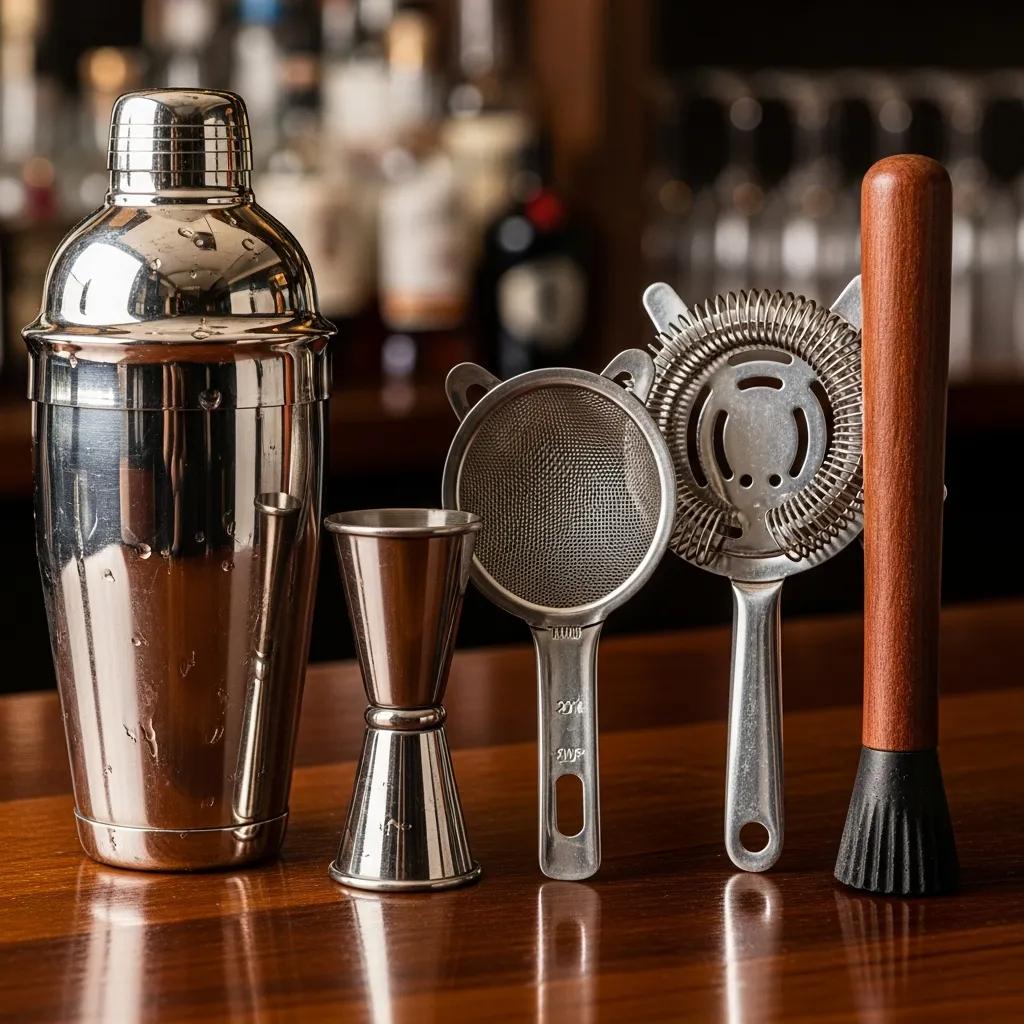
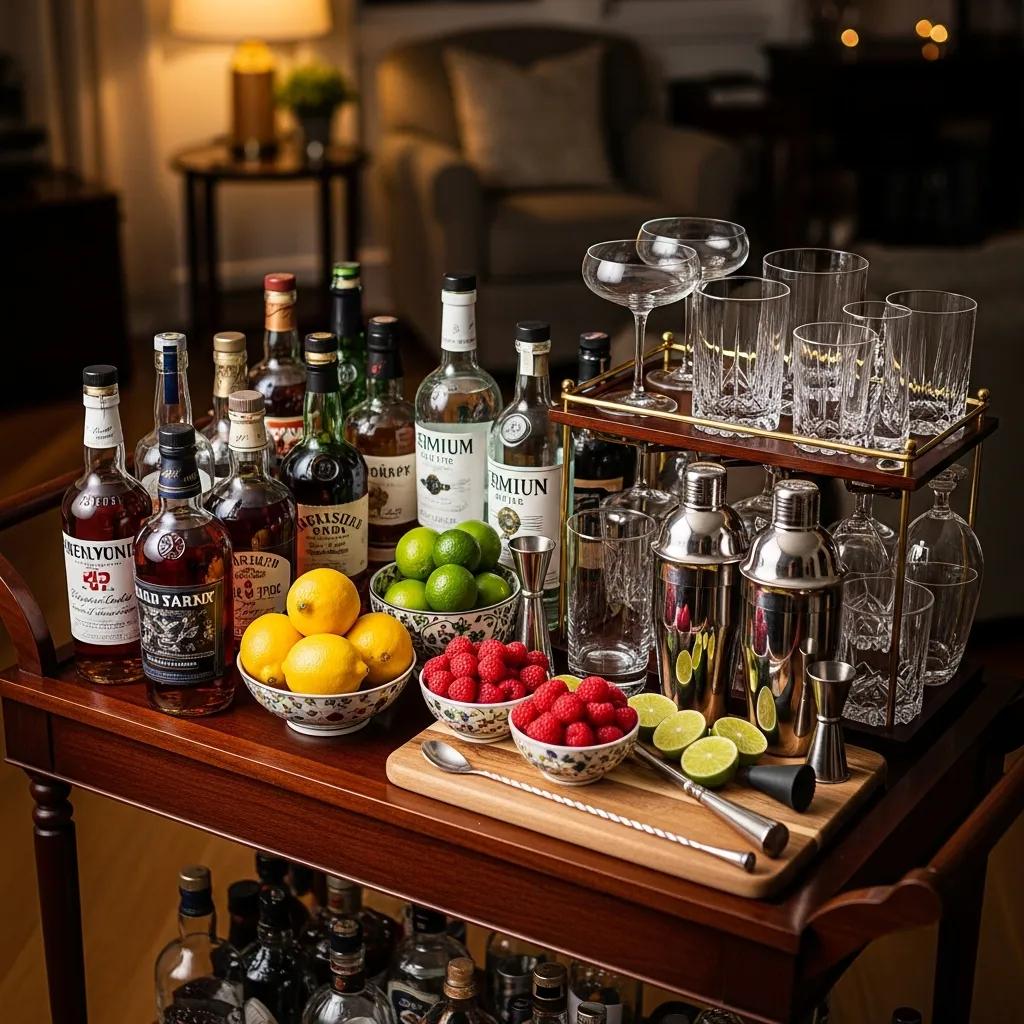
Consistent cocktails come from controlling three physical variables: dilution, temperature and extraction. A compact, well-chosen toolkit lets you reproduce classic and contemporary drinks predictably—because each item addresses a specific step: measuring, chilling, agitating, straining or finishing. Prioritize repeatable tools: a precise jigger for exact ratios, a weighted shaker for predictable chilling and aeration, and a fine-mesh strainer to remove solids and deliver a silkier mouthfeel. Equally important is technique—knowing when to shake versus stir, when to double-strain, and how to taste for proper dilution. Practicing a small set of repeatable recipes builds the muscle memory that turns good intentions into great drinks. Below are prioritized recommendations for most home bars and budgets.
This list highlights the tools worth prioritizing for an elevated home bar and why each belongs in your starter kit.
- Weighted Boston or cobbler shaker: Delivers efficient chilling and consistent dilution through solid ice contact.
- Jigger (0.25–2 oz): Precise measurements lock in intended ratios and ABV for repeatability.
- Hawthorne or fine-mesh strainer: Filters ice shards and fruit solids for a clean, refined mouthfeel.
- Mixing glass and bar spoon: Enables gentle chilling for spirit-forward, stirred cocktails.
- Muddler and fine-mesh strainer: Extracts oils and juices cleanly for herb- and fruit-forward drinks.
- Citrus peeler/zester and microplane: Produces fresh aromatics and exact zest for expressive finishing.
Once you’ve selected tools, simple maintenance keeps them performing: rinse metal immediately, air-dry wood, and store glassware safely to prevent chips. Proper care prolongs equipment life and ensures every cocktail benefits from predictable tools—an essential step before you pair technique with ingredients.
Which Home Bartending Tools Are Must-Haves for Crafting Cocktails?
A focused home bar favors multipurpose tools that deliver professional results without clutter. Start with a jigger that reads in ounces and milliliters so recipes translate cleanly, then add a shaker and strainer to control dilution and clarity. A solid mixing glass and a long bar spoon let you stir spirit-forward drinks to the right temperature without over-aerating. For muddling and light infusions, a heavy wooden or silicone muddler plus a fine-mesh strainer extract and then clarify herbs and fruit for a cleaner presentation.
Use this introductory comparison to choose and prioritize tools across budgets and use cases.
These modest investments in durable, multipurpose tools yield significant gains in consistency and mouthfeel—setting you up to practice and refine the core techniques that rely on them.
How Can You Master Basic Mixology Techniques for Signature Drinks?
Shaking, stirring, muddling and fine-straining are the foundation of intentional cocktails—they control texture, dilution and aeration. Shaking with ice chills and introduces micro-bubbles that lighten and unify ingredients; stirring chills and dilutes without aeration for a silky spirit-forward profile. Muddling releases aromatic oils and juices while avoiding bitter over-extraction, and fine-straining removes particulates for a clean finish. Learn sensory cues—listen for a solid thud when shaking that signals good ice contact, watch for bead formation when stirring, and taste for dilution rather than timing alone—to build reliable technique.
Try these focused drills to accelerate learning and produce consistent results.
- Shaking drill: Make three versions of a shaken sour (under-, target-, over-diluted) to learn the sound and timing.
- Stirring drill: Stir a spirit-forward cocktail to target temperature; note rotation speed and time needed to reach silkiness.
- Muddling drill: Gently press citrus and herbs for a mock recipe, counting presses to avoid bitterness.
These drills connect directly to your tools and prepare you to translate restaurant flavors into cocktails through disciplined technique and repeatability.
How Can You Create Signature Cocktail Recipes Inspired by Kaviar’s Luxury Menu?
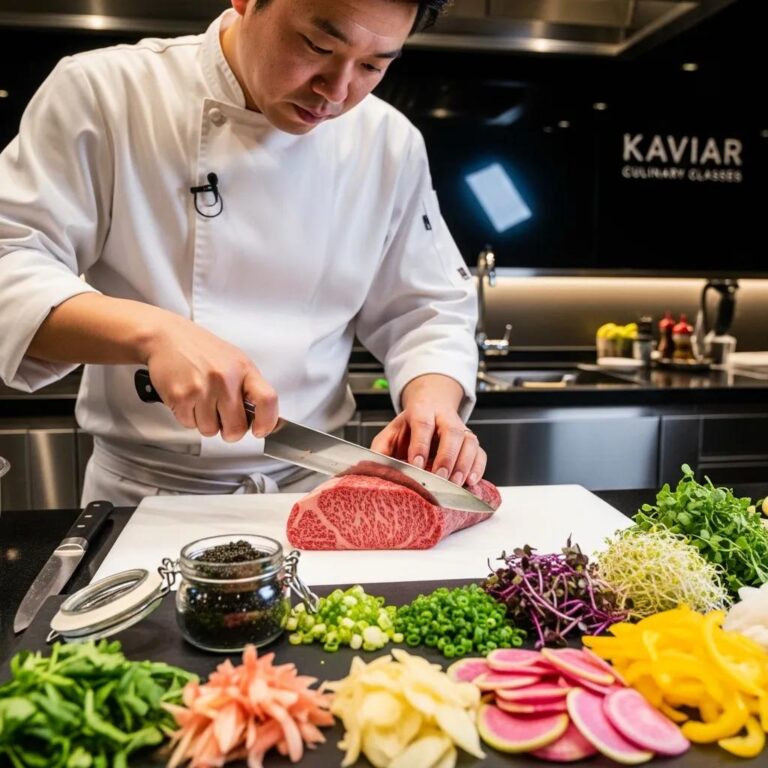
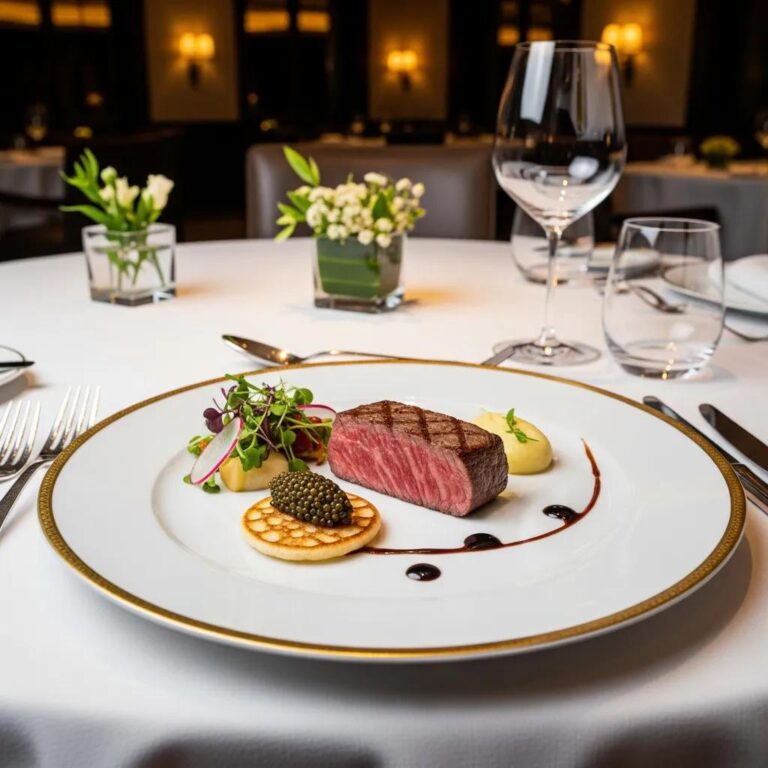
Turning a luxury menu into home cocktails starts by identifying the menu’s dominant flavor threads—umami richness, saline accents, clean citrus, subtle smoke—and mapping those threads to spirits and methods that express them. A5 Wagyu, for example, carries intense fat and umami; a cocktail that contrasts it with bright acid or tannic bitterness will refresh the palate. Caviar supplies saline aromatics that work as micro-garnishes or tinctures to highlight savory notes. Start by isolating a dish’s primary sensory drivers—fat, acid, aroma, texture—and choose spirits and modifiers that either complement or cut through those drivers. That approach yields pairings that feel deliberate, not thematic, helping you craft signature drinks that echo the restaurant experience.
What Are Some Craft Cocktail Recipes Featuring A5 Wagyu and Caviar Pairings?
When pairing with rich A5 Wagyu, a spirit-forward drink with acid and bitter or tannic structure is effective: it lifts and refreshes the palate. The Charred Yuzu Negroni below is an approachable home recipe that balances savory and bright elements and pairs nicely with fatty beef.
- Yield: 1 cocktail.
- Ingredients: 1 oz premium gin, 1 oz Campari (or bitter aperitif), 1 oz sweet vermouth, 0.25 oz fresh yuzu juice (or yuzu cordial), smoked saline rinse for the glass, orange peel for expression.
- Steps: Stir the gin, bitter aperitif and vermouth with ice for 30–40 seconds until chilled and lightly diluted; strain into a rocks glass over a single large ice cube that’s been rinsed with a smoked saline solution; express an orange peel over the drink and garnish.
- Pairing rationale: Bitterness and aromatics cut through Wagyu’s richness while yuzu offers a bright citrus lift between bites. A subtle saline rinse evokes caviar’s briny edge without altering texture.
Another idea is a small, clarified citrus sipper finished with a single caviar bead on a pick to provide a saline pop at tasting—restraint is key.
These examples show how contrast and restraint allow both cocktail and dish to shine. For a full tasting that pairs cocktails with courses, consider the curated experiences and reservations available at Kaviar Restaurant for deeper inspiration.
How Do You Adapt Japanese Fine Dining Flavors into Home Cocktail Creations?
Japanese elements—yuzu, shōchū, sake, kombu umami and delicate saline—translate into cocktails when handled with subtlety. Use shōchū or sake as lower-ABV bases or modifiers so delicate sashimi flavors remain central; use yuzu for a floral, less-sweet citrus lift. Introduce umami via short kombu or mushroom tinctures, light dashi reductions or a controlled saline solution to echo briny touches like caviar. Technique matters: keep infusions short to avoid masking floral notes, use cold clarification for clarity and mouthfeel, and finish with micro-garnishes that add aroma without bulk.
Practical adaptations and a few examples make these approaches actionable at home.
- Shōchū highball: Shōchū, soda and a yuzu twist for a low-ABV, palate-cleansing companion.
- Sake-based Martini: Replace part of the vermouth with aged gin and a splash of sake for gentle umami depth.
- Kombu tincture: Make a short kombu infusion for modifiers, then fine-strain to preserve clarity.
These techniques preserve the restrained elegance of Japanese fine dining, letting you echo omakase elements in cocktails while keeping balance and clarity for the meal ahead.
Which Premium Ingredients Elevate Your Craft Cocktails at Home?
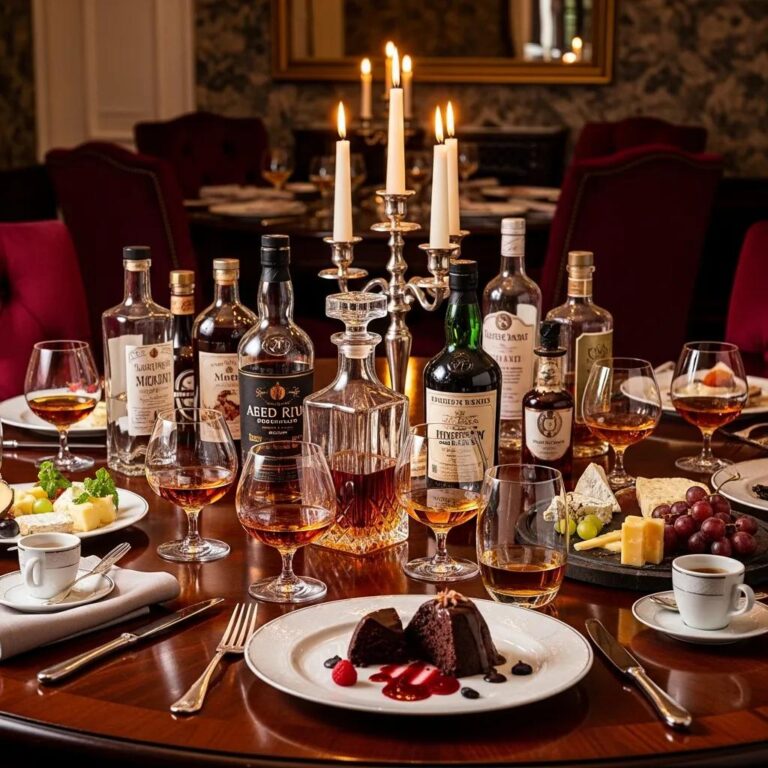
Premium ingredients concentrate flavor, aroma and texture—each sip feels considered, much like fine dining. High-quality base spirits (well-aged whiskey, small-batch gin), artisanal vermouths, fresh citrus (including yuzu) and Japanese modifiers like shōchū and aged sake supply distinct profiles that mark a cocktail as premium. Exotic accents—caviar pearls, smoked saline or umami tinctures—work best sparingly, adding texture and aroma without upsetting balance. Thoughtful sourcing and practical substitutions control cost and feasibility; building a core of versatile, high-quality components unlocks elevated drinks across many recipes.
Use this quick comparison to plan purchases that make the biggest flavor differences and learn accessible swaps for home bartenders.
This table helps you prioritize buys that move the needle and suggests practical swaps so you can approximate premium touches without hunting rare items—leading naturally into sourcing and evaluating spirits and mixers.
How Do You Source and Use High-Quality Spirits and Mixers?
Start with reputable specialty retailers and read labels carefully: provenance, tasting notes and ingredient transparency often indicate reliable flavor. For home bars, focus on one or two versatile premium spirits—a balanced gin and a quality whiskey—and complement them with a small selection of artisanal vermouths, liqueurs and mixers that emphasize real botanicals and restrained sugar. Storage matters: refrigerate vermouth after opening and use within 1–2 months for the best aromatics; keep spirits upright in a cool, dark spot. Tasting small pours neat before mixing helps you predict how each element behaves in a cocktail.
- Buy smaller bottles of costly modifiers to avoid waste and keep freshness.
- Taste and compare before committing to larger sizes so the profile fits your style.
- Store open bottles properly—vermouth chilled, liqueurs sealed—to extend usable life.
These sourcing and storage practices ensure your premium components deliver the aromatics and complexity you expect when composing signature cocktails.
What Role Do Exotic Ingredients Like Caviar and Japanese Elements Play in Mixology?
Exotic ingredients function as focused accents that add concentrated sensory cues—salinity, umami, floral brightness or textural contrast—so small, deliberate uses are most effective. Caviar, for instance, provides a saline, oily pop that highlights savory notes when used as a micro-garnish or tincture; it’s rarely the dominant flavor but can sharpen perception at the moment of tasting. Japanese elements—yuzu’s complex citrus, shōchū’s earthy clarity—offer distinct aromatic and textural signatures. Typical applications include tinctures, short infusions, saline rinses and single-bead garnishes, all designed to preserve nuance and avoid overpowering balance.
Practical examples below show tasteful, repeatable uses for these accents.
- Caviar bead garnish: Place a single bead on a chilled spoon or pick to add a precise saline pop.
- Kombu or mushroom tincture: Add minute amounts as a modifier to introduce umami without clouding clarity.
- Yuzu wash: Stir a few drops of yuzu into simple syrup for bright aromatic lift.
Used sparingly, exotic ingredients amplify a cocktail’s character without undermining harmony or drinkability.
What Are the Best Presentation and Garnishing Tips for Luxury Cocktails?
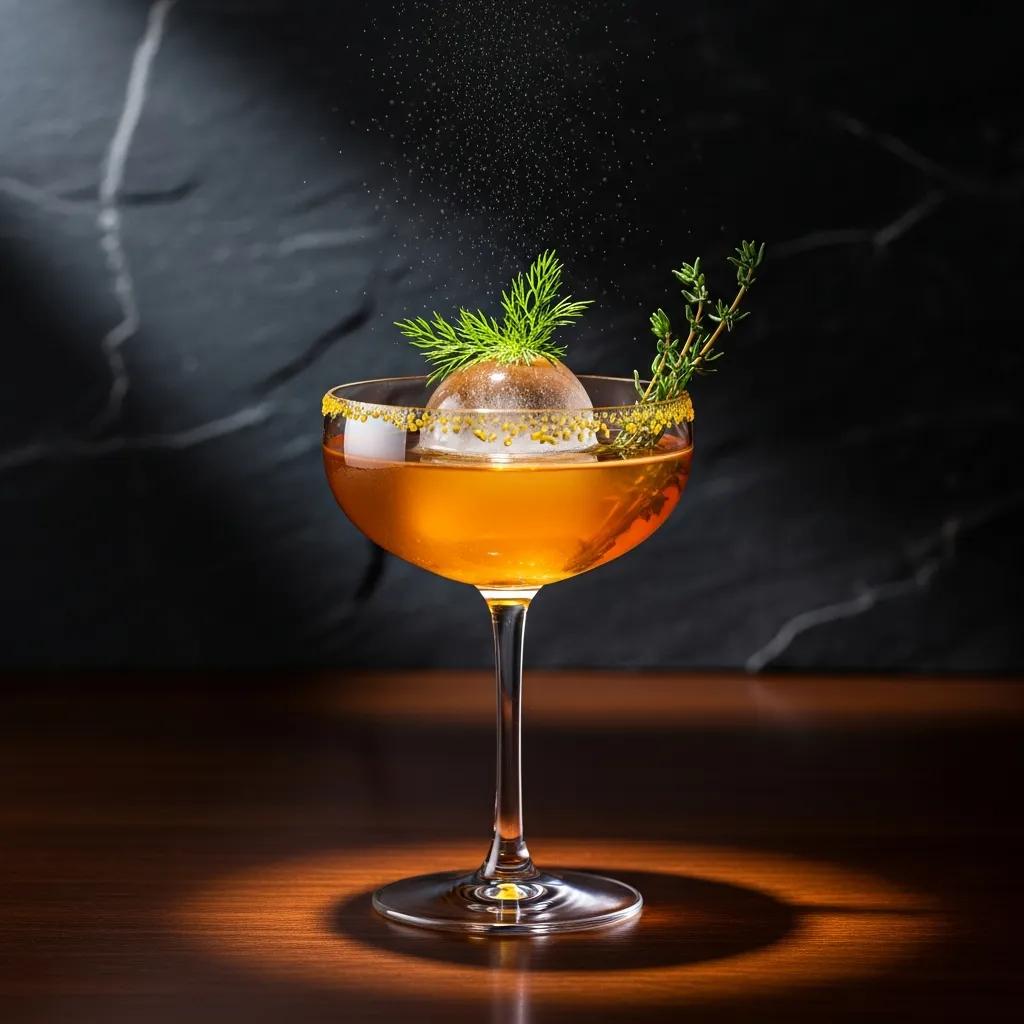
Presentation sets the first impression—aroma and visual cues shape how a drink is perceived before the first sip. The right glass, correct temperature and thoughtful garnish signal care and intention. Micro-garnishes—micro herbs, an expressed citrus oil, a single caviar bead—add purposeful aroma and a tactile moment that reads as luxurious. Simple staging, like pre-chilled glassware, warmed peels for oil expression and discreet tray service, brings fine-dining polish to an at-home pour without complex plating skills.
Practice these high-impact garnish techniques to elevate service and presentation.
- Expressed citrus oils: Twist peel over the glass and run it along the rim to amplify aroma.
- Micro herb placement: Add delicate herbs at the last second to keep color and scent fresh.
- Caviar or roe accents: Use single beads sparingly to introduce saline pops without dominating the sip.
- Smoked glass rinse: Lightly smoke the glass and capture the scent before pouring for a fleeting smoky note.
How Do You Professionally Garnish Cocktails to Impress Guests?
Professional garnish work balances visual impact, aroma and edible interaction—one strong aromatic and one textural accent are usually enough. Prepare durable garnishes ahead—syrups, candied peels and tinctures—but add fragile items like micro herbs and caviar at the last moment to preserve vibrancy. Use a microplane for fine zest, tweezers for precise placement and a torch for brief charring when you want a smoky top-note. Avoid competing elements; aim for a single coherent statement that complements the drink.
- Prep ahead: Make syrups, candied peels and tinctures in advance to simplify service.
- Apply last: Place fragile garnishes right before serving to preserve aroma and color.
- Control portions: Use small amounts of potent ingredients to keep the drink balanced.
Which Glassware and Serving Styles Complement Signature Cocktails?
Glass shape and service style communicate a cocktail’s purpose and influence mouthfeel and temperature. Coupes and martini-style glasses concentrate aroma for up-served or stirred cocktails; rocks glasses hold larger ice for spirit-forward sippers that benefit from gradual dilution. Flutes and highballs preserve carbonation in long cocktails, and short, wide vessels suit tasting pours with garnish interaction. Pre-chilling glassware and matching serving temperature to the cocktail style ensures aromatics present correctly and dilution behaves predictably.
Use this short guide to match glassware with cocktail categories.
- Coupe: Best for up-served stirred or shaken aromatic cocktails.
- Rocks: Ideal for whiskey sippers and drinks served over a large ice cube.
- Highball: Perfect for soda-forward or long drinks that need sustained effervescence.
How Can You Pair Cocktails with Japanese Fine Dining and Omakase Experiences?
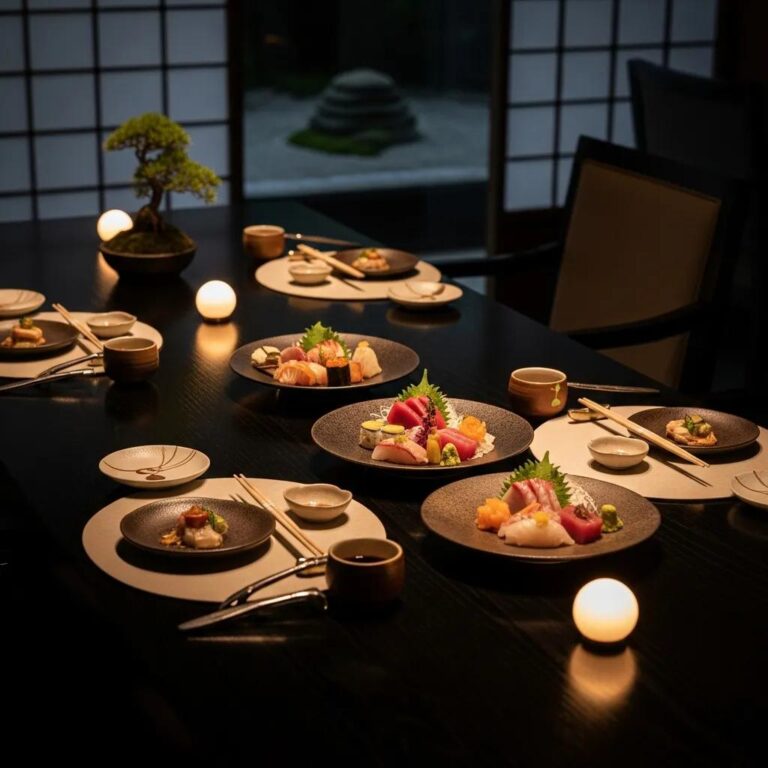
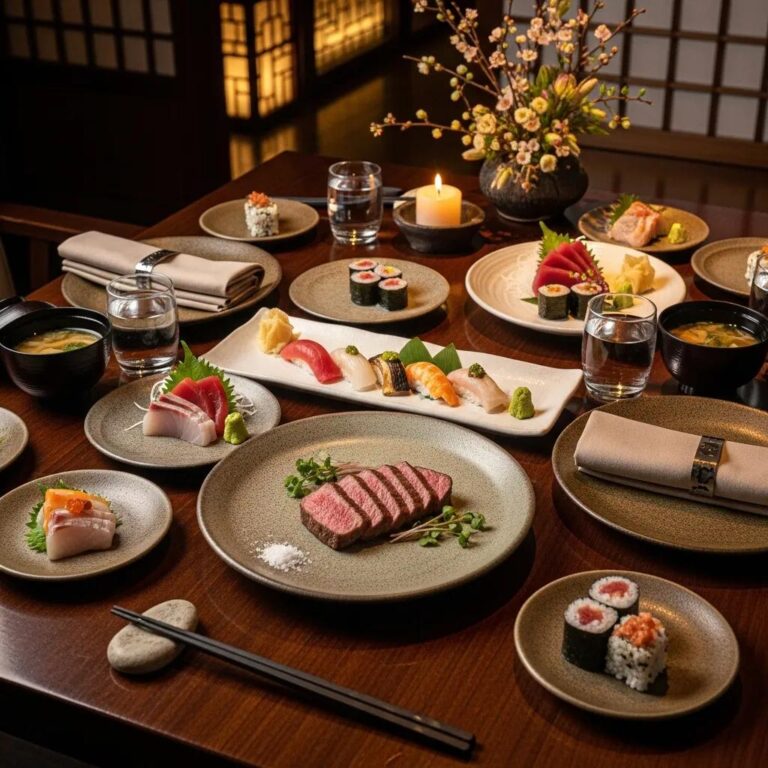
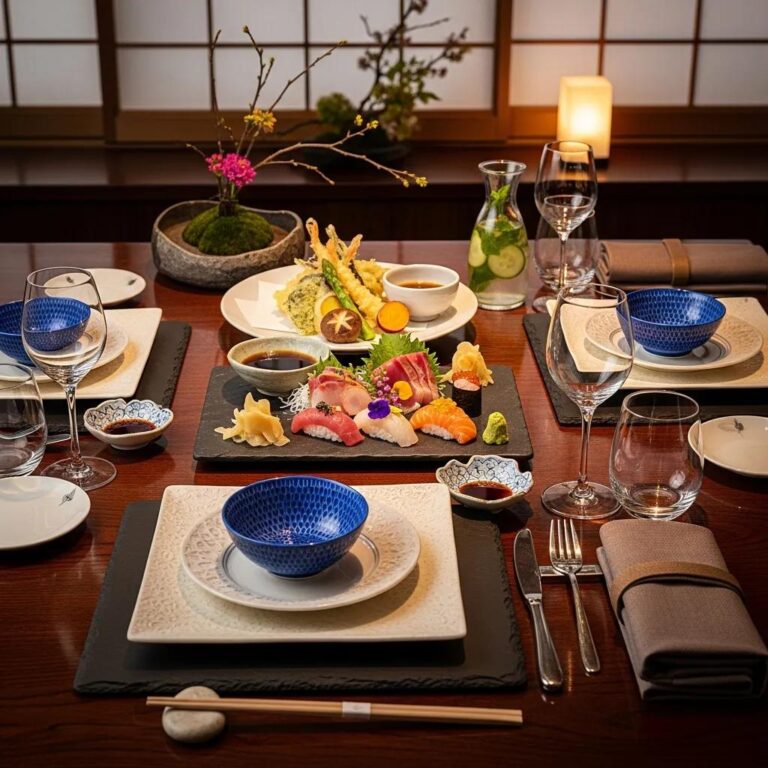
Pairing cocktails with omakase and A5 Wagyu is about balancing weight, texture, acidity and umami so drinks support rather than overpower delicate courses. Follow simple principles: match intensity (light cocktails with sashimi, fuller-bodied cocktails with richer courses), use acidity to cut fat, and introduce saline or umami touches sparingly to echo savory notes. Sequence drinks from light and aromatic to more structured and tannic as the meal deepens. These rules create a flexible framework home mixologists can tailor to seasonal menus and ingredient availability.
Three concise pairing rules that work across most omakase progressions.
- Match intensity: Pair delicate sashimi with low-ABV, citrus-forward cocktails so fish flavors remain central.
- Use acidity to cut fat: For A5 Wagyu, choose cocktails with bright acid or tannic bitterness to refresh the palate.
- Echo umami sparingly: Introduce kombu or sake notes as subtle modifiers to mirror savory flavors without overwhelming them.
These guidelines help structure a multi-course drinking sequence and lead into specific pairing examples for Wagyu and common omakase items.
What Are Effective Pairing Strategies for A5 Wagyu and Signature Cocktails?
When working with fatty, richly flavored dishes, contrast and timing are your allies: a well-timed acidic or bitter element refreshes the palate and prevents fatigue. Reach for citrus, bitter aperitifs or tannin-rich modifiers to provide structural counterpoints to Wagyu. Consider small-format cocktails or palate cleansers between bites to maintain clarity and avoid letting the drink overshadow the meat’s nuance. Temperature and portioning matter too: slightly chilled, low-volume sippers often work better than large, room-temperature pours during a multi-bite sequence.
- Before/during Wagyu: Serve a citrus-driven aperitif or a light Campari-based cocktail to cut fat.
- Small sips: Offer 2–3 oz portions to avoid overwhelming the course.
- Finish: Close with a cleansing, yuzu-forward digestif to reset the palate.
How Do Cocktail Flavors Enhance the Omakase Dining Experience at Home?
Thoughtful cocktail sequencing enhances omakase by mirroring the meal’s progression from light, raw flavors to richer, cooked items. Start with crisp, aromatic cocktails for sashimi to highlight freshness, move to slightly more structured, textural drinks for grilled or richer bites, and finish with a lower-ABV, umami-tinged sipper alongside dessert. Keeping alcohol moderate across the sequence preserves palate sensitivity for later courses; alternating small water pours between cocktails helps reset taste perception. The three-drink sequence below maps to a typical omakase flow and shows how cocktails can complement, not compete with, each course.
- Course 1 (sashimi): Yuzu-shōchū highball for bright, clean citrus and low alcohol.
- Course 2 (seared fish or tempura): Lightly bitter, herbaceous cocktail to add structure without weight.
- Course 3 (A5 Wagyu): Tannic or acidic aperitif-style cocktail served in a small sip to cut richness.
Using this sequencing preserves clarity across courses and creates a cohesive dining experience where cocktails thoughtfully accompany the food.
Where Can You Find Resources and Tips to Improve Your Home Mixology Skills?
Improving mixology takes curated learning and deliberate practice. Combine visual instruction with repetition and tasting notes—this accelerates competence more than passive reading. Seek resources that emphasize technique: short videos of shaking and stirring, ratio-based recipes, and tasting tutorials that teach dilution and aroma evaluation. Books by reputable bartenders, well-produced online channels and structured recipe platforms that show ratios and yields make reliable references. Adopt a reproducible practice routine—pick three core recipes, practice them weekly and record tasting notes—to convert knowledge into consistent results.
Recommended resource types and how to use them effectively for skill building.
- Technique videos: Watch short clips focused on one skill, then practice immediately.
- Ratio-based recipe guides: Work with ratios so recipes scale and adapt reliably.
- Books and long-form guides: Read for deeper theory on flavor pairing and ingredient function.
Which Online Guides and Videos Offer Step-by-Step Cocktail Tutorials?
High-quality tutorials show clear camera angles, close-ups of hand technique and explicit timing or sensory cues—these elements teach motor skills and sensory expectations effectively. Look for videos that cover both the exterior choices—ingredients, tools and glassware—and the interior cues—how the drink should sound, look and feel while mixing. Play-along recipes with exact measurements that encourage repetition are especially useful for building muscle memory. Choose channels with consistent production quality and a clear teaching voice to make practice sessions efficient and enjoyable.
Practical tips for using video tutorials to maximize learning and retention.
- Practice immediately after watching to translate observation into action.
- Slow the video to study subtle motions in shaking and stirring.
- Take tasting notes and compare iterations to track progress.
Combining visual learning with structured practice accelerates skill acquisition and improves reproducibility for your signature recipes.
How Do You Use Structured Recipes and How-To Guides for Consistent Results?
Structured, ratio-based recipes separate intent from execution—ratios tell you how components relate regardless of volume. Learn classic templates—2:1:1 spirit:sweet:sour for sours, 1:1:1 for balanced stirred drinks—then swap modifiers while preserving ratios to keep consistency. Use timers for shaking and stirring, standardized ice sizes for predictable dilution, and a tasting checklist (temperature, aroma, balance, finish) to evaluate results. Record yields and substitutions in a recipe log so future reproductions match your best iterations.
A short reproducibility checklist to use every session.
- Measure precisely with a jigger.
- Use consistent ice and chilling methods.
- Time shakes and stirs; taste and note dilution and balance.
These structured practices turn experimentation into dependable craft and support the creation of signature drinks you can reproduce on demand.
Frequently Asked Questions
What are some common mistakes to avoid in home mixology?
Common missteps include using low-quality ingredients, skipping precise measurements and neglecting balance. Fresh produce matters—stale citrus or bitter herbs will show up in the glass. Inaccurate measuring leads to inconsistent results, and an imbalance of sweet, sour, bitter and umami can make cocktails feel clumsy rather than composed. Practice and careful tasting are the best defenses against these pitfalls.
How can I improve my cocktail presentation at home?
Presentation is attention to detail. Choose glassware that suits the drink, use garnishes that add aroma as well as visual appeal—citrus twists, fresh herbs or a single elegant accent—and keep the glass spotless. Think about color contrast and temperature: a well-chilled glass and a warm-expressed peel make a big sensory difference.
What are some tips for hosting a cocktail party at home?
Planning and preparation reduce stress. Pick a theme or a couple of signature cocktails, include non-alcoholic options, and set up a dedicated bar area with tools and ingredients within reach. Batch a few cocktails ahead where appropriate, prep garnishes in advance and create a welcoming atmosphere with music and lighting so you can enjoy the evening with your guests.
How do I choose the right spirits for my home bar?
Select versatile base spirits that cover your preferred styles: a good gin, a reliable vodka and a quality whiskey go a long way. Add a few artisanal vermouths, a bitter aperitif and a couple of liqueurs that complement your taste. Invest in a few premium mixers—tonic, soda—and taste regularly so your choices continue to serve your recipes.
What are some essential garnishes for cocktails?
Essentials include citrus twists for aroma, fresh herbs like mint or basil for fragrance, and simple textural accents like olives or cocktail onions for classic styles. For a luxe touch, a single caviar bead or a sprinkle of smoked salt can elevate a special cocktail. Always choose garnishes that enhance the drink’s flavor rather than compete with it.
How can I learn more about mixology techniques?
Hands-on classes and workshops are invaluable for motor skills. Complement that with well-produced online videos, authoritative cocktail books and regular practice at home. Experimentation—paired with tasting notes and deliberate repetition—is the fastest way to build confidence and skill.
Conclusion
Mastering home mixology gives you the tools to create thoughtful cocktails that elevate dining at home. By investing in key tools, practicing core techniques and choosing quality ingredients, you can achieve consistent, restaurant-quality results in your kitchen. Explore well-curated spirits and mixers to expand your repertoire, then begin—practice, taste and refine. Your guests will notice the difference when your signature drinks reflect the same care you bring to the table.