





Navigating Gluten‑Free Fine Dining: Luxury Japanese Omakase, A5 Wagyu & Caviar
Gluten‑free fine dining pairs meticulous ingredient control with elevated technique so guests with celiac disease or gluten sensitivity can enjoy memorable, luxurious meals without compromise. This guide walks through how chef‑led Japanese kitchens adapt service for gluten‑free tasting menus, why demand for celiac‑safe fine dining is growing, and what to expect when ordering specialties like omakase, A5 Wagyu, and caviar. Many diners worry about hidden gluten in sauces or cross‑contact during prep; here you’ll find practical steps for verifying ingredients, communicating with the kitchen, and securing a safe, elegant tasting experience. We explain how casual GF substitutions differ from premium fine‑dining adaptations, whether A5 Wagyu and caviar are inherently gluten‑free, and the reservation and notification steps that help ensure a seamless luxury meal. Throughout, terms like gluten‑free omakase, gluten‑free tasting menu, and celiac‑friendly restaurants clarify real‑world choices and empower confident bookings.
What defines gluten‑free fine dining — and why it’s gaining traction
Gluten‑free fine dining means the kitchen pairs strict ingredient verification with deliberate service protocols and thoughtful recipe adjustments to avoid cross‑contact while preserving the restaurant’s culinary voice. That approach relies on verified suppliers, chef‑led recipe changes, and kitchen procedures designed to deliver cohesive, high‑end gluten‑free tasting menus suitable for guests with celiac disease or gluten sensitivity. You’ll either see clearly labeled gluten‑free options or, more commonly at chef‑driven restaurants, an express path to a customized gluten‑free omakase, with staff ready to explain substitutions and techniques. Increased awareness of celiac disease and a desire for inclusive luxury dining are pushing fine kitchens to adopt gluten‑free soy alternatives and separate prep workflows.
Where casual spots might swap a single ingredient, fine dining takes a broader view: chefs rebalance textures and flavors across courses — for example, using tamari or gluten‑free dashi in place of wheat‑based sauces and adjusting starches to preserve the tasting menu’s progression from delicate sashimi to richer seared proteins. That process reduces cross‑contact risk and keeps the narrative arc of the meal intact, though it requires more coordination behind the scenes.
Guests pay for three core assurances in gluten‑free fine dining: ingredient integrity, direct chef oversight, and clear service communication. These pillars build trust for diners who need celiac‑safe options and for those who simply prefer gluten‑free luxury dining in Pasadena and similar markets. Knowing these pillars helps you ask the right questions and book with confidence.
The rise of gluten‑free fine dining stems from greater public awareness, more diagnoses of celiac disease, and modern diners’ expectation that inclusivity should not mean a diminished experience. Practically, that means restaurants are updating supplier relationships, training staff on cross‑contact, and crafting substitutions that honor the original dish’s intent.
- Key differences in gluten‑free fine dining:
Ingredient verification: Chefs confirm the gluten status of sauces, marinades and condiments.
Cross‑contact protocols: Separate prep tools and dedicated plating routines reduce risk.
Menu customization: Tasting menus are rebalanced so texture and flavor progression remain intact.
Because of these steps, diners should expect clearer pre‑service communication and may need to provide advance notice so the kitchen can source specific gluten‑free items and plan substitutions.
How gluten‑free fine dining differs from everyday gluten‑free service
Fine dining formalizes processes that casual restaurants may not: ingredient traceability, pre‑service briefings for front‑ and back‑of‑house, and chef‑led course adjustments to maintain flavor arcs and presentation. In this setting a relationship forms between guest and chef: the chef will adapt sequence, swap sauces, and time courses to deliver a cohesive, gluten‑free tasting menu. Casual dining often treats substitutions piecemeal; fine dining reimagines plates so texture, balance and plating remain true to the kitchen’s vision. The outcome is both safety and an experience that feels authentically upscale.
These operational differences lead to predictable guest experiences: clear expectations at booking, confirmation of restrictions before service, and a plated progression that accounts for the absence of wheat‑based thickeners or marinades. Knowing this helps diners ask focused verification questions and choose the right restaurant for a gluten‑free special occasion.
Why more diners are requesting celiac‑safe gourmet meals
Demand for celiac‑safe gourmet meals is driven by a mix of medical necessity and lifestyle choice: higher diagnosis rates, greater awareness of non‑celiac gluten sensitivity, and an expectation that premium dining should be inclusive. High‑end guests often ask for celiac‑friendly options so everyone at the table can enjoy the full experience. That demand incentivizes chefs to innovate — from gluten‑free soy to alternate thickeners — and pushes restaurants to train staff and audit suppliers to maintain standards.
Maintaining celiac‑safe service is ongoing work — not a single menu note. It requires staff education, supplier checks, and consistent kitchen protocols. Understanding that investment explains why fine dining establishments commit to these processes to protect both safety and culinary quality.
How Kaviar approaches gluten‑free Japanese cuisine
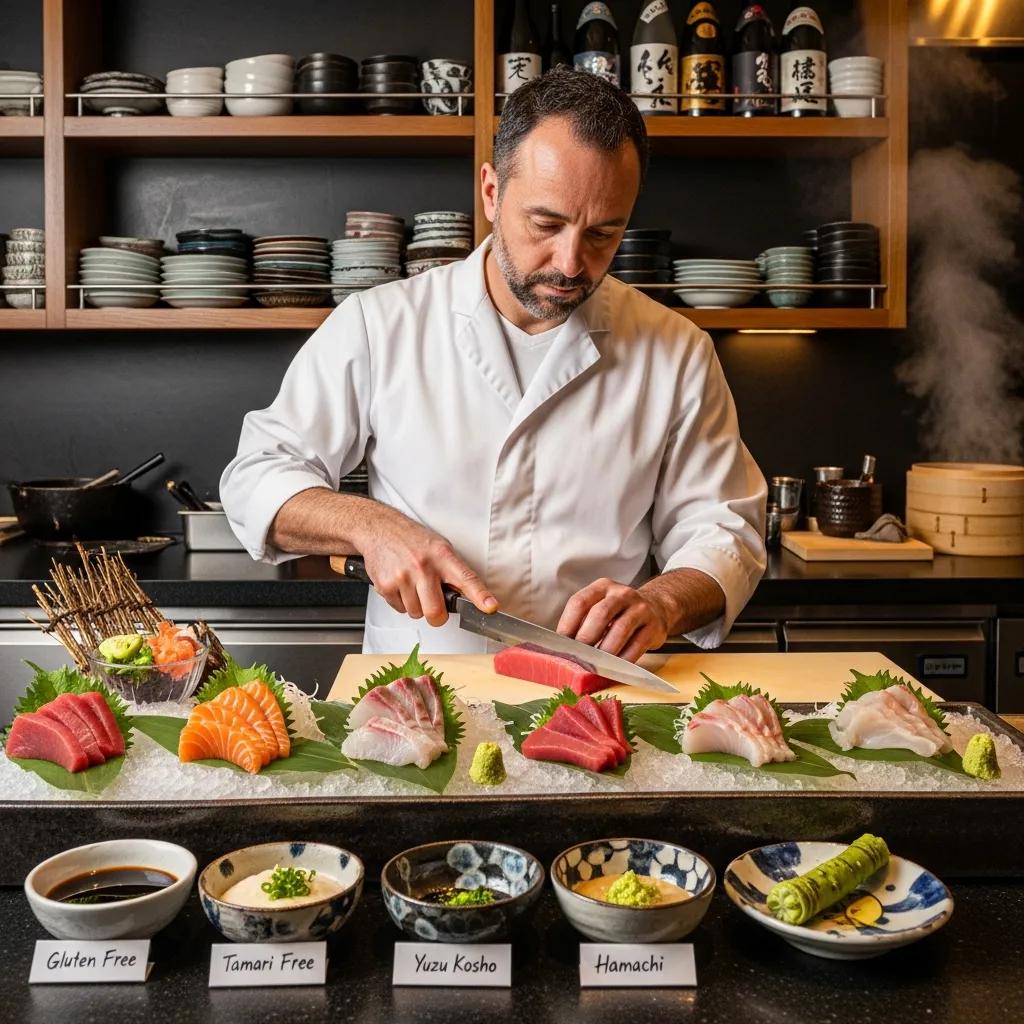
At Kaviar we accommodate gluten‑free requests through chef‑led customization and clear communication between guests and the kitchen, allowing omakase sequences to be adapted while keeping the meal’s luxury character. Our kitchen prioritizes replacing gluten‑bearing sauces with tested gluten‑free alternatives, and adjusts rice and plating techniques so core elements like sashimi and seared A5 Wagyu remain safe. Front‑of‑house logs dietary notes at booking and confirms substitutions on arrival to ensure a smooth transition from reservation to table.
Below is a concise summary of how Kaviar applies safety attributes to common omakase elements and kitchen practices to minimize gluten risk.
This layout highlights where risk most commonly appears and how we mitigate it. Guests planning a gluten‑free tasting menu should note restrictions when booking and request a pre‑service confirmation so the chef has time to prepare appropriate substitutions.
Our workflow centers on pre‑arrival communication and in‑service verification: record dietary notes at reservation, hold a brief staff/chef consult on arrival, and confirm substitutions before courses begin. That reduces surprise changes and preserves the integrity of a luxury gluten‑free experience.
Signature gluten‑free dishes you can expect at Kaviar
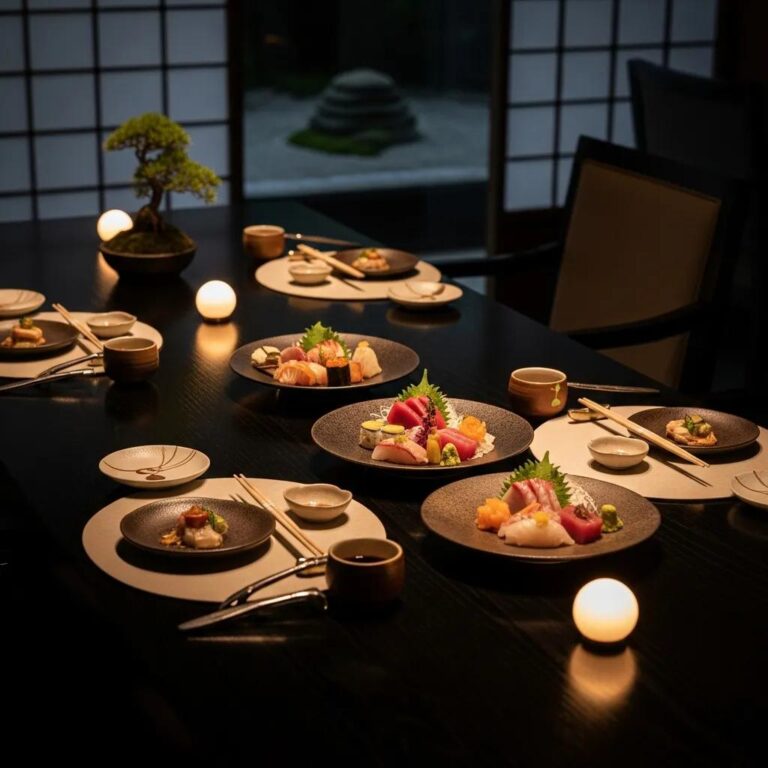
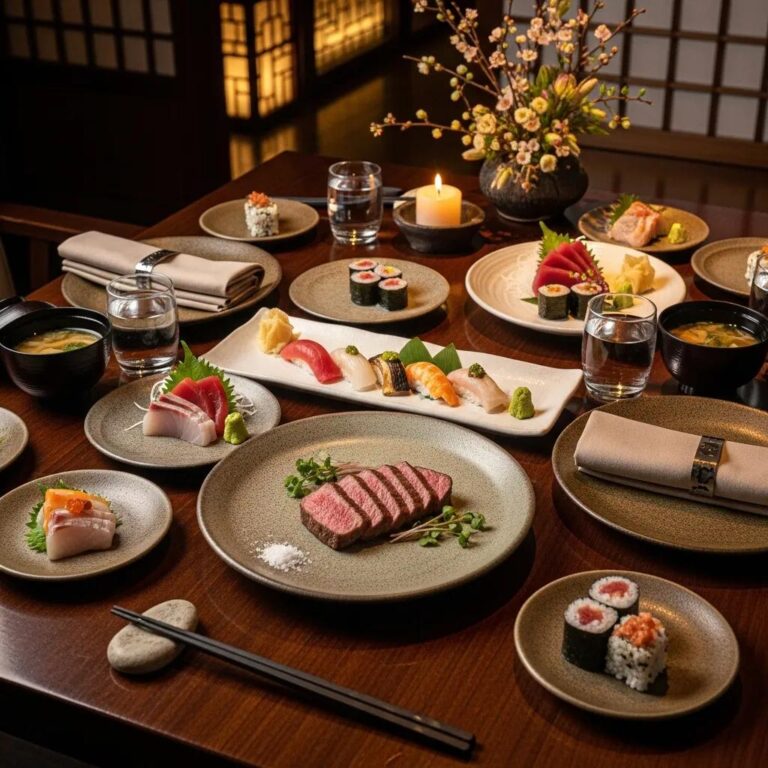
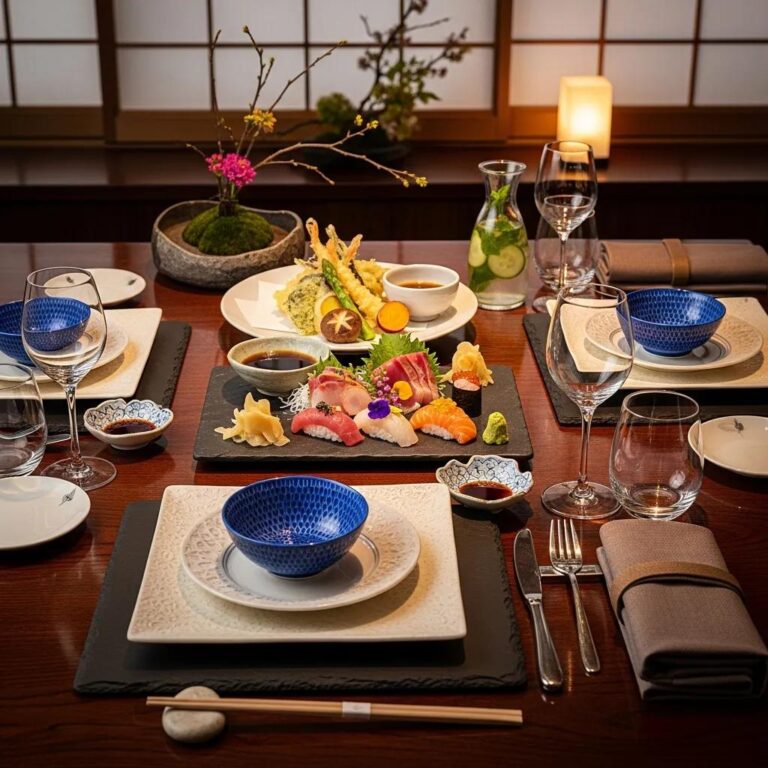
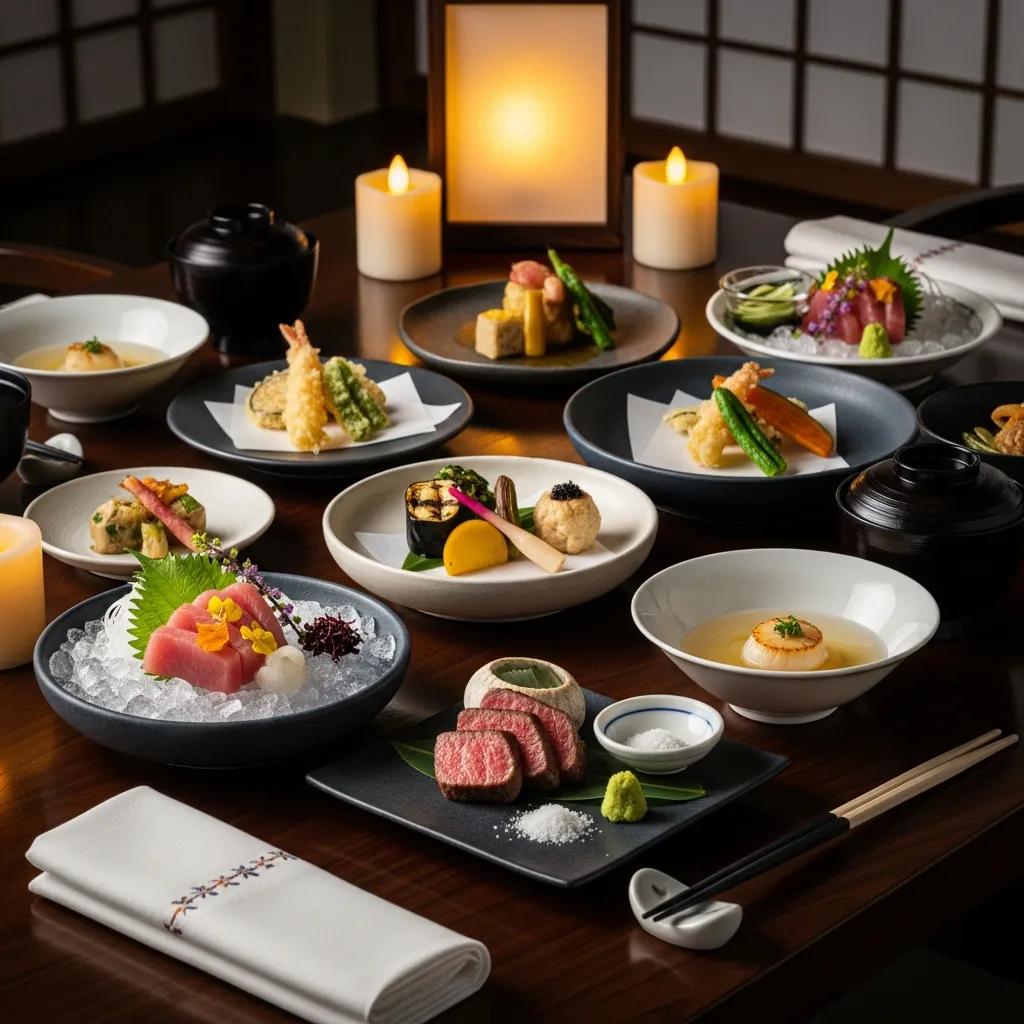
Kaviar’s menu favors preparations that translate naturally to gluten‑free service: pristine sashimi, simply seasoned seared meats, and grilled seasonal seafood form the backbone of adapted menus. Signature preparations that adapt well include delicate raw seafood courses, charcoal‑seared fish with gluten‑free glazes, and A5 Wagyu finished with gluten‑free sauces. When a traditional element contains gluten—soy‑based basting, for example—we substitute with gluten‑free soy or adjust seasonings to preserve umami.
- Sashimi courses: Served without wheat‑based marinades and paired with gluten‑free soy alternatives.
- Seared A5 Wagyu: Finished with gluten‑free glazes and restrained seasoning.
- Grilled seasonal seafood: Presented with citrus and oil‑based dressings instead of breaded accompaniments.
These examples show how premium ingredients remain central to a gluten‑free tasting menu. Please disclose celiac disease or gluten sensitivity when booking so the kitchen can confirm specific substitutions and sourcing before service.
How we customize a gluten‑free omakase
Customizing gluten‑free omakase starts with a pre‑booking conversation where you share dietary details, followed by an arrival confirmation that prompts a short chef briefing. During service the chef replaces gluten‑containing components — wheat‑based soy, mirin with gluten, or breaded garnishes — with gluten‑free alternatives and may adjust course order to preserve palate flow. Cross‑contact controls include separate plating tools and explicit communication between chefs and servers so each course meets safety goals.
This process keeps the tasting menu’s narrative intact while ensuring safety: the chef uses alternative flavor carriers — citrus, gluten‑free dashi, or tamari — to reproduce intended tastes and textures. The result is a personalized sequence that honors the restaurant’s vision without exposing guests to gluten.
Are A5 Wagyu and caviar suitable for gluten‑free diets?
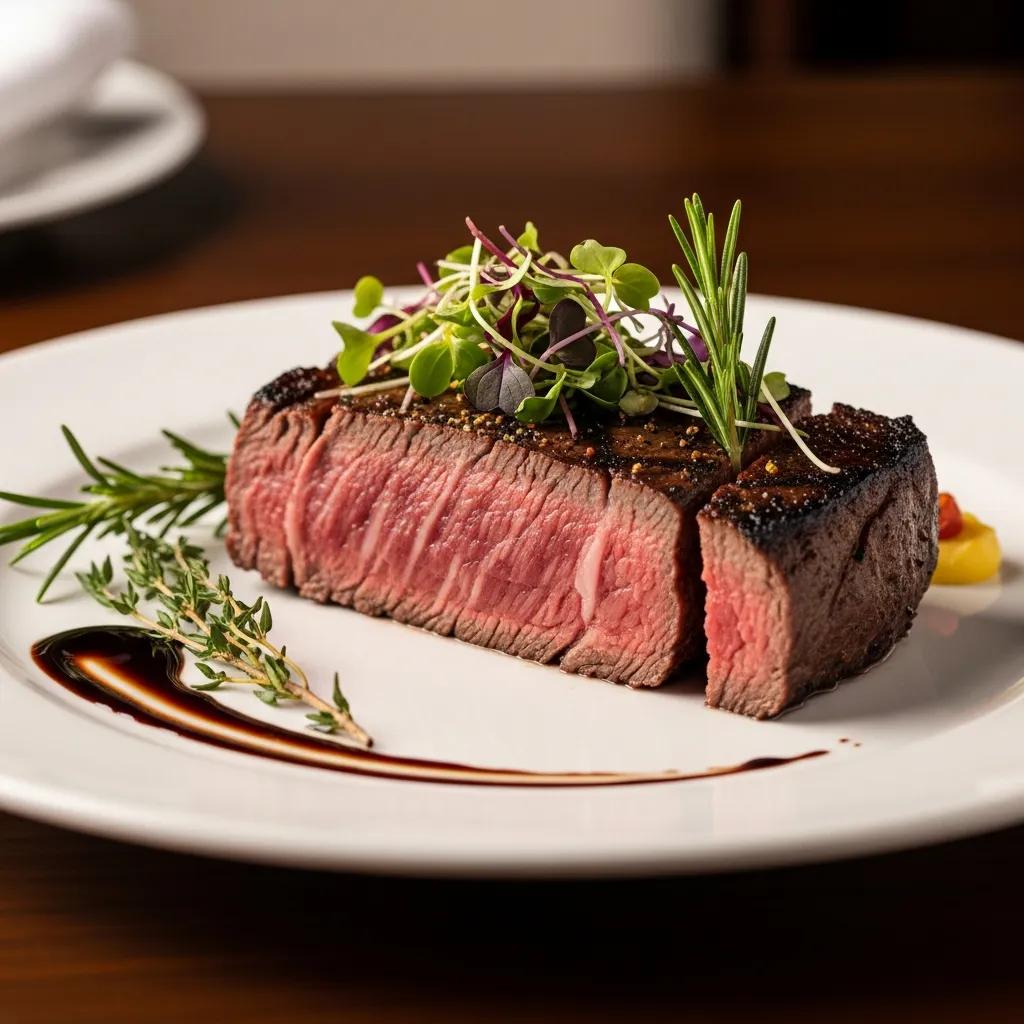
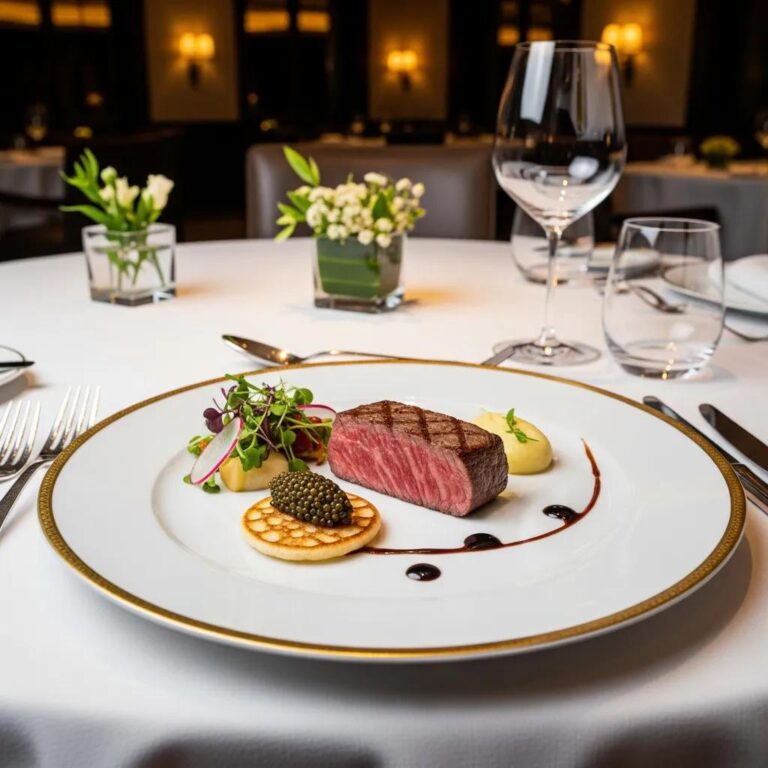
Yes — in their pure forms A5 Wagyu and caviar are naturally gluten‑free, but common accompaniments and preparations can introduce gluten or cross‑contact risk. A5 Wagyu, prepared simply by searing or grilling, contains no wheat; similarly, caviar and fresh seafood are inherently gluten‑free. The usual issues come from blinis, soy‑based condiments, breaded sides or flour‑based crusts. The simplest advice: request gluten‑free sauces and accompaniments and confirm separate prep where needed.
The table below compares common proteins and the typical preparations that affect gluten risk so you know where to request modifications.
The pattern is consistent: the proteins are safe; finishing elements often carry the risk. Asking for plain preparations and alternative condiments preserves both flavor and safety.
Why A5 Wagyu works in a gluten‑free menu
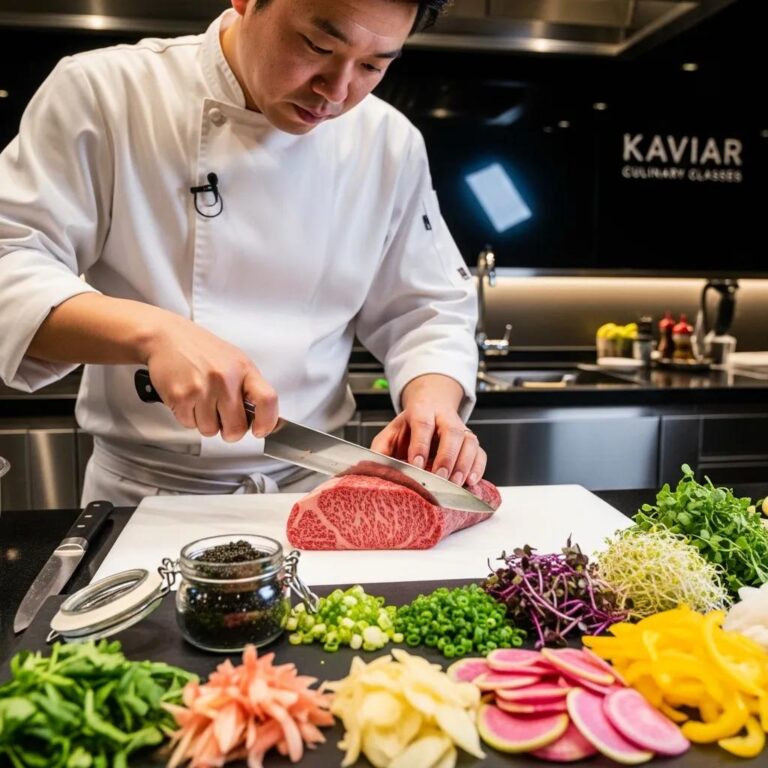
A5 Wagyu fits gluten‑free dining when cooks avoid wheat‑based marinades and thickeners. The technique — careful searing or quick grilling to build crust and render fat — doesn’t require gluten. When glazes or bastes are traditional, we replace them with gluten‑free soy alternatives, butter, or citrus finishes to keep richness and umami.
When ordering A5 Wagyu for a gluten‑free meal, ask that the kitchen use separate utensils and specify a gluten‑free finishing sauce. These simple requests preserve the beef’s luxurious mouthfeel without adding gluten.
Pairing caviar and seafood for gluten‑free indulgence
We pair caviar and seafood with naturally gluten‑free carriers and restrained garnishes that showcase texture and saline notes. Rather than wheat blinis or toast points, caviar may be served with plain rice, gluten‑free crackers, or thin slivers of roasted root vegetable. Condiments like crème fraîche, citrus segments, and verified gluten‑free soy alternatives highlight balance and retain the course’s luxury.
Pairings focus on contrast — silky caviar, crisp gluten‑free textures, and bright acid — so the tasting remains complete. Confirming accompaniments and sauce ingredients lets diners enjoy refined caviar courses with confidence.
How to reserve a luxury gluten‑free dining experience at Kaviar
To reserve a gluten‑free experience at Kaviar, note dietary restrictions when booking and request a chef consultation to confirm substitutions for tasting menus. The reservation flow usually includes entering a dietary note on the booking page or calling ahead, then confirming on arrival so course adaptations are finalized. For omakase we recommend reasonable lead time so the kitchen can source specific gluten‑free condiments and plan sequence changes that preserve the meal’s narrative.
- Reserve date and seating: Include a dietary note specifying celiac disease or gluten sensitivity.
- Request a pre‑service chef consult: Ask the team to confirm which sauces and condiments can be swapped.
- Confirm on arrival: Reiterate restrictions with front‑of‑house and, if possible, speak briefly with the chef.
- Verify cross‑contact controls: Request separate plates or tools if your sensitivity is severe.
- Ask for an ingredient preview: Request a quick outline of suspect sauces in key courses.
Following this sequence creates a clear record of communication and gives the kitchen time to prepare — resulting in a safer, more predictable gluten‑free tasting menu. Advance requests reduce last‑minute substitutions and help preserve the flow of the omakase.
How to book gluten‑free gourmet menu options
Booking gluten‑free gourmet options follows a simple chain of communication from reservation to arrival confirmation. Note dietary restrictions on the reservation form and explicitly request a gluten‑free tasting menu or an omakase adaptation; if the form has no field, call ahead to reach a manager or the chef. On arrival, confirm details with front‑of‑house and request a brief chef consult to review substitutions and cross‑contact protocols so the kitchen records the restriction and prepares separate utensils where needed.
This process gives the team both advance notice and in‑person confirmation, minimizing misunderstandings and reducing cross‑contact risk. For omakase bookings, allow extra lead time so the kitchen can plan course order and source any required gluten‑free ingredients.
How Kaviar creates a safe gluten‑free dining environment
Kaviar reduces gluten risk through operational safeguards: staff briefings, separate prep routines for gluten‑free items, and ingredient sourcing that prioritizes clear labeling. The kitchen can assign specific utensils and plating tools for gluten‑free preparations and holds pre‑service briefings so handling is consistent. Ingredient transparency — knowing which sauces contain wheat and which suppliers provide gluten‑free alternatives — is central to our safety strategy.
These operational steps show how kitchen practices translate directly into safer plates for guests. Transparency and verification remain essential for diners seeking celiac‑safe fine dining.
Frequently asked questions about gluten‑free fine dining
Below we answer common concerns directly, so you can quickly determine whether a restaurant can meet celiac‑safe fine dining expectations and how to verify ingredient integrity before and during service.
Does Kaviar offer a dedicated gluten‑free omakase menu?
We do not typically publish a separate, fixed gluten‑free omakase; instead, we customize our standard omakase to accommodate gluten‑free needs. Note dietary restrictions when booking and request a chef consultation so we can substitute sauces and adjust course order. If a formally separate menu is important to you, please ask for explicit confirmation when you reserve — otherwise our adaptive approach usually delivers the same level of attention and safety.
How can diners verify gluten‑free ingredients and preparation?
Diners can verify ingredients by requesting lists for suspect sauces, asking to speak briefly with the chef or manager, and confirming visible cross‑contact controls during service. A practical checklist: ask which soy‑based condiments are used, whether separate utensils will be employed, and if the kitchen can prepare courses without battering or wheat‑based thickeners. Also request that substitutions be confirmed before the first course to avoid surprises.
- Ask for sauce ingredients: Confirm which dips contain wheat.
- Request separate utensils: Ensure plating tools for GF items are dedicated.
- Confirm substitutions: Verify swaps before courses are served.
Combining advance communication with in‑person verification helps protect guests with celiac disease or severe sensitivities and ensures the dining experience aligns with both safety and culinary expectations.
Frequently Asked Questions
What should I do if I have severe gluten sensitivity when dining out?
If your sensitivity is severe, be explicit when making a reservation: state your condition, request a chef consultation on arrival, and ask the restaurant to document your restriction. During service, confirm ingredient sourcing and preparation methods, and request separate utensils and plating tools to further reduce cross‑contact risk. Clear, early communication gives the kitchen the best chance to protect you.
Are there gluten‑free dessert options available in fine dining?
Yes — many fine dining kitchens now offer gluten‑free desserts such as flourless cakes, sorbets, or composed fruit plates. When booking, ask specifically about gluten‑free dessert options so the pastry team can plan ahead. At the table, confirm ingredients with the server to ensure the dessert meets your dietary needs.
How can I ensure a gluten‑free experience when dining with non‑gluten‑free friends?
Choose a restaurant known for reliable gluten‑free service and note your dietary needs when reserving. Request a chef consultation and communicate openly with your companions about course timing and substitutions. This collaborative approach keeps the meal enjoyable for everyone while protecting your safety.
What are common gluten‑free alternatives used in Japanese cuisine?
Common gluten‑free alternatives include tamari (gluten‑free soy), rice vinegar, and a variety of rice preparations. Chefs may swap rice noodles or gluten‑free miso where wheat is typically used. Naturally gluten‑free ingredients — fresh seafood, vegetables, sesame oil, citrus — also play a large role. Always ask the chef about specific substitutions to be sure your meal is safe.
How do I handle cross‑contact concerns at a restaurant?
Address cross‑contact proactively: state your needs when booking, request a chef consult on arrival, and ask about the restaurant’s protocols for separate utensils, prep areas and labeled containers. If you notice anything concerning during service, speak up so staff can correct it before you eat.
Can I request a gluten‑free version of any dish on the menu?
Many dishes can be adapted, but some require significant changes to keep flavor and presentation. Ask the server or chef about specific items and whether they can be made gluten‑free. Clear communication ensures the kitchen can advise on what’s feasible and deliver a safe, satisfying result.
Conclusion
Gluten‑free fine dining lets discerning guests enjoy luxury Japanese cuisine without sacrificing safety or flavor. By understanding the kitchen’s ingredient checks, chef oversight, and service protocols — and by communicating clearly when you book — you can experience refined offerings like gluten‑free omakase and A5 Wagyu with confidence. Kaviar is committed to thoughtful accommodations that preserve the dining narrative while protecting guests’ needs. To begin, make a reservation and let us know your dietary requirements so we can prepare a seamless, memorable meal.