




International Dining Etiquette: A Practical Guide to Global and Japanese Fine Dining
Etiquette shapes the way we share a meal. Knowing a few core customs lets you move through dining rooms—across continents or at a chef’s counter—with confidence and quiet respect. This guide first outlines universal international dining principles, then focuses on Japanese fine-dining practices: chopstick technique, slurping norms, omakase conduct, how to enjoy A5 Wagyu, and refined caviar service. Each section explains the rule, why it matters, and a simple, actionable example so you can apply these tips the next time you travel or reserve an upscale table. Keywords such as global dining etiquette, Japanese dining etiquette, omakase etiquette, A5 Wagyu etiquette, and caviar service etiquette are woven through practical advice tailored for contemporary luxury dining.
What are the essential global dining etiquette rules every international diner should know?
Global dining etiquette covers practical behaviors that keep meals courteous and service flowing smoothly across cultures. These habits reduce friction, honor hosts, and make dining predictable and pleasant—whether in a private home or a fine restaurant. Familiarity with pacing, respectful communication, utensils, tipping customs, and seating protocol helps you adapt quickly in unfamiliar settings. Below are six universal practices worth committing to before you travel or book a high-end meal.
- Arrive on time and follow the host’s pacing: punctuality shows respect and keeps multi-course service aligned.
- Learn local tipping and payment norms: small differences can create confusion—check ahead to avoid awkwardness.
- Match utensil use to the cuisine: use hands or local tools where appropriate to show cultural awareness and hygiene.
- Mind your volume: some places welcome lively conversation; others reward restraint and quiet appreciation.
- Respect seating and toasting customs: let hosts seat guests and lead toasts to preserve courtesy and hierarchy.
- Minimize strong scents and phone interruptions: reduce distractions that compete with food, service, and fellow diners.
These fundamentals set the stage for regional variations, which reflect differing cultural priorities at the table.
How do table manners differ across cultures?
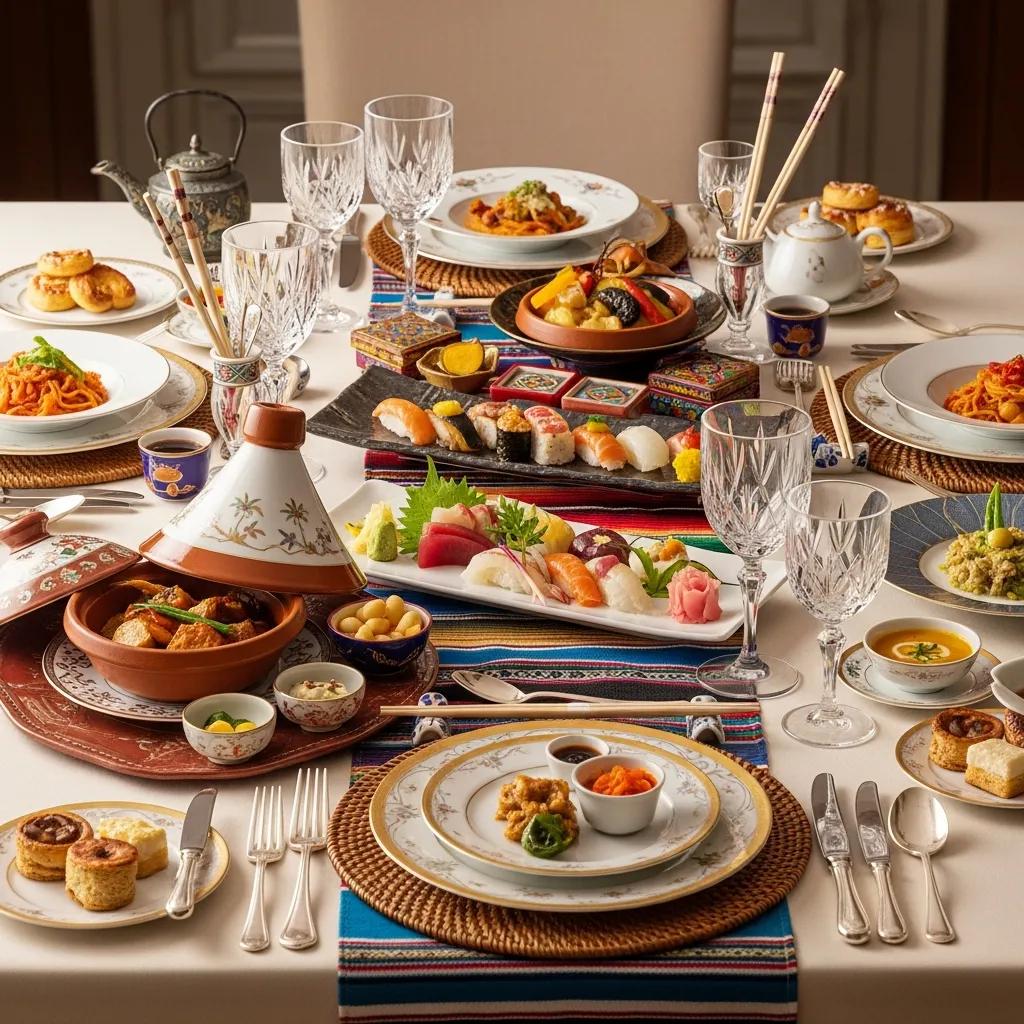
Table manners reflect what a culture values—group harmony, individual expression, or reverence for food. In East Asia, sharing plates, modest interaction, and audible appreciation like slurping are common. Western dining often emphasizes individual plates, direct preference, and animated conversation. In parts of the Middle East and South Asia, right-hand custom and generous hospitality shape how people serve and eat. Recognizing these contrasts helps you adapt gracefully, especially during family-style meals or chef-led service abroad.
Learning these differences sharpens your cultural intelligence and reduces the chance of missteps. The table below summarizes typical regional behaviors and a quick tip for each.
These snapshots show how universal principles translate into local practice and prepare you to avoid common dining faux pas.
What common dining faux pas should be avoided worldwide?
Certain behaviors are widely seen as disrespectful because they disrupt service or offend others. Avoiding them preserves harmony and spares you embarrassment when dining abroad. Below are frequent mistakes and quick fixes to replace them with appropriate alternatives.
- Using your phone at the table during service or conversation: silence it and check messages between courses away from the table.
- Wearing overpowering perfume or cologne: keep scents light so they don’t mask food aromas or bother nearby guests.
- Stabbing food or using cutlery as tools: cut only when needed and use utensils as intended.
- Over-seasoning or dousing dishes with condiments: taste first and let the chef’s seasoning stand.
- Criticizing a dish publicly or interrupting the kitchen: offer feedback privately and respectfully if invited.
- Taking too much from shared plates: pass and rotate shared dishes so everyone gets a fair portion.
Avoiding these missteps will help you move smoothly into the specific rituals of Japanese fine dining described next.
How can you master Japanese fine dining etiquette for an authentic experience?
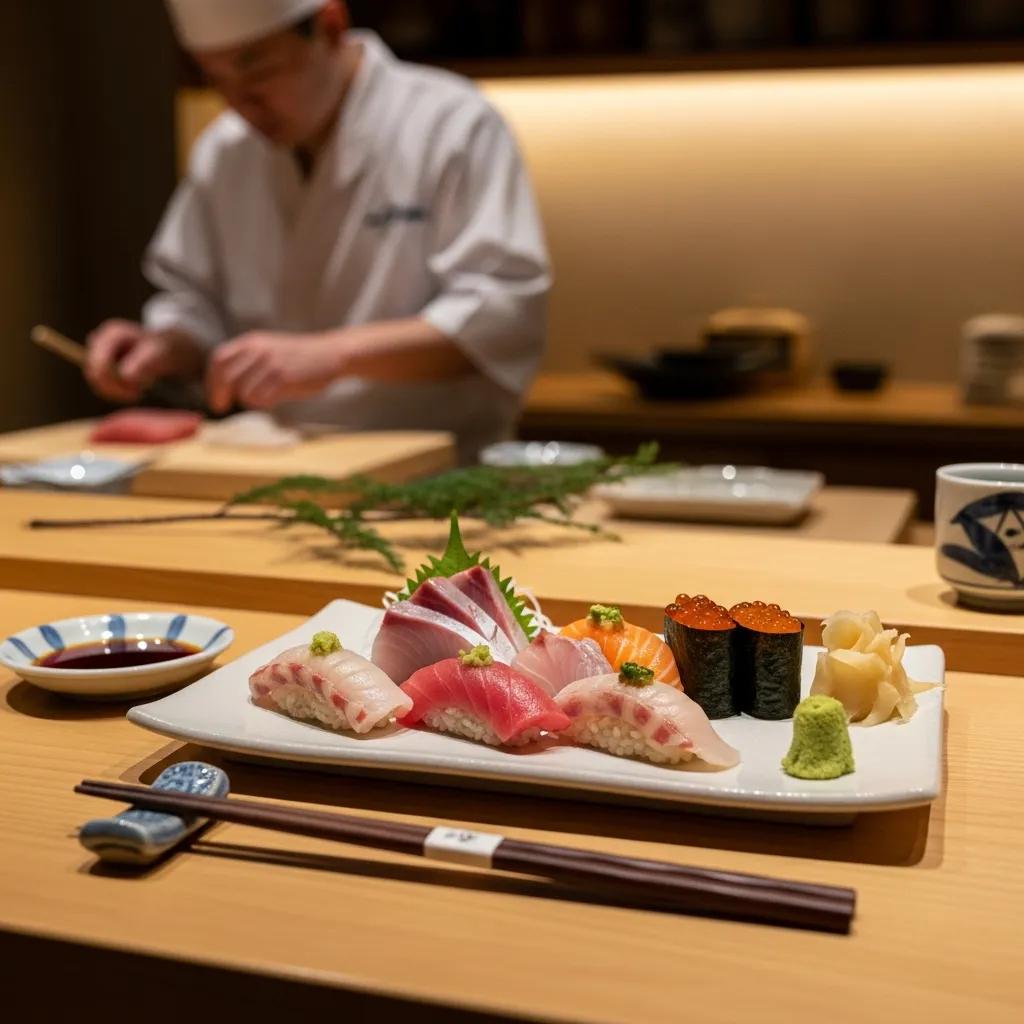
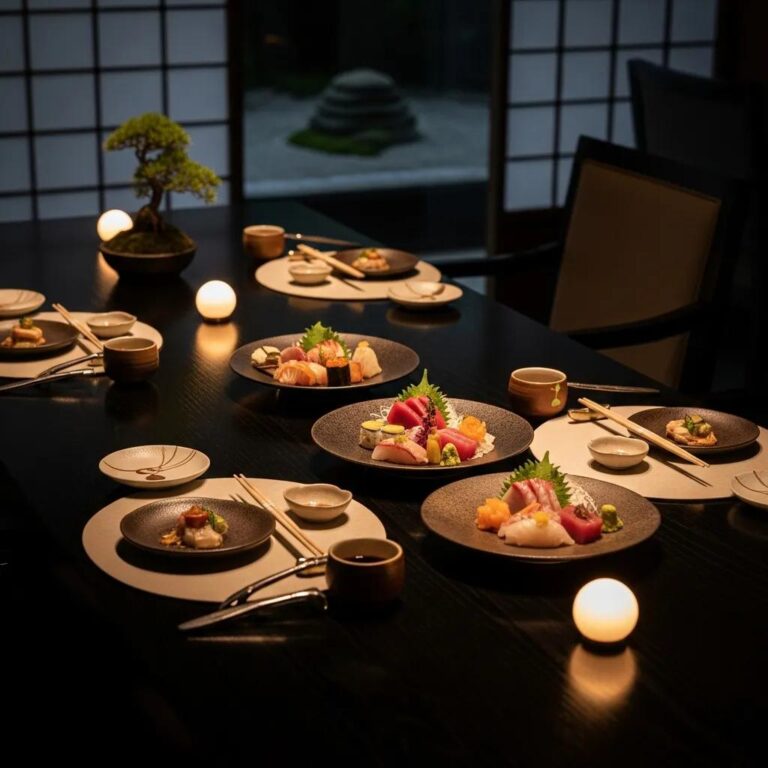
Japanese dining etiquette is guided by respect, harmony, and gratitude. These values shape everything from the words you say—itadakimasu and gochisousama—to how you use chopsticks and respond at the chef’s counter. Learning the basics—proper chopstick technique, when to slurp, how to handle sushi, and simple polite phrases—turns you from spectator into a considerate guest. The subsections that follow break down the essentials and offer practical tips so you can dine confidently in a Japanese setting.
For a modern example of these traditions in practice, Kaviar Restaurant in Pasadena applies these principles through attentive omakase, thoughtful A5 Wagyu service, and refined caviar presentations. Reservations let you experience how etiquette and service come together at the table.
What are the core principles of Japanese dining etiquette?
Three interlocking values shape Japanese dining: respect (rei), harmony (wa), and gratitude. Respect shows in quiet appreciation for ingredients and the chef’s craft. Harmony keeps the group experience cohesive and unobtrusive. Gratitude—expressed with itadakimasu before eating and gochisousama after—acknowledges the food and those who prepared it. Practically, this means waiting for the host to begin, offering modest praise, and avoiding waste.
Putting these values into practice smooths interactions with chefs and servers and primes you for specific table behaviors like chopstick placement and course timing.
Japanese etiquette elements and practical examples.
How should you properly use chopsticks and observe slurping customs?
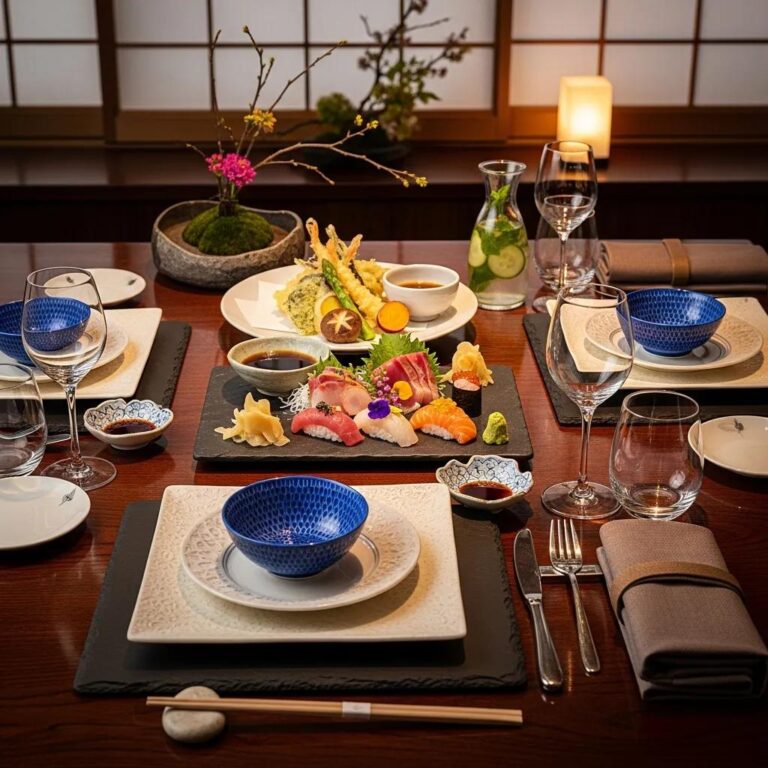
Chopstick skill is both practical and polite. Hold the lower chopstick steady and move only the top one to pick up food. Rest chopsticks on a holder or neatly across your bowl when pausing. Never spear food, pass food stick-to-stick, or point with chopsticks—these are considered rude. Rubbing disposable chopsticks together implies cheapness and should be avoided. Conversely, slurping hot noodles is acceptable and can signal enjoyment while cooling the dish.
Small, confident gestures show respect and make omakase and multi-course services more comfortable for everyone.
Chopsticks | Proper use | Practical fixes
These practical tips reduce awkwardness and increase confidence in Japanese dining contexts, preparing you for chef-led formats like omakase.
What are the key etiquette rules for enjoying omakase and A5 Wagyu at luxury restaurants?
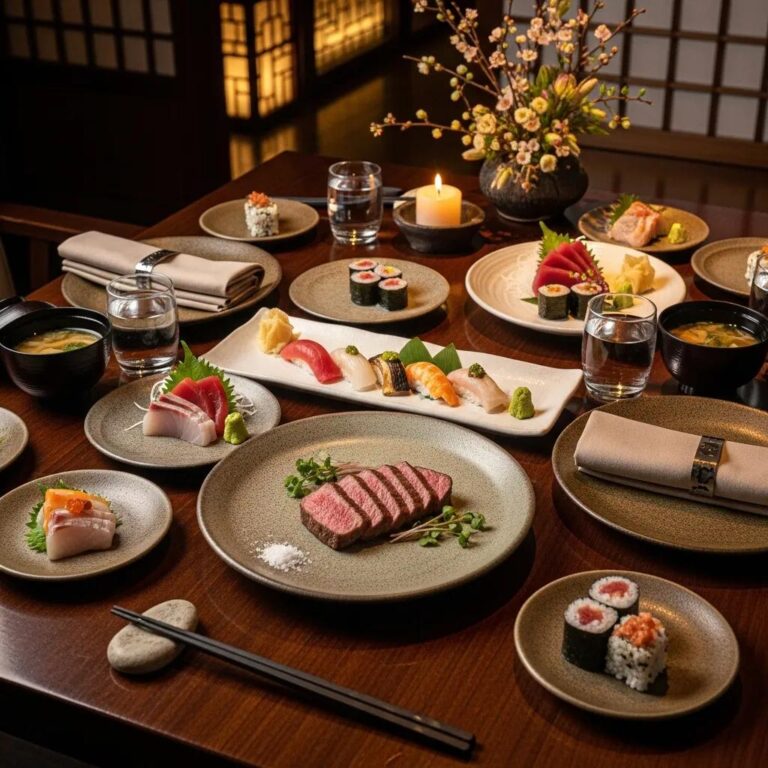
Omakase and A5 Wagyu are pinnacle dining experiences where trust, timing, and restraint matter most. Omakase asks guests to trust the chef’s sequence—arrive with an open palate, follow the presented order, and avoid heavy scents. A5 Wagyu is best served in small, precisely timed bites with minimal seasoning so the marbling and texture remain the focus. These practices honor the ingredient and the chef’s intent, creating a collaborative rhythm between kitchen and guest.
How do you respectfully engage in the omakase dining experience?
Respectful omakase participation starts with listening and restraint. Let the chef lead, eat courses when offered, and ask brief, relevant questions only when invited. Avoid overpowering fragrances and loud conversation so you don’t distract the chef or neighboring diners. Express appreciation with sincere, measured comments rather than loud applause. If you have dietary restrictions, notify the restaurant ahead of time so the chef can adjust the menu thoughtfully.
These behaviors allow the chef’s story to unfold and set the stage for enjoying A5 Wagyu as it was intended.
Expectations for chef-led dining formats.
What is the proper serving and eating etiquette for A5 Wagyu?
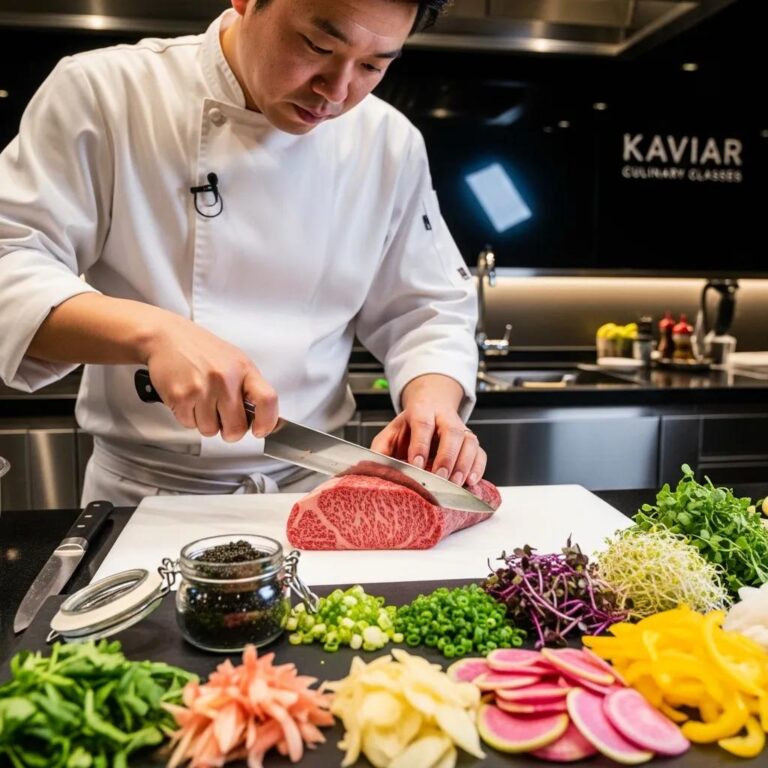
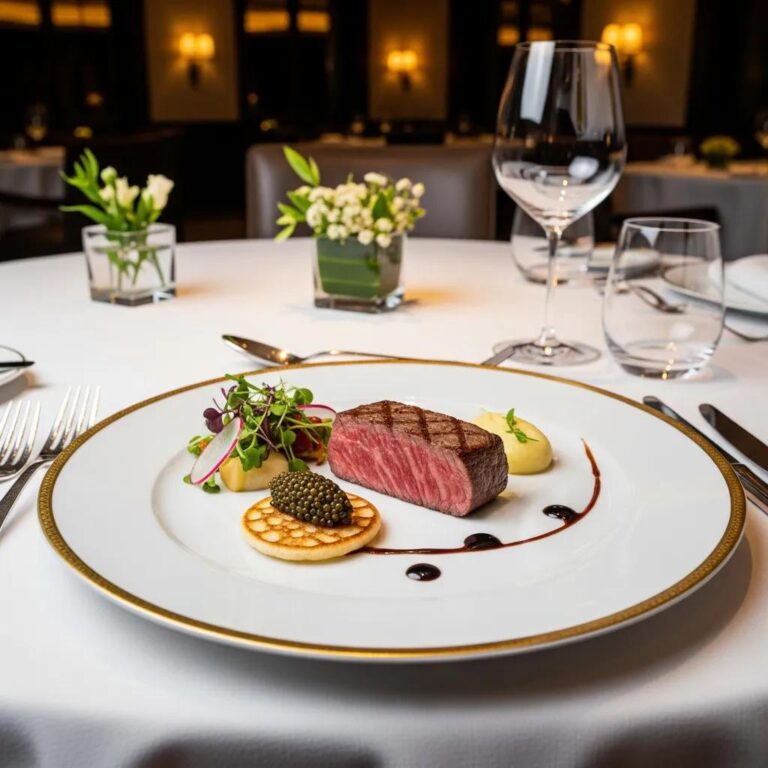
A5 Wagyu is best enjoyed with restraint. Serve small, precise slices so the melting fat and texture are evident. Taste each piece slowly to appreciate the layered flavors and mouthfeel. Avoid heavy sauces or excess salt that would mask the meat’s natural umami. If a subtle seasoning is offered, sample a piece plain first to understand the cut’s profile, then decide whether to add a light accent.
Observing these practices shows respect for the ingredient and the chef’s technique—and ensures every diner experiences A5 Wagyu at its best.
How should you approach caviar service etiquette in high-end dining settings?
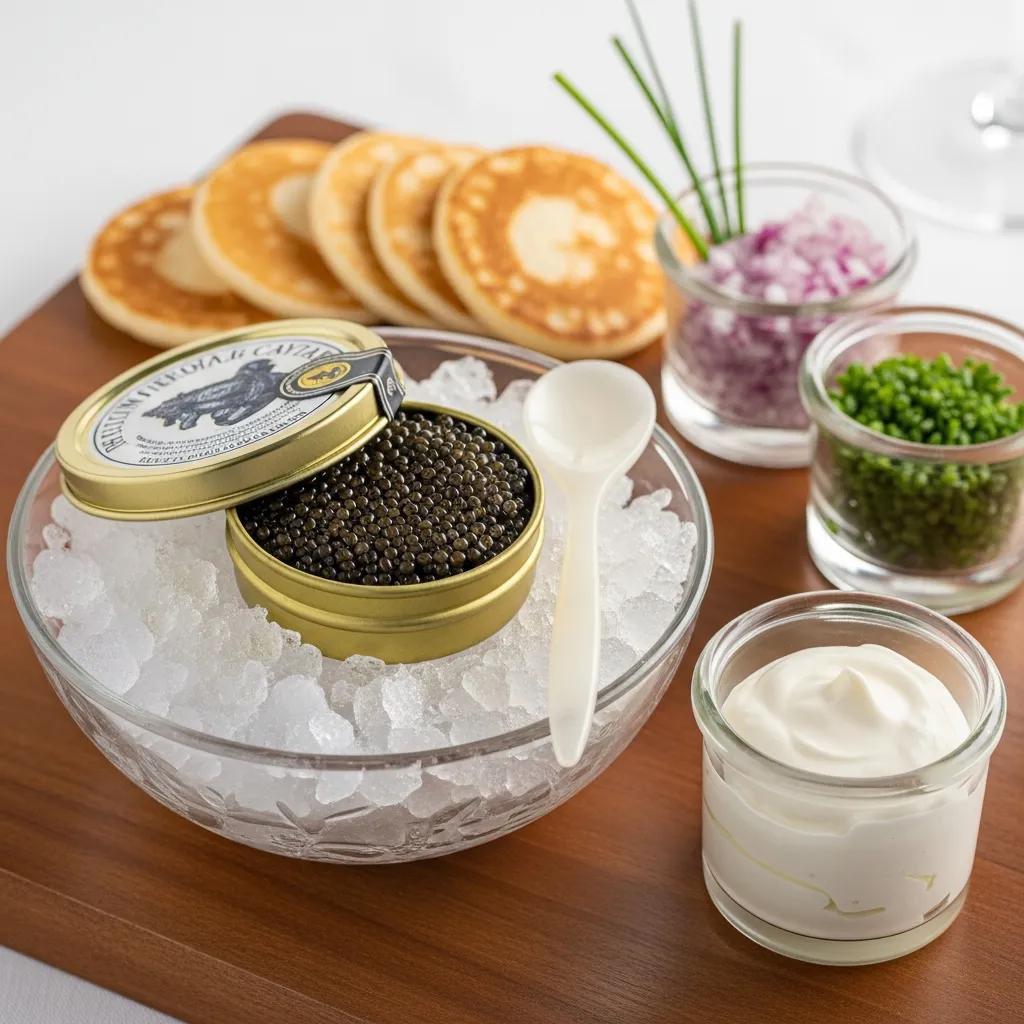
Caviar etiquette centers on delicate presentation, neutral utensils, and mindful tasting so you can appreciate the roe’s subtle texture and flavor. Because caviar is temperature- and metal-sensitive, small portions and non-reactive spoons preserve purity. Appropriate carriers and restrained garnishes—like blinis and crème fraîche—provide contrast without overpowering the roe. Below we outline a simple tasting sequence and essential accessories to elevate the experience.
What are the traditional manners for serving and consuming caviar?
Present chilled caviar on ice in its tin, offer a mother-of-pearl or other non-reactive spoon, and invite guests to taste a modest portion plain first. Serve only a few grams per tasting so the roe remains fresh and your palate can reset between bites. When using accompaniments, add them sparingly on a neutral carrier so the saline and umami of the caviar stay front and center.
This thoughtful sequence preserves the caviar’s character and helps you discern differences in grade and origin.
Caviar accompaniments and recommended use.
Which accessories and presentation details enhance the caviar experience?
Choose utensils and presentation that protect flavor: mother-of-pearl, bone, or wooden spoons prevent metallic interference; serve chilled on ice to maintain texture; and offer mild carriers like blinis or lightly buttered toast as neutral platforms. Present garnishes—finely chopped egg white, chives, crème fraîche—separately so diners can compose each bite. Clear labeling of grade or origin and modest portions signal care and help guests focus on tasting notes.
Thoughtful accessories and minimal presentation preserve the sensory integrity of caviar and guide pairing choices within a luxury meal.
What are the global luxury restaurant etiquette standards to elevate your dining experience?
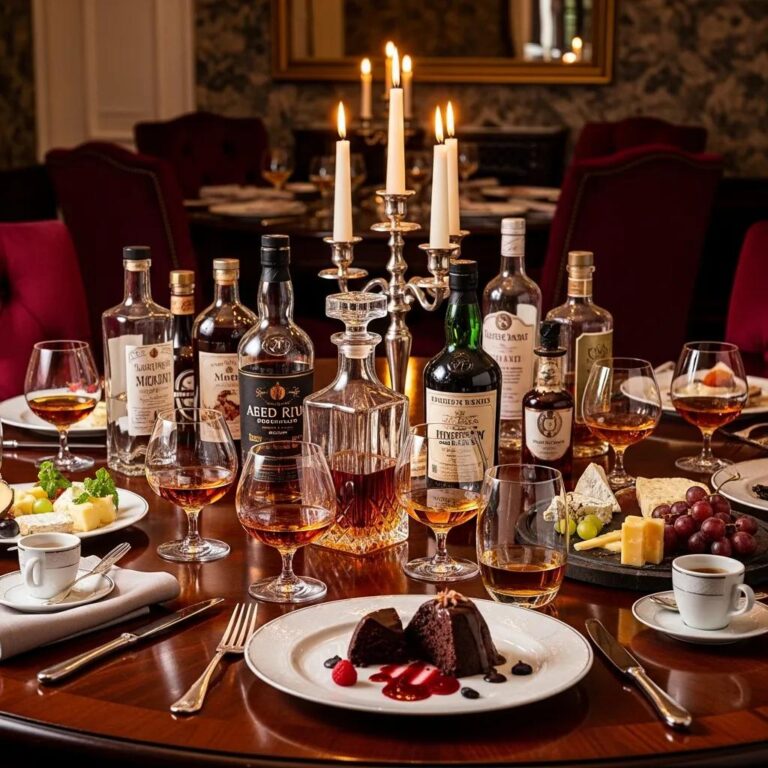
Luxury dining around the world shares practical expectations: deliberate attire, punctual reservations, discreet phone use, considerate tipping where appropriate, and respectful exchanges with staff. Upscale venues orchestrate multi-course services and curated ambiance—adhering to norms preserves the flow and shows respect for the team. Knowing dress codes, reservation practices, and basic behavioral expectations helps you arrive prepared, whether dining locally or abroad. Below we contrast East-West tendencies and offer a concise dress-code guide for fine-dining settings.
How do cultural food norms differ between East and West in fine dining?
East-West differences in fine dining reflect distinct priorities. Many East Asian venues emphasize group harmony, subtlety, and deference to the chef. Western fine dining often places greater emphasis on individual preference, open feedback, and an exchange with service staff. Noise levels and communal versus individual service can vary accordingly. Being aware of these tendencies helps you adjust tone, pacing, and interaction with staff and fellow guests.
With that awareness, you can choose dress and behavior that matches the venue—guidelines follow.
What are the proper behaviors and dress codes in luxury international restaurants?
Dress and conduct in luxury restaurants should align with the venue’s level: formal or black-tie calls for evening wear; smart-casual welcomes tailored separates; business attire leans toward professional polish. Behavioral norms include arriving on time, keeping phone use discreet, asking before photographing dishes, and communicating special requests in advance to respect kitchen flow. When uncertain, opt for understated elegance and polite discretion so the food and service remain the focus.
Use this short cheat sheet and the dos and don’ts below to prepare for upscale dining.
- Formal / Black-tie: Men—dark suit or tuxedo; Women—evening dress or equivalent.
- Smart-casual: Men—collared shirt with tailored trousers; Women—dress or blouse with skirt or pants.
- Business attire: Men—blazer and optional tie; Women—professional dress or suit.
If you want to practice these customs in person, Kaviar Restaurant in Pasadena offers curated omakase, A5 Wagyu, and refined caviar service—reservations recommended.
- Reservation etiquette: Confirm ahead, note dietary needs, and cancel promptly if plans change.
- Behavioral dos: Arrive on time, respect the pacing of courses, and follow chef or server cues.
- Behavioral don’ts: Don’t monopolize the chef with long questions, avoid loud calls, and skip overpowering scents.
These standards combine practical action with cultural sensitivity so every luxury meal feels composed, respectful, and memorable.
These consolidated standards complete the guide and serve as a quick reference for anyone preparing for international or Japanese fine-dining experiences.
International Dining Etiquette: A Practical Guide to Global and Japanese Fine Dining
Frequently Asked Questions
What should I do if I make a mistake with dining etiquette while traveling?
Stay composed and apologize briefly if appropriate. Most hosts appreciate sincere effort—correct the action if you can, and move on. A humble, good-natured response often turns a slip into a graceful moment of learning.
How can I prepare for dining in a culture I am unfamiliar with?
Do a bit of homework: read a short etiquette primer for the destination, ask knowledgeable friends, and learn a few polite phrases in the local language. If possible, ask the restaurant when reserving about any customs you should know. Preparation reduces anxiety and shows respect.
Are there any universal dining etiquette rules that apply to all cultures?
Yes—basic courtesies travel well: be polite to hosts and staff, wait for guests to be served before starting, use utensils appropriately, and avoid disruptive phone use. Small gestures of consideration are valued almost everywhere.
What should I do if I have dietary restrictions while dining internationally?
Tell the restaurant when you book so the kitchen can accommodate you thoughtfully. During the meal, avoid last-minute improvisation unless the chef invites it. Clear communication upfront ensures a smoother and more respectful service.
How can I show appreciation to the chef during a fine dining experience?
Express gratitude simply and sincerely—thank the chef or host at the end of the meal, mention a dish you enjoyed, or leave a thoughtful online review. Attentive, engaged diners and concise compliments mean a great deal to the kitchen.
What are some common misconceptions about dining etiquette?
People often assume dining rules are identical everywhere or that fine dining is always stiff. In reality, customs vary and many upscale experiences reward warmth and attentive presence. Another misconception is that tipping is universal—expectations differ by country. Learning local norms prevents misunderstandings.
Conclusion
Polished dining etiquette deepens your enjoyment and widens your comfort in any culinary setting. By learning core international rules and the subtleties of Japanese fine dining, you’ll approach meals with confidence and respect. Practice these habits at a local fine-dining table—like Kaviar Restaurant in Pasadena—and turn each meal into an opportunity for connection and appreciation. Explore our resources for more tips on luxury dining etiquette and make your next reservation with intention.