




Michelin-Star Road Trip Planner: Plan the Ultimate Luxury Culinary Journey
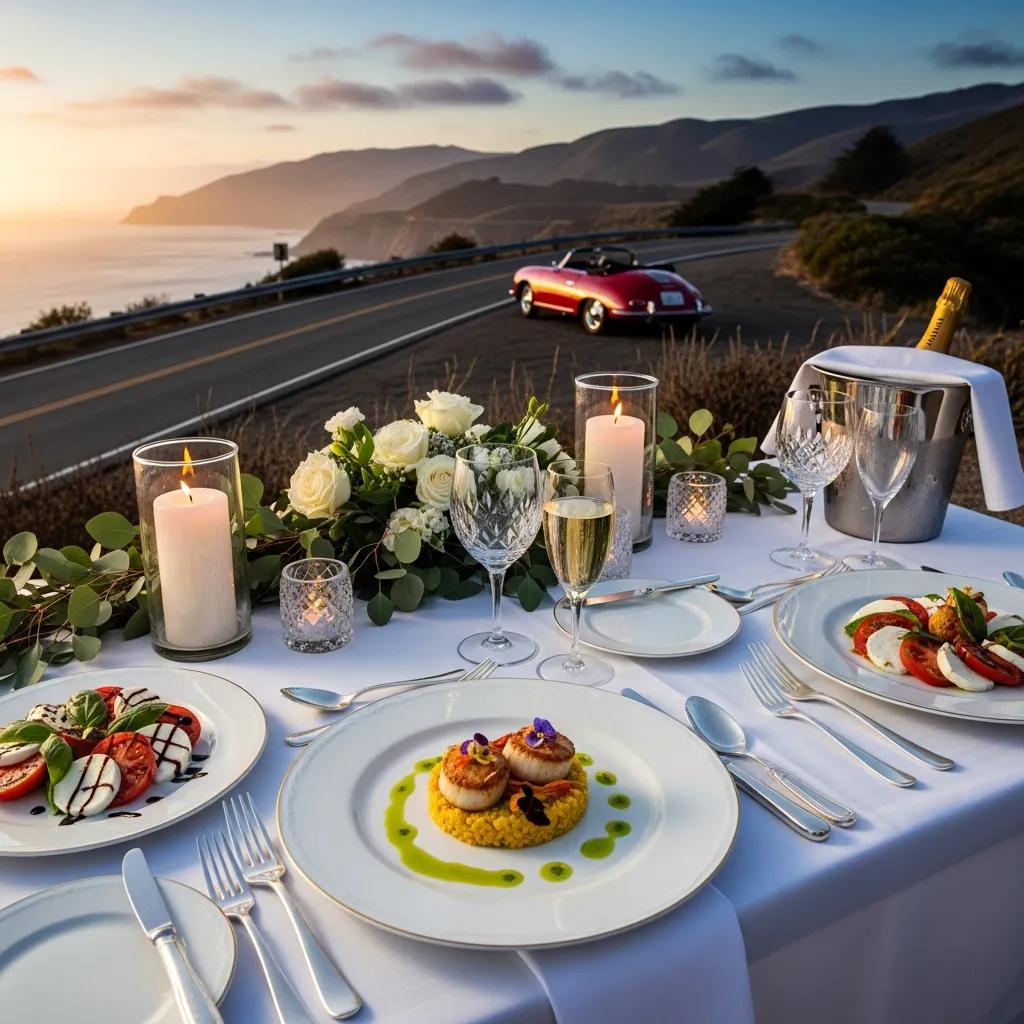
A Michelin-star road trip stitches together chef-led tasting menus, local specialties, and carefully timed travel into a single, elevated itinerary. This guide walks you through choosing regions, arranging realistic day-to-day routes, locking down high-demand reservations, and placing signature moments—like omakase, A5 Wagyu, and Kaluga caviar—where they’ll have the most impact. Many travelers get tripped up by overlapping reservation windows and long transit times; our planner offers practical steps to remove friction and prioritize sensory highlights. You’ll learn how to select hubs, plan pacing, research restaurants with purpose, and use reliable reservation tactics while leaving space for extras such as sake tastings and market visits. The article is organized into clear sections: definitions and benefits, itinerary planning with comparisons, reservation strategies, a deep dive on Japanese fine dining and premium ingredients, experiential pairing ideas, and 2025 trends to guide your choices. Throughout, concepts like culinary tourism, omakase tasting menus, A5 Wagyu, and caviar service etiquette are woven into actionable planning advice so you can design a refined, memorable route.
What Is a Michelin-Star Road Trip — and Why Take One?
A Michelin-star road trip is a curated sequence of exceptional meals and culinary experiences that together form a continuous gastronomic story instead of isolated dinners. What sets it apart is deliberate route planning and pre-booked tasting menus so you move from one chef-driven narrative to the next without losing pace. The biggest advantage is access: dependable reservations at coveted services, meaningful chef interactions, and deeper context for premium ingredients — all of which create memorable sensory arcs. A thoughtful itinerary also doubles as a hands-on lesson in provenance, technique, and regional foodways. Next, we’ll outline the defining elements that lift a route from typical foodie travel to a Michelin-caliber culinary journey and explain why a luxury lens matters for intentional dining.
What Defines a Michelin-Star Road Trip and a True Gourmet Journey?
Three elements define this approach: thoughtfully selected restaurants, chef-led tasting menus, and clear attention to ingredient provenance and pairings. Thoughtful selection means choosing venues that demonstrate technical excellence and complementary culinary philosophies so each meal advances the trip’s narrative. Chef-driven tasting menus offer a structured, multi-course arc that reveals seasonal ingredients and signature techniques. Provenance — knowing the origin of items like A5 Wagyu or Kaluga caviar — deepens appreciation and lets you engage meaningfully with the service. Keeping these criteria front of mind helps you prioritize bookings and sequence stops for contrast and continuity as you move into route planning.
Why Choose Luxury Culinary Travel for Your Next Road Trip?
Luxury culinary travel emphasizes exclusivity, personalization, and sensory depth, turning a series of dinners into a coherent, story-driven experience with lasting emotional returns. Travelers who adopt this style gain access to private tastings, direct chef engagement, and bespoke pairings that highlight context as much as taste. Booking in advance reduces uncertainty and lets you coordinate lodging and activities around mealtimes. Personalization—special requests, dietary notes, and timing around seasonal peaks—creates a tailored journey. Those elements combine to make each meal feel intentional, memorable, and worth the premium investment that Michelin-level dining demands, and they naturally lead into the practical steps for mapping your itinerary.
How Do You Plan Your Michelin-Star Road Trip Itinerary?
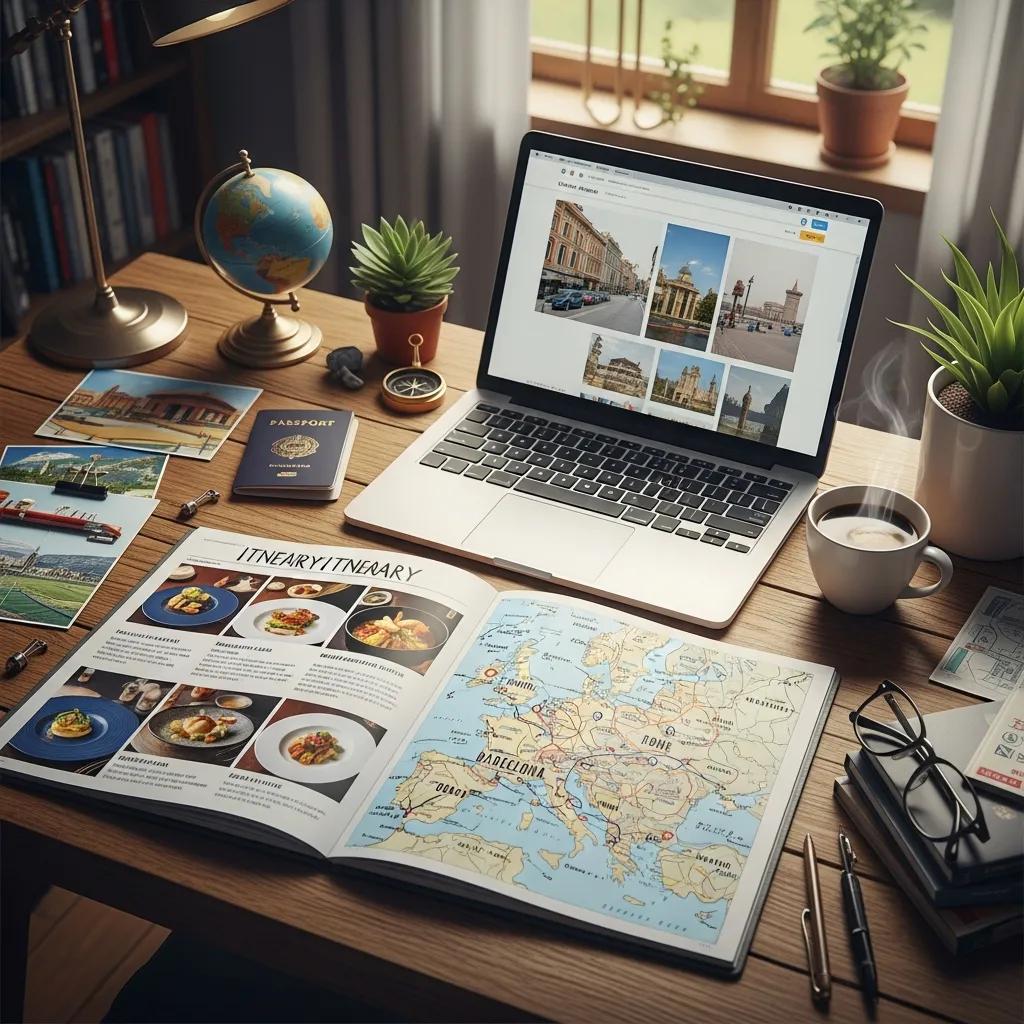
Effective planning starts with picking a primary hub, plotting efficient routes, and setting a budget that prioritizes reservations and experiences while keeping travel comfortable. The key to efficiency is clustering high-quality restaurants so you spend more time savoring and less time driving. Build lead time for bookings, respect cancellation policies, and account for peak seasons to secure sought-after tasting menus. The result: an itinerary that balances transit, meal pacing, and local experiences without causing culinary fatigue. Below is a compact checklist and a regional comparison to help you match timing with culinary density and travel distance.
Before you choose specifics, use this short planning checklist:
- Pick a primary culinary hub and one or two nearby satellite cities to minimize driving and maximize dining choices.
- Reserve your key tasting menus first (mind lead times and deposits), then book hotels and activities around those dates.
- Build buffer time between long meals and travel legs so you can enjoy each service without rushing.
This checklist sets you up to compare regions and route options with travel time and seasonality in mind.
Which Destinations and Regions Are Best for Michelin-Starred Dining?
Your choice of destinations depends on culinary density and the style of experiences you want — coastal seafood, urban tasting menus, or terroir-driven cuisine. Proximity to transport hubs often determines practicality. California’s clusters and the LA corridor allow you to sequence impressive restaurants within manageable drives; adding Pasadena brings a refined Japanese fine-dining option to regional routes. Consider seasonality: coastal spots peak in summer for seafood, while inland regions often shine in autumn for produce and game. Use the table below to compare sample regions by their draw, Michelin concentration, and typical travel time from Pasadena.
Use this comparison to decide how region selection will shape travel time, pacing, and the overall feel of your trip.
What Are the Key Logistics: Travel Time, Accommodation, and Budget?
Operational planning means estimating realistic drive times, choosing accommodations that support dining rhythms, and budgeting for tasting menus, pairings, and extras. Plan departures to avoid rush hours when you have long evening services, and consider overnighting near a restaurant after a marathon tasting. Hotel choices — boutique properties or luxury stays — should offer concierge services that can help with last-minute reservations or special arrangements. Budget for menu prices plus pairings, gratuities, supplements, and transportation; treat premium items like A5 Wagyu or Kaluga caviar as highlight allocations. With these logistics in hand, you’re ready to vet restaurants and secure bookings confidently.
How Can You Curate Exceptional Dining Experiences on Your Road Trip?
Curating standout meals takes focused research, a multi-channel booking strategy, and clear communication about dietary needs or special occasions to create meaningful chef-led moments. Start with an evidence-based vetting process — the Michelin Guide paired with recent reviews, chef bios, and menu transparency — to find venues that match your goals. Balance objective markers (awards, published menus) with subjective cues (service rhythm, pacing) so each stop contributes a distinct voice to your itinerary. The next section outlines a research workflow and red flags to avoid when selecting Michelin-caliber venues.
How to Research and Select Michelin-Starred Restaurants Effectively?
Begin with authoritative sources like the Michelin Guide and corroborate with recent reviews, chef profiles, and sample menus to judge fit. Look for seasonal rotations, clear sourcing notes, and a coherent tasting flow — restaurants that publish sample menus or ingredient details are easier to anticipate. Red flags include opaque booking processes, vague cancellation policies, or little information on the chef and sourcing; these often lead to unpleasant surprises. As you shortlist, aim for complementarity between stops — for example, balance a seafood-forward tasting menu with a later omakase — to keep the progression interesting. This research-first approach feeds directly into platform-specific reservation tactics that improve success rates.
What Are the Best Tips for Securing Reservations at Luxury Restaurants?
Securing reservations for high-demand tasting menus works best as a layered strategy: monitor digital release windows, use direct contact, and prepare contingency plans. Track release schedules on platforms like RESY and OpenTable and set alerts for drops. Contact restaurants directly via their booking form or phone for bespoke requests, and include helpful context like the occasion or any dietary needs. Engage concierge services or politely follow up for waitlist placement; a call the day before sometimes opens last-minute spots. The table below summarizes booking channels and best practices to guide your approach.
Why Is Japanese Fine Dining a Must-Stop on Your Gourmet Road Trip?
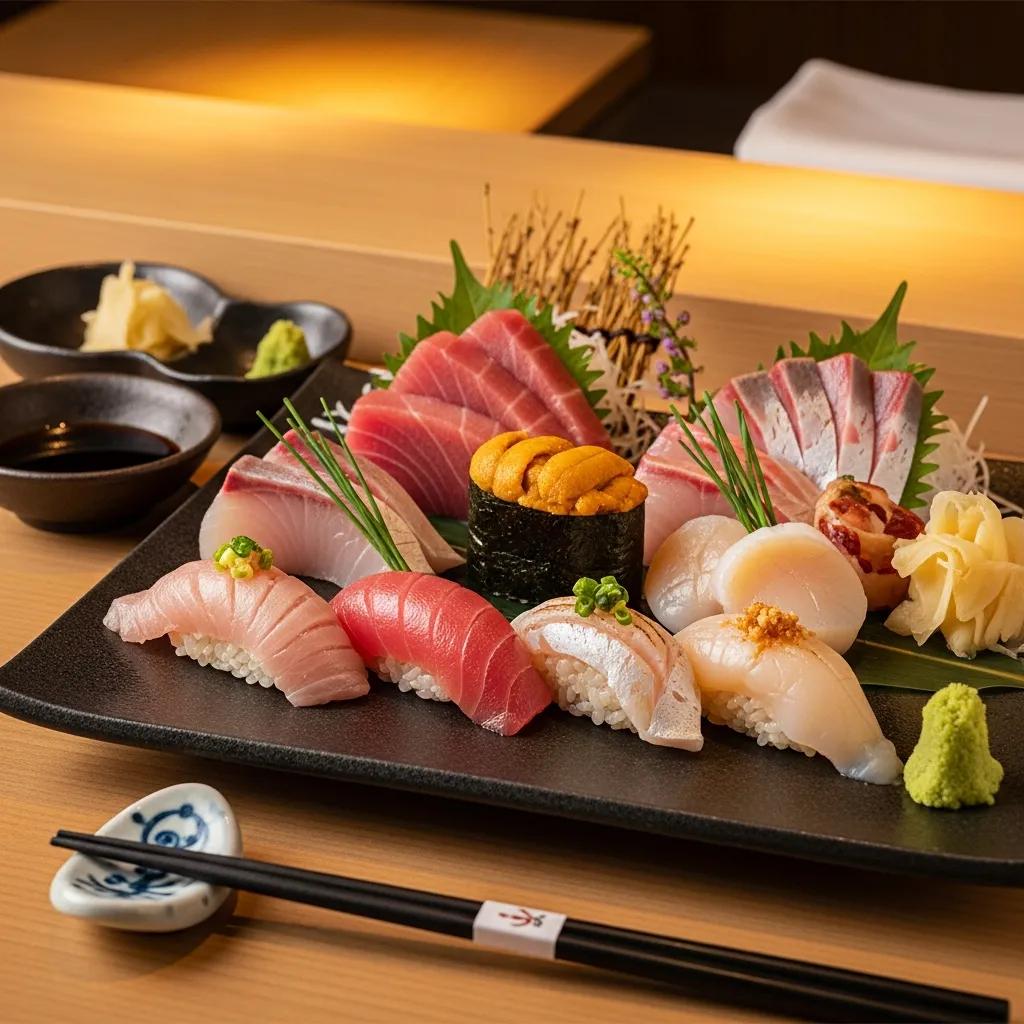
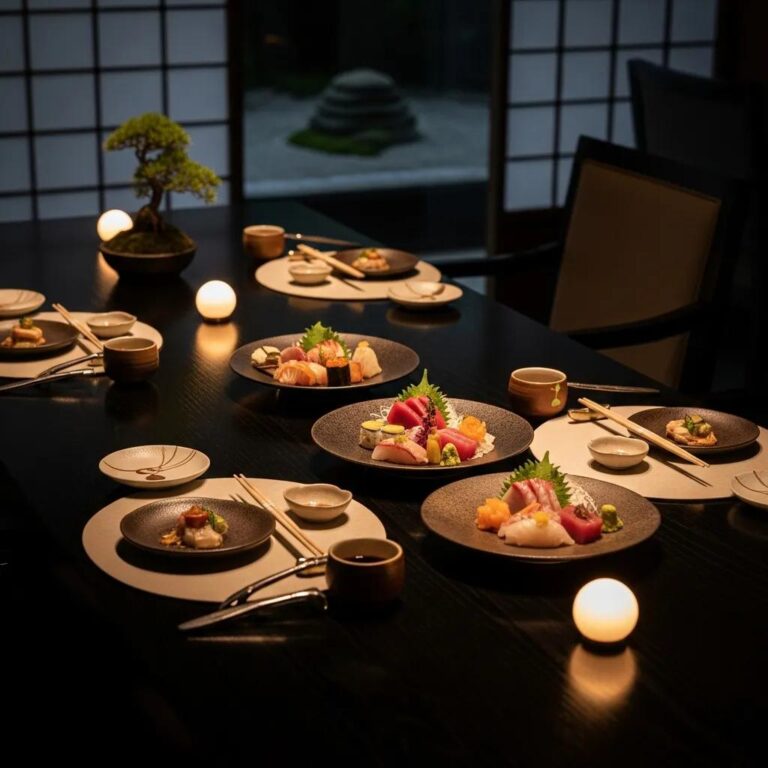
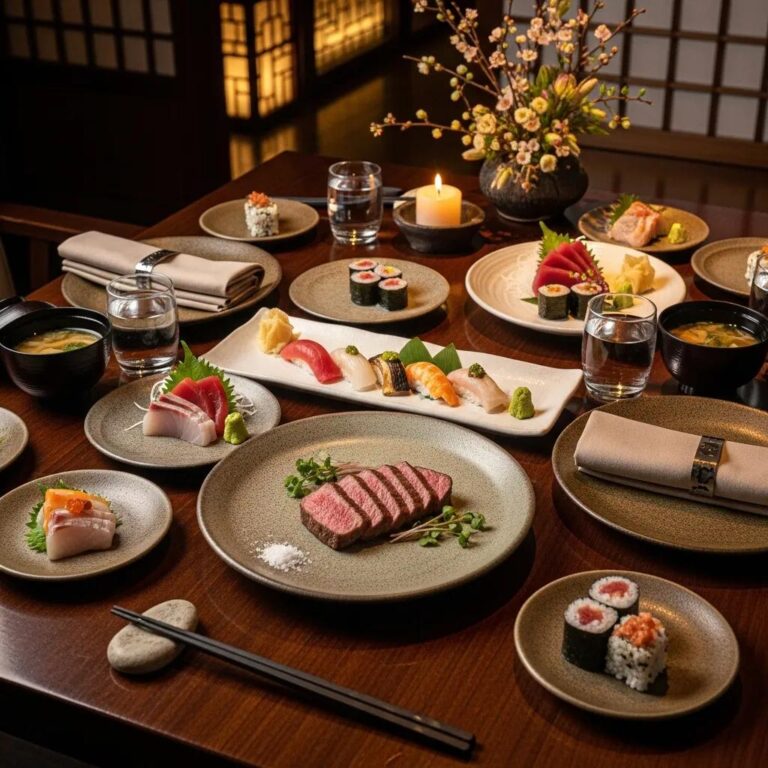
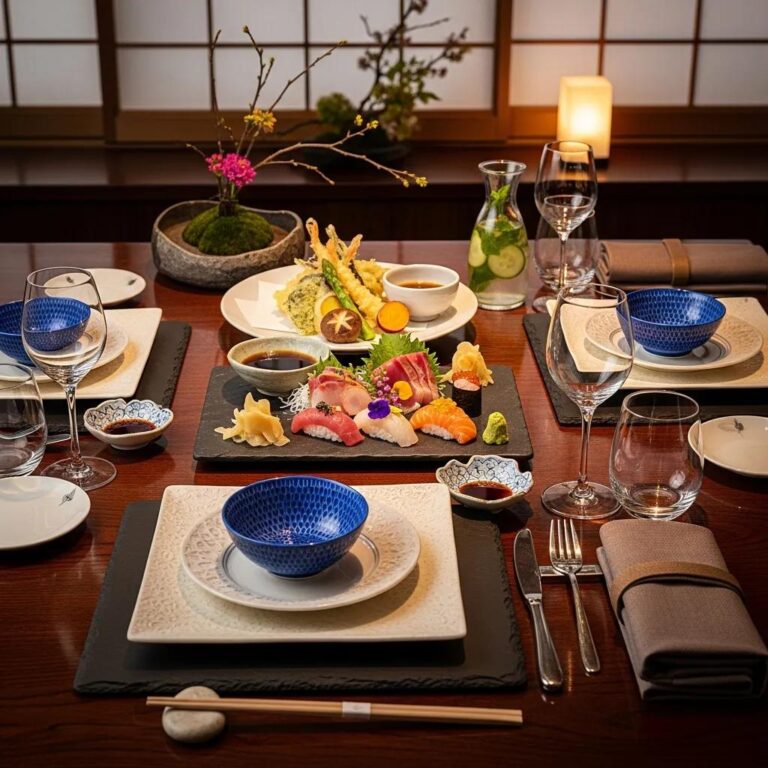
Japanese fine dining — especially omakase and chef-curated tasting menus — emphasizes seasonality, meticulous technique, and a narrative flow that often becomes the emotional center of a gourmet itinerary. The strength of Japanese cuisine for road trips lies in its focus on peak ingredients and careful progression: each course builds texture, temperature, and umami in service of a larger story. Omakase teaches through observation: fish selection, rice technique, and subtle temperature control reveal deep craft. Including a Japanese fine-dining stop adds contrast to regional menus and allows for signature moments like A5 Wagyu or Kaluga caviar service. The following subsections break down omakase, Wagyu, caviar, and why a Pasadena stop like Kaviar is an excellent choice.
What Makes the Omakase Experience Michelin-Worthy?
Omakase earns Michelin-level acclaim through chef curation, seasonal sourcing, and peerless technique that together form a deliberate tasting sequence. The defining feature is trust: guests hand the menu to the chef, who designs each course to showcase peak-season ingredients and pacing. Service is often highly personal, with table-side explanations and real-time adjustments for tempo, turning a meal into storytelling. Expect a measured multi-course rhythm where temperature, texture, and umami are tuned to build toward a satisfying climax and resolution. Those qualities make omakase a priority when plotting a gourmet itinerary.
How Does Indulging in A5 Wagyu Elevate Your Culinary Journey?
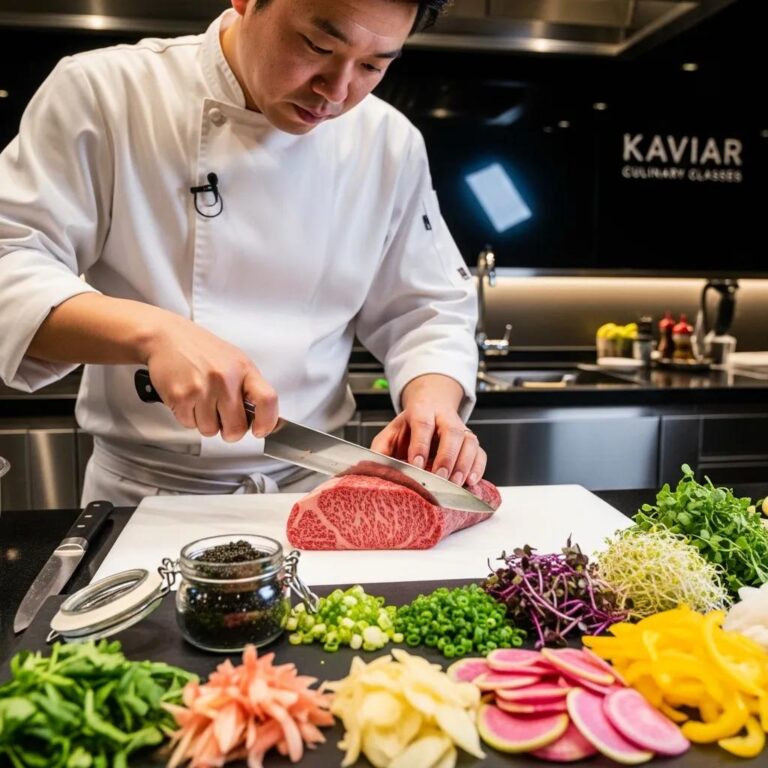
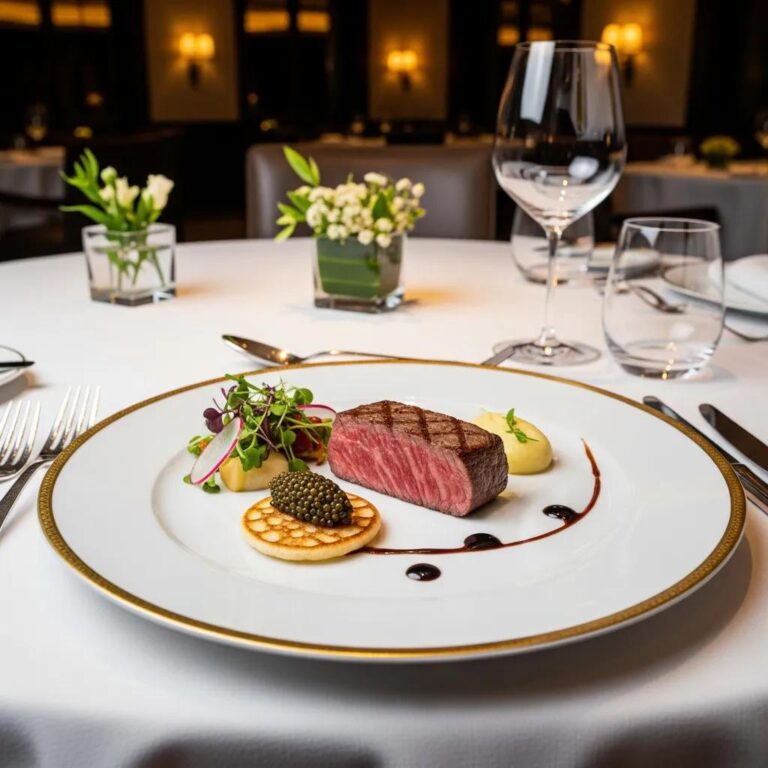
A5 Wagyu stands apart for its intense marbling and silk-like texture, producing a buttery mouthfeel when treated with restraint. It elevates a meal as a showpiece course: slow-rendered fat and concentrated umami create a lingering, luxurious finish that contrasts with lighter preceding dishes. Presentation ranges from a single seared portion to small, plated bites within an omakase progression; context informs pairing decisions, from delicate sakes to mineral-driven wines. The table below compares A5 Wagyu with other premium ingredients you might encounter so you can plan highlight moments with intention.
What Are the Delicacies of Caviar Service on a Fine Dining Road Trip?
Caviar functions as an elegant crescendo in a tasting sequence: concentrated saline and fat textures shine on neutral carriers like blinis or lightly buttered toast. Kaluga caviar — known for larger pearls and a buttery profile — offers textural contrast and umami depth that can punctuate a course or act as a refined amuse-bouche. Proper service — mother-of-pearl spoons, chilled dishes, and minimal garnishes — preserves nuance and highlights provenance when servers provide table-side context. Pairings typically favor high-acid or effervescent beverages that refresh the palate between rich bites. Knowing where to place caviar in a tasting flow helps you schedule it for maximum effect.
Why Choose Kaviar Restaurant in Pasadena for Your Japanese Fine Dining Stop?
Kaviar Restaurant in Pasadena presents refined Japanese fine dining with a focus on premium ingredients and precise technique. Our omakase-style tasting experiences showcase Kaluga caviar, A5 Wagyu, and carefully composed sushi and sashimi, all served with attentive hospitality. Reservations are available through the website, by phone, and on RESY and OpenTable. For road-trippers seeking a concentrated omakase moment near Los Angeles, Kaviar offers a polished, ingredient-forward stop that complements broader regional explorations. Below, we outline how to layer experiential pairings around a visit to make it truly memorable.
How Can You Enhance Your Michelin-Star Road Trip with Experiential Elements?
Enhance your route by adding complementary activities — pairing events, market walks, and hands-on workshops — that deepen context and create multi-sensory memories beyond the plate. Pairing curated learning with tasting — a sake masterclass before an omakase or a market visit with a chef — strengthens understanding and appreciation. Scheduling these extras near dining stops also validates logistical choices like overnight stays and concierge support. The result is an itinerary where food opens doors to stories, people, and place, making each meal more than a single moment.
What Are the Best Pairings: Wine, Sake, and Local Culinary Activities?
Pairings should enhance the primary ingredient without overpowering it. A5 Wagyu, for example, often benefits from a clean, slightly acidic sake or a low-tannin red that complements rather than masks the fat. Sake pairs naturally with sushi and sashimi, matching umami and texture more gently than many wines; sparkling wines and dry whites refresh the palate for caviar. Local activities that enrich a tasting day include market tours with fishmongers, sake tastings with regional brewers, and chef-led masterclasses that reveal technique. Below are a few pairing and activity ideas to consider when you have a major tasting menu booked.
- Sake Masterclass: A short guided tasting before an omakase to map flavor affinities.
- Market Visit: Morning walk with a chef to observe ingredient selection and provenance.
- Chef Table or Private Tasting: Reserve an intimate service for deeper conversation and storytelling.
Placing these elements near your dining stop enriches context and helps you savor each meal with informed appreciation.
How Should You Document and Share Your Gourmet Food Journey?
Documenting a gourmet road trip requires good storytelling while respecting restaurant etiquette, especially in intimate omakase settings where photography may be limited. Keep a short tasting journal to record course order, standout ingredients, and pairing impressions immediately after each meal. For social sharing, choose a few high-quality images — close-ups of signature courses or pairing moments — and write concise captions that capture the story. Always follow the restaurant’s photography policy and shoot during natural pauses rather than during active service. Consistent tags and structured captions build a memory arc that connects meals, ingredients, and people, creating both a personal archive and a shareable portfolio.
What Are the Latest Trends and Tips for Luxury Culinary Travel in 2025?
In 2025, experiential dining and sustainability are converging: diners expect traceability, ethical sourcing, and storytelling alongside technical excellence. Provenance now shapes choices — restaurants that document sourcing and production earn preference from discerning guests. Technology also matters: digital reservations, automated waitlists, and discovery tools influence how travelers find and secure experiences. Practical tips for this year include asking about sourcing, favoring venues that publish provenance details, and using multiple booking channels to capture openings. These trends should inform both your selection criteria and how you plan highlight courses on a Michelin-star road trip.
How Are Experiential Dining and Sustainability Shaping Fine Dining Road Trips?
Experiential dining increasingly ties sustainability into the tasting narrative through local sourcing, plant-forward options, and clear traceability. For road trips, sustainability becomes a selection filter: travelers choose restaurants that support ethical supply chains and transparent sourcing, which in turn benefits regional producers and reduces carbon intensity. Practically, ask about provenance and be ready to adapt — seasonal constraints can limit menus but often sharpen quality and storytelling. Restaurants are also layering tech — digital menus or immersive elements — to enrich narrative without distracting from flavor. These shifts help you evaluate venues on more than reputation alone and weave ethical considerations into route design.
What Are the Emerging Trends in A5 Wagyu and Caviar Markets?
Markets for A5 Wagyu and caviar are moving toward greater traceability, ethical production, and creative presentations such as tasting flights and cross-cultural pairings. Growth in aquaculture and livestock traceability means restaurants can increasingly source products with verifiable origins, appealing to sustainability-minded diners. Chefs are experimenting with portioning and pairings — smaller, deliberate Wagyu bites in omakase sequences or unexpected carriers for caviar to highlight texture. For road-trippers, the takeaway is simple: ask about provenance and treat these items as highlight moments rather than frequent indulgences, allocating budget to preserve impact across your itinerary.
When building a Michelin-caliber road trip, combine careful research, disciplined logistics, and curated experiences to create a travel arc that balances technical excellence with meaningful context. Sequence restaurants geographically, use multiple reservation channels like RESY and OpenTable, and reserve experiential activities that deepen your understanding of ingredients and technique. For a refined Pasadena stop featuring omakase, A5 Wagyu, and Kaluga caviar, consider adding Kaviar Restaurant to your route and reserve in advance via our website, RESY, OpenTable, or by phone to secure the tasting menu you want.
Frequently Asked Questions
What should I consider when budgeting for a Michelin-star road trip?
Budget for tasting menus first, then add costs for pairings, gratuities, and transport. Premium ingredients like A5 Wagyu and Kaluga caviar can raise per-meal spend, so allocate highlight funds rather than treating them as routine. Also factor in accommodations, especially if overnighting near dinner locations, and allow a buffer for last-minute reservations or tasting supplements.
How can I enhance my culinary experience beyond dining?
Layer activities that add context: market visits to see ingredient sourcing, sake tastings to map flavor matches, and chef-led workshops to learn technique. These experiences deepen appreciation and create lasting memories that extend beyond the plate.
What are some tips for documenting my gourmet food journey?
Keep a compact tasting journal that records course order, standout ingredients, and pairing notes immediately after a meal. For social sharing, choose a few strong images and write short, narrative captions. Respect restaurant photo policies and capture shots during natural pauses rather than during active service.
How do I choose the right time of year for my road trip?
Match timing to seasonality: coastal regions peak in summer for seafood, while inland areas often shine in autumn for harvest and game. Also consider local events and festival calendars that could enhance or complicate reservations and travel logistics.
What are the benefits of including Japanese fine dining in my itinerary?
Japanese fine dining — especially omakase — highlights seasonality, precision, and progression. It offers a distinct, ingredient-focused perspective and showcases premium items like A5 Wagyu and caviar, giving your route contrast and depth.
How can I ensure a seamless reservation process for high-demand restaurants?
Monitor RESY and OpenTable release windows and set alerts. Contact restaurants directly with polite context (occasion, dietary notes) and use concierge services or waitlists as backups. Flexibility with date or time often improves your chances of securing the table you want.
Conclusion
A Michelin-star road trip is an invitation to slow down and savor a curated arc of exceptional meals, regional stories, and tactile moments. With deliberate planning — from geographic sequencing to multi-channel reservations and well-chosen experiential add-ons — you can assemble a trip that balances logistics with emotional and sensory payoff. Start mapping your route, prioritize your highlight courses, and reserve early. For a polished Pasadena stop that pairs omakase with A5 Wagyu and Kaluga caviar, consider Kaviar Restaurant and book in advance to ensure the tasting experience you envision.