






Seasonal Main Courses: A Celebration of Flavors with Gourmet Japanese Dining in Pasadena
At Kaviar, our seasonal main courses are built around the freshest ingredients at their peak—ingredients we let lead the story. We use time-sensitive produce, seafood, and premium proteins to create focused, sensory-forward dishes that evolve with the calendar. This guide walks through how seasonality shapes our ingredient choices, cooking techniques, and presentation—highlighting signature mains such as A5 Wagyu and caviar-accented plates—and shows how menus shift across winter, spring, summer, and autumn. You’ll also find a clear explanation of omakase versus fixed tasting menus and practical advice on when to reserve for limited seasonal offerings. Throughout, we share sourcing examples, cooking notes, pairing suggestions, and sample seasonal dishes so you know what to expect at our Pasadena dining room.
What Defines Seasonal Fine Dining at Kaviar Restaurant in Pasadena?
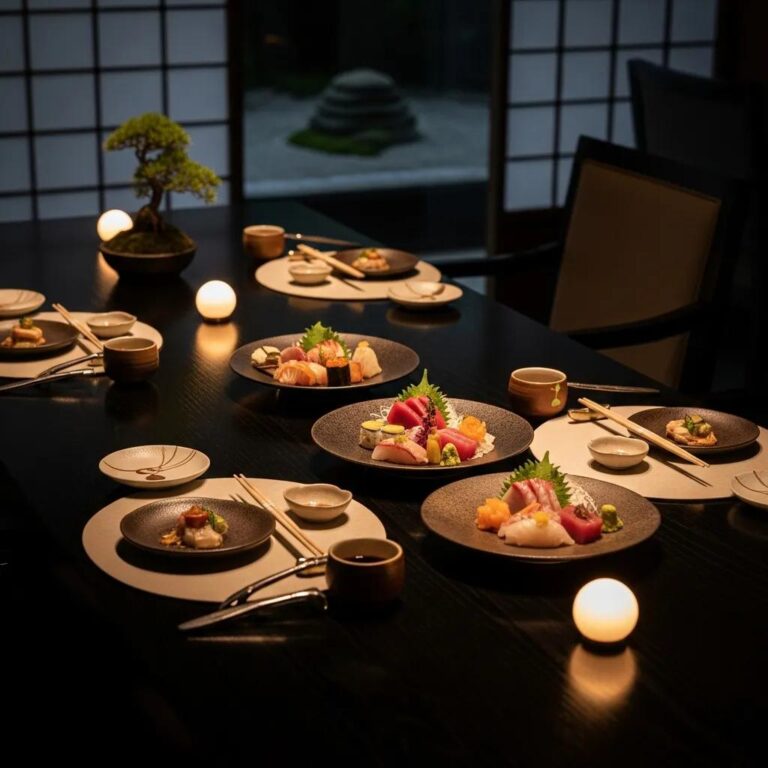
Seasonal fine dining at Kaviar means designing menus around what tastes best right now. That short window between harvest and plate preserves brightness and texture, and it lets chefs highlight single ingredients with precise technique—clean cuts, subtle seasoning, and careful temperature control. We blend local sourcing with refined Japanese technique so produce, seafood, and premium proteins can be presented simply and honestly. The result is a dynamic tasting sequence that shifts through the year with clear, thoughtful logic.
Our seasonal philosophy favors provenance and restraint: minimal intervention, refined plating, and finishing touches that reveal an ingredient’s aroma and mouthfeel. Dishes are often completed with delicate garnishes, purposeful sauces, and timed contrasts in temperature to frame peak flavors and invite discovery with each course. Below we explain how we source ingredients and give examples of seasonal dishes that bring this approach to life.
How Does Kaviar Emphasize Fresh, Seasonal Ingredients in Japanese Cuisine?
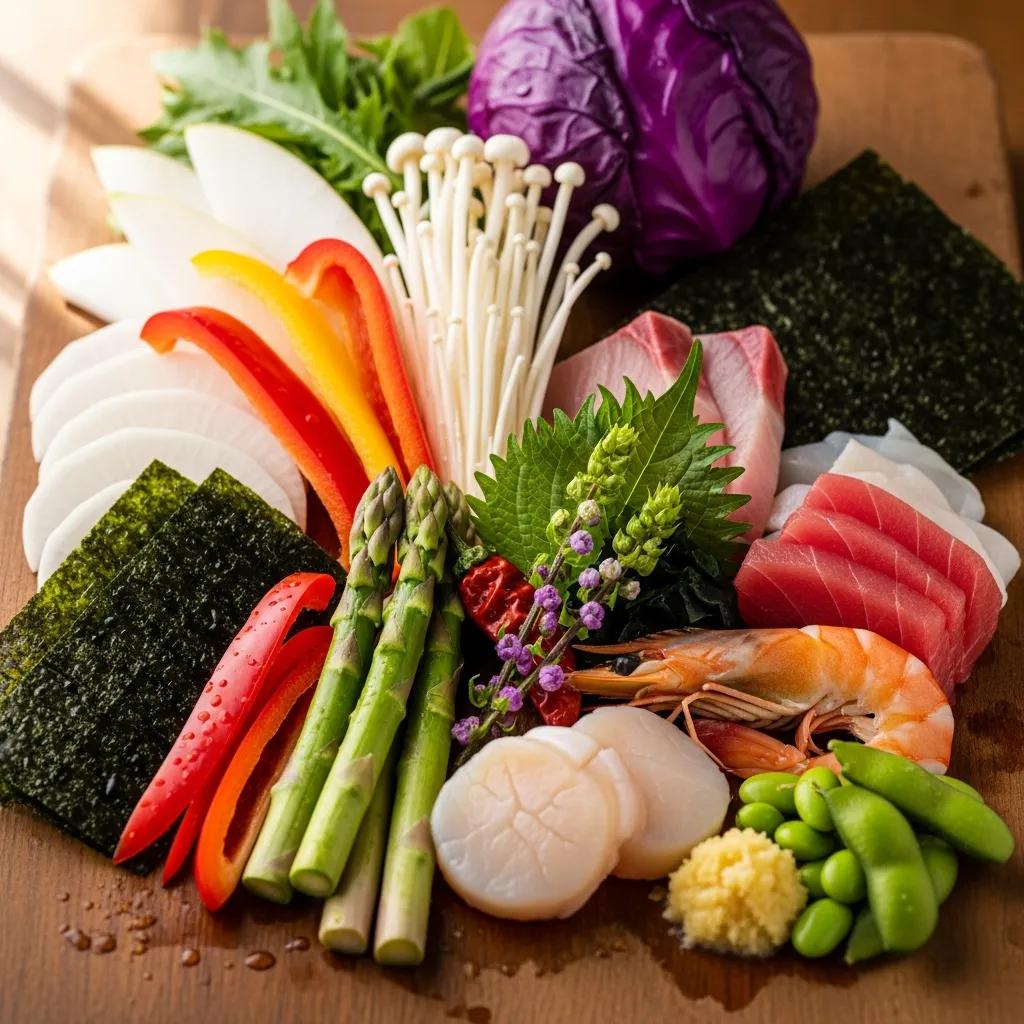
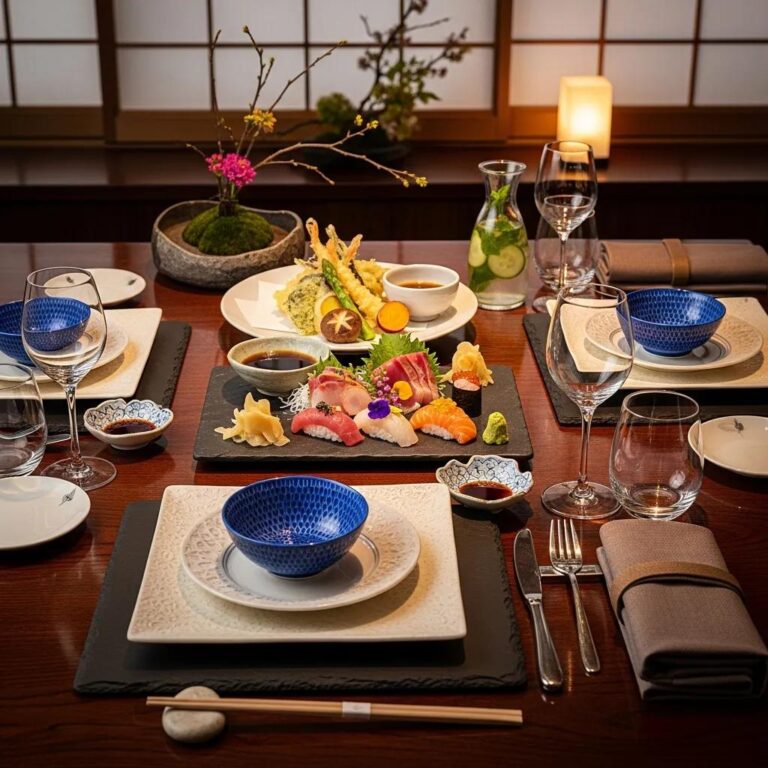
We work closely with trusted purveyors who deliver market-fresh seafood and farm produce timed to local and regional harvests so every ingredient arrives at its flavor apex. Preparation is intentionally light and clarifying—gentle cures, sashimi-grade slicing, quick sears, and subtle simmers—so natural textures and aromas remain front and center while umami accents deepen the profile. Plating uses small seasonal elements—microgreens, edible flowers, charred vegetables—to create a visual and flavor link to each ingredient’s origin. Photography alt text and provenance notes help set expectations for guests viewing menus or promotional material.
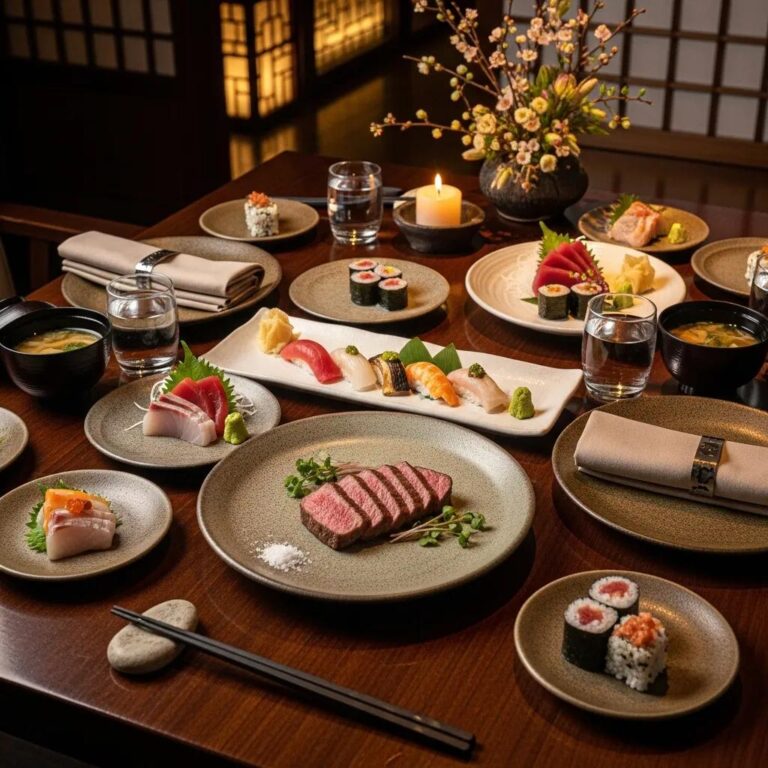
Those sourcing practices produce examples such as a spring sashimi sequence showcasing tender, bright seafood, or a summer vegetable accompaniment that celebrates char and freshness. Careful sourcing plus restrained technique creates a tasting flow focused on clean flavors and seasonal nuance—exactly what the omakase format amplifies.
Why Is Seasonality Essential to the Omakase Experience?
Seasonality is the backbone of omakase: the chef’s freedom to build a menu from the market’s best items on any given day is the format’s promise. When we receive peak ingredients, the omakase can move through meaningful contrasts of texture, temperature, and intensity rather than repeat a routine. For diners, that becomes a curated story—surprise and discovery driven by what’s at its best—moving naturally from delicate sashimi to richer mains.
Seasonality also lets us capitalize on brief windows—an early uni run or a short wild-mushroom harvest—so every seat can encounter unique, calendar-driven moments. That spontaneity is why guests often prefer omakase when they want to taste rare seasonal mains that fixed menus can’t always accommodate.
Which Seasonal Main Courses Showcase Luxury and Gourmet Flavors?
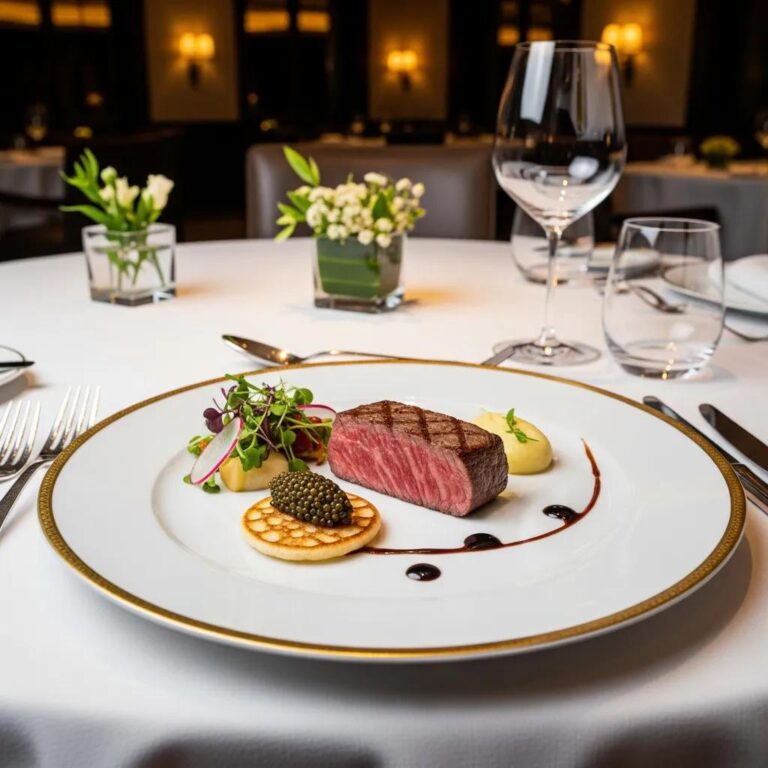
Luxury seasonal mains pair premium proteins with seasonal accompaniments and exacting technique to balance richness and restraint. Look for dishes featuring A5 Wagyu that emphasize marbling and mouthfeel, caviar used as a briny accent, creamy uni preparations, and truffle finishes in autumn and winter. These plates feel elevated because they combine rare ingredients with focused technique and presentation that heighten aroma and texture.
Below is a compact comparison of core premium ingredients we commonly feature in seasonal mains—where they come from, how they taste, and how we typically prepare them—so chefs and diners can see how these elements function in a luxury Japanese context.
Different premium ingredients offer distinct seasonal roles and pairings.
These ingredients recur because they can be modulated by pairing and technique to become focal points on the plate. The following sections look more closely at our A5 Wagyu preparations and how we use caviar across seasonal dishes.
What Are the Signature Seasonal A5 Wagyu Preparations?
Our A5 Wagyu preparations are designed to showcase its melting marbling and delicate texture. We favor an intense, brief sear to form a thin crust while keeping the interior silky, or we serve ultra-thin slices that bloom on a warm rice or vegetable base. Seasonal accompaniments—spring herbs, summer-charred scallions, autumn root purées, or winter pickles—provide acidity or texture to balance the richness and reset the palate.
We also share provenance details with guests: breed, grade, and handling tell the story behind the plate and explain why the cut deserves center stage. Simple finishes like seasonal ponzu or a bright citrus salt keep the Wagyu’s flavor the star.
How Is Caviar Incorporated into Seasonal Dishes at Kaviar?
Caviar is a small but powerful tool: we use it sparingly as a garnish or fold it into light sauces to add saline depth and textural contrast. Typical applications include crowning a toro tartare, complementing a uni course, or finishing a warm protein with a touch of briny pop. Small amounts amplify savory depth without overpowering the main ingredient, and the textural bursts of roe read as celebratory and refined.
Pairing is about balance: mild fish, creamy bases, or neutral starches let the caviar sing, while a touch of citrus or acid cuts through fat and refreshes the palate. Caviar functions as an accent—part of a composed dish rather than the whole story.
How Do Seasonal Menus Change Across Winter, Spring, Summer, and Autumn?
Menus shift to reflect the flavor and texture priorities of each season. Winter leans toward warming, richer mains and earthier ingredients; spring favors delicate seafood and fresh greens; summer spotlights bright produce and lighter preparations; and autumn celebrates aromatic, umami-rich harvest items. We design dishes to match both ingredient availability and diners’ seasonal appetite—lighter, chilled preparations in warm months and braises or richer sauces in cold months—creating a coherent progression throughout the year.
The table below offers a quick glance at representative dishes and key seasonal ingredients each quarter so diners can plan around what they most want to taste.
A compact seasonal comparison clarifies menu focus and booking considerations by period.
This snapshot shows how ingredient cycles and guest expectations drive menu evolution—and why certain dishes are available only briefly. Next, we offer concrete winter and spring examples to illustrate texture and flavor direction.
What Winter Seasonal Dishes Feature Hearty and Rich Flavors?
Winter mains favor depth: slow braises, glossy reductions, and umami-rich finishes that deliver warmth and comfort. Think braised A5 Wagyu with an aromatically reduced sauce, warm uni over a rice dish, or truffle-finished plates where earthiness complements robust proteins. Techniques like low-and-slow braising and butter-enriched finishes intensify mouthfeel while preserving Japanese restraint.
We recommend fuller-bodied pairings and bright palate cleansers—acidic pickles or citrus garnishes—to balance richness and keep each bite lively. These hearty winter preparations contrast with spring’s lighter, more floral-driven offerings.
Which Spring Seasonal Dishes Highlight Fresh and Delicate Ingredients?
Spring dishes celebrate freshness: sashimi sequences, lightly grilled young fish, and vegetable-forward plates that showcase tender shoots and seasonal herbs. Examples include a citrus-kosho-accented sashimi platter, steamed early-season fish with young greens, or a bright, vegetable-forward donburi. Preservation of delicate texture relies on minimal heat, short marinades, and simple dressings that let natural flavors shine.
Many spring items appear for only a few weeks, so timely reservations reward diners who want to taste these fleeting moments. Next, we’ll explain how the omakase sequence brings seasonal shifts together into a unified tasting narrative.
What Makes the Seasonal Omakase Journey Unique at Kaviar Restaurant?

Our seasonal omakase is a carefully ordered tasting arc: courses progress from subtle to intense and finish with a restorative note, each chosen to highlight a seasonal quality—freshness, creaminess, earthiness, or aroma. The chef curates each plate to create contrast and palate resets between courses, and we tailor experiences for allergies and preferences so every guest enjoys a personal version of the season’s best.
Omakase also educates: small changes—different salts, a quick char, a warmed sauce—show how technique alters texture and flavor. The table below maps how courses shift seasonally and what guests gain from those adjustments, illustrating the practical and experiential benefits of a season-driven omakase.
Course-level seasonal adjustments enhance technique and the guest’s sense of value.
This mapping shows how each course adapts to ingredient windows and why omakase is especially suited to showcasing seasonal mains. The following sections describe our curation process and the reasoning behind omakase sequencing.
How Does the Chef Curate Seasonal Ingredients for the Omakase Menu?
Our chefs curate by sourcing daily market selections, tasting small samples, and sequencing dishes to create contrasts of texture and intensity—always accommodating guest restrictions. Selection emphasizes peak ripeness, regional provenance, and ingredient synergy—what complements the primary protein and what small garnish will shift perception. The process is iterative: tasting informs which courses will appear and how they’ll be finished to bring out seasonal nuance.
This hands-on approach produces a natural progression—from subtle sashimi to a richer main and then a light seasonal finish—so diners can follow a coherent narrative while still enjoying surprises.
Why Is the Omakase Experience a Celebration of Seasonal Flavors?
Omakase celebrates seasonality because it places short-run ingredients at the center of the meal, turning ephemeral harvests into memorable moments. The format rewards discovery—guests taste items they might not otherwise order—and showcases the chef’s ability to pair ingredients on the fly for maximum flavor. Compared with fixed menus, omakase adapts to narrow availability windows so diners receive ingredients at or near their peak.
The experience is both sensory and educational: small seasonal shifts—a finishing herb, a change in fire, a different salt—can transform a dish. For guests chasing peak seasonal moments, omakase is the most direct, rewarding way to experience them and to reserve scarce seasonal mains.
How Can Guests Reserve and Experience Seasonal Fine Dining at Kaviar?
Booking seasonal dining takes a little planning: limited-run dishes and omakase seats fill up quickly in peak windows. Plan ahead, communicate preferences, and confirm seasonal highlights when you reserve so we can prepare a tailored experience. Advance notice helps the kitchen secure imminent harvests or short seafood runs and ensures you’ll taste the intended seasonal mains.
Practical booking tips to help you secure seasonal offerings:
- Plan ahead: Request reservations several weeks in advance for seasonal omakase to secure limited seats.
- State preferences: Tell us allergies and preferences when booking so the chef can prepare suitable seasonal substitutions.
- Ask about seasonals: Inquire which seasonal mains are expected on your date to align expectations.
Following these steps will help you align timing and expectations with seasonal availability. The next section explains ideal booking channels and lead times.
What Is the Best Way to Book a Seasonal Dining Experience in Pasadena?
Reserve early and specify you’re booking a seasonal omakase or tasting menu so we can plan procurement and sequencing. Lead times vary by season and event—winter holidays and special events often need the most advance notice, while shoulder seasons may have more availability. When you book, name any seasonal favorites you hope to try and confirm how we handle substitutions for allergies or strong preferences.
We list Kaviar Restaurant’s Pasadena address on our site for guest logistics; please note seasonal requests at booking so the kitchen can confirm availability. Clear communication gives you the best chance of experiencing specific seasonal mains. The following section outlines seasonal events and classes.
Are There Special Events or Classes Highlighting Seasonal Cuisine?
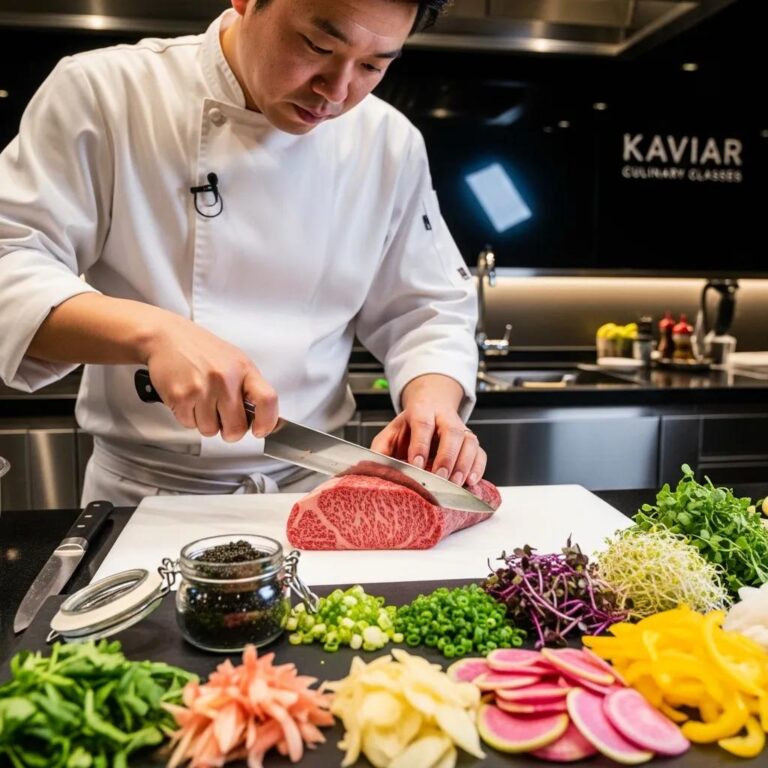
Yes—special events and classes are a great way to go deeper into seasonality. We offer chef-led tastings, ingredient deep dives, and hands-on workshops that demonstrate techniques like precise Wagyu searing or plating caviar-accented courses. These formats give practical skills and context that make future visits more rewarding.
Attending a seasonal workshop helps you understand why some dishes appear briefly and how chefs adjust technique to highlight peak flavors—so you’ll be better prepared to request seasonal mains when you reserve.
- Event types: Chef tastings, ingredient deep dives, and technique workshops are common formats that emphasize seasonality.
- Participation value: Events provide context for menu choices and teach techniques guests can appreciate at the table.
- Booking tip: Reserve event seats early since seasonal workshops often have limited capacity.
These events strengthen the guest–chef connection and make seasonal dining a richer, more informed experience.
Frequently Asked Questions
What is the difference between omakase and a fixed tasting menu?
Omakase is chef-led: our team selects dishes each service based on the freshest ingredients available, creating a personalized, evolving meal. A fixed tasting menu is a predetermined sequence that doesn’t change with daily market availability. Omakase prioritizes seasonality and surprise; a fixed menu provides consistency and predictability.
How can I ensure I get seasonal dishes during my visit?
To secure seasonal dishes, book in advance—especially during peak windows—and let us know your interest when you make the reservation. Tell us about allergies or strong preferences so the kitchen can plan suitable substitutions. Early communication gives us time to source and prepare the seasonal items you want to try.
What types of beverages pair well with seasonal Japanese dishes?
Beverage pairing depends on the season and the dish. Lighter spring and summer plates pair well with crisp whites, chilled sake, or light beers. Rich winter mains suit fuller-bodied wines or umeshu (plum wine). Traditional sakes are extraordinarily versatile and can enhance umami across the menu.
Are there vegetarian or vegan options available in seasonal menus?
Yes. Our chefs craft vegetarian and vegan seasonal dishes that highlight produce, grains, and plant-based proteins while preserving the spirit of seasonal dining. Please note dietary requirements when booking so we can design a thoughtful, seasonal experience.
How often do the seasonal menus change at Kaviar Restaurant?
Menus change with the seasons—winter, spring, summer, and autumn—reflecting peak ingredient availability. Within each season we also rotate dishes as short runs of produce or seafood come and go, so frequent guests will see new offerings throughout a season.
What should I expect during a seasonal omakase experience?
Expect a curated journey through courses that highlight the season’s best ingredients. Each dish is prepared to showcase texture, flavor, and presentation, moving from subtle starters to more intense mains and finishing with a light seasonal note. The chef will often explain ingredients and techniques, making the meal both sensory and informative.
Can I participate in cooking classes focused on seasonal cuisine?
Yes. We host classes and events that focus on seasonality and technique. These sessions offer hands-on practice and a deeper understanding of ingredient cycles and preparations used in our seasonal mains. Reserve early—classes often sell out.
Conclusion
Seasonal fine dining at Kaviar puts the freshest ingredients and refined Japanese technique at the center of every meal. Each dish is built to highlight the season’s best flavors, creating a memorable, evolving dining journey. Plan ahead and tell us your preferences when you reserve to secure limited-time offerings. Discover the craft of seasonal dining—explore our menu and book your experience today.