




Seasonal Starters: Fresh Beginnings at Kaviar Pasadena
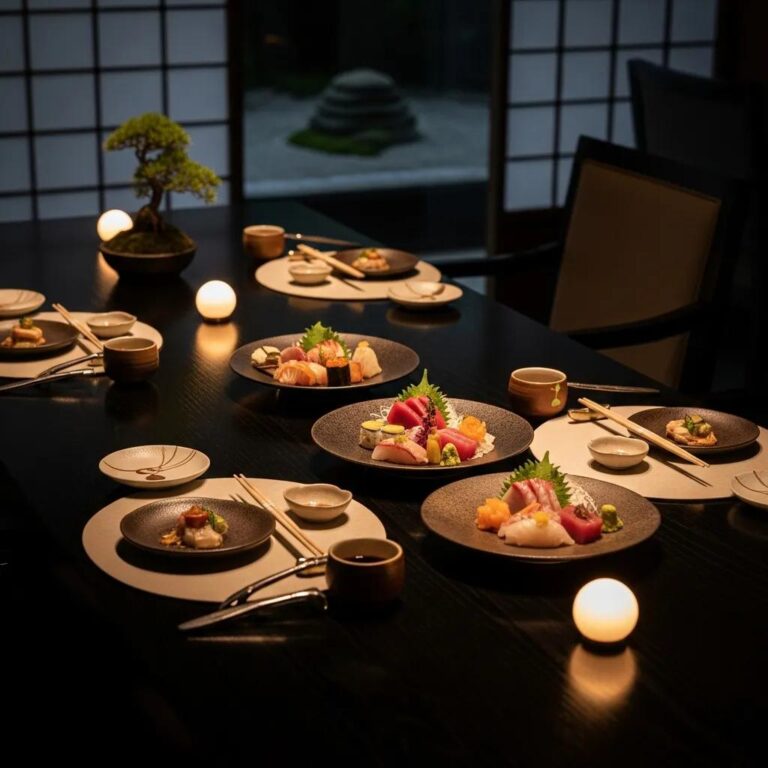
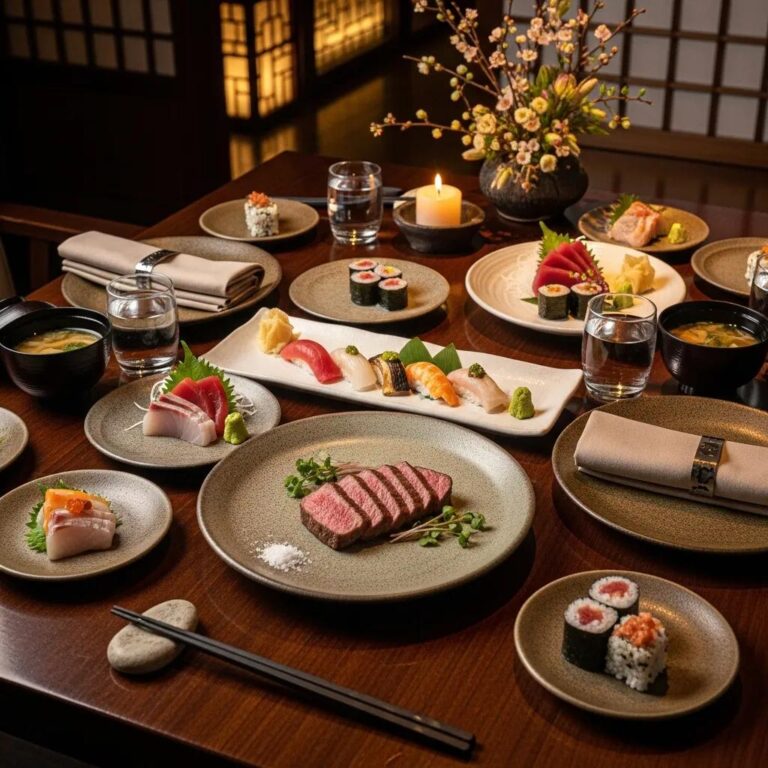
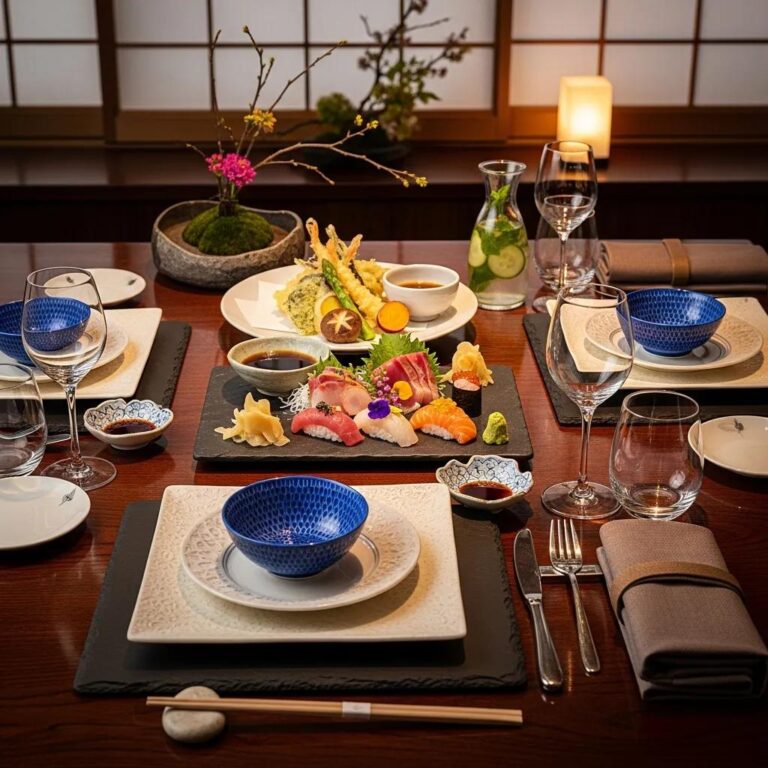
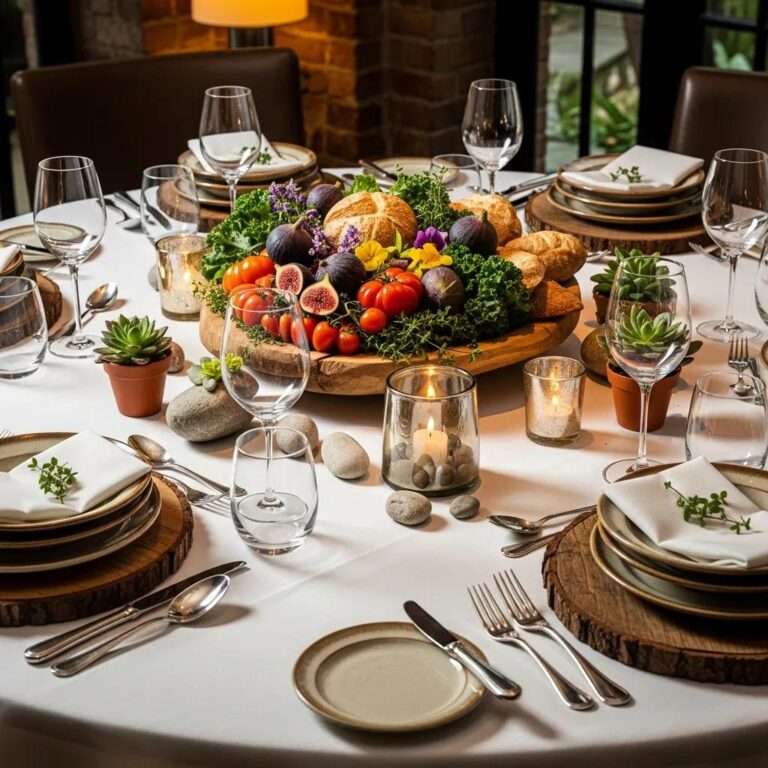
At Kaviar, seasonal starters are our opening chapter: small plates that set the tone for a thoughtful Japanese fine-dining experience. We pair exacting technique with peak-season ingredients to awaken the palate and hint at the courses to come. In this guide you’ll find how seasonality shapes ingredient choice, what separates our cold and warm small plates, and how elevated offerings—like our caviar service and A5 Wagyu—fit into a refined multi-course progression. Many guests arrive wanting fresh, balanced appetizers that are both restrained and memorable; we meet that expectation by rotating starters according to what’s at its best while keeping texture and visual clarity intact. Read on for our philosophy, signature plates, premium tasting options, suggested pairings, and practical reservation tips for enjoying these seasonal starters in Pasadena.
What defines Kaviar’s seasonal Japanese appetizers?
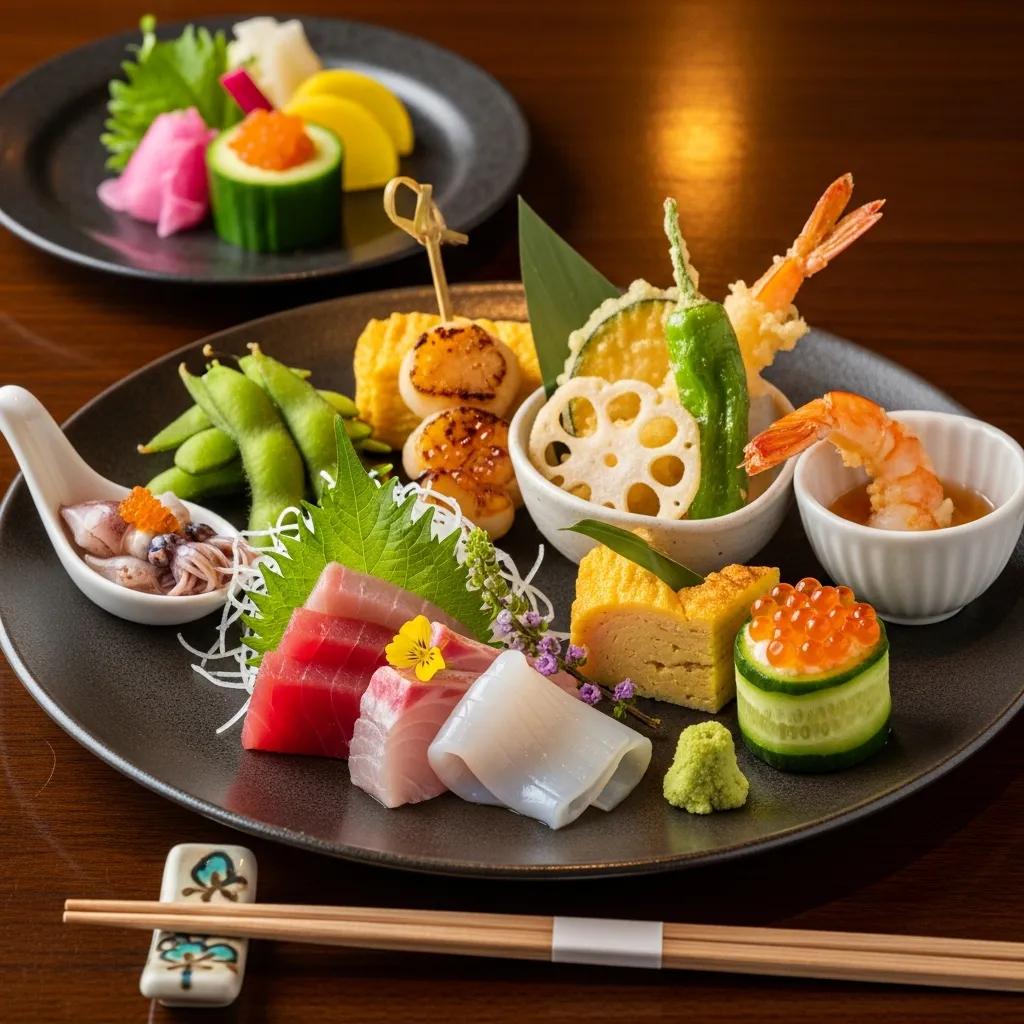
Our seasonal starters are concise statements of time and place—ingredients at their peak, prepared simply and precisely to let natural flavors sing. The formula is straightforward: focused sourcing plus disciplined technique. When an item is at its seasonal prime, we use light treatments—minimal seasoning, quick sears, or gentle chilling—to preserve texture and salinity and deliver immediate clarity on the plate. For guests, these starters prime the palate, reveal our sourcing standards, and establish the course progression. Below are three pillars that define Kaviar’s seasonal starters and set them apart in Pasadena’s dining scene.
- Source: seasonal seafood and produce chosen for peak flavor and traceable provenance.
- Technique: restrained treatments—raw, lightly seared, or briefly grilled—to showcase texture.
- Presentation: refined plating that balances negative space, color, and small accents for contrast.
Together these elements create a clear path from ingredient to plate, guiding both the eye and the palate. Rotating starters throughout the year keeps the menu fresh and deepens the restaurant’s seasonal story.
How does seasonality influence Japanese fine dining appetizers?
Seasonality governs what we serve and how we prepare it. Chefs design starters around what the season delivers rather than forcing a single signature year-round. Spring, for example, favors delicate uni and crisp young greens best served chilled; winter lends itself to richer cuts and root vegetables that benefit from searing or slow glazing. Weekly deliveries from trusted purveyors drive menu rotation, so starters reflect current catches and harvests. The result is a menu that shifts with the calendar—offering freshness, a sense of place, and a clear connection to local and seasonal cycles.
Which premium ingredients highlight Kaviar’s seasonal starters?
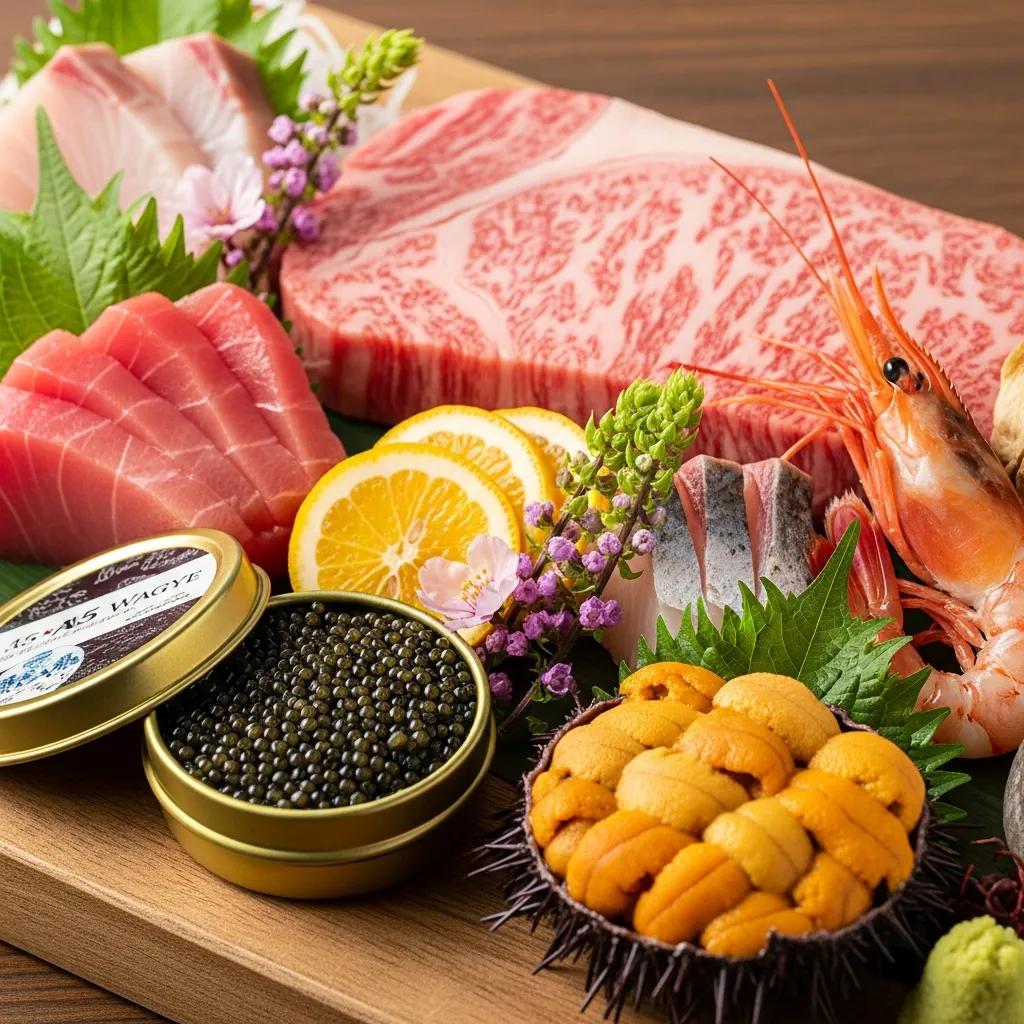
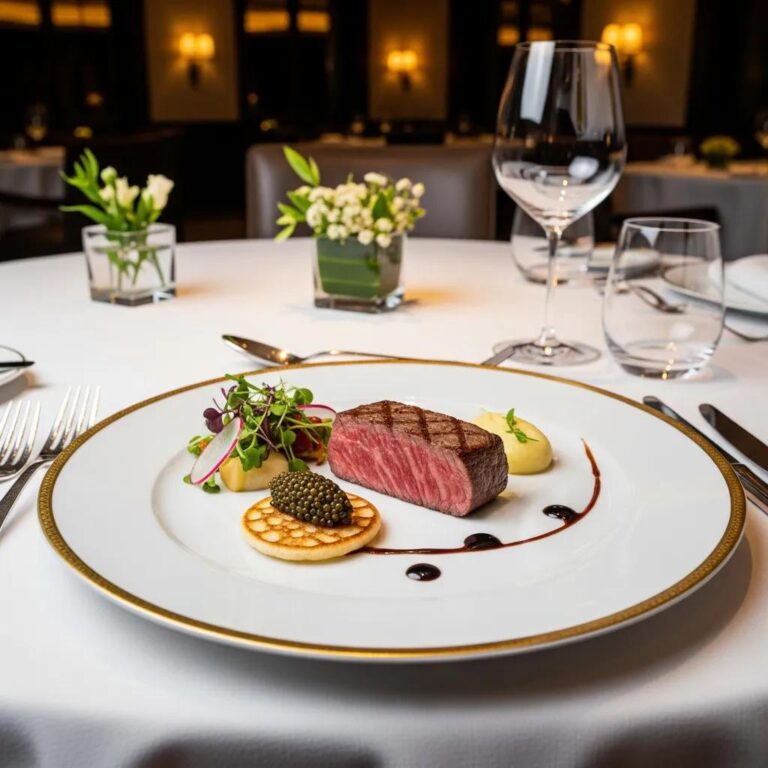
Premium ingredients appear as focal notes in our starters: prized seafood, cured roe, and top-tier beef bring concentrated umami and texture that shape each dish. A5 Wagyu—rich and highly marbled—is used sparingly, often as tartare or thinly seared slices, to add decadence without overwhelming lighter plates. Our caviar tastings are ceremonial: briny Kaluga-style roe served with blini, crème fraîche, and delicate garnishes to spotlight texture and salinity. Seasonal catches—line-caught tuna, delicate scallops—offer silky mouthfeel and clean brightness that pair well with acidic accents. Each premium element acts as a flavor and tactile anchor, making starters memorable and signaling the tasting menu’s caliber.
Which cold seasonal appetizers showcase freshness at Kaviar?
Cold starters at Kaviar focus on raw or chilled preparations that put ingredient purity front and center. We rely on strict temperature control and minimal seasoning—gentle acids, fine salts, and complementary oils—to lift natural sweetness and brine without masking the main ingredient. These dishes deliver immediate brightness and textural contrast, priming the palate for richer courses and demonstrating the kitchen’s sourcing and knife skills. Below is a quick comparison of signature cold starters, their main components, and how they present.
A concise comparison of cold small plates—ingredients, presentation, and flavor profile.
What are the signature cold small plates like Seasonal Oysters and Tuna Tartare?
Our Seasonal Oysters highlight origin and brine, typically paired with a subtle ponzu or Japanese-style mignonette that sharpens the shellfish’s natural sweetness without masking it. Oysters are chilled and shucked to order, presented on crushed ice with minimal garnish so each briny bite reads pure. Tuna Tartare is built on careful knife work and temperature control to preserve a silky mouthfeel, balanced with citrus‑ponzu, sesame oil accents, and textural contrasts like toasted nori or crisp radish. These plates announce freshness and restraint—seasonality shown through raw or nearly raw preparation.
How are flavor profiles and presentations crafted for cold starters?
Flavor profiles are balanced around acidity, fat, and texture so the primary ingredient remains central while supporting elements add depth. Chefs layer citrus or rice vinegar for lift, a whisper of oil for richness, and micro‑garnishes or pickles to cleanse between bites. Plating favors open compositions and negative space—vibrant colors and delicate accents convey both luxury and restraint. The result: cold starters that read as integrated sensory snapshots—bright, tactile, and visually poised—preparing the palate for warmer courses.
What warm seasonal appetizers offer savory indulgence at Kaviar?
Warm starters provide savory counterpoints to chilled plates by using heat and caramelization to deepen flavor while honoring seasonal character. Grilling, searing, and glazing concentrate sugars and proteins, delivering Maillard complexity that complements seafood and produce. These dishes add comforting texture and savory weight without overwhelming the tasting progression. The table below maps common warm starters to their techniques and expected texture or flavor outcomes.
Warm starters depend on precise heat to transform seasonal ingredients into savory, texture-driven small plates.
Which hot small plates feature dishes like Hamachi Kama and Seared Hotate?
Hamachi Kama is the yellowtail collar, charred to render fat and create a lightly crisp exterior while keeping the meat tender, finished with a citrus‑umami glaze that brightens the natural oils. Seared Hotate—scallops given a quick, intense sear—relies on precise timing to form a caramelized crust that contrasts a soft, nearly gelatinous center, often finished with a subtle soy‑butter or truffle accent. Other warm starters can include miso‑glazed seasonal vegetables or light tempura that introduce airy textures. These dishes offer savory weight while keeping the palate receptive for what follows.
What cooking techniques enhance the flavors of Kaviar’s warm starters?
Searing, grilling, and glazing are central because each triggers specific chemical changes that deepen flavor: searing produces Maillard browning and umami complexity, grilling adds smoke and caramelization, and glazing concentrates sweetness while adding sheen and texture. Chefs time heat applications carefully to avoid drying delicate seafood and use low‑and‑slow approaches for tougher cuts to render connective tissue into unctuousness. This precision ensures warm starters feel texturally engaging and richly flavored without overpowering the meal.
How does Kaviar elevate luxury with signature premium starters?
We punctuate the seasonal menu with curated luxury—select caviar services and restrained presentations of A5 Wagyu—to create moments of heightened indulgence. Rarity meets ritual: premium items arrive with thoughtful accoutrements and ceremonial service that highlight texture, salinity, and richness. These courses become focal points and conversation pieces, reinforcing our fine‑dining position in Pasadena. Below is a concise outline of typical caviar service components to guide guests considering an elevated starter.
Note: caviar service and A5 Wagyu are premium highlights best reserved or requested as part of a curated dining experience.
What is included in Kaviar’s exquisite caviar tasting service?
Our caviar tasting centers on premium roe accompanied by classic components—house blini, a touch of crème fraîche, finely minced garnish—and careful temperature control to preserve texture and flavor. The service often includes guided tasting notes so guests can appreciate salinity, grain, and mouthfeel; the ceremonial presentation reinforces the sense of occasion. The accompaniments support the roe without competing, making the tasting both palate‑defining and elegantly restrained.
How are A5 Wagyu small plates crafted for a refined appetizer experience?
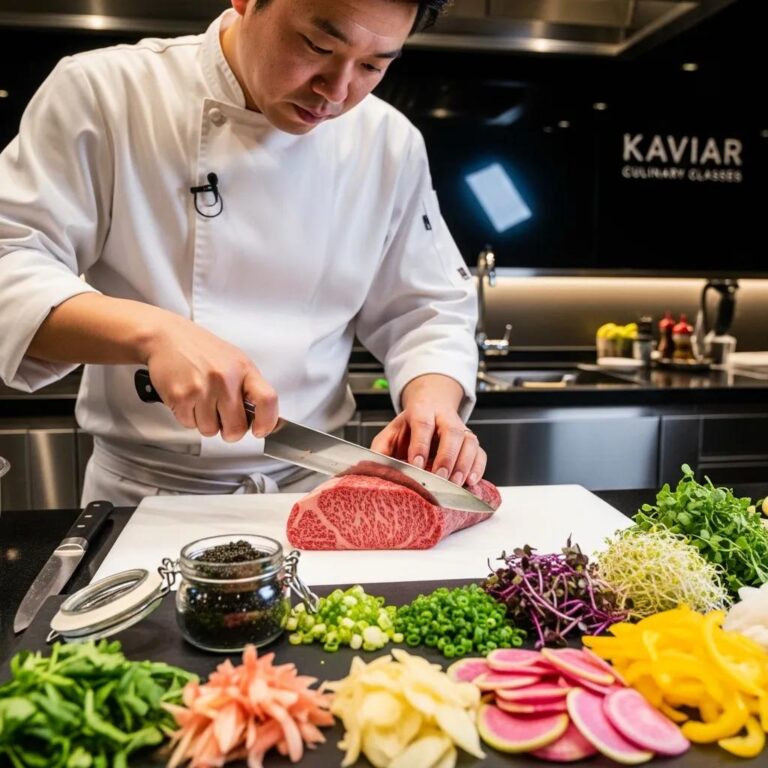
A5 Wagyu plates are intentionally restrained to showcase extraordinary marbling without overwhelming the palate. Preparations range from tartare with a tiny quail egg to wafer‑thin, low‑temperature‑seared slices finished with a whisper of citrus or soy. Our aim is to present concentrated umami and buttery texture through minimal seasoning and precise temperature control so the beef’s character remains central. When paired thoughtfully, A5 Wagyu serves as a luxurious pivot that elevates the overall tasting arc.
Which pairings best complement Kaviar’s seasonal starters?
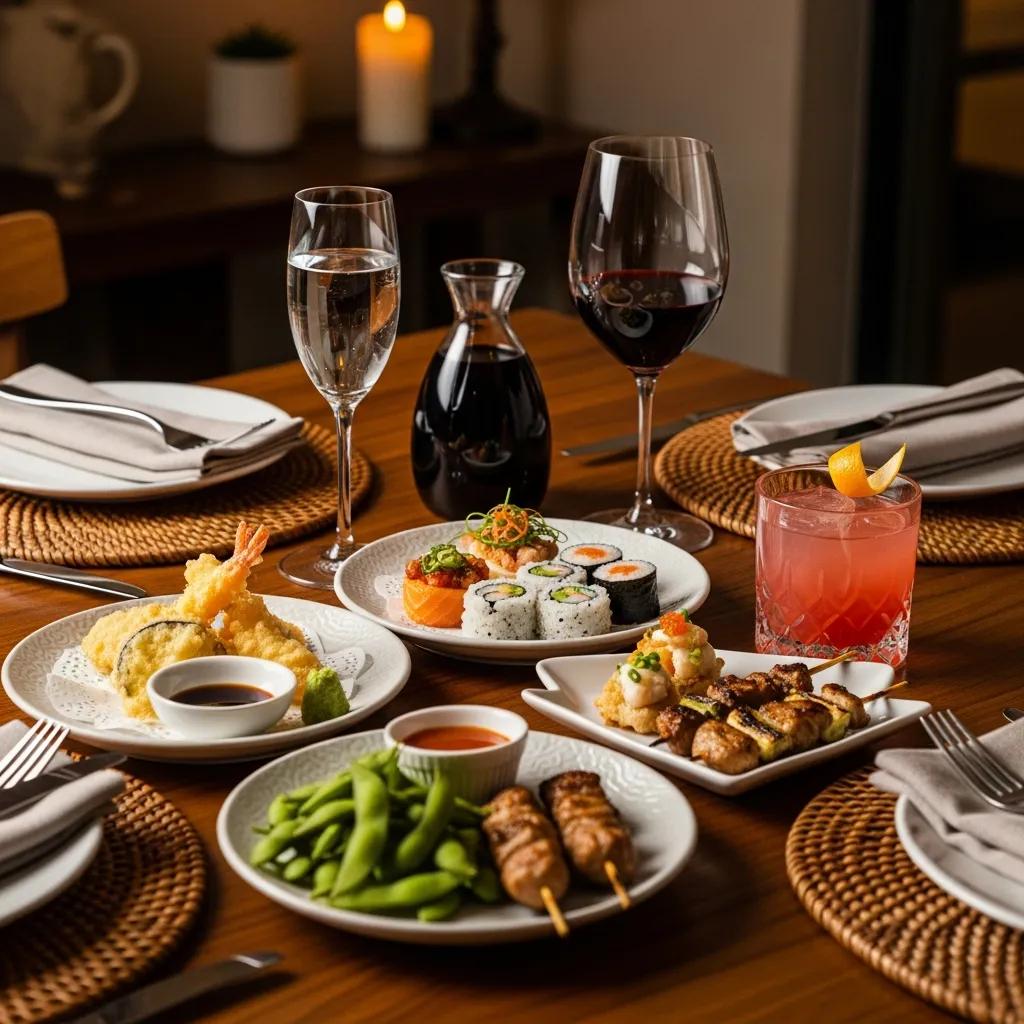
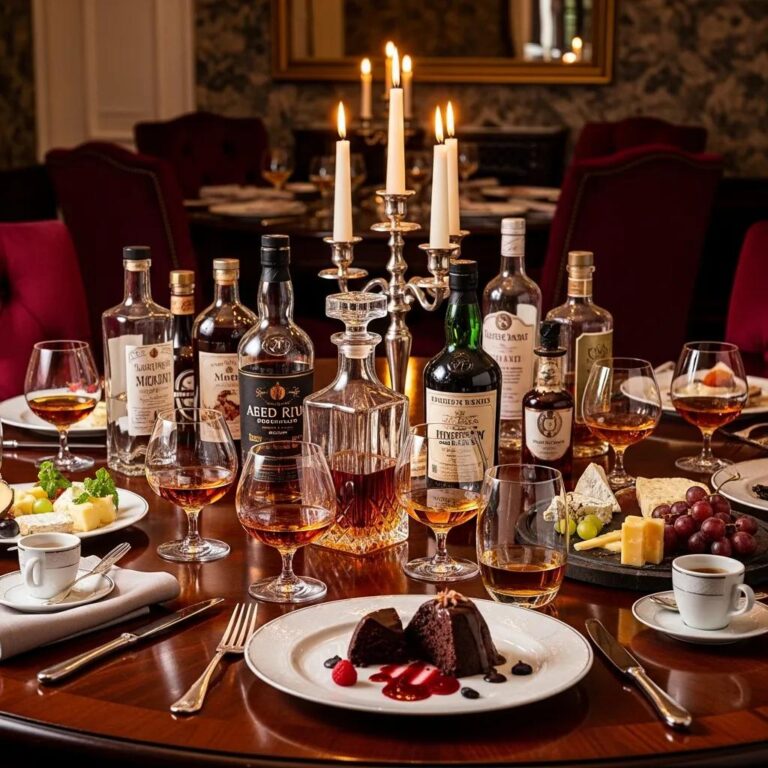
Pairings at Kaviar are chosen to support each starter’s dominant trait—acidity for freshness, low tannins for delicate seafood, and gentle sweetness for richer bites—so beverages function as narrative complements that refresh or amplify. The principle is contrast and complement: effervescence or bright acidity cleanses after fatty bites, while richer sake or aged spirits can amplify umami and texture. The result is a cohesive pace where each drink resets the palate and enhances the next course. The table below pairs representative starters with recommended beverage categories and example styles.
A quick guide linking dishes to pairing categories and sample sake, wine, or cocktail styles.
What sake, wine, or cocktails enhance the flavors of seasonal appetizers?
We favor pairings that accent acidity and mouthfeel: a floral ginjo sake brightens raw seafood, sparkling wine or a dry white refreshes between briny bites, and an aged sake or delicate red stands up to A5 Wagyu’s richness. Cocktails with clean citrus or subtle botanicals can lift citrus‑driven cold starters without overpowering them. Choose pairings that either contrast the starter’s dominant element (to cleanse) or echo its texture (to amplify)—both approaches deepen the tasting experience.
How do pairings elevate the overall fine dining experience at Kaviar?
Thoughtful pairings create contrast and palate resets that shape the meal’s rhythm and reveal new facets of each dish. The right beverage can unlock aromatic layers or make a hidden flavor pop, changing how you perceive a course. Our servers and sommeliers provide guidance that adds context and ceremony, making the meal feel curated rather than incidental. By weaving pairings into the seasonal starters experience, we enhance sensory engagement and ensure each course contributes to a cohesive evening.
How can guests reserve their table for Kaviar’s seasonal dining journey?
We recommend reserving in advance to secure seats for curated menus and premium starters—especially on nights featuring tasting menus or limited caviar services. Booking is simple: use our online reservation tool or contact us to discuss omakase, private bookings, or celebratory arrangements. Reserving early guarantees access to seasonal offerings and gives us time to coordinate pairings or note dietary needs. Below are steps to guide your booking.
- Choose your experience: Select a la carte starters, a curated tasting, or omakase.
- Reserve online or by inquiry: Book a date and time, and note any special requests or seating preferences.
- Confirm details: Share dietary restrictions, timing for premium services, and whether you’d like curated pairings or private space.
These steps help ensure you receive the seasonal starters and premium services you want. Early communication also allows the kitchen to prepare and sequence special items—like caviar or A5 Wagyu—into a seamless flow.
What is the process for booking a luxury dining experience at Kaviar?
Begin by choosing the format—à la carte starters, a curated tasting, or an omakase that showcases the chef’s seasonal choices. Use our reservation tool to request date and time, and include notes about dietary needs, celebrations, or requests for premium starters. You can also inquire about pairing options or private seating; clear communication helps our team plan sourcing and service. This simple process ensures special items and pairings are available and integrated into your evening.
Why should diners choose Kaviar for seasonal Japanese appetizers in Pasadena?
Choose Kaviar for our commitment to seasonal sourcing, precise Japanese techniques, and thoughtful luxury touches. We focus on temperature, cut, and restraint to highlight prime ingredients, while premium options like caviar and A5 Wagyu provide moments of indulgence that fit naturally into a tasting progression. At Kaviar, starters are small but significant signposts that guide the meal. For guests who want fresh appetizers, considered pairings, and an elevated yet approachable fine‑dining experience, Kaviar offers a clear, seasonally driven path to modern Japanese cuisine.
Frequently Asked Questions
What types of dietary accommodations can Kaviar provide for guests?
We strive to accommodate a wide range of dietary needs—including vegetarian, vegan, gluten‑free, and common allergies. When you make a reservation, please list any restrictions or preferences. Our culinary team will work with you to craft a tailored experience that highlights seasonal ingredients while respecting your needs.
How often does Kaviar change its seasonal menu?
Our menu updates regularly to track ingredient peaks—typically every few weeks as new harvests or catches arrive. This cadence lets us highlight the freshest offerings from our purveyors and maintain a menu that reflects the season and local availability.
Are there any special events or tasting menus at Kaviar?
Yes—Kaviar hosts special events and curated tasting menus that spotlight seasonal themes, guest chefs, and pairing experiences. Details and announcements appear on our website and newsletter; subscribing is the best way to learn about upcoming events and exclusive menus.
What is the recommended dining duration for a full tasting experience at Kaviar?
For a full tasting, plan on two to three hours. This allows time to savor each course, enjoy pairing selections, and appreciate the pacing and presentation. We recommend reserving in advance to ensure a relaxed, uninterrupted experience.
Can guests request specific pairings for their seasonal starters?
Absolutely. Our team can recommend and arrange sake, wine, or cocktail pairings tailored to your starters. Discuss your preferences with your server and we’ll suggest options that enhance the flavors you’ve chosen.
Is there a dress code for dining at Kaviar?
We ask guests to observe smart‑casual attire to match the restaurant’s refined atmosphere. While not strictly formal, elegant, comfortable dressing helps maintain the dining room’s tone for special occasions and everyday dining alike.
Conclusion
Kaviar’s seasonal starters are an invitation: carefully sourced ingredients, precise technique, and considered pairings that together craft a memorable opening to a fine‑dining meal. To experience the full range of these small plates and our premium offerings, we recommend reserving in advance. Join us in Pasadena to explore the season, one thoughtful starter at a time.