





Cheese, Crafted: A Practical Guide to Varieties, Fermentation, and Artisanal Production
Cheesemaking is a time-honored craft that transforms milk into concentrated, flavor-rich cheeses through controlled biology and careful hands-on technique. At its heart the work blends fermentation, coagulation and affinage to concentrate proteins and fats, producing everything from silky fresh curds to crystalline aged wheels. This guide lays out cheese family taxonomy, the microbiology of milk fermentation, aging methods that shape taste, and practical steps artisan producers use to keep quality consistent. You’ll read how lactic acid bacteria, rennet and proteolytic enzymes form curd, why milk composition matters, and how affinage conditions steer sensory results. We also translate those fundamentals into service-ready pairing strategies for fine dining and omakase, with examples of how premium restaurants integrate cheese into tasting sequences. Combining clear taxonomy, process steps and actionable pairing advice, this piece equips cheesemakers, chefs and curious diners with a grounded, usable understanding of modern artisanal cheesemaking.
What are the main types of cheese and their unique characteristics?

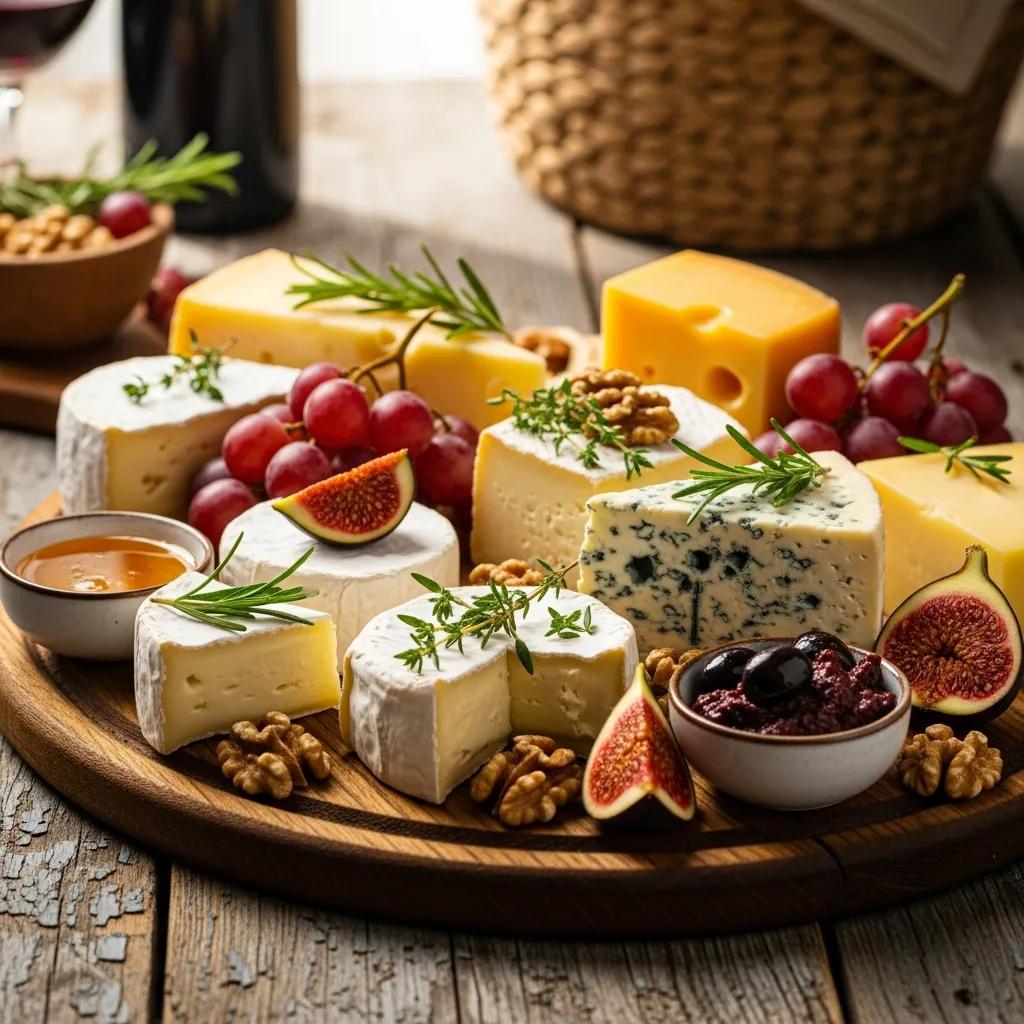
Cheeses are grouped by moisture, rind treatment and ripening biology, and those categories produce clearly different textures and flavor signatures. Fresh cheeses hold high moisture and a bright lactic tang; soft-ripened styles develop creamy interiors and mushroom-like aromas from surface molds; washed-rind cheeses take on savory, pungent notes after regular brine or spirit washes; blue cheeses form internal veins and sharp, piquant flavors from Penicillium cultures; and hard cheeses concentrate nutty, umami tones through extended aging and proteolysis. Knowing these families helps producers select starter cultures, pressing regimes and affinage to reach a desired profile. Below is a concise reference for comparing principal families when planning production or menus.
Different cheese families mapped to milk source, texture, flavor cues, and typical aging windows:
This quick reference helps cheesemakers and chefs compare families at a glance for production decisions or menu selection. The next section explains how the source milk itself strongly shapes these family characteristics.
How do milk types influence cheese varieties?
Milk from cows, goats and sheep differs in fat globule size, protein make-up and flavor precursors; those differences strongly affect final texture and aroma. Cow milk delivers larger volumes and a neutral, buttery base that supports many styles; goat milk’s smaller fat globules and distinct short-chain fatty acids give a characteristic tang and lighter curd; sheep milk is richer in fat and protein, producing dense, buttery curds that age well and concentrate flavor. These compositional differences also change coagulation kinetics and yield—higher protein and fat increase yield and mouthfeel. Understanding milk chemistry lets producers adjust starter cultures and coagulation parameters to control moisture, curd structure and aging outcomes. Recognizing seasonal and feed-driven shifts in milk composition is essential for consistent batch planning and flavor management.
What flavor profiles distinguish artisan cheeses?
Artisan cheeses often follow a recognizable flavor arc: fresh lactic brightness that evolves into buttery, nutty, then savory or pungent tones as proteolysis and lipolysis proceed. Rinds and microbial communities layer additional aromas—Penicillium species bring mushroomy or blue notes; Brevibacterium and Corynebacteria generate meaty, sulfurous tones common to washed-rinds; surface yeasts can produce esters that offer fruity highlights. Texture shifts—creamy, tacky, then crumbly or crystalline—track with moisture loss and protein breakdown into savory peptides and amino acids. Cheesemakers shape these trajectories by selecting starter cultures, controlling humidity and temperature during affinage, and applying surface treatments that favor desired microbes. These sensory dynamics are also the foundation for thoughtful pairings, discussed later with practical culinary examples.
The following list summarizes primary cheese families and their signature sensory cues before we move into fermentation mechanics.
- Fresh cheeses: mild, lactic, high-moisture—versatile for spreads and light applications.
- Soft-ripened cheeses: creamy interiors and complex surface aromatics driven by mold ripening.
- Aged hard cheeses: concentrated umami and crystalline textures, ideal for grating and long-lasting pairings.
How does the milk fermentation process work in cheese making?
Fermentation converts lactose into lactic acid and sets the biochemical stage for coagulation, flavor precursor formation and microbial stability. The workflow follows clear stages: controlled acidification by starter cultures, enzymatic coagulation of casein (commonly with rennet), cutting and draining to separate curd and whey, forming and pressing to set moisture, salting to control microbes and flavor, and finally affinage where continued biochemical and microbial changes refine texture and taste. Variables like temperature, acidification rate and curd cut size dictate moisture retention and curd structure, which determines if a cheese becomes soft, semi-soft or hard. Below is a stepwise list outlining these core production stages for practical reference.
- Acidification: Starter cultures convert lactose to lactic acid, lowering pH and priming milk for coagulation.
- Coagulation: Rennet or alternative coagulants cleave casein micelles to form a gel that traps fat and moisture.
- Cutting & Draining: Curds are cut to expel whey; cut size controls final moisture and texture.
- Forming & Salting: Curds are shaped and salted to develop flavor, control microbes and extend shelf life.
These stages form the backbone of cheesemaking science and set up the enzyme and culture roles we cover next.
What role do lactic acid bacteria play in fermentation?
Lactic acid bacteria (LAB) drive acidification, create flavor precursors and help develop texture by modifying the curd matrix. Common LAB in cheesemaking include Lactococcus lactis for rapid acidification in fresh and short-aged cheeses; Lactobacillus species for deeper flavor development in longer-aged styles; and Streptococcus thermophilus in higher-temperature systems. Each genus produces characteristic metabolites—lactic acid, diacetyl, volatile sulfur compounds—that shape aroma and taste. LAB also enhance safety by lowering pH and outcompeting spoilage organisms, and some adjunct strains supply enzymes that act during ripening to generate buttery, nutty or fruity notes. Choosing and managing starter cultures lets producers steer acidification kinetics and flavor trajectories for repeatable artisan results. These LAB functions lead into the enzymatic processes that finalize curd structure.
How do dairy enzymes affect milk transformation?
Dairy enzymes—chiefly rennet and proteases—catalyze casein coagulation and the proteolysis that dictates texture and flavor over time. Rennet (chymosin) cleaves kappa-casein to destabilize micelles and allow curd formation; without this step milk won’t form the structured matrix needed for pressing and aging. During affinage, milk- and microbe-derived proteases break casein into peptides and free amino acids, producing savory and umami compounds while softening texture. Lipases drive lipolysis, releasing free fatty acids that create piquant or fruity aromatics, notably in blue and washed-rind cheeses. The choice of coagulant—animal rennet, microbial alternatives or recombinant chymosin—affects coagulation strength and downstream flavor, so cheesemakers select enzymes with their target character in mind. Understanding enzyme activity provides precise control over texture and long-term sensory outcome.
What are the key cheese aging techniques and their effects on flavor?
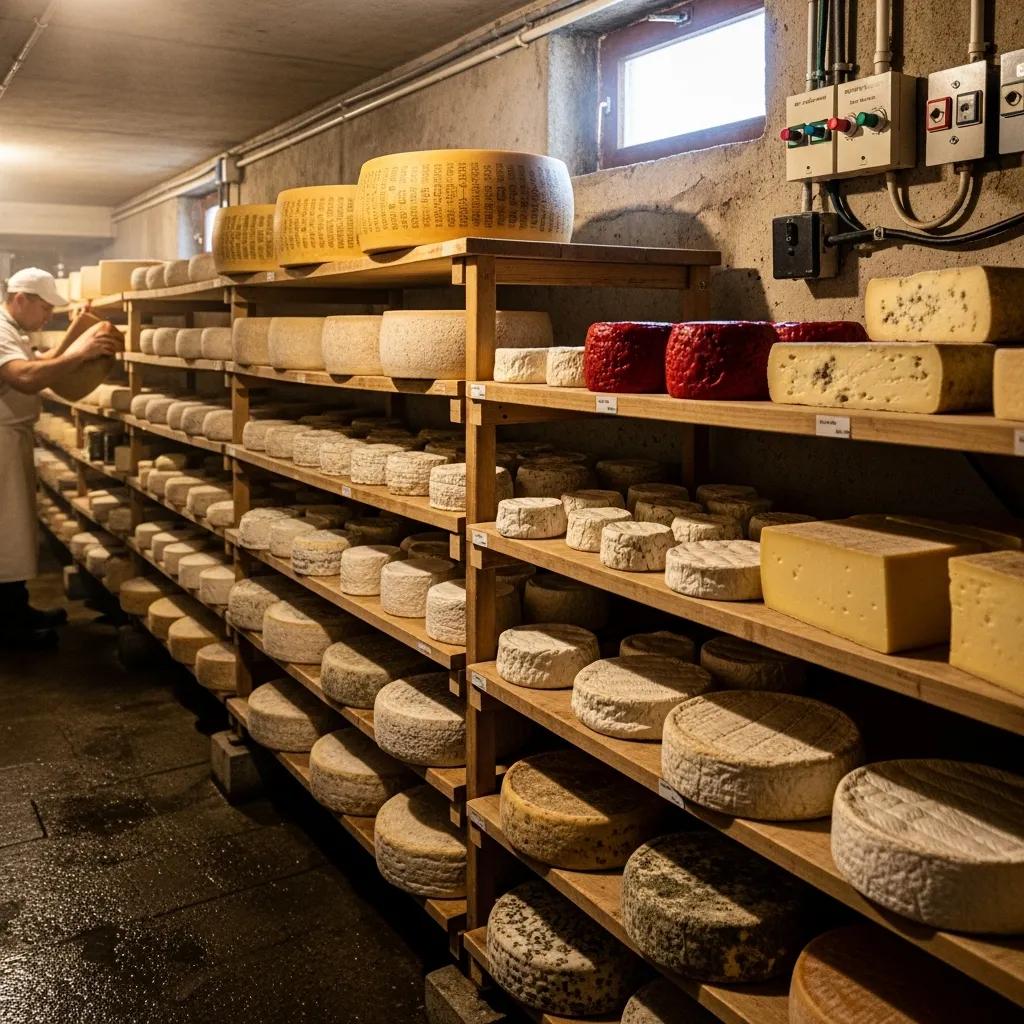
Aging, or affinage, defines a cheese’s final character through environmental control and surface management that influence moisture loss, microbial succession and biochemical breakdown. Temperature and humidity settings determine whether a cheese stays creamy or dries into a firm, crystalline texture—higher humidity and moderate temperatures favor soft or washed-rind styles, while cooler, drier conditions suit long-aged hard cheeses. Surface interventions—regular brine, beer or sake washes, brushing, or targeted mold inoculation—encourage specific microbial communities that produce distinctive aromas and rind textures. Time concentrates proteolysis and lipolysis, intensifying umami and nutty compounds as moisture declines and free amino acids accumulate. The table below compares common affinage techniques, their environmental parameters and sensory impacts to aid affineurs and chefs in planning.
How does aging duration develop flavor complexity?
Time is a primary architect of complexity—short aging (weeks) preserves milky sweetness and soft textures; medium aging (months) builds peptides and volatiles that deliver nutty and buttery notes; long aging (many months to years) allows extensive proteolysis and Maillard-type reactions that heighten umami, produce grainy or crystalline textures and deepen aromatic intensity. Temperature and humidity alter these rates—warmer affinage speeds biochemical reactions but can risk overdevelopment, while cooler cellars slow maturation for subtlety. Cheesemakers balance duration with microbial and enzymatic activity to hit specific sensory milestones when planning batches for market or a tasting menu.
What microbial cultures influence cheese ripening?
A spectrum of molds, yeasts and bacteria steer surface and internal ripening, each leaving distinct sensory signatures that cheesemakers use intentionally. Penicillium camemberti and Penicillium roqueforti are primary agents for soft-ripened and blue cheeses, producing mushroomy or blue-vein aromas via secondary metabolites. Surface yeasts such as Debaryomyces hansenii raise rind pH and pave the way for bacteria like Brevibacterium linens, which yield sulfurous, meaty notes typical of washed-rind cheeses. Geotrichum candidum creates velvety rinds and can temper surface pungency while enhancing creaminess. By introducing or encouraging these communities through washes, inoculation and humidity control, affineurs sculpt rind ecology and internal flavour to match stylistic goals.
What fundamental dairy microbiology concepts support artisan cheese production?
Reliable artisan production rests on microbiology fundamentals—selecting appropriate starters, controlling contamination, and monitoring key parameters such as pH and temperature. Starter and adjunct strains deliver repeatable acidification and flavor trajectories, while careful milk handling prevents undesirable microbes from taking hold. Quality checkpoints—pH readings at set intervals, temperature logs during coagulation and routine sensory checks during affinage—help ensure safety and consistency. Understanding microbial succession during ripening lets producers troubleshoot defects and optimize conditions for desired rind development. These scientific basics let small producers scale complexity without losing the distinctive character of their cheeses.
Which bacteria and enzymes are essential in cheese science?
Cheese science centers on a core set of microbes and enzymes that together orchestrate curd formation and ripening. Lactococcus lactis is a mainstay for quick, controlled acidification across many styles; Lactobacillus spp. contribute longer-term complexity; Streptococcus thermophilus is common in thermophilic systems. Rennet (chymosin) is still the primary coagulant for many traditional cheeses, though microbial and plant coagulants are viable alternatives for particular textures or dietary needs. Proteolytic enzymes from milk and microbes break down caseins into flavorful peptides during aging, and lipases free fatty acids that contribute characteristic aromas. Knowing which organisms and enzymes to deploy gives artisans practical control over texture and flavor progression.
How does milk composition impact cheese quality?
Milk composition—levels of fat, casein, whey proteins and minerals—directly affects yield, texture and aging potential, so raw-milk selection and herd management are critical for consistency. Higher fat boosts richness and creaminess; higher casein strengthens curd and raises yield for hard cheeses; minerals like calcium affect coagulation strength and curd elasticity. Seasonal and diet-driven shifts change these parameters, so producers often blend batches or tweak processing (cut size, heating regimes) to compensate. While standardization techniques exist, many small producers prefer managing herd nutrition and milking schedules to preserve terroir-driven flavors. Managing milk composition is both a science and an on‑farm craft.
How is artisan cheese integrated into fine dining and omakase experiences?
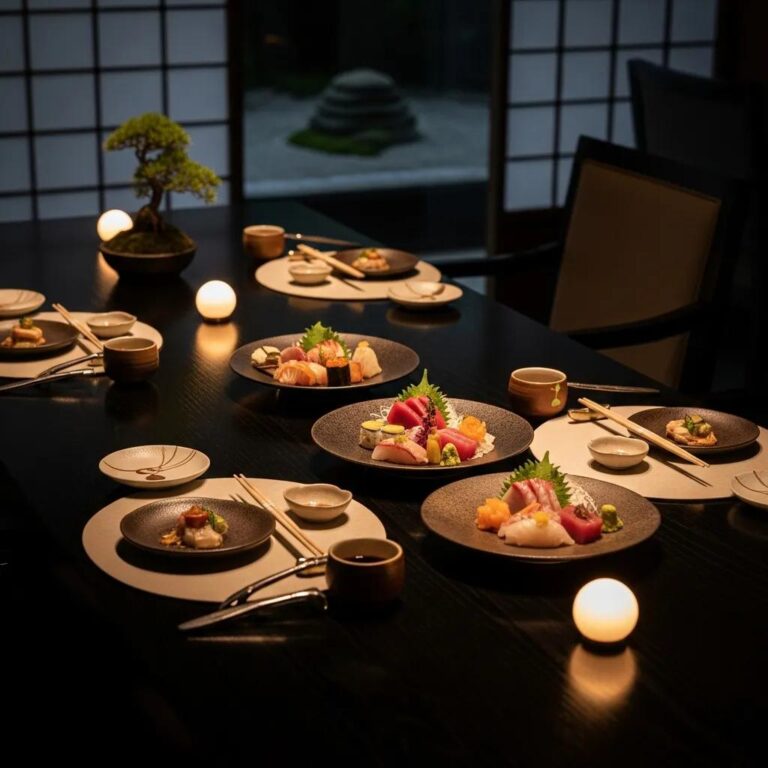
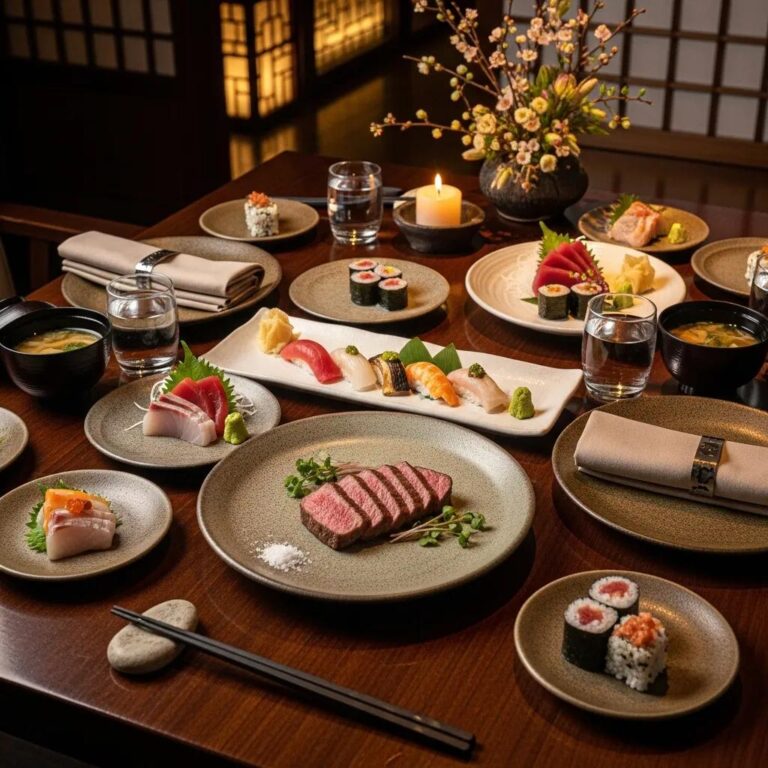
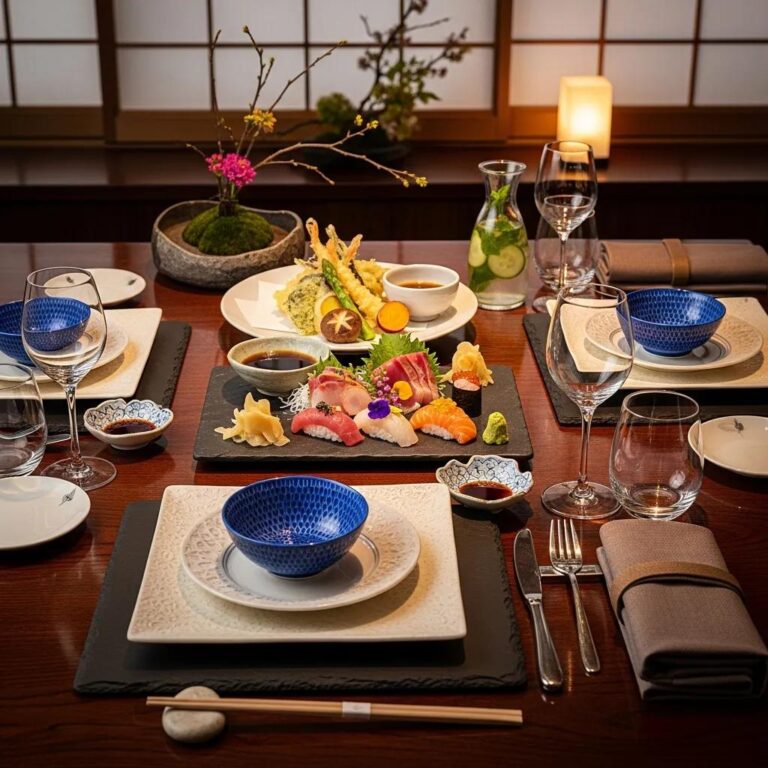
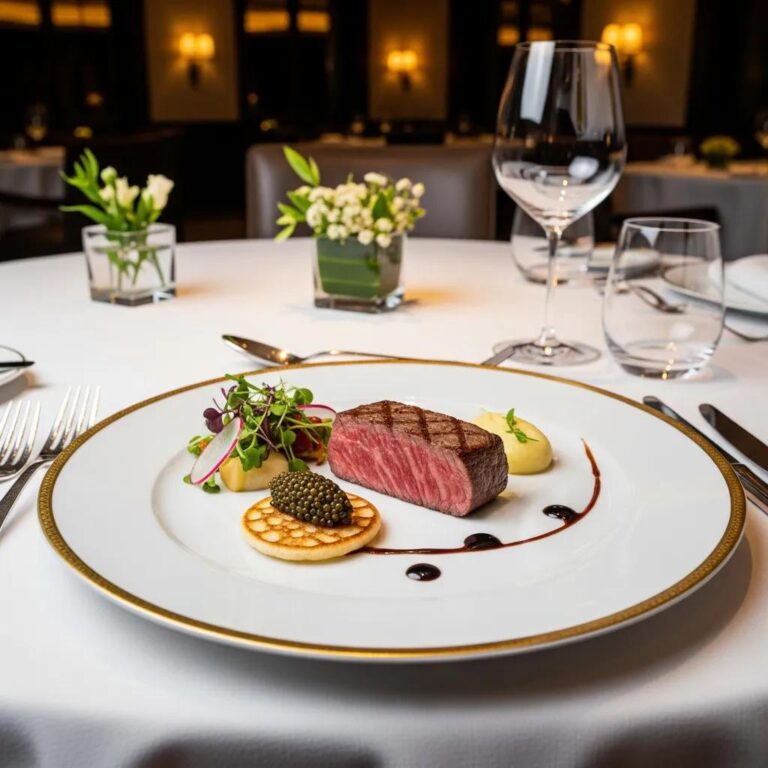
Artisan cheese can be a subtle, purposeful element in fine dining and omakase, complementing umami-forward Japanese ingredients without overpowering delicate courses. Chefs pair cheese intensity with dish intensity—mild fresh cheeses accompany delicate sashimi or tofu; semi-soft and washed-rind cheeses mirror the richness of grilled A5 Wagyu; small portions of aged hard cheeses provide savory punctuation near the end of a tasting sequence. Service approaches vary: a focused cheese intermezzo curated like a palate cleanser, discreet garnishes paired with miso butter or shiso, or preserved presentations that respect omakase pacing. The guiding principles are balance of salt, fat and umami plus attention to temperature and texture so cheese enhances rather than competes with traditional flavors. Below are practical pairing guidelines for integrating artisan cheese into Japanese fine dining.
- Match intensity: Pair mild cheeses with delicate seafood and more assertive cheeses with rich grilled dishes.
- Contrast texture: Offset creamy cheeses with crisp, pickled elements for balance.
- Complement umami: Use aged cheeses alongside soy- or miso-based sauces to amplify savory notes.
What are the best cheese pairings with Japanese fine dining dishes?
Use texture and flavor to complement classic Japanese components: a fresh chèvre brings bright acidity to lightly seasoned sashimi; a washed-rind or soft-ripened cheese can echo the savory fat of grilled A5 Wagyu while adding aromatic depth; a finely grated aged hard cheese can finish miso-glazed vegetables or a dashi-rich broth. When pairing with sake or wine, align the beverage’s acidity and weight to the cheese—clean, citrusy sakes suit fresh cheeses while fuller, aged sakes or robust reds stand up to aged or washed-rind selections. Serving temperature matters: keep soft cheeses just below room temperature to preserve structure; warm aged hard cheeses slightly to release umami volatiles. These guidelines help integrate artisan cheese smoothly into a multi-course omakase rhythm.
How does Kaviar Restaurant showcase artisan cheese in its menu?
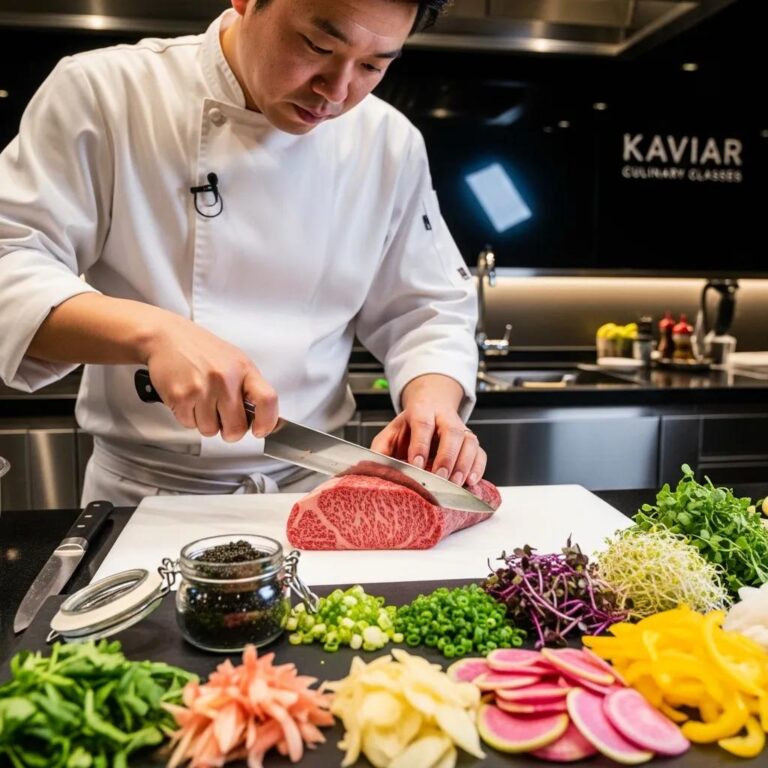
At Kaviar Restaurant—an elevated Japanese tasting experience in Pasadena known for exclusive omakase and premium ingredients like A5 Wagyu and caviar—cheese appears sparingly and with intention. Our chefs use select cheeses as accents: small portions of soft-ripened or aged cheeses may accompany grilled Wagyu or serve as a brief, curated intermezzo that bridges savory courses with a hint of lactose-derived sweetness. These placements emphasize texture contrasts and umami harmony while preserving the omakase pacing and respect for premium ingredients. Guests seeking reservations or menu details can consult Kaviar’s menu and reservation pages to plan a bespoke dining experience.
What sustainable and artisanal trends are shaping modern cheese making?
Modern cheesemaking increasingly champions sustainability, local sourcing and transparent provenance—responses to consumer demand for traceability and distinct terroir. Practices such as pasture-based feeding, rotational grazing and careful antibiotic stewardship improve animal welfare and influence milk flavor—pasture-rich diets often yield milk with broader fatty-acid profiles and aromatic precursors that translate to more nuanced cheeses. Short supply chains and direct partnerships between small dairies and restaurants enable chefs to commission specific flavor outcomes, while producers adopt batch tracing and on-farm transparency to meet market expectations. These trends reshape herd planning, land management and aging programs so ecological practice aligns with premium positioning. The sections that follow examine specific farm practices and the consumer drivers behind the artisan cheese resurgence.
- Sustainable on-farm practices add measurable flavor benefits and market differentiation.
- Short supply chains and restaurant collaborations enable bespoke cheese varieties.
- Transparency and provenance increase consumer willingness to pay for quality.
How does sustainable dairy farming impact cheese production?
Sustainable dairy methods—pasture-based feeding, diverse forage and judicious antibiotic use—change milk composition and often yield sensory advantages cheesemakers can exploit. Pasture grazing alters fatty-acid profiles and adds aromatic precursors that contribute seasonal nuance; diversified diets reduce off-flavors tied to monoculture feeds. Environmental stewardship and strong welfare practices also strengthen brand narratives, allowing producers and restaurant partners to command premium positioning for traceable, terroir-driven cheeses. Traceability systems and certifications further build consumer trust, making sustainability both an ethical commitment and a commercial asset for artisans seeking to align taste with responsibility.
What consumer interests drive the artisan cheese resurgence?
Today’s consumers prioritize provenance, flavor discovery and memorable dining experiences, driving demand for small-batch and regionally distinct cheeses. Storytelling about farm practices, animal care and human craft increases perceived value and fosters direct relationships between diners and producers. Younger diners favor sensory novelty and inventive pairings, while fine-dining patrons seek curated cheese moments that complement tasting menus. These preferences encourage producers to experiment with seasonal milks, novel ripening and restaurant collaborations that produce exclusive offerings tailored to contemporary palates.
For diners wishing to experience artisan cheese within a refined Japanese context, Kaviar Restaurant in Pasadena integrates select cheeses into its exclusive omakase and tasting sequences; please consult Kaviar’s menu and reservation pages for current availability and booking information.
Frequently Asked Questions
What is the difference between artisan cheese and mass-produced cheese?
Artisan cheese is usually made in small batches with traditional methods that emphasize flavor, texture and the distinctive qualities of local milk. Mass-produced cheese prioritizes efficiency and uniformity, which can flatten flavor and mouthfeel. Artisan producers tune milk, fermentation and aging to create a diverse range of expressions that reflect terroir—an approach that yields more individuality and culinary interest.
How can I store artisan cheese to maintain its quality?
Store artisan cheese wrapped in wax paper or parchment and placed in a loose bag or container so it can breathe while avoiding drying. The crisper or vegetable drawer in your refrigerator typically offers gentler humidity. Avoid long-term contact with cling film, which traps moisture and can accelerate spoilage. For peak flavor, bring cheese to near room temperature before serving to let aromas and textures open.
What are some common misconceptions about cheese making?
A few persistent myths: not all cheese comes from cow’s milk—goat, sheep and even buffalo milks are common and distinct; aging isn’t always better—some cheeses shine fresh; and cheese isn’t inherently unhealthy—artisan cheeses provide quality protein, calcium and, in some cases, beneficial microbes when eaten in moderation.
How does the terroir influence the flavor of artisan cheese?
Terroir encompasses climate, soil, forage and herd management—all factors that influence milk composition and, ultimately, cheese flavor. Small differences in pasture, season and feed can produce demonstrably different aromatic and fatty-acid profiles, which artisans embrace to create cheeses that reflect a specific place and production philosophy.
What are the health benefits of consuming artisan cheese?
When enjoyed in moderation, artisan cheese can be a nutrient-dense part of the diet: a source of high-quality protein, calcium and fat-soluble vitamins. Many aged cheeses also contain live cultures that may support gut health. Be mindful of portion size and sodium content, but recognize that well-made cheese contributes both taste and nutrition.
Can I pair artisan cheese with non-traditional beverages?
Absolutely. Beyond wine, cheeses pair beautifully with craft beer, sake, cider and certain teas. The key is matching intensity and complementary flavor notes—fruity or malty beers and citrusy sakes work well with fresh cheeses, while richer beverages stand up to aged or washed-rind selections. Experimentation often yields delightful results.
Conclusion
Knowing the art and science behind cheesemaking helps producers and diners appreciate the layers of flavor and texture artisan cheeses offer. By exploring cheese families, fermentation methods and aging techniques, you can make smarter production choices, craft thoughtful pairings and elevate dining experiences. If you’re curious to learn more, visit local producers or fine-dining restaurants that feature small-batch cheeses—there’s a wide world of flavor to discover.