




The Art of Saucing: Mastering Visual Impact on the Plate for Fine Dining
Saucing in fine dining is a deliberate craft: sauces create visual anchors, balance flavor, and lift perceived taste through texture and color. From painterly smears and precise dots to glossy reductions and ethereal foams, confident sauce work builds anticipation and tells a dish’s story before the first bite. This guide—written for chefs and serious enthusiasts—examines sauce plating as both an aesthetic system and a sensory amplifier. You’ll find essential techniques, Japanese philosophies that influence omakase plating, and practical methods for tuning texture and hue. Concrete, repeatable steps show artistic sauce placement, with examples of how sauces partner with premium proteins such as A5 Wagyu and caviar, and notes on how Pasadena’s luxury dining trends are shaping saucing practice in 2024. Two EAV reference tables, clear lists, and numbered HowTo sequences make these methods reproducible in a professional or advanced home kitchen. Continue for technique-first instruction and select examples from Kaviar Restaurant that demonstrate how restraint, seasonality, and polish translate into memorable plates.
What are the essential sauce presentation techniques in fine dining?
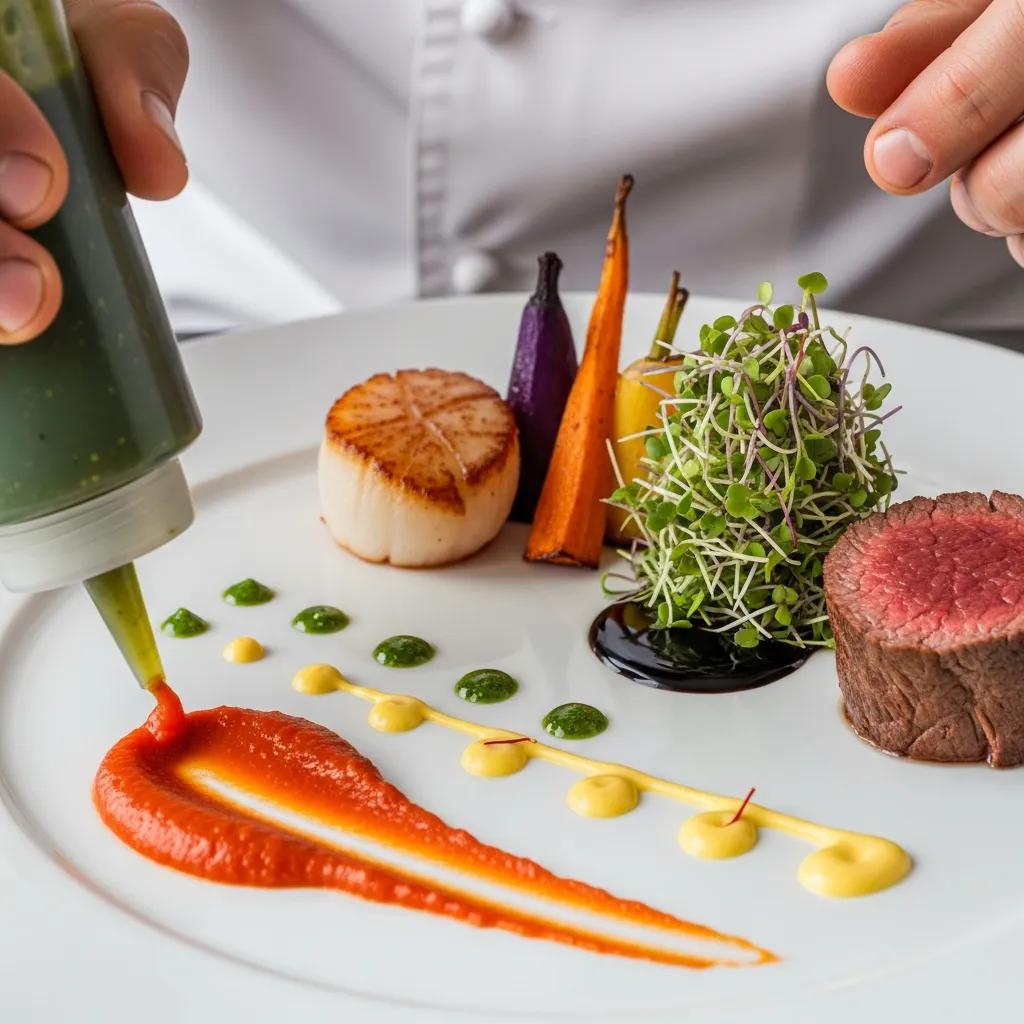
Sauce presentation is a chef’s toolbox for directing attention, shaping mouthfeel, and setting a plate’s visual hierarchy. By adjusting placement, volume, and texture, a sauce can support or dominate an ingredient: pooled, dotted, or brushed on, the same sauce reads very differently. Mastering these techniques helps you control balance and intensity so every element reads with purpose.
Common sauce presentation techniques used in fine dining include:
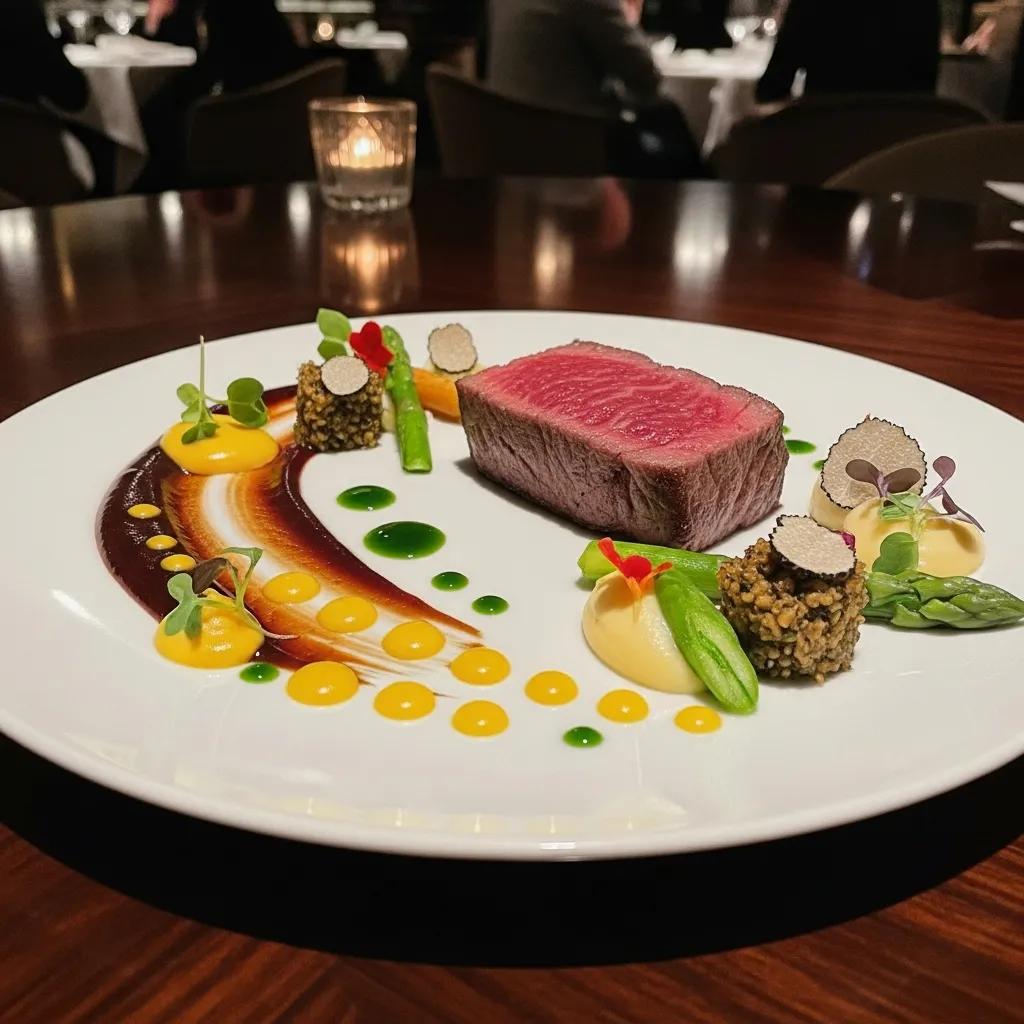
- Smear: A broad brush stroke placed behind or beside protein to suggest motion and provide a backdrop.
- Dotting: Precise drops that create visual rhythm and offer bite-sized flavor hits.
- Pooling: A shallow well of sauce that anchors delicate components and concentrates flavor.
- Drizzling: Controlled streams applied after plating to add shine and final flavor contrast.
- Quenelling: Spoon-shaped dollops for rich, creamy sauces that sculpt texture on the plate.
- Brush stroke: Single or layered strokes with a pastry brush for painterly effects and gradients.
- Emulsified drops: Stable spheres of emulsion placed with spoons or pipettes for predictable mouthfeel.
- Glaze finish: Thin, glossy reductions used sparingly to add sheen and umami depth to proteins.
Each method plays a distinct compositional role and can be combined to lead the diner’s eye and palate from one element to the next. The section that follows explains how decoration—contrast, negative space, and micro-garnishes—amplifies these techniques into cohesive plate narratives.
How do culinary sauce decoration methods enhance plate aesthetics?
Decoration techniques refine a plate’s story by establishing contrast, focal points, and a sense of movement. A smear behind a seared protein creates directional flow; tiny dots around a seafood item add rhythm and offer controlled flavor moments. Pairing a silky reduction with a frothy emulsion creates tactile contrast that alters perceived richness and clarifies tasting order. Deliberate negative space lets sauces act as punctuation rather than clutter—an ethos of restraint common in luxury dining. These choices also influence perceived portion and intensity, so chefs calibrate placement to support, not drown, delicate ingredients. With these principles in mind, chefs choose the right technique for each plate and element.
Which gourmet sauce plating ideas elevate visual appeal?
Translating technique into memorable visuals means matching method to ingredient shape and tasting intent. Use concentric dots to echo a scallop’s silhouette or a diagonal smear to introduce motion for a rectangular protein—small alignments that tighten composition. A light scatter of micro-herbs or citrus zest over a glossy pool adds highlights and a note of freshness. For high-value toppings, create shallow wells or protective gutters to cradle fragile garnishes like caviar so they remain distinct until tasting. Layering translucent emulsions over reductions builds color depth while keeping flavors clear. These situational blueprints help chefs adapt technique to plate geometry and ingredient sensitivity and lead naturally into how Japanese plating disciplines refine these choices.
How does Japanese sauce style influence omakase plating artistry?
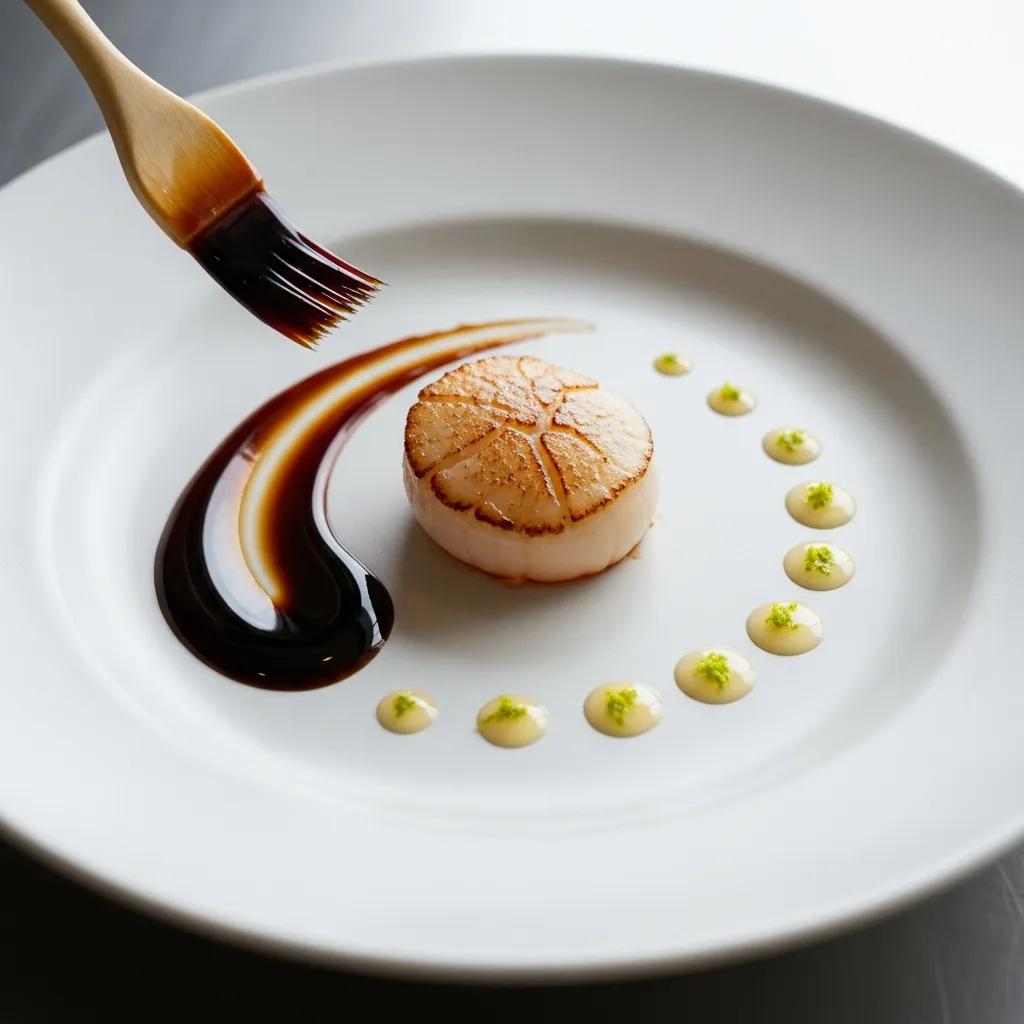
Japanese sauce style emphasizes umami balance, seasonality, and a light touch—sauces are designed to reveal an ingredient’s quality, not conceal it. Through focused reductions and restrained emulsions with clear flavor intent, chefs enhance textures and guide tasting order without overwhelming delicate proteins. Below is a practical comparison of common Japanese sauce types, their flavor profiles, textures, and best pairings for omakase service.
Common Japanese sauce types and their pairing guidance:
This reference helps match texture and flavor to ingredient weight and service sequence so each sauce supports, rather than competes with, the course. The next subsection shows how these styles appear on contemporary menus, with Kaviar Restaurant as context.
What signature sauces define Japanese fine dining at Kaviar Restaurant?
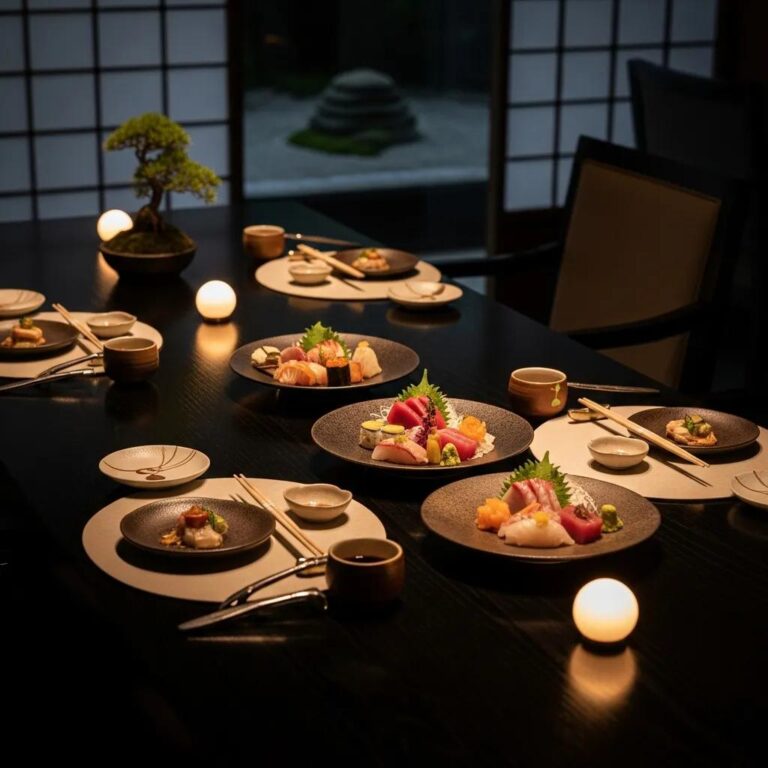
At Kaviar Restaurant, sauces follow Japanese principals of clarity, seasonality, and restraint. Our repertoire favors soy-based reductions for glazed richness, dashi accents for clean umami, and bright ponzu emulsions to lift seafood. Tare glazes appear on grilled items and delicate cream foams are used for textural contrast in course sequencing. Each sauce is placed precisely—small dots, narrow smears, or shallow pools—to preserve the integrity of A5 Wagyu and caviar-led dishes. In this way, disciplined saucing becomes both seasoning and storytelling in the omakase experience.
How are sauces plated to complement A5 Wagyu and caviar dishes?
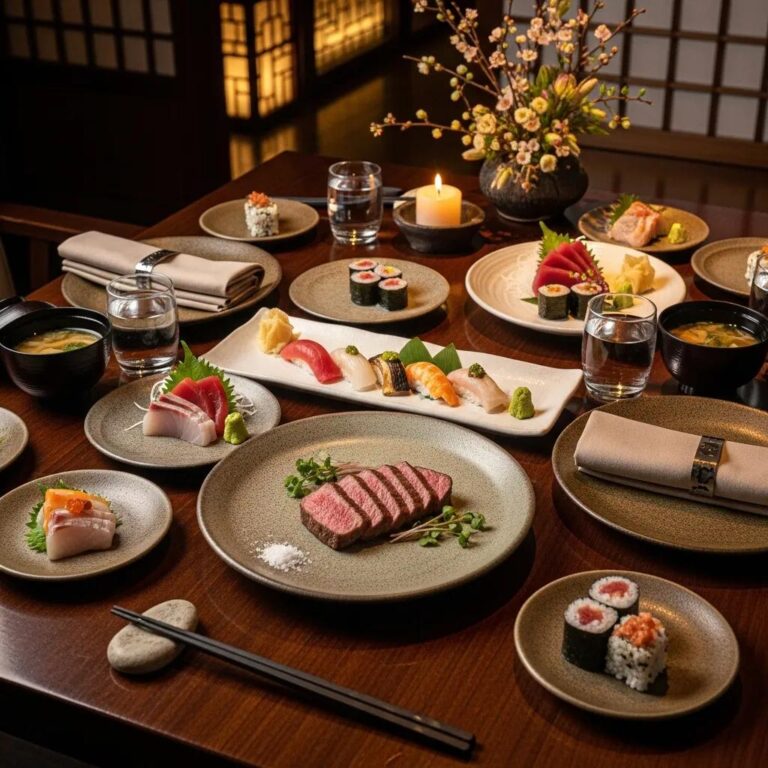
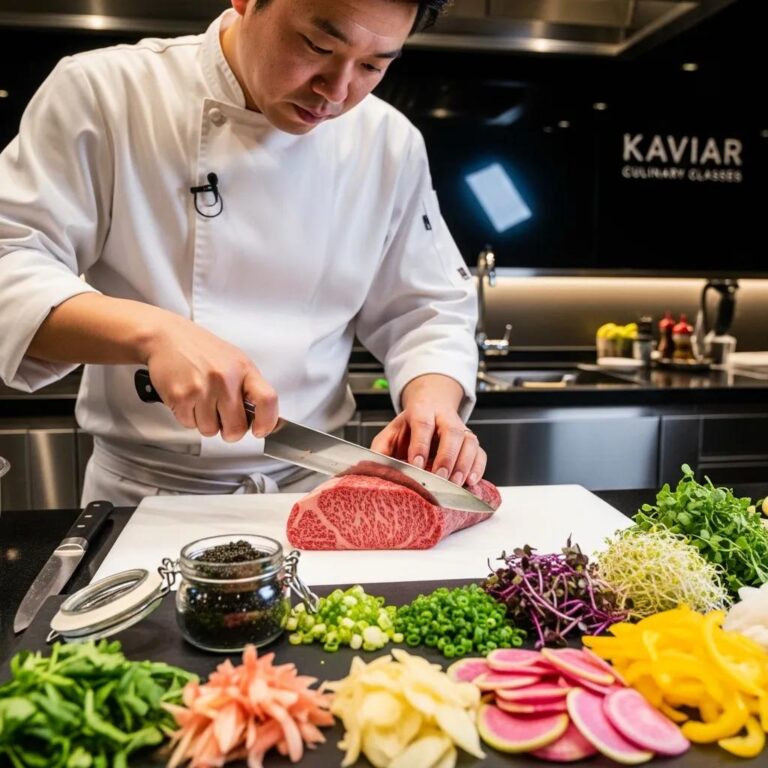
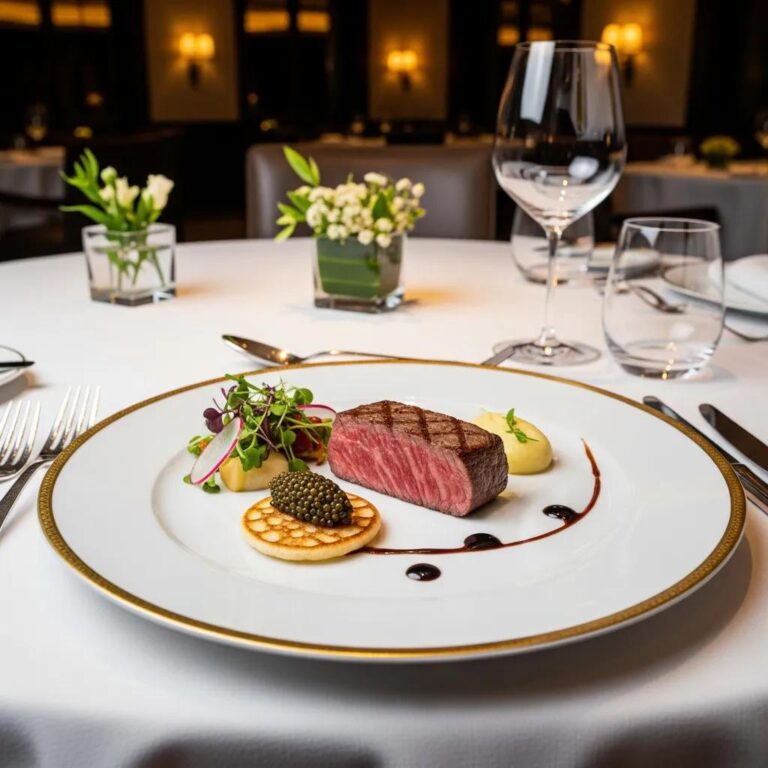
Plating for A5 Wagyu and caviar requires technical restraint: minimal volumes, focused placement, and textures that balance richness with delicacy. For A5 Wagyu, a narrow sweep of glossy soy reduction or a light butter-emulsion ribbon accentuates marbling without over-salting; placing the sauce along the seared edge offers a visual highlight and a controlled bite. For caviar, sauces should protect the pearls’ texture—tiny dots or a rimmed micro-well beside the roe prevent dilution and let diners combine elements deliberately. Neutral glosses or citrus-forward emulsions brighten seafood while complementing buttery notes. These approaches keep premium ingredients central and guide diners through contrast and harmony on the plate.
Which techniques optimize sauce texture and color for visual plating impact?
Optimizing texture and color means tuning viscosity, sheen, and hue so a sauce reads correctly against the protein and plate. Viscosity decides whether a sauce holds as a crisp dot, a flowing drizzle, or a stable pool; gloss signals freshness and caramelization. Color functions as a flavor cue—deep mahogany suggests roast, bright yellow signals citrus—so chefs select pigments that harmonize with the dish’s narrative. The sections below explain how texture influences taste perception and outline practical color-pairing rules for artistic sauce presentation.
How do sauce textures affect perceived taste and presentation?
Texture shapes perceived taste by changing coating, release rate, and mouthfeel. Thick emulsions cling and deliver sustained flavor; thin reductions open immediately and emphasize aroma. Emulsions, reductions, and foams each give a distinct coating: emulsions create creaminess, reductions provide concentrated umami and shine, and foams add lift while lightening perceived richness. Chefs control these textures with emulsifiers like lecithin for stable foams, butter or cream for gloss and coating, and measured reductions for viscosity. Texture also alters visual weight—heavier textures read dominant, so lighter finishes are chosen when the goal is to let a premium ingredient sing. Understanding these dynamics allows sauces to set tasting expectations before the first bite.
What role does color play in artistic sauce presentation?
Color guides the eye and signals flavor categories, so chefs choose palettes that balance contrast and harmony. High-contrast pairings—dark reduction against pale protein or bright herb oil beside a seared scallop—create immediate focal points and convey vibrancy. Harmonious palettes use tonal relations, such as amber reductions with warm glazes, for an elegant, cohesive look. Color also acts as a flavor cue: citrus yellow suggests acidity, ruby glazes imply caramelization. Plate color itself is part of the palette; avoid tones that clash with or obscure the main ingredient. Thoughtful color planning ensures sauces contribute to appetite appeal and narrative clarity on the plate.
What are the latest luxury plating trends in Pasadena’s fine dining scene?
Pasadena’s fine dining in 2023–2024 favors multisensory service, provenance-driven ingredients, and a balanced play between minimalism and theatricality. Chefs blend Japanese restraint with contemporary spectacle—aromatic elements, interactive pours, and textural contrasts heighten perception without compromising ingredient integrity. Sustainability is influencing sauce creation through reduced-waste reductions, vegetable-forward umami bases, and transparent sourcing that tie flavor back to place. The local move toward curated tasting sequences encourages lighter, more selective sauces so premium proteins remain the focus. The next subsection explores how multisensory approaches are reshaping saucing in service.
How is multisensory dining shaping sauce presentation techniques?
Multisensory dining pairs aroma, sound, and texture with sauce presentation to expand the gustatory experience. A subtle aromatic mist paired with a citrus emulsion primes the nose before tasting; contrasting textures—delicate crisps against silky sauces—create layered mouthfeel. Sound cues, like the deliberate clink of a warm plate or a soft sizzle from a glaze, amplify perception of freshness. These techniques require sauces that are visually composed and physically resilient, prompting chefs to refine emulsions and finishes for sensory integration. The next subsection highlights concrete visual innovations emerging in 2024.
Which visual plating innovations are emerging in 2024?
In 2024, application tools and edible materials are evolving to support more precise, expressive plating. Fine-dispersion pipettes and temperature-controlled syringes enable hairline dots and ribbons with surgical accuracy, allowing complex patterns without overworking the plate. Edible films and thin glazes help preserve moisture while adding reflective sheen; new texturizers let chefs create suspended droplets that hold shape on contact. These advances demand careful timing, serveware temperature control, and strict tool hygiene for consistent results, but they expand possibilities for presenting sauces as sculptural elements while preserving flavor intent.
How can you recreate signature sauce recipes from Kaviar Restaurant?
Recreating Kaviar-inspired sauces starts with understanding what each component contributes visually and texturally, then adapting proportions for home or professional use. Aim to approximate balance, not replicate proprietary formulas: use controlled reductions, light emulsions, and restrained glazing to echo the restaurant’s clarity and seasonality. Below is an EAV-style reference linking common components to their visual and textural effects to guide substitutions and practical recreation.
Key sauce components and their visual/textural roles:
This reference clarifies how each ingredient affects taste and presentation, helping cooks make deliberate substitutions in a home or test kitchen. The following subsection gives numbered steps for artistic sauce plating suitable for both advanced home cooks and professional chefs.
What are the step-by-step methods for artistic sauce plating?
Use the sequence below for consistent, refined sauce placement; the steps align with common plating tools and timing cues suitable for omakase-style service.
- Organize mise en place: Portion sauces into squeeze bottles, spoons, or pipettes and keep them warm or chilled to hold the correct viscosity for plating.
- Warm or cool the plate: Match plate temperature to sauce and protein to control spread and adhesion.
- Apply base strokes first: Lay smears or pools to set the composition, then add accents—dots, quenelles, or ribbons—for rhythm.
- Add delicate garnishes last: Place micro-herbs, citrus zest, or caviar after sauces to preserve texture and placement.
- Finish with sheen: Lightly brush a thin reduction or spray a neutral glaze for reflective highlights.
Following these steps produces repeatable, service-ready results and is suitable for HowTo schema labeling. They also help the cook focus on timing and tool choice for each course.
Which ingredients and pairings are key to Kaviar’s sauces?
Knowing ingredient roles guides accurate pairing with the proteins and seafood common to Kaviar’s tasting menus. The EAV table below lists essential components, their attributes, and the plating effects to support sourcing and execution.
Essential ingredients and pairing roles:
Selecting high-quality foundational ingredients and matching them to protein weight—light emulsions for sashimi, glazes for grilled items—lets cooks reproduce the balance and polish of Kaviar-inspired preparations. The next section outlines how to reserve an experience where these sauces take center stage.
How do you reserve an exclusive luxury dining experience featuring artistic saucing?
To secure an experience that highlights saucing, identify which tasting menus feature sauce-forward courses and follow a concise reservation protocol so the kitchen can prepare sequences emphasizing A5 Wagyu and caviar. Review menu descriptions, then use the booking steps below to communicate preferences or special requests clearly.
Steps to reserve a premium saucing-forward experience:
- Review the tasting menus: Look for courses that list A5 Wagyu or caviar to ensure sauce-forward preparations are present.
- Select date and party size: Choose your seating date and confirm guest count to secure the appropriate tasting format.
- Indicate special requests: Note any desire for sauce-forward courses, dietary restrictions, or celebrations so the kitchen can prepare.
- Confirm reservation details: Verify timing, deposit or prepayment policies, and the expected duration of the omakase service.
Following these steps increases the chance the kitchen will curate a sequence that spotlights signature sauces and refined plating, and it lets diners request focuses such as A5 Wagyu pairings or delicate caviar treatments.
Where can you explore Kaviar’s signature sauces and dishes?
Kaviar Restaurant showcases its saucing and plating in tasting menus and omakase sequences that prioritize premium ingredients and precise technique. Expect soy-based reductions, dashi accents, and citrus emulsions paired with seared and raw preparations; these sauces are arranged with care to support A5 Wagyu, caviar, and seasonal seafood. Check the restaurant’s menu and reservations pages for the latest tasting descriptions, and watch for mentions of omakase sequences and specialty dishes when choosing an experience. Noting these cues ahead of time helps you pick a reservation aligned with an interest in sauce-driven presentations.
How to secure your reservation for a premium omakase experience?
To secure a reservation tailored to sauce-centric tasting menus, follow polished booking practices and communicate clearly with the restaurant when you book. Choose a tasting menu or omakase seating that lists the desired premium ingredients. During booking, request any special focus—such as an emphasis on A5 Wagyu or caviar—and mention dietary notes. Consider stating the occasion so the service team can tailor pacing and presentation. When ready, visit Kaviar Restaurant’s reservations page and submit your request; confirming details in advance helps the kitchen prepare targeted saucing experiences for your party.
Frequently Asked Questions
What are the key factors to consider when choosing sauces for fine dining?
Choose sauces that complement the main ingredient in flavor, texture, and appearance. Balance is essential: a rich sauce supports a lean protein, while a lighter sauce refreshes a fattier item. Consider mouthfeel, color, and portion so the sauce enhances the dish without overwhelming it. Think of the sauce as part of the dish’s narrative—what role should it play?
How can home cooks apply fine dining saucing techniques?
Start with foundational methods—smearing, dotting, pooling—and use quality ingredients. Simple tools like squeeze bottles, spoons, or pipettes improve precision. Practice controlling viscosity and temperature to achieve the desired texture, and pay attention to color contrast and composition to elevate a home meal toward a fine dining presentation.
What role does seasonal availability play in sauce selection?
Seasonality guides sauce choices: peak ingredients offer brighter flavor and better visual appeal. Chefs often build sauces around seasonal produce—spring herbs, summer fruits—to reflect the time of year and local sourcing. This approach enhances freshness and ties the dish back to place.
How do chefs ensure sauces maintain their intended texture during service?
Chefs control temperature and viscosity to keep sauces consistent through service. Sauces may be held warm or chilled, and stabilizers such as emulsifiers help foams and emulsions hold structure. Final adjustments to thickness are often made just before plating so the sauce adheres correctly and preserves intended mouthfeel.
What are some common mistakes to avoid in sauce presentation?
Avoid over-saucing, which can drown the main ingredient, and poor color choices that clash with the plate. Don’t ignore negative space—crowding reduces impact. Inconsistent application, like uneven smears or misplaced dots, undermines polish. Finally, ensure the sauce’s flavor profile matches the dish to prevent dissonance.
How can chefs incorporate modern trends into traditional saucing techniques?
Blend classic techniques with modern tools and sensibilities: use molecular textures (foams, gels) judiciously, prioritize sustainability and transparent sourcing, and explore visual trends like minimalist composition or bold contrast. The goal is to evolve presentation while honoring culinary roots.
Conclusion
Mastering saucing elevates both the look and the taste of fine dining dishes. By learning diverse sauce styles, decoration methods, and thoughtful application, chefs create plates that resonate and linger in memory. Use these principles to refine your technique—whether in a professional kitchen or at home—and bring a quiet touch of luxury to every service. Explore our resources for more practical tips to advance your saucing craft.