





The Art of Sculpting with Food: Mastering Fine Dining Plating Techniques and Japanese Culinary Presentation
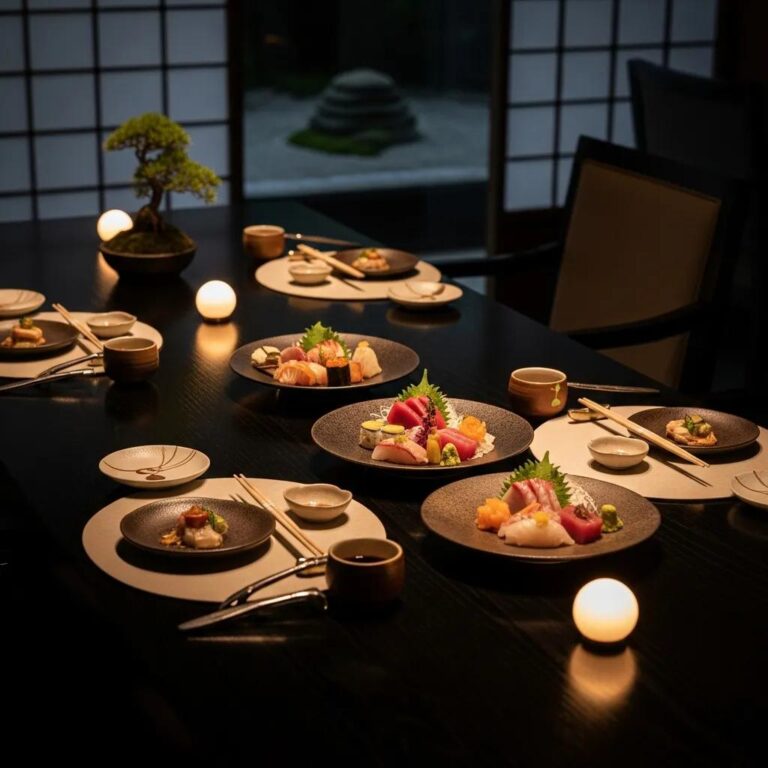
Food sculpting—often called edible art—is the intentional shaping and arrangement of ingredients to tell a visual and sensory story on the plate. Chefs use composition, texture, color and negative space to guide perception and appetite. This article breaks down how sculptural plating in fine dining, with a focus on Japanese presentation, heightens flavor perception, paces a meal, and makes moments memorable. You’ll find core principles of artistic plating, how omakase frames visual storytelling, and practical techniques for presenting A5 Wagyu and caviar to maximum effect. We also explore the chef philosophies and service mechanics that support sculptural work, with real examples from Kaviar Restaurant showing how luxury presentation and seasonal precision converge. Finally, clear, actionable tips explain how diners can best experience this edible art when reserving chef‑driven tasting sequences. Throughout, terms like edible art, food sculpture, fine dining plating techniques, Japanese food presentation, A5 Wagyu presentation, and caviar presentation are used to clarify ideas and aid practical application.
What Defines Artistic Food Presentation in Fine Dining?
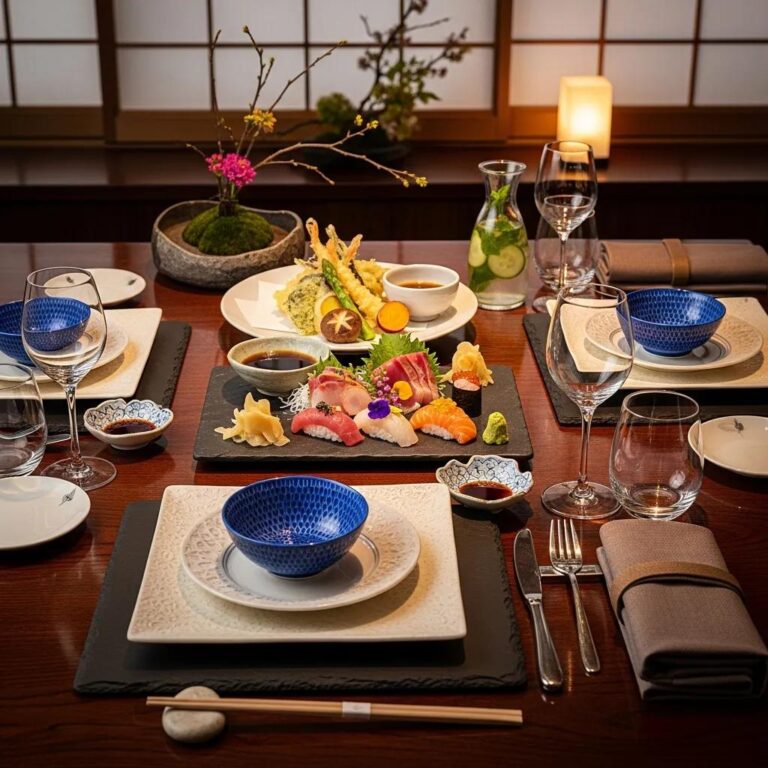
Artistic presentation in fine dining is deliberate composition: arranging ingredients to communicate flavor, origin and feeling through balance, contrast and precision. Chefs craft plates so every component performs visually and gastronomically, using color, texture, negative space and height to establish a clear focal narrative. Sculptural plating is not merely decorative—it directs tasting order, primes the palate and increases perceived value, which together heighten guest anticipation and memory. Learning these fundamentals helps cooks and diners spot intentional design choices and appreciate the multi‑sensory craft behind each course.
Which Principles Shape Fine Dining Plating Techniques?
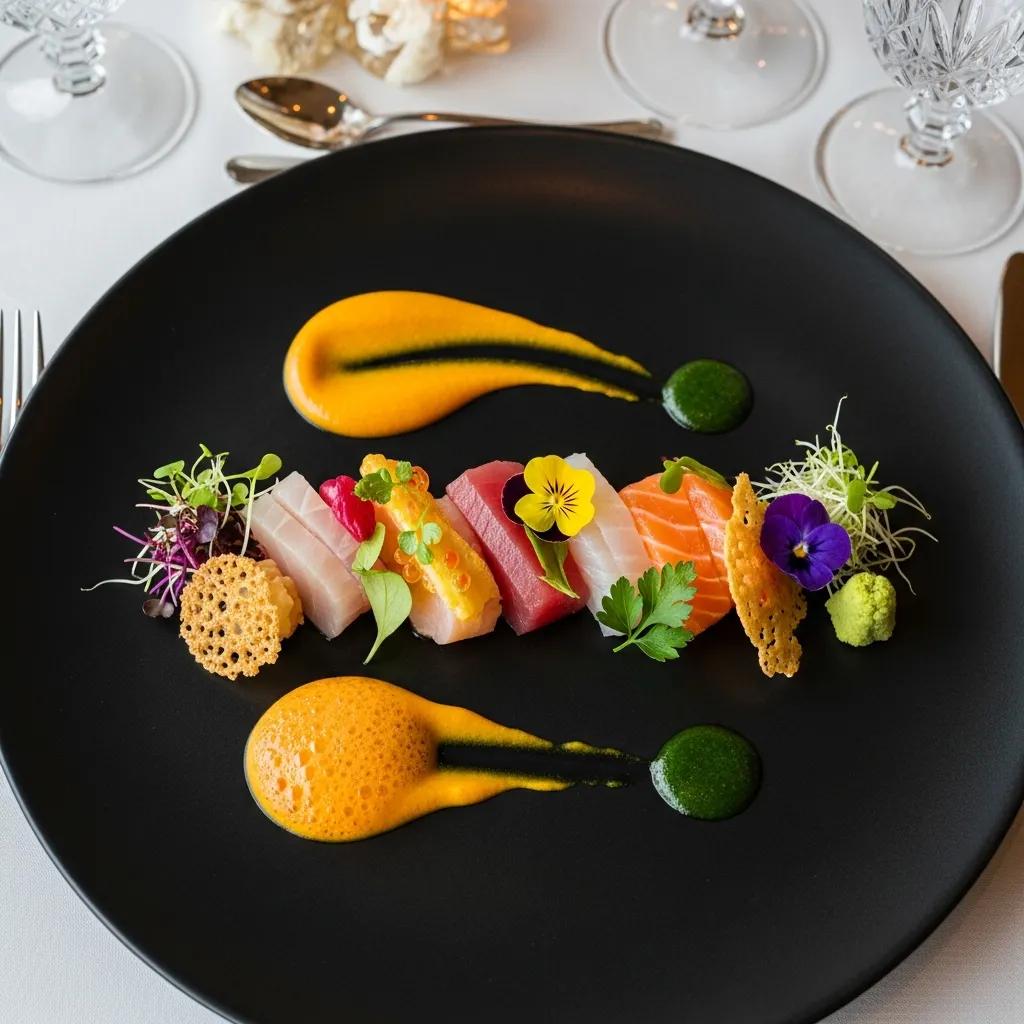
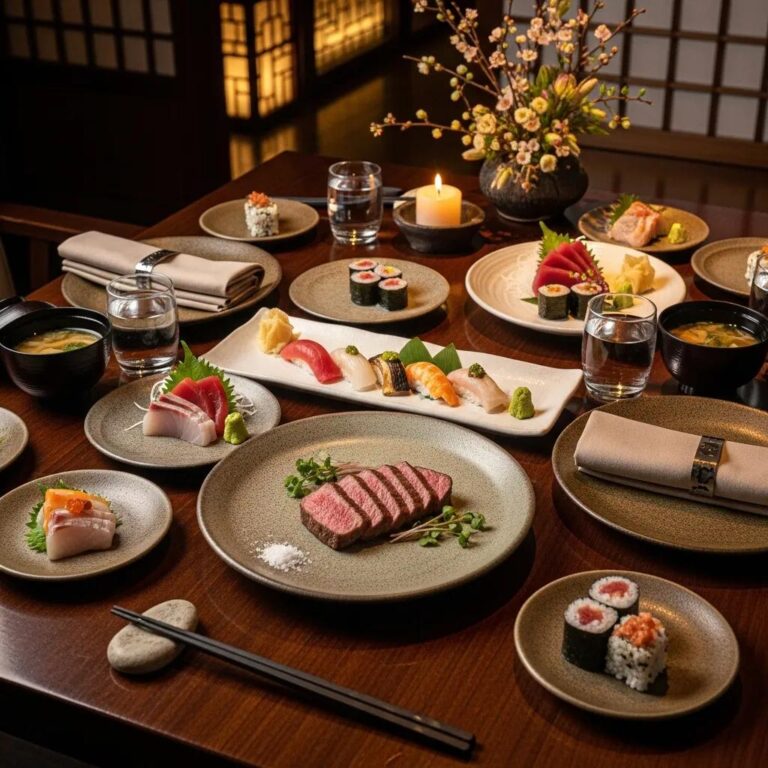
Plating rests on a few core principles: balance, contrast, negative space and focal points. Balance covers both visual harmony and flavor equilibrium so no single element dominates. Contrast—in color and texture—helps each component read clearly. Negative space frames the hero ingredient, letting a slice of sashimi or a seared Wagyu medallion command attention through proportion and isolation. Height and layering create silhouette and shadow, inviting the eye to explore the plate before the palate does. Together, these tools turn ingredients into a composed, readable experience.
How Does Visual Gastronomy Enhance the Dining Experience?
Visual gastronomy elevates a meal by making sight the first sense to set expectations and shape memory of taste, aroma and texture. Plates designed with color harmony, linear structure and tactile contrasts lead diners to anticipate flavors and adjust how they taste—often intensifying perceived complexity. Visual drama also sparks conversation and sharing, creating social moments that outlast the meal. When a single course reads like a curated moment, it naturally folds into chef‑led sequencing like omakase and becomes part of a larger narrative.
- Three primary ways visual gastronomy enhances dining:
- Guides tasting order so flavors build logically and reveal depth.
- Signals precision and premium quality, amplifying perceived value.
- Creates memorable, shareable moments that encourage return visits.
These effects explain why chefs treat visual composition as an essential culinary technique and guest experience tool.
How Does Kaviar Restaurant Exemplify Japanese Food Presentation Art?
Kaviar embodies Japanese presentation through seasonal precision, restrained minimalism and thoughtful tableside theatre that put premium ingredients center stage. Signature plates—Toro Tartare with 24k gold, A5 Wagyu Tartare with caviar, Miyazaki A5 Wagyu and the “Kaviar Exquisite Kaluga” service—showcase how method and exceptional components create clear visual and textural focal points. Our omakase format and tableside service let chefs control pacing and narrative so each plated moment reads as intentional edible art. Positioned as luxury Japanese dining in Pasadena, Kaviar sets a guest expectation for meticulous presentation and ingredient‑forward storytelling that reflects modern visual gastronomy.
Below is a concise table showcasing several signature dishes and the presentation techniques used, illustrating how artistic choices shape guest perception.
What Is the Role of Omakase in Culinary Artistry?
Omakase is a curated narrative: the chef controls sequence, composition and the sculptural arc of the meal, turning individual plates into a cohesive story. With the chef selecting each course, omakase enables progressive contrast and evolving visual themes that build toward climactic moments—A5 Wagyu or a caviar service, for example—and ensures presentation is paced for maximum impact. The format also opens space for tableside interaction and theatrical reveals, transforming plating into performance and giving diners a serialized experience of edible art. Omakase highlights mastery, discipline and seasonality at the heart of Japanese presentation aesthetics.
How Do Seasonal Ingredients Influence Japanese Fine Dining Aesthetics?
Seasonality shapes Japanese plating by defining color palettes, garnish motifs and symbolic meaning—creating ephemeral visual narratives tied to the moment. Chefs choose seasonal leaves, blossoms or roots for both flavor and visual metaphor: spring’s vivid greens suggest renewal; autumn’s muted tones evoke restraint. A seasonal focus narrows the palette and encourages precision so every element carries purpose on the plate. This temporal approach makes each visit unique, linking presentation choices to a guest’s sense of place and time.
What Are the Key Elements of A5 Wagyu Culinary Presentation?
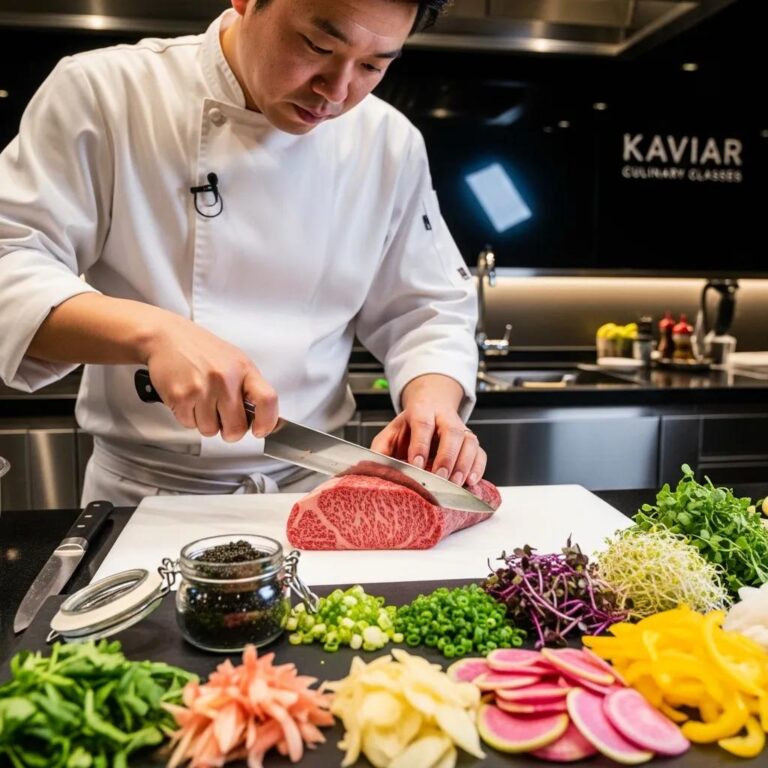
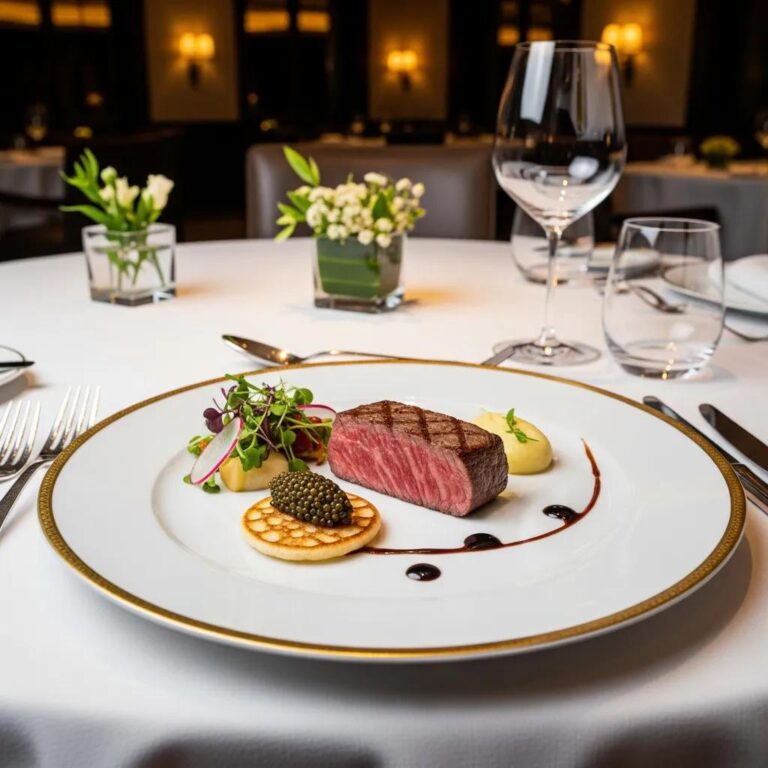
Presenting A5 Wagyu focuses on three priorities: showcasing marbling as a visual asset, using cooking that reveals color and texture, and choosing minimal accompaniments that balance without competing. Cut and slice thickness create visual rhythm that highlights marbling lines; searing or serving as tataki controls how fat gleams and how juices sit on the plate. Simple acidic or textural garnishes—yuzu kosho, grated daikon, microgreens—cut richness without stealing the spotlight, keeping the Wagyu as the sculptural centerpiece.
These choices shape the guest impression and guide pairing and service decisions for maximum aesthetic and flavor impact.
A short list clarifies the primary presentation elements for A5 Wagyu:
- Showcase marbling: thin slices or open‑faced medallions reveal fat distribution.
- Controlled cooking: sear or tataki to display color gradations and natural sheen.
- Minimal accents: acidic or textural garnishes add contrast without dominance.
These points help chefs and diners understand why restraint and precision are essential for a premium cut like Miyazaki A5 Wagyu.
How Is A5 Wagyu Prepared and Plated for Maximum Visual Impact?
Visual impact begins with cut selection and slice geometry to expose marbling as pattern, then a cooking method—high‑heat sear or light tataki—that sculpts surface color and sheen. Chefs time sears to create a thin caramelized edge that frames the interior, or torch thin slices tableside to add smoke and controlled charring for aroma and silhouette. Plating arranges slices in fans, cascading rows or concentric forms to create rhythm and focal points, leaving negative space so the meat’s texture reads clearly. Those deliberate choices turn a premium cut into a sculptural centerpiece.
Which Accompaniments Complement A5 Wagyu’s Artistic Display?
Accompaniments should offer acidity, texture or aromatic lift while preserving the beef’s visual primacy. Common complements include shaved daikon, yuzu‑based sauces, microgreens and restrained truffle shavings. Acid cuts through richness and adds bright accents; crisp textures provide a tactile counterpoint that invites varied bite mechanics. Garnishes are placed sparingly—micro drops of herb or a single glossy caviar pearl—to avoid clutter and keep an intentional focal point. Choosing accents with clear visual and flavor relationships ensures the Wagyu remains both the sculptural centerpiece and the gustatory hero.
How Is Caviar Serving Artistry Integrated into Luxury Dining?
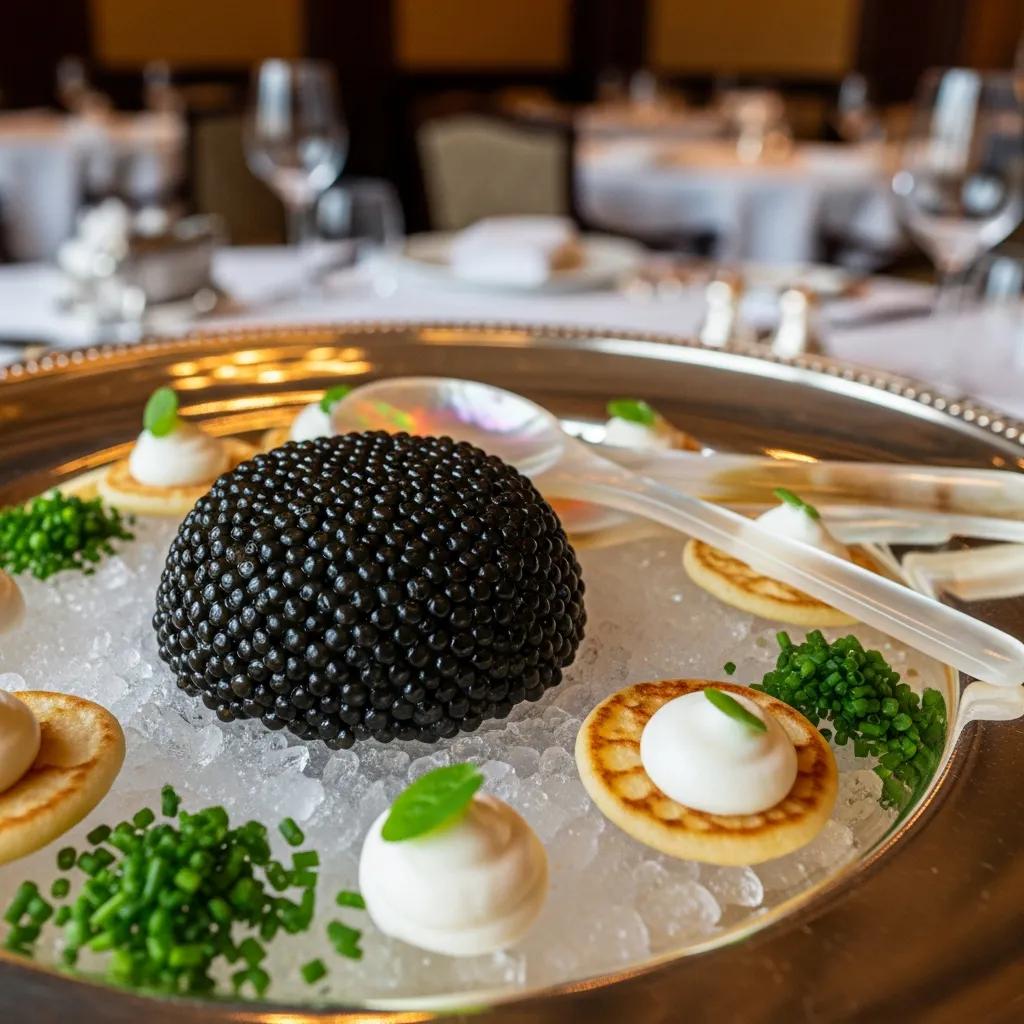
Caviar presentation in luxury dining balances time‑honored restraint with modern theatrics to showcase texture, shimmer and portionary impact. Traditional service uses mother‑of‑pearl spoons and chilled crystal nests; contemporary approaches add tableside reveals, blini towers and layered glass presentations. Visual techniques exploit the pearl‑like gleam—placing small pearls atop tartare or revealing them beneath a translucent dome—to heighten both aesthetics and palate intrigue. Thoughtful portioning and serving rituals make caviar an accent that elevates a dish without overwhelming it, so presentation must account for contrast, temperature and that signature tactile pop. These methods explain why caviar remains a key tool in a chef’s sculptural vocabulary.
Below is a comparative table outlining caviar types, service methods and their visual/taste implications for clarity.
What Traditional and Modern Techniques Define Caviar Presentation?
Traditional caviar service emphasizes restraint: small portions on neutral carriers and utensils that preserve flavor, with chilling to maintain texture. Modern techniques introduce theatricality—tableside towers, smoke‑filled domes or layered micro‑portions—to intensify visual drama and anticipation without harming the pearl’s delicate pop. Many chefs blend both approaches, presenting caviar on a chilled mother‑of‑pearl spoon within a dramatic vessel to marry tactile authenticity with contemporary spectacle. These hybrids let caviar act as both a visual accent and a refined flavor enhancer.
How Does Caviar Elevate the Visual and Taste Experience?
Caviar elevates a dish by offering a glossy visual focal point and a saline burst that punctuates textures and flavors. Set atop a tartare, a scoop of caviar provides immediate contrast in color and form and signals precision and luxury. Paired with mild bases or simple starch carriers, caviar’s pop enhances rather than overwhelms, guiding the diner through layered sensations. The combination of visual gleam and tactile burst makes caviar a uniquely sculptural ingredient in fine dining.
Who Are the Chefs Behind Kaviar’s Edible Art Masterpieces?
Kaviar’s chefs blend traditional Japanese training with contemporary plating innovation, channeling seasonality, precision and ingredient respect into sculptural plates. Their work emphasizes exacting knife skill, textural contrast and micro‑garnish placement so every plate reads as a visual composition before the first bite. This chef‑led approach appears in omakase sequences and tableside services that let technique perform, turning the kitchen into a studio and the dining room into a gallery. Those choices shape how guests experience edible art and cement Kaviar’s luxury position in Pasadena.
What Is the Culinary Philosophy Driving Kaviar’s Food Sculpting?
Our culinary philosophy centers on respect for ingredients, seasonality and disciplined minimalism—values that prioritize clarity, purity and each product’s intrinsic character. We amplify natural textures and flavors rather than mask them, which drives visual restraint and focused plating. Every plate is meant to tell a story of provenance and moment, with small, precise interventions that heighten the ingredient’s voice. These principles naturally translate into sculptural techniques that make every element meaningful and intentional on the plate.
How Do Chef Techniques Translate into Sculptural Food Creations?
Chef techniques—precise knife work, calibrated sauce smears and careful micro‑garnish placement—are the building blocks of sculptural plates, allowing chefs to shape height, silhouette and texture consistently. Layering and stacking introduce verticality; quenelling and molding produce refined forms that read as deliberate sculpture rather than improvisation. Executional discipline—uniform slice thickness and consistent micro‑drops of sauce—turns repetition into pattern, and pattern into visual rhythm. Those technical choices make sculptural plating reproducible and let the dining experience align with the chef’s aesthetic intent.
How Can Diners Experience the Art of Sculpting with Food at Kaviar?
At Kaviar, edible art is experienced through chef‑led formats and signature presentations that spotlight A5 Wagyu and caviar. Reservations—available through common booking platforms and our direct service—secure omakase seats and curated tasting sequences. Our luxury positioning means tasting menus and tableside rituals are central: pacing and reveal are orchestrated to highlight sculptural moments. Expect seasonal rotations that alter plating motifs and attentive service that presents each dish as a staged event.
To simplify planning your visit and reserve the full sculptural experience, follow these steps:
- Reserve a tasting or omakase seat through your preferred booking platform to ensure chef‑controlled sequencing.
- Request signature presentations—A5 Wagyu courses or the Kaluga caviar service—when booking to prioritize those moments.
- Allow timing flexibility for tableside service and theatrical elements that require coordinated pacing.
What Reservation Options Facilitate Access to Kaviar’s Fine Dining Artistry?
Kaviar accepts reservations through mainstream online platforms and direct booking at the restaurant to help guests secure omakase seating and special presentation slots. We recommend booking in advance for tasting menus and presentation nights where limited seating preserves the chef’s intended pacing and reveal. Guests seeking signature experiences—A5 Wagyu showcases or dedicated caviar services—should note preferences when reserving so the kitchen can better stage those sculptural moments. This reservation system supports a curated guest flow that aligns with our artful service model.
Which Signature Dishes Showcase Kaviar’s Culinary Sculpting?
Our signature dishes illustrate how premium ingredients become visual anchors through precise technique and restrained accompaniment. Below are representative plates and the artistic methods behind them.
- Toro Tartare with 24k gold: delicate molding and a metallic accent that read as refined opulence.
- A5 Wagyu Tartare with caviar: layered marbling and pearl garnish that highlight texture contrasts.
- Miyazaki A5 Wagyu: precision sear and negative‑space plating to emphasize marbling and tasting rhythm.
- Kaviar Exquisite Kaluga service: chilled staging and pearl‑forward presentation for a dramatic sensory moment.
Each dish shows how minimal intervention and exceptional components combine to form edible sculptures that guide sight and taste.
Frequently Asked Questions
What are the benefits of omakase dining in fine dining experiences?
Omakase delivers a tailored culinary journey: the chef curates each course so the meal reads as a single, evolving story. This format highlights seasonal ingredients and artistic plating while allowing flavors and visuals to build in sequence. Diners can expect theatrical presentation and occasional tableside service, turning each dish into a moment of performance. Omakase also creates a closer connection between guest and chef, showcasing technical skill and creative intent.
How can diners enhance their experience at a fine dining restaurant like Kaviar?
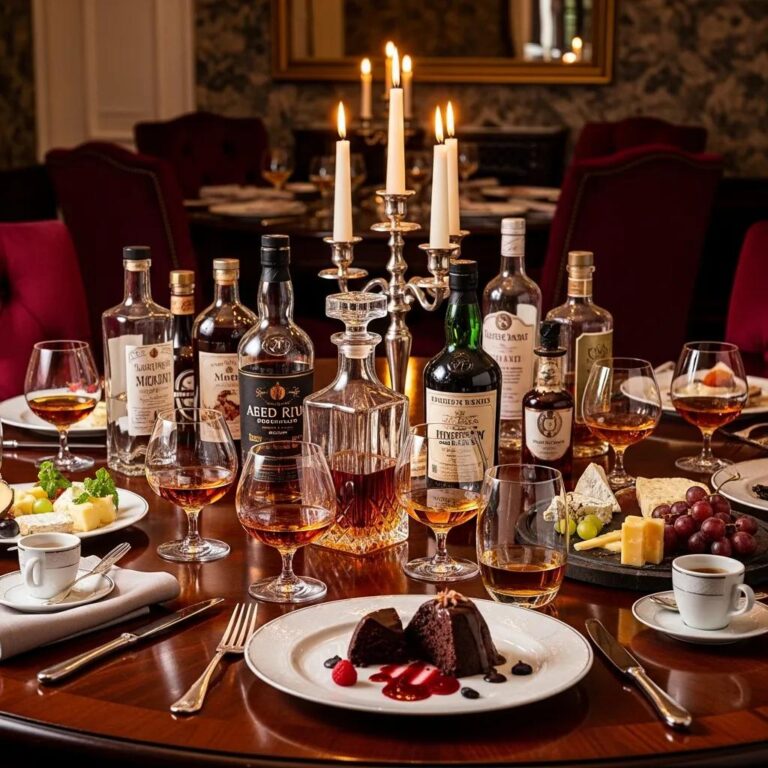
To elevate your visit, be open to the chef’s recommendations and embrace the omakase approach. Communicate dietary preferences or restrictions in advance so dishes can be tailored. Take time to observe the plating and ask our staff about techniques or provenance—those details deepen appreciation. Thoughtful beverage pairings also enhance the sensory arc and make the meal more memorable.
What role does seasonal availability play in fine dining presentations?
Seasonality is central: it determines ingredient choice, flavor profiles and visual language. Chefs build menus around what’s freshest, which not only improves taste but aligns with Japanese values of transience and nature. Seasonal components offer distinct color palettes and garnishes that reflect the time of year, making each service unique and tied to a sense of place.
How do chefs ensure that their plating techniques remain innovative?
Chefs stay innovative by experimenting with new textures, presentations and cross‑disciplinary inspiration from art and design. Collaboration with peers, participation in festivals and testing modern techniques—sometimes from molecular gastronomy—keeps ideas fresh. That said, innovation at Kaviar always serves the ingredient and the guest experience rather than novelty for its own sake.
What are some common mistakes to avoid when plating food at home?
At home, avoid overcrowding the plate; negative space helps the main components stand out. Mind color contrast—add vibrant garnishes or a colorful sauce to avoid a dull presentation. Choose serving ware that complements the food’s colors and textures, and don’t rush: thoughtful placement makes a big visual difference. Small touches—consistent slice thickness or a clean sauce smear—elevate a home plate quickly.
How can diners appreciate the artistry behind food presentation?
Before tasting, take a moment to observe the plate: notice arrangement, color relationships and texture contrasts. Thinking about the chef’s intent—how plating directs tasting order or highlights an ingredient—deepens appreciation. Ask the team about the story behind a dish and share the experience with companions; conversation extends the memory of the meal.
Conclusion
Mastering fine dining plating techniques enhances more than a dish’s look—it elevates the entire dining experience by engaging sight, smell and taste in deliberate harmony. Understanding artistic presentation helps diners read the narratives chefs build, especially within Japanese culinary artistry. We invite you to explore these sculptural creations at Kaviar, where precision and creativity meet on every plate. Reserve your table to experience a thoughtful, memorable journey through edible art.