




The Art of the Perfect Charcuterie Board: Gourmet Appetizer Ideas and Luxury Presentation Techniques
A gourmet charcuterie board is more than a collection of ingredients—it’s a considered tasting sequence that balances artisan-cured meats, luxury cheeses, and refined little accompaniments to create an elevated starter worthy of fine dining. This guide walks you through selecting items by texture and provenance, pairing them with beverages from Champagne to sake, arranging components for a striking visual story, and borrowing Japanese principles like seasonality and restrained sequencing to shape pacing. Hosts and chefs often wrestle with portioning, rhythm, and visual hierarchy; here you’ll find practical fixes that deliver a memorable tasting progression. We’ll cover selection criteria and a starter checklist for meats and cheeses, pairing rules and beverage matches, plating and composition techniques, omakase-inspired tasting order, and how to reserve a charcuterie-forward dining experience. Keywords such as charcuterie board, cheese board ideas, A5 Wagyu, caviar dishes, and Japanese fine dining are woven into the text to help you assemble a refined platter. Continue for step‑by‑step guidance, clear comparisons, and presentation tips you can use right away.
How to Select Artisan Meats and Luxury Cheeses for Your Charcuterie Board?
Start by defining the role each element will play: meats contribute savory fat and umami, cheeses offer texture and dairy complexity, and accompaniments provide contrast and palate resets. Choose by texture, intensity, and provenance so flavors build instead of clash—for example, a delicate, mild cheese calms an oily, intensely cured meat, while clear origin stories add narrative value for guests. The result is a tasting progression that preserves interest and minimizes palate fatigue. Use the short checklist below before you shop and plate.
- Choose the tasting intent: a light aperitif, a full tasting, or a luxe showpiece.
- Balance textures: pair soft, semi‑firm and aged cheeses with thin‑sliced and cured meats.
- Highlight provenance and rarity: include at least one item with a distinct origin or method.
- Portion for tasting: plan 1–2 oz per person for meats, 1–1.5 oz per person for cheeses.
- Include 3–5 complementary accompaniments to add contrast and reset the palate.
These points set the stage for specific cheese choices that fit the texture-and-intensity framework we outline next.
What Are the Best Cheeses for Luxury Cheese Platters?
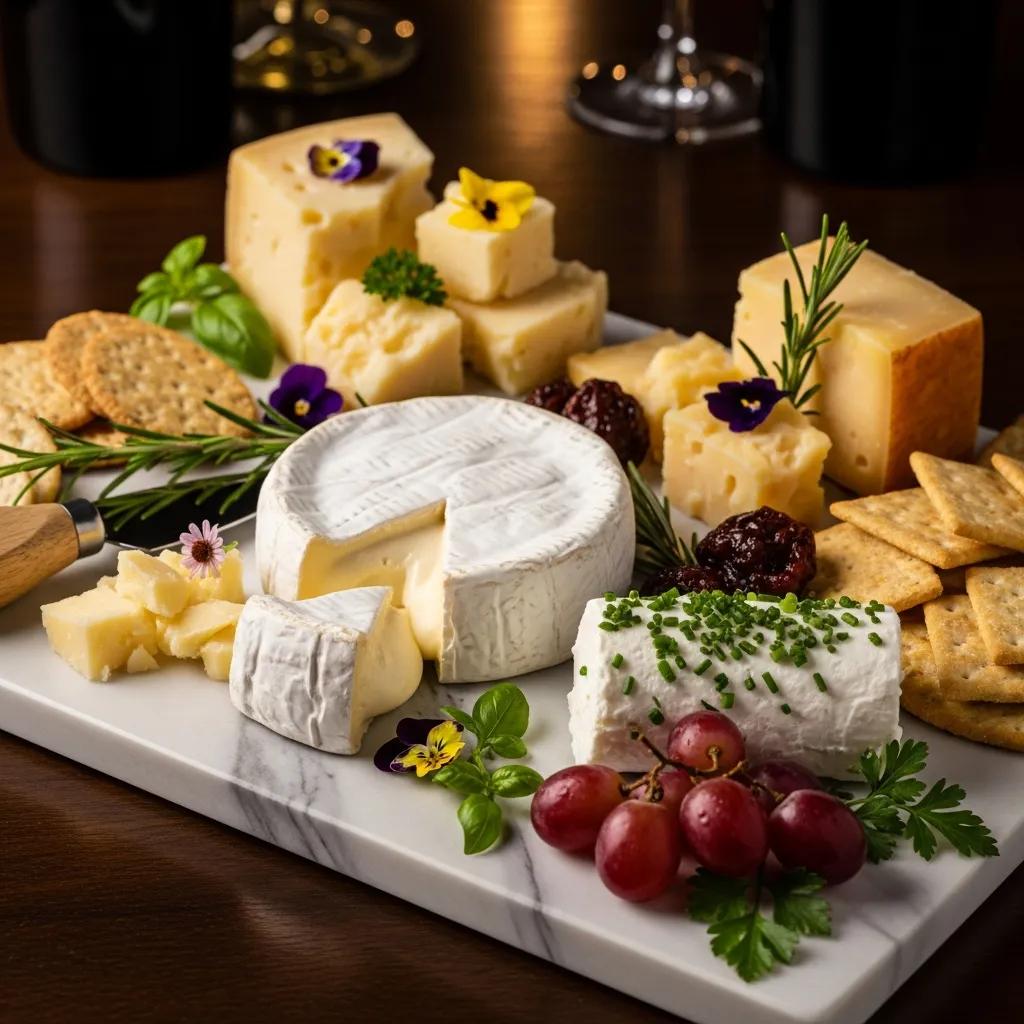
A successful luxury cheese platter covers a clear spectrum of texture and intensity: a triple‑cream for opulence, an aged firm cheese for umami and crystalline crunch, and a bright, acidic goat or fresh cheese for cleansing contrast. Think buttery triple‑cream Brie for silk and richness; aged Manchego or aged Gouda for nutty, caramelized notes and crunch; and a young chèvre or cultured ricotta for lift and acidity. Serve cheeses close to room temperature to reveal aromatics, and portion roughly 1–1.5 oz per guest per cheese to keep variety manageable. Naming country, milk type, and aging gives each selection a story and helps guests appreciate its craft.
How to Incorporate A5 Wagyu and Caviar into Your Meat Selection?
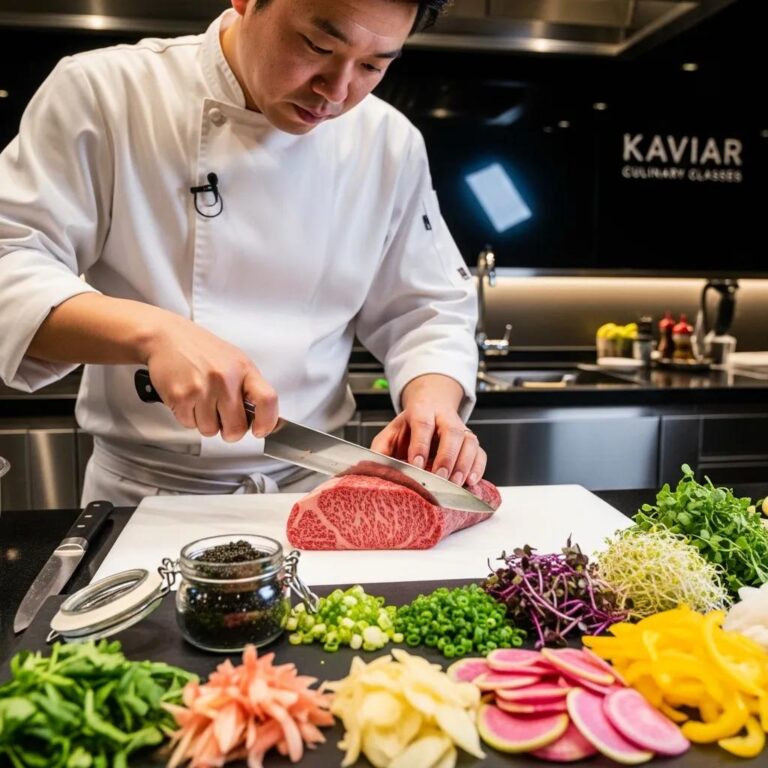
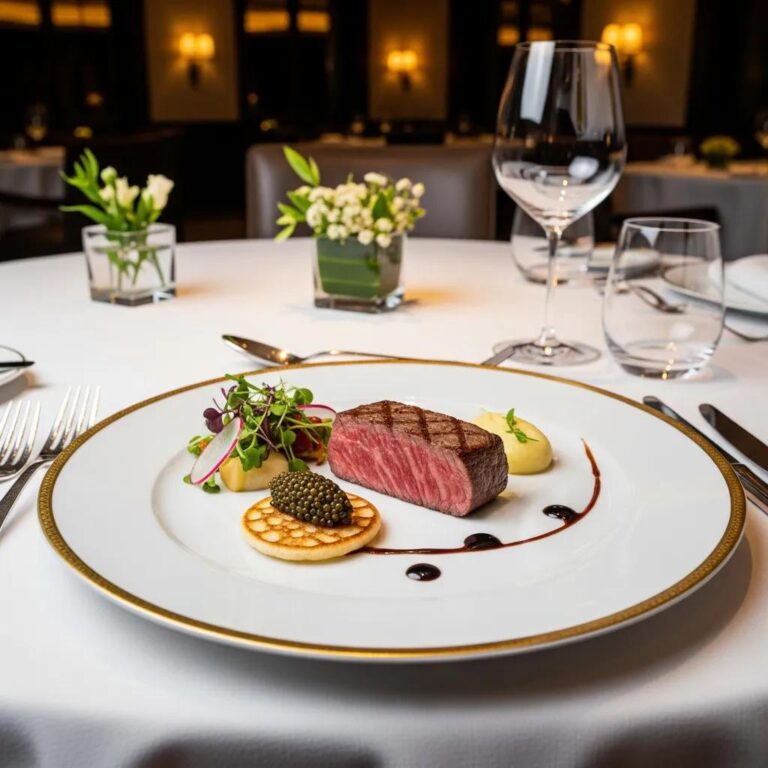
Rare ingredients like A5 Wagyu and caviar should be treated as focal accents, not base proteins—small, intentional portions highlight their texture and flavor. For A5 Wagyu, thin slices lightly seared and placed on crisp crostini let the marbling sing; finish with a pinch of flaky salt and serve warm. Caviar is best as a briny, textural highlight—present on mother‑of‑pearl spoons or atop blini with a touch of crème fraîche to preserve its delicate pop and avoid metallic transfer. When you feature these items, share provenance and responsible sourcing as part of the tasting narrative, and position supporting components nearby to frame each rare bite and move the tasting forward.
Before we move to pairings, it helps to compare common meat and cheese options side‑by‑side so you can plan portions and beverage matches.
Selections vary by texture, flavor intensity, provenance, and serving suggestion.
Use this comparison to inform the pairing guidelines that follow.
What Are the Essential Charcuterie Pairing Tips for a Fine Dining Experience?
Pairing succeeds when you follow three simple rules: match intensity, use complement or contrast intentionally, and bring cleansing elements to reset the palate. Matching intensity pairs lighter cheeses with delicate wines or sake and richer meats with fuller beverages; complementing reinforces shared flavor notes; contrasting—acidity, bubbles, or tannin—cuts through fat and salt. The practical outcome is a tasting flow where each sip enhances the next bite. The table below gives direct beverage matches for common items.
- Match intensity: pair low‑intensity cheeses with delicate wines or light sake.
- Use contrast: pair fatty meats with high‑acid or effervescent beverages to refresh the palate.
- Complement flavors: choose beverages that echo dominant notes (nutty, buttery, saline).
- Alternate sips and bites to keep the tasting lively and focused.
These rules lead naturally into Champagne and sake pairings for an elevated dining approach.
Thoughtful pairings help you design a deliberate tasting progression for guests.
After this pairing guide, we look at practical beverage choices for executing these matches at home or in a restaurant.
Which Wines and Beverages Complement Artisan Meats and Cheeses?
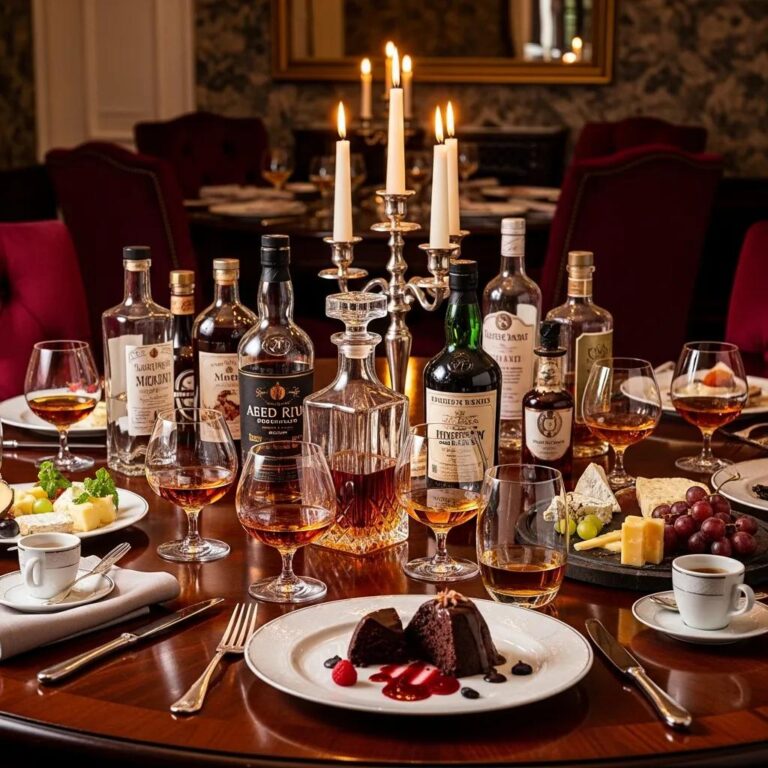
Choose drinks by body, acidity, tannin and aromatic profile: light whites and sparkling wines complement delicate cheeses, while medium‑bodied reds and fortified wines suit aged, nutty cheeses. Sake adds rice‑driven texture and umami—Junmai or Junmai Ginjo pairs well with cured fish and savory cheeses, while a lighter Ginjo lifts fresher cheeses. For non‑alcoholic service, high‑acid sparkling water with a citrus twist or an artisanal lightly oxidized oolong delivers cleansing and aromatic complexity. Sequence offerings from lower to higher intensity and include palate‑resetting options to guide guests through the progression.
How to Pair Champagne with Caviar and Other Luxury Ingredients?
Champagne and caviar are classic partners: fine effervescence lifts salty, fatty flavors and acidity cleanses the palate, creating a crisp counterpoint to briny pearls. Opt for a Brut or Extra Brut with fine bubbles and restrained dosage; serve well chilled (about 44–48°F) in tulip or flute glassware to preserve effervescence and focus aromatics. Dry sparkling wines or dry sparkling sakes work as alternatives; when pairing with A5 Wagyu, consider a lower‑dosage sparkling or a restrained red so the beef’s delicate fat reads clearly. Thoughtful service—small pours, chilled glassware, and paced tasting—ensures each luxury element registers as intended.
How to Arrange a Cheese Board for Elegant and Inviting Presentation?
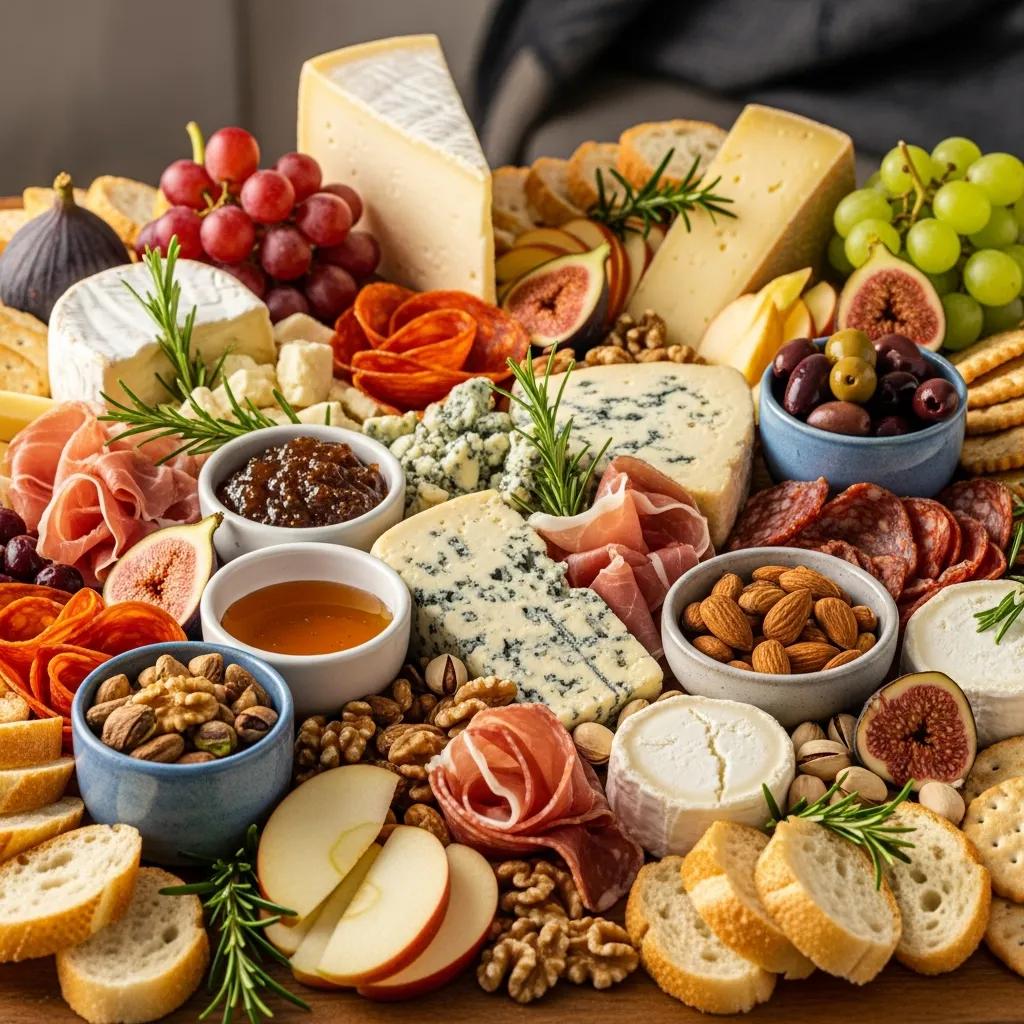
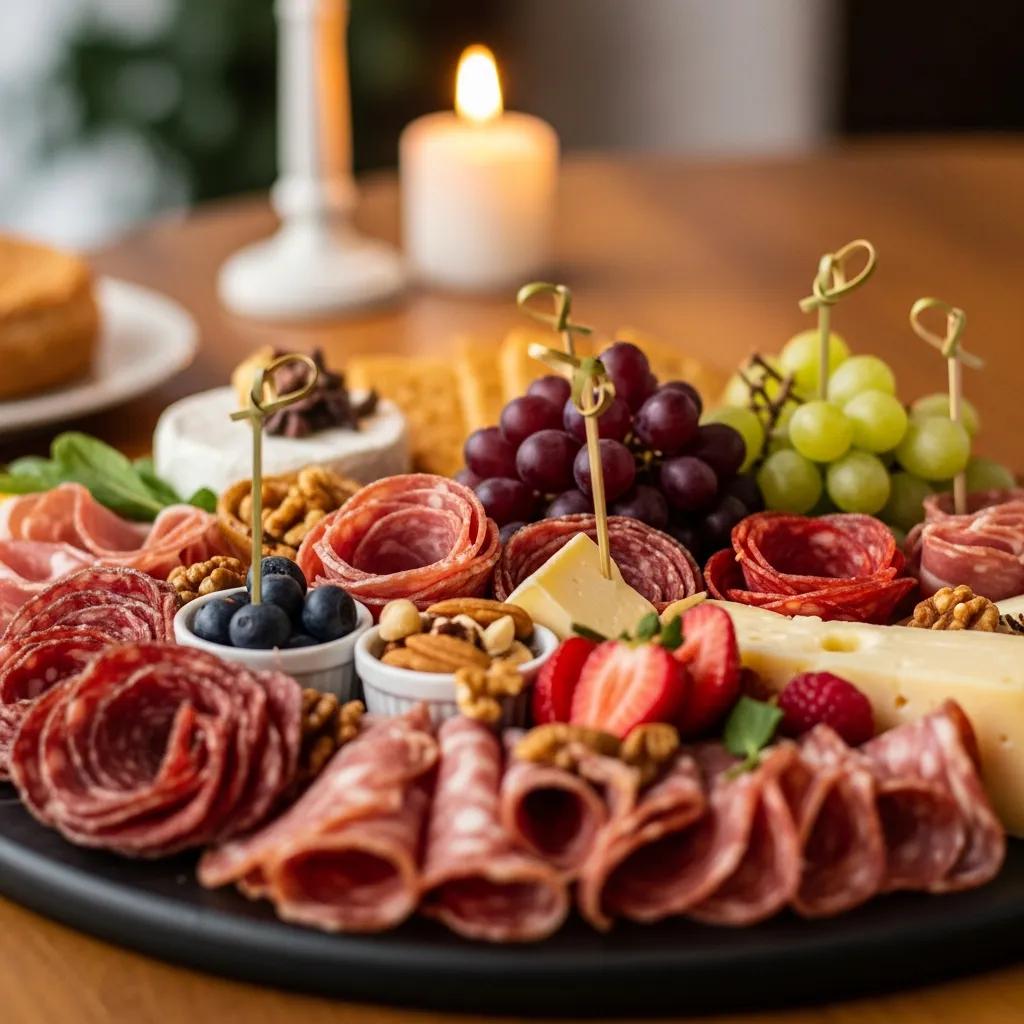
An elegant board starts with the right base and a compositional plan that balances color, texture and height to create focal points and inviting negative space. Place cheeses first as anchors, add meats in gentle folds or rosettes, and distribute accompaniments—preserves, nuts, pickles—to create contrast and movement across the board. Visual balance raises perceived quality and guides tasting rhythm; repeating colors and varying heights help the eye travel and highlight premium items. Below are compact layout principles to reference while you build.
- Choose a neutral board that contrasts with ingredient colors so everything pops.
- Place 3–5 anchor cheeses, then arrange meats and accompaniments around them.
- Vary height with crostini stacks, small bowls, and layered crackers for dimension.
These layout basics lead into plating techniques and tools that refine the luxury look, which we describe next.
For hands‑on execution, the table below gives placement tips and the expected visual impact for common board elements.
Use these placement cues as you refine plating tools and micro‑styling for a polished, luxury appearance.
What Are the Best Plating and Presentation Techniques for Appetizer Platters?
High‑end plating uses restraint, clear focal points, and purposeful garnishes to showcase premium ingredients without clutter. Leave negative space around rare items like A5 Wagyu or caviar, use tweezers for precise microherb placement, and prefer edible, functional garnishes that support flavor. Serve sauces and pearls in small elegant bowls, and cut items uniformly so bites are comfortable and visually consistent. Scale the board to the occasion—intimate, composed selections for private dining; larger, varied spreads for events—while keeping a cohesive visual language across service.
How to Use Visual Elements to Enhance the Luxury Dining Ambiance?
Styling extends beyond the board: linens, lighting and serveware shape the impression. Soft, warm lighting and neutral linens let colors read naturally; reflective or textured serveware adds occasion. Match utensils to the aesthetic—mother‑of‑pearl for caviar, matte knives for cheeses—and time service so items arrive at ideal temperatures with attentive staff cues. Small details—matched glassware, simple provenance cards, a tidy table—signal care and turn a tasting into an experience. These visual choices also prepare guests for the cultural influences that inform modern charcuterie, which we explore next.
How Does Japanese Fine Dining Influence Charcuterie Board Creations?
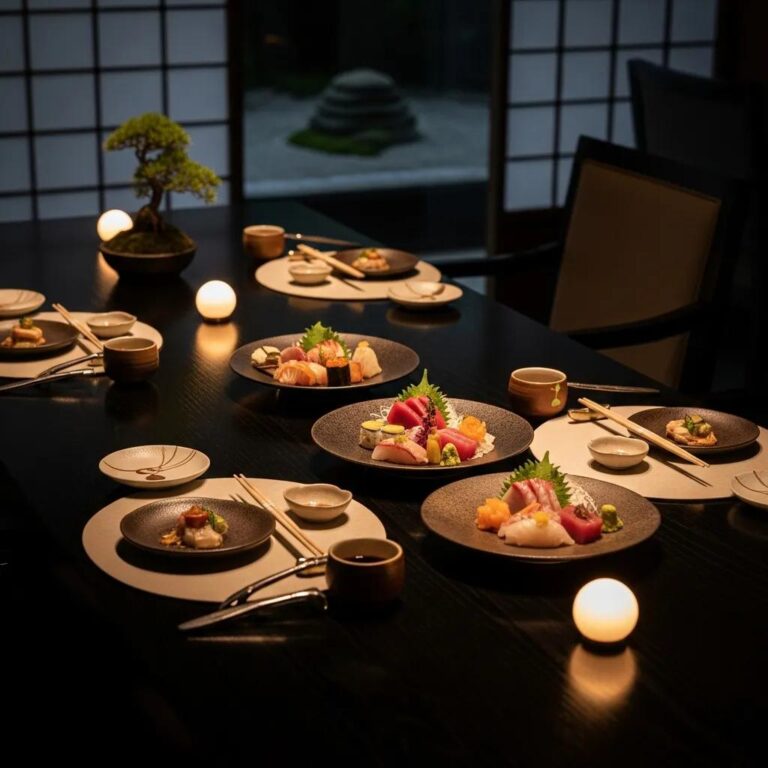
Japanese fine dining contributes three useful principles: seasonality, minimalism, and focused umami. These translate to charcuterie by encouraging a small number of highly refined elements placed with intention. Seasonality directs ingredient choices—pickles, citrus or cured fish that reflect the moment—while minimalism sharpens clarity of flavor so every bite reads distinctly. Umami layers—kombu‑cured items, miso‑glazed nuts, roasted soy reductions—add depth without overwhelming delicate cheeses. These practices help chefs and hosts craft a tasting arc with clear narrative beats and disciplined portioning, dovetailing naturally with omakase sequencing.
What Japanese Ingredients and Styles Elevate Traditional Charcuterie?
Introducing Japanese elements—yuzu for aromatic lift, kombu for umami depth, pickled daikon or shoyu‑cured fish for acid and saline contrast—adds fresh dimensions and texture. Swap yuzu marmalade for ordinary preserves to brighten the board; a few shio kombu shavings deepen savory layers beside aged cheese. Seasonal tsukemono give palate‑resetting acidity and crunch, and small portions of cured fish—katsuobushi flakes or smoked saba—offer delicate sea‑derived umami. Source these items thoughtfully and use them sparingly so balance remains intact while cultural nuance enriches the tasting.
How to Integrate Omakase Concepts into Curated Appetizer Selections?
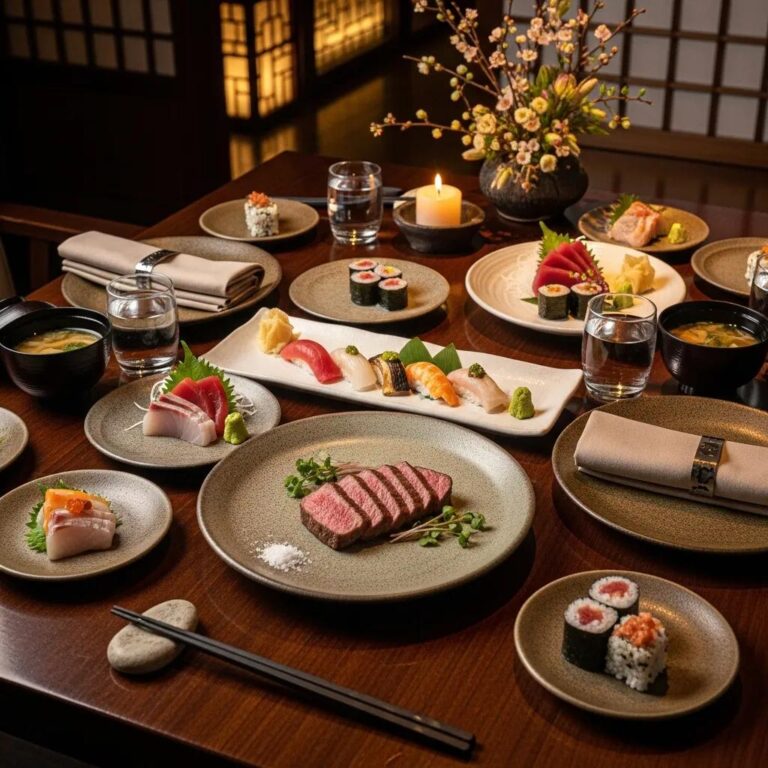
Omakase sequencing means arranging bites from light and bright to rich and concentrated, creating a clear tasting arc that unfolds gradually. Begin with chilled, delicate items (cured fish, fresh chèvre), progress to savory cured meats and medium cheeses, then present concentrated finales—seared A5 Wagyu or caviar accents—as the climax. Servers should briefly narrate each stage and time pours and palate cleansers to reinforce progression and temperature control. Portion discipline—small, deliberate servings—allows guests to sample broadly while preserving the integrity of the sequence.
How to Reserve a Luxury Dining Experience Featuring Signature Charcuterie Boards at Kaviar?
Reserving a luxury experience at Kaviar in Pasadena means booking an occasion‑forward meal where curated appetizers and omakase‑influenced plates highlight signature ingredients like A5 Wagyu and caviar. Kaviar privileges provenance, rare components and careful menu curation, and our reservation flow accommodates special requests and tasting preferences. Follow the steps below to secure and prepare for your visit.
- Choose your preferred date, party size, and note any dietary needs or occasion details.
- Use the reservation page or contact method to submit your booking and request omakase‑style boards or specific luxury highlights.
- Mention seating preferences or celebratory arrangements so the team can prepare an elevated tasting experience.
These essentials outline the typical reservation expectations and lead into the restaurant’s confirmed flow.
What Is the Seamless Reservation Process for Kaviar Restaurant?
To reserve at Kaviar, provide date, time, party size and any special requests—omakase curation or featuring items like A5 Wagyu or caviar—and our system will confirm availability and allocate seating suited to a tasting progression. Note dietary restrictions or private seating needs in the special requests field so the team can plan portioning and presentation. You’ll receive a confirmation that reiterates menu highlights and bespoke arrangements, and staff are available for follow‑ups about tasting order or pairings. Review our sample offerings before booking so you can clearly communicate your priorities.
Why Choose Kaviar for Exclusive Charcuterie and Fine Dining in Pasadena?
Kaviar stands apart for its intimate fine‑dining atmosphere, signature preparations that spotlight rare ingredients, and an omakase‑informed approach that turns appetizer platters into a sequenced tasting narrative. The kitchen’s focus on provenance and refined technique—explicitly featuring A5 Wagyu and caviar—complements the pairing and presentation practices discussed here. Guests seeking a charcuterie‑forward tasting will find our reservation process receptive to special requests and tasting priorities. When you book, specify your focus—Champagne pairings, a sake‑led progression, or rare accents—to help the team tailor a memorable experience centered on the art of the charcuterie board.
Before you book, gather preferred dates, party size and any menu priorities to streamline confirmation and ensure the evening aligns with your curated appetizer goals.
Frequently Asked Questions
What are some common mistakes to avoid when creating a charcuterie board?
Common missteps are overcrowding the board, neglecting balance of flavors and textures, and misjudging portions. Overcrowding muddles presentation and makes tasting confusing. Keep a thoughtful balance of meats, cheeses and accompaniments, and portion carefully—aim for 1–2 oz of meat and 1–1.5 oz of cheese per person—to avoid waste and ensure every guest can taste a variety.
How can I make a charcuterie board suitable for dietary restrictions?
Offer a range of options—vegetarian, vegan and gluten‑free—so everyone can participate. Include plant‑based cheeses, nuts, seasonal fruits and crisp vegetables. Clearly label items for allergens and provide gluten‑free crackers or bread alternatives. A few well‑placed substitutes keep the board cohesive while honoring dietary needs.
What tools or utensils are essential for assembling a charcuterie board?
Key tools include a sturdy cutting board, a set of cheese knives, and small serving utensils like spoons and tongs. A sharp chef’s knife ensures clean slices; specialized cheese knives help serve different textures. Small bowls for olives or preserves keep things tidy, and tweezers are useful for delicate garnishes when you want a refined finish.
How can I enhance the flavor profile of my charcuterie board?
Add accompaniments that play off your main ingredients: a touch of honey or fruit preserves for sweetness, pickles or olives for acidity, and nuts or crackers for crunch. Fresh herbs or citrus zest can lift flavors, and serving items at room temperature reveals fuller aromatics. Thoughtful contrasts—sweet, salty, acidic and crunchy—make the tasting more interesting.
What are some creative themes for charcuterie boards?
Themed boards create a cohesive story. Try seasonal inspirations (spring vegetables and fresh chèvre), regional focuses (Mediterranean olives, feta and cured meats), or ingredient‑led concepts (smoked fish or dessert boards with chocolates and fruits). A clear theme guides ingredient selection and presentation for a compelling experience.
How can I incorporate seasonal ingredients into my charcuterie board?
Choose produce and preserves at their peak: spring brings asparagus, radishes and soft cheeses; summer offers ripe berries and light cheeses; fall favors apples, pears and spiced nuts; winter allows for hearty root veg and aged cheeses. Seasonal choices brighten flavor, add visual interest and make the board feel current and thoughtful.
Conclusion
A thoughtfully composed charcuterie board transforms a meal into a curated tasting—harmonizing artisan meats, luxury cheeses and considered accompaniments to create a memorable progression. Master selection, pairing and presentation and you’ll elevate every bite into an intentional moment. Embrace these techniques, explore premium ingredients, and start crafting boards that feel both refined and approachable. Begin your journey toward unforgettable gatherings today.