




The Evolution of Indian Fine Dining: How Tradition, Technique, and Thoughtful Luxury Converge
Indian fine dining elevates regional methods, courtly rituals, and premium ingredients into deliberately paced, multi-course narratives that honor provenance and sensory design. This article explains why that evolution matters today for diners seeking ingredient-led tasting menus, storytelling-driven service, and culinary rigor on par with global luxury kitchens. You’ll see how historical techniques shape contemporary execution, which regional identities inform haute-Indian menus, how premium and sustainable sourcing recalibrates price and perception, and practical steps for experiencing authentic Indian tasting menus and chef’s-table services. We trace decades of change, spotlight signature ingredients and service innovations, and offer concrete guidance on reservations, occasion selection, and vetting sourcing claims—placing modern Indian fine dining in a global luxury context for 2024.
How Has Indian Fine Dining Transformed Over the Decades?
Indian fine dining moved from palace feasts to carefully sequenced metropolitan tasting menus through changing patronage, colonial exchange, and diaspora reinterpretation—each shift emphasizing technique, presentation, and provenance. Royal kitchens introduced layered spice-building and ceremonial service that later informed early restaurants as urban diners sought refined communal meals. Mid-century migration and overseas dining scenes spread regional specialties and created hybrid plates that balanced memory with modern service. In recent decades, tasting menus, ingredient-first philosophies, and theatrical storytelling have become hallmarks of luxury Indian restaurants, positioning Indian cuisine alongside established international fine dining.
We can view this development in three phases:
- Courtly and palace cuisine established layered flavor-building and ceremonial service.
- Mid-century restaurant growth and diaspora influence adapted regional dishes for urban and international diners.
- The contemporary era centers tasting menus, provenance, and multi-sensory presentation to place Indian cuisine within global luxury gastronomy.
These stages show how technique and provenance became central to modern Indian cuisine and set up a closer look at the historical foundations that inform today’s practices.
What Are the Historical Roots of Indian Fine Dining?
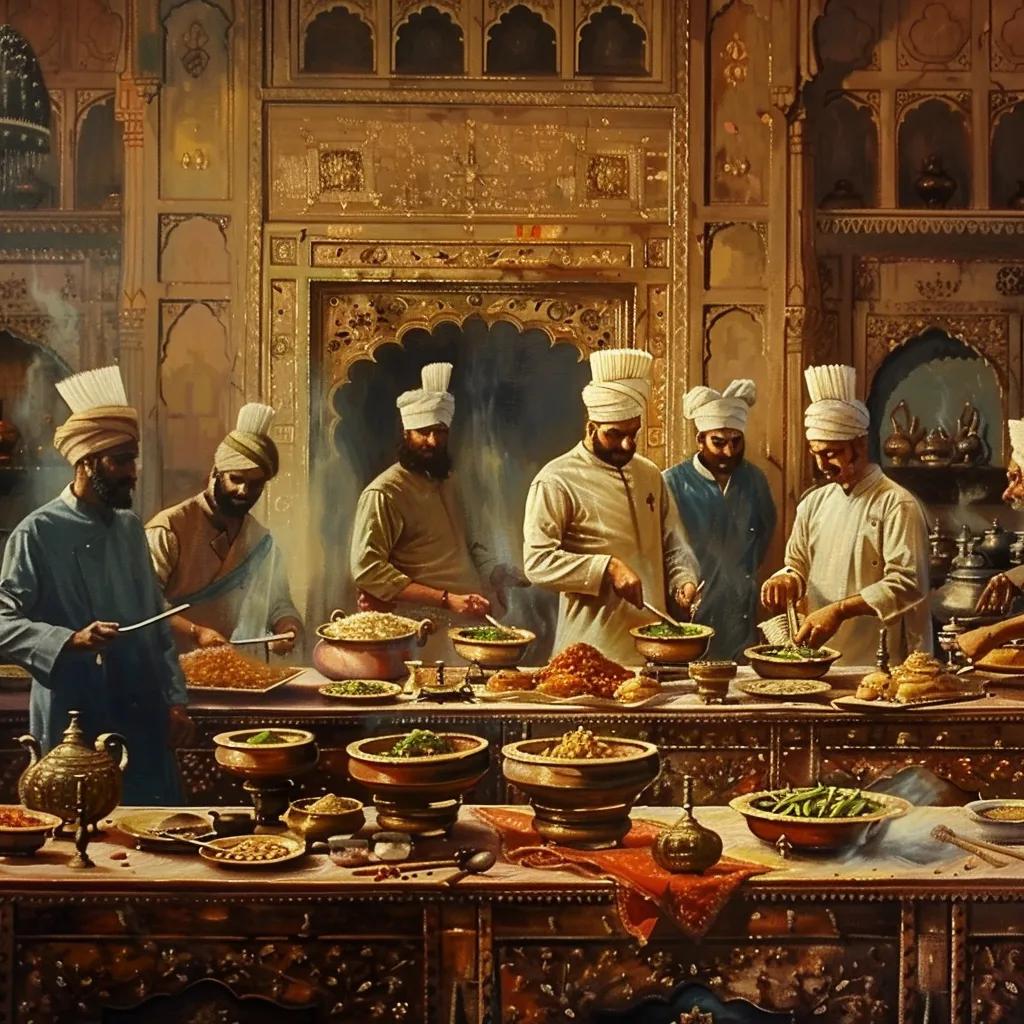
Royal courts and palace kitchens were early laboratories for technique, ornate presentation, and ritualized service—the building blocks of Indian haute cuisine. The Mughals, for example, refined slow-cooking, rich dairy sauces, and the careful use of aromatic spices—approaches later adapted by urban restaurants aiming to recreate ceremonial refinement. Regional courts preserved rare ingredients and formal service traditions, passing recipes and presentation aesthetics across generations. That history explains why many contemporary tasting menus reference courtly technique while translating it through modern plating and seasonal sourcing.
Trade and migration also introduced new ingredients and methods, setting the stage for globalization and the shift of fine dining into public restaurants and international stages—a transition that directly connects to current trends.
Which Modern Trends Define Contemporary Indian Fine Dining?
Contemporary Indian fine dining prioritizes tasting menus, ingredient provenance, sustainability, and theatrical service to distinguish itself from casual formats. Chefs now build multi-course narratives that highlight regional terroir, sequencing dishes to reveal texture and spice contrasts with palate-cleansing interludes. An ingredient-first approach favors seasonality and ethical sourcing, while techniques like low-temperature cooking, fermentation, and controlled charring refine textures and clarify aromas. Multi-sensory dining—using sound, curated tableware, and aroma—heightens narrative impact and supports premium positioning.
Key trends shaping menus and service include:
- Chef-curated tasting menus that unfold a regional or seasonal story.
- Clear commitments to provenance and sustainable sourcing that inform plating and price.
- Use of modern techniques—sous-vide, fermentation, preservation—to reframe classics.
These trends raise diner expectations: guests now seek flavor, provenance, and story, which influences how chefs translate regional cuisines into fine-dining contexts.
What Role Do Regional Cuisines Play in Shaping Indian Fine Dining?
Regional cuisines are the backbone of Indian fine dining, supplying distinct flavor frameworks, ingredient palettes, and service gestures that chefs refine through technique. North Indian traditions offer slow-cooked gravies, dairy richness, and celebratory lamb or game suited to luxurious mains. South Indian and coastal traditions contribute tamarind, kokum, coconut, and foraged seafood profiles that adapt well into delicate, texture-driven courses. East and West Indian foodways add mustard-forward notes, sweet-savory balances, and seafood techniques that diversify tasting-menu narratives and give chefs micro-terroirs to explore.
Three illustrative regional roles in haute cuisine include:
- North Indian: Slow-braised, spice-layered gravies and dairy enrichments refined into composed mains.
- South Indian: Tangy, coconut-tinged seafood and fermented elements presented as precise tasting portions.
- East/West Indian: Coastal seafood techniques and sweet-sour balances reworked into amuse-bouches and palate-builders.
Understanding these regional identities helps diners read a menu and appreciate why chefs combine techniques across traditions to craft cohesive, high-end tasting sequences.
How Do North and South Indian Flavors Influence Fine Dining Menus?
North Indian flavors contribute slow-cooked gravies, clarified-butter notes, and heritage lamb or dairy that translate into rich, layered mains. Chefs adapt these by reducing portions, intensifying flavors through reduction or sous-vide, and finishing with refined garnishes to preserve balance across courses. South Indian influences emphasize tang, coastal seafood, coconut aromatics, and fermentation; chefs transform these into clean, texture-forward plates that brighten a tasting progression. The contrast—richness versus brightness—keeps a tasting menu dynamic and engaging.
These regional contrasts also guide beverage pairings and service pacing, shaping how guests navigate tasting menus and chef-led experiences.
What Are Emerging Regional Specialties in Luxury Indian Restaurants?
Emerging specialties include elevated coastal seafood sourced from micro-fisheries, Northeastern foraged botanicals for unique aromatics, and regional street foods reimagined as refined small plates. Chefs are spotlighting artisanal components—handmade chutneys, heritage rice varieties, smoked-foraged mushrooms—presented with technical precision that emphasizes provenance and texture. These rediscoveries expand the luxury canon and encourage menus built around small-scale producers and seasonal windows.
Highlighting these specialties affects menu design and guest expectations, as diners increasingly look for transparency about origin and technique when choosing high-end Indian dining.
How Are Premium Ingredients Elevating Indian Fine Dining Experiences?
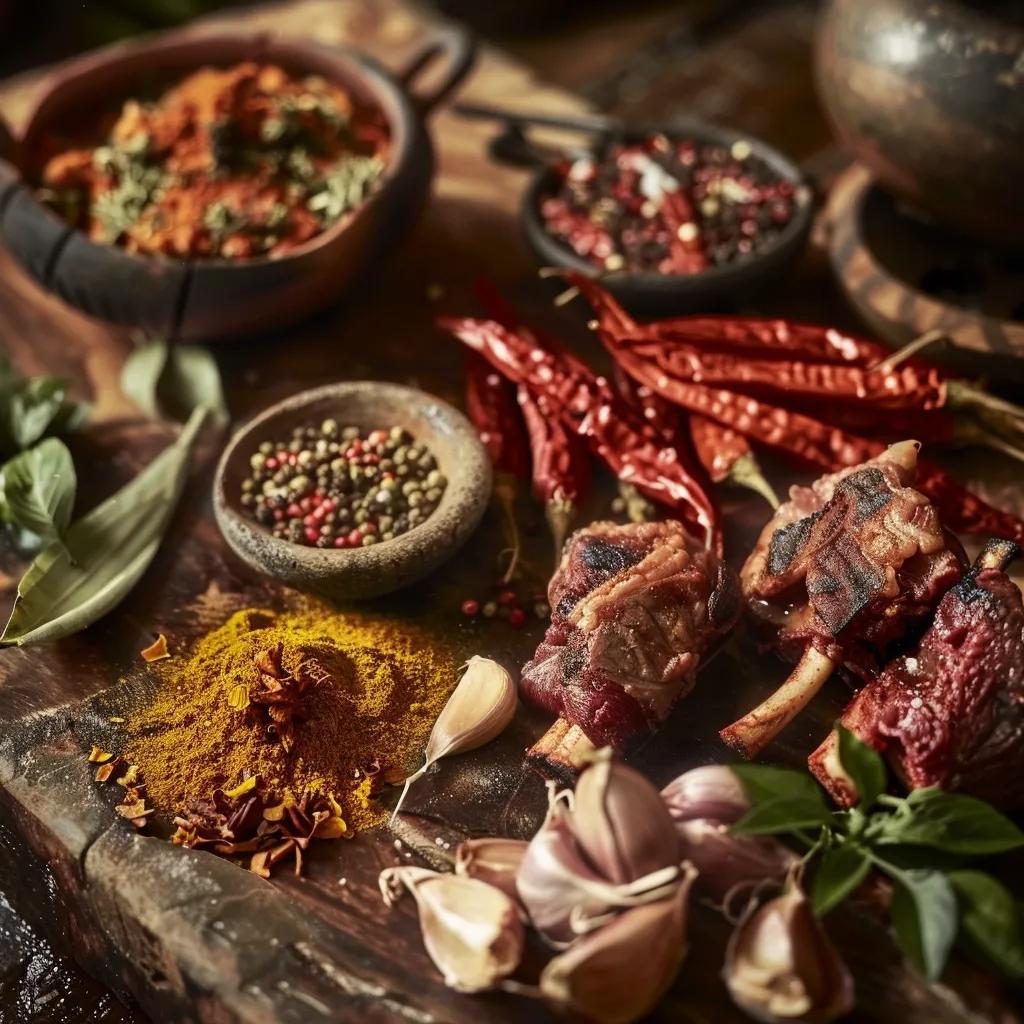
Premium ingredients raise Indian fine dining by delivering clear provenance stories, concentrated flavor, and textural contrast that justify premium pricing and reinforce luxury positioning. In this context “premium” often means rare spices, heritage breeds, seasonal coastal fish, and carefully aged or cured proteins. Chefs use techniques—controlled aging, low-temperature cooking, precision searing—to reveal each ingredient’s fullest expression. Provenance connects a dish to place and season, and that narrative becomes part of the guest experience. The table below pairs hallmark Indian ingredients with global luxury proteins to show how origin and technique combine to shape luxury plates.
That comparison shows how provenance and culinary role create both taste impact and narrative value. Combining native premium ingredients with globally recognized luxury proteins gives chefs a broader toolkit to craft elevated, internationally fluent tasting menus.
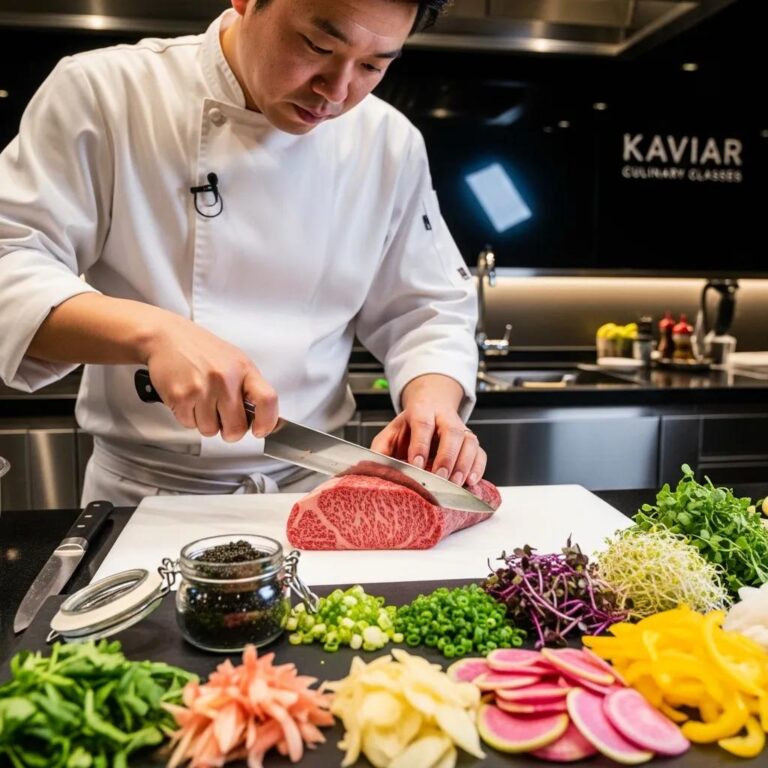
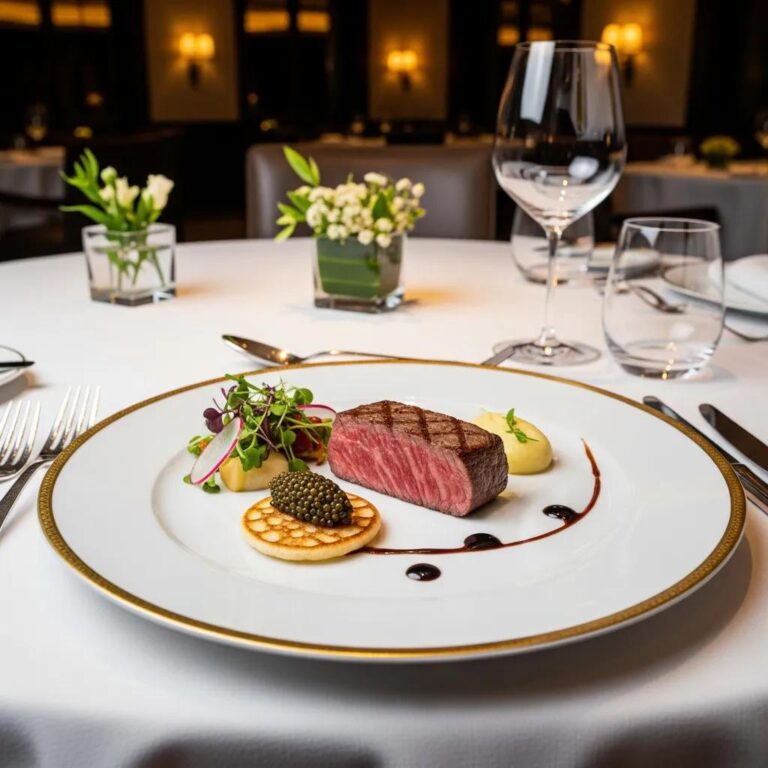
Kaviar Restaurant’s use of premium items—A5 Wagyu, curated caviar service, and responsibly sourced seafood—illustrates how luxury proteins and precise technique can produce refined plates without obscuring Indian fine dining’s distinct paths.
What Signature Ingredients Define Luxury Indian Cuisine?
Signature ingredients include Kashmir saffron, heritage livestock (regionally reared lamb), wild coastal seafood, organic ghee, and hand-harvested aromatics—each chosen for concentrated aroma, texture, and cultural resonance. Chefs deploy them sparingly and deliberately: saffron for perfume, heritage meat for depth, coastal fish for delicate counterpoint—often noting origin on the menu to reinforce story and value. Thoughtful use of these elements helps luxury Indian restaurants justify price while delivering sensory experiences rooted in place and technique.
Recognizing these hallmarks helps diners parse pricing and encourages questions about sourcing that reveal a restaurant’s stance on provenance and ethics.
How Is Sustainable Sourcing Impacting Indian Fine Dining?
Sustainable sourcing reshapes luxury Indian dining by prioritizing seasonality, responsible fisheries, and reduced waste through nose-to-tail and root-to-stem cooking. Chefs partner with small producers and coastal fishers to ensure traceability and structure menus around seasonal windows rather than fixed à la carte offerings. Zero-waste techniques—fermentation, pickling, creative use of offcuts—preserve flavor and reduce impact, and these choices are often shared with guests as part of the restaurant’s story. Asking about sourcing gives diners insight into a restaurant’s ethics and can increase perceived value.
These sustainability practices align with technique and presentation innovations that are steering the next phase of modern Indian fine dining.
What Innovations Are Driving the Future of Indian Fine Dining?
Key innovations include modern culinary techniques, technology-enabled personalization, and experiential presentation that turn a meal into a curated narrative. Chefs use fermentation, controlled low-temperature cooking, and precision searing to clarify flavors while preserving regional aromatics. Service innovations—chef’s-table personalization and immersive tasting sequences—deepen guest engagement and support premium pricing. Technology improves booking, menu translation, and allergy management, making luxury dining more accessible and tailored. Together, these shifts help Indian luxury restaurants compete globally while retaining cultural specificity.
These culinary and technological changes lead naturally to how chefs blend modern technique with traditional recipes.
How Are Chefs Integrating Modern Techniques with Traditional Recipes?
Chefs combine technique and tradition by using sous-vide to tenderize tougher cuts then finishing with traditional spice tempering, applying fermentation to deepen umami in pickles and chutneys, and using controlled charring to recreate wood-fired smoky notes with consistency. For example, a Rogan Josh can be vacuum-braised to concentrate lamb succulence, then finished with a fresh spice tempering to preserve fragrance. Fermented batters and aged spice pastes provide reliable depth in delicate preparations—showing how precision enhances texture and clarity without erasing regional identity.
These methods affect flavor, texture, service pacing, and portion design—all crucial to a coherent tasting menu.
What Role Does Presentation and Ambiance Play in Luxury Indian Dining?
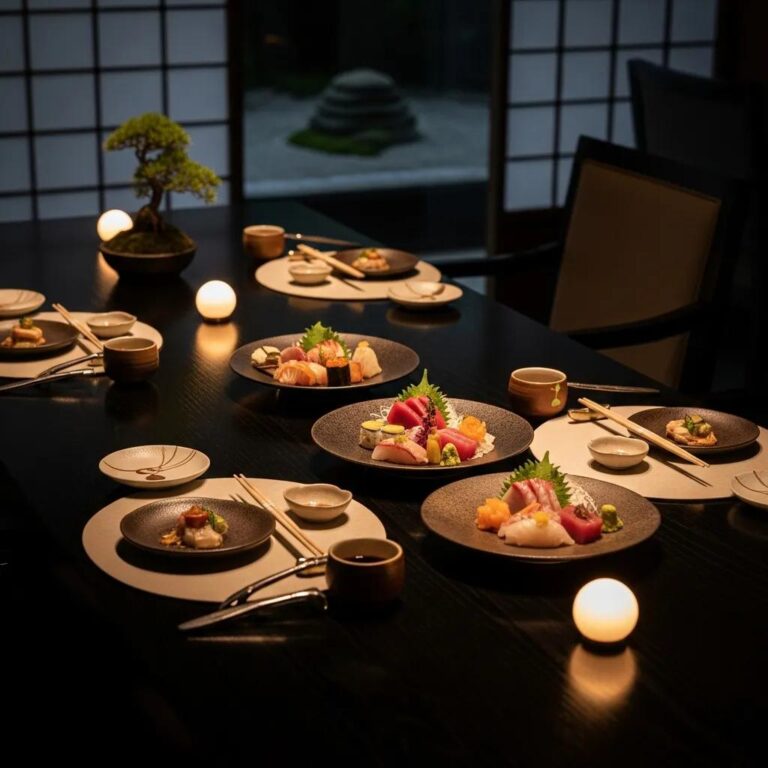
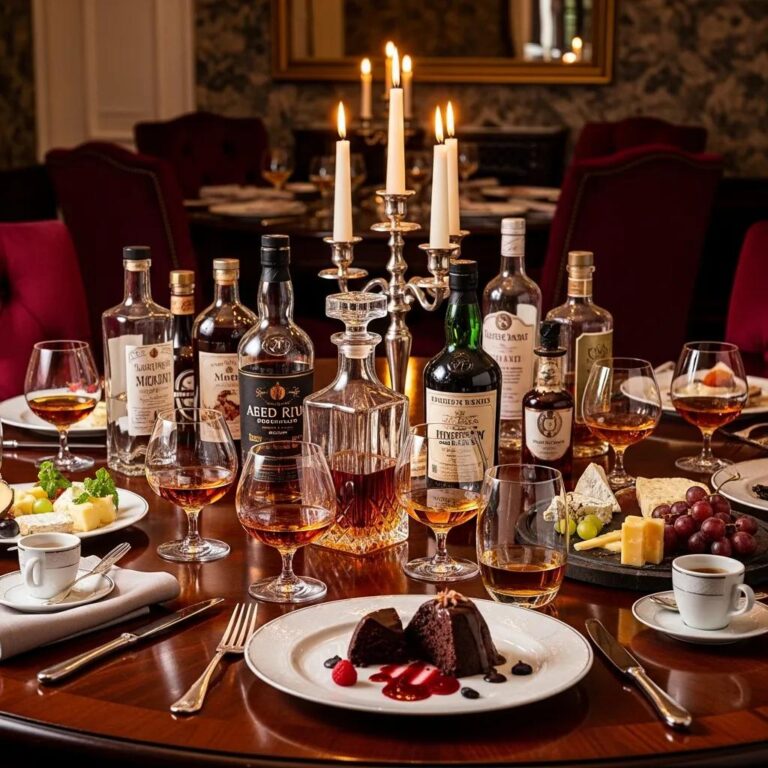
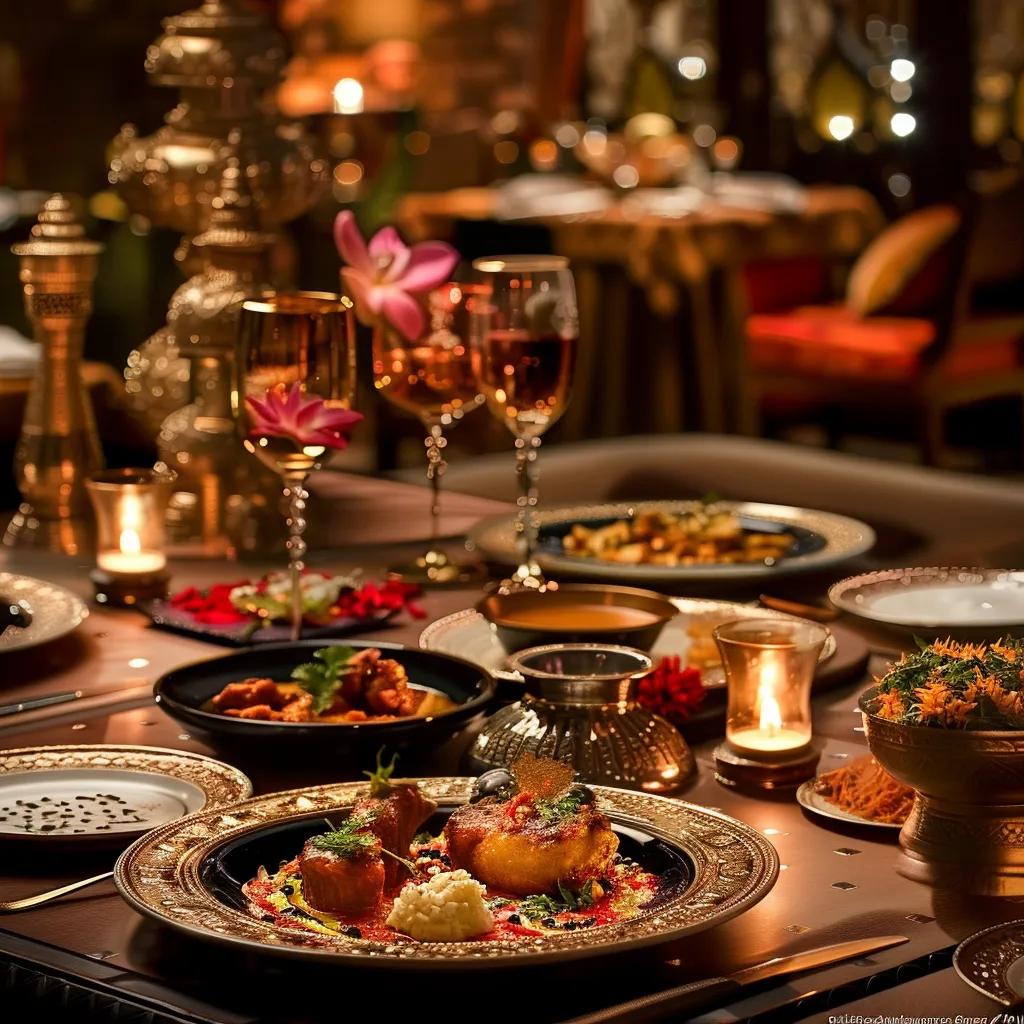
Presentation and ambiance shape perceived luxury: plating, lighting, tableware, and tableside rituals form a cohesive narrative that frames taste and memory. Plating favors negative space, precise garnishes, and contrasting textures to lift familiar flavors into haute-cuisine statements. Ambient choices—music, light, table layout—steer emotion and pacing. Tableside finishing or a palate-cleansing interlude adds theatricality and perceived value. When ambiance supports provenance and technique, guests experience a unified luxury sequence that extends beyond flavor to ritual and memory.
Aligned presentation and ambiance make the tasting sequence feel intentional and memorable.
How Can Diners Experience Authentic Indian Fine Dining Today?
Diners can find authentic Indian fine dining by choosing tasting menus or chef’s-table formats, checking seasonal and sustainable sourcing, and preparing for pacing and portioning that prioritize narrative over volume. Start with restaurants that publish tasting menus or offer chef-led sequences, ask about ingredient provenance, and book early for seat-limited services. Expect a progression—amuse-bouche, palate cleansers, and a measured finale—and note that beverage pairings are often curated to complement regional spice profiles. These steps help match the experience to your occasion, dietary needs, and expectations for service.
To help choose, the table below compares common tasting and chef-driven formats and recommends ideal occasions.
What Are the Signature Tasting Menus and Omakase-Style Experiences?
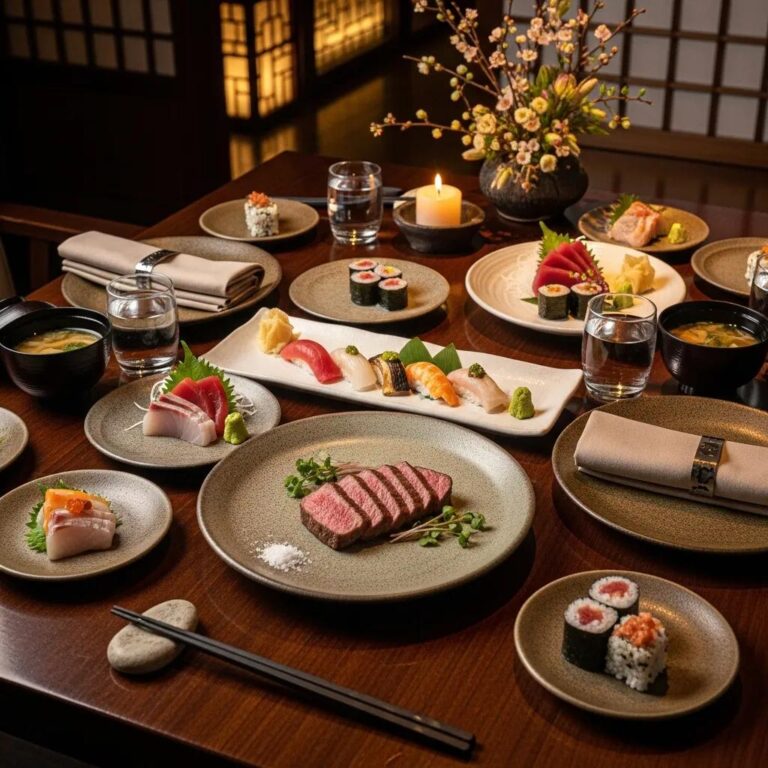
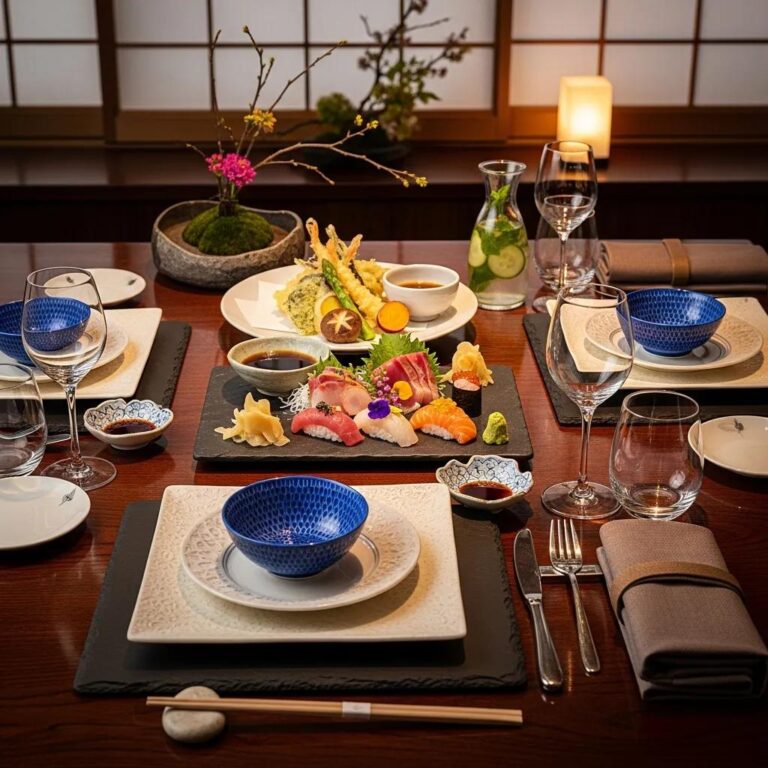
Signature tasting menus and omakase-style experiences are chef-led sequences that favor seasonal ingredients, narrative flow, and textural contrast to guide diners through a curated culinary story. Regional tasting menus spotlight one region’s spices, techniques, and provenance across multiple small plates. Omakase-style service—borrowing the chef-curated logic—lets the kitchen present what’s freshest and most expressive that day, often with interludes and palate cleansers. These formats suit celebrations, business dinners, or anyone wanting an immersive culinary education where the chef shapes the journey.
Choose a format based on desired interaction level, service length, and interest in learning about ingredient provenance.
How Do Reservation and Private Event Services Enhance the Luxury Experience?
Reservation and private-event services bring exclusivity and personalization: guaranteed seating, bespoke menus, and coordinated beverage timing tailored to guests’ needs. To secure premium seating, book well in advance, note menu preferences or dietary restrictions, and request private dining or chef’s-table access for celebrations. As an example, Kaviar Restaurant—an upscale Japanese fine-dining venue in Pasadena—offers booking via phone, RESY, and OpenTable, showing how premium venues use multiple channels to streamline access. Private dining usually includes custom tasting menus, dedicated service staff, and timing that elevates the occasion.
Knowing how reservations work helps diners plan for exclusivity and ensures private events receive the culinary and service focus expected at luxury venues.
Steps to secure a tasting-menu reservation:
- Book early to secure limited chef’s-table seating.
- Communicate dietary restrictions and preferred pacing when reserving.
- Ask about sourcing and menu themes to align expectations and pairings.
Following these steps helps ensure the intended luxury experience—and prepares guests for the pacing, portions, and pairings typical of high-end Indian tasting menus.
Why Is Indian Fine Dining Gaining Global Recognition and Popularity?
Indian fine dining is rising on the global stage because chef skill, transparent provenance, and experiential dining meet growing demand for immersive, sustainable, and story-driven meals. Market dynamics reward restaurants that can articulate sourcing, present distinctive tasting progressions, and apply modern technique while preserving authenticity. Awards, media coverage, and international chef exchanges increase visibility and invite diners to explore new haute-cuisine perspectives. Consumer preferences for personalization, sustainability, and memorable experiences create fertile ground for luxury Indian restaurants to expand and command premium prices.
Drivers behind this growth include consumer willingness to pay for provenance, greater interest in culinary travel and discovery, and chefs who translate regional traditions into global fine-dining languages.
What Are Key Market Trends Driving Growth in Indian Luxury Restaurants?
Key trends include menu personalization, demand for traceable and sustainable sourcing, experiential formats that emphasize narrative, and affluent diners’ willingness to pay for provenance and craft. Technology—easier booking, better allergy management, richer menu communication—supports these trends, while media exposure brings luxury Indian offerings to broader audiences. The move toward curated, chef-led experiences aligns with hospitality shifts favoring boutique, story-driven restaurants over formulaic luxury. For diners and restaurateurs, these trends place a premium on storytelling, sourcing transparency, and memorability.
The table below summarizes trends and their implications for diners and restaurants:
These dynamics explain why Indian fine dining is well-positioned to grow globally and attract discerning guests who value provenance and experience.
How Are Awards and Chef Expertise Shaping Indian Fine Dining Prestige?
Awards and chef pedigree signal credibility that raises a restaurant’s profile, justifies premium pricing, and reassures diners. Chefs with strong training or notable backgrounds often attract press, collaborations, and invitations to international events, which build reputational momentum. Recognition reduces perceived risk—guests are more likely to book high-ticket tasting menus when accolades indicate consistent quality. For restaurants, cultivating chef narratives and participating in awards can help enter competitive luxury segments.
As chefs earn accolades, that visibility creates demand and enables reinvestment in premium sourcing and elevated service.
For those exploring luxury dining beyond borders, seek curated tasting menus and chef-driven experiences that prioritize provenance, seasonality, and presentation. Kaviar Restaurant in Pasadena is one contemporary example of a reservation-driven venue focused on premium ingredients and refined service.
Frequently Asked Questions
What should I look for when choosing a fine dining Indian restaurant?
Look for restaurants that publish tasting menus or chef-led sequences, describe ingredient sourcing, and highlight the chef’s experience. Seasonal, sustainable sourcing and clear storytelling about dishes are good signs. Reviews, awards, and details about private or chef’s-table options can also help you choose.
How can I prepare for a tasting menu experience at an Indian fine dining restaurant?
Review the restaurant’s menu and focus (region, themes), book in advance—especially for chef’s-table seating—and share dietary restrictions when reserving. Come ready to taste smaller, carefully paced courses and to ask the staff about provenance and pairings.
What are the benefits of choosing a chef’s table experience?
A chef’s table offers direct interaction with the kitchen, bespoke courses, and insight into technique and ingredient choices. It’s an intimate, educational setting that often includes tailored pacing and pairings for a memorable meal.
How does the ambiance of a restaurant affect the fine dining experience?
Ambiance—lighting, music, tableware, and service rhythm—frames how you perceive flavor and memory. A thoughtfully designed space enhances focus on the food and completes the narrative the chef is telling.
What role does technology play in modern Indian fine dining?
Technology improves booking, menu visibility, allergy and preference management, and translation—making luxury dining more accessible and personalized. It lets kitchens concentrate on crafting the menu while the front of house handles tailored guest needs efficiently.
How can diners ensure they are experiencing authentic Indian fine dining?
Seek out tasting menus or chef’s-table formats that emphasize regional techniques and ingredient provenance. Ask about sourcing and seasonality, and engage staff about the dishes—authenticity often shows in technique, ingredient transparency, and the chef’s storytelling.
Conclusion
Indian fine dining is a living blend of tradition and modern technique: a place where regional flavors, thoughtful sourcing, and precise execution create memorable, narrative-led meals. By choosing tasting menus and chef-led experiences that emphasize provenance and seasonality, diners can explore the artistry of contemporary Indian chefs. Look for thoughtful menus in your area and reserve a tasting to experience this evolving landscape firsthand.