






Fermented Gourmet Foods: Probiotic Cuisine for Gut Wellness
Fermentation transforms simple ingredients into layered, savory components — think miso, tsukemono and kombucha — using microbes such as lactic acid bacteria and yeast. These preparations bring depth of flavor and, in many cases, beneficial nutritional effects. This guide walks you through how fermentation alters nutrients and flavor chemistry, why probiotic-rich accents may support digestion, and how chefs introduce these elements into elevated Japanese omakase to promote digestive comfort. Many guests seek both exceptional taste and thoughtful nutrition, yet may be unsure which fermented items reliably contribute to the microbiome or how to request them at a tasting menu. By covering biochemical mechanisms, recent clinical findings, chef-forward pairing tactics, and practical reservation language, here’s a clear way to evaluate fermented gourmet foods for both pleasure and wellbeing. Throughout, we use terms like lacto-fermentation, miso, kombucha, and gut microbiome so you can make informed culinary choices.
What Are Fermented Gourmet Foods and Their Role in Probiotic Nutrition?
Fermented gourmet foods are ingredients or dishes shaped by controlled microbial activity — for example, lactobacilli or select yeasts — that produce acids, enzymes and sometimes live cultures. This transformation breaks down complex molecules, releases B‑vitamins and amino acids, and builds umami-rich compounds that deepen flavor while generating metabolites that interact with the gut microbiome. In a fine‑dining setting these elements are applied with restraint: a miso glaze, a tsukemono garnish or a kombucha intermezzo becomes a precise tool for taste and digestive support. Recognizing their role helps diners see how small fermented accents can balance richness, aid digestion and broaden microbial exposure within a curated meal. The next section outlines the core mechanisms behind nutrient enhancement and flavor development.
Beyond preservation, fermentation often increases bioavailability and sensory complexity, which is why chefs rely on it to elevate dishes — and why diners can choose fermented components with confidence.
Fermentation offers three practical benefits for nutrition and taste:
- Improved nutrient bioavailability — microbes reduce anti‑nutrients and release B‑vitamins.
- Probiotic potential — live cultures can transiently influence gut microbial balance.
- Richer flavor — enzymatic breakdown yields umami and layered aromatics.
These outcomes make fermented items powerful both at home and in professional kitchens, and they lead directly into how the underlying biochemistry creates these effects.
How Do Fermentation Processes Enhance Food Nutrients and Flavor?
Fermentation works by enzymatically breaking down proteins, carbohydrates and phytates into simpler, more absorbable forms; microbes can also synthesize B‑vitamins and reduce compounds that block mineral uptake. On the palate, proteolysis and released amino acids create glutamates and savory notes, while measured acid production brightens and balances richness — the layered umami chefs prize. Through controlled maturation, salt levels and starter cultures, cooks convert base ingredients like soy or seasonal vegetables into complex condiments such as miso and pickles. These transformations improve digestibility and micronutrient access while adding sensory contrast that heightens satisfaction. Knowing these mechanisms clarifies why fermented components are both nutritious and essential to refined flavor design.
Which Lacto-Fermented Foods Support Digestive Health?
Lacto‑fermented items — those driven mainly by lactic acid bacteria — include miso, tsukemono (Japanese pickles) and cross‑regional favorites like kimchi. These preparations often contain Lactobacillus and related genera that lower pH with lactic acid, helping limit pathogens and encouraging microbial variety in the gut. In fine dining they’re served in concentrated, modest portions — a small pickle, a spoonful of miso condiment — to introduce beneficial microbes without overwhelming the course. Regular, measured inclusion of these elements within a varied diet supports exposure to diverse microbes and can aid digestion and nutrient uptake. These culinary choices lead into how probiotic cuisine is used specifically in Japanese fine dining.
How Does Probiotic Cuisine in Japanese Fine Dining Promote Gut Microbiome Health?
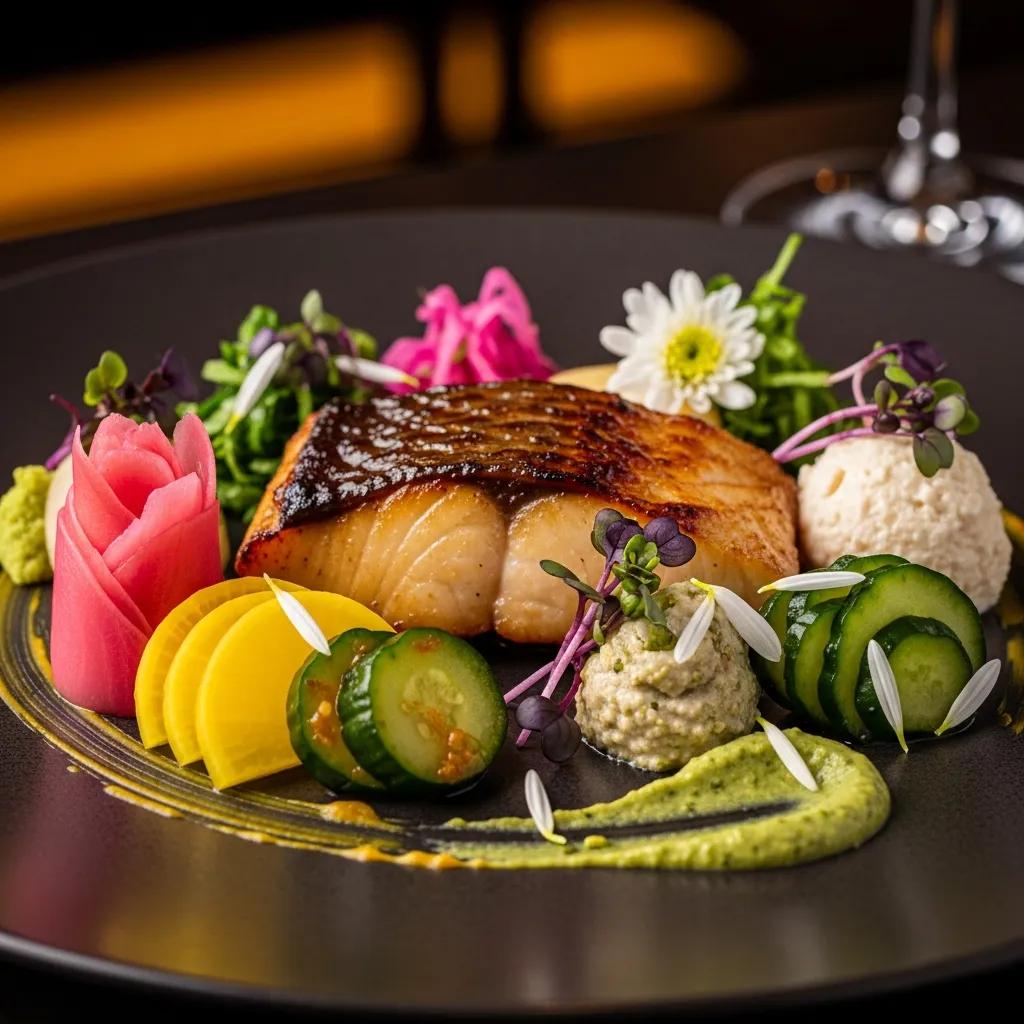
Japanese fine dining draws on time‑honored fermentation methods — lacto‑fermentation, koji cultivation and brewed ferments — to add live cultures, enzymatic activity and fermented metabolites that can positively influence digestion. Chefs weave small fermented components through an omakase sequence to introduce microbial variety across courses, pairing rich proteins with acidic, enzyme‑rich accompaniments that aid breakdown and refresh the palate. The emphasis is always quality over quantity: a precisely made miso glaze or a delicate tsukemono provides concentrated benefits without stealing the show. The table below maps common fermented components to menu items and their potential microbiome benefits to clarify how chefs and diners can work together.
The table shows how thoughtful use of fermented accents enhances digestion and balances flavor across a high‑end menu.
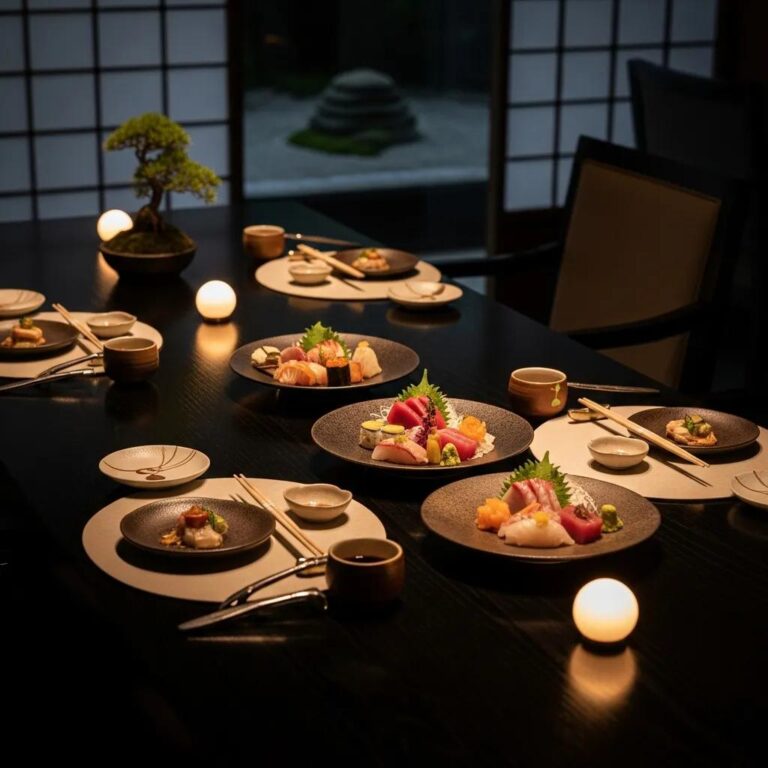
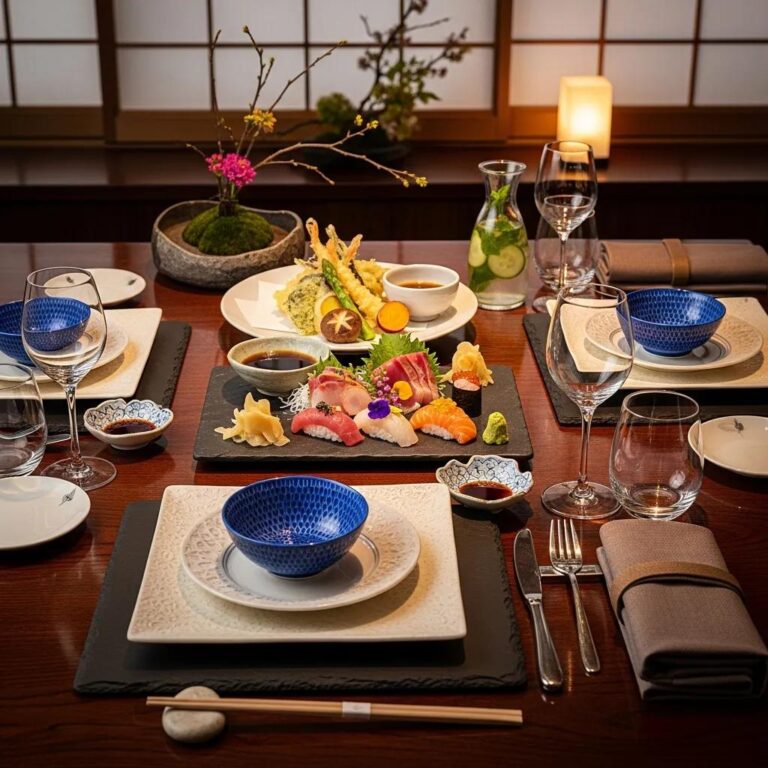
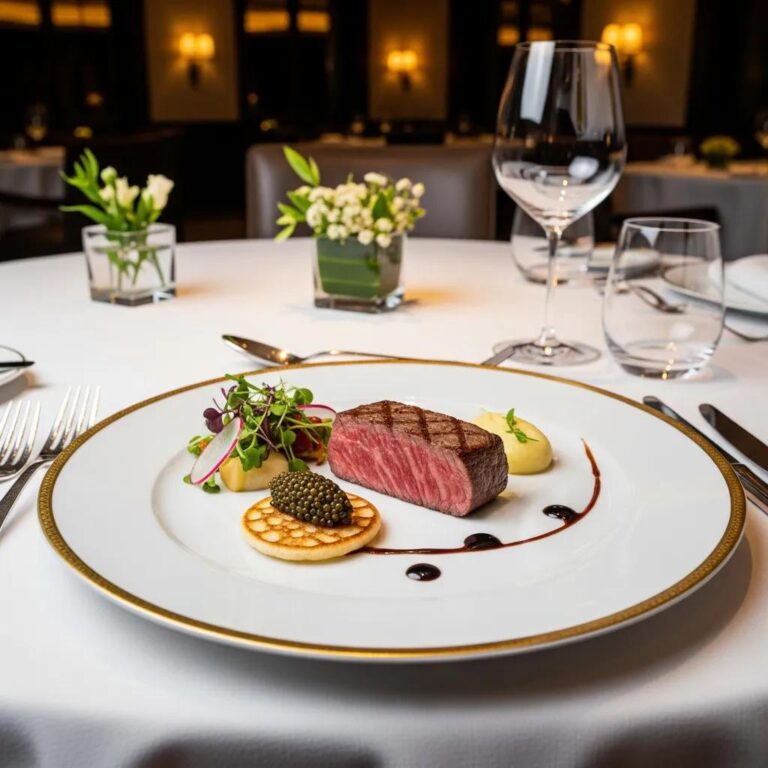
Kaviar Restaurant’s culinary profile naturally accommodates these ferments: our focus on premium ingredients and a refined Japanese tasting experience pairs well with miso, pickled vegetables and kombucha as subtle, purposeful components. Guests seeking a probiotic‑forward tasting can request fermented accents when booking so the omakase sequence highlights them. By emphasizing fermented condiments in service, the kitchen can preserve live cultures and present them in ways that complement — not compete with — luxury proteins and delicate preparations.
What Signature Fermented Dishes at Kaviar Feature Probiotic Ingredients?
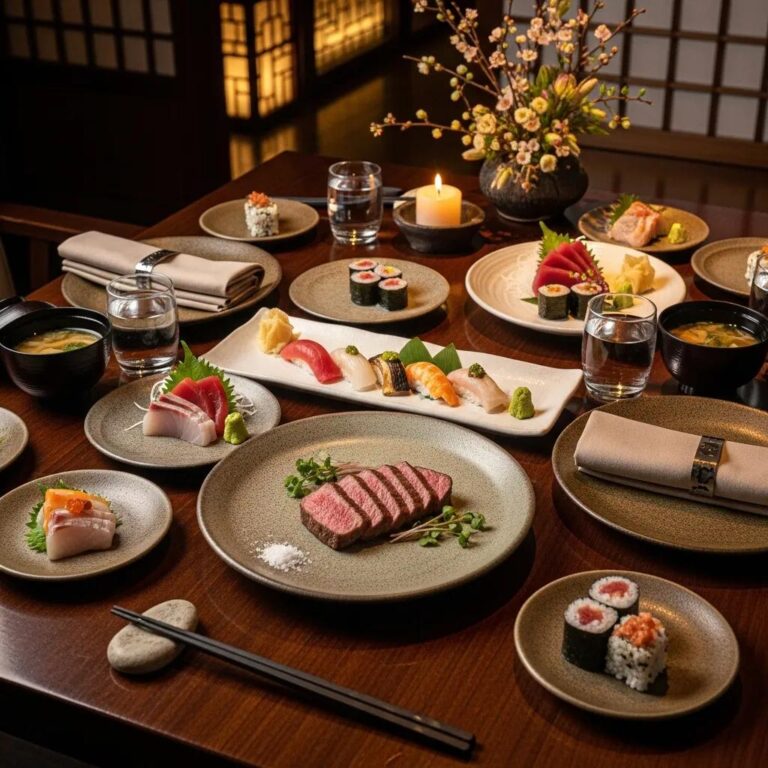
At Kaviar, fermentation appears as a supporting note rather than the headline: miso reductions, tsukemono garnishes and occasional kombucha or fermented‑tea intermezzi are integrated into our omakase, A5 Wagyu and caviar progressions. These elements are used sparingly and with intent — to amplify umami, aid digestion and broaden microbial exposure while keeping the tasting experience exclusive. If you prefer a probiotic‑focused sequence, our team can tailor the menu; the reservation phrasing below helps the kitchen plan appropriate courses. Next, we detail the specific wellness attributes of common fermented ingredients.
How Do Miso, Pickled Vegetables, and Kombucha Contribute to Wellness?
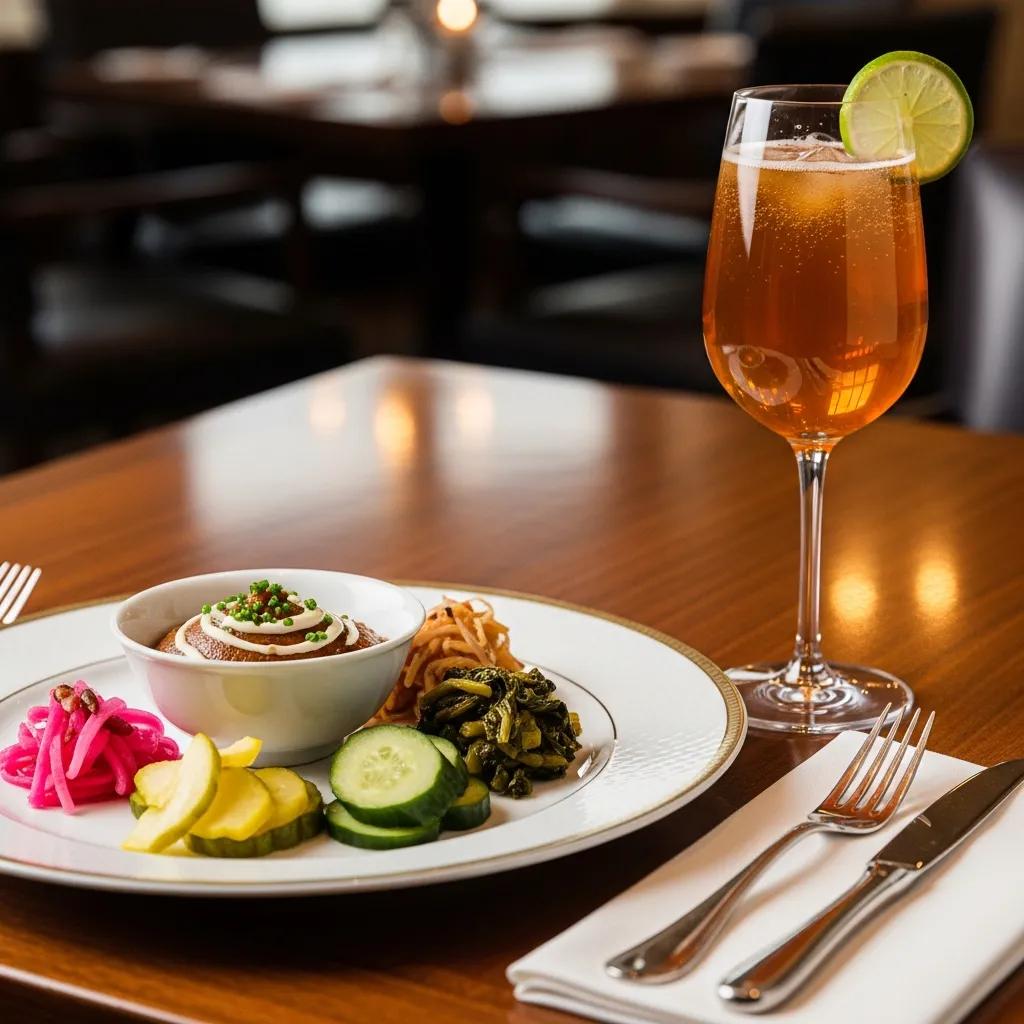
Miso brings enzymes that assist protein breakdown, plus B‑vitamins and savory glutamates that enhance nutrient perception — typically as a concentrated flavor element rather than a large probiotic dose. Tsukemono (lacto‑fermented vegetables) deliver live lactic bacteria with fiber and phytonutrients, which can support short‑term shifts in gut activity and regularity when enjoyed consistently. Kombucha contributes organic acids, polyphenol metabolites and trace live cultures from brewed tea fermentation; used as a small palate cleanser it may soothe digestion and offer complementary fermentation metabolites. In fine dining these items perform best in modest portions, contributing microbial diversity and digestive ease without overpowering delicate dishes — a point that leads into the scientific evidence below.
What Scientific Evidence Supports the Benefits of Fermented Foods for Gut Health?
Research shows that regular consumption of fermented foods can increase gut microbial diversity and beneficial metabolite production — changes associated with improved markers of digestion and immune response. Recent systematic reviews and randomized trials (2023–2024) document measurable shifts in microbiome composition and symptom relief for specific fermented products, while stressing that effects depend on strain, serving size and the food matrix. Caution is warranted: not every fermented item contains live probiotics at service, and individual responses vary with baseline diet and microbiome. The next sections explain probiotic mechanisms and summarize notable recent studies so you can weigh the evidence with nuance.
Across studies, fermented foods consistently show three benefits:
- Increases in microbial diversity with sustained intake.
- Production of short‑chain and organic acids that support gut barrier function.
- Immune modulation seen as reduced inflammatory markers in some populations.
These findings set the stage to examine how probiotics act biologically to support digestion and immunity.
How Do Probiotics Improve Digestion and Immune Function?
Probiotics from fermented foods act through several pathways: they can outcompete pathogens, produce metabolites like short‑chain fatty acids that feed colonocytes and strengthen the gut barrier, and engage gut‑associated lymphoid tissue to influence systemic immune signaling. These actions may reduce bloating, support regularity and help maintain a balanced inflammatory profile when fermented foods are part of a varied diet. For diners, practical benefits include greater postprandial comfort and improved nutrient absorption when fermented accompaniments are paired with rich proteins. While mechanisms are increasingly clear, outcomes still vary by individual and by fermented food type.
What Recent Studies Highlight Fermented Foods’ Impact on the Gut Microbiome?
Recent work from 2023–2024 offers practical takeaways. A 2023 randomized feeding trial found that daily servings of mixed fermented vegetables increased bacterial diversity and raised short‑chain fatty acid levels after eight weeks. A 2024 clinical review linked fermented dairy and vegetable intake to reduced gut inflammation markers in symptomatic groups. A 2024 pilot study on fermented tea beverages reported modest improvements in subjective digestive comfort and organic acid profiles. Together, these studies suggest that including fermented gourmet elements can diversify microbial exposure and support digestive wellbeing, provided serving size and preparation preserve active cultures when intended.
How Can You Incorporate Fermented Gourmet Foods into a Luxury Dining Experience?
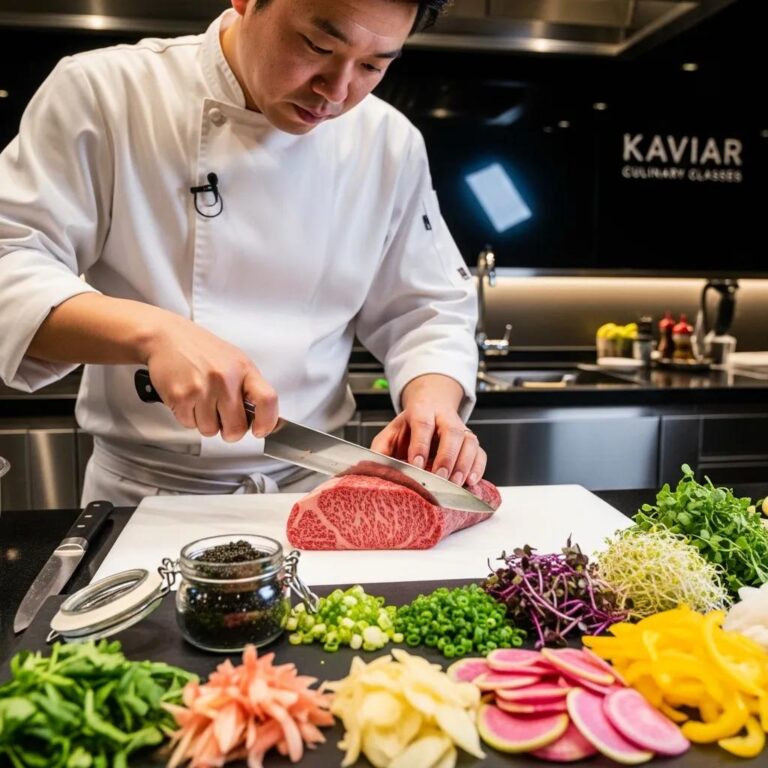
Adding fermented elements to a luxury meal is about balance: small, precisely placed accents complement rich proteins and delicate textures while keeping the meal’s refinement intact. Use ferments as contrasts — acidic tsukemono with fatty cuts, a miso lacquer to deepen umami without overwhelming, kombucha intermezzi to refresh the palate. In service, add cultured components just before plating or serve chilled ferments as tiny accompaniments to protect live organisms and texture. These practical approaches let you enjoy both gastronomic excellence and the digestive benefits of fermented cuisine. The following sections and lists offer pairing logic and reservation guidance to put these ideas into practice.
Successfully incorporating fermented elements depends on subtlety, timing and portion control so probiotic components enhance digestion and flavor without overshadowing the main course.
What Are the Health Benefits of Pairing A5 Wagyu and Caviar with Probiotic Dishes?
Pairing rich proteins like A5 Wagyu and delicate caviar with fermented sides brings both flavor harmony and digestive advantage: acidic or enzyme‑rich ferments cut perceived richness, helping the palate reset and aiding fat emulsification and digestion. Fermented condiments echo umami notes that complement Wagyu and balance caviar’s brine, creating a more rounded tasting experience. From a wellness angle, small portions of lacto‑fermented vegetables or miso‑enhanced sauces can reduce post‑meal heaviness and add micronutrients and enzymes that support absorption. Culinary execution favors micro‑portions — condiments or bite‑size garnishes — that accent the protein and support digestive comfort without diluting the luxurious centerpiece.
How to Reserve a Fermented Food Experience at Kaviar Restaurant in Pasadena?
When booking a fermented‑focused tasting at Kaviar, be clear and courteous with your request: ask for an omakase that emphasizes fermented and probiotic‑rich elements, or mention specific items like miso, tsukemono or kombucha. A simple reservation note works well: “We’d like an omakase emphasizing fermented and probiotic‑rich components (miso, pickled vegetables, kombucha).” Please state any soy or ferment sensitivities so the kitchen can prepare suitable alternatives. Reserve through Kaviar’s online booking or by phone and allow lead time for special requests — this lets our culinary team source, plan and present fermented elements thoughtfully. Clear advance communication ensures we can honor both the gastronomic and probiotic aspects of your experience.
What Are Popular Fermented Food Recipes and Their Unique Health Benefits?
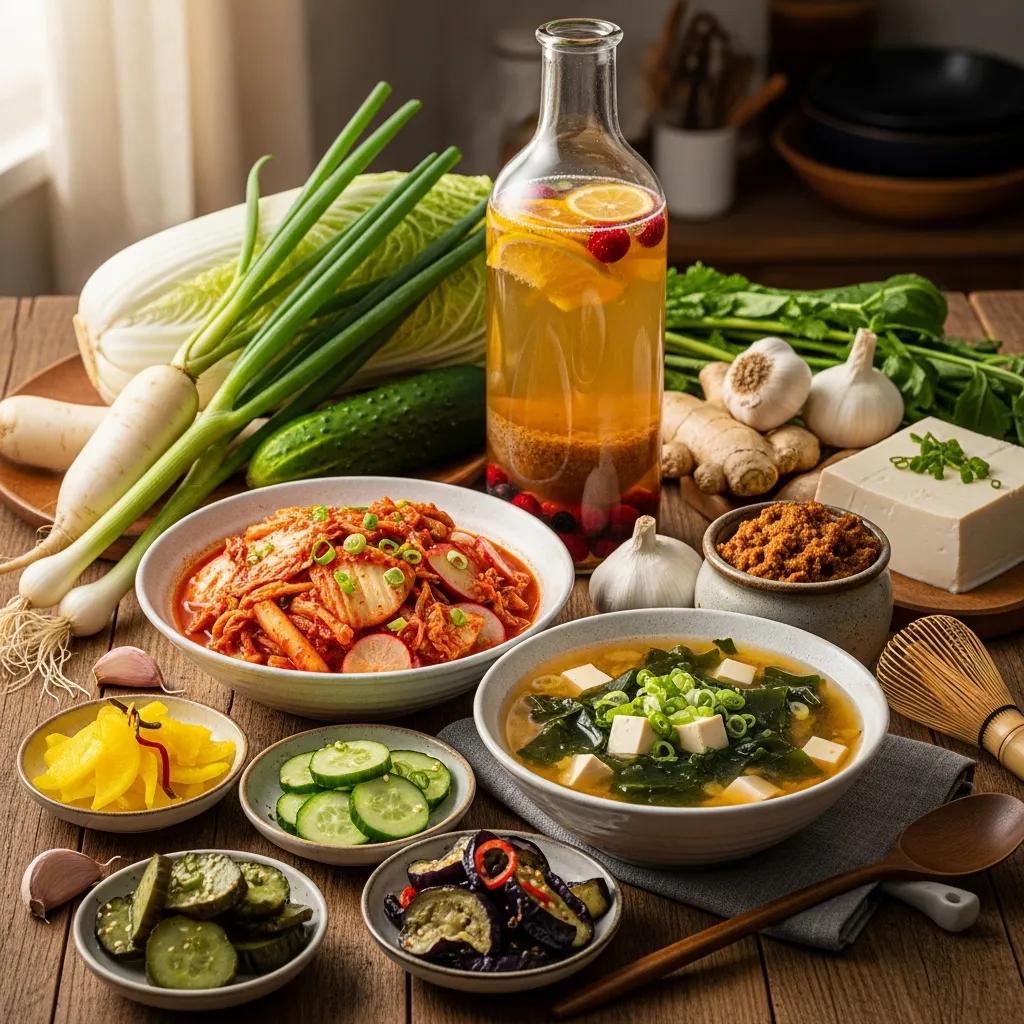
Common fermented recipes — kimchi, miso soup, tsukemono pickles and kombucha — each carry distinct microbial profiles, typical fine‑dining servings and health attributes that make them good candidates for gourmet menus. The table below compares these preparations by active microbes, suggested serving in a tasting, and their primary health contributions to help you choose items that suit both flavor and function.
What Are the Benefits of Kimchi and Other Fermented Delicacies?
Kimchi offers probiotic strains, fiber and vitamins A and C when traditionally made, bringing spice, acidity and crunch that contrast richer courses — often served as a precision garnish in fine dining. Other delicacies — natto, fermented soy preparations and gently lacto‑fermented daikon — give varied textures and microbial profiles: natto contributes distinctive enzymes, while fermented daikon adds mild acidity and crispness. These items add microbial variety, assist digestion with enzymatic activity and enhance nutrient access when used in measured portions. We recommend pairing small amounts of these ferments with rich proteins or presenting them as intermezzi to refresh the palate and promote digestive ease.
How Do Fermented Food Recipes Support Digestive Wellness?
Fermented recipes support digestion through live microbes, fermentation metabolites and enzyme activity that together help break down food and foster a resilient gut environment. Fermentation enzymes pre‑digest complex molecules, organic acids help regulate stomach pH and microbial competition, and live cultures can transiently seed the gut with beneficial strains that support regularity. Chef tips to preserve these benefits: add live ferments at plating, avoid excessive heat when live cultures are desired, and use small, repeated fermented accompaniments across courses to broaden exposure without overwhelming the diner. Home adaptations — quick lacto‑ferments or short‑brew kombucha — let you recreate artisan, probiotic‑rich elements that echo gourmet practice.
- Add fermented condiments at plating to preserve live cultures.
- Use small portions so ferments balance rich mains.
- Rotate fermented types across meals to support microbial variety.
Frequently Asked Questions
What types of fermented foods are best for beginners?
Begin with milder options: yogurt, kefir and sauerkraut are approachable and easy on the palate. Yogurt and kefir deliver familiar live cultures, while sauerkraut adds fiber and a gentle tang. As you grow comfortable, explore more complex flavors like kimchi or miso to expand both taste and benefit.
How can I tell if a fermented food is still alive with probiotics?
Look for labels that say “live cultures” or “contains probiotics,” and favor refrigerated products that haven’t been heat‑treated. Tangy aroma and light effervescence are signs of active fermentation. For homemade ferments, a cautious taste test can indicate freshness — but when in doubt, follow safe preparation and storage practices.
Are there any risks associated with consuming fermented foods?
Fermented foods are generally safe, but some people may experience digestive upset when they first increase intake. Individuals with histamine sensitivity or compromised immune systems should consult a healthcare provider before adding fermented products. Proper preparation and storage are important to avoid contamination and foodborne risk.
Can fermented foods help with specific digestive issues?
Fermented foods can help manage certain digestive complaints by supporting a balanced gut environment; some people see reduced bloating or improved regularity. Responses vary, so introduce ferments gradually and monitor how your body reacts, especially if you have a diagnosed condition.
How do I incorporate fermented foods into my daily diet?
Start small: add yogurt or kefir at breakfast, include a side of sauerkraut or tsukemono with a meal, or use miso in dressings and marinades. Try kimchi as a topping for rice or noodles. Increase variety and portion size slowly to let your digestive system adapt.
What is the best way to store homemade fermented foods?
Store homemade ferments in airtight glass jars in the refrigerator to slow fermentation and preserve cultures. Keep solids submerged in brine, check for off‑smells or visible mold, and consume within a few weeks for peak flavor and probiotic content. Proper storage maintains both taste and benefit.
Conclusion
Fermented gourmet foods bring both layered flavor and thoughtful digestive support when used with intention. Ingredients like miso, tsukemono and kombucha can elevate taste while contributing enzymes, microbes and fermentation metabolites that assist digestion. Embrace fermentation as a complementary element in fine dining — and if you’d like a probiotic‑forward omakase, tell us when you reserve. We look forward to crafting a balanced, memorable tasting that honors both flavor and wellbeing.