





The New Nordic Cuisine Movement Explained: Principles, Trends, and Fine Dining Experiences
New Nordic Cuisine reframes Scandinavian cooking around season, place and a practiced simplicity that brings terroir to the forefront. This piece unpacks the movement—why chefs and diners prize local sourcing and sustainability, which techniques and ingredients define the style, and how those ideas translate into contemporary fine dining. You’ll find a clear breakdown of core principles, signature ingredients and methods, a comparison with Japanese omakase, and concrete examples of how a luxury restaurant might fold Nordic thinking into an omakase tasting. The overview follows recent trends—wild foraging, fermentation and hyper-seasonal menus—then shows how those approaches work alongside premium ingredients and meticulous presentation. We also outline how a luxury Japanese restaurant can borrow Nordic principles to shape a distinctive guest journey and where diners should look for menus and reservations.
What defines the New Nordic Cuisine movement and its core principles?
At its heart, New Nordic Cuisine is a conscious culinary philosophy: local ingredients, strict seasonality, pared-back technique and ecological responsibility. The movement emerged as a response to globalized, commodity-driven cooking and asks chefs to source close to home—wild herbs, small growers and short supply chains—then to elevate those ingredients with restraint. Expect bright acidity, concentrated umami from preservation, and textures that celebrate origin rather than heavy sauces. Those values explain why tasting menus shift often and why provenance is central to the guest story. The sections that follow explain how local sourcing operates in practice and why sustainability is a pillar for New Nordic kitchens.
Four guiding principles shape menu design and the guest experience in New Nordic kitchens:
- Local sourcing: favor ingredients harvested or produced within a defined region.
- Seasonality: design sequences around each ingredient’s peak flavor window.
- Foraging and preservation: use wild herbs, smoking, pickling and fermentation to extend and amplify taste.
- Simplicity and craft: minimal embellishment so terroir and technique remain the focus.
These ideas determine kitchen workflows and how teams talk about the menu with guests. The next subsection drills into sourcing logistics and seasonal calendars that put these principles into action.
How does New Nordic Cuisine emphasize local and seasonal ingredients?
Emphasizing local and seasonal produce means menus are built around regional harvest schedules and close relationships with growers, fishers and foragers. Kitchens map availability month by month—early spring brings wild herbs, summer yields berries and tender greens, and late autumn highlights roots and preserved proteins—so each course captures a specific seasonal moment. Tight sourcing reduces transport, improves traceability and supports small producers, all while concentrating flavor and lending provenance to the plate. Chefs commonly rotate tasting sequences weekly and use small-batch preserved elements to bridge seasons and maintain a consistent house identity. These sourcing mechanics lead naturally into conversations about preservation and sustainability.
What role does sustainability play in Nordic food culture?
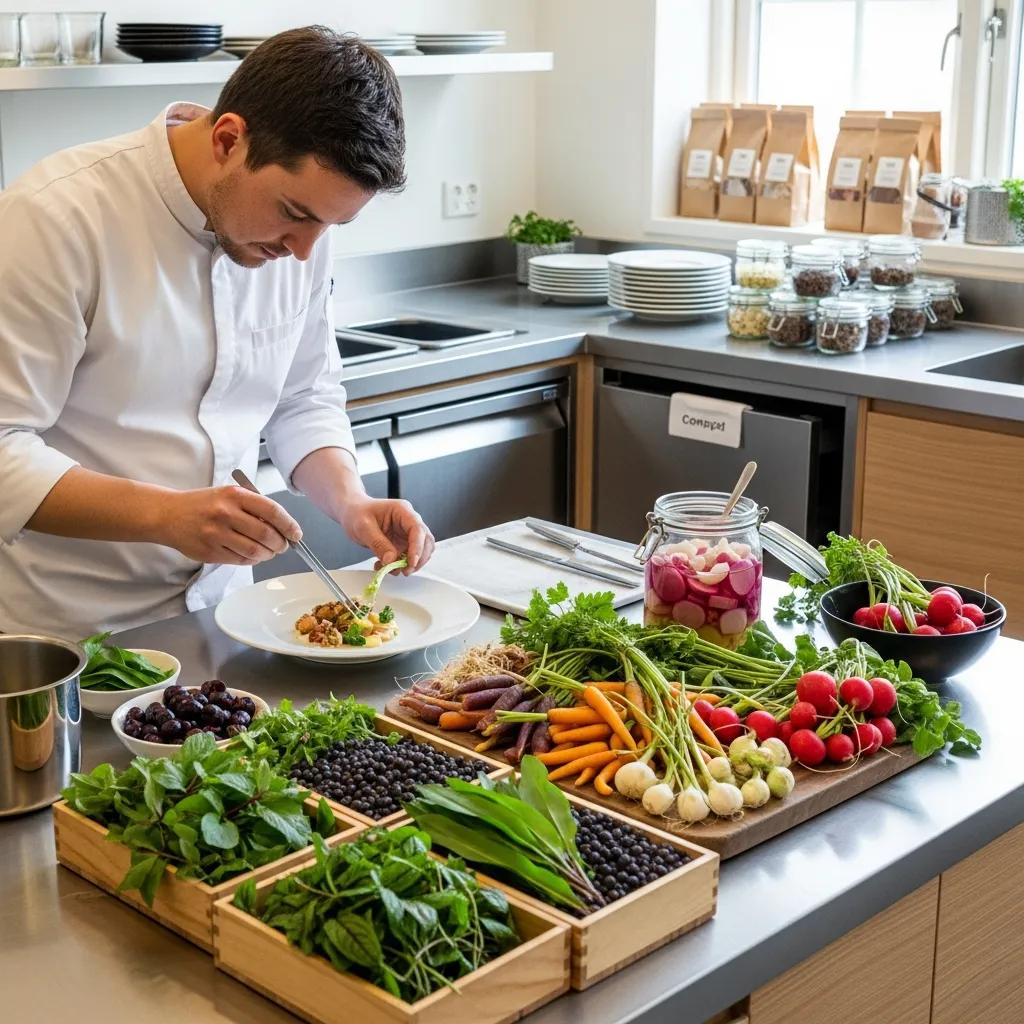
In Nordic kitchens, sustainability is both ethic and creative constraint: it guides decisions on protein sourcing, regenerative farming and waste reduction through careful preservation and nose-to-tail use. Techniques like smoking, curing and controlled fermentation lengthen the life of short-season items and reduce spoilage while adding depth of flavor. On the supply side, partnerships with certified fisheries, small-scale livestock producers and community-supported agriculture strengthen local economies and make provenance verifiable. For diners, knowing a dish supports regenerative practice often raises its perceived value and justifies a premium. These sustainability commitments also shape the ingredient palette you’ll see on the menu.
Restaurants translate sustainability into tangible practices such as:
- Collaborating with regional producers to shorten supply chains and improve traceability.
- Prioritizing low-impact proteins and plant-forward, seasonal dishes.
- Using preservation techniques to reduce waste and stabilize menu quality.
Those approaches produce resilient menus with meaningful guest narratives while keeping culinary standards high. Next, we turn to the ingredients and techniques that make these principles visible on the plate.
Which signature ingredients and culinary techniques characterize modern Nordic cooking?

Modern Nordic cooking centers a concise set of ingredients—wild berries, seaweeds, root vegetables, cured game and coastal fish—and pairs them with techniques such as fermentation, smoking, pickling and light seasoning to highlight terroir and texture. Chefs use these methods to concentrate umami, balance acidity and shape long tasting progressions that echo seasonal cycles. The result favors precise seasoning and layered preservation flavors over heavy reductions, producing dishes with a clean, crystalline profile in which each element remains readable. Below is a practical table comparing common Nordic ingredients, their uses and seasonal notes.
The following table compares hallmark Nordic ingredients, their typical culinary uses, and seasonal or flavor notes.
What are typical Nordic ingredients like sea buckthorn and reindeer?
Key Nordic ingredients—cloudberry and sea buckthorn, reindeer and coastal seaweeds—anchor dishes in place and season. Sea buckthorn brings sharp, citrusy acidity to cut through fat and brighten oily seafood or cured meats; reindeer offers lean, deeply flavored protein often roasted or cured and paired with preserved berries; seaweeds supply a marine umami backbone for broths and finishing salts, tying land and sea together. Sourcing favors small-batch harvests and certified suppliers when possible, and chefs often balance these bold elements with mild dairy or smoked grains to temper intensity and add texture. These profiles show how flavor, seasonality and provenance interlock in Nordic cuisine.
How do modern Nordic cooking techniques innovate traditional Scandinavian gastronomy?
Contemporary Nordic technique blends revived preservation skills with lab-informed fermentation, controlled anaerobic pickling and precision smoking. Research-oriented kitchens experiment with enzyme-driven tenderization, novel starter cultures and low-temperature smoking to refine texture without blurring origin. These methods let chefs turn modest regional products into layered tasting components—fermented barley for umami, vacuum-aged fish for a delicate mouthfeel—while keeping provenance clear. The result is a cuisine that leans on ancestral knowledge and modern food science to extend seasonality, deepen flavor and deliver consistent dining experiences. With that groundwork, we can fairly compare Nordic methods to Japanese omakase in the next section.
A short list summarizes the techniques that define modern Nordic innovation:
- Fermentation: builds complex umami and preserves seasonal abundance.
- Controlled smoking: adds aromatic depth while preserving ingredient clarity.
- Precision pickling: stabilizes acidity and extends shelf life with balanced flavor.
These preservation techniques broaden seasonal offerings and inform tasting-sequence design. The following section maps how Nordic approaches relate to Japanese fine dining and omakase traditions.
How does New Nordic Cuisine compare with Japanese fine dining and omakase experiences?
New Nordic Cuisine and Japanese fine dining share a common respect for provenance, seasonality and careful restraint, though they differ in service model and flavor vocabulary. Both traditions build sequences that move from cleansing acids to umami development and textural contrast, but omakase privileges immediate seafood freshness and chef-directed service while New Nordic often foregrounds preserved elements and terroir storytelling. Technically, Nordic cooking leans on fermentation and smoking to craft layered umami over time; Japanese cuisine centers precise raw technique, dashi-based umami structures and subtle temperature control. The table below frames these philosophical and technical contrasts side by side.
What similarities exist between Nordic culinary innovation and Japanese omakase?
Both New Nordic and Japanese omakase place the ingredient center stage, sequencing courses to reveal seasonal arcs and balance taste, texture and temperature. Chefs in both traditions maintain rigorous mise-en-place and long-term supplier relationships so menus remain responsive and exacting. Storytelling through courses is essential: each plate reads as a chapter, paced to reset the palate and prepare what follows. Whether fermenting barley or aging fish, techniques are applied with restraint to enhance—not mask—the ingredient’s voice. Those shared foundations make thoughtful cross-cultural fusion achievable while respecting each cuisine’s roots.
How do presentation and ingredient quality align in both cuisines?
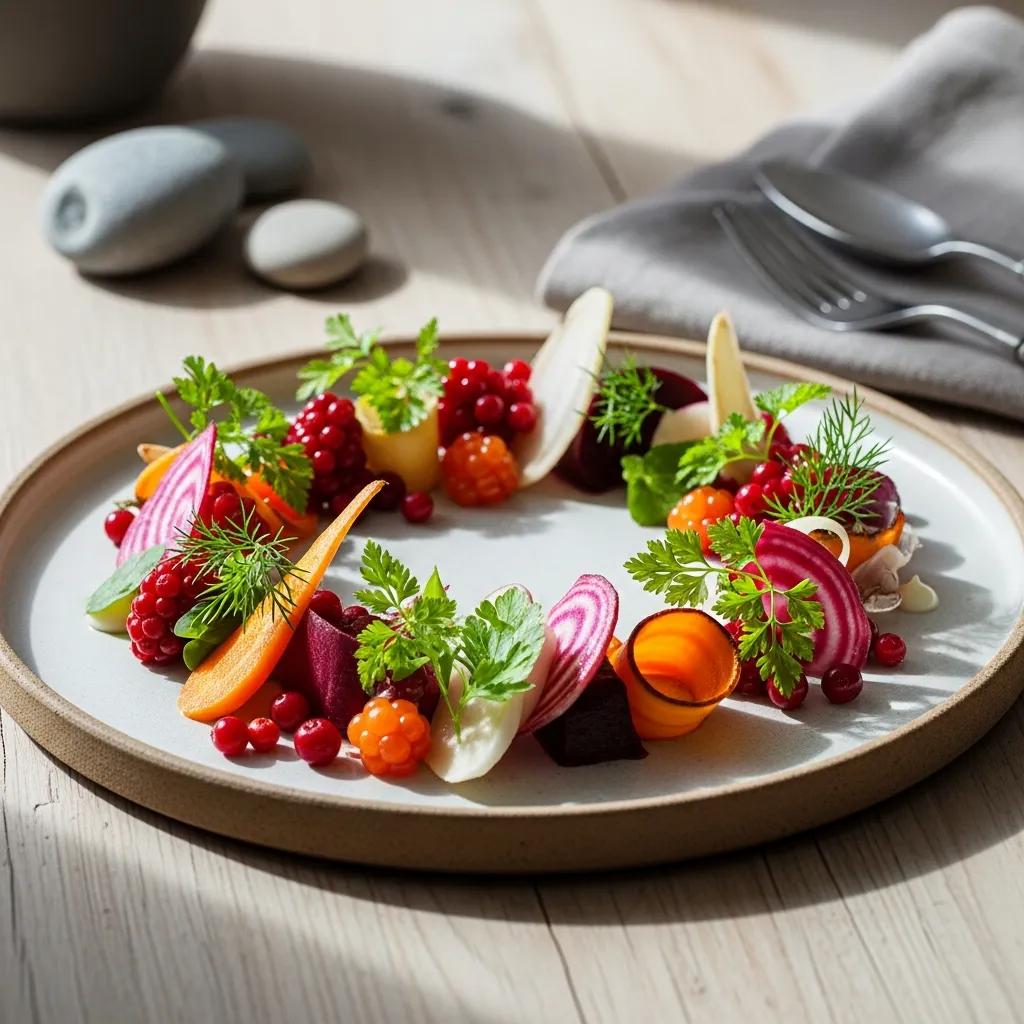
Presentation in New Nordic and Japanese fine dining favors minimal, intentional plating that highlights texture, color and provenance. Quality standards are exacting: single-origin seafood and top-tier proteins receive meticulous handling to preserve freshness and structure. Visual composition often echoes natural landscapes—stark ceramics and raw wood in Nordic plating, seasonal motifs in Japanese presentation—each reinforcing the sensory narrative. This alignment explains why premium ingredients and precise technique are central to memorable tasting experiences; next, we look at how a luxury Japanese restaurant might translate these ideas.
Key presentation priorities both traditions share include:
- Minimal, deliberate plating that emphasizes texture and color.
- Strict provenance standards for seafood and proteins.
- Plate design that communicates seasonality and narrative.
These priorities create a direct visual and gustatory link between ingredient quality and guest expectation. The next section examines a concrete application at a luxury venue.
How does Kaviar Restaurant incorporate New Nordic Cuisine principles into its luxury dining?
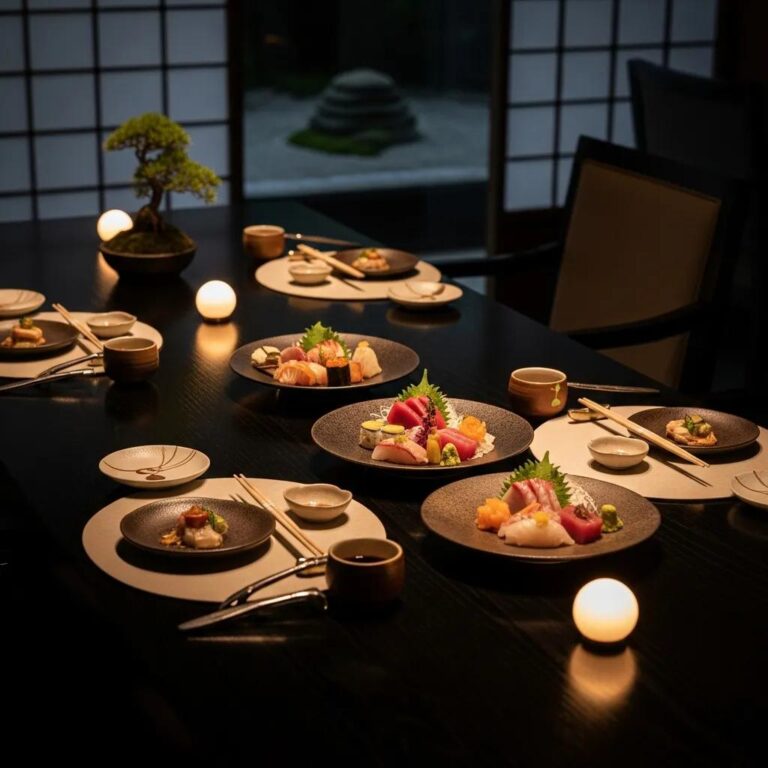
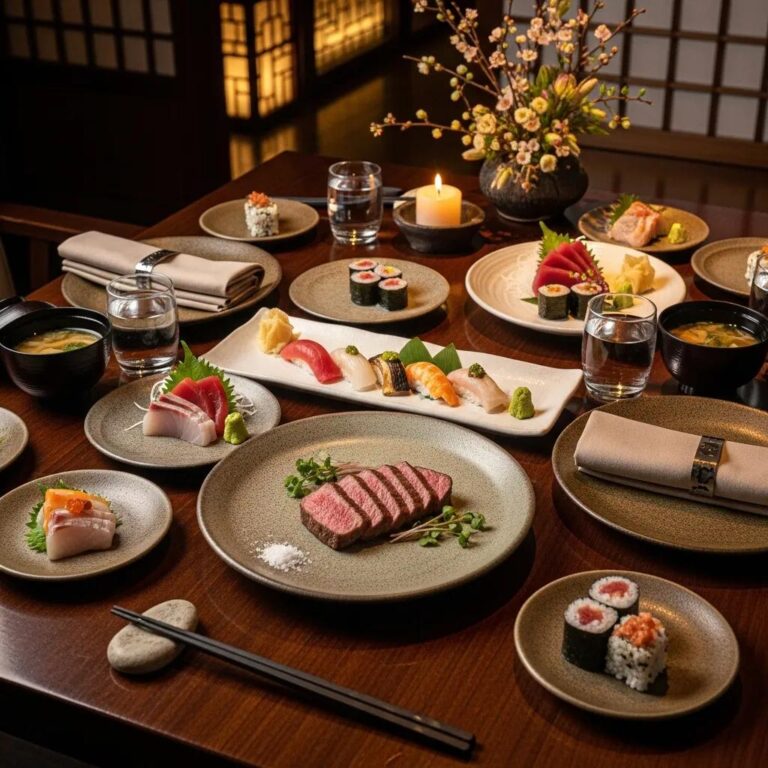
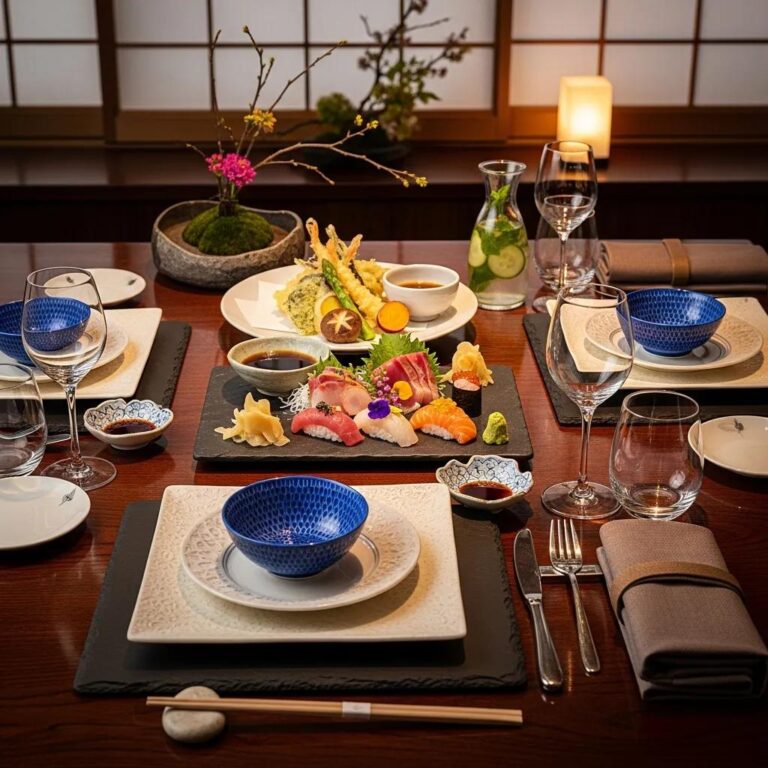
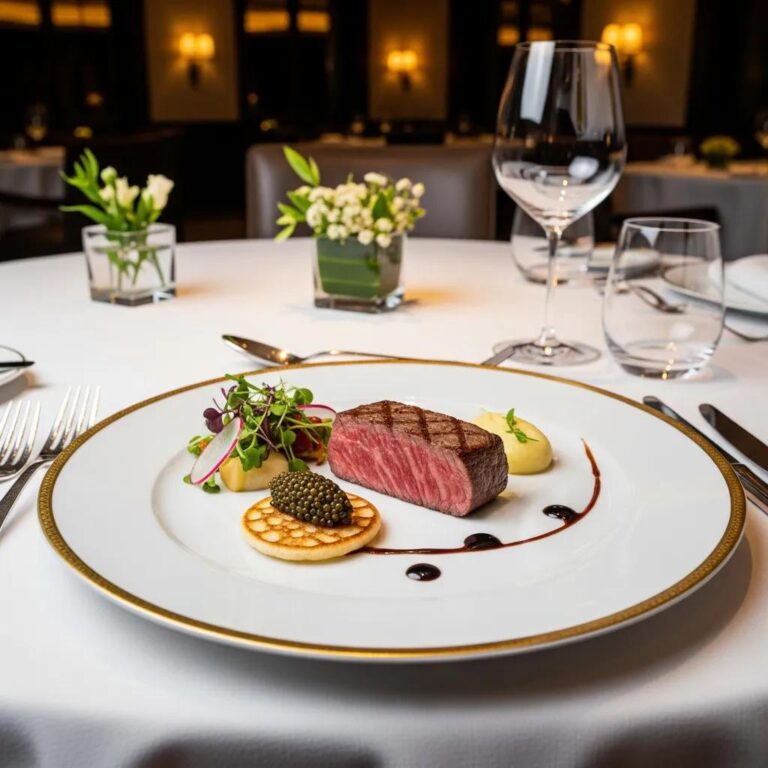
Kaviar Restaurant is a luxury Japanese dining destination in Pasadena, specializing in omakase and premium ingredients such as A5 Wagyu and caviar. Here, Nordic principles—seasonal sourcing, minimal intervention and preservation-forward thinking—are adapted to an omakase format through foraged or regionally sourced garnishes, measured preservation techniques and tasting sequences that stress provenance. The kitchen balances immediate, chef-led seafood service with curated preserved elements that add depth across a multi-course progression, creating a hybrid that honors Japanese craft while nodding to Nordic terroir. For current offerings and booking, consult Kaviar’s menu and reservation pages for the latest tasting sequences and availability.
To clarify how kitchen and front-of-house coordinate, the table below links representative menu elements to Nordic principles and guest considerations.
What is Kaviar’s approach to culinary innovation blending Nordic and Japanese influences?
At Kaviar, the approach centers on chef-led curation: Japanese technique—knife work, temperature control and timing—meets Nordic-inspired sourcing and preservation accents to broaden texture and flavor. A tasting might open with pristine raw seafood prepared in Japanese fashion and later introduce lightly cured or smoked local elements to extend the seasonality narrative. Small-batch preserved condiments recur across the progression, creating thematic links between courses. This hybrid respects omakase’s real-time choices while ensuring each plate communicates place and sustainable sourcing. For the latest tasting sequence, please see our menu and reservation pages.
Which premium ingredients like A5 Wagyu and caviar highlight Kaviar’s menu?
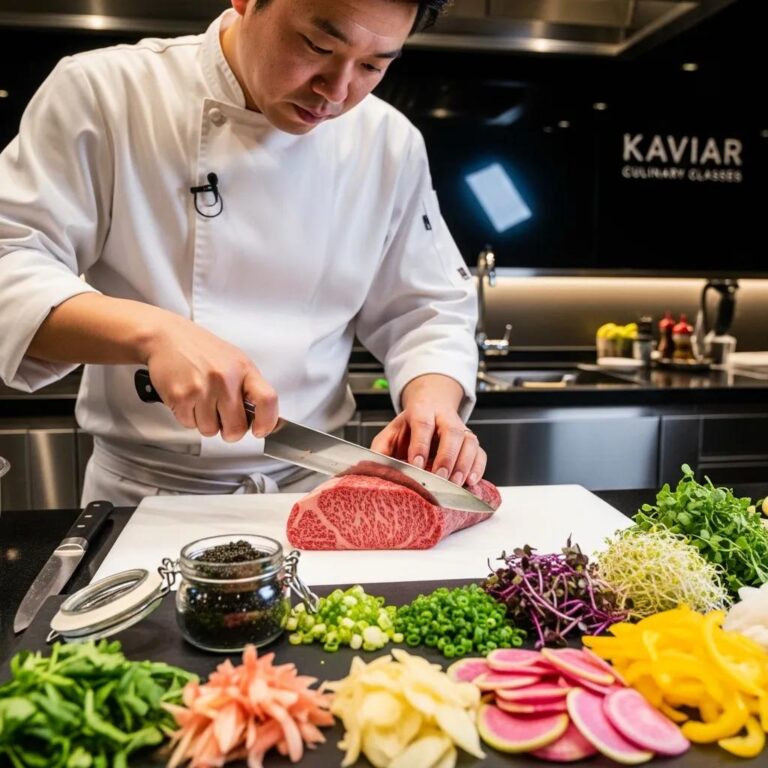
A5 Wagyu and caviar function as high-impact punctuation within a tasting sequence, amplifying texture and umami while aligning with Nordic values of provenance and reverence for ingredients. A5 Wagyu offers a buttery marbling that pairs beautifully with acidic or lightly fermented condiments; caviar provides saline pop and luxurious contrast against seafood or premium beef. Used sparingly, these elements elevate the progression without crowding seasonal foraged components. Guests planning a visit should consult the menu page for current inclusions of these items and the reservation page for tasting availability.
This discussion keeps the focus practical—where to confirm offerings and how to reserve a tasting. The next section explains what guests can expect during a Nordic-inspired omakase at a luxury venue.
What can diners expect from the Nordic-inspired fine dining experience at Kaviar?
Expect a carefully paced, multi-course tasting that blends omakase service rituals with Nordic sensibilities: hyper-seasonal components, preserved accents and a clear provenance narrative. The sequence typically alternates fresh, temperature-sensitive courses with concentrated preserved or smoked bites that reset the palate and underscore place-based flavors. Service is attentive and informative, with staff or the chef sharing supplier notes and seasonal context for each course. Limited seatings, a deliberate tasting cadence and seasonal rotations mean guests should review the restaurant’s menu and reservation pages to align expectations with current offerings.
Guests can also anticipate several hallmarks in this hybrid model:
- A tasting progression that highlights peak-season ingredients and preservation interplay.
- Chef-led pacing with selective interactive moments.
- Premium finishing touches (for example, caviar or Wagyu) used as course highlights.
Those expectations shape how reservations are handled and how diners prepare for the experience. The following subsections outline reservation logistics and describe signature dish concepts without inventing present menu items.
How does the reservation process enhance the luxury dining journey?
A thoughtful reservation process reinforces the exclusivity and timing of omakase-style service by aligning kitchen prep with arrival times and dietary needs. Advance bookings let the kitchen source peak-season items and prepare limited small-batch preserved components. Pre-dining communication—about allergies, preferences or celebrations—helps the team tailor pacing and highlight premium elements like A5 Wagyu or caviar. Guests should consult the reservation page for current booking procedures and available seating windows to ensure the intended multi-course journey is delivered as designed.
What signature dishes showcase the fusion of New Nordic and Japanese gastronomy?
Signature concepts bridge contrast and continuity: a pristine raw seafood bite finished with a whisper of sea buckthorn gel for bright acidity; a lightly smoked root vegetable paired with clean dashi to link land and sea; or a thin slice of premium beef accented with pickled berry relish to balance richness. Each concept keeps the primary ingredient legible while allowing preservation and fresh technique to interact. For current examples and to see these ideas realized, check the menu page for the latest tasting compositions and the reservation page for availability.
A short list summarizes the guest-facing hallmarks of these signature dishes:
- Clear ingredient focus with one dominant flavor driver per course.
- Deliberate interplay between fresh and preserved components.
- Textural contrast designed to refresh the palate between bites.
Frequently Asked Questions
What are the benefits of foraging in New Nordic Cuisine?
Foraging uncovers unique seasonal ingredients—wild herbs, mushrooms, berries—that commercial channels rarely supply. These elements add distinct flavors and deepen a restaurant’s sense of place. For chefs, foraging builds a stronger relationship with the local environment and supports more sustainable sourcing. For guests, foraged items carry stories of origin, enriching the dining experience and connecting each dish to its landscape.
How does New Nordic Cuisine influence dining trends globally?
New Nordic Cuisine has pushed sustainability, local sourcing and seasonality into the mainstream. As diners grow more interested in where their food comes from, restaurants worldwide adopt similar principles: hyper-local menus, foraging practices and preservation techniques. The movement’s restrained aesthetics and emphasis on flavor integrity also resonate with diners seeking authentic, intentional experiences, encouraging a broader shift toward mindful dining.
What role does fermentation play in New Nordic cooking?
Fermentation is central: it builds complex umami, introduces balanced acidity and extends the shelf life of seasonal produce. Fermented vegetables, grains or fish are used as accents that add layered flavor to tasting menus. Fermentation also supports sustainability by reducing waste and maximizing the use of available harvests, making it a practical and flavorful tool in modern Nordic kitchens.
How do New Nordic principles apply to dessert offerings?
Nordic principles translate to desserts through seasonal fruit, local dairy and restrained presentation. Foraged berries, herb accents and fermented fruit purees can create refreshing, terroir-driven desserts. The emphasis is on simplicity and clarity—desserts that conclude a meal by reflecting region and season rather than overpowering it.
What are some challenges faced by chefs in implementing New Nordic Cuisine?
Challenges include consistent access to high-quality seasonal ingredients and the variability that comes with local sourcing. Menu planning becomes more complex when relying on small producers and foragers. Sustainability practices and specialized preservation techniques can demand more resources and training. Finally, educating diners about the movement’s values—so they understand seasonal shifts and limited availability—is an ongoing task for chefs and front-of-house teams.
How can diners support the New Nordic Cuisine movement?
Diners can support the movement by choosing restaurants that prioritize local sourcing, sustainability and seasonal menus. Asking about ingredient origins, attending foraging events or learning from chef-led workshops helps deepen appreciation. Supporting small-scale producers and advocating for sustainable practices also strengthens the local food systems that New Nordic Cuisine depends on.
Conclusion
New Nordic Cuisine offers a vivid, place-driven dining experience grounded in local sourcing, strict seasonality and careful preservation. Understanding its principles and techniques reveals the craft behind each plate and the stories of the ingredients. To experience these ideas firsthand, visit a restaurant that embraces these values and offers a thoughtfully composed tasting menu—your next memorable meal may well be shaped by season and soil.