




Haute Cuisine Through the Ages: From Royal Banquets to Today’s Chef-Driven Tables
Haute cuisine is a deliberate craft where technique, provenance, presentation and ritual come together to create meals that tell stories and reveal care. This article traces fine dining’s path—from court kitchens and guilds to public restaurants and modern culinary schools—and shows how chef-led creativity, sustainability and tasting menus define the table today. You’ll learn the origins and milestones that shaped restaurant culture, how techniques and luxury ingredients like A5 Wagyu and caviar entered contemporary menus, and why that history still matters to diners and chefs. Many guests find tasting menus, provenance claims and formal-service rituals hard to read; this guide offers practical frameworks to decode menus, appreciate technique and spot historical threads in current restaurants. Below we map origins, provide a clear timeline, outline today’s trends and explain how dining moved from courtly spectacle to contemporary theatrical service.
We weave together context—from royal banquets and court kitchens to omakase and tasting menus—and include concrete examples of how chef-driven restaurants translate history into atmosphere and sequence. Clear lists and tables make the timeline and trend comparisons easy to scan, while short case notes show how upscale Japanese fine dining in Pasadena balances ritual with innovation. Expect direct, actionable takeaways to help you read provenance, pace a tasting menu and book more intentionally for an elevated meal.
Where Did Fine Dining Begin?
Fine dining emerged where concentrated wealth and ritual met skilled food production: royal courts, religious feasts and professional guild kitchens that turned cooking into a regulated craft. Patronage and ceremonial expectation drove chefs to pursue spectacle and novelty, which in turn codified techniques and formal service patterns. A useful takeaway is that many modern elements—hierarchical service, multi-course sequencing and ingredient rarity—are legacies of courtly display and still shape the sensory stories restaurants tell today. Seeing those roots makes it easier to understand why tasting menus read like performances rather than simple dinners and why provenance and presentation carry weight. That background also shows how later public restaurants adapted courtly values into commercial formats.
The sections that follow examine how royal banquets influenced early haute cuisine and which traditions and guild systems formalized technique and presentation.
How did royal banquets shape early fine dining?
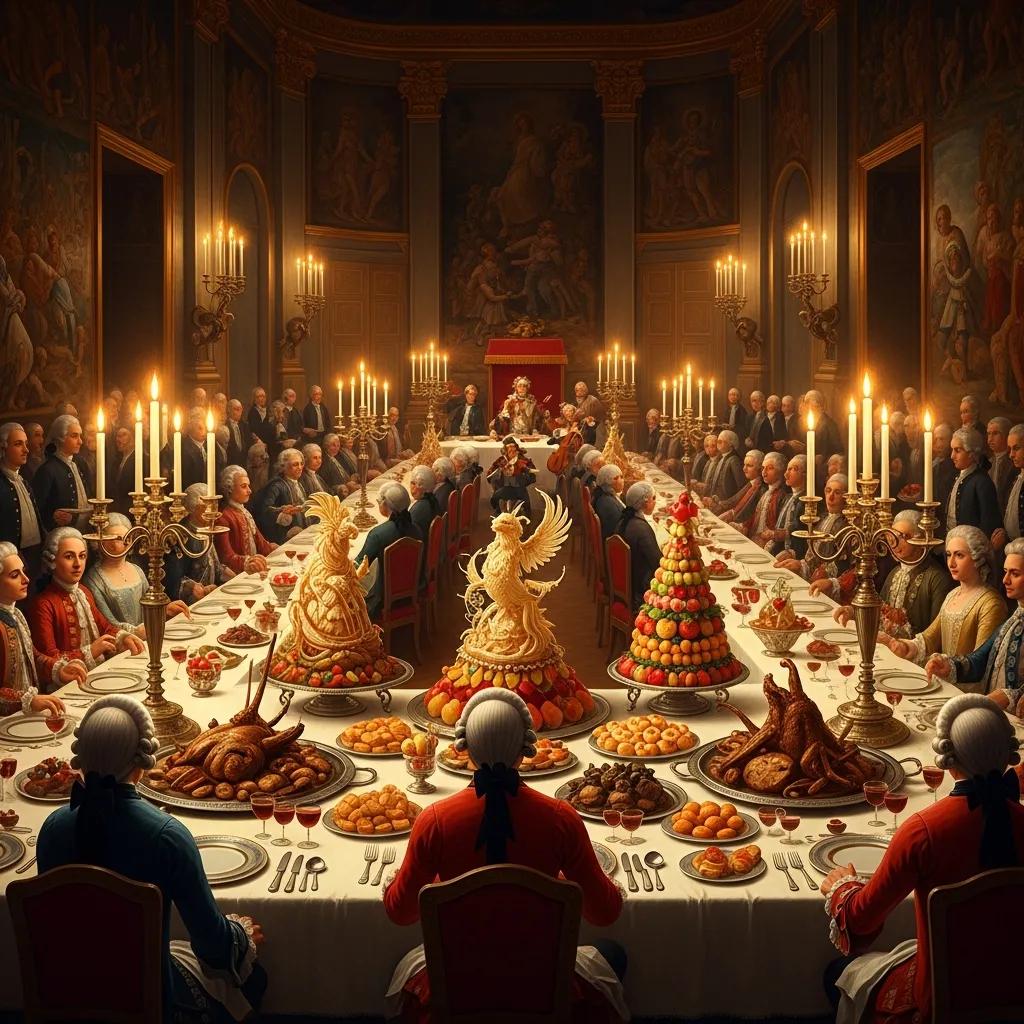
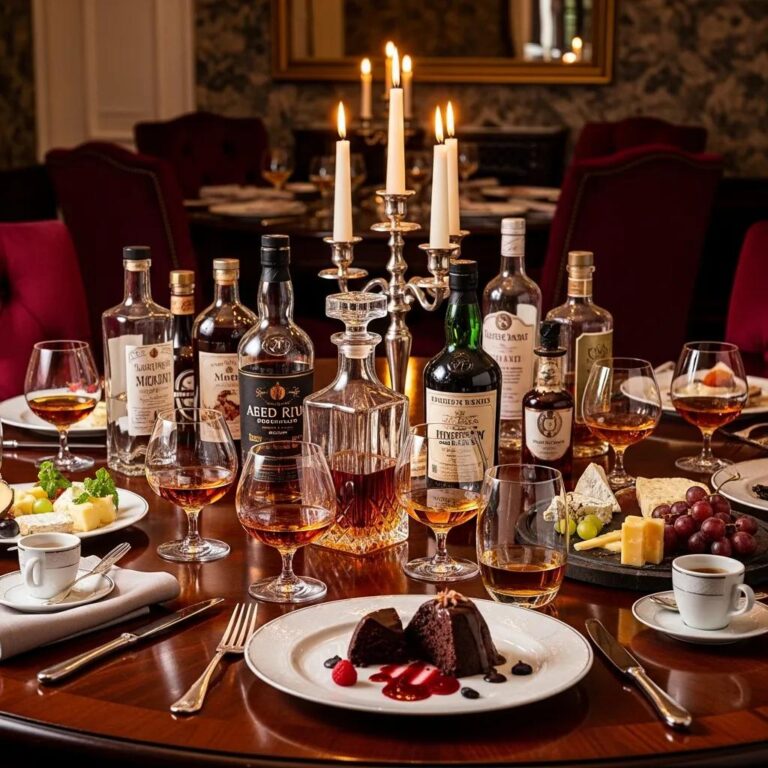
Royal banquets operated as public theater where food signaled wealth, diplomacy and technical skill: processions, elaborate presentation and timed courses reinforced social hierarchy. Court chefs experimented with rare spices, sugar sculpture and complex sauces because patrons rewarded novelty and spectacle, which established standards of service and mise-en-scène. The result is that today’s tasting menus still borrow a language of surprise, crescendo and reveal to guide attention and heighten perceived value. Recognizing that lineage explains why coordinated server teams and sequential dish presentation remain central to haute cuisine.
This emphasis on spectacle and patronage leads naturally to the cultural traditions and guild systems that preserved technique and spread culinary knowledge.
Which cultural traditions shaped haute cuisine?
Regional systems—most notably French classical cuisine and Japanese kaiseki—offered repeatable methods for composition, balance and service that became templates for haute cuisine worldwide. Culinary guilds and apprenticeship networks preserved and transmitted recipes, sauces and service rituals, turning practice into codified standards and professional training. The benefit is clear: methods born from local produce and ritual (for example, French mother sauces or Japanese seasonal sequencing) gave chefs reliable tools to craft high-level dishes. Trade, diplomacy and migration then mixed these traditions, creating hybrid approaches now common on tasting menus and in omakase practice.
Understanding these structured traditions clarifies how later developments—public restaurants, culinary schools and global ingredient exchange—accelerated fine dining’s evolution.
How did culinary evolution shape fine dining over time?
Fine dining evolved through professionalization, globalization and technical innovation, shifting emphasis from mere spectacle to precise technique and ingredient quality. Chefs gained institutional education, preservation and transport technologies improved, and global trade widened ingredient access; together these changes let restaurants combine exacting technique with rare ingredients and consistent quality. That transition moved haute cuisine from exclusive court tables to public restaurants, where tasting menus and critical systems crystallized chef reputation and culinary standards. Knowing this arc helps diners see how patronage gave way to reputational systems and technique-driven expectations.
Below is a concise timeline of key milestones and a simple table that clarifies turning points and their lasting impact on contemporary fine dining.
Key milestones in the culinary evolution timeline
Several turning points transformed how fine dining looks and functions today, each changing institutions, technique or access.
- 16th–17th centuries — Court kitchens professionalize: Specialized roles and standard recipes codify technique.
- 18th century — Public restaurants appear: Dining becomes a commercial, social activity beyond the aristocracy.
- Late 19th century — Culinary codification: Escoffier and peers standardized service, sauces and kitchen hierarchy.
- 20th century — Globalization and refrigeration: Ingredients travel farther and preservation enables consistent menus.
- Late 20th–21st centuries — Chef-driven dining and tasting menus: Narrative dining, technical innovation and critique systems reshape prestige.
These milestones trace an arc from ceremony and patronage to reproducible technique and experiential storytelling that define contemporary fine dining.
Below table compares era, region and impact for quick reference.
This view highlights how each era contributed practices—from service hierarchy to global sourcing—that chefs adapt to shape today’s haute cuisine.
The next subsection looks at how specific techniques and ingredients changed menu design and expectations.
How did techniques and ingredients transform haute cuisine?
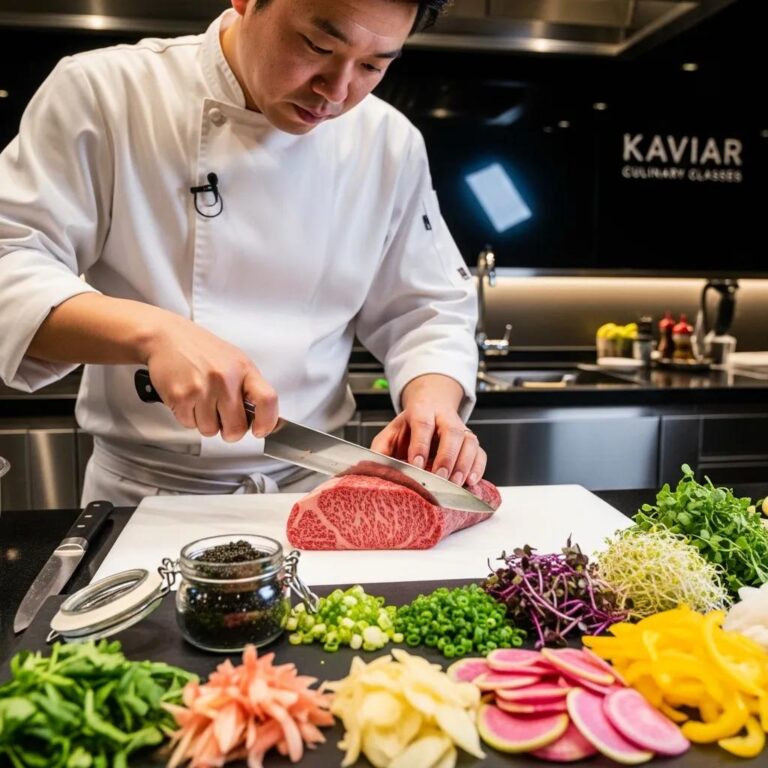
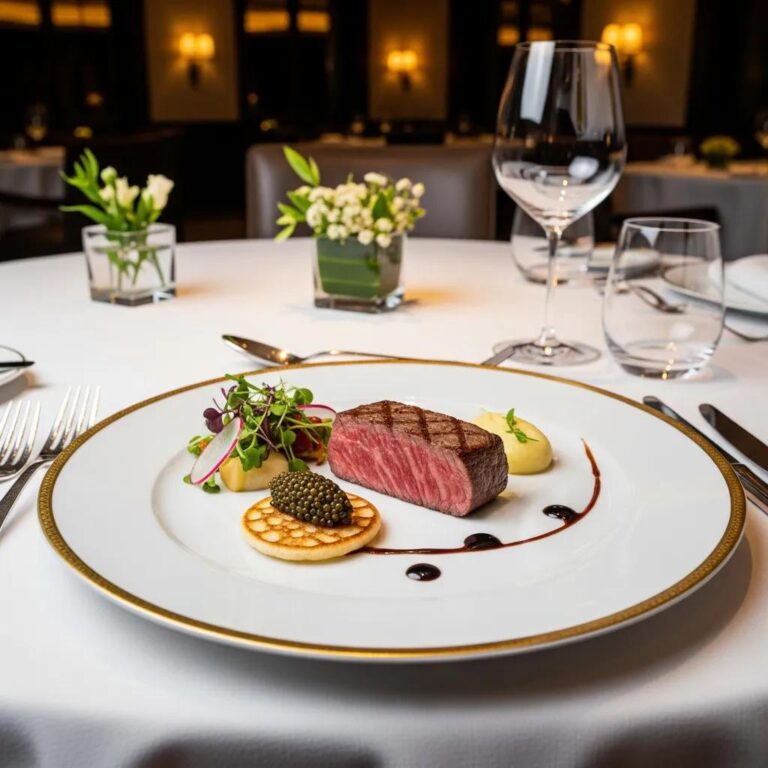
Technical advances—sous-vide, precise temperature control, fermentation and controlled aging—brought reproducibility and intensified flavors to haute cuisine. By stabilizing variables like time and temperature, chefs achieve delicate textures and consistent results; the benefit is reliable excellence across services and seasons. Ingredient trends—introducing items such as caviar and A5 Wagyu—shifted menus toward ingredient-focused plates that celebrate provenance and artisan supply chains. Together, technique and ingredient advances encouraged minimalist presentation that lets flavor clarity shine while enabling chefs to choreograph predictable multi-course narratives. Seeing these shifts helps diners understand why some dishes highlight single-ingredient purity or why fermentation and aging appear as signature techniques.
This technical focus flows into current trends that combine experiential design, sustainability and luxury ingredients to define modern fine dining.
What defines modern fine dining today?
Modern fine dining sits at the intersection of three trends: multisensory storytelling, sustainability and traceability, and chef-driven innovation that reframes luxury ingredients as narrative anchors. Diners now expect excellent food alongside a clear origin story, ethical sourcing and an immersive sequence of dishes; the benefit is an experience that engages taste, memory and values. Experiential design uses pacing, lighting and sequence to create emotional arcs; sustainability guides procurement and menu choices; and innovation recasts traditional techniques into contemporary statements that often nod to culinary history. Understanding these trends helps you spot what makes a tasting menu distinct from conventional upscale dining.
The sections below show how chefs reinterpret classics and why sustainability matters. After the chef-innovation note, we offer a brief example of upscale Japanese fine dining in Pasadena and practical reservation guidance.
How do contemporary chefs innovate traditional dishes?
Chefs innovate by deconstructing classics, blending cross-cultural techniques and privileging seasonality to retell familiar narratives with new textures and contrasts. Creative constraint keeps core flavor identities while changing technique, sequence or form to surprise the palate; the result is dishes that feel both recognizable and novel, giving diners intellectual and sensory engagement. Examples include reworking a classical sauce via modern emulsification, using fermentation to add umami to a protein, or concentrating a stew into a consommé that pivots the tasting menu. These approaches also shape tasting-menu architecture, where each course acts as a chapter in a curated story.
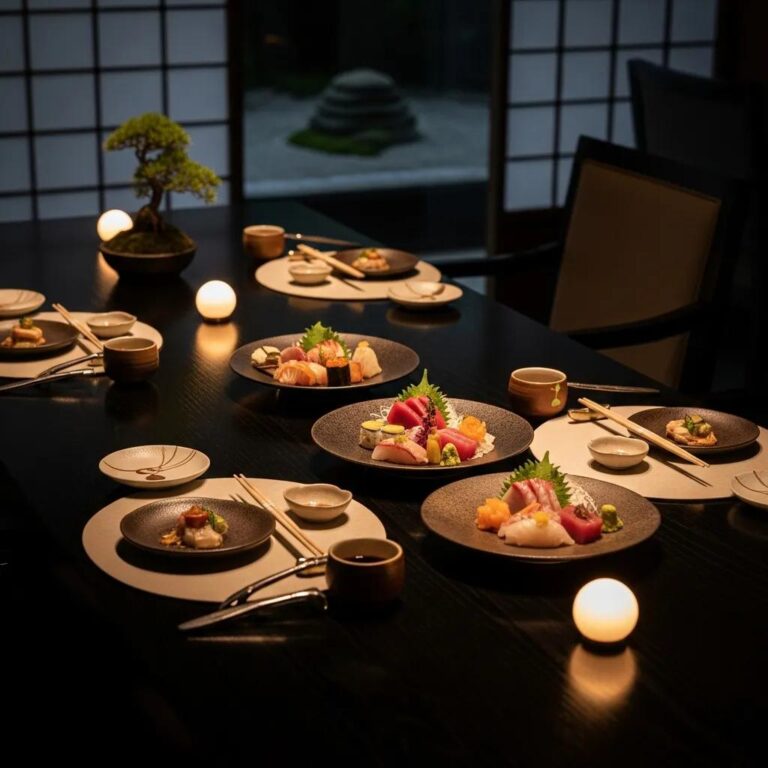
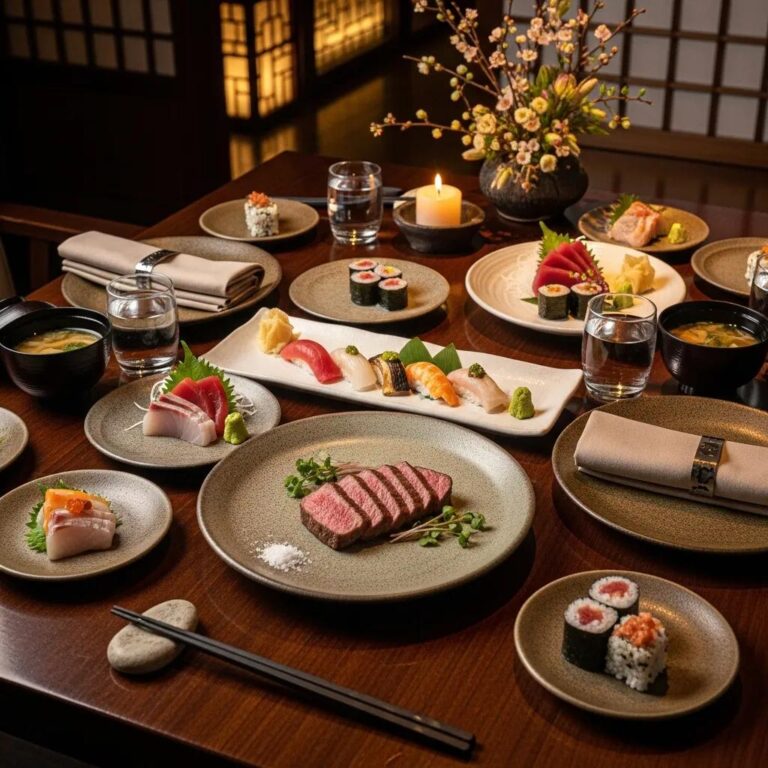
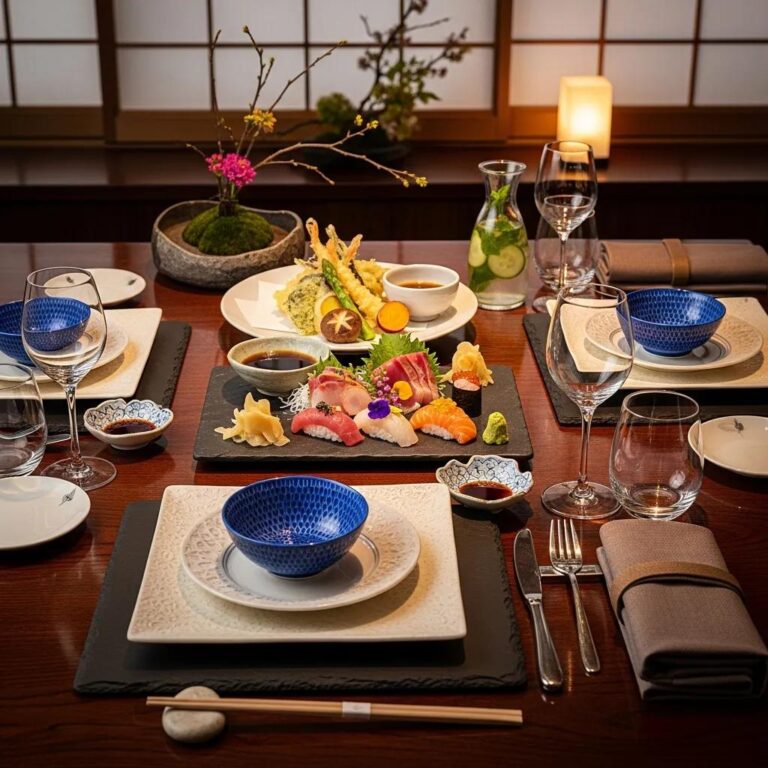
As a concrete example, upscale Japanese fine dining in Pasadena shows how omakase presentation, luxury ingredients like A5 Wagyu and select caviar, and meticulous service sequencing create a contemporary ritualized experience. If you want to try this in person, reserve a chef-driven omakase with clear sourcing and course structure.
This inventive spirit naturally intersects with sustainability choices that shape ingredients and menu design.
What role does sustainability play in modern fine dining?
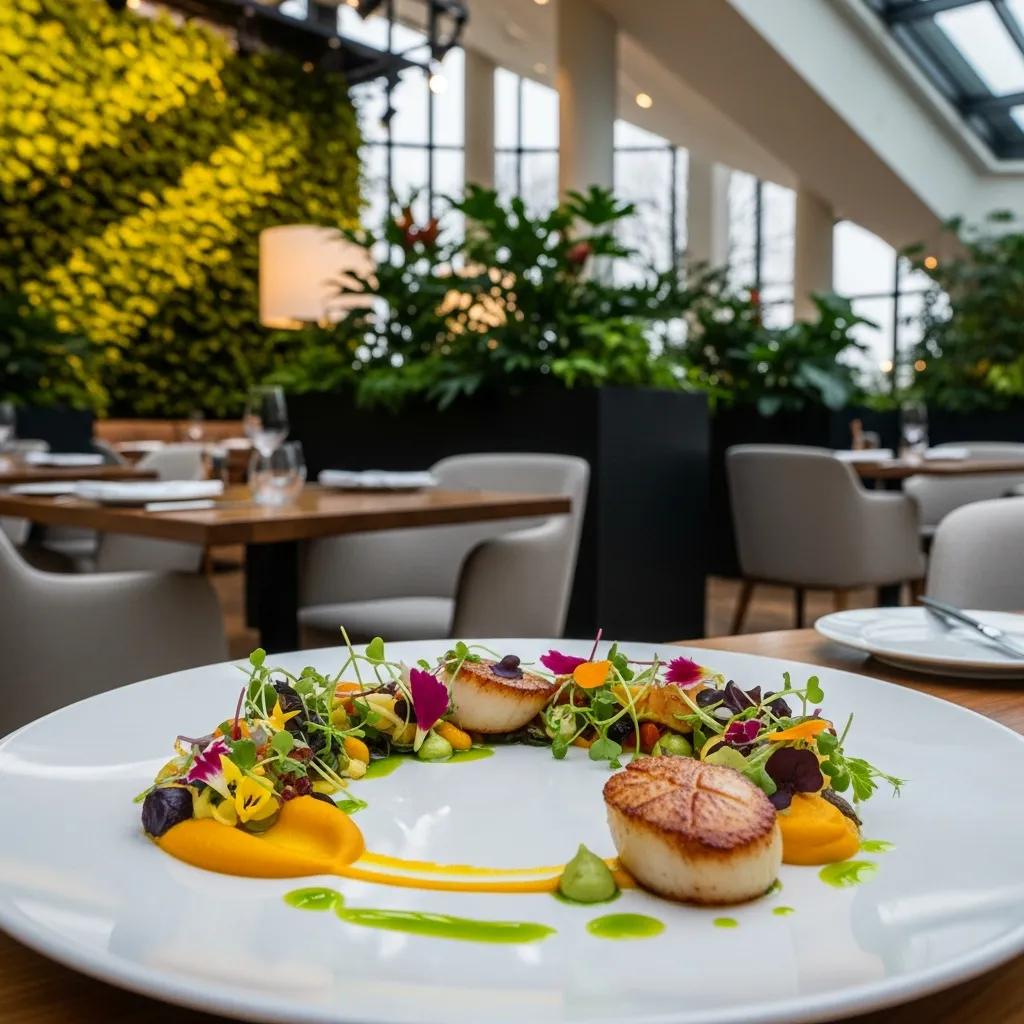
Sustainability in fine dining shows up as sourcing transparency, waste-reduction (nose-to-tail) practices and long-term partnerships with suppliers—together building a more ethical and resilient ingredient base. The principle is value alignment: chefs prioritize traceable ingredients and maximize the utility of whole animals and seasonal produce; the benefit is richer flavors, a smaller environmental footprint and a clearer story of origin for diners. Practical steps include farm relationships for seasonal harvests, menu engineering that uses by-products creatively, and supplier choices that favor regenerative or local practices. These approaches also help restaurants justify premium pricing through demonstrable stewardship and quality.
To compare traditional and sustainable approaches and their practical value, the table below outlines major trends and real-world benefits for diners and kitchens.
Table below summarizes each trend and the practical value it delivers.
This comparison shows how sustainability translates into palate benefits and operational resilience for fine dining kitchens. The next section explains why this history matters to food culture and the public.
Why does the history of haute cuisine matter to food culture?
The history of haute cuisine preserves technical mastery and places contemporary dining within a longer cultural story that shapes taste and expectation. Knowing how techniques, rituals and ingredients evolved helps chefs and diners interpret menus, value craft and assess provenance; the benefit is deeper appreciation and richer dining experiences. Historical awareness also protects culinary diversity by highlighting regional practices and ethical traditions that might otherwise disappear. For food culture broadly, that history explains why service rituals persist, why some ingredients command premium prices, and how culinary identity is constructed.
Following subsections show how royal banquet awareness deepens appreciation and offer practical tips for reading menus and evaluating technique.
How does knowing about royal banquets enhance appreciation?
Understanding royal banquets clarifies why presentation, procession and ritual amplify perceived value and why tasting menus often follow theatrical sequencing. Courtly banquets established pacing—light openings to build appetite, centerpiece spectacles and concluding sweets—to direct attention and signal status. The underlying mechanism is dramaturgy: service and presentation shape expectations and make modest ingredients feel significant through context and narrative; the payoff for diners is heightened engagement and a better ability to decode a chef’s intent. Recognizing this lineage explains why a small, meticulously plated course can feel emotionally resonant and why synchronized service lifts the whole meal.
That perspective prepares diners for practical takeaways on reading menus and valuing provenance and pacing.
What can modern diners learn from culinary heritage?
Contemporary diners can pick up practical skills from culinary heritage to improve their appreciation: how to read a tasting menu, why provenance matters and how technique affects value. First, tasting menus often follow an arc—light openers, richer mid-course peaks and a palate-cleansing finish—so reading sequence helps set expectations. Second, provenance signals quality and stewardship; asking about suppliers reveals both flavor priorities and ethical choices. Third, technique—aging, fermentation, precise temperature control—explains texture and flavor concentration, helping diners judge price and portioning. Embracing these lessons encourages intentional choices and sharper sensory literacy.
If you want a curated, educational meal that reflects this heritage, seek out chef-driven tasting menus or specialized omakase that clearly explain sourcing and sequence.
Next we synthesize how dining evolved from royal spectacle to modern restaurant ritual.
How have fine dining experiences evolved from royalty to today?
Fine dining has shifted from exclusive courtly spectacle to commercially accessible yet selective restaurant formats that preserve ritual through tasting menus, prix fixe sequencing and theatrical service. Social institutions moved prestige from hereditary courts to reputation-driven markets where chefs, critics and discerning guests co-create status; the benefit is wider access to expertly produced meals while retaining the ceremonial qualities that define haute cuisine. Modern restaurants adapt historical elements—procession, curated ingredients and hierarchical service—into formats that emphasize storytelling, pacing and sustainability. Seeing that continuum shows how restaurants both democratize and reframe ritual to meet contemporary social and ethical expectations.
The following subsections contrast historical royal characteristics with their modern counterparts and show how present-day restaurants echo those influences, including a final tie-back to upscale Japanese fine dining.
What were the hallmarks of historical royal dining?
Royal dining centered on spectacle, strict service hierarchies and the conspicuous use of rare or imported ingredients to signal power. Service was ritualized: processions and announcements, specialized servants, and ornate displays (including sugarwork) aimed to astonish. The core mechanism—conspicuous display—made food a tool of political and social messaging; rulers gained prestige and chefs were given room to invent. These traits closely map to modern practices like centerpiece reveals, choreographed service moments and the use of luxury ingredients to create memorable peaks during a meal.
An easy table below links historical components to their modern analogues for clarity.
This comparison shows continuity: many modern rituals are reinterpretations of courtly functions designed to elevate dining into a staged experience. The next subsection shows how restaurants today embody those influences.
How do modern restaurants reflect historical influences?
Contemporary restaurants translate historical influences into tasting menus, choreographed service and carefully curated ingredients by turning spectacle into narrative and technique. Chefs keep the structure of courtly progression but trade ostentation for intentional pacing and provenance storytelling; the result is immersive dining that feels refined and meaningful. Tasting menus act as sequenced acts, service choreography provides ceremonial beats, and curated ingredients (aged beef, seasonal fish, artisanal caviar) become focal moments that echo the rarity once signaled by imported spices. Chef-driven spots—in places like Pasadena—show how omakase-style courses and luxury Japanese ingredients can create contemporary rituals that honor tradition while innovating.
Practically, reserving a chef-focused tasting is the surest way to experience this lineage, where ritual, ingredient and technique converge into an elevated meal.
- Look for curated narratives: Menus that explain sequence and sourcing reveal deliberate storytelling.
- Value pacing and service: Synchronized courses and attentive staff indicate a dining architecture rooted in ritual.
- Appreciate provenance: Notes about suppliers or grade designations signal the modern equivalent of historical rarity.
These tips help diners connect the historical throughline to their next elevated meal.
Frequently Asked Questions
What’s the difference between fine dining and casual dining?
Fine dining emphasizes formal atmosphere, refined ingredients and meticulous presentation—often delivered as a multi-course tasting. Casual dining is more relaxed, with simpler menus and less focus on ceremony or plated theatrics. Fine dining usually costs more and often requires reservations; casual dining is generally more flexible and walk-in friendly. Choosing between them depends on the occasion and how much ritual or service you want from the meal.
How can diners get more from a fine dining experience?
Be open to new flavors and techniques, ask thoughtful questions about the menu and engage with the service team. Learn how tasting menus are structured so you can follow the arc of the meal. Pay attention to pacing and presentation, and consider beverage pairings to round out the experience. Small preparation and curiosity make a big difference.
What are common misconceptions about fine dining?
People often assume fine dining is only for the wealthy or that it’s inherently pretentious. While it can be pricey, many restaurants offer varied price points and accessible ways to experience chef-driven food. Another misconception is that fine dining is inflexible; many kitchens now embrace personalization and creativity. At its best, fine dining aims to welcome guests into a carefully crafted experience, not to exclude them.
How do tasting menus differ from à la carte options?
Tasting menus are curated sequences of small dishes that showcase a chef’s technique and storytelling, usually reflecting seasonal ingredients and a clear narrative. À la carte lets you choose individual dishes for flexibility but offers less cohesion across the meal. Tasting menus provide a guided, immersive arc; à la carte prioritizes personal preference and freedom.
What role does service play in the fine dining experience?
Service is essential: it shapes the atmosphere, clarifies the chef’s intent and allows guests to relax into the meal. Fine dining service tends to be attentive, knowledgeable and structured—synchronized courses, clear explanations and personalized interactions all contribute. Exceptional service can elevate the food and make the evening memorable.
How can diners identify quality in fine dining establishments?
Look for a strong chef reputation, transparent sourcing and attention to detail in both food and service. Trusted reviews and awards help, but menus that highlight seasonal, local or named suppliers are also good signs. Observe ambiance, cleanliness and the professionalism of the staff—these details reflect the kitchen’s standards and the experience you can expect.
Final Thoughts
Knowing the history of fine dining deepens appreciation for the craft behind each meal and connects diners to a broader cultural story. By tracing the shift from royal banquets to modern tasting menus, you can better value provenance, pacing and presentation. Those insights lead to more intentional choices and richer dining moments. If you’re ready to explore, reserve a table at a chef-driven restaurant that tells its story through thoughtful sourcing and purposeful sequence.