




French Fine Dining: A Journey Through Haute Cuisine, Timeless Techniques, and Culinary Tradition
Haute cuisine—the formal side of French gastronomy—values precision, seasonality, and inspired presentation. From medieval court feasts to today’s multi-course tastings, this tradition set the rules for sauces, service rituals, and the sequencing that shapes luxury dining. In the pages that follow, we trace the major historical shifts, explain the classical techniques that still guide professional kitchens, and highlight signature dishes that anchor French culinary identity. We also cover dining etiquette and how premium ingredients like A5 Wagyu and caviar are thoughtfully woven into modern reinterpretations. Finally, we show how contemporary restaurants — including Kaviar Restaurant — honor these principles while blending them with other fine-dining practices. The goal: to make French gastronomy accessible to curious diners and kitchen professionals alike, with historical context, practical explanation, and clear examples.
How did French fine dining evolve through history?
French fine dining developed in stages as royal patronage, technical codification, and the rise of restaurants each left their mark. In medieval and Renaissance times, large court and cathedral kitchens concentrated culinary know-how and spectacle. The 17th and 18th centuries saw chefs document techniques—stocks, sauces, and formal service—that became the field’s backbone. The 19th century introduced public restaurants and a new professional identity for chefs. The 20th century brought haute cuisine, then nouvelle cuisine and modernist experimentation that favored lighter preparations and ingredient-focused plating. Today (through 2024) the trajectory continues with experiential tasting menus, meticulous ingredient sourcing, and hybrid techniques that marry tradition with new tools.
Key turning points in French gastronomy include:
- Royal and noble kitchens that centralized technique and ceremonial dining, setting early standards for refinement.
- 17th–18th century codification that recorded methods and systemized the mother sauces.
- The 19th century restaurant boom, which professionalized chefs and opened elite cuisine to the public.
- 20th century shifts—from haute cuisine’s formality to nouvelle cuisine’s lighter, ingredient-led approach.
- Contemporary trends emphasizing premium sourcing, tasting-menu storytelling, and cross-cultural technique integration.
These milestones explain why many rituals and technical standards persist, and they lead naturally into the distinct historical periods that shaped French cooking.
What are the key historical periods shaping French gastronomy?
French gastronomy is best viewed in distinct eras, each contributing methods and institutions still visible on today’s menus. The medieval and Renaissance periods favored feasting, preservation, and spiced sauces that signaled wealth and trade connections — laying the groundwork for complex preparations. The classical era (17th–18th centuries) prioritized technical refinement and documentation; chefs recorded stocks, sauces, and exacting techniques that became the foundation of culinary training. In the 19th century, restaurants and culinary entrepreneurship turned elite cooking into public culture and introduced new service models. The 20th century gave us haute cuisine’s polish and nouvelle cuisine’s lighter touch; together they shaped modern diners’ expectations. Knowing these periods clarifies why practices like reduction and precise temperature control remain central in top kitchens.
This periodization leads directly into how these traditions translate into modern tasting menus and service formats.
How did French culinary traditions influence modern luxury dining?
French culinary traditions supply the service architecture, technical language, and visual principles that inform luxury dining worldwide. Course sequencing and careful flavor progression create a curated journey similar to omakase or tasting menus. Plating aesthetics—clean composition, a central protein, and considered color harmony—trace back to French discipline, while contemporary kitchens pair these principles with global ingredients to showcase local or premium proteins. Service rituals such as plated successions, cheese courses, and palate cleansers impose a ceremonial pace that heightens perceived value and attention to detail. For this reason, many high-end concepts borrow French benchmarks to structure their guest experience.
With that context, we can examine the specific techniques that define haute cuisine and their modern counterparts.
What defines haute cuisine techniques in French fine dining?
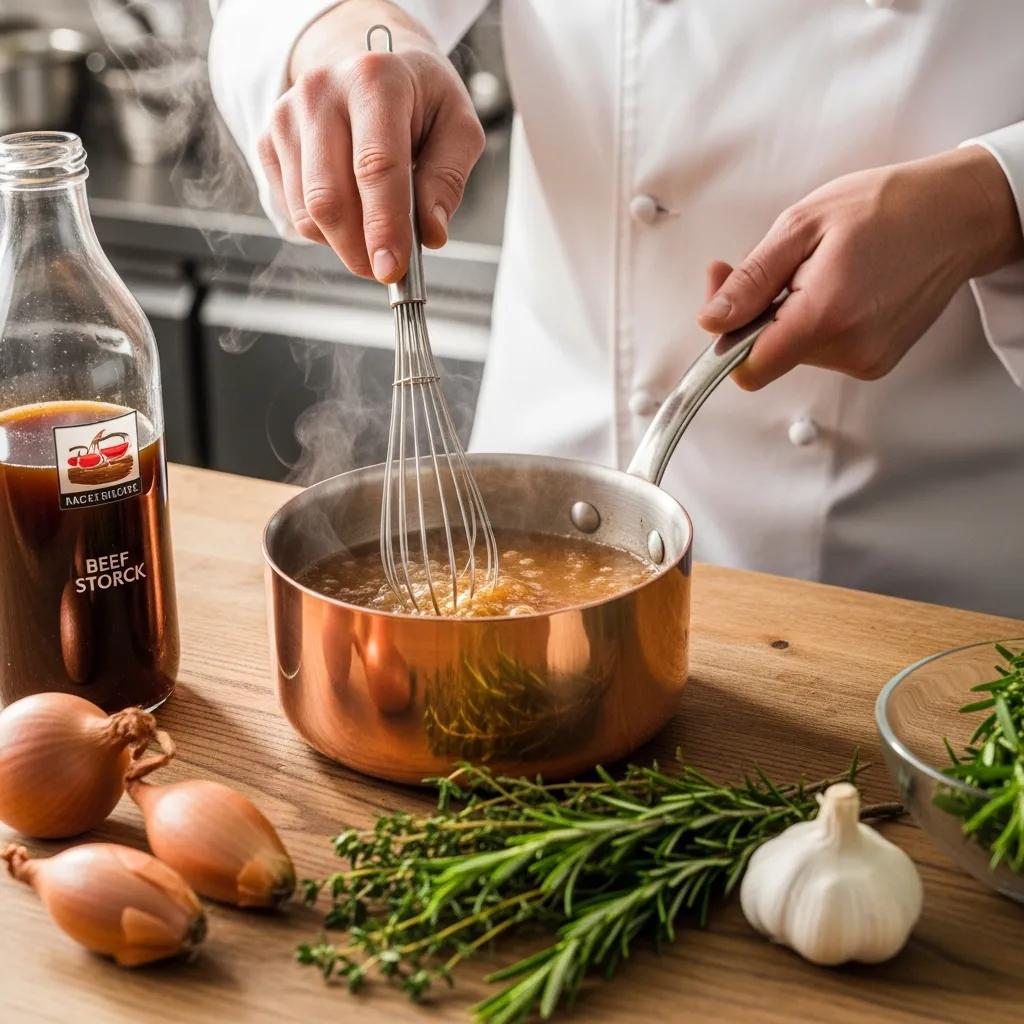
Haute cuisine rests on technical precision, layered flavor construction, careful ingredient selection, and artful presentation. Foundational processes—stock-making, reduction, controlled heat, and disciplined timing—produce concentrated flavors and refined textures. Technique exists to showcase ingredient quality and to shape a multi-course narrative where each plate advances taste and texture.
Today’s kitchens often combine these classical methods with modern tools—sous-vide, low-temperature confit, and precise temperature control—to improve consistency and extract subtler flavors while honoring French sensibilities.
Core techniques that define haute cuisine include classical sauce-making, meticulous reductions, careful stock preparation, and exact temperature control. The next section outlines the mechanics and offers concrete dish examples.
Different haute cuisine techniques, for quick reference:
Which classic French cooking methods are central to haute cuisine?
Central methods include stock-building, reduction, braising, confit, precision sautéing, and refined plating focused on balance and texture. Stock-building extracts gelatin and savory compounds from bones and connective tissue to give sauces their depth. Braising and confit use gentle heat to transform tougher cuts, while reductions concentrate flavor and produce sauces that cling to proteins. Today many chefs use sous-vide for exact internal temperatures, finishing dishes with traditional sears. Sensory markers—velouté’s mouthfeel, the sheen of a proper emulsion, or the aroma from fond reduction—illustrate how these techniques shape a plate’s character.
Looking at their historical development clarifies how modern kitchens balance tradition with practical innovation.
How have haute cuisine techniques evolved over time?
Haute cuisine developed through new technologies and shifting philosophies that favor ingredient expression and consistency. Nouvelle cuisine lightened heavy sauces and emphasized freshness, prompting refinement in technique to preserve brightness and texture. The modernist movement added tools like vacuum-sealing and sous-vide for repeatable results while preserving the classical goals of concentration and clarity. Molecular approaches introduced new textures, but many chefs integrate those tools selectively, keeping the focus on stocks, sauces, and precise seasoning. Today’s evolution respects tradition while adopting pragmatic innovations that highlight premium ingredients.
This evolution brings us to the dishes that crystallized from these methods and continue to anchor French culinary identity.
What are the most iconic classic French dishes and their origins?
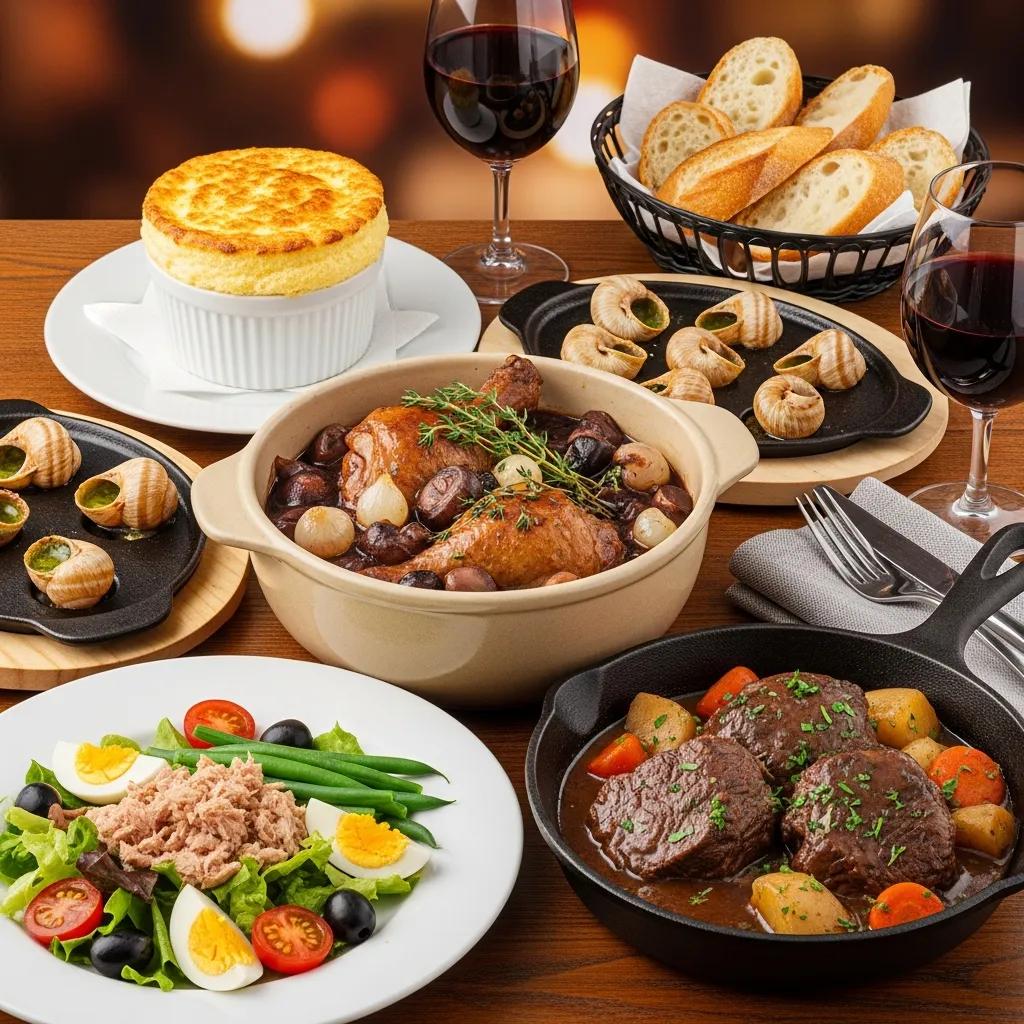
Classic French dishes tell a story of region, technique, and evolving presentation; they form the backbone of French culinary identity. Staples such as coq au vin, boeuf bourguignon, bouillabaisse, sole meunière, soufflé, pâté and terrine, and salade niçoise each originate from a particular place or culinary need — preservation, celebration, or coastal abundance. These dishes demonstrate principles like braising for tenderness, reduction for depth, and gentle frying or poaching to showcase seafood. Contemporary chefs reinterpret these classics with premium proteins, refined plating, and modern sourcing while preserving core technique.
Representative classics with brief context:
- Coq au Vin: Rustic braised chicken in wine—rooted in provincial cooking and refined by technique.
- Boeuf Bourguignon: Beef braised in Burgundy wine—an exemplar of slow cooking and flavor concentration.
- Bouillabaisse: Marseille’s fish stew, built on local catch and a saffron-scented broth.
- Soufflé: An aerated preparation that showcases exact heat control for lift and texture.
- Sole Meunière: Simple pan-fried fish finished with butter and lemon to highlight pure flavor.
These signature dishes show how origin, method, and lasting appeal intersect—and they set the stage for how premium ingredients are used today.
The table below maps dish origins to modern variations, including respectful routes for integrating premium elements.
How do ingredients like A5 Wagyu and caviar integrate with French classics?
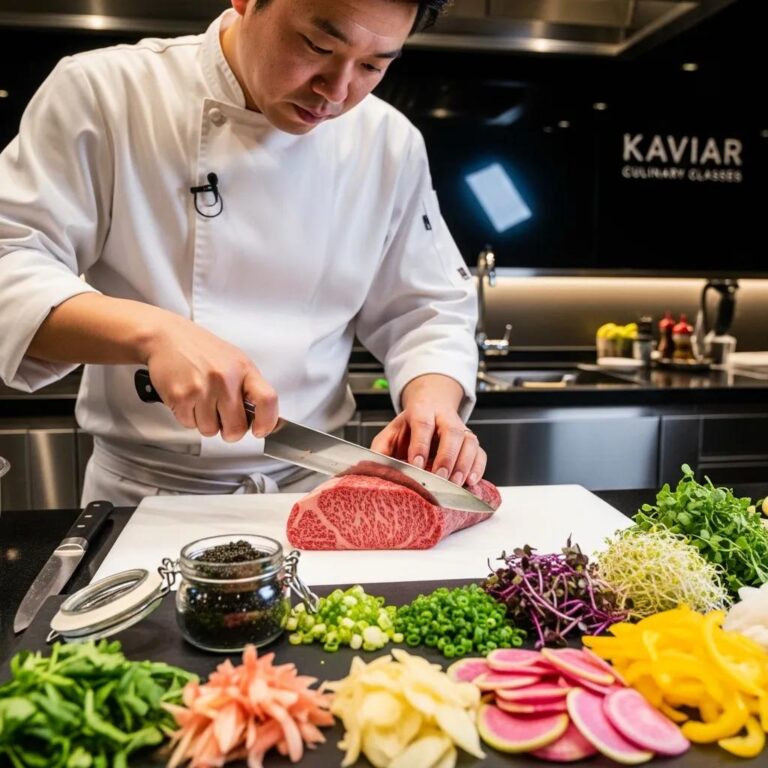
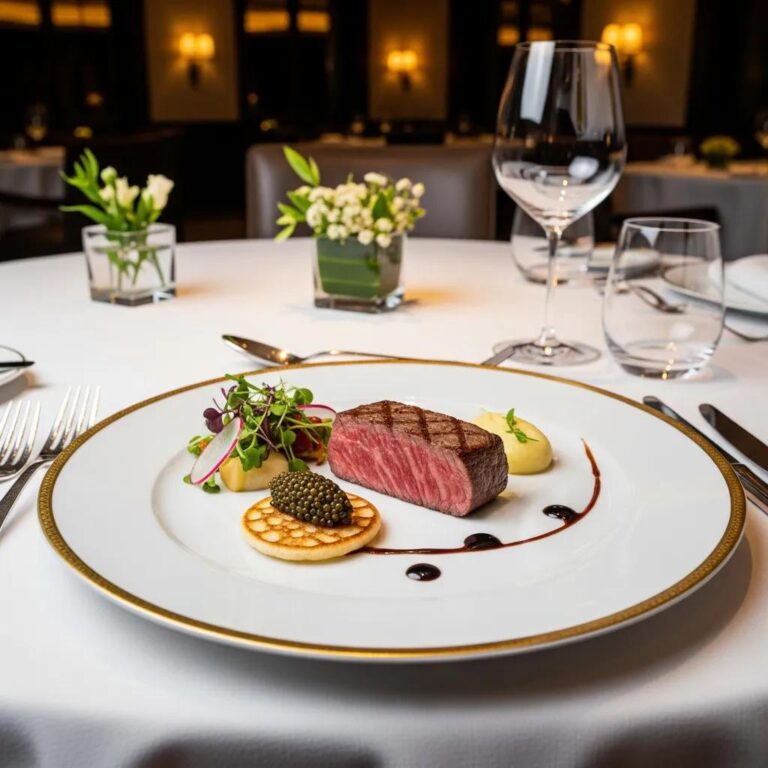
Premium items such as A5 Wagyu and caviar fit into French frameworks by pairing each ingredient’s strengths with classical techniques that showcase them. A5 Wagyu’s marbling benefits from exact searing, minimal heavy sauces, and careful resting—approaches familiar from steak au poivre or beurre maître d’hôtel. Caviar serves as a saline, textural accent used sparingly—on blinis, with crème fraîche, or as a finishing touch against buttery or creamy elements. Chefs adjust portioning, seasoning, and temperature to keep these ingredients center stage rather than overwhelming a dish.
For diners seeking modern luxury reinterpretations, these integrations respect French technique while using global premium products to create contemporary highlights.
What are the essential etiquette practices in French fine dining?
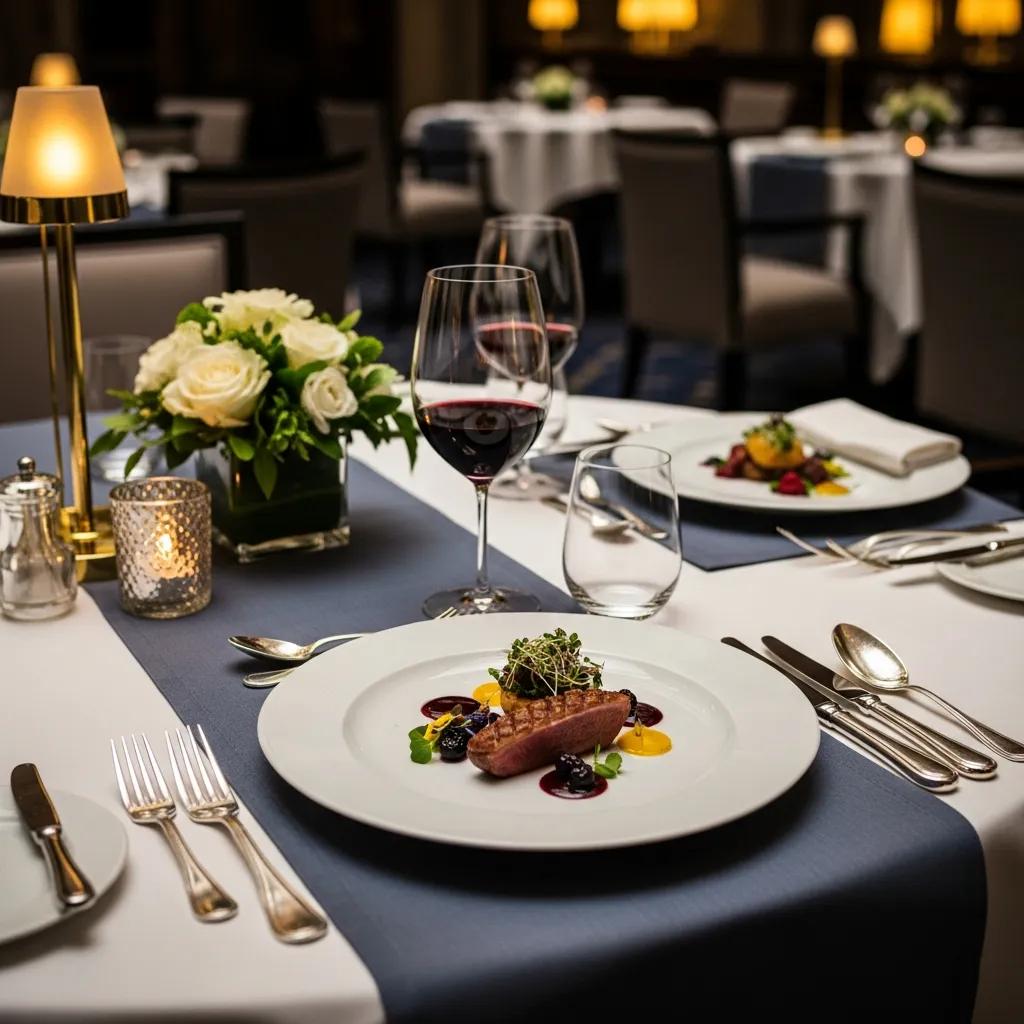
Etiquette in French fine dining supports the meal’s sensory narrative and preserves the ceremony of a multi-course experience. Expect formal place settings that indicate cutlery order, a measured course cadence that develops the palate, and a service rhythm that lets each course be appreciated. Dress tends toward smart attire, conversation is measured, and guests follow server cues—habits that protect the restaurant’s crafted atmosphere. Understanding these customs helps guests move confidently through tasting menus and multi-course services so the food and technique speak clearly.
Key etiquette elements to observe for a refined dining occasion:
- Follow Course Order: Move from lighter to heavier dishes to maintain palate balance.
- Use Cutlery Outside-In: Start with the outermost utensils and work inward as courses advance.
- Keep Conversation Considered: Maintain a volume that complements the room and the meal.
- Trust the Service Pace: Allow staff to guide timing to preserve the intended flow.
These simple practices create ritual and rhythm that elevate both the food and the social experience, reflecting how service evolved from French traditions.
How does French dining etiquette enhance the luxury experience?
French dining etiquette turns a meal into an event by imposing ritual, pace, and attention to detail. Slow, deliberate sequencing encourages focus on texture, temperature, and balance while allowing the chef’s narrative to unfold. Service moments—cheese courses, palate cleansers, and final garnishes—perform both practical and theatrical roles, punctuating the tasting progression and emphasizing finishing touches like a caviar accent or a delicate sauce pour. When guests follow these rhythms, the intended technical subtleties register more clearly and the overall experience feels elevated.
Recognizing these service dynamics helps explain why many luxury restaurants borrow French ceremony to amplify sensory impact and perceived value.
What are common customs and protocols in French gastronomy?
Common customs are practical and culturally rooted: break bread without using silverware, sip wine that the sommelier presents for tasting before accepting it, and expect modest tipping compared with some other cultures. The continental fork-and-knife technique prevails, and signaling a finished course is often done by placing cutlery together on the plate. Servers orchestrate much of the meal’s timing, so subtle cues—cleared plates, replaced utensils—serve as nonverbal guidance. These protocols smooth service, preserve dish integrity, and honor the craft on display across multiple courses.
Knowing these customs helps guests participate respectfully and to notice technical nuances in service and plating.
How does French fine dining influence contemporary luxury restaurants like Kaviar?
French fine dining shapes contemporary luxury restaurants through service architecture, technical rigor, and tasting-menu storytelling—elements that establishments adapt to their own language. Core French principles—precise stocks and reductions, thoughtful sequencing, and a ceremonial service pace—inform both tasting menus and omakase by prioritizing progression, contrast, and narrative. Luxury ingredients such as A5 Wagyu and caviar are used as focal points, finished with classical techniques that reveal rather than mask flavor. The result is a blend of discipline and theatricality that many elevated concepts use to craft cohesive dining experiences.
The table below maps French traditions to contemporary implementations, using Kaviar Restaurant as a tasteful example of adaptation.
In what ways does Kaviar blend French and Japanese fine dining traditions?
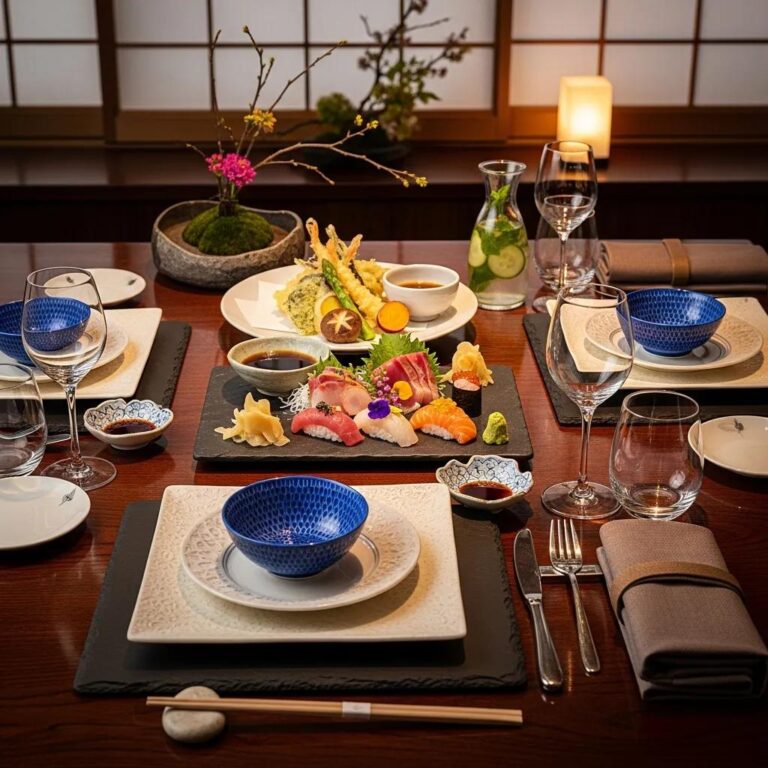
Kaviar unites French structure—tasting-menu sequencing and sauce craft—with Japanese precision in ingredient handling and restrained seasoning. The approach honors Japanese respect for ingredient quality and clean flavor while applying French ideas about progression, temperature contrast, and composed sauces where they add value. Service borrows omakase’s chef-driven narrative and pairs it with French-style pacing to create a carefully curated journey of texture and umami. The result: plates that emphasize purity and refinement—where a classical reduction might underscore a thinly sliced A5 Wagyu, or a touch of caviar punctuates a restrained sashimi course.
How are premium ingredients like A5 Wagyu and caviar featured in modern menus?
Premium ingredients appear as focal moments: modest portions, light seasoning, and finishing techniques that preserve texture and aroma. A5 Wagyu is treated with exact doneness, a quick sear to render fat, and a subtle compound that complements its richness. Caviar is employed as a finishing accent or small-course highlight—paired with neutral carriers or a touch of dairy to showcase salinity and mouthfeel. Chefs integrate these items according to French ideals: luxury, concentrated flavor, and a sensory climax within a curated sequence.
Guests who want to experience these pairings can find Kaviar’s tasting structure and reservations information on our menu and reservation pages. Signature courses place A5 Wagyu and caviar at key moments within a refined service framework.
This overview naturally leads to a practical invitation for readers wishing to reserve a curated dining experience.
Reserve your seat at Kaviar Restaurant to experience how French technique and Japanese precision come together in signature courses featuring premium ingredients and considered service. Our tasting sequences spotlight A5 Wagyu and caviar as highlight moments; reservations ensure pacing and presentation align with the chef’s intended narrative. Whether you’re celebrating a special occasion or exploring a tasting menu, booking guarantees the full sequence of technique-driven courses and service rituals that define modern luxury dining.
Frequently Asked Questions
What is the significance of seasonal ingredients in French fine dining?
Seasonality is central to French fine dining because it delivers peak flavor and quality. Chefs prioritize local, in-season produce to enhance taste and support sustainable sourcing. Working with the seasons reflects a culinary philosophy that respects nature’s cycles and lets menus evolve throughout the year, encouraging creativity as cooks adapt techniques to highlight what’s freshest.
How do modern chefs reinterpret classic French dishes?
Modern chefs reinterpret classics by blending contemporary techniques, international flavors, and premium ingredients while keeping the dish’s essence. Presentation, sourcing, and technique are often refreshed—think a deconstructed coq au vin or a refined reduction paired with unexpected accompaniments. These approaches honor tradition while inviting diners to experience familiar flavors in new, surprising ways.
What role does plating play in French fine dining?
Plating transforms a dish into its first sensory impression. Thoughtful composition—color, texture, and balance—guides the eye and prepares the palate. Chefs use layering, garnishes, and deliberate placement to highlight key elements; a well-plated course raises anticipation and complements the flavors that follow, making presentation integral to haute cuisine.
How does French fine dining etiquette differ from casual dining?
French fine dining places more emphasis on formality and ceremony than casual dining. Expect specific cutlery for each course, a deliberate progression of dishes, and a quieter, more measured atmosphere. Diners follow course order, use utensils from the outside in, and let servers set the meal’s pace—practices that foster focus on the culinary artistry.
What are some common misconceptions about French fine dining?
One common misconception is that French fine dining is overly pretentious or inaccessible. In reality, haute cuisine celebrates ingredient quality and craftsmanship; many modern French restaurants aim to be welcoming rather than intimidating. Another misconception is that French cooking is only about heavy sauces—today’s interpretations often emphasize light, ingredient-led preparation and balance.
How do tasting menus enhance the dining experience in French fine dining?
Tasting menus offer a curated journey through a chef’s vision, allowing guests to sample a range of flavors and techniques in one sitting. Each course is designed to complement the next, forming a coherent progression of taste, texture, and presentation. This format encourages discovery and showcases a kitchen’s creativity, making each service a distinct and memorable occasion.
What is the importance of wine pairing in French fine dining?
Wine pairing deepens the dining experience by highlighting both food and wine. The right match accentuates flavors, balances richness, and brings out subtle notes. Sommeliers select wines with attention to acidity, tannin, and profile so the pairing amplifies the meal. This considered approach reflects the long-standing cultural connection between French food and wine.
Conclusion
French fine dining combines a long history with precise technique and thoughtful presentation to create memorable restaurant experiences. By understanding haute cuisine’s evolution and its influence on contemporary luxury dining, guests can better appreciate the craft behind each course. Join us at Kaviar to explore these flavors and techniques firsthand—reserve your table and step into a refined journey through the elegance of French gastronomy.