





The Rise of Plant-Based Gourmet Cuisine: Exploring Luxury Vegan and Vegetarian Dining Experiences
Plant-forward fine dining has pushed vegetables, fungi and fermented ingredients onto the main stage, proving that depth, texture and stagecraft are not the sole preserve of animal proteins. This guide shows how chefs turn seasonal produce into thoughtful tasting menus—prioritizing layered umami, refined technique and dramatic plating—to deliver memorable, high-end experiences that also address sustainability. You’ll learn what separates gourmet plant-based cooking from simple substitutions, how Japanese fine dining adapts omakase for vegetables, how to assess options in Pasadena, how to reserve and enjoy a luxury vegan tasting menu, and why fine-dining kitchens are accelerating toward plant-forward offerings. Common concerns—perceived lack of richness or complexity—are answered with practical technique notes like fermentation, kombu dashi and texturizing methods chefs use to recreate satisfying mouthfeel. Along the way we use terms such as vegan fine dining, plant-based gourmet, vegetarian omakase and luxury vegan tasting menu so curious diners and hospitality professionals alike can speak the language of the movement.
What Defines Plant-Based Gourmet Cuisine in Luxury Dining?
At its best, plant-based gourmet cuisine rests on three interlocking pillars: exceptional ingredients, refined culinary technique and exacting presentation. Chefs source heirloom vegetables, specialty mushrooms and fermented condiments for natural umami and texture, then concentrate flavor through slow reductions, gentle charring and staged fermentations. The result is a cohesive tasting progression—from amuse-bouche to finale—that balances contrast, sustain and resolution. Seeing these pillars helps diners judge menus by concrete standards, not merely ingredient lists, and shows how classic fine-dining methods are retooled for plant-forward luxury.
Gourmet vegetarian courses are calibrated to clear sensory benchmarks used in luxury dining: balanced acidity, layered umami and a complex mouthfeel that stand in for animal fat and backbone. Those goals shape pacing and sequencing so each course escalates or relaxes flavor tension with purpose. Recognizing these benchmarks lets diners appreciate the craft behind vegetarian tasting menus and spot those that genuinely aim for luxury rather than offering simple swaps.
Plant-based gourmet work demands the same rigor as traditional fine dining—thoughtful sourcing, flawless execution and story-driven service—so look for restaurants that communicate sourcing and technique with transparency.
How Does Plant-Based Fine Dining Differ from Traditional Luxury Dining?
The primary difference lies in how cooks build depth and texture without animal fats and bone reductions. Instead of meat stocks and butter, chefs lean on fermentation, concentrated mushroom and seaweed broths, and legume-based emulsions to create lingering savor and body. Techniques like mushroom duxelles, shiitake reductions and kombu-rich dashi take the place of meat sauces.
Because flavor intensity often depends on peak ripeness and varietal nuance, seasonality and provenance are even more critical. Texture techniques—smoking, sous-vide vegetable confit and careful dehydration—deliver the bite and succulence diners expect, while finishes such as koji caramelization or miso glazing add gloss and savory lift. These methods establish parity in perceived luxury but require different suppliers and kitchen workflows, underscoring how plant-based fine dining rewires traditional expectations.
What Are the Key Ingredients in Gourmet Vegan and Vegetarian Menus?
High-impact plant ingredients supply structure, texture and concentrated umami—qualities essential to gourmet vegetarian cooking. Frequent stars include king oyster mushrooms for meaty bite; aged miso and fermented soy for savory backbone; kombu and dried shiitake for dashi depth; and heirloom vegetables for texture and provenance. Chefs also use rendered nut purées and cultured plant-based creams to recreate richness often associated with animal fats.
Below is a compact comparative table that shows how specific ingredients function in haute vegetarian cuisine.
This table clarifies ingredient roles so diners can read menus with an informed eye.
Knowing these roles helps diners spot menus that truly prioritize technique and sourcing. Next, we look at how Japanese methods translate into plant-based luxury.
How Is Japanese Fine Dining Innovating with Plant-Based Gourmet Options?
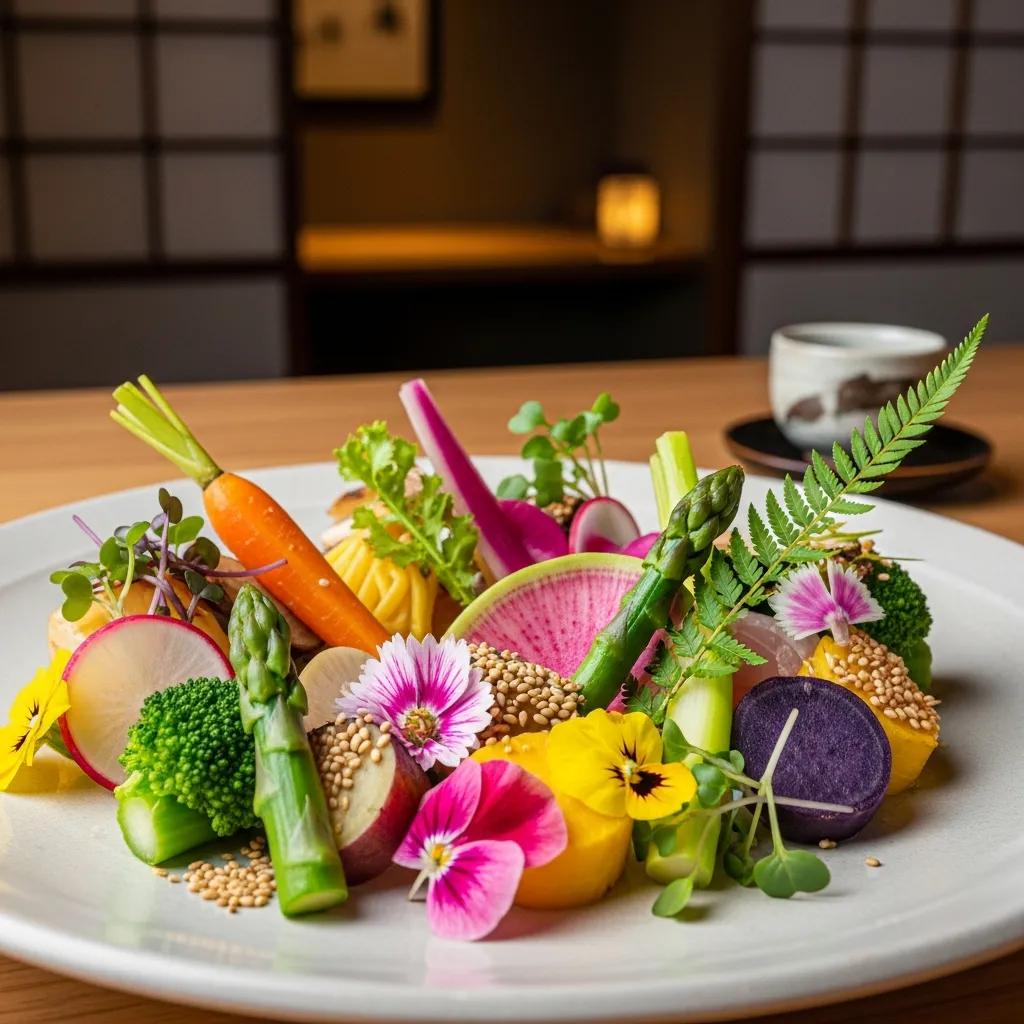
Japanese fine dining is a natural fit for plant-forward innovation because its core techniques—dashi from kombu and shiitake, koji fermentation, precise knife work and temperature control—map cleanly to vegetarian omakase. Chefs layer seaweed and mushroom dashi in place of animal broths, use koji-cured vegetables to deepen umami, and apply exacting cuts to highlight texture. The result retains the subtlety, restraint and pacing prized in Japanese cuisine while delivering plant-based equivalents of silky textures and concentrated savory notes.
Examples include vegetarian omakase built around seasonal sea vegetables, smoked and charred farm produce finished with miso reductions, and preparations that mimic buttery mouthfeel with nut emulsions and long, reduced sauces. These approaches show how Japanese principles—balance, timing and minimalism—translate into convincing vegetarian luxury without losing their cultural framework.
Next, we outline how a local fine-dining venue weaves these techniques into guest experience and reservations.
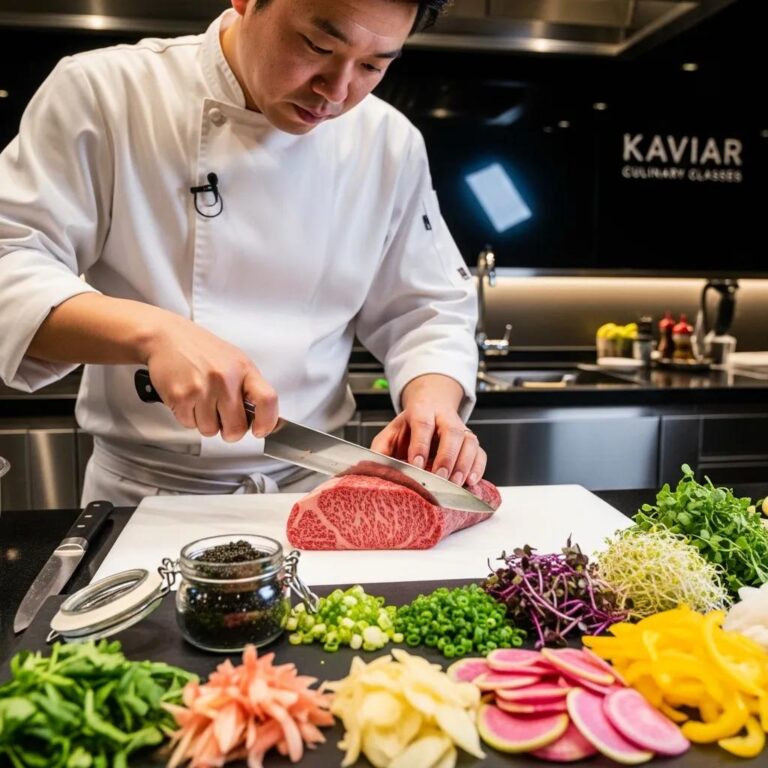
Kaviar Restaurant is a luxury destination in Pasadena focused on Japanese fine dining—omakase, A5 Wagyu and caviar among its specialties—while also offering thoughtfully composed plant-based options. The restaurant’s strengths include a refined dining atmosphere, signature dishes built from premium ingredients and a clear reservation path on the restaurant’s reservation page. Kaviar serves as an example of how classic omakase technique can be adapted into plant-forward sequences while preserving the ritual of an elevated tasting experience.
What Is a Vegetarian Omakase Experience?
A vegetarian omakase is a chef-led tasting in which the kitchen curates each course to highlight seasonality, technique and narrative. A typical flow begins with a light amuse-bouche to awaken the palate, moves through textured small plates and braises that build umami, and resolves with a composed finale—often rice or noodles—that brings satisfying closure. Chef-diner interaction matters: sequencing may be adjusted for seasonal availability or explicit dietary preferences.
That structure ensures contrast, pacing and a clear crescendo—an orchestrated luxury experience for vegetarian diners comparable to classic omakase.
Which Signature Plant-Based Dishes Showcase Japanese Culinary Techniques?
Signature plant-based plates that lean on Japanese technique use precise knife work, fermentation and umami layering to create subtle, nuanced dishes. Think miso-cured eggplant brightened with sesame and yuzu; king oyster “scallops” seared for Maillard complexity and finished with kombu beurre blanc; or kelp-cured vegetables delivering a saline whisper reminiscent of the sea. Each dish balances texture and savor, often anchored by fermented condiments or dashi reductions.
These dishes call attention to provenance—single-source misos, specific mushroom varietals or heirloom roots—and to restrained plating that highlights ingredient quality. Plant-based equivalents to luxuries like roe or wagyu textures rely on concentrated fermentations, layered reductions and fat-mimicking emulsions to evoke similar sensory satisfaction while remaining vegetarian.
What Are the Best Plant-Based Fine Dining Restaurants and Menus in Pasadena?
To evaluate Pasadena’s best plant-based fine-dining options, focus on menu ambition, transparency of technique and how well a restaurant signals luxury while staying plant-forward. Seek tasting menus that explain fermentation and dashi sources and that list seasonal provenance; chef-led omakase and curated multi-course experiences typically deliver the most cohesive results. Presentation cues—precise plating, thoughtful pacing and service rituals—also reveal whether a venue aims for high-touch dining rather than casual vegetarian substitutions.
Below is a compact comparison to help you weigh different stylistic approaches and choose based on taste and occasion.
How Does Kaviar Restaurant Blend Luxury with Plant-Based Gourmet Cuisine?
Kaviar pairs a refined, intimate setting with both classic premium items and thoughtfully composed plant-based sequences. The kitchen adjusts omakase pacing to include fermented and dashi-rich courses, marrying Japanese restraint with vegetarian luxury. For guests seeking an elevated plant-based tasting in a polished environment, Kaviar shows how a high-end Japanese restaurant can present classic signatures and sophisticated vegetarian alternatives in one cohesive guest journey. Reservations, menu detail and ambiance all work together to communicate those credentials.
This local example illustrates how upscale venues can signal plant-based capability through menu transparency, service and reservation access.
What Sets Nobu Pasadena and Sushi Roku Apart in Plant-Based Offerings?
When comparing regional fine-dining houses, stylistic differences matter. Some kitchens focus on sushi-style plant creations that highlight rice skill and delicate vinegar seasoning; others expand full omakase sequencing around vegetable-centric courses and fermented reductions. Decide whether you prefer composed small plates with bold finishes or minimalist, ingredient-led presentations that spotlight single producers and seasonal nuance.
Key distinctions include how clearly menus state fermentation sources, whether chefs permit substitutions on tasting menus, and how service rituals—course introductions or tailored pacing—enhance the sense of occasion. Evaluating those elements helps you pick the venue that matches your expectations for texture, presentation and narrative depth.
How Can Diners Reserve and Experience Luxury Plant-Based Dining?
Booking and enjoying luxury plant-based dining requires a bit of planning and clear communication so the kitchen can assemble a complete tasting sequence. Chef-driven omakase and multi-course menus commonly need advance reservations and explicit dietary notes so the team can plan exchanges and source seasonal items. At the restaurant, expect a curated flow: a palate-opening amuse, a gradual build of umami, and a composed finale—while staff guide pairings and timing to preserve texture and temperature contrasts.
Use this practical checklist when booking and attending a luxury vegan tasting menu:
- Book early: Reserve at least 1–3 weeks ahead for omakase or tasting menus.
- Communicate dietary needs: Note vegetarian/vegan preferences and any allergies when booking.
- Confirm party size and pacing: Tell the restaurant if you prefer relaxed or tighter pacing.
- Arrive ready for tasting format: Expect many small courses and limited substitutions.
These steps simplify planning and set clear expectations. The table below clarifies typical reservation options.
What Is the Reservation Process for a Luxury Vegan Tasting Menu?
Reserving a luxury vegan tasting usually starts with choosing the desired format and providing party details, preferred dates and specific dietary restrictions so the kitchen can plan substitutions and source seasonal produce. Many venues require lead time to procure specialty items and—particularly for chef-led omakase—limit seating to preserve pacing and quality. Confirmation typically includes arrival time, estimated tasting duration and any deposit or prepayment policies.
When booking, be exact about allergies and strong preferences (for example, raw versus cooked) so the chef can tailor the sequence. Expect brief pre-service communication that confirms timing and arrival etiquette to preserve the focused, exclusive nature of the tasting.
How Does Ambiance Enhance the Luxury Vegetarian Dining Experience?
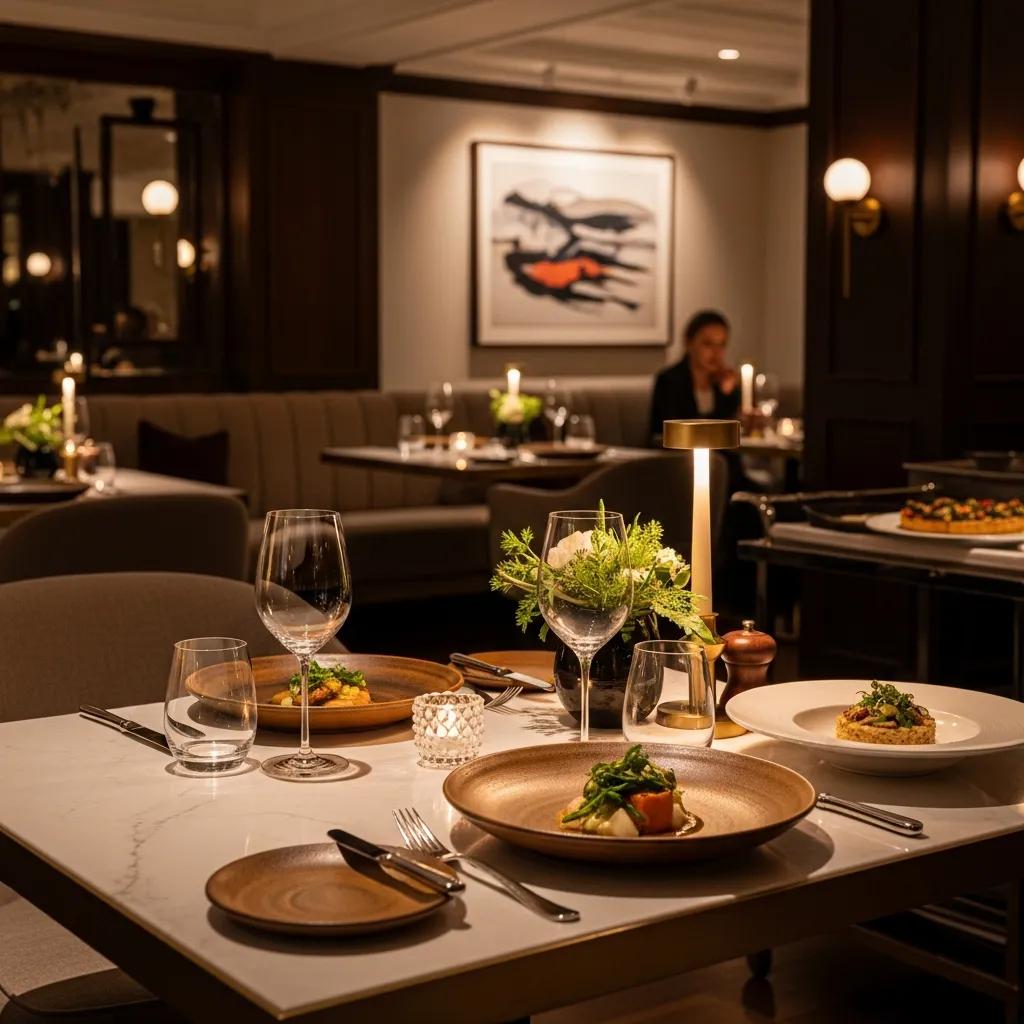
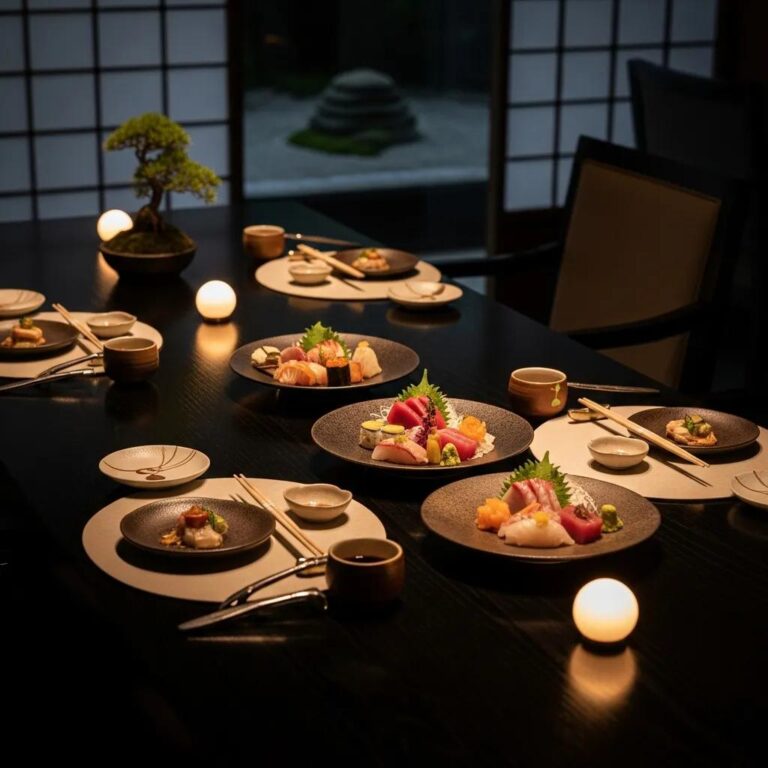
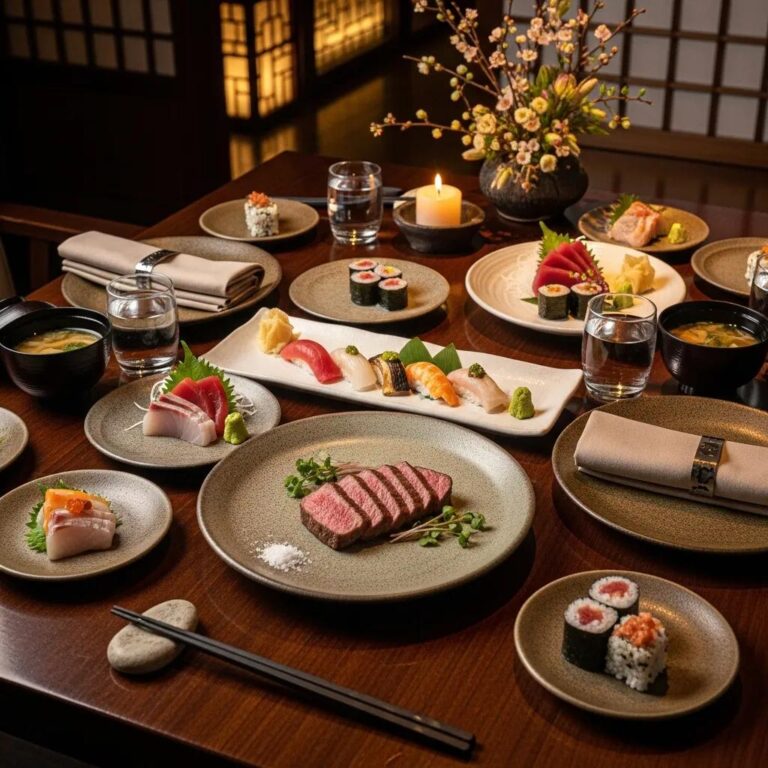
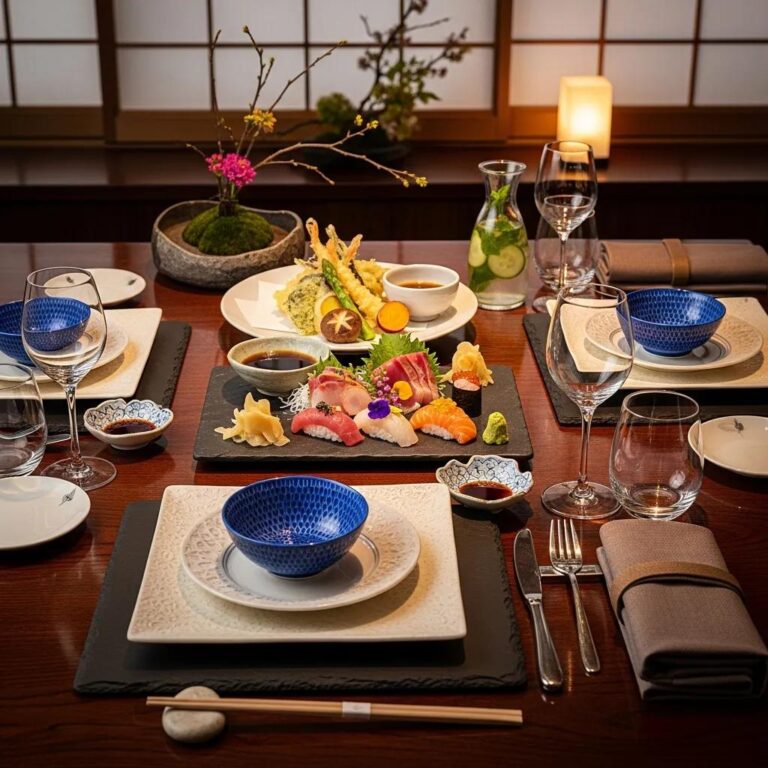
Ambiance transforms plant-based tasting into an immersive ritual. Focused lighting and minimal table settings draw attention to plating and texture, while curated music and deliberate service pacing invite guests to savor each course. Thoughtful tableware—handmade ceramics, lacquered trays and subtle garnishes—adds tactile detail and signals craftsmanship long before the first bite.
Service rituals—course introductions, palate cleansers and timed reveals—create moments of anticipation that highlight the deliberate construction of vegetarian sequences. Those hospitality touches ensure plant-forward menus feel intentionally luxurious and ceremonially significant, reinforcing the provenance and technique on the plate.
Why Is Plant-Based Gourmet Cuisine Growing in Popularity and Sustainability?
Plant-based gourmet cuisine is rising because consumer demand for sustainability now meets culinary advances that narrow the sensory gap with animal-based luxury. Investment in fermentation, preservation and vegetable-centric technique has given chefs new tools to extract depth and complexity. Market momentum through 2025 shows growing interest in plant-forward menus at high-end restaurants as diners seek both environmental responsibility and refined flavor. That shift encourages supplier partnerships, regenerative sourcing experiments and root-to-stem practices that reduce waste while amplifying ingredient value.
Restaurants fold sustainability into the guest story by highlighting suppliers, seasonal cycles and preservation methods—like fermentation—that extend ingredient utility. Those practices reduce environmental impact and add narrative depth that matters to guests who care about provenance.
What Are the Latest Trends in Sustainable Luxury Dining?
Current trends in sustainable luxury dining include regenerative sourcing, root-to-stem cooking and chef-led farm partnerships that prioritize biodiversity and soil health. Chefs are also using fermentation and careful aging to concentrate flavor and cut waste, while menu transparency—clear sourcing and handling notes—builds trust and supports premium pricing. Logistics and tech improvements help kitchens work with smaller-batch suppliers and tighter seasonal rotations aligned with sustainability goals.
- Regenerative sourcing: Partnering with farms that restore soil and biodiversity.
- Root-to-stem: Using whole produce to minimize waste and maximize flavor.
- Fermentation aging: Unlocking depth of flavor while extending shelf life.
These trends reshape procurement and kitchen operations, with luxury restaurants often at the forefront.
How Does Plant-Based Fine Dining Contribute to Environmental Responsibility?
Plant-based fine dining lowers resource intensity, reduces dependence on high-impact animal agriculture and promotes local, seasonal sourcing that shortens supply chains. Operationally, kitchens cut waste through composting, repurpose offcuts into stocks or pickles, and design menus around abundance rather than fixed imports. For guests, clear explanations of fermentation methods, farm partnerships and waste strategies make sustainability a tangible part of the dining story and reinforce that environmental responsibility can be integral to luxury.
Practical takeaways: choose menus that describe provenance, support restaurants with transparent sustainability narratives, and recognize that plant-forward luxury can deliver both elevated taste and measurable environmental benefits. Industry momentum suggests this alignment will keep reshaping how luxury dining defines value.
Frequently Asked Questions
What are the benefits of choosing plant-based gourmet cuisine?
Plant-based gourmet dining offers several advantages: it can be healthier, it reduces environmental impact compared with many animal-based choices, and it encourages culinary creativity. High-quality plant menus highlight seasonal produce and preservation techniques that deliver complex flavor and texture, offering a memorable and often surprising culinary experience.
How can I identify a high-quality plant-based restaurant?
Look for clear signals: detailed menu descriptions that call out fermentation, dashi sources and provenance; chef-led tasting formats; precise plating and deliberate pacing; and thoughtful service. Reviews and recommendations help, but the best indicator is transparency about ingredients and technique—those restaurants take their craft seriously.
Are there specific dietary considerations for luxury vegan dining?
Yes—high-end kitchens often customize tasting menus, but they need advance notice for allergies, strict vegan requirements or other preferences. Communicate needs when booking, especially for gluten-free or nut-free requests, so the chef can plan appropriate substitutions without compromising the sequence.
What role does presentation play in plant-based gourmet dining?
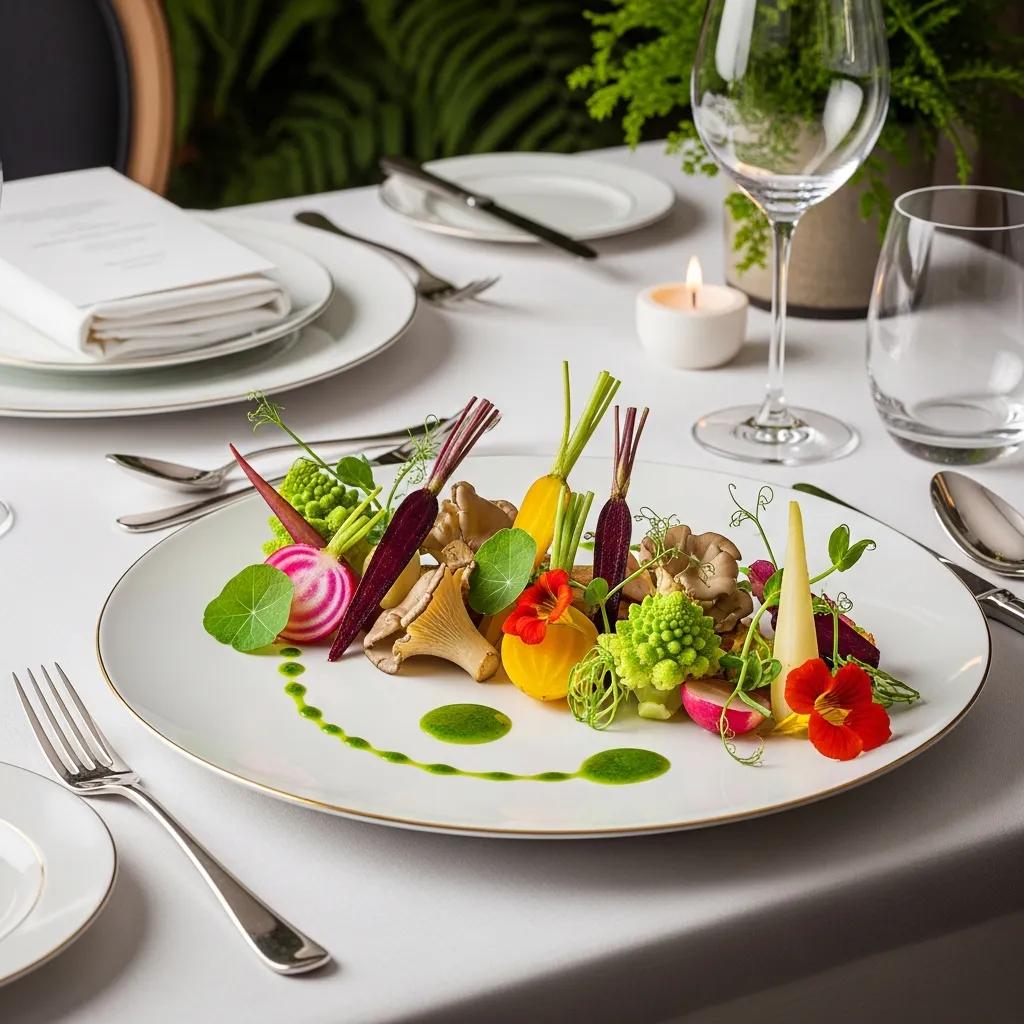
Presentation is central: it frames taste and signals care. Chefs use artistic plating, color contrast and considered tableware to heighten anticipation and underscore ingredient quality. Thoughtful presentation helps elevate a plant-based course from nourishing to memorable.
How do chefs ensure flavor depth in plant-based dishes?
Chefs rely on techniques like fermentation, umami layering and careful reductions, plus high-quality ingredients, to build depth. Umami-rich elements—mushrooms, miso and seaweed—paired with slow reductions and precise seasoning create rich, satisfying flavors that stand shoulder-to-shoulder with animal-based dishes.
What are some popular plant-based gourmet dishes to try?
Look for creative plates such as miso-cured eggplant, king oyster “scallops,” seasonal vegetable omakase, kelp-cured produce and nut-based emulsions. These dishes showcase textural variety and the inventive use of fermented and preserved ingredients common to modern plant-forward fine dining.
Conclusion
Plant-based gourmet cuisine proves that elevated dining and sustainability can coexist. By understanding the techniques and premium ingredients behind this movement, diners can better appreciate the craft behind each course. If you’re curious, reserve a table at a local fine-dining restaurant that highlights plant-forward offerings and experience how vegetables, fermentation and precise technique can transform a meal into something truly memorable.
**