




The Role of Foie Gras in Contemporary Fine Dining: A Closer Look at Gourmet Ingredients and Luxury Trends
Foie gras — the rich liver of specially fed duck or goose — is prized for its buttery mouthfeel and concentrated umami. In today’s fine‑dining kitchens it does more than taste luxurious: it anchors a course, showcases technical skill, and signals a chef’s commitment to ingredient craft. This piece explains why foie gras remains a staple on modern tasting menus, how it fits into Japanese omakase sequencing, and how contemporary trends shape its pairing with other premium elements like A5 Wagyu and caviar. For diners who value both technique and provenance, understanding foie gras’s flavor mechanics and service placement sharpens expectations and deepens appreciation.
We’ll start by defining what makes foie gras distinct, then move through common preparations, omakase adaptations at a contemporary Japanese restaurant, sourcing and sustainability considerations, practical reservation tips for exclusive tastings, and finally current presentation and pairing trends influencing chefs worldwide.
By the end you’ll have practical takeaways: how chefs shape the liver’s fat and flavor to create contrast, where foie gras typically sits in a multi‑course tasting, and which pairings — from bright compotes to saline caviar and lacquered A5 Wagyu — change how richness reads on the palate. Along the way we describe signature preparations that illustrate technique, service rhythm, and pairing logic so culinary professionals and curious diners can see why foie gras remains central to haute cuisine. Next, we outline the ingredient’s defining sensory and structural qualities to set up our discussion of technique and menu architecture.
What Makes Foie Gras a Premier Gourmet Ingredient in Fine Dining?
Foie gras earns its status from a unique combination of dense fat, delicate lobes, and concentrated flavor compounds that create an immediate sensation of silkiness and a lasting umami finish. Chefs value these functional qualities because they translate across methods — searing, torchon, mousse, nigiri — letting foie gras act as a bold centerpiece or a nuanced accent. On the plate its primary strength is mouthfeel, which links contrasting textures within a course; its wider value comes from pairing flexibility with acidic, sweet, and saline elements. Recognizing these attributes explains why foie gras appears from amuses to composed mains and why it’s integral to menus focused on sensory contrast and intentional pacing.
Foie gras delivers three clear advantages for chefs and guests:
- Rich mouthfeel: High fat content gives a velvety coating on the palate and elevates perception of luxury.
- Concentrated flavor: Buttery, umami‑forward notes mean small portions make a big impression.
- Technical versatility: Works equally well seared, cured, in a torchon, mousse, or as nigiri — adaptable to many service languages.
Those strengths inform how chefs deploy foie gras within a meal and how its flavor profile guides technique choices.
Different preparations emphasize different qualities; the table below compares texture, flavor highlights, and typical uses so those trade‑offs are clear.
This comparison shows how chefs select a preparation to achieve specific textural interplay and a defined service role. Next we explore how foie gras shapes the overall sensory experience.
How Does Foie Gras Enhance Luxury Food Experiences?
Foie gras elevates luxury dining by delivering a tactile richness that primes the palate for contrast and lifts the perceived value of a course. Its high fat content produces a lingering finish and a temperature‑sensitive melt that engages texture, aroma, and aftertaste — each bite contributes to a narrative arc across a tasting menu. In service, foie gras often functions as a memorable highlight: an opening amuse to announce craft, a mid‑menu peak to deepen umami, or a closing signature paired with sweet‑acid elements. These moments reward attentive tasting and linger in guests’ memories.
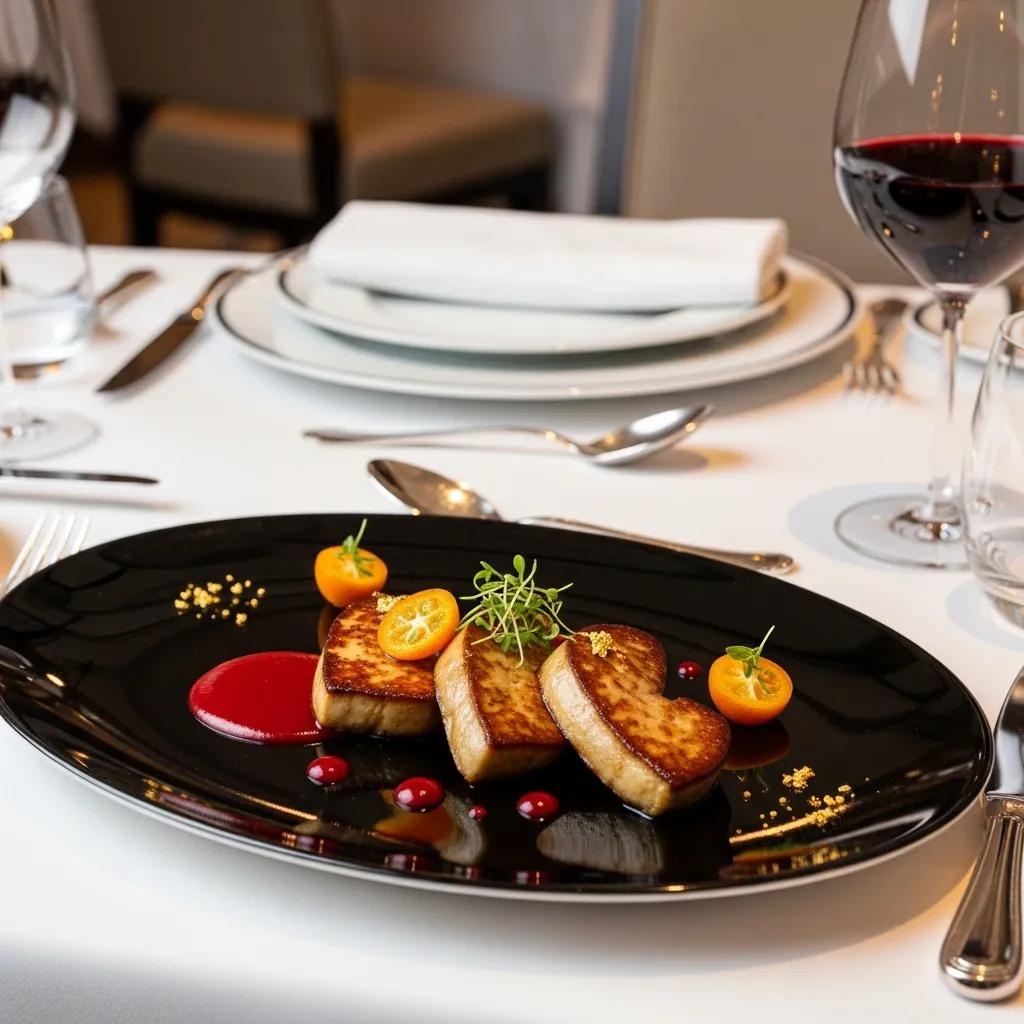
Chefs exploit foie gras’s power by dialing portion, temperature, and contrast; a single seared slice with a bright compote or a touch of caviar can turn richness into refinement. We now turn to the flavor profiles and practical applications that make those pairings work.
What Are the Unique Flavor Profiles and Culinary Uses of Foie Gras?
Foie gras reads as buttered dairy, toasted nuts, and savory umami — a balance of sweetness and minerality over a rich backbone. It pairs naturally with acidic agents (yuzu, vinegars, pickles) that cut fat and with sweet accents (fruit compotes, caramelized shallots) that echo its sweetness. Common techniques range from searing to develop Maillard complexity, to torchon or terrine for chilled refinement, mousse for lightness and infusion, and nigiri where rice acidity and soy notes balance the liver’s weight.
Typical culinary techniques include:
- Seared portions for textural contrast and caramelization.
- Torchon for chilled, refined service and spreading.
- Mousse for aeration and flavor layering.
- Nigiri or sushi integration to contrast rice acidity with rich fat.
With these applications in mind, we next examine how foie gras is woven into Japanese omakase at Kaviar.
How Is Foie Gras Integrated into Japanese Omakase at Kaviar Restaurant?

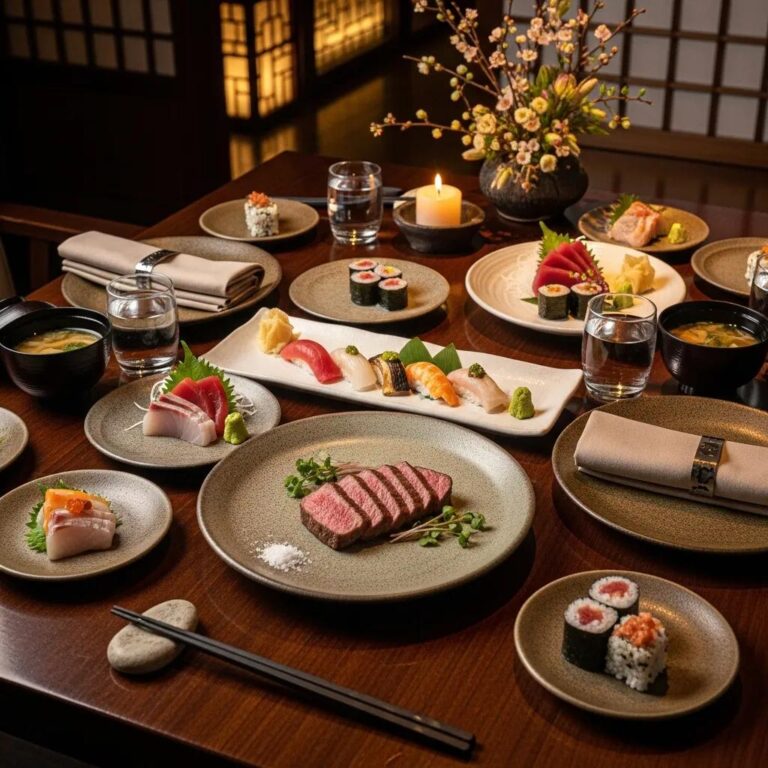
In an omakase sequence, foie gras is a deliberate narrative device: its placement and preparation sustain pacing, introduce textural contrast, and spotlight technique. Typically it follows lighter items to provide mid‑menu weight, or it appears later as a signature richness balanced by sweet or acidic accompaniments. Chefs adapting foie gras to Japanese methods pay strict attention to portion size, rice seasoning when used as nigiri, and minimal seasoning so the liver’s fat and umami remain front and center.
At Kaviar, our treatment of foie gras reflects Japanese restraint and contemporary luxury: small, precise formats emphasize balance, and sauces or garnishes accentuate rather than overwhelm the ingredient. These culinary choices set expectations for pacing and flavor progression and shape how guests judge a tasting menu. Next we highlight a few signature dishes that embody this approach and offer a simple reservation cue for guests.
What Signature Foie Gras Dishes Define Kaviar’s Premium Dining Experience?
At Kaviar we showcase foie gras in a few signature ways that focus on texture, temperature contrast, and fine seasoning. One favorite is seared foie gras nigiri: a thin torch‑cut lobe caramelized briefly, brushed with a restrained soy glaze, and placed on lightly seasoned rice — balance between acidity, lacquered caramelization, and velvety fat. Another is a chilled torchon paired with a small tart segment and micro herbs, where cool creaminess meets a bright fruit or vinegar note. These bites are crafted to be experienced within an omakase narrative that values craft and select ingredients.
Guests who want to try these preparations can reserve an omakase tasting at Kaviar via our reservation page or common booking platforms during busy periods. From here we move into technical pairing strategies that combine foie gras with A5 Wagyu and caviar.
How Does Kaviar Combine Foie Gras with A5 Wagyu and Caviar?
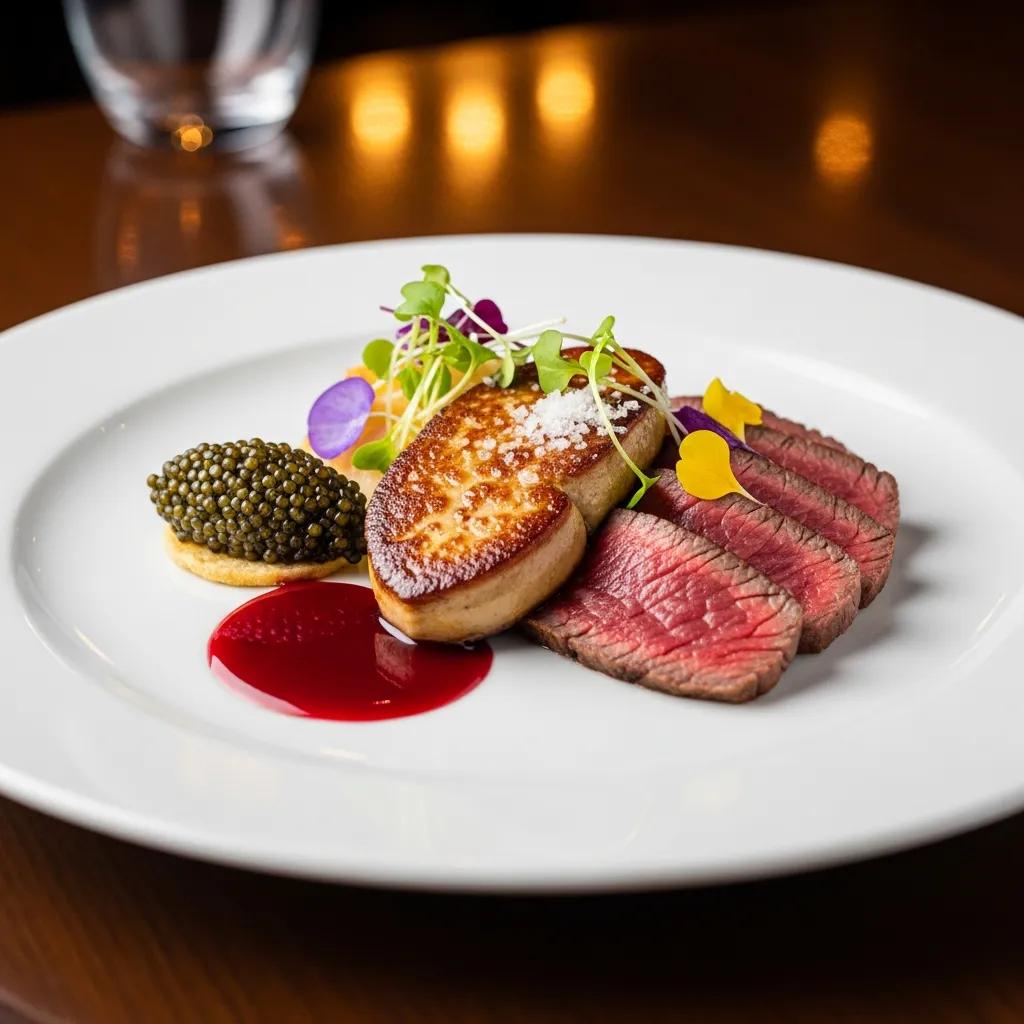
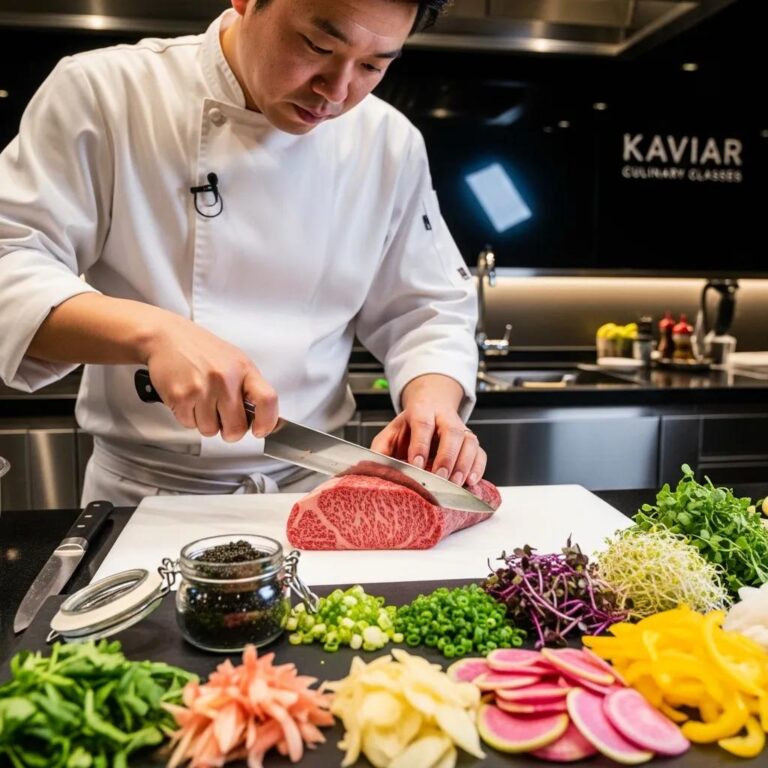
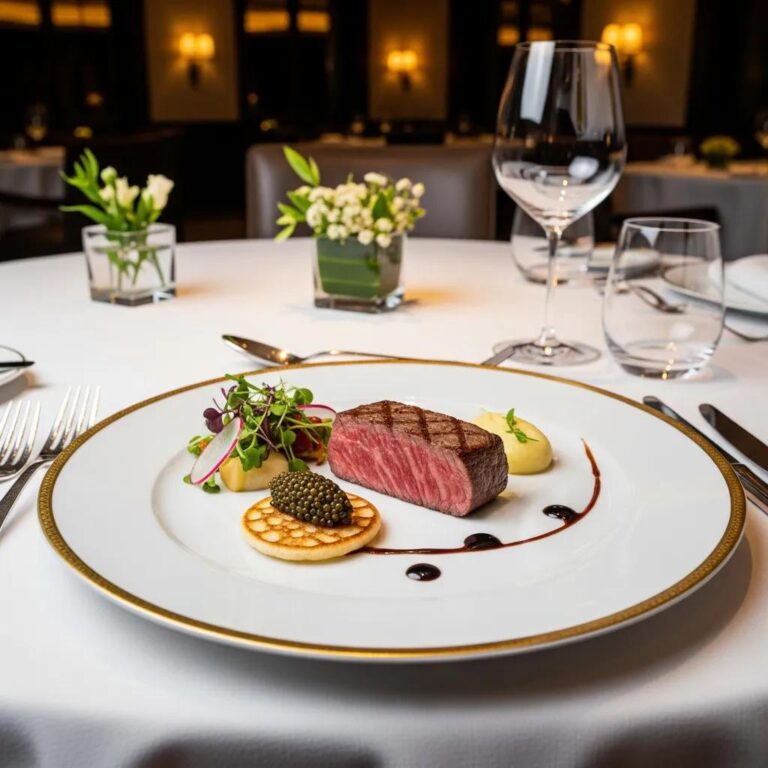
Pairing foie gras with A5 Wagyu and caviar at Kaviar is governed by clear logic: layers of fat and umami need counterpoints in texture and seasoning so each element lifts the others without numbing the palate. A5 Wagyu’s marbling complements foie gras’s melt, so chefs might pair a lightly seared wagyu slice with a torched foie gras topper to amplify buttery depth. Caviar adds saline lift and delicate pop, cutting through richness and introducing a refined textural counterpoint.
An example: a composed nigiri where a flamed sliver of Wagyu is crowned with a seared foie gras medallion and finished with a small spoon of caviar — a study in fattiness, umami, and saline brightness. Such combinations demand precise portioning and restrained seasoning to maintain clarity. This leads naturally into sourcing and provenance, which underpin ingredient quality.
Where Does Kaviar Source Its Foie Gras and Other Luxury Ingredients?
For luxury ingredients we prioritize traceability, supplier standards, and consistent quality so techniques perform predictably and guests receive a reliable experience. For foie gras that means sourcing from producers with transparent husbandry practices and consistent lobe quality for steady searing and torchon results. The same care applies to A5 Wagyu and caviar: we look for graded quality, strict cold‑chain handling, and reliable storage to protect texture and flavor. Clear communication about these practices builds trust with discerning diners and ties each plate back to its provenance.
The table links sourcing attributes to culinary performance; below we outline sustainability practices and how we communicate them to guests.
What Are the Sustainable and Premium Sourcing Practices for Foie Gras?
Sustainable sourcing emphasizes animal welfare transparency, legal compliance, and supply‑chain traceability to meet growing interest in provenance. Responsible kitchens set criteria that consider rearing conditions, humane handling, and documentation verifying legal origin, and they share that information through menu notes and staff training so guests can make informed choices. While debates about production methods continue, leading restaurants prioritize suppliers who provide clear traceability and let chefs deliver consistent technique without compromising ethical standards.
By training front‑of‑house staff to discuss sourcing and by making provenance visible, restaurants turn ingredient quality into a trust point that enriches the guest experience. Next we connect ingredient quality directly to what lands on the plate.
How Does Ingredient Quality Impact Fine Dining Delicacies at Kaviar?
Ingredient quality shapes technique, yield, and the sensory result of items like foie gras: a uniform lobe sears predictably, slices cleanly, and achieves the intended mouthfeel, whereas inconsistent produce introduces variability. Premium inputs reduce the need for heavy seasoning, letting chefs showcase natural flavors and subtle contrasts. Operationally, dependable sourcing affects pricing and portion decisions because predictable yields enable precise plating and cost control.
This chain — sourcing to technique to guest perception — explains why transparency and consistent procurement are essential to a luxury dining standard. With sourcing and quality covered, diners naturally want to know how to reserve a seat, which we address next.
How Can Diners Reserve an Exclusive Foie Gras Dining Experience at Kaviar?
Booking a foie gras–forward omakase takes planning, clear communication of dietary needs, and familiarity with the channels used by high‑demand restaurants. We recommend reserving well in advance, stating preferences or restrictions at booking, and expecting a paced, curated tasting with limited seating. Kaviar accepts reservations through our reservation page and common booking platforms; guests should note dietary restrictions and flag if they particularly want foie gras featured so the kitchen can accommodate. This helps align the omakase with guest expectations.
For quick, practical guidance, follow these steps to reserve an omakase tasting featuring foie gras:
- Select a date and party size: Choose preferred dates and confirm the exact number of guests so we can plan seating and pacing.
- Specify preferences: Note dietary restrictions and any desires to include foie gras, A5 Wagyu, or caviar so the kitchen can prepare accordingly.
- Confirm reservation: Use the restaurant’s reservation page or a trusted booking platform to finalize your booking and review cancellation or deposit policies.
These steps make planning straightforward and clarify what to expect on the night. The next section describes our reservation process in more detail.
What Is the Reservation Process for Kaviar’s Omakase Menu?
To book Kaviar’s omakase, select a date, provide guest information, and indicate dietary needs or celebratory requests so we can tailor the tasting. Our team typically follows up to confirm preferences and advise on arrival times and pacing, which helps sync service rhythm with kitchen staging. Because omakase seating is limited, early booking is advised during peak periods; flagging interest in foie gras or other premium ingredients allows us to allocate portions and sequence courses effectively. This clarity reduces surprises and enhances the bespoke nature of the experience.
What Should Guests Expect from the Premium Dining Atmosphere?
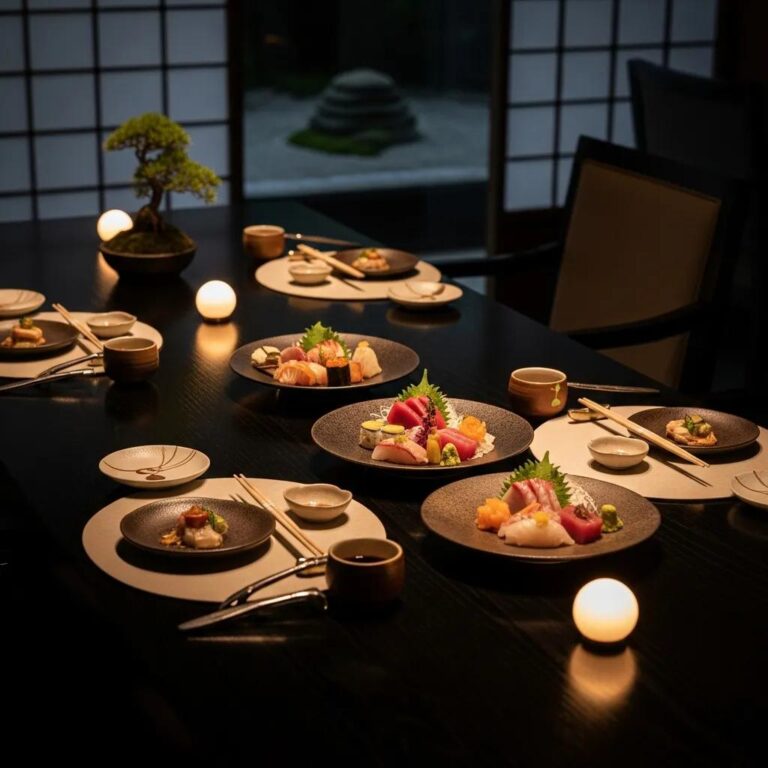
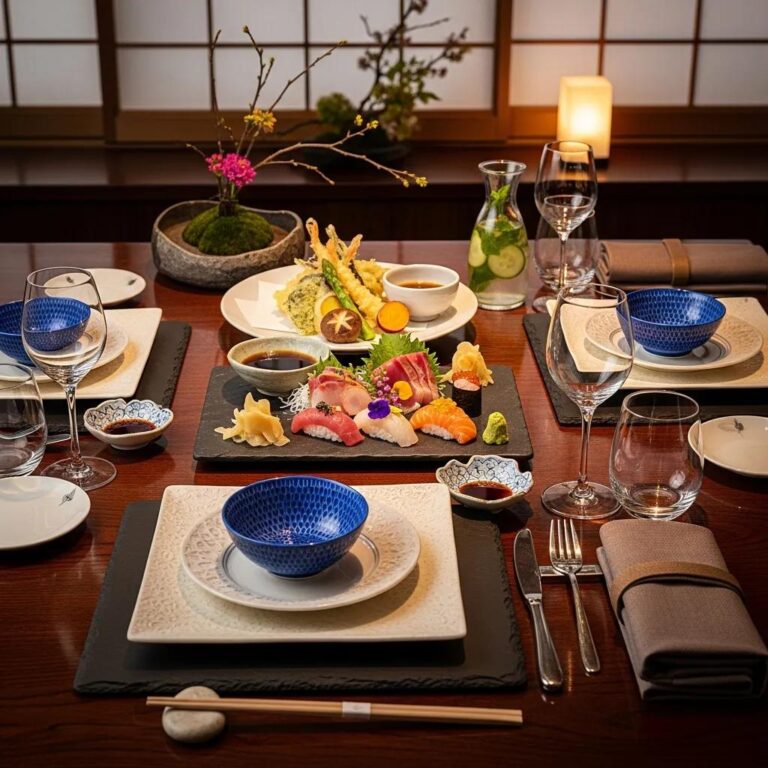
Expect a measured, intentional atmosphere where pacing, portioning, and informed service create a curated narrative. Omakase emphasizes direct interaction with the chef or knowledgeable servers, restrained table settings, and attention to sequencing — each course reveals contrasts and progression. Dress tends toward smart‑casual or elevated attire, and diners are encouraged to stay present and follow service flow to fully appreciate the interplay of ingredients like foie gras, A5 Wagyu, and caviar. This controlled environment supports the sensory storytelling that makes an omakase tasting immersive and memorable.
With ambiance and service covered, we broaden the view to current luxury food trends involving foie gras and related premium components.
What Are the Latest Luxury Food Trends Involving Foie Gras in Fine Dining?
Today’s trends find chefs blending classic foie gras technique with cross‑cultural formats, notably its integration into omakase and other tasting menus that favor restraint and harmony. Provenance and sustainability have become essential talking points, driving creative sourcing narratives and smaller, more impactful portions. Presentation now plays with contrast — minimalist nigiri versus composed plates — while pairing strategies emphasize acidic, sweet, and saline partners to balance fat. Chefs experiment with texture modulation and micro‑portioning to make foie gras accessible without diluting its sense of luxury.
This overview shows how conceptual shifts translate into menu choices and guest communication; the next section examines the culinary innovations driving these trends.
How Is Foie Gras Influencing Contemporary Culinary Innovations?
Foie gras drives innovation by encouraging technique crossovers — for example, applying sushi craftsmanship to rich Western ingredients — and by prompting chefs to rethink portion, temperature, and garnish to achieve balanced bites. Examples include thin torchon slices used as toppings for crisp, acidic accoutrements or layered small plates with pickled elements to cut fat. Micro‑portioning and multi‑component bites let chefs introduce foie gras throughout a tasting without overwhelming the palate, and experimentation with fermentation or textured condiments complements its umami.
These approaches preserve foie gras’s sensory appeal while responding to diners’ appetite for variety and visible provenance, setting up practical pairing options we cover next.
What Are Popular Pairings and Presentation Styles for Foie Gras Today?
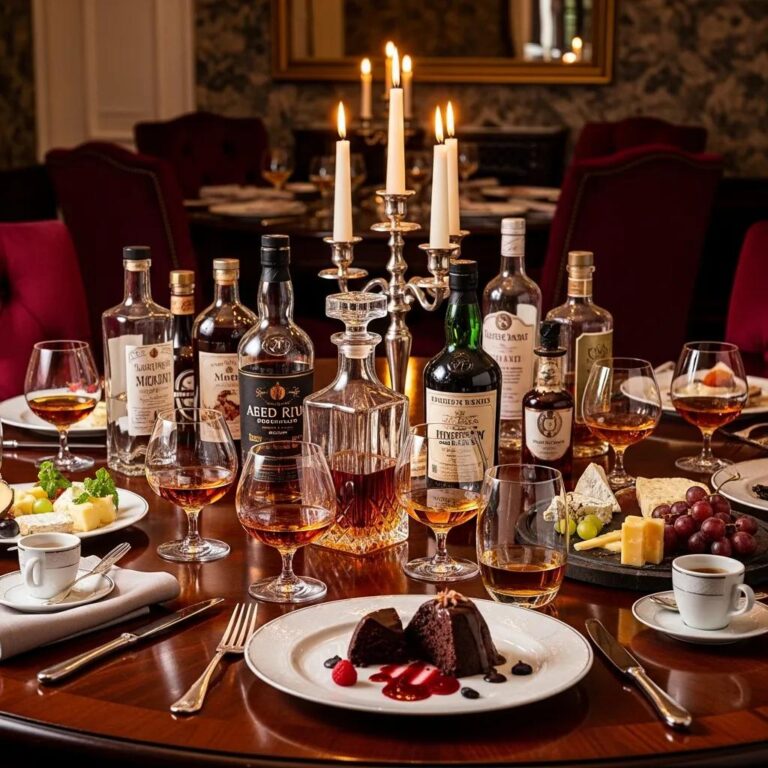
Modern pairings lean on contrast and lift: sweet elements (fruit compotes, aged balsamic) balance fat; acidic touches (yuzu, pickles) cut richness; and saline notes (caviar, smoked salt) provide brightness. Presentation ranges from pared‑back nigiri — foie gras as a single, elevated topping — to composed plates that combine temperature contrast, crunchy textures, and micro herbs for aromatic nuance. Wine and sake choices generally fall into three camps: bright acidity to cut fat, slightly sweet vintages to mirror foie gras’s sweetness, and dry, umami‑rich sakes to echo savory notes.
Popular pairing categories include:
- Sweet‑acid balance: Fruit compotes, late‑harvest accents.
- Saline lift: Caviar, smoked salts.
- Textural contrast: Crisp elements, pickles, toasted bread.
By choosing complementary partners and thoughtful presentation, chefs highlight foie gras while reflecting modern priorities: balance, traceability, and refined technique.
Frequently Asked Questions
What are the ethical concerns surrounding foie gras production?
Ethical concerns focus on animal welfare. Traditional foie gras production has involved force‑feeding to enlarge livers, a practice criticized by animal welfare groups. In response, some producers and restaurants seek suppliers using more humane practices — improved rearing conditions, better handling, and clearer documentation. Diners who care about ethics should ask restaurants about sourcing and choose establishments that prioritize transparency and higher welfare standards.
How can diners enhance their foie gras tasting experience?
To get the most from foie gras, pay attention to accompaniments and context. Pair it with contrasting flavors — bright acids or sweet compotes — and ask the chef or server about preparation and suggested pairings. Savor each bite slowly, note texture and aftertaste, and consider how temperature and garnish shift the experience. Engaging with the team adds depth and makes the tasting more memorable.
What are some common misconceptions about foie gras?
One misconception is that foie gras is unbearably rich or unapproachable; when well‑prepared and paired thoughtfully it can feel balanced and nuanced. Another is that all foie gras is produced inhumanely — while concerns exist, there are suppliers committed to higher welfare standards and traceability. Understanding those distinctions helps diners appreciate foie gras as a versatile, sophisticated ingredient rather than a one‑note luxury.
What are the best wine pairings for foie gras?
Classic pairings lean toward wines that balance or mirror foie gras’s richness. Sweet wines like Sauternes or late‑harvest Riesling are timeless choices, their sweetness offsetting fat. Dry whites with bright acidity — Sauvignon Blanc or a lean Chardonnay — can cut through richness, while sparkling wines, including Champagne, add refreshing lift and textural contrast. Sake options with acidity or umami depth also pair exceptionally well.
How does the preparation method affect the flavor of foie gras?
Preparation profoundly shapes foie gras’s flavor and texture. Searing creates a caramelized crust and concentrated savory notes; torchon yields a silky, chilled texture that accentuates creaminess; mousse introduces lightness and allows flavor infusions. Each method highlights different facets of the ingredient, helping diners appreciate its versatility across service contexts.
What role does foie gras play in modern culinary trends?
Foie gras bridges classical technique and contemporary dining. Chefs incorporate it into fusion formats — nigiri, layered small plates, restrained tasting sequences — while emphasizing provenance and sustainability. Its use in tasting menus enables creative pairings and presentations that respect the ingredient’s heritage while appealing to modern palates seeking balance and transparency.
Conclusion
Foie gras remains a distinctive gourmet ingredient: its lush mouthfeel, concentrated flavor, and technical flexibility elevate fine‑dining experiences. Understanding its sensory profile, thoughtful pairings, and sourcing considerations deepens appreciation for why chefs continue to place it at the center of contemporary tasting menus. To experience foie gras firsthand, consider reserving an omakase or tasting at a fine‑dining restaurant — taste the craft, provenance, and balance that make it memorable.